It’s almost ten years since Facebook Connectivity launched in an effort to bring free internet, and Facebook, to millions of people worldwide. While there have been various experiments and successes, Meta has decided it’s time to shut the division down. It all seems linked to the 11,000 layoffs that happened about a month ago in the company.
Recently rebranded as Meta Connectivity, the division has spent almost a decade and plenty of money on several initiatives. There were drones beaming internet connection to Facebook to users on the ground. Also, they played with using some satellites orbiting the Earth, but that team vanished to Amazon.
As part of its ambition, Meta Connectivity also brought free internet and connection to Facebook in poor or underdeveloped areas. I say free loosely, as Meta discovered that mobile providers were still charging users for data usage. None of that matters now, as Meta is officially closing the Connectivity division.
Rumors are that Mark Zuckerberg is pumping more money into the Metaverse, which is apparently still a main focus for the company. According to experts, Meta will lose more money going into 2023 developing this virtual playground for the blockchain elite and wealthy.
At least Meta is still involved in the Telecom Infra Project (TIP), designed for the development of telecom infrastructure. However, Zuckerberg’s ambition may get the best of him yet. We may also see Meta pulling out of this project if it needs more funds for the Metaverse.
Let’s try to put a positive spin on this. Maybe if Metaverse makes the company enough money, Meta will use those returns to return to helping underdeveloped areas connect to the internet for more than simply posting on Facebook for free. Or help them join the virtual space at no cost to them.
We’ll have to see what plans Meta comes up with now that the Connectivity division is gone.
Social media is a term that, today, has a very loosely-defined meaning. It refers to a class of apps, such as Facebook, Instagram, and Twitter, designed to keep us connected, but as the social mediums of the past changed, so too did the meaning of the word. In the article that follows, we’ll explore the rise and current fall of social media. We’ll also briefly touch upon the dangers that these apps pose and how society has become so fully engrossed in social media.
You take the blue pill, and nothing changes. Then, You carry on posting, mindlessly scrolling, and experiencing the short-lived but constant supply of dopamine that social media feeds you. You take the red pill, and you wake up. You learn what it means to communicate again. From there, you rediscover what it means to be alive – truly alive, not alive but stuck in a virtual fantasy nestled atop a slowly crumbling house of cards. So, what will it be?
What is a social network?
In its simplest and earliest expression, a social network is a way to combine your list of close connections with someone else’s list of close connections so that you both gain a larger list of connections, albeit not always as close as the former. A non-digital social network could be you introducing your group of friends to another friend’s group of close friends. Somewhere in the chaos, new connections are bound to develop, such as strengthening the bonds within the new social network. That’s literally all there is to it.
Of course, we live increasingly more digital lives these days. And social media, in digital terms, has come to mean so many things to so many people that it’s lost its original meaning. However, given the current climate of the social media industry, we needn’t quibble over terminology.
How did humanity become so addicted to social media?
It happened slowly, like bringing a frog to a boil so slowly that it doesn’t realize it’s burning – until it’s too late. Social media was born out of a desire to connect people to each other more effectively – and for a while, this is exactly what early social media did. Back in the day, content meant satisfied if you pronounced it slightly differently, and social media was more about connecting with other people, not publishing mindless content.
For instance, one of the earlier utilities, Friendster, allowed people to connect their groups of friends to other people’s connections, thereby giving people gateways to friends of their friends’ friends. The purpose of social networks was to network socially with other people. This is a far cry from the trashy Instagram measuring contest that most social media has become.
The age of social media addiction and the decline of social networking began with the release of Instagram in around 2009. Let’s be clear; Instagram, as it was envisioned by its original creator, Kevin Systrom, was very different from how it’s turned out. Basically, Instagram was meant to allow people to share their experiences with their friends through video and photos, but that was pretty much it. The dumpster fire, political, virtue signaling, toxic, influencer nature of the app is primarily thanks to our greedy friends at Facebook – now Meta. Meta is not to be confused with the Metaverse, Zuckerberg’s misguided attempt to lure humanity into a future that he solely controls.
Ugliness aside, the launch of a media-sharing platform like Instagram catapulted us into a world where the average human isn’t just experiencing broadcasted media but is actually themselves a broadcaster. This would likely have turned out fine if Systrom was left to manage the app himself. Instagram, formerly called Burbn, would have continued operating at a loss, gained popularity, lost popularity, and inevitably lost humanity’s interest.
Fun Fact: Facebook has always been in the business of collecting user data and buying other platforms. Its founder, the powerful Zuck, has a historic propensity for calling his app’s users ‘dumb f***s’. User data is money because whoever controls user data, has access to the likes, dislikes, desires, and secrets of whoever uses their app.
This is power over entire countries that can be sold to threat actors for a massive profit. Any social media platform that tells you it isn’t interested in your data is lying to you. Data drives the algorithm, which drives your engagement, which drives the type of data that is collected, which drives the algorithm, and so it goes until you’re left with a system that knows you better than you’ll ever know yourself and thus has power over you. Is that really the kind of future you want?
When Facebook gets a hold of another platform, the first step is to make it profitable. This means ads, lots of ads. It also means finding ways to boost engagement which boosts data collection, which boosts engagement, and so on. The more engagement, the more money.
In any case, the tide change from the average human simply reading or watching to actually creating ‘content’ has landed us where we are today.
The current social media climate
Where we are today is at a crossroads. This takes us back to the red pill/ blue pill statement from before. Social media in its current iteration is primarily comprised of people doing either stupid, dangerous, provocative, illegal, or downright disgusting things for ‘clout’ – or social media exposure.
This is because more followers, likes, views, and comments typically means more chance at becoming that rare thing; a social media influencer. The fact that we call these people influencers should already be a red flag of note. That literally means that we accept that their actions, opinions, and biases are meant to influence the masses. These influencers have already had some mark on society in the past, such as in the US presidential elections of 2016.
Social media is in a state of disarray right now. We live in a time where Zuck is complaining that Facebook is losing money because people of a certain demographic are dying. The rest of the social media extended universe is calling Facebook an old folk’s home, Twitter is in an inherently unstable liminal space at the moment, TikTok, a Chinese app, seems to be brainwashing western children with insipid dances and vapid influencers while in China, the app is reportedly used to educate children on how to live healthier lives.
It’s as if this entire effort has been a massive social experiment. The experiment has failed, for the average person at least. For corporations, however, this experiment has generated billions upon billions in cold hard cash – or cryptocurrency.
The anti-social social media movement
There’s a massive movement toward a disconnected life happening right now. Disconnected from social media, that is. Which, in turn, means more connected to each other. This is most noticeable amongst the generation termed Gen-Z. Gen-Z, while having grown up suckling at technology, are moving away from social media and toward healthier lives. Gen-Z, for the most part, realizes that you cannot be happy with yourself while being exposed to the fallacy that everyone else on social media has a more fulfilling life than you do.
In a larger proportion of people, social media usage and mental stability are mutually exclusive ideas. You’ll also find that the larger portion of people who are truly happy on social media have found a way to generate an income from it. The anti-social media movement is gaining traction by the day and is resulting in droves of people deleting their social media accounts or, at least, using social media less and less.
Where does it end?
This story ends with the inevitable demise of social media – at least in its current form. Every day, people are slowly realizing that they don’t need influencers; they don’t need the constant drip of dopamine that keeps them addicted to social media. People are waking up and realizing how much social media has taken over their lives. While there are good aspects to social media, a lot of these were lost when we moved from social networks to modern social media.
In order to remain a part of the human experience, social media needs to change. Unfortunately, or perhaps, fortunately, it won’t change. Tech billionaires are not likely to get less greedy, and the only way that social media could ever be healthy is if it became less about trying to make money at the cost of the freedoms and liberties of others – and that’s practically Meta’s bread and butter. We’ve seen how much money means with Meta cutting services and products and firing half its workforce. It’s also visible with Twitter saving on employee and infrastructure costs in the Musk era.
I want to end by saying that I’ve spoken a lot about addiction and stripping away people’s freedom. I understand that using social media is a choice we make ourselves, but we also need to understand that that choice isn’t always all that conscious. We are incredibly easy to influence, and social media is incredibly difficult to detox from.
I also admit that many people have found a way to coexist with social media in its current form. But we still shouldn’t have to. Social media should be a small part of the human experience. It shouldn’t completely take over our lives as it has in many cases.
2018 saw Meta announcing Portal devices, a new range of electronic products that gave users instant access to video calling services, a smart camera, Amazon Alexa, and many more integrated features. However, while Portal is clever on paper, it’s not generating any. This explained Meta’s June 2022 announcement that it was scaling Portal devices back to purely enterprise hardware. Now, however, Portal is being killed off completely. Will we see services and products cut for apps like Facebook next?
The news that the assistant-like devices were being killed off first broke on Reuters, shortly after Meta announced that it had initiated the biggest layoff in its history. This layoff affected 11 000 employees who, together, made up around 13% of Meta’s total workforce, but this doesn’t seem to have saved the company enough money. In the same breath that it reported on the demise of Portal, Reuters also mentioned Meta winding down its smartwatch project – excuse the pun.
Mass layoffs, product purges, and scaling back new initiatives, to the untrained eye, makes it look like Meta itself is dying. In fact, it seems plausible that Meta is doing everything it can to stay afloat. Previously, we’ve reported on the issues facing the company, from Facebook losing popularity with younger generations and the older pro-Facebook generations dying out, to the some-would-say inevitable failure of the Metaverse. However, in other areas, the company seems to be exhibiting growth.
Perhaps Meta has simply shifted focus, as Mark Zuckerberg has said, to ‘high priority growth areas.’ For support of this statement, look no further than the resources that Meta is plowing into the Metaverse, a project that Zuck and Meta are convinced is the means of communication, work, socialization, relaxation, and learning of the future. Another argument for this refocus is Meta’s dedication to its AI discovery business. Zuck has also mentioned that Meta will retain focus on its ad platform. No surprise there.
There is enough proof of either of these scenarios coming to pass. Either Meta will fold and be relegated to the hall of Memorium of tech innovations past, or it will continue cutting costs where it matters and continue shaping the world in its own – or Mark Zuckerberg’s image. We’ll see how all of this will affect fellow apps like WhatsApp and Instagram.
I suppose it all depends on whether all these resources going to the Metaverse are worth it, or whether Meta is overextending itself with the entire Metaverse concept. I, for one, don’t believe people are ready to move into virtual and augmented reality to that extent.
Human beings are (generally) social animals by nature, so it comes as no surprise that the rise of social media has been one of the world’s greatest digital milestones. These sites let you communicate with people all over the planet in real time, connecting with others like never before. Whether you love sharing photos or videos, or you’re just a person who has a lot to say, social media is an ideal place to express yourself and be heard.
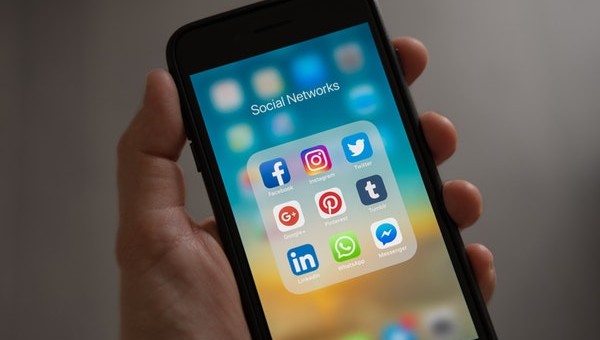
Today, you have hundreds of social networking sites right at your fingertips. There are all kinds, ranging from highly specialized platforms to ones that simply let you share every aspect of your life with other users. Knowing how to choose the best site is essential in order to make the most of everything social media has to offer.
To help you find the perfect network, in today’s article, we’re going to share a roundup of the best social media platforms out there, which are also the most popular ones in the world. Because obviously, it would make no sense to join a social network with a limited number of users. We hope you find it helpful!
1. Facebook
With more than a billion users, Mark Zuckerberg’s network takes the crown as the world’s most popular social media platform. Nowadays, it would be hard to find anyone who doesn’t know what Facebook is or have an account on this versatile social networking site.
Facebook is designed to let you share any moment of your life or thought with friends and family members. It has so many users that you can find virtually anyone by running a simple search. Could there be a more perfect way to reconnect with childhood friends or get to know your coworkers, neighbors or acquaintances better?
You can even buy and sell items in Facebook’s marketplace, use its popular messaging service, make video calls and broadcast live videos. It therefore comes as no surprise that it’s one of the most multifaceted social networking sites around.
Creating an account on Facebook is absolutely free, you just need to be over the age of 14 and click here. You can also use Facebook and its messaging service, Messenger, on a convenient mobile app. Click below to download both of them quickly and easily.
Instagram is a social networking site that lets you share your most special photos as a way of connecting with others. Unlike similar platforms, Instagram revolves around photos and videos, so it’s the perfect choice for audiovisual fans.
With thousands of active users, Instagram is one of today’s most popular social networking sites. Since it’s a highly visual network, Instagram is packed with tools to help you create the perfect image. You’ll find hundreds of fun filters and special effects, guaranteeing that your pics and videos will always turn out exactly as you want them to. What’s more, Instagram has a messaging service and lets you create temporary posts known as “Stories.”
If you want to try Instagram, you can check out the website here. You’ll also need to download the app, which you can do quickly and safely below.
Twitter is the famous 280-character social networking site inspired by the old saying “a little birdie told me…” It lets you share news, feelings, thoughts, images and basically anything you want. The only rule is to never go over that character limit. The rest is up to you!
With 340 million active users, Twitter is the perfect social media platform for sharing news at lightning speed. In fact, in recent years, Twitter has become an indispensable tool used by media outlets, journalists and local authorities to transmit information to the public instantly.
If you’re one of those people who likes to eat breakfast every morning while reading the newspaper, we highly recommend Twitter. Moreover, using its powerful hashtag (#) system, you can find information about any topic you’re interested in without the need to follow specific users.
You can visit Twitter’s official website here and download the mobile app quickly and safely below.
YouTube is a social networking site whose content-sharing is centered on videos. Browsing through YouTube, you’ll find all kinds of videos, ranging from music videos and movie trailers to educational clips, cooking shows, and people demonstrating all kinds of curious talents.
YouTube currently has more than two billion active users, and with more than a billion hours of video each day, it’s the ultimate platform for multimedia content. That’s why YouTube is the perfect social networking site if you enjoy watching videos or sharing your creations on your very own channel.
If you like to create videos or want to attract followers by showing your talent in front of the camera, YouTube is the social network you’ve been looking for. To start using it, you just need a Google account (get one here), and you can visit the website here. You can also download the mobile app below.
A social media platform geared towards a younger crowd, TikTok features lighthearted content based on fun videos. Having reached its zenith in 2020 (especially during the months of confinement), TikTok is a hit with millennials and anyone who’s looking for fast, viral entertainment.
Tik Tok currently has 800 million users and is one of today’s most talked about social networking sites. You can use it to record all kinds of videos and enhance them with countless special effects. One of TikTok’s strong points are its challenges from user to user, which go viral online in a matter of seconds.
If you’re looking for an social network that’s unabashedly fun, TikTok is an excellent option. Check out the website here or download the mobile app below.
So far, we’ve talked about social networking sites designed for sharing thoughts, photos, videos and challenges, but… did you know there are also platforms that can help you find a job? The best example is LinkedIn, which has become a fundamental tool for job seekers and HR recruiters.
The way LinkedIn works is very simple. Users create an account and list their professional experience on their page in CV format. This information is backed by a network of professional contacts who can recommend them and connect them to potential jobs.
Every year, thousands of LinkedIn users find jobs through this social media platform, making it one of the most useful sites on this list. To learn more about LinkedIn, visit the website here. You can also download the mobile app quickly and safely below.
It might fly under the radar a bit more than the others, but Pinterest is an interesting social networking site designed for sharing ideas through photos and videos, as opposed to sharing messages and snippets of your life with other users.
This social media platform features countless photos in the form of pins. They can be about literally anything, from illustrations to photos of furniture, wedding centerpieces, or ideas for exercise routines to do at home. You can even find a wide variety of hairstyle tutorials. When you find something you like, just pin it to your albums for easy access whenever you need it.
Pinterest is an especially interesting site for artists who need albums or photos for inspiration, and for professionals such as interior designers and wedding planners. You can check out the website here or download the mobile app quickly and safely below.
We hope our roundup of the best social media platforms has been helpful to you. Did we forget any sites that you think should be on this list? Tell us about them in the comments section!
Social media has become a fundamental part of our everyday lives. We spend a large part of our days glued to our phones and updating our statuses, sharing our experiences, or simply scrolling through our feeds to find out what our friends are up to. While all this may sound like innocent fun, it has the potential to cause serious problems.
Social media is undeniably a great way to keep in touch with family and friends and stay on top of breaking news, but it’s also responsible for many of the problems of modern life. Addiction, depression, loss of close friendships and insomnia are only a few of the effects it can have on us.
In today’s article, we’re going to look at some of the main problems that social media has brought into our lives. It’s up to us to start using it in moderation.
1. It’s a waste of time
One of the main problems with social media is that it’s a major waste of time. It’s probably happened to you more than once: you’re scrolling through Facebook or Instagram, and before you know it, the entire afternoon has gone by. At first glance, this habit may seem innocuous, but in the long run it can become a serious problem.
Spending too much time on social media can have a negative impact on our lives, starting with our health. Since the rise of social media, many of us have traded taking walks and playing sports for lounging on the sofa and posing.
It not only affects your body, but also puts your mental health at risk. Excessive social media use can throw off your internal clock, causing you to lose your notion of time and even your ability to distinguish between night and day.
Other problems caused by wasting time on social media include difficulty concentrating or performing well at work, and the tendency to neglect one’s real-life friends in order to focus on the online ones.
That’s why it’s so important to limit the amount of time you spend on social media every day. Keep in mind that life is going on around you while you stare at your screen, and you’ll never get back the time you’re wasting.
2. It increases stress
Being addicted to social media can exponentially increase your stress level. Considering how we already live in a high-stress society, this is not something to be taken lightly.
Social media can lead to information addiction and the need to always know what is happening in the world or in the lives of your friends or acquaintances. In the long run, this leads to F.O.M.O. (Fear of Missing Out), a social anxiety disorder stemming from the irrational fear of missing some event and consequently being excluded from your group of friends.
Another major stressor arising from social media networks concerns their messaging services. You’re constantly wondering if the other person received your message, and when they take too long to respond, it can make you anxious and even depressed.
It’s important to know how to limit and manage the information you receive on social media and to avoid thinking of these platforms when you’re not connected to them.
3. It causes low self esteem
On social media, the temptation to compare your life with those of the people you follow can be irresistible. What many users don’t realize is that the lives portrayed on Facebook or Instagram are often not real, but pure fabrications created to attract more followers or to appear to be something one is not.
As the saying goes, comparison is the thief of joy, and when you constantly see your friends partying, flaunting perfect bodies, living in luxury or traveling around the world, you may perceive yourself as inferior to them.
Many social media users live in a constant state of depression due to a sense of inferiority and lack, since they don’t have the same lifestyle that they see everyone else enjoying every day.
Keep in mind that the majority of what you see on social media is just for show. Often, a person on social media who always looks happy and appears to have the perfect job is secretly unhappy and only wants to show the world the life that they wish they were actually leading.
4. It makes you lose your individuality
Social networks have led to the rise of the so-called influencers, a select group of users who, due to their charisma or posts, have amassed millions of followers. Influencers are so popular that major brands use them to promote their products or fashion.
Anything influencers say is applauded by their followers, and they are the ones who decide what is in or out of style. This generates a loss of individuality, because their followers become like sheep, following trends dictated by a handful of people.
5. It generates depression
Although there are countless things that make social media great, it can be an endless source of depression for users. These networks generate a sense of dependency and a constant need for affirmation from other users through “likes” and comments.
Excessive social media users could fall into a deep depression due to a tiny incident such as posting a selfie and not receiving as many “likes” as expected.
Another factor that can impact your mood concerns attacks by trolls or people who amuse themselves by posting hurtful comments online. Social networks have made it much easier to spread hate through groups where these individuals often pop up.
6. It affects your sleep
Excessive social media use is directly linked to insomnia. This is a consequence of other factors we have mentioned, such as stress and depression, which together create a vicious cycle of unhappiness.
It is proven that using any screen before bedtime makes it much harder to fall asleep. What’s more, social media is addictive and hard to stop thinking about even after you go to bed.
It is advisable to use social media in moderation and avoid looking at it before you go to sleep. That’s the only way you can be sure it won’t keep you up all night.
7. It generates arguments and misunderstandings
Social media lets us stay in touch with friends who live thousands of miles away and be close to our family no matter where we are. However, it can also lead to arguments and has the potential to break up even the strongest couples.
A comment on a photo that you dislike, a party you weren’t invited to, a message that was read and never answered… the reasons why people argue on social media are endless. What’s more, since it’s in writing, it’s much easier to misinterpret the tone of a conversation and reach erroneous conclusions.
Since their appearance, social media networks have brought families and friends closer together but have also destroyed stable, long-term relationships.
8. It generates a fear of being different
Social media breaks down the privacy barrier in our lives. They help us to learn things about our coworkers, friends and family members that we otherwise would not know.
Living life your own way, spending your time how you see fit, or thinking in a different way can generate a fear of being different from your loved ones. This leads to confusion, insecurity, and often a fear of not fitting in because you’re too different.
What to do if you feel negatively impacted by social media
As we’ve explained above, social media isn’t just an innocent way to have fun and be connected to the rest of the world. It has many negative effects that we need to know how to mitigate.
If you identify with any of the symptoms we’ve described, we recommend spending a few days away from social media and doing a digital detox. The first few days without being able to check Facebook, upload photos to Instagram or let off steam via Twitter will be hard for you, but in no time at all, you’ll find yourself feeling better. Once you have regained control of your life and time, you can always go back to social media, making sure you use it with moderation.
If you find yourself incapable of spending a single day without it, you probably have a serious social media addiction. In this case, we recommend deleting the apps from your phone and seeking professional help. It may seem like an extreme measure, but in the long run, you’ll realize it was the best decision you could have made.
Do you know of any other negative effects of social media? Tell us about them in the comments section!
In just a few years’ time, social media has become a fundamental part of our daily lives. In fact, for many of us, it would be hard to imagine our lives without being able to check Facebook or share our most special moments on Instagram. Without a doubt, social media has dramatically changed how we use the internet and relate to other people.
If you’re a social media fan, you’ve probably had more than one friend or family member warn you of its many adverse effects. And truth be told, while they’re useful, these communication tools can take a toll on your mind and body when used obsessively.
That said, the world of social media is not all bad, and if you don’t let it become an addiction, it can help you to live a much fuller and happier life.
In today’s article, we’re going to look at the positive impact that social media can have on your daily life. These revolutionary communication tools can make your day-to-day routines a lot more pleasant. Keep reading to find out how!
1. It can help you make new friends
Social networks make it exponentially easier to find people with hobbies and tastes similar to yours, which isn’t always possible face to face. In addition, it’s much easier for friendships to flow without superfluous aspects such as preconceived ideas or first impressions based on someone’s physical appearance.
Of course, before starting a friendship with someone, it’s important to make sure the person you’re talking to is who they claim to be. Otherwise you may be the victim of a scam or a con or have your heart broken by a catfish. Want to know how to spot one? You can find out by reading the article below.
Catfishing: What it is, how to spot an imposter, and what to do about it
One of the amazing things about social media is the fact that it has made families more united than ever while helping people to get back in touch after being out of contact for many years.
What’s my childhood best friend up to? How’s my brother who works in the UK? Is my mom okay? Thanks to social media, the answers to all these questions are right at your fingertips. It’s just a matter of typing a person’s name and finding their profile. Then you can chat, follow their updates, and have them back in your life just like in the good old days.
3. It can help you stay on top of breaking news
Social media sites like Twitter have revolutionized the news industry. They make it possible to learn about important current events only seconds after they happen without needing to depend on mainstream news sources.
One of the reasons social media is so popular is that you don’t have to look anywhere else for the latest news. All you have to do is log into the platform of your choice to see the news posted and organized on your wall. You can keep track of what’s happening in the world and even in your city or neighborhood in the blink of an eye.
4. It’s an unlimited source of interesting content
Another important point about social media: it gives you access to a variety of content that is specifically tailored to you and displayed in a simple, pleasant format. Through the accounts and groups you choose to follow, you can receive videos, tutorials, articles and unlimited content promising hours of education and fun.
Best of all, like the news, once you decide to follow an account, all of its posts will appear automatically on your wall. It will then become an endless source of content tailored to your tastes and preferences.
5. It can help you find work and promote yourself
Social networking sites are great for staying in touch with family and friends, but they also play a fundamental role in the work world. There are social media platforms like LinkedIn that can help you find a new job, and they’re also useful if you’re searching for employees or looking to promote your business online.
6. It reveals things you didn’t know about people
You may assume that you know all your friends, acquaintances and even co-workers like the back of your hand, but do you really know everything about them? In person, we often put up a shield or wear a mask of normalcy so as to not seem strange to people we barely know. But on social media, we give free rein to our thoughts, hobbies and beloved pastimes without worrying about seeming strange.
Often, when you add an acquaintance on social media, you realize that they’re much more interesting than you initially imagined. You might discover that you have a lot in common with one of your friends and that you enjoy many of the same activities, which you can start doing together.
7. It creates new jobs
The rise of social media has driven the creation of new jobs. Just think of everyone who works in the Social Media field. These consultants are in charge of capturing new clients, sharing key content on social media, and being the voice of a company or a product online. They have generated close, direct contact between companies and users, resulting in happy consumers who are loyal to the product.
8. It brings people closer together
Social media has managed to bring millions of people closer together even though they are thousands of miles apart. Although there were already programs to make calls or video calls, social media has taken things up a notch, making it even easier to communicate.
These platforms make it possible to follow your loved ones’ daily lives in a fun, uplifting way and to communicate with them instantly or through a post. This means you can have your friends around for all the important moments of your life even if they don’t live in the same town as you.
9. It makes it easier to donate to a good cause
Social media plays an important role in sharing messages to help people and charitable causes. For instance, thousands of people who have lost their pets have recovered them after rapidly sharing a photo of their dog or cat on social media.
Social media is also used to spread the word about good causes to a large number of people. Through these sites, donations can be made to sponsor research on a rare disease, to end hunger in the third world, to save an animal shelter, or simply to help an elderly person pay for their sick dog’s operation.
10. It gives free rein to your creativity
If you’re a creative person, social media is an excellent way to share your works of art with the rest of the world. Regardless of whether you use Facebook, Twitter, Instagram or Pinterest, social media is a great way to showcase your talent and receive instant feedback from other users.
There are numerous cases of amateur artists who have posted illustrations, music or writing samples and have been discovered and hired by professionals. Social media is inarguably a fantastic platform for new artists who want to try their luck with their creations online.
11. It lets you freely express your thoughts
Social media encourages all of us to come out of our shell and share our thoughts without fear of being judged. This makes it much easier to communicate for introverts, who see social media as a place to freely express themselves. That’s why for many people, being on social media is far more than a way of staying in touch with family or sharing interests with friends. It’s a communication format that allows them to open up to the world completely.
As you can see, social media has brought many positive things into our lives. However, it’s important to keep in mind that using it all the time can generate addiction and lead to serious health problems. So, be sure to use common sense, and never forget that the real world lies beyond your phone’s display.
What’s your favorite social media platform, and what’s the best experience you’ve had with it? Tell us about it in the comments section!
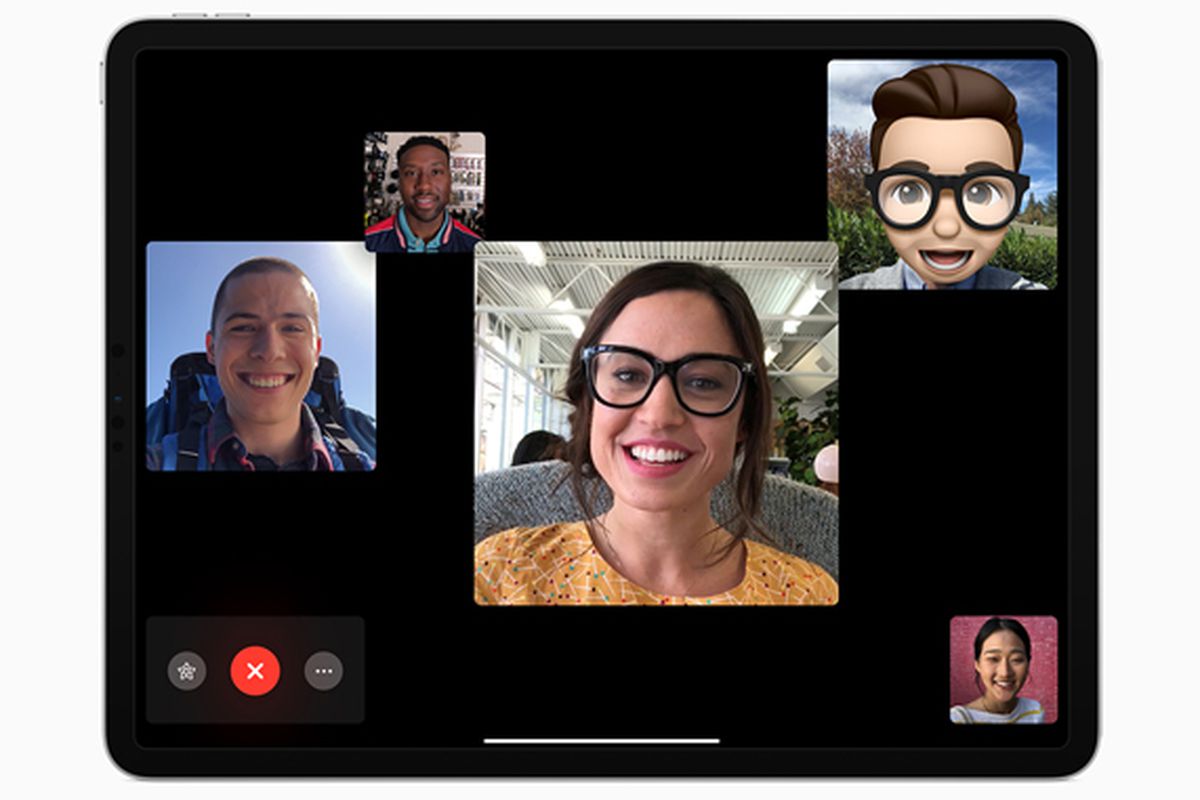
They’ve been around for years, but these days, video chat apps have become absolutely essential. They let you connect in a much warmer way than a text or a phone call, because there’s nothing like seeing the other person and chatting face-to-face. Many messaging apps now have integrated video chat, while other apps have been developed exclusively for this purpose. Do you know which one is best for you?
In today’s article, we’re going to compare the most popular video chat apps for PC and mobile devices. We hope it helps you to choose the best app to meet your needs. Let’s have a look!
WhatsApp
Available for: Android, iOS, Windows Mobile.
What you need: A smartphone with a SIM card.
Contact info it needs: Your contact’s phone number.
Types of calls: Audio and video.
Group chats?: Yes.
Messenger
Available for: Android, iOS, Windows Mobile.
What you need: A Facebook account.
Contact info it needs: Your contact’s Facebook account.
Types of calls: Audio and video.
Group chats?: Yes.
FaceTime
Available for: iOS or MacOS.
What you need: iPhone or Mac with Apple ID.
Contact info it needs: Your contact’s email address or Apple ID.
Types of calls: Audio and video.
Group chats?: Yes.
Zoom
Available for: PC, Mac, Android, iOS.
What you need: A registered Zoom account.
Contact info it needs: Meeting ID, Zoom account, meeting URL.
Types of calls: Audio and video.
Group chats?: Yes.
Skype
Available for: PC, Mac, Android, iOS.
What you need: A Microsoft account or Skype account.
Contact info it needs: Skype user ID.
Types of calls: Audio and video.
Group chats?: Yes.
Google Duo
Available for: PC, Mac, Android, iOS.
What you need: A Google account.
Contact info it needs: Your contact’s Google account.
Types of calls: Audio and video.
Group chats?: No.
Which video chat app is the most reliable?
One of the most important qualities of any video chat app is a stable connection that won’t crash. Unfortunately, it’s common for these apps to have perfect video quality but be out-of-sync with your internet connection, so they lag, drop calls or constantly freeze.
All of the above-mentioned apps offer decent stability; that is, you can have video chats without significant glitches where audio or video are concerned. Google Duo and FaceTime definitely stand out as the most stable, because regardless of whether you’re using Wi-Fi or your phone’s data plan, they are incredibly smooth.
Skype is also reliable, and we have never found it to freeze. That said, its smooth connection is due basically to its inferior video quality. Similarly, Messenger has significantly lower video quality than the rest of the apps, especially in group chats. The least-reliable option is WhatsApp, because it can sometimes freeze for a few seconds. That said, its performance is still more than satisfactory.
The best: Google Duo (Android and Windows) and FaceTime (iOS, MacOS).
Which video chat app is the best to use on my phone?
Since it’s so convenient, you’ll probably want to use your phone for video chats. Although the above category already gives you an idea of the best app for phones, there’s one factor that it doesn’t consider: what happens when you’re not connected to Wi-Fi? Unless you have an unlimited data plan, you need to be sure that a video chat won’t eat through all your data. That’s why it’s also important to determine which app consumes the least data.
After testing the apps on our list, we found that they use, on average, 10 MB per minute during video chats. Some are very data-hungry, such as WhatsApp, which uses 20 MB, while others are more moderate consumers and therefore more advisable for phones. Again, this is the case of Google Duo and FaceTime, which use 7 MB and 4.5 MB, respectively. That’s why we recommend both for video chats using your phone’s data plan.
The best: Google Duo (Android and Windows) and FaceTime (iOS, MacOS)
Which app is the best for group chats?
This time the answer is easy, because it only depends on how many people you want to invite to your video chat. Below are the numbers of participants allowed by each app.
WhatsApp- eight participants.
Messenger- 50 participants.
FaceTime- 33 participants.
Zoom- 100 participants in the free version, 1,000 in the paid version.
Skype- 50 participants.
Google Duo- It doesn’t allow group calls.
As you can see, most of these video chat apps make it possible to have group chats. Again, one of the best options is FaceTime because it allows a large number of participants and is very reliable. The only drawback is that you and your contacts need to be Apple users. Otherwise, Messenger and Skype are your best bets, because both are reliable and smoother than WhatsApp. Finally, we recommend Zoom for group chats, classes, and conferences.
Which video chat app is the most secure?
Another key point when having video chats is to make sure the app doesn’t have security holes and your data won’t be intercepted by third parties.
Among the apps we’ve mentioned, the safest is definitely WhatsApp, because your entire conversation is encrypted on both devices using the Signal Protocol system from Open Peer. Another standout is Google Duo, which uses the same encryption system to prevent potential hackers from stealing your data.
Messenger, on the other hand, is a safe app, but if you want 100% encrypted conversations, you have to activate Secret Conversations mode. Finally, we don’t recommend using Zoom for video calls about any important or personal matters, or if you’re planning to share confidential data. This app has run into some serious security issues, and although it has gotten much better, it still has a lot of room for improvement.
The best: WhatsApp and Google Duo.
Which app is the best for video chats with filters?
Filters are one of the most in-demand features because they make video chats so much fun. By adding real-time effects to our conversations, they can lighten up the mood when we’re chatting with family and friends. We looked at the apps on this list to find the best video chat filters, and only three have them: Google Duo, Skype, and Messenger.
Google Duo offers lots of original, creative filters that will make you the center of attention, for example, a dinosaur, a flower, or an adorable cat. Skype also has a decent number of video filters: you can add hearts or floating teddy bears, or distort your face in funny ways. Finally, Messenger deserves special mention, because this app has a huge collection of filters that are constantly updated. For this reason, we consider Messenger to be the best of the main video chat apps when it comes to filters.
The best: Messenger.
Which video chat app should I choose?
There is no quick answer to this question. To choose the best video chat app, you need to stop and consider the kind of video conferencing you want to do (calling your parents, a virtual conference, a meetup with a group of friends, etc.). Then it’s important to think about the device you’ll be using for the video chat (desktop, laptop, phone, tablet, etc.), and finally, the kind of connection you’ll be using (cable, Wi-Fi, phone data plan, etc.). This will make it easier to identify the perfect app to enjoy your video chats to the fullest.
Where can I download the most popular video chat apps?
Once you’ve decided which video chat apps to use, it’s important to download them from their official websites, Google Play, the App Store, or a trusted website. Below you can find the links to download all of the video chat apps we have analyzed in this article. All of these downloads are verified and completely safe, so don’t be afraid to install them on your device.
Don’t forget to keep your device secure by updating your video chat app regularly to fix any security holes it might have.
We hope you’ve found our comparison of the best video chat apps useful. Do you use an app that isn’t on our list? Tell us about it in the comments section!
Epic fails in Zoom and other Videoconferencing Apps
Do you use Facebook Messenger a lot? These tips and tricks will help you get a lot more out of the Facebook messaging app.
Facebook Messenger has been around for years now and has grown into a truly monumental app. It can do all sorts from shopping to games and is now so much more than a mere messaging app. The thing is though, with so many headline-grabbing features these days, it is easy to miss some of the more nuanced little Facebook Messenger tips that will make it a much better app to use day in and day out.
Today we’re going to go through some of the best less well-known features and tools for Facebook Messenger. Quick and simple tips that will make your life on Messenger much easier. Let’s begin
These Facebook Messenger app tips and tricks will all help you get more out of the app and enjoy using it more.
Messenger Lite
Yep, our first Messenger tip actually involves downloading a different app. The Messenger Lite app cuts out all the advanced features fluff so that if you only ever use Messenger to send and receive messages, this is the app for you. Messenger Lite will only take up minimal space on your phone and will need a lot less processing power and system memory to run properly. Downloading Messenger for anybody who only uses the app for its core functions, but it is particularly useful for anybody using an older or less powerful Android smartphone or iPhone. The only thing to remember, however, is that some of the tips we share below might not apply to Messenger Lite.
This little trick allows you to stop annoying notifications breaking up your day all the time. If you’re working, watching a film, reading a book, or simply doing anything that requires concentration, muting notifications on Facebook Messenger is a necessity. This particular tip is targeted at particular contacts, meaning if you have a particular guilty party who messages you all the time, you can silence their pings for a limited amount of time or until you activate them again. To do so hit their name in your contacts list, go to notifications, and hit Mute.
If like us, you’re on group chats a lot talking to a lot of people at once, you’ll find this little tip very useful indeed. Messenger allows you to pin your group conversations to the top of your inbox so that they’re always there sitting at the top of your messages. To do so all you need to do is find the group chats you’re looking to pin, select it, and then hit the pin icon. You can even assign these pinned conversations special names or give them group photos so they’re even easier to identify.
Share music
With Facebook being such a huge global company, there’s no surprise that it has plenty of collaborative partnerships with other online sites and services. One industry that pairs particularly well with Messenger is the music industry as you’re always looking to share that last track you love with your friends. Step up all the major streaming sites like Spotify, Amazon Music, and Apple Music. Messenger is paired with all of them, meaning when you’re listening to track on any of those networks, all you have to do is hit Share and the option to ping it to your contacts on Messenger will appear.
We’ve all wanted to do it at some point, most of us probably have on one network or another. Blocking contacts is almost like a last resort that comes when people are just too annoying, or in some even worse situations, downright abusive. To block a contact on Messenger, go to the People tab and tap on the name of the contact you want to block. From here you’ll see the Block option, which will give you the chance to block just their messages or to enact a complete block across all of Facebook. Be careful with this one though, because people are sensitive creatures at the end of the day, and we should all try to protect the mental health of our fellow internet users.
Create a poll
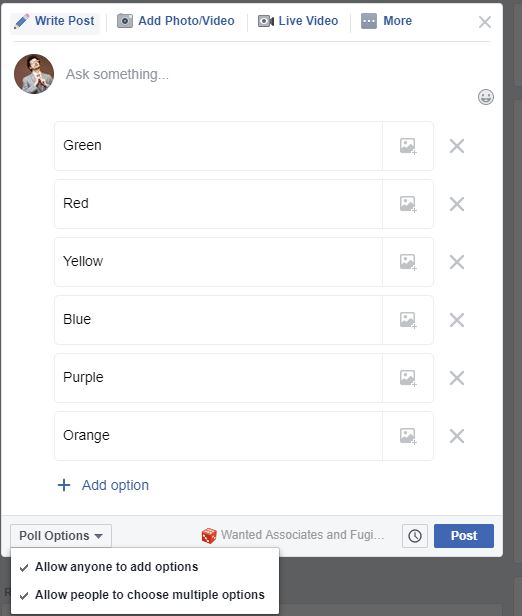
Polls are useful tools for everyone and aren’t just the playthings of political strategists. Asking your Messenger contacts to take part in a quick poll is a quick way to ask for many opinions on a single issue you’re dealing with. Obviously, however, polls are a group only function so to start a poll you need to select the group you want to poll and then hit options button that lies in the bottom left of the screen. From there hit the Polls button, type out your question, and then hit Create Poll.
Take back the messages you sent by mistake
This is another trick born of something that we’ve all done. Whether it be a simple typo or sending a full message to the wrong person, every single one of us has sent a message that we’d like to take back. Fortunately, Facebook understands this need and has built a delete message feature into Messenger. Now, whenever you send a message on Messenger you have 10 minutes to undo sending so that nobody who hasn’t seen it will ever see it. To do this all you need to do is hold your finger down on the message you want to delete and then select Remove for Everyone. You can then rest assured that your message has been wiped. You’ll be left with a short message saying You removed a message but you can then get rid of that too by holding your finger down on that and clicking Remove.
These productivity tips will help you get more work done when you need to do it.
Getting things done can be such a chore. It is not just the finishing of jobs that is hard neither. Starting them can be bad enough too. Whatever the reason or distraction that is standing in the way of the work that needs doing does not matter. The only thing that counts is that it is there, and the work is not getting done.
Fortunately, however, there are a number of coping techniques and tips that you can utilize to break through these difficult times when distraction reigns supreme. You are not lazy, you just like to occupy your mind with other pursuits when there is work to be done. Well, these tips are here for you to help you regain control of your consciousness and start getting stuff done. These are the top productivity hacks to help you improve productivity in your daily life.
These tips aren’t necessarily related to apps or software, they’re simply good practices to have at hand any time you feel distracted or struggle to start a task. The truth is we do a lot of jobs on our computers these days, and they bring with them a whole new world of electronic distractions such as social media and online procrastination. These tips are here to help you fight them.
The 2-minute rule
The two-minute rule is a simple yet brilliant way to increase productivity. It offers a way to instantly deal with the small tasks that end up in your in-tray and forces you into taking action on similar tasks that would eat up a larger amount of time. The two-minute rule states that:
If a job can be done in under two minutes, you should just do it there and then.
If a job is clearly going to take longer than two minutes, then you should start it right there and then.
This rule is brilliant because it instantly activates your brain to the task at hand. It declutters your to-do list by making sure none of those little tasks clog it up when they’re so easy to complete. On top of that, the rule also ensures that those bigger tasks are already underway when you move not the next item. It is always easier to come back to a task you’ve already started than it is to start a new one.
Chew gum
OK, this one sounds a little strange. Let’s all be honest though; you’re not looking for productivity tips here that are going to take a lot of effort. Really, you’re after the easiest tips that will have the biggest results. Well, that’s what we have here. Scientific studies have found that chewing gum can make you more productive. Amazingly, chewing gum can make you work 10% faster, can stop you feeling sleepy, and can even make you more charismatic. Start chewing gum now!
This is a cool little tip that will make so much sense once you read through it. It is imperative that we take breaks during the day if we’re to work as effectively as we can. In fact, be should be taking 15-20-minute breaks roughly every 90 minutes. Shutting down one program on your computer and opening another one, say Twitter or Facebook, for example, is not going to have the regenerative effect a proper break will. This is why you should create break lists; write down all the short pleasurable activities you can think of that help make you feel better. Now, this could be something like “check Twitter” but only add activities to your list that help you feel like you’ve had a break. Mine would be something like read from a book or magazine, take a walk, make a coffee, call a friend, etc.
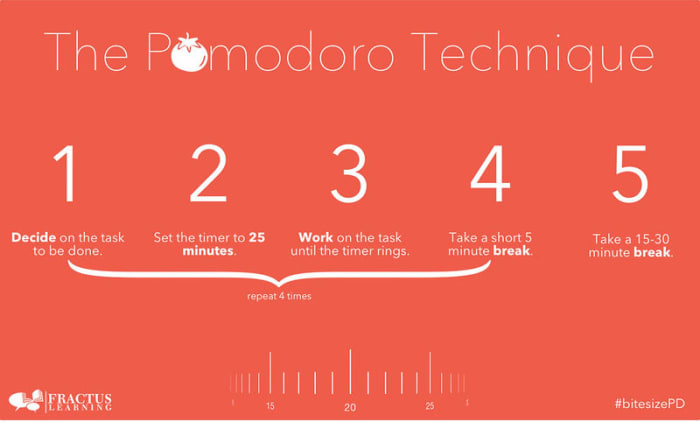
If you really want to take your breaks to the next level, you should look into the Pomodoro technique. Pomodoro works off the idea that your brain can only remain truly active for around 25 minutes. You set a timer for 25 minutes and then every time it rings you take a short five-minute break. This could be when you go make a coffee or check your phone. Then, when you’ve done this work-break cycle four times, you take a longer 15-30-minute break and then start the process all over again. This way you get to go through all the different items on your break list while training your brain to focus for shorter periods.
We’re not talking about a Fleetwood Mac song here; we’re actually talking about a Seinfeld hack. Yep, Jerry Seinfeld actually shared one of the productivity tips he used to help him develop as a comic by trying to write better jokes every day. To do the same you need to get yourself a huge calendar poster that covers an entire year. Then every day you work on the task you want to work on you get to put a giant red x in the square for that day. Pretty soon, you’ll have a chain of red x’s and you’ll be a hell of a lot more motivated to work on your task because you won’t want to break the chain!
Do the hardest thing first
The final tip of the day is about what you should work on first. It is no secret that the most productive time of day is first thing in the morning just after we wake up. This means that it is first thing in the morning when we begin working that we should tackle our hardest tasks. This way you will take care of the most challenging and pressing issues when you’re at your best, but it also helps build momentum for the rest of the day. Once that first big task is out the way, everything else will feel smaller and less daunting.
This how to stop Facebook tracking your online behavior.
It is possibly the worst kept secret in tech that Facebook is spying on you. Mark Zuckerberg is keen to know absolutely everything about you, he is prepared to go to some pretty shameful lengths do so like tracking people’s smartphones who don’t even have the Facebook app, and then when he gets your personal data he’s not exactly careful with what he does with it or who he shares it with. Everybody remembers the Cambridge Analytica scandal. Yep, this is all known and this probably why you want to stop Facebook tracking you and collecting your private data.
That is why we’re here today. It is possible to stop Facebook spying on you and by the end of this article you’ll know how to do it. Let’s get started.
Facebook makes more money, the more information it knows about you. The more accurate the data, the higher price they can charge advertisers to access it. That is why Facebook doesn’t just track people who actually use Facebook. Sure, Facebook is very good at tracking Facebook users by their Facebook accounts,likes and shares, Facebook cookies, and then also tracks users across other apps it owns like Instagram and WhatsApp.
This is what it is all about
Facebook goes further than this though, giving third-party websites what it calls a Facebook Pixel, which allows the site owners to analyze the effectiveness of their ad campaigns. Facebook of course, uses this data too meaning it has data on anybody visiting any sites with a Facebook Pixel. This all means it is difficult to stop Facebook tracking your data, but, importantly, it can be done.
How to block Facebook tracking your data
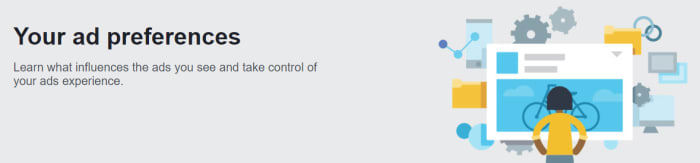
Opt out of ads
Your web behavior follows you around wherever you go. Advertisers want to get their hands on this so that they can show you relevant ads for products that your behavior tells them you want or need. This is the basic formula that pays for the modern internet as we know it today. You can opt out of this ad tracking relationship, however, by using certain online tools that are different depending on where you are around the world. Doing so will put up a block to the tracking that Facebook carries out. You’ll still get Facebook ads, they just won’t be target ads based on you data.
As we’ve just mentioned, however, this underpins the whole of the modern internet so don’t expect this process to be easy. Stick with it though, and you will get it done.
Protect your privacy, choose this search engine over Google
Your browser is Facebook’s main tool for tracking your online behavior. This means you can set up your browser to be your first line of defense. You can use third-party plugins to add certain protections that will block tracking protocols.
Limiting scripts
One such protocol that you can limit to better protect your privacy is the scripts. Scripts can alert advertising trackers to your presence whenever you log on to a website. This means if you block a website’s scripts, you can prevent the advertising trackers from knowing you’re there.
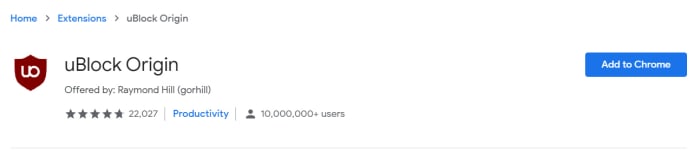
An excellent free plugin you can install on Chrome, Firefox, Opera, and Safari for free is uBlock Origin, which gives you the option to block scripts across all sites and then white list sites you can trust. Another fantastic little plugin you can use is Privacy Badger, which is very easy to use. If you’re reading here about advertising trackers and scripts and thinking you’re out of your league, then this is the plugin for you. Privacy Badger makes it very easy for you to control which scripts track what. It is important you get this right because many basic web functions rely on scripts so blocking the wrong ones could be like shutting off the internet.
Automatic cookie deletion
Another type of plugin you can download will address a problem you probably know more about. Cookies are much more well known than website scripts. Cookies remember the choices and actions you make on certain websites and Facebook can then read these to get an understanding of your online behavior.
How to clean your browser history in every Android browser
If you’re a Firefox or Microsoft Edge user, you can set your browser to automatically delete your third-party cookies every time you close your web browser. You can find a guide on how to do this for both browsers here. If you’re a Chrome user, however, there is no such option. Fortunately, though, there is a browser plugin you can download for Chrome, imaginatively called Cookie AutoDelete that will do the trick. Install it and set it up on your Chrome browser to fight back against Facebook.
Dedicated privacy-protecting browser
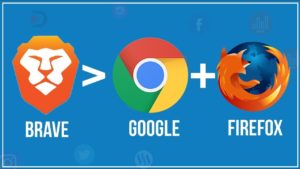
Another great option for making it much more difficult for social networks like Facebook to track your online activity is to use a browser that is dedicated to protecting your privacy. This will mean ditching Google Chrome, as Google is perhaps the only other company on the planet that is as good as Facebook is at tracking your data. In this regard, we strongly recommend the Brave browser, which is committed to protecting your privacy.
Brave does not collect any user data, unlike Chrome, and comes ready-made to block third-party and advertising cookies. This means you don’t have to worry about which security plugins or addons to install as all the functions are already a part of the Brave browser. Brave is actually trying to readjust the modern internet model that we described earlier and push web developers to rely less on advertising by offering something called Brave rewards instead. If this mission is successful, you won’t need to block Facebook tracking as it won’t be such a lucrative business anymore. What’s even better about Brave is that it is based on the opensource Chromium code that built Google Chrome meaning it also works with your Chrome browser plugins too.








.webp)










.png)