Want to get into comics? Here’s where to start

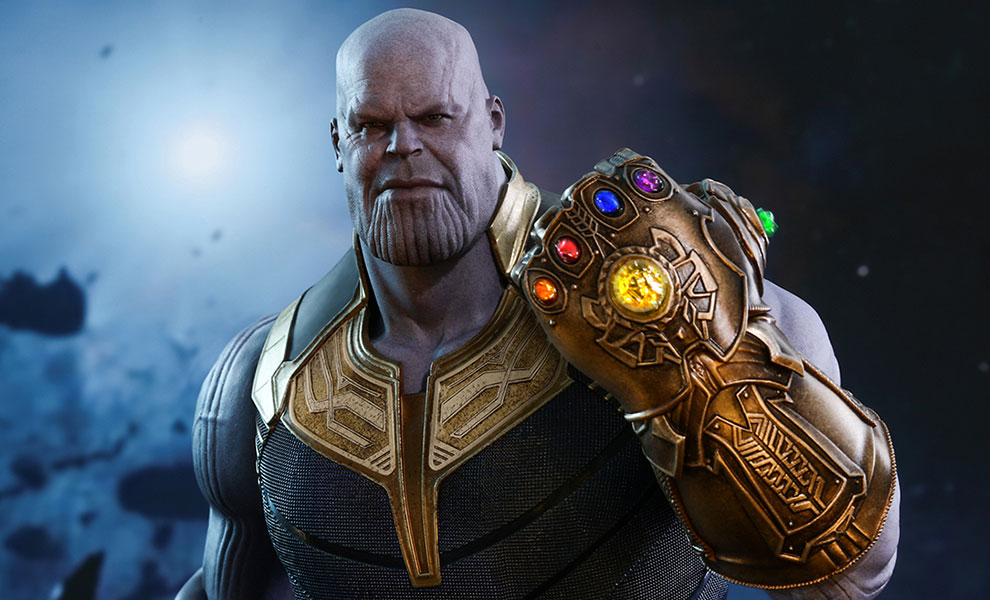
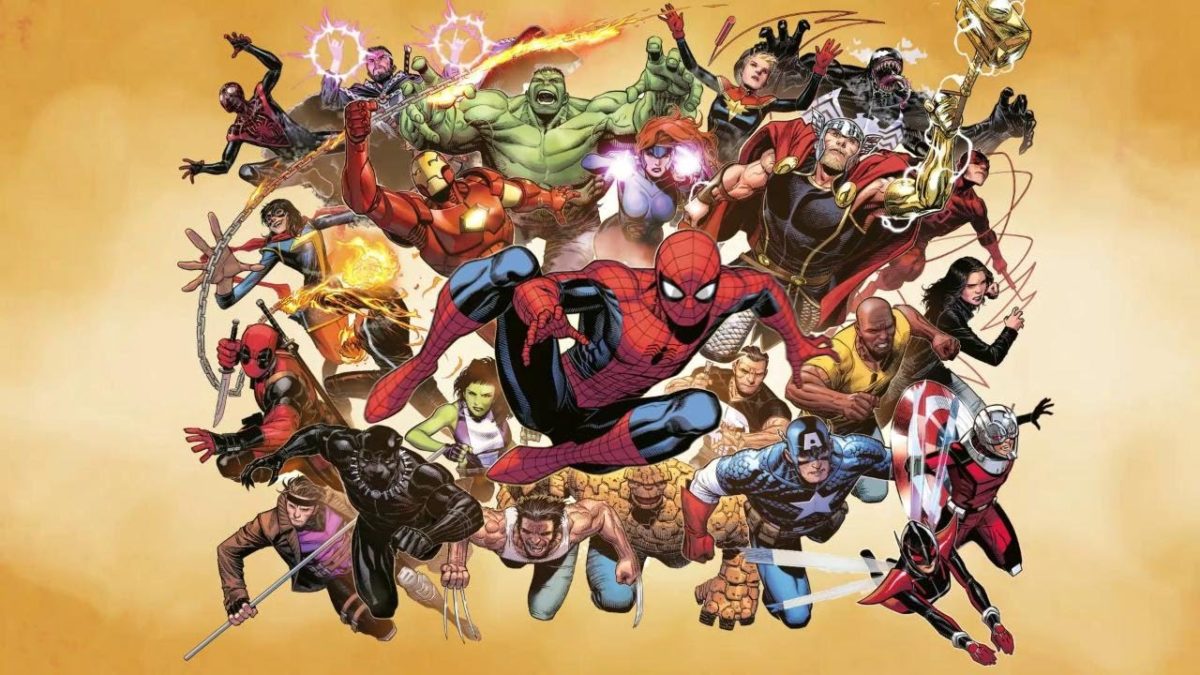
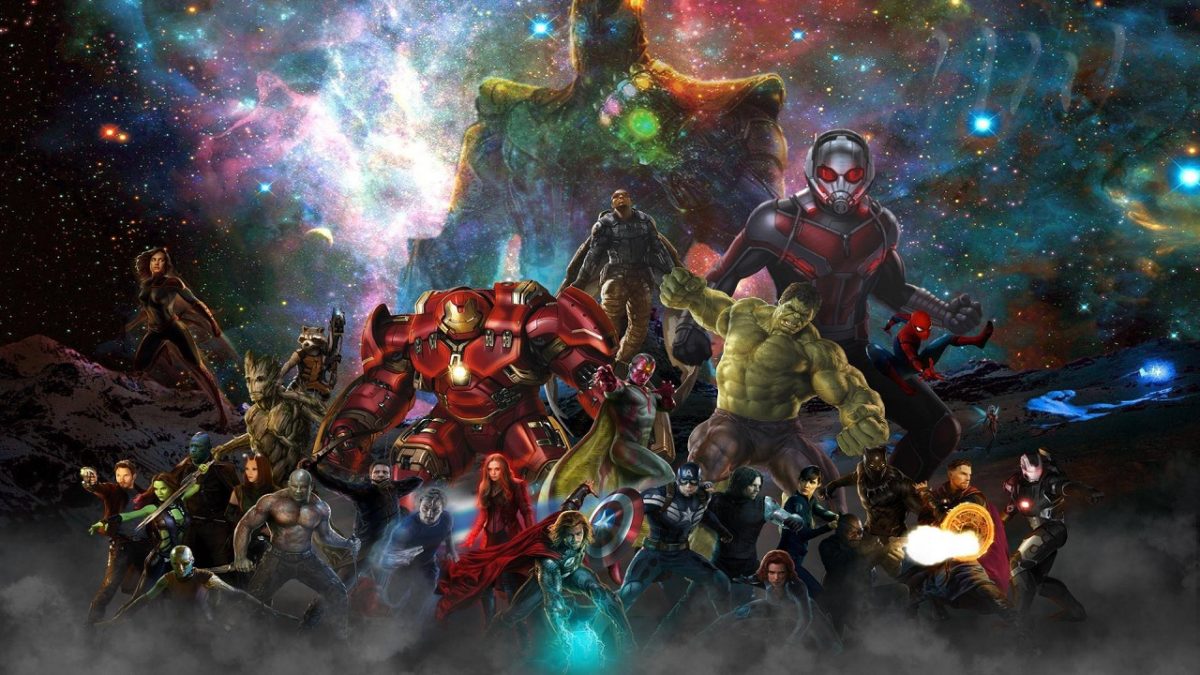
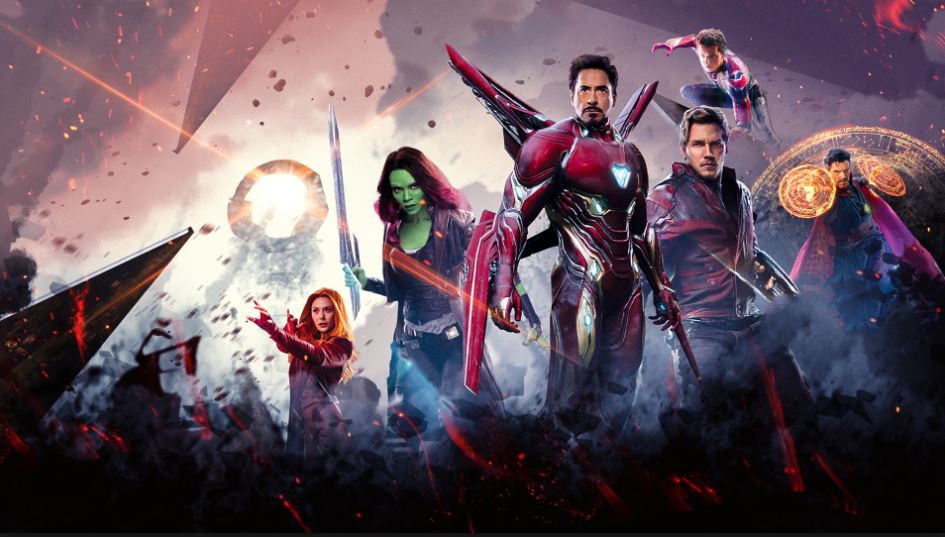
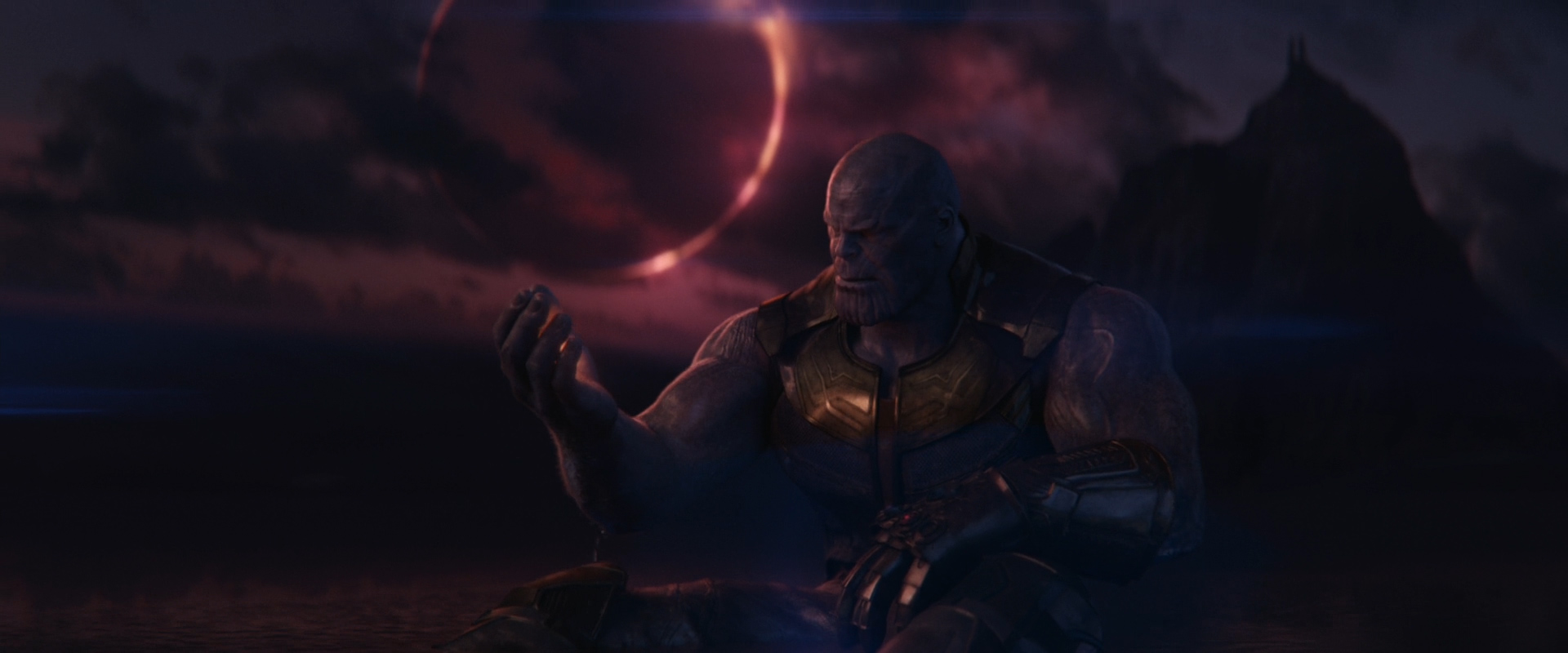
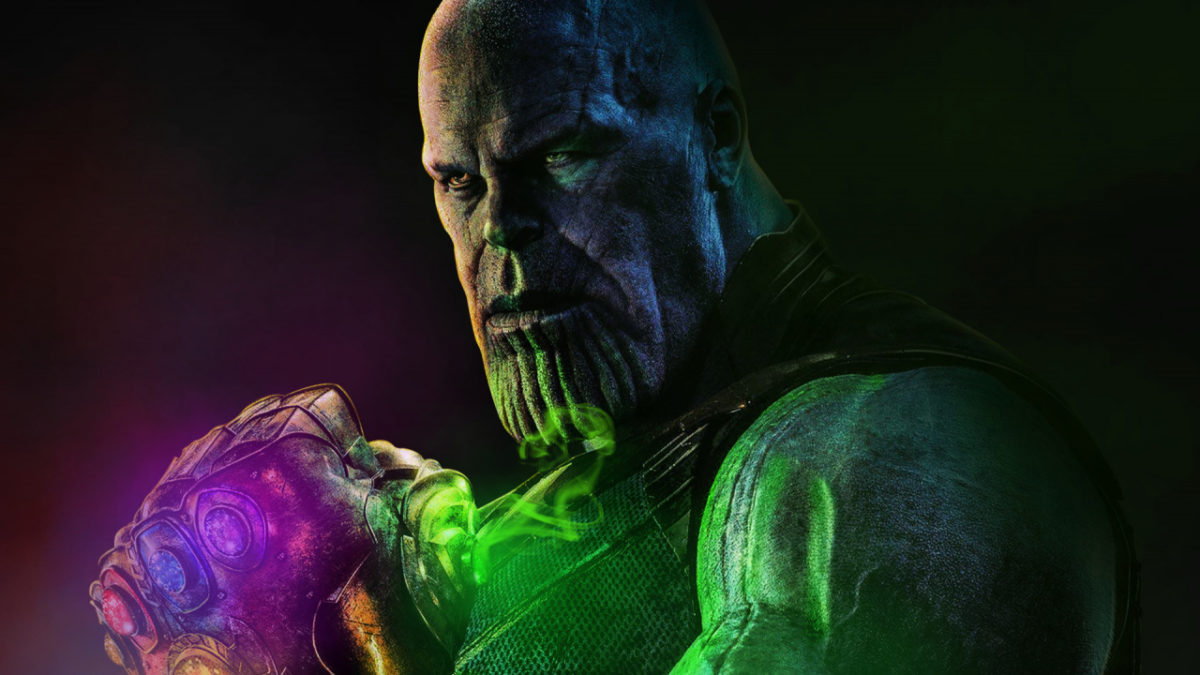
It should come as no surprise to anyone that superhero movies are the hottest thing in pop culture today. They routinely crush the box office and characters like Iron Man and Thanos have become modern icons. Many fans understandably have wanted to get into the comics that spawned these characters, but don’t exactly know where to start. This guide will show you what to do based on which comics you want to read and how you want to read them.

First, we’ll start with how you want to read them.

Where to start with print comics

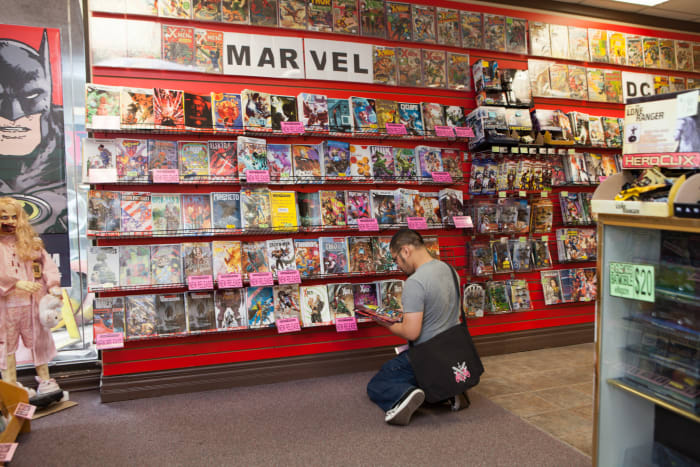
comic store

If you prefer flipping through the pages of a comic to swiping on a screen, you have a few options. Your first option is to read trade paperbacks.

trade paperback

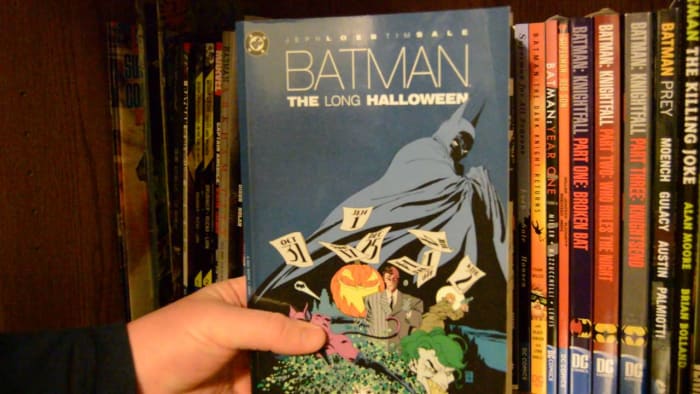
A trade paperback is a collection of comics that usually make up a single story arc. If you’re looking to read a specific story (e.g. “The Infinity Gauntlet” or “The Dark Knight Returns”), buying these trade paperbacks is often significantly easier and cheaper than hunting down individual issues of the story.

Trade paperbacks also often include issues of multiple series to fill out a story (for example, the “Civil War” trade includes issues of Avengers and Amazing Spider-Man, among others). For newer comic fans, buying trades is the easiest way to read famous stories without worrying about buying individual issues or reading them in a specific order. You can buy these either at book/comic stores or online, but in our experience, it’s usually cheaper to buy these at comic stores.

The other most common option is to subscribe to your favorite series at your local comic book store. Most stores offer some sort of discount if you subscribe to a monthly/weekly comic, and you can generally pick up new issues on Wednesdays. This is the best way to continuously keep up on a specific series, as you’ll get new issues right when they come out. Plus, it’s always important to support your local comic book store!
Where and how to read digital comics

digital comics

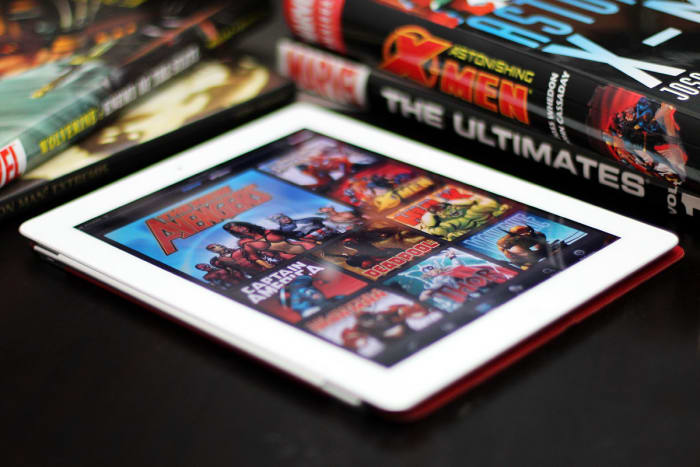
The upside to reading comics digitally is convenience. You can read them on your phone, tablet, or computer, making it easy to bring them on the go without hauling a stack of books.

If you’re looking to read mainstream superhero comics, both DC and Marvel have digital comics subscriptions that are well worth the money. For $10 a month, Marvel Unlimited gives you access to nearly every Marvel comic released since the 1960s.

Marvel Unlimited Download Free ►
9

The app is very well organized by different stories, writers, and characters, allowing you to browse the massive catalog with ease. Unfortunately, you can’t read newer issues of current series when they come out (though you can buy the issue separately), but all comics are uploaded to the service a few months after they release. The service is basically everything you could want as a Marvel comic fan.

If you’re looking more broadly, the ComiXology app offers basically any modern comic you could possibly want. The service has both Marvel and DC comics, in addition to thousands of non-superhero comics from other publishers, and you can buy new issues as soon as they come out. They also have a paid subscription service called ComiXology Unlimited that gives you access to thousands of comics from a wide variety of publishers. If you’re more focused on keeping up with current series as opposed to diving into the backlog, you should use ComiXology over Marvel Unlimited.

ComiXology Download Free ►
8

Which comics are easy to get into?

Decades of continuity can make diving into comic books a confusing and daunting task. Fortunately, with the popularity of their movies Marvel and DC have made efforts to streamline their titles and give new readers a clean starting point. Here are some titles to check out from each publisher.

Marvel

avengers fresh start

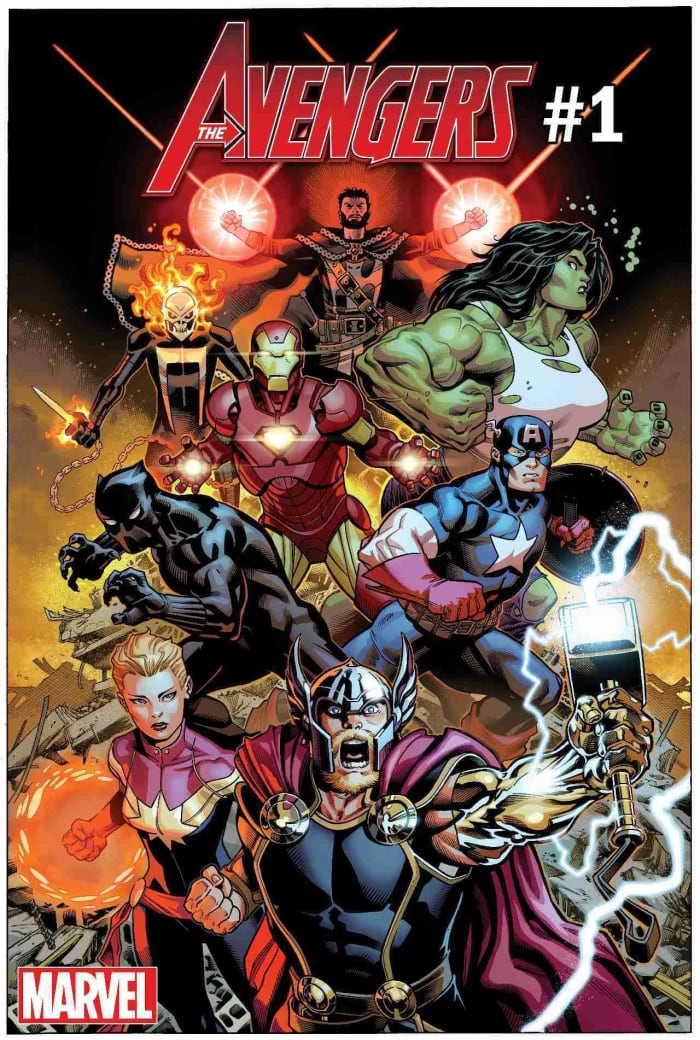
Last year, Marvel launched its Fresh Start line. Fresh Start renumbered a bunch of Marvel’s most popular comics at #1, giving new readers a clear jumping on point. If you’re a movie fan looking to start reading, WE recommend choosing from these comic lines. Some of the comics that were renumbered include:

  • Avengers
  • Black Panther
  • Captain America
  • Captain Marvel
  • Deadpool
  • Guardians of the Galaxy
  • Immortal Hulk
  • Miles Morales: Spider-Man
  • Thor
  • Tony Stark: Iron Man
  • Uncanny X-Men
  • Venom

Most of the confusing or convoluted storylines that were present in these comics have been reworked to bring in the casual crowd, so don’t worry about jumping into some massive story that’s partway through. With Marvel Unlimited, you should be able to read most of these comics up until their current issues.

DC

dc rebirth

DC is known for its massive universal reboots every so often, and they had arguably their most successful one in 2016’s DC Rebirth. The relaunch combined the modern sensibilities of the controversial New 52 relaunch with DC’s storied legacy to get the best of both worlds. For new readers, we recommend choosing from your favorite character’s Rebirth comic. Popular characters that got a new series in Rebirth include:

  • Aquaman
  • Batman
  • Cyborg
  • Doom Patrol
  • Flash
  • Green Arrow
  • Green Lantern
  • Harley Quinn
  • Justice League
  • Shazam
  • Suicide Squad
  • Superman
  • Wonder Woman

DC has done a nice job of balancing keeping their heroes familiar and introducing fresh elements to their stories. Rebirth is a great place to start for both new and returning readers.

Did this guide answer your questions? What comics are you most interested in? Let us know!

Avengers: Endgame trailer contains fake shots

Don’t believe your eyes.

Avengers: Endgame

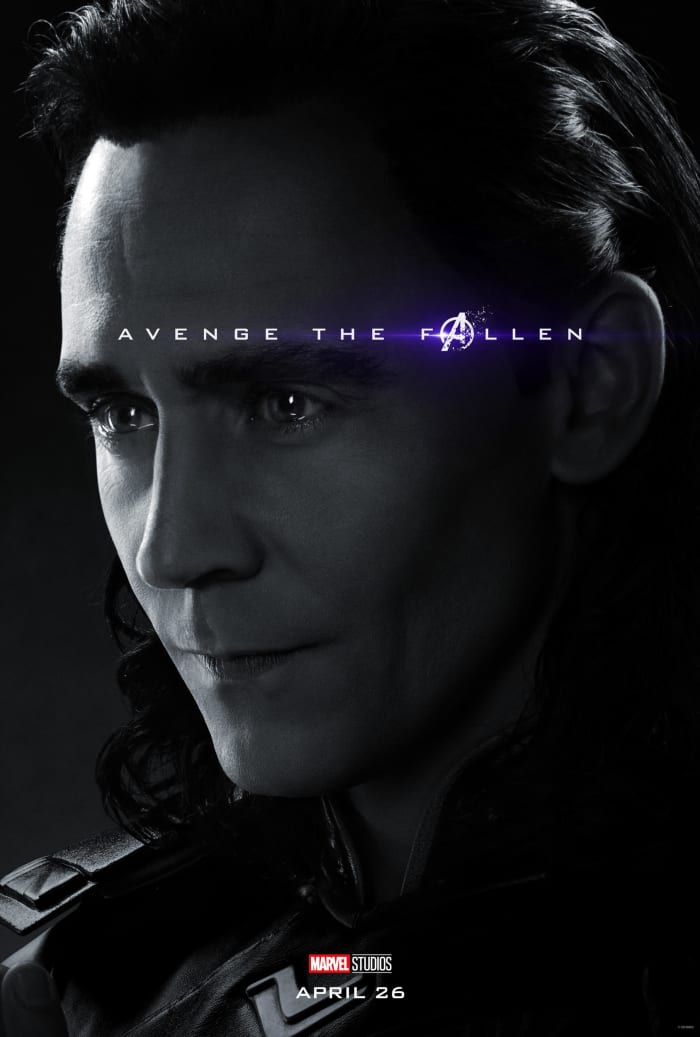
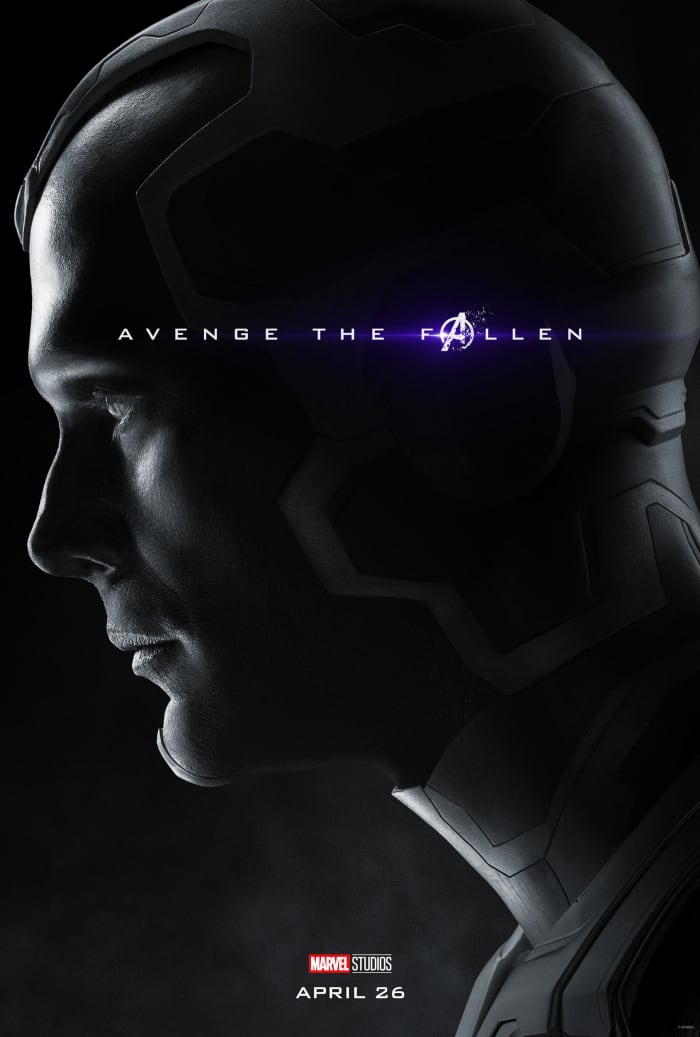
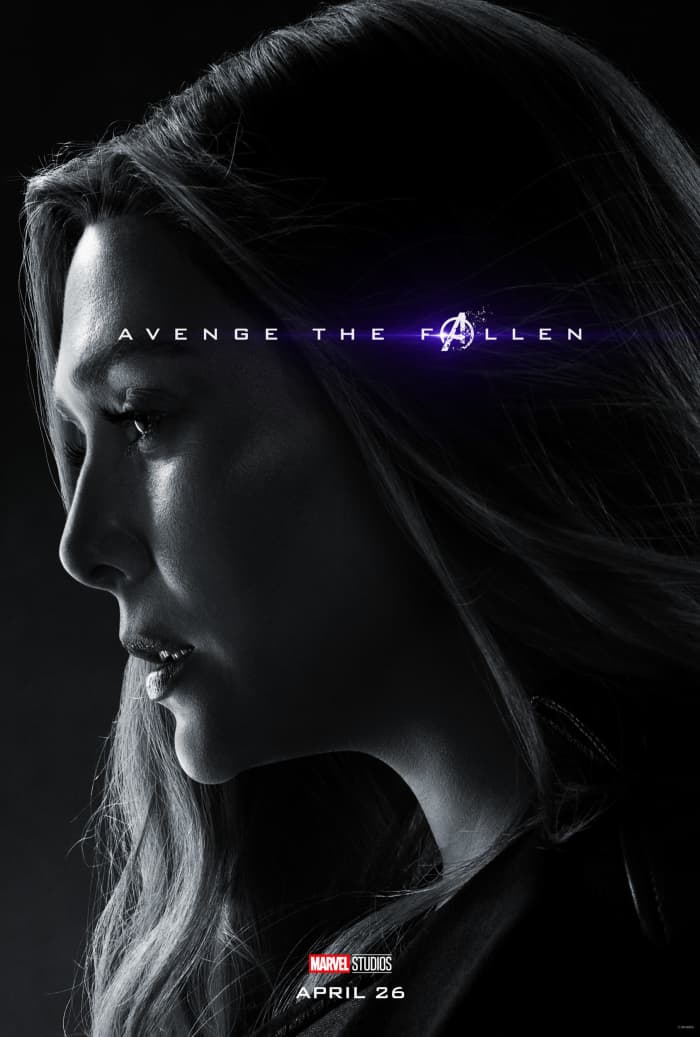
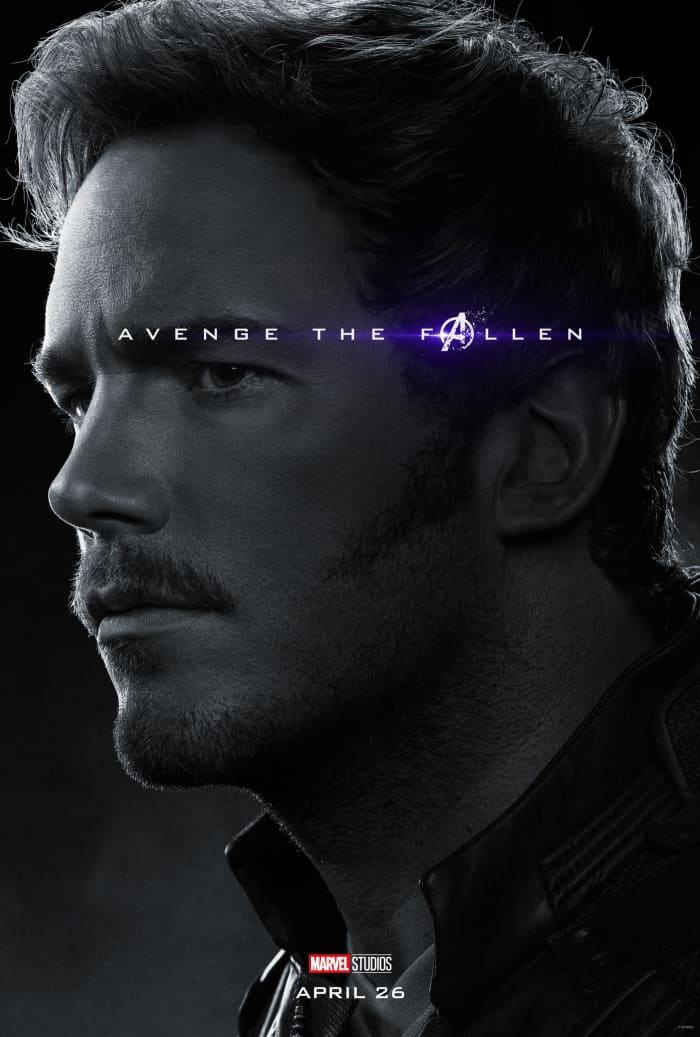
It’s almost as if Loki is running Marvel’s marketing campaign. The directors of the upcoming “Avengers: Endgame” have confirmed they don’t mind a little bait-and-switch with their trailers. Before we dig in, watch the most recent trailer again.

Avengers: Endgame directors confirm the trailer is designed to fake you out

In an interview with Empire Magazine, Joe Russo said, “We look at the trailer as a very different experience than the movie, and I think audiences are so predictive now that you have to be very smart about how you craft a trailer because an audience can watch a trailer and basically tell you what’s gonna happen in the film.”

Russo added, “The thing that’s most important to us is that we preserve the surprise of the narrative.”

We know a previous Marvel trailer lied

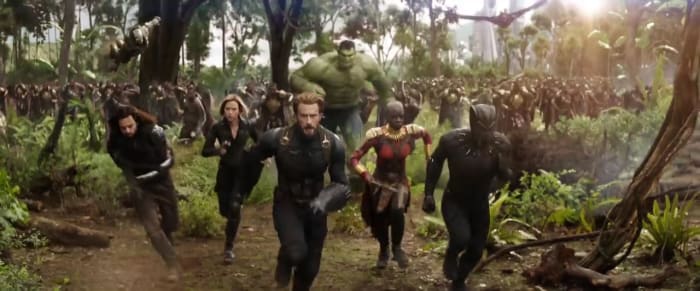
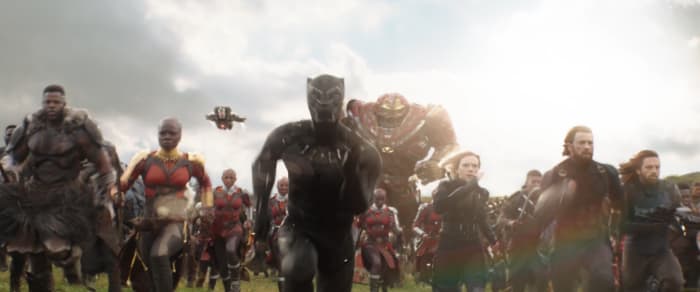
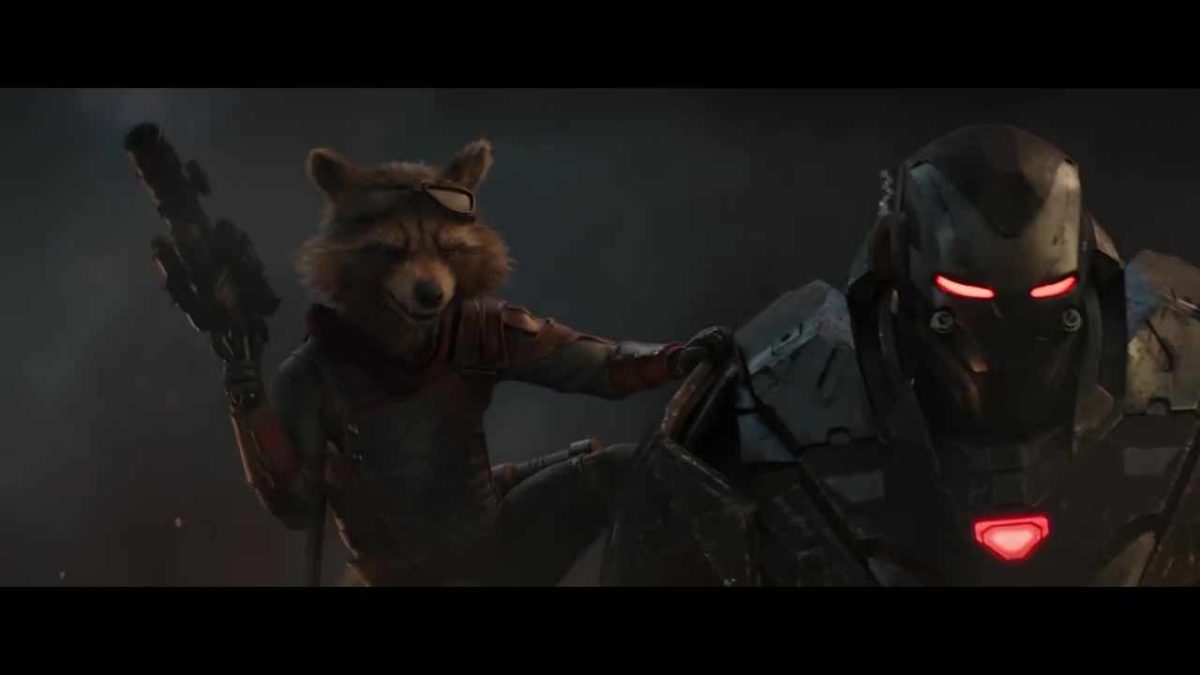
Marvel has used trailers to lie in the past. Check out the shot from the original “Infinity War” trailer at 1:59.

That trailer contains this shot:

Infinity War

But we can’t find a shot that looks like that anywhere in the actual movie. The closest we come is this:

Infinity War chargeAnd obviously, the biggest difference is that the trailer shows the Hulk running alongside our heroes, while the big green guy refuses to come out during the final fight. Instead, Bruce Banner runs around in the Hulk Buster armor at this point in the film.
What are the clues the Endgame trailer is lying?

Take it for what it’s worth, but folks on Twitter are analyzing every frame of the trailer.

So basically, believe nothing you see. Everyone could be dead. Characters may not even be in the places where you see them.

We’ll know for sure what’s going on when “Avengers: Endgame” hits theaters on April 26.

New Avengers: Endgame trailer will give you chills

Is it April 26 yet?

Avengers Endgame

Has it really been less than a year since “Infinity War?” It feels like an eternity. Half the universe got eliminated with the snap of a finger and we’ve been left grasping at straws to consider how the heck our heroes are going to get out of this.

Today, we got another glimpse of “Endgame.” Buckle up.

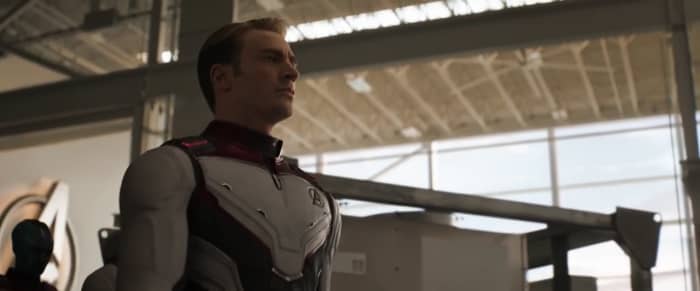
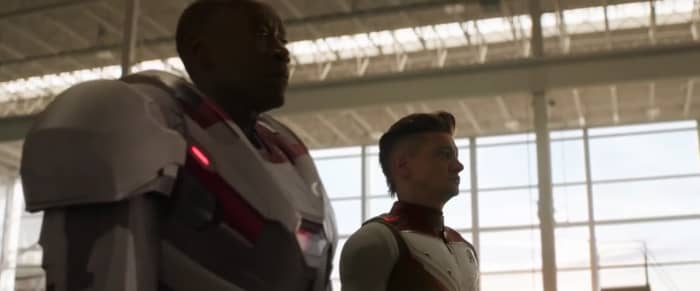
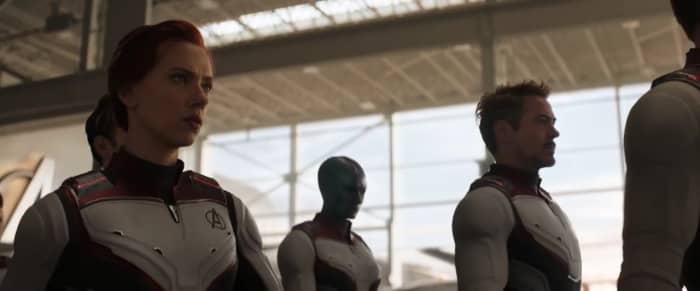
Looks like the Avengers are all decked out in matching outfits (possibly needed to join Ant-Man in the Quantum Realm?).

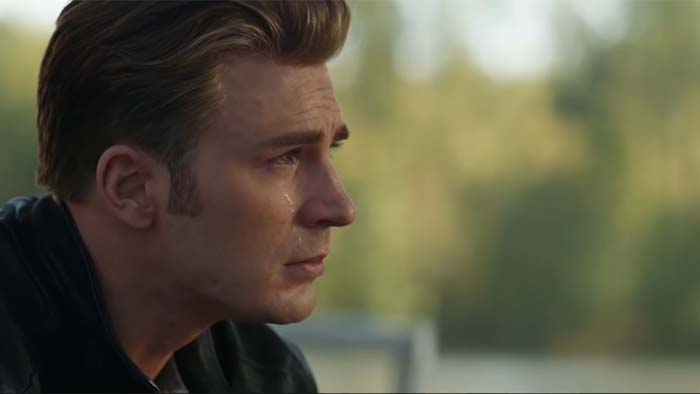
Captain America EndgameAvengers EndgameScarlet Widow, Nebula, Tony Stark Endgame

That sequence also shows Nebula and Tony with the rest of the gang, so we know they got back to Earth. (Whew!)

Will our remaining heroes take the fight to Thanos alone or will they somehow reverse time and bring back all those Avengers who got dusted?

The chilling refrain we keep hearing in this trailer is “whatever it takes.” And that leaves us with the scary prospect that we could permanently lose one of our heroes. Iron Man and/or Captain America are logical choices for martyrdom. It’s hard to imagine, though.

Also worth noting, it looks like Thanos claimed half of Hawkeye’s hair:

Hawkeye Endgame

“Avengers: Endgame” hits the big screen on April 26.

What we can expect in Avengers Endgame (if it’s anything like the comics)

INFINITY WAR SPOILERS BELOW

After the infamously bold ending to “Avengers: Infinity War” in 2018, the Marvel fandom has been running wild with rumors, conjectures, and theories as to what direction the upcoming sequel might take. Every scrap of idle gossip spoken by the Russo brothers, the cast, or by Kevin Feige has been shared, documented and dissected to the point where the fan base is second guessing practically everything. While the Marvel Cinematic Universe has certainly taken liberties with the franchise and characters, the original comics are still the roots they’re grown from, and the MCU dusts a sprinkling of nods and references wherever they can.

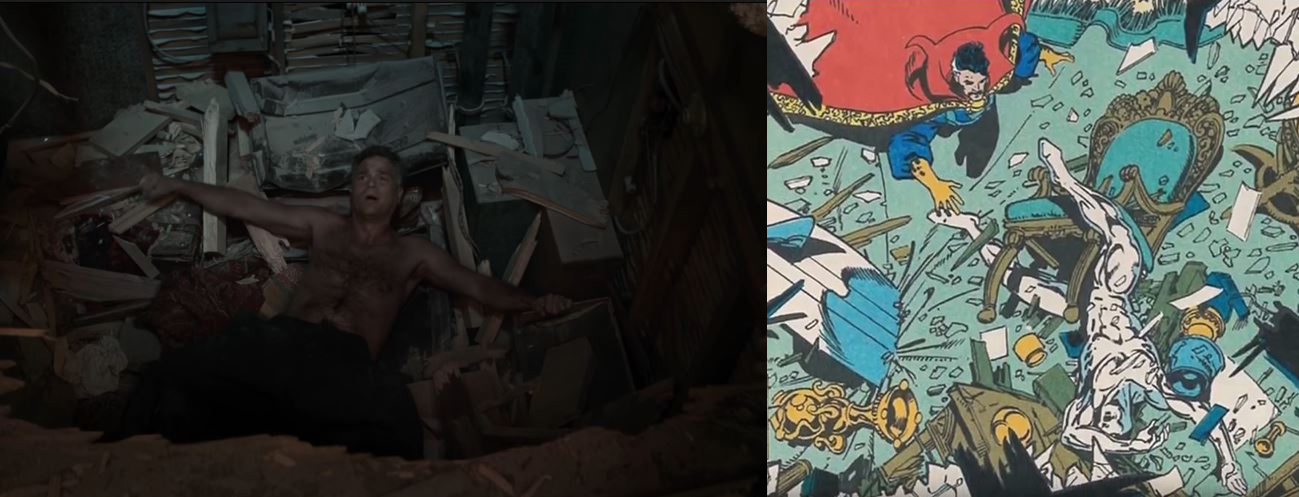
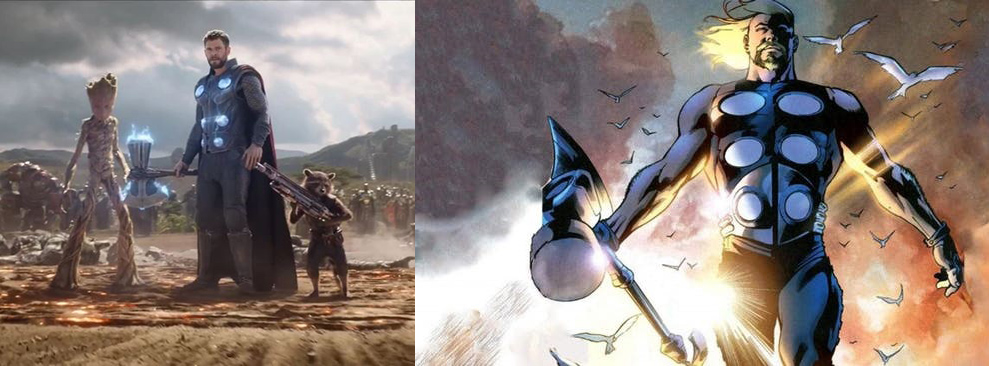
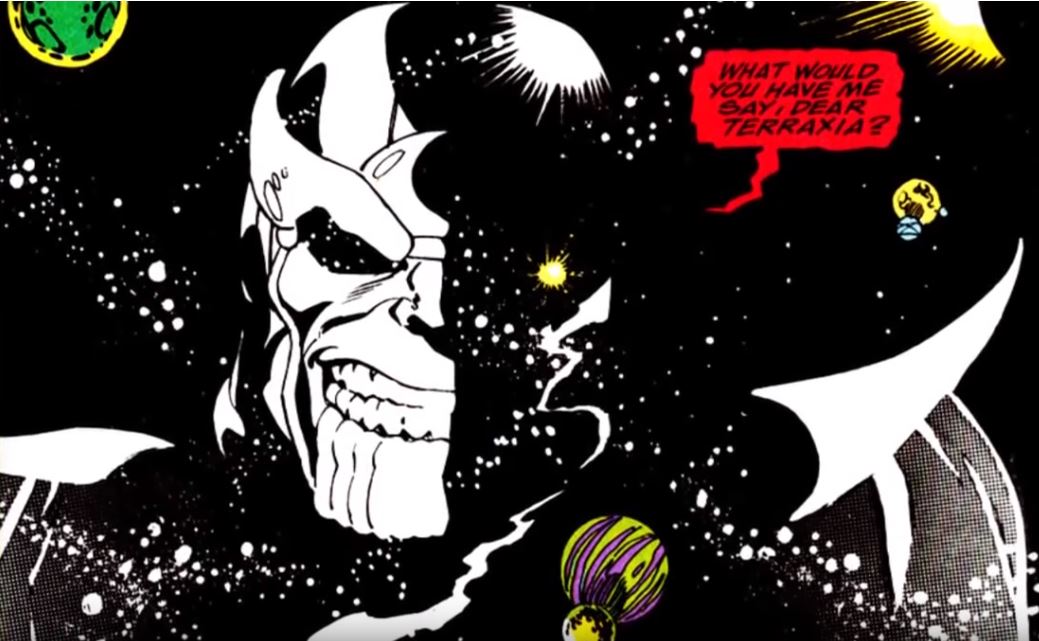
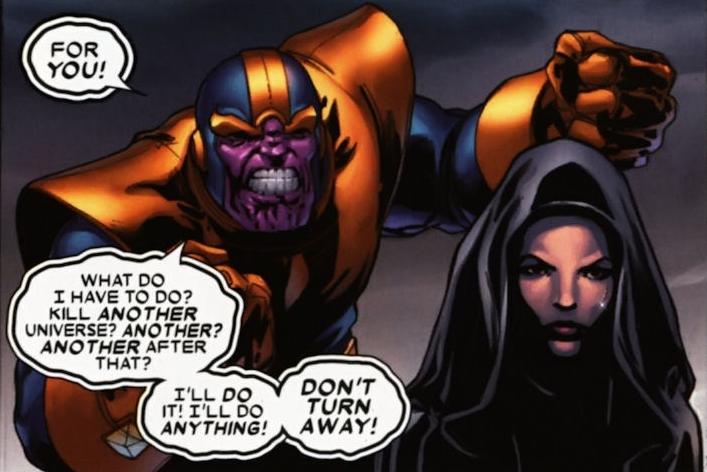
Obviously, there were some huge changes that took place between the comic and the film, most notably Thanos’ relationship and motivations involving Mistress Death, the role of the cosmic entities, the critical roles played by Dr. Doom and the Silver Surfer, and of course the glaring fact that at the start of the comic Thanos was already in control of all the gems.

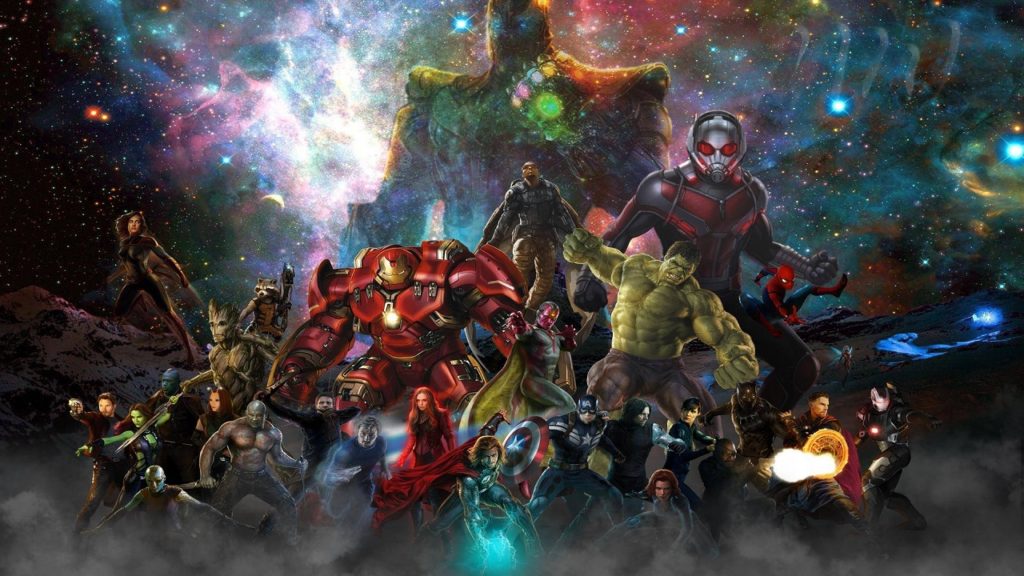
While not accurate panel for panel, “Infinity War” was chock full of respectful allusions to the Jim Starlin’s 1991 Infinity Gauntlet series. Aside from the neat visual cues, the story arc for “Infinity War” also matched up pretty neatly with the concept from the comics: Thanos acquires the Infinity Stones and uses them to wreak havoc on Marvel’s superheroes, eliminating half the universe with a snap of his fingers.

Need a refresher? Watch “Infinity War” online.

Given both the general tone and the current state of the Marvel Cinematic Universe, it’s abundantly clear that they will not be following the comics frame for frame. However, we think it is likely that certain crucial concepts will be adapted to the yet-to-be-titled Avengers 4. We’ve listed what we think are the five most likely:

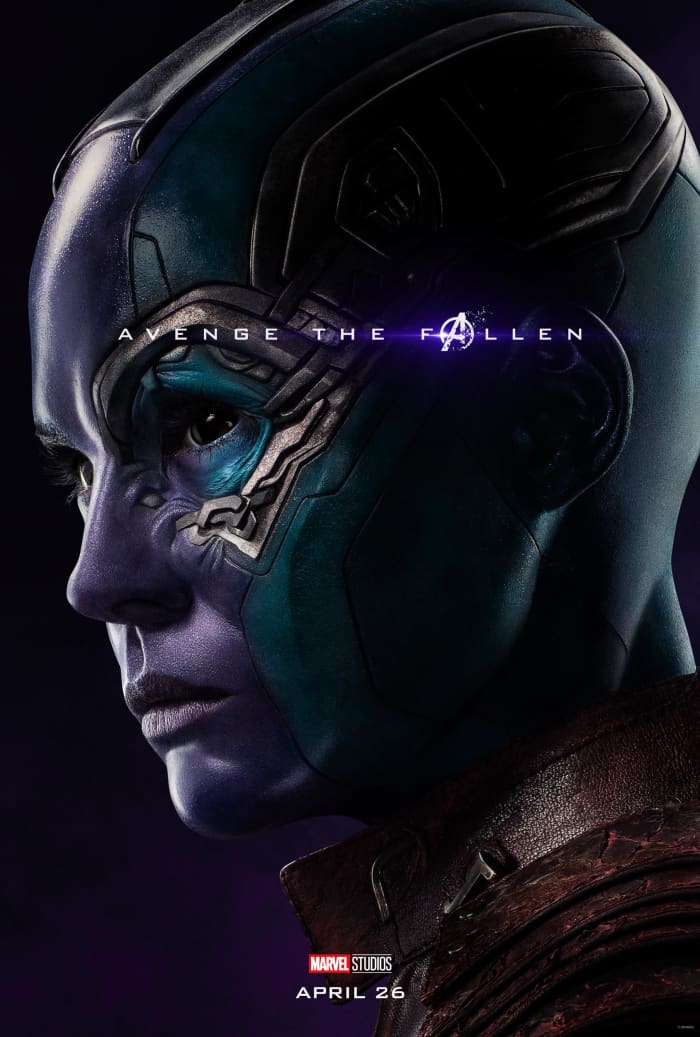
1. Nebula will be hugely important

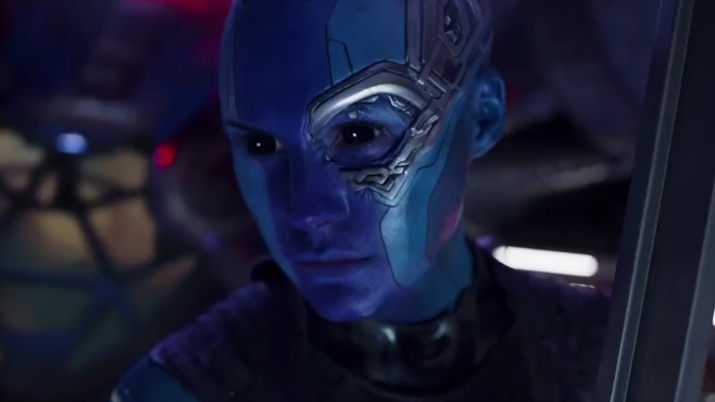
Since audiences first saw her in the 2014’s “Guardians of the Galaxy,” Nebula’s background and motivations were crystal clear: Like Gamora, she is the daughter of Thanos, molded into a deadly weapon of destruction. Unlike Gamora, Nebula was not the favored child. While her sister was praised time and time again for her successes, Nebula’s failures resulted in her being tortured and grotesquely mutilated with the twisted intent of enhancing her combat abilities.

Nebula has made it no secret that she wants Thanos deader than dead, and that she wants to be the one to do the deed. We’ve already seen that she was not affected by Thanos’ snap at the end of the film, and is currently with Tony Stark on the ruins of Titan. But what will be her role in Avengers 4? If it’s anything like the comic, you may be surprised just how important she’s about to become.

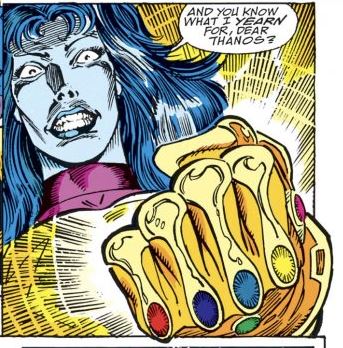
The power of the infinity gauntlet unsurprisingly sends Thanos on a huge power trip. In the comics his search for power and control go far beyond killing half the universe – rather, that’s where the power trip begins. Thanos’ conquest eventually leads to him overpowering even the cosmic entities of the universe – omniscient, almighty beings such as the Living Tribunal, Galactus, and Eternity. Upon defeating Eternity, Thanos himself becomes bonded with the very fabric of the universe, attaining literal godhood.

But this godhood is brief. When Thanos usurps the mantle of Eternity, his material body is left uninhabited. Nebula reaches forward and takes the gauntlet for herself, healing her injured and broken body, and reverting Thanos back to his physical body.

Considering that her revenge on Thanos is the driving motivation behind Nebula’s character in the MCU, we think that this scenario is very likely to play out on-screen, at least in some way. Perhaps she and Tony Stark will go directly to the farm planet where we saw Thanos at the end of the movie. They’ll make a plan to take him down together, but Nebula betrays Stark and takes the gauntlet for herself. Either way, her character has been building up to this moment from the start. Definitely expect a resolution.

2. Someone will play the role of Adam Warlock

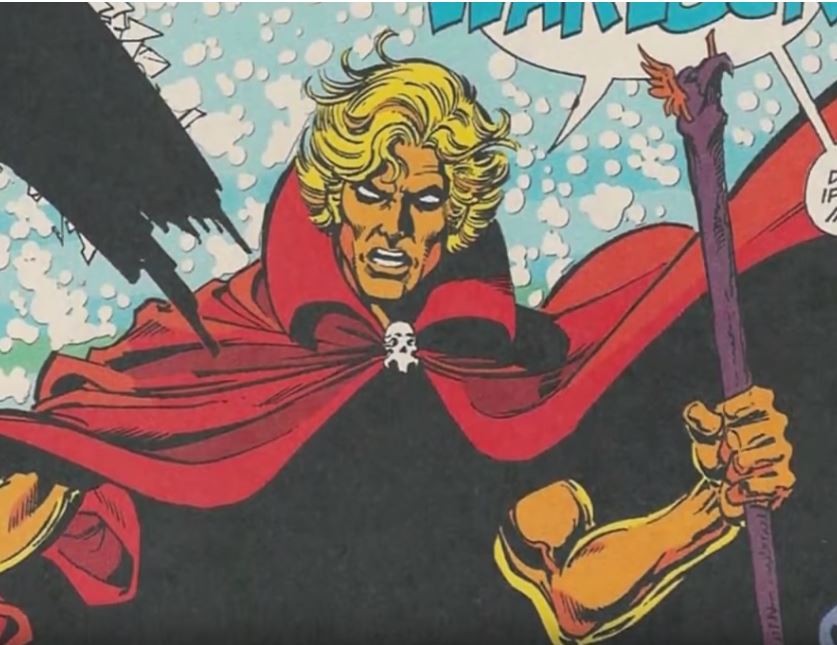
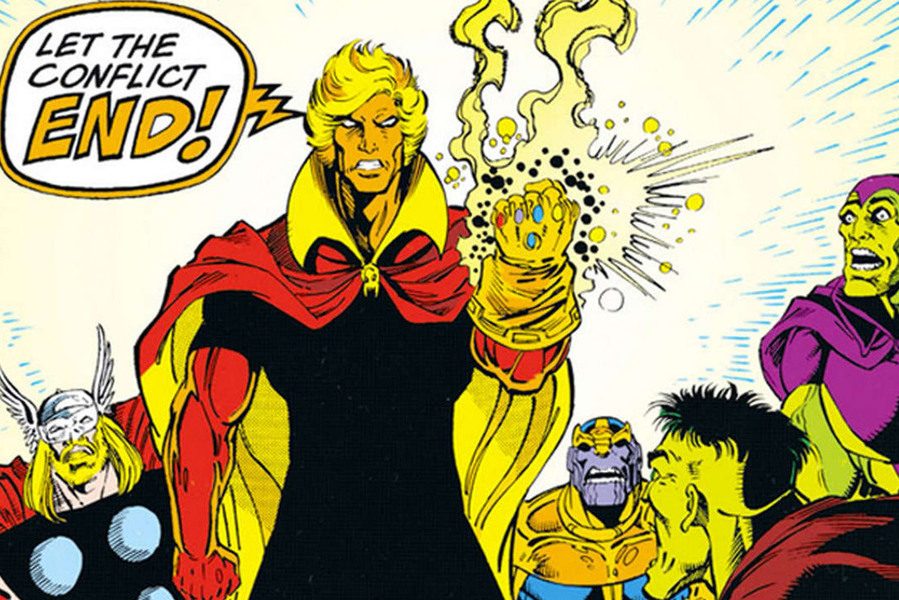
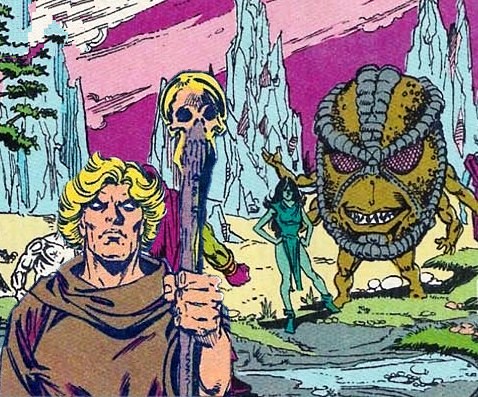
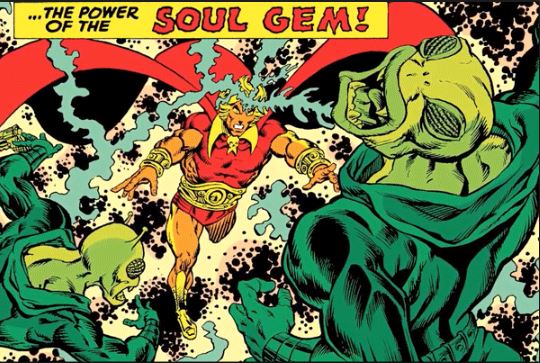
If you’re at all familiar with the Infinity Gauntlet comic arc, you know that Adam Warlock is the linchpin from start to finish. The closest character Marvel has to a Christ figure, Adam Warlock is a cosmic demigod with superhuman abilities and power so vast that he is able to both foretell the future and to manipulate space on a quantum level. In the Infinity Gauntlet comics, Adam Warlock was the figurehead leading the charge against Thanos, and ultimately the one who defeats him and receives the gauntlet, resolving the crisis – at least for a time.

Though Adam was referenced at the end of “Guardians of the Galaxy Volume 2,” it is highly unlikely that he will make an appearance in Avengers 4, seeing as he’ll have had no screen time or introduction prior to its release date. As such, a different character would have to take up his role as the leader. There’s a good cast of characters for the MCU to choose from, but here are our three most likely candidates. Two we’ve listed below. The third we’ll get to just a little later:

Iron Man

Tony Stark has been the connecting piece for the Marvel Cinematic Universe since the very beginning. He’s the character that launched the MCU’s initial success, and we think it would be most appropriate if he were the one to see the Infinity War through to the end. Additionally, Tony Stark is one of the few characters we’ve seen interact equally with Spider-Man, Dr. Strange, the original Avengers, and the Guardians of the Galaxy. Of the heroes to engage Thanos directly on Titan, he and Nebula were also the only two to survive.

If Iron Man takes on the role of Adam Warlock it would also be in line with what Dr. Strange said – the time stone had to go to Thanos and Dr. Strange had to die so that Tony Stark would live; only he can bring the band together to face off with Thanos. It’s also a great excuse for him to make amends with Captain America, something that Avengers 4 will undoubtedly highlight.

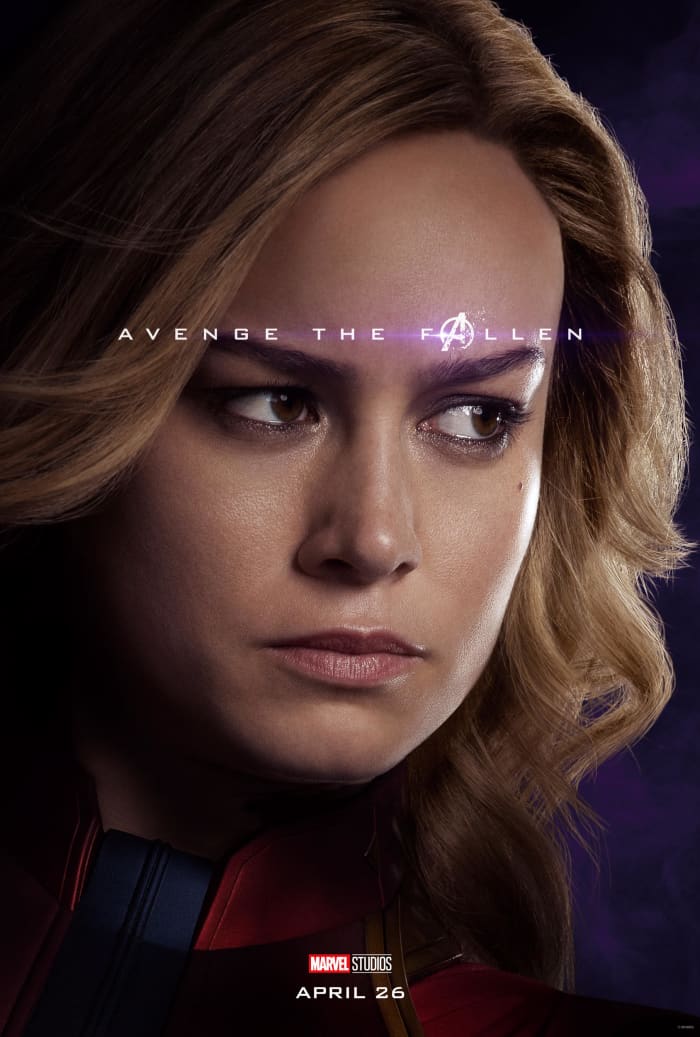
Captain Marvel

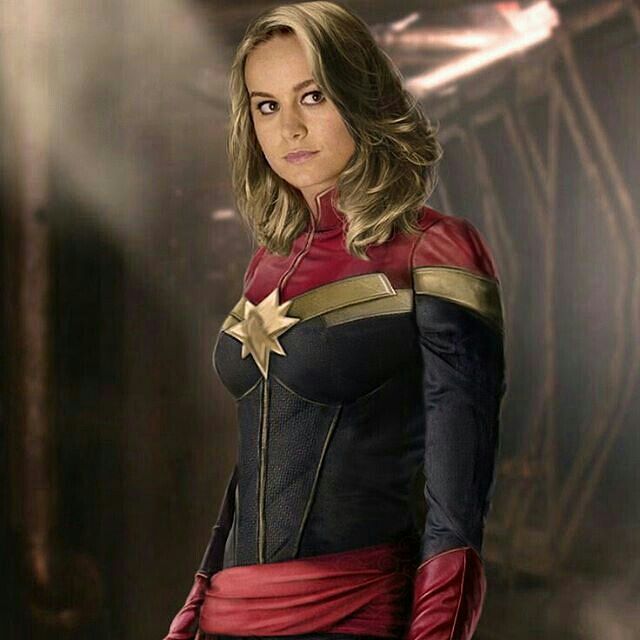
Scheduled to be the next hero introduced to the MCU, we already know much about Captain Marvel’s importance in Infinity War 2. Kevin Feige and James Gunn have both confirmed that she will not only be the most powerful female character on the roster, but one of the most powerful characters that the MCU has ever seen. With a resume like that, it certainly sounds like she could fit the role of a game-changing character like Adam Warlock. It’s also telling that in his last few moments before being sadly disintegrated, Nick Fury’s first instinct was to immediately reach out to her, of all people.

Lastly, we feel Captain Marvel is a logical choice because of the character’s connection to the Kree-Skrull wars. While it’s unlikely that we’ll actually be seeing Thanos face off against the cosmic entities as he did in the comics, we do think it’s logical that we would see other factions in the universe try to oppose the Mad Titan. If you’re interested in other Marvel villains we might see on the big screen after Avengers 4, check out our list here:

Since the upcoming Captain Marvel film is set to take place in the 1990s, it could very well be that we get to see Carol Danvers make some deal with the Skrull that they need to “pay in the future.” It’d be cool to see the Skrull coming to the aid of Earth’s Mightiest Superheroes to acknowledge a deal they made with Captain Marvel decades ago. And it’d be cooler still if the Skrull afterward reneged on their deal, making for a smooth segue into the Secret Wars saga.

3. Soul World will come into play

Since Thanos has gained the elusive soul stone, it has remained the only stone about which we still know next to nothing. While we’ve witnessed other stones hypnotize, create wormholes, alter reality, and bend time, the unique powers of the soul stone remain a mystery.

Soul World was first alluded to in Jim Starlin’s Strange Tales 179, published in 1975. Closely tied to Adam Warlock, Soul World served as a kind of purgatory for the souls captured by Warlock, and acted almost as a “pocket dimension:” A realm housed within the soul stone itself. If time travel is not involved in Avengers 4, the most likely explanation for Thanos’ finger snap is not that those victims were killed per se, but “removed” – their consciousnesses transferred into the soul stone.

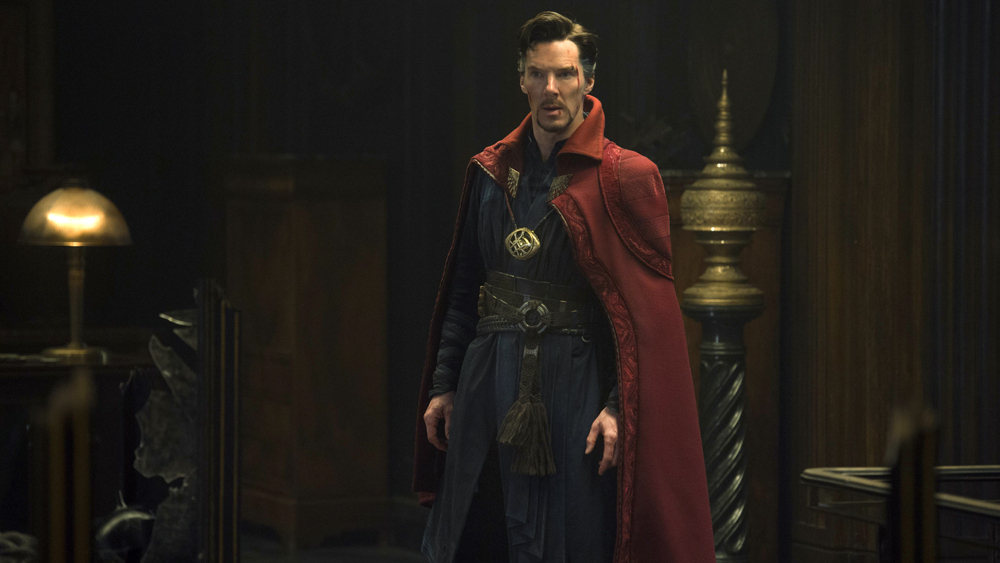
This brings us to our third candidate for a character to take on Adam Warlock’s role from the Infinity Gauntlet story arc – Dr. Strange. Seeing as we’ve established that the Infinity Stones do work on each other (Thanos uses the time stone to repair the broken mind stone), it would make sense that Dr. Strange saw himself in the Soul World along with the half of the universe that was imprisoned there.

Given his notorious ego, Strange may not have been referring to Tony Stark when he told him that “it had to be this way,” but rather to himself: The only way that the universe could come out on top was if the lives trapped within the soul stone were unified and assembled unbeknownst to Thanos.

Adam Warlock had a very close relationship with the soul stone, and was able to even live inside of it. He was also able to emerge from it when he needed to, which is how he was the one to wrest control of it from Nebula’s grasp. Dr. Strange seems the type to know his artifacts well enough. It would be awesome to see him and a bunch of other “dusted” superheroes emerge from the soul stone to take down Thanos when the time was right.

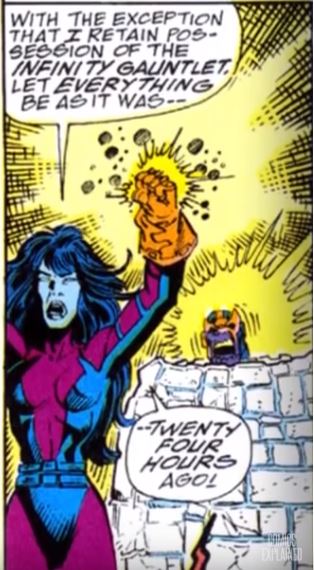
2. Characters killed by the gauntlet will be restored

In the comics, any and every character that was killed by the Infinity Gauntlet ended up being restored by Nebula. It wasn’t at her behest, however. Surprisingly enough, it was Thanos who pushed her to restore them; more as an act of guile and manipulation than any earnest desire to restore them.

While it was a refreshingly dark spectacle to see Marvel actually kill some of its cast of characters, does anyone really believe this is the last time we’ll be seeing some of these guys? They’ve already confirmed “Guardians of the Galaxy: Volume 3,” “Spider-Man: Far From Home,” and rumors abound pertaining to a “Dr. Strange” sequel. After the record-breaking success of “Black Panther,” we’re sure to be seeing a return of King T’Challa as well. As such, this is one similarity to the Infinity Gauntlet comic you can count on making it to the big screen.

1. Captain America will face down Thanos by himself

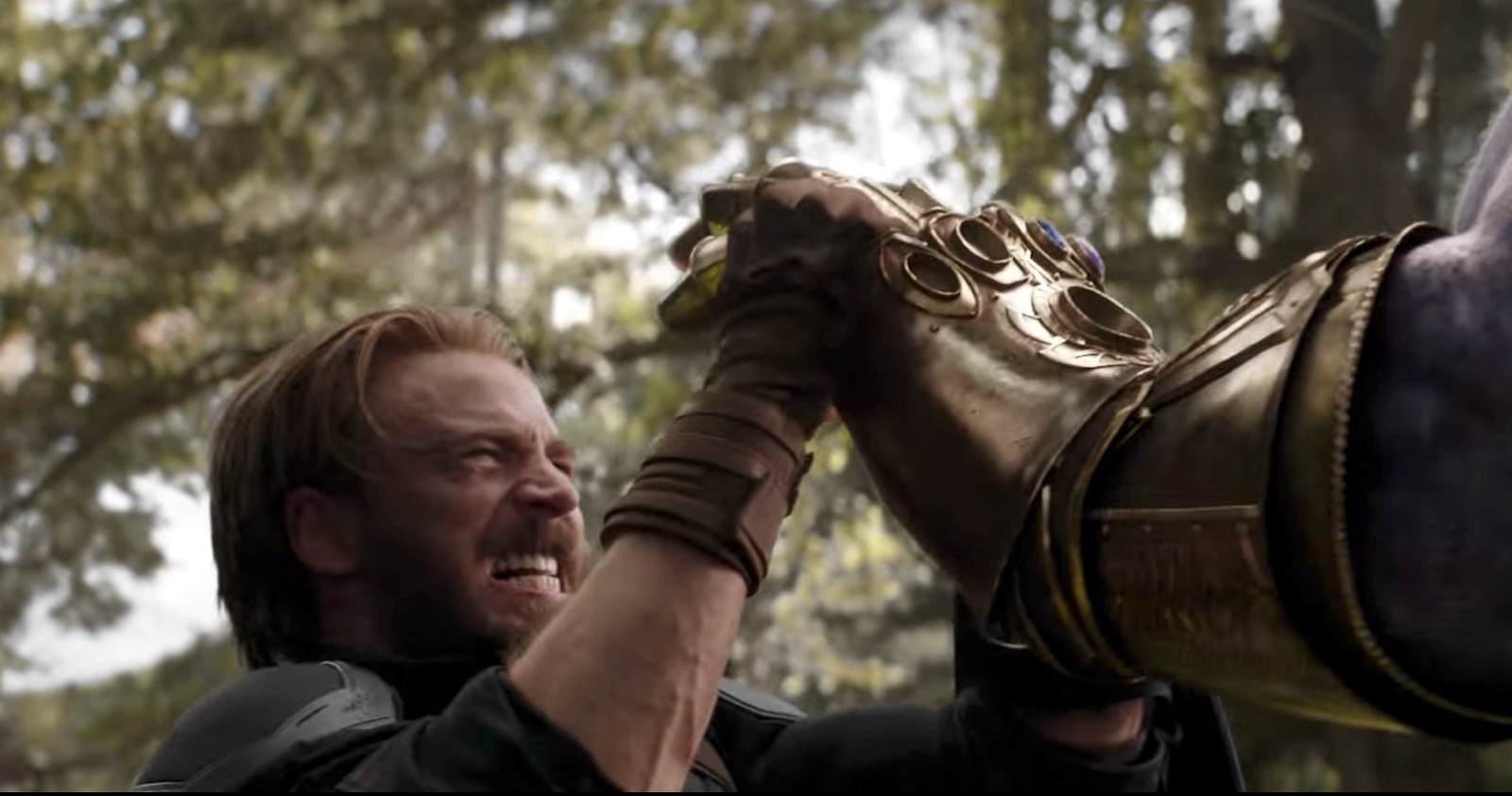
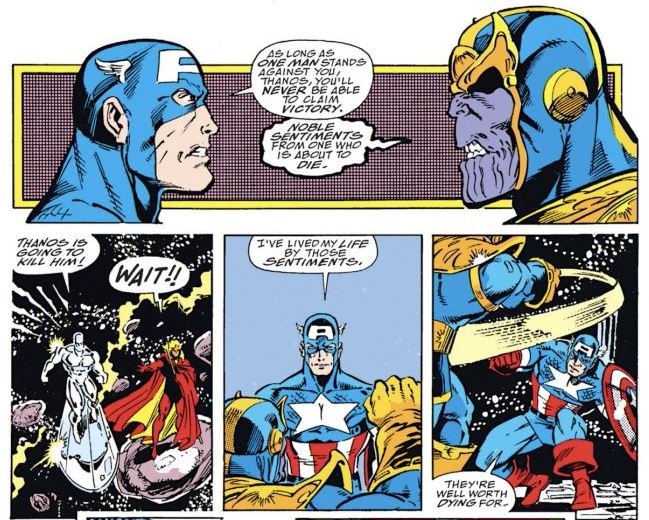
The final allusion to the comics that we’ll be seeing comes down to Captain America. For the second time in his life, the First Avenger’s closest friends and allies have disappeared, this time before his very eyes. In Infinity Gauntlet, Captain America was one of the many heroes to take on Thanos on the titan’s own turf. He fought his damnedest while his brothers in arms heroically died in the line of duty around him until he was the last man standing. Despite Thanos’ cynical jeers, Captain America stood strong, delivering an stalwart speech about fighting the good fight and dying with dignity. It’s one of the most beautiful moments for his character.

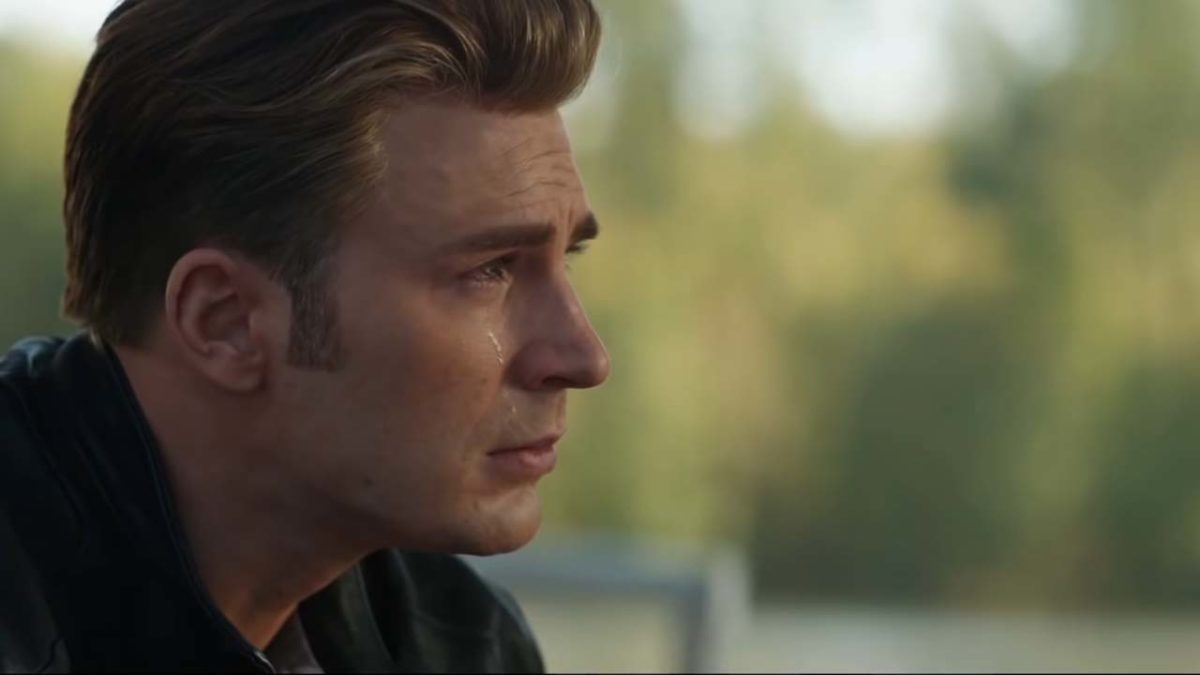
Chris Evans’ portrayal of the star-spangled hero resonates perfectly with this aspect of Captain America’s character, and we wouldn’t be surprised to see this scene play out in the movie exactly as it did in the comics. It may also be Evans’ farewell to the character seeing as it’s the end of his contract with the studio. If it really has to happen, it’d be hard to have a more poignant sendoff.

We’ll be armed with tissues.

We hope this list has given you some insight as to what elements of the Infinity Gauntlet comics the MCU might try and incorporate into Infinity War 2, and look forward to seeing you in theaters come 2019!

5 best superhero games of all time

Discover the games that truly make you feel like you’ve got superpowers.

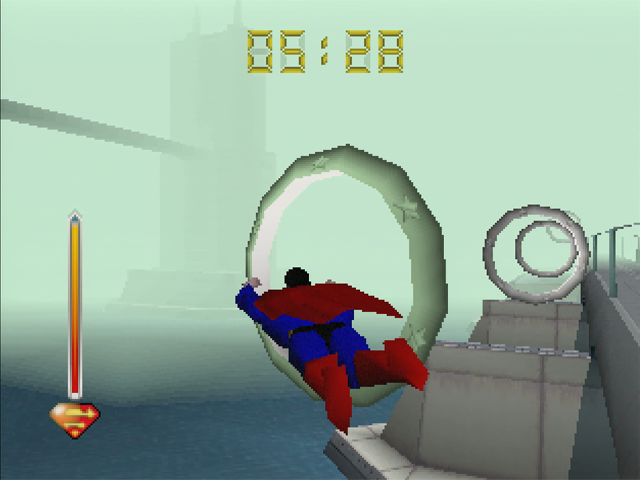
Licensed games are always a mixed bag. There are so many beloved characters and franchises that would make for excellent and creative games. Unfortunately, these games are often plagued by publisher interference and strict deadlines that hinder the developer’s ability to make a fun game that respects the source material. Superhero games are notorious for falling victim to this. With so many iconic heroes and inventive superpowers, you would think there’d be plenty of amazing superhero games, but unfortunately, the genre is home to many infamous duds like Superman 64.

You’ll believe a man can fly

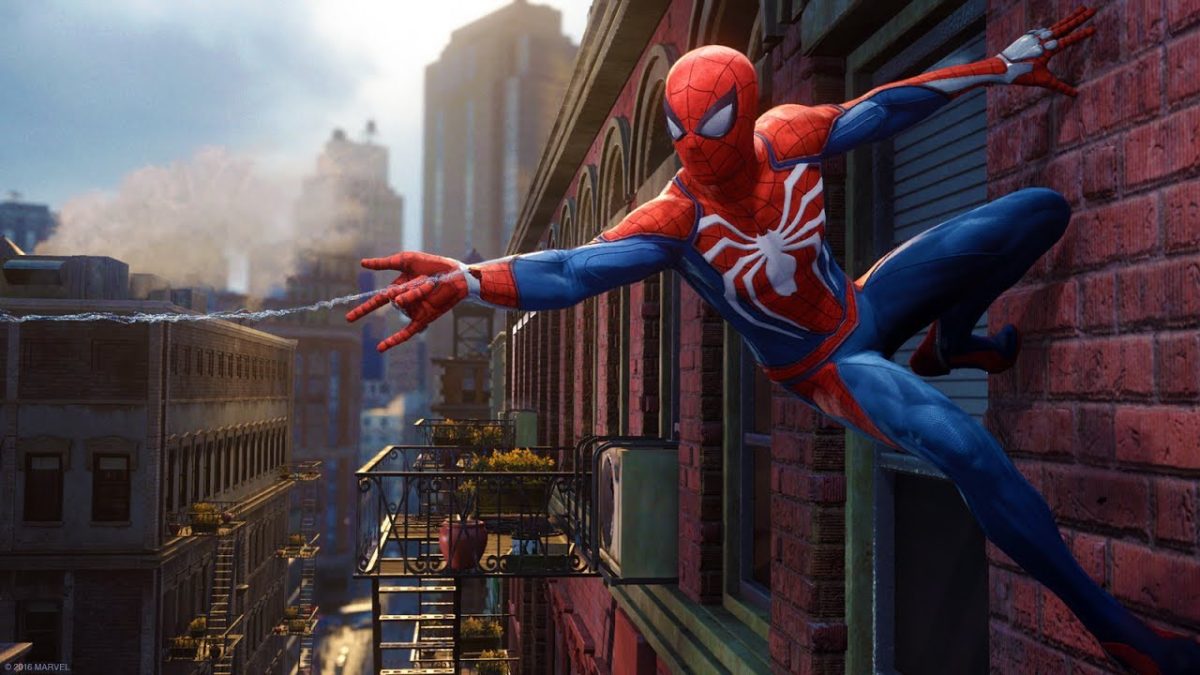
Despite all of this, there are some diamonds in the rough. Last summer, Insomniac’s Spider-Man breathed life into the superhero genre by giving players an expansive city, an original story, breathtaking movement options, and plenty of fan service. Because  Spider-Man PS4 came out so recently and would be such an obvious pick, we decided to look further back at some games that truly stand out as superhuman.

5 best superhero games of all time

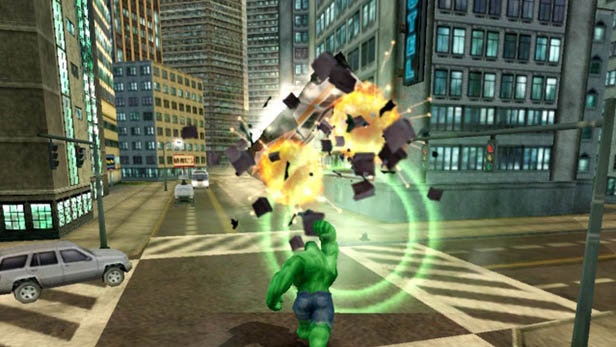
5. Incredible Hulk: Ultimate Destruction

In the comics, the Hulk is a character study on the depths of human rage, fear, and loneliness, showcasing the struggle between a man’s cerebral and primal urges. While this has made for plenty of beloved Hulk comics throughout the years, while in video game form the Hulk should be about one thing and one thing only: smashing. The Incredible Hulk: Ultimate Destruction understands this perfectly, giving the player a huge, interactive playground to destroy. The game was developed by Radical Entertainment, who would go on to develop the similar Prototype series.

Players take control of the Hulk, who has access to dozens of upgradeable special moves, including the Weaponization system. The weaponization system allows the Hulk to transform environmental objects into useful weapons, such as ripping a car in half to use as boxing gloves, using a streetlight as a javelin, or surfing on a bus. The Hulk’s movements have a sense of weight and momentum to them. As the Hulk builds up speed and dashes forward, he will automatically destroy enemies and objects he crashes into without slowing down, truly giving players the feeling of controlling an unstoppable monster. Unlike previous Hulk games, Ultimate Destruction is open world, and the Hulk can rampage through two distinct levels, the badlands and the city, each with their own unique enemies, destroyable objects, and secrets to discover.

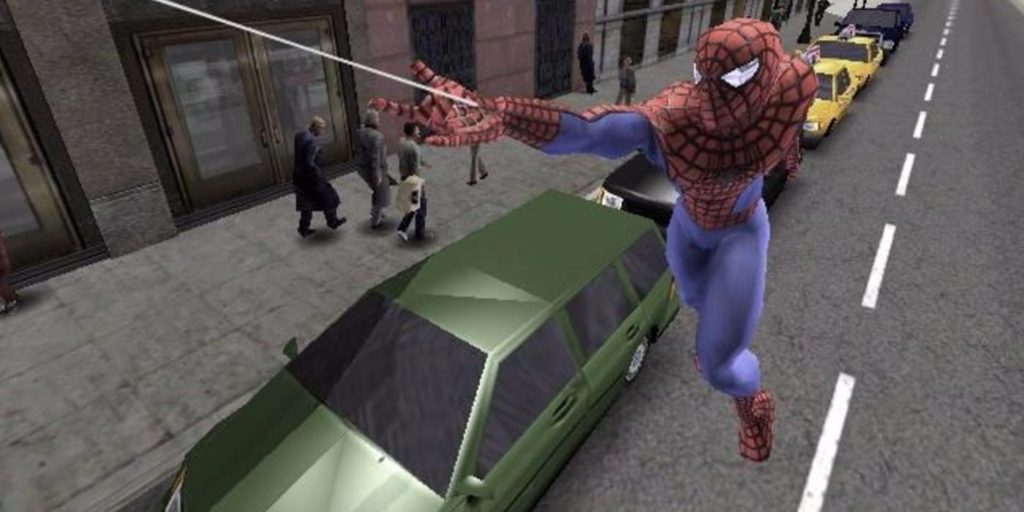
4. Spider-Man 2

Spider-Man PS4 owes everything to this classic. Based off of the hit movie, Spider-Man 2 laid down the formula for open-world superhero games. Unlike the first Spider-Man movie game, Spider-Man 2 allowed players to freely explore New York City. At the time, such vast worlds were very uncommon in games, especially for licensed titles. The world was chock full of side missions, including infamous quests like retrieving balloons for children or delivering pizzas while that hilarious music played.

Even with its fleshed-out world and memorable missions, the most memorable part of the game is the web-swinging. Previous Spider-Man games had Spidey shooting out webs into the sky and swinging on nothing, at most able to alternate between a few different speeds. Spider-Man 2 completely revamped the web-swinging system, and the player must now shoot actual buildings and objects to swing. As the player swings toward an object, they feel a real sense of momentum as Spider-Man speeds closer towards the ground, ending as the hero detaches from the web into an explosive jump. The system had a learning curve, but a high skill ceiling and a surprising amount of depth. Even today, Spider-Man 2’s web-swinging is considered one of gaming’s best movement systems.

3. Marvel vs Capcom series

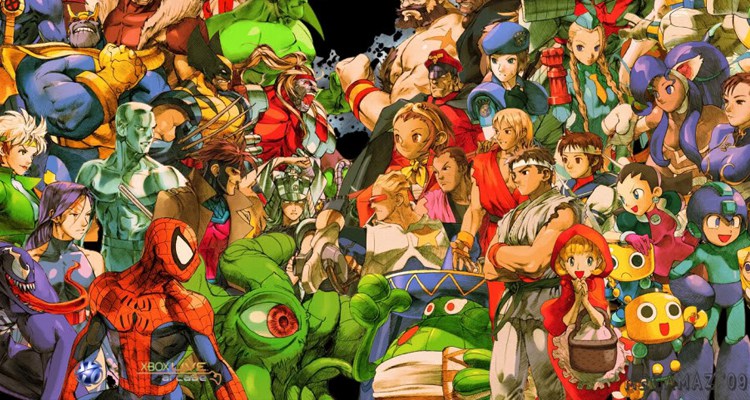
Back in the ’90s, Capcom dominated arcades with their star fighting game franchises like Street Fighter and Street Fighter Alpha. Eventually, they ended up getting the Marvel license, creating fighting game classics like X-Men: Children of the Atom and Marvel Super Heroes. Later on, someone at Capcom had the brilliant idea to mash these two megahit game series together, and Marvel vs Capcom was born. In addition to all of your Capcom favorites like Ryu and Mega Man, the MvC games featured a colorful cast of Marvel heroes both iconic (Spider-Man, Wolverine, Captain America) and hilariously obscure (Shuma-Gorath, Marrow, and at the time, Rocket Racoon).

The series took the versus gameplay popularized by X-Men COTA and dialed it up to 11. Players could select teams of three characters from a gigantic roster, customizing their assist attacks to form the best synergy they could. Combos in MvC games are infamously flashy, often lasting a long time and involving multiple characters and explosive super moves. The Marvel vs Capcom games are an absolute must play for anyone who enjoys fighting games, Marvel, or fast-paced, flashy games overall.

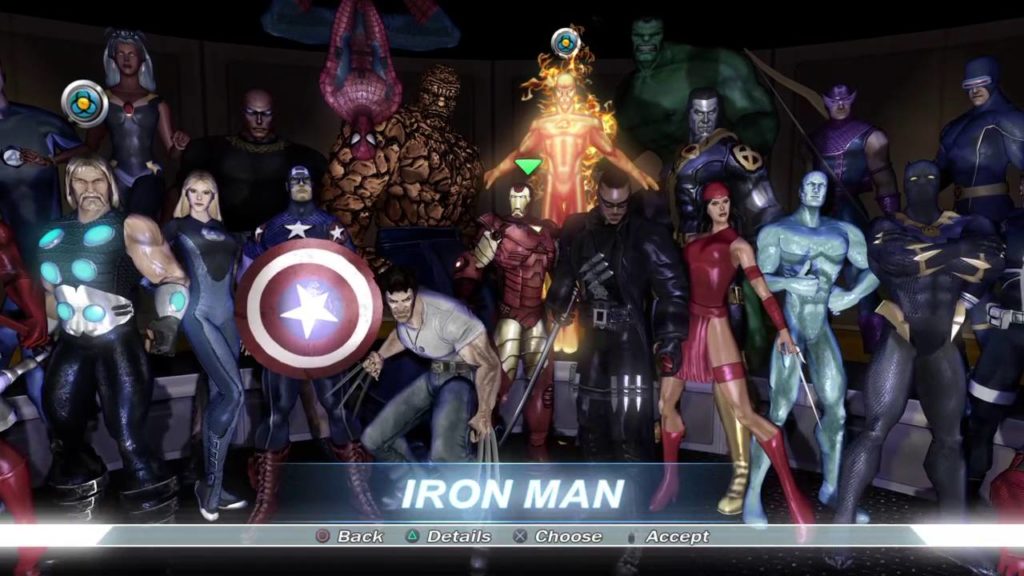
2. Marvel: Ultimate Alliance

Back in the early 2000s, Raven Software’s X-Men Legends series was a critical and commercial hit. The game combined Diablo-style dungeon crawling and loot with an enormous roster of heroes, each with customizable powers, attributes, and costumes. Marvel: Ultimate Alliance kept this style of gameplay while expanding the storyline and roster to encompass the entire Marvel Universe. Playable characters include the Avengers, the X-Men, the Fantastic Four, and solo heroes like the Deadpool, Silver Surfer, Blade, and Daredevil.

The story is incredibly expansive, including treks to Atlantis, Asgard, and even Hell. Tough choices abound, as your decisions are often surprisingly morally grey and have you choosing who lives and who dies. These decisions alter the course of the story and the ending you receive. As you progress through the game, you face off against iconic Marvel baddies like Dr. Doom, Ultron, Loki, and even Galactus. Dialogue and story events with these villains change depending on which heroes you choose for your team. For example, Captain America laments having to fight a brainwashed Winter Soldier, and Bullseye taunts Elektra, reminding her that he murdered her in the past.

Marvel: Ultimate Alliance is the perfect evolution of the X-Men Legends series, and is one of the finest RPG experiences of its era. Stay on the lookout for Ultimate Alliance 3, which was recently announced as an exclusive for the Nintendo Switch.

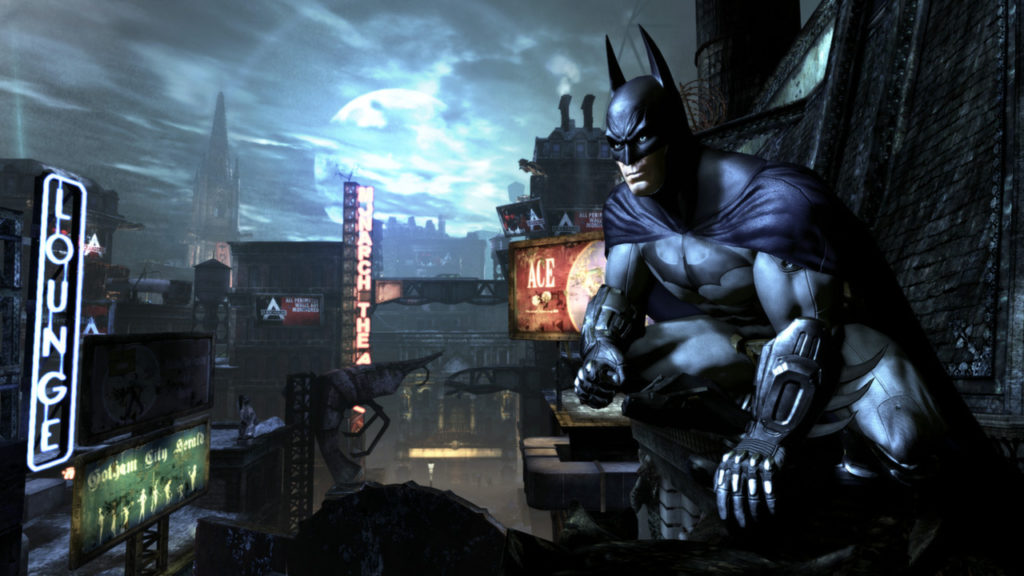
1. Batman: Arkham series

Obviously, we can’t make a list of top superhero games without mentioning the Arkham series. When Arkham Asylum was released in 2009, critics were blown away by the gripping storyline, chilling atmosphere, and detective-based gameplay. The Arkham games were the first Batman games that really tried to encompass the whole scope of Batman’s character: his sharp detective mind, his relationships with his enemies, and his brutal combat prowess.

In the Arkham games, Batman has access to a wide variety of gadgets that aid him in both puzzle-solving and combat. The developers did a fantastic job combing through Batman’s history for gadgets, as they included everything from his iconic Batarangs to his explosive gel. In addition to his gadgets, Batman can also use his Detective Vision, highlighting interactable objects and secrets. Speaking of secrets, every game in the series is full of secrets to collect, with most secrets either fleshing out the world (Riddler trophies) or providing fan service (Batman Beyond suit).

Batman: Arkham Knight DOWNLOAD NOW
7

Batman’s famous rogues’ gallery makes for some extremely memorable boss fights. The fight against Mr. Freeze in Arkham City is a methodic and tense fight that has Batman using his environment and gadgets to get the upper hand. Most notably, the Scarecrow fight in Arkham Asylum is creative and fourth-wall breaking, as it brilliantly leads the player to believe that their game is glitching out. These fights not only serve as creative gameplay segments but as character studies into the minds of Batman’s most iconic villains, showcasing the passion and lore knowledge of the development team.

The Arkham series’ combat system is easily the most influential of the last decade. So many games use “Arkham combat” nowadays because the system is so simple, yet fluid and stylish. Basically, as Batman attacks a group of enemies he automatically locks on to them and pummels them as you press the attack button. When an enemy telegraphs an attack, Batman can press the counter button to quickly dodge and strike back. If done correctly, every combat sequence should function as one continuous, free-flowing combo. While the system isn’t nearly as nuanced as a game like Devil May Cry or Bayonetta, it is accessible and flashy, focusing more on the flow of combat rather than tight button combinations.

The Arkham series is a true labor of love to one of the greatest superheroes of all time, and perfectly displays what happens when licenses are given to developers who are given ample resources and respect and love the source material.

Any superhero games we missed? Which ones are your favorites? Let us know!

Stan Lee masterclass: How to create a good villain

Learn how Stan Lee created some of the best bad guys of all time.

MARVEL VILLAINS

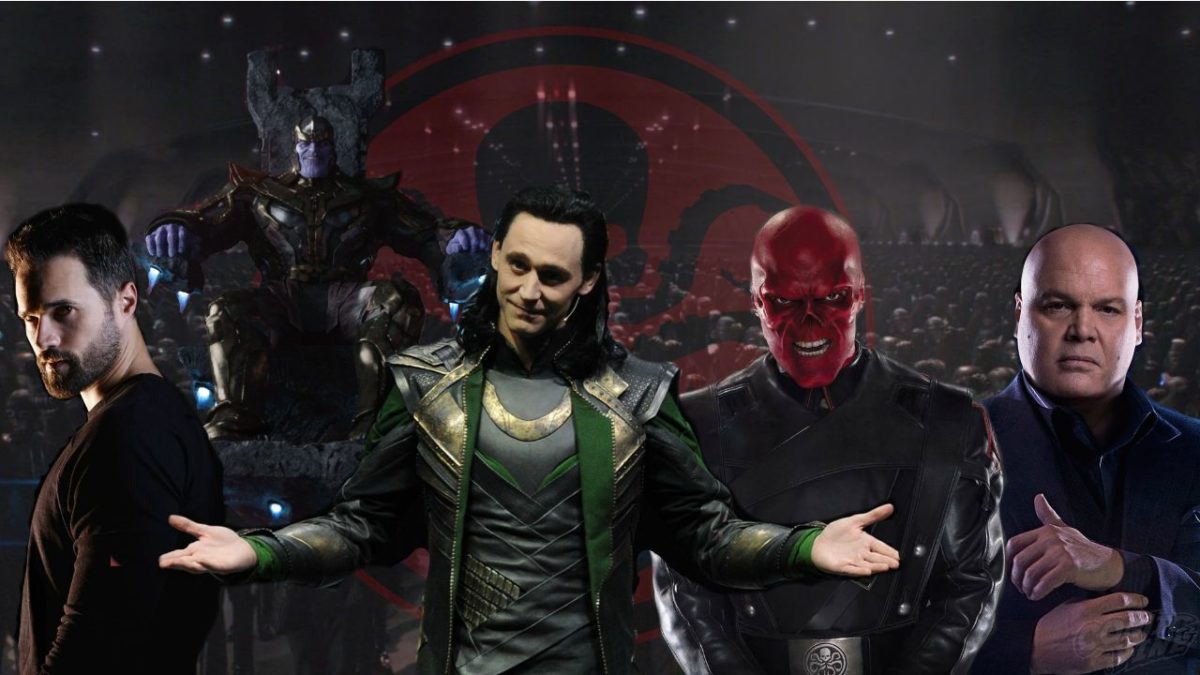
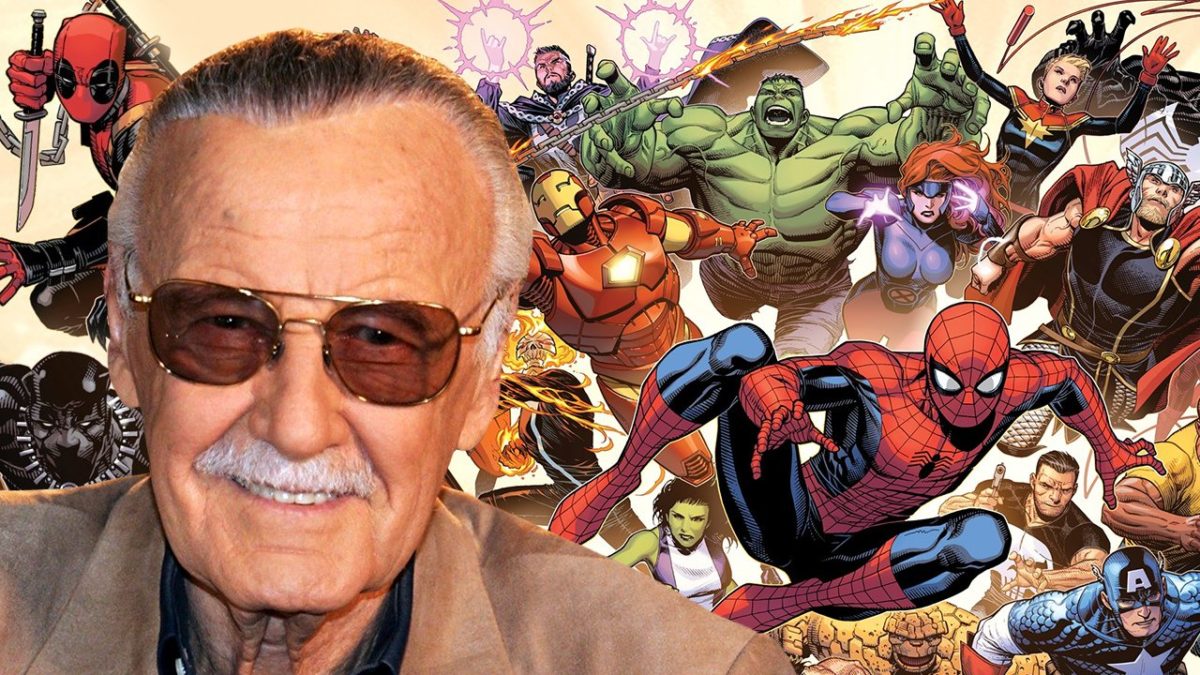
“There’s no such thing as a villain,” Stan Lee claimed with a cryptic smile. Coming from the man who created the Green Goblin, Dr. Doom, Venom, Magneto, and a staggering surfeit of other mischievous malefactors and wretched wrongdoers, this may seem like an exercise in hypocrisy. When you’re telling a superhero story, the good guy’s got to have a bad guy to go up against. Doesn’t every film in the Marvel Cinematic Universe have an antagonist for the hero to face off against? What about Loki for Thor? Whiplash for Iron Man? Killmonger for Black Panther? What about Thanos? Can we really say these characters aren’t villains?

How Stan Lee created some of pop culture’s greatest villains

“[They] may be viewed by you, me, and the general populace as dirty, rotten scoundrels and vile villains,” Stan Lee said, “but – and here’s the takeaway – they don’t see themselves as villains! Each and every villain in comics, in movies, in novels – and especially in real life – thinks of him or herself as the good guy. He’s the hero of his own story.

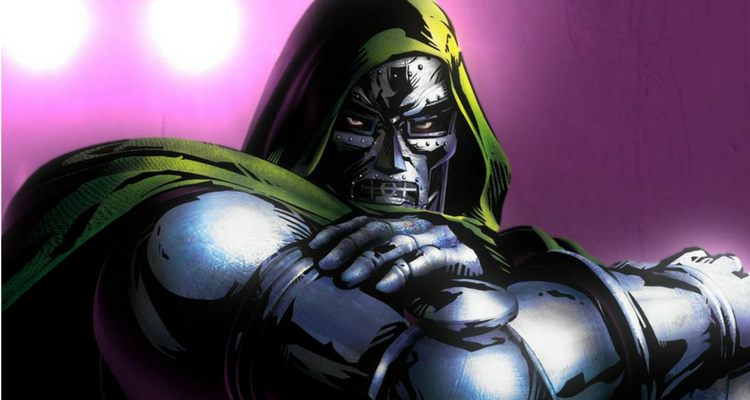
“Doctor Doom just wants to take over the world. That’s not illegal!”

‘History is written by the victors’ and the late Stan Lee took pride in reflecting as much in his writing. For sure, the villain is cast in an ugly light, and it’s because he or she is the one going up against our hero.

But what made Stan Lee’s villains so different was that acting against the protagonist did not disqualify them from having real character arcs: Driving motivations, emotions, goals, internal conflict, and tragic backstories of their own.

“The school bully wants your lunch money because he feels like he’s misunderstood and picked-on himself and he’s fighting for all the picked-on people in the world,” Lee said. “They and only they know what’s right and they and only they have the guts to do what needs to be done.”

Real villains of the world aren’t evil for the sake of being evil. Rather they act with goals in mind and seek to achieve them by whatever means necessary. If the cost is steep, the ‘bad guy’ deems it a necessary casualty in order to accomplish a greater good. “No one ever thinks ‘I’m about to do an evil thing, even if I have another option,'” Lee said. “We humans are champions at rationalization, at convincing ourselves that we’re doing the right thing, no matter how we must twist logic to get to that conclusion.”

Magneto isn’t killing humans because he’s simply evil; he’s doing it because mutants are discriminated against and he wants to promise their safety. Kingpin runs a ruthless mob through Hell’s Kitchen because he believes it’s the only way to maintain a semblance of order in an otherwise chaotic city. Killmonger asserts that he will do take Wakanda to its rightful position as a global ruler, looking after those oppressed and in need.

The villain needs to be a person

Giving the villains of his comics empathetic motivations and real personalities that weren’t just ‘comic book villain’ was what set Lee’s characters apart from the competition. We as readers can certainly dream of flying, lifting tall buildings, firing lasers out of our eyes, or lifting objects with our minds, and that’s the fun of reading superhero comics. Of course, we have no way of actually doing these incredible things. Jealousy, fear, anger, resentment, the desire for revenge, though; these are familiar emotions, and strike closer to home.

“Sure your hero might be extra strong or might be able to fly or run as fast as a comet. But unless you care about the hero’s personal life, you’re just reading a shallow story,” confides Lee. “And just because the guy’s got a superpower doesn’t mean he hasn’t got the same problems that you or I might have! Maybe he doesn’t have enough money. Maybe he has a family problem. Maybe the girl he loves doesn’t love him.”

Unrequited love? We’ve been there, buddy.

“I like to get villains who have some sort of a background so we know about their personal life – just like I like to know the personal life of my heroes,” Lee said.

Instead of aiming for a simple binary black vs. white heroes vs. villains, Stan Lee opted to make his antagonists’ issues relatable, even if their solution to these issues was typical diabolical behavior, like robbing a bank or kidnapping someone. “Even though what you’re writing amounts to a fairy tale for grown-ups, try to keep enough facts and try to give enough detail that the reader will say ‘well, it could have happened!'”

Bring out the hero’s best qualities

Since his villains had sympathetic problems, Stan Lee’s characters were often presented as believable foils to their counterpart hero in some way, serving to highlight his or her weaknesses and strengths. This similarity in personality or issue forced the hero to address and power through their shortcomings, and to do so in the proper way, unlike the bad guy. Spider-Man and Venom are classic examples of this:

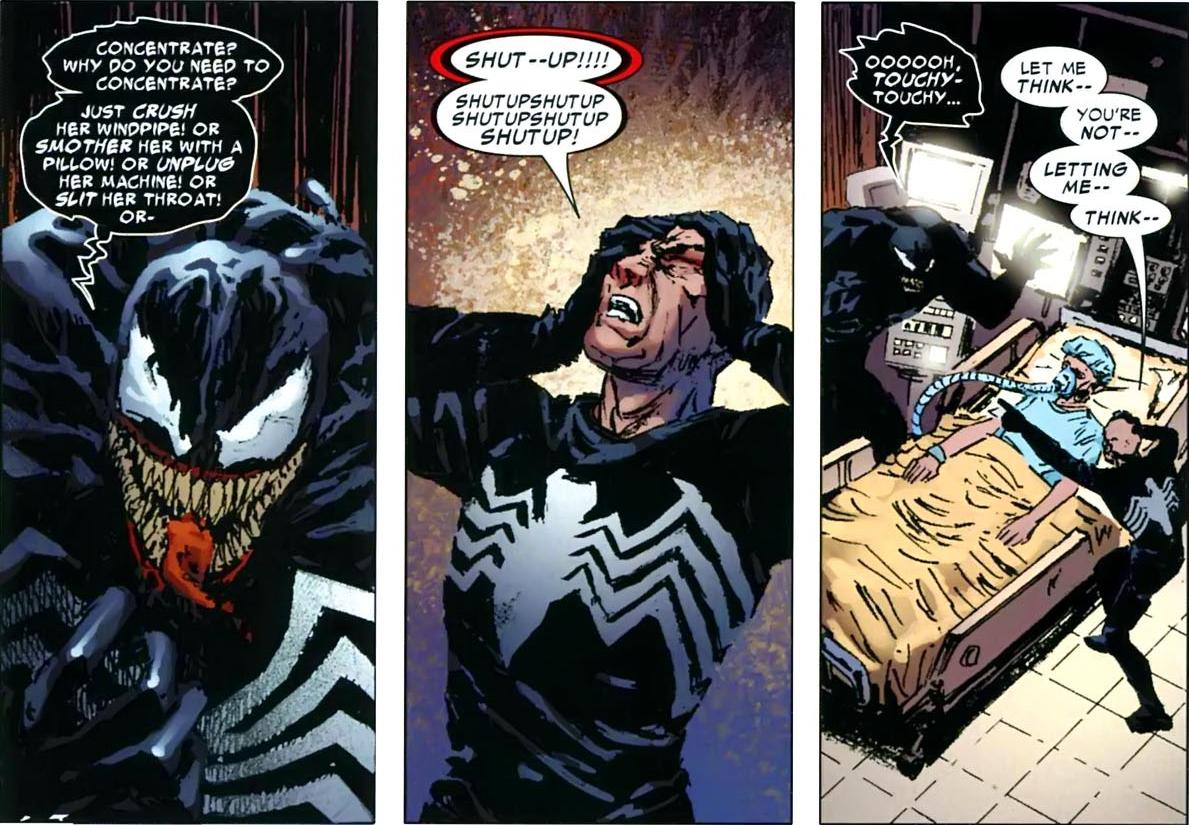
Both Peter Parker and Eddie Brock fell victim to the same alien symbiote, a suit that granted its wearer incredible strength, durability, speed, and power. However, it did so at the cost of the wearer’s personality and self-control.

It was Peter Parker’s strength of will that defeated the symbiote

Eddie Brock gave in to his love for power, gave in to his addiction to the suit and the high it gave him to wear it. Peter Parker, the hero of the story, fought back against the symbiote after seeing the damage it was doing to people he cared about. Any reader can enjoy a good power trip looking at pictures of Venom going on a rampage, but it’s clearly Peter Parker who demonstrated stronger willpower, more maturity, and a strong moral compass.

Write your villain with your hero in mind

Venom is also a good example of a baddie that’s more than a match for the hero of the story. “The first thing you have to do is get a villain who seems to be unbeatable by the hero. That makes your job tougher because the hero has to beat him in the end.” Villains need to suit their heroes, and provide a solid counterpoint to their powers and, more importantly, their personality.

The good guy needs to match the bad guy. Look at Batman and Joker, or Punisher and Kingpin. “Would you have Robocop fighting giant alien flying jellyfish or a house-haunting apparition?” Lee exclaimed. “Of course not! Those aren’t the kind of opponents Robocop squares off against.”

Every hero needs a suitable challenge; succeeding against all odds makes for a far grander (and more exciting) story than simply pummeling a few thugs and sending them to jail. Abomination wouldn’t be a great pick for a superhero like Captain America, but he’s great against Hulk!

Stan Lee made it a focal point in his narrative to introduce new villains that provided a real threat to the hero. “You can’t know how heroic or resourceful your hero is unless he goes up against someone who is not just his equal in power or determination or intellect,” says Lee, “but up against someone faster, stronger, smarter, and more ruthless!

“In the beginning, writing the hero is very exciting, but once you’ve created the hero, you’ve got him. And he’s going to be pretty much the same in every story,” Lee said. “But each story needs a new villain. So it is more interesting to keep coming up with new villains because each one is a new problem.”

“Villains are the most important people in the story”

The hero has no choice but to become predictable. Every protagonist has a personality, relationships with other characters, a tried-and-true method for solving his problems, and (if they’re the rough-and-tumble, Hitler-punching type) a specific style of combat and a striking visual aesthetic. Day in, day out that can get dull to read, even for the best of heroes.

“That’s only natural,” Lee said, “because we’ve had time to get to know him, to learn to anticipate his reactions.” That hero needs an antagonist to shake up the formula, to introduce some needed chaos to the mix. “Our villain has to be unique, clever, inventive, and full of fiendish surprises.”

Surprise! You can’t punch him.

Adversity shapes us into stronger people, and that adversity comes in all shapes and sizes. The same goes for the antagonists of Stan Lee’s works. Sometimes Tony Stark went toe-to-toe with big bad dudes like Thanos or Ultron, but other times it was Obadaiah Stane, an executive on his own company’s board. Other times Stark was fighting with his own inner demons – his paranoia or his alcoholism.

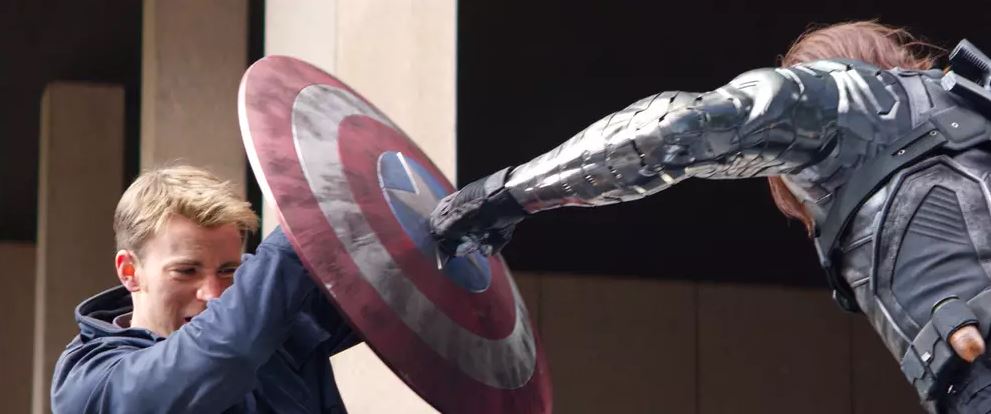
The Winter Soldier was an equal match for Cap both as a combatant and due to their history

Stan Lee considers this raising the bar for the hero. “Villains have a great responsibility that comes with their great power: They have the responsibility to make you, the reader, believe that the hero doesn’t stand a chance against them.” When all seems lost and things seem hopeless, that’s when the protagonist has to rise up and meet the challenge.

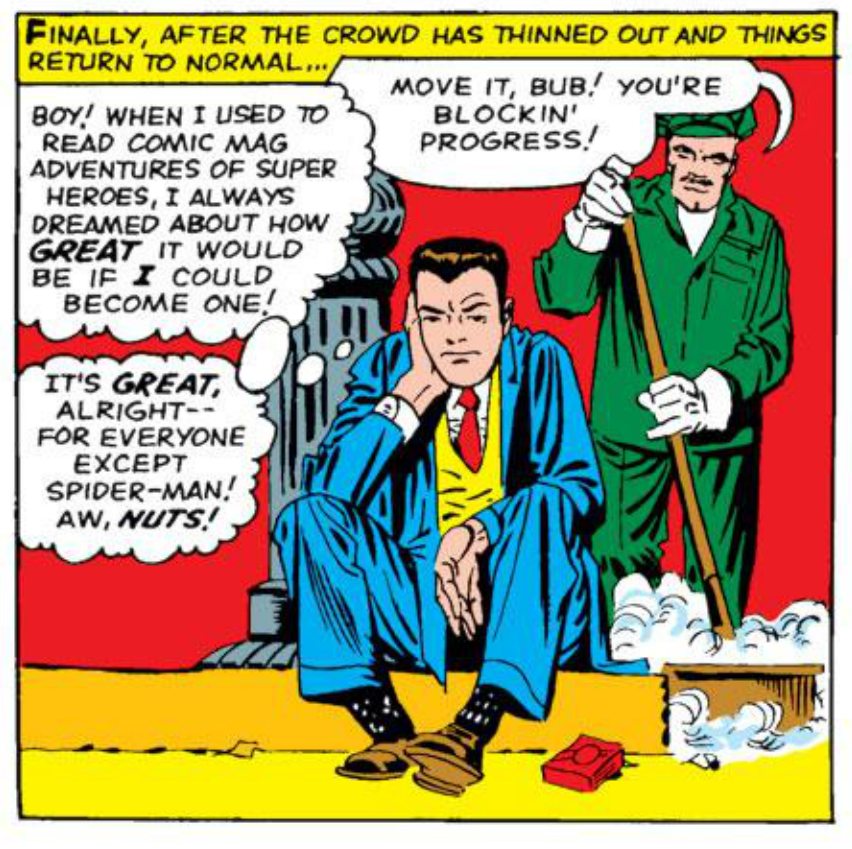
Peter Parker wins. Not Spider-Man.

What’s more important than the monster of the week is how the hero defeats it. It’s easy to say Spider-Man punches his way through a group of thugs, but what does that give us other than some popcorn-munching theatrics and flashy visuals? Looking deeper, there has to be a moral behind why the good guy succeeds. What lesson can be learned? On what part of the hero’s skill should this issue capitalize? Maybe it’s their bravery. Maybe it’s their ability to coordinate a team. Or their persistence and dogged determination:

Presenting challenging monsters and showing how to conquer them is a cathartic way of coming to terms with our fears and finding the internal strength to surmount them. Lee credits this catharsis as one of the chief reasons audiences love superhero stories.

By showing the hero defeating the scary monster we see that “the superhero – the absolute pinnacle of human nobility and virtue – takes on the monster – the physical manifestation of humanity’s irrational fears. If they can beat it, you can too.” To emphasize that the reader too could triumph over his difficulties, Stan Lee seldom had his heroes win fights through brawn. Instead, most of Lee’s heroes were smart: Reed Richards, Bruce Banner, Peter Parker, or Stephen Strange. Their smarts were how they won the fights, not their superpowers.

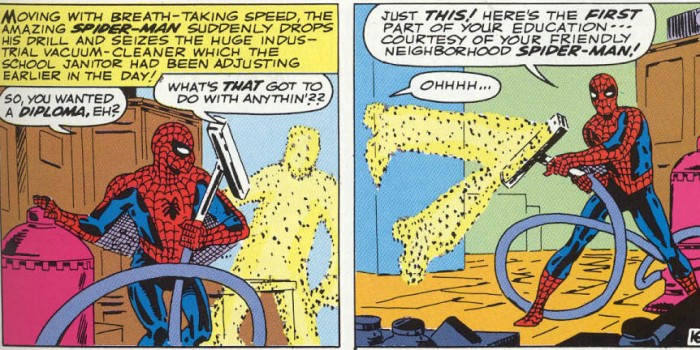
Peter Parker does with a vacuum cleaner what Spider-Man failed to do with his fists.

Stan Lee showed his readers that while superpowers were fantastic, fun, and marvelous, the heroes didn’t need them conquer their fears.

In the end, the antagonists that Stan Lee created were so successful not because of their bulging biceps, exorbitant wealth, or their mighty superpowers. Quite the opposite: It was because they were more believable, more relatable, and more human. This closeness makes them both more empathetic, but also more frightening; seeing yourself in both the hero and the villain of a story is like listening to the angel and devil arguing on your shoulders – both voices are a part of you, and it’s up to us to know which path is the right one, even if the wrong path can seem awfully tempting. But that’s what resisting that bad side of you does: It means you get to play the part of the hero.

How Stan Lee created Marvel’s complex characters

Learn how Stan Lee’s layered characters changed pop culture forever.

How Stan Lee Created Complex Characters

“My name is Stan Lee. I’ve been writing stories for the young generation for the past 30 years. During this time, I think I’ve learned a lot about how young people think, and more importantly, what young people are.

Today, we’ve come to a time in history when there definitely is a generation gap. It seems to us that perhaps anything that could be done to bridge that gap, to help present the point of view of these young people without being patronizing, without hostility, with respect, with attention, would be a very beneficial thing. Oh sure, they talk a lot and they yell a lot, but nobody really listens to them!”

-Stan Lee on his talk show in 1968.

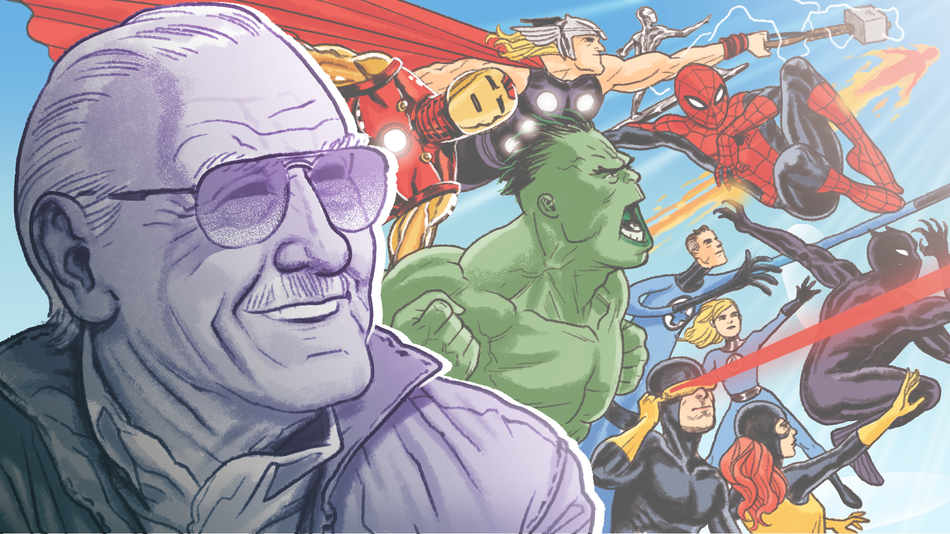
Beloved comic book writer and creator Stan Lee passed away at the age of 95. Stan Lee is one of the most influential comic creators of all time, creating heroes like Spider-Man, the X-Men, the Hulk, the Fantastic Four, and Black Panther. He was always a man of the voiceless, giving young people and minorities stories and characters that made them feel wanted in a society that told them to stay quiet. Below, we’ll talk about how Stan Lee crafted these complex, iconic characters, and why they resonated with so many people.

How Stan Lee created Marvel’s complex characters

Stan’s characters had real problems

For all his heroics, Spider-Man is still an everyman who’s down on his luck

Before Stan started writing, comic books were primarily power fantasies that appealed to youth. Superman was an invincible man with an unbendable sense of justice, Batman was a billionaire playboy who doubled as the world’s greatest crimefighter, and so on. Knowing that comic books appealed primarily to teenagers, Stan wanted to give them something other than a power fantasy. He created characters that young readers could relate to rather than look up to.

The primary example of this is Spider-Man. In many ways, Peter Parker resembles the typical comic book reader. He’s a teenaged boy who’s dorky, bullied in school, unathletic, and has little-to-no luck with women. Before Spider-Man, teenagers were never portrayed as superheroes, only as perky sidekicks like Robin, Speedy, or Bucky Barnes. Casting a teenage hero, and a realistic and troubled one at that was an incredibly refreshing and innovative decision.

Even after gaining amazing spider powers, Peter still deals with all of these issues in school, often struggling to balance his personal life with his heroic life. Despite dealing with both typical teenage problems and superpowered antics, Peter still keeps his head on straight and tries to do the right thing.

He’s not a pillar of justice like Superman, and he sometimes acts selfishly or carelessly, but he learns from his mistakes and tries his best. Despite saving the day time and time again, Peter is filled with self-doubt as soon as something new goes wrong. Stan Lee’s Spider-Man demonstrated that having powers doesn’t automatically make you a superhero. Instead, superheroes are people who choose to make simple, everyday decisions to stand up for and help people who can’t do it themselves. The point of making heroes realistic was not only to make them relatable to readers, but to show them that they are perfectly capable of becoming heroes themselves.

Stan put it best himself in his appearance in Spider-Man 3:

Stan’s characters represented different ideas and feelings

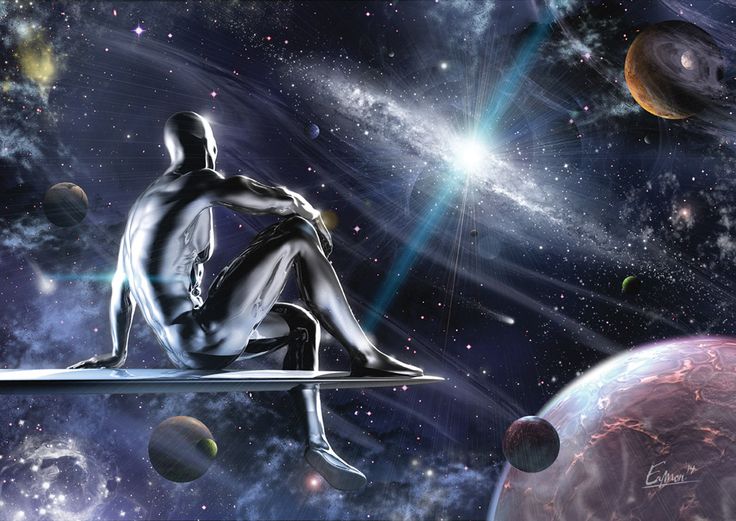
The Silver Surfer gazes into empty space

Each of Stan Lee’s characters is meant to embody a simple, relatable feeling or idea. No matter how over-the-top the character is, readers can empathize with them on a basic level.

For example, Bruce Banner is a timid and anxious scientist who is shafted constantly, no matter what he does. When he finally reaches his breaking point, he explodes in anger, becoming the Incredible Hulk. When the Hulk was created in the 1960s, the Hulk became a counter-culture icon, representing the repressed rage felt by a generation who was told that they were entitled for wanting to be taken seriously, a problem that keeps the character relevant to this very day.

Characterized by Stan, the Silver Surfer is a powerful but lonely hero who travels through space serving a power that he hates but is forced to keep in his life. As the Surfer soars through the heavens, the spectacular sights and adventures he sees do little to excite him, as he is kept away from all of those that he cares about by a higher power that he can’t fight or escape. Like the Surfer, many people grow weary of the wondrous world around them, drifting aimlessly and alone, their enthusiasm and lust for life sapped by power structures and situations that they cannot hope to control. Readers empathize with the Surfer’s struggle to regain his humanity as they grow older in a world that seems increasingly indifferent to their presence.

Feelings like loneliness, disillusion, or anger are problems felt by ordinary people and superpowered adventurers alike. By creating larger-than-life heroes like this, Stan helped his anxious readers feel less alone in the world.

Stan’s heroes represented equality

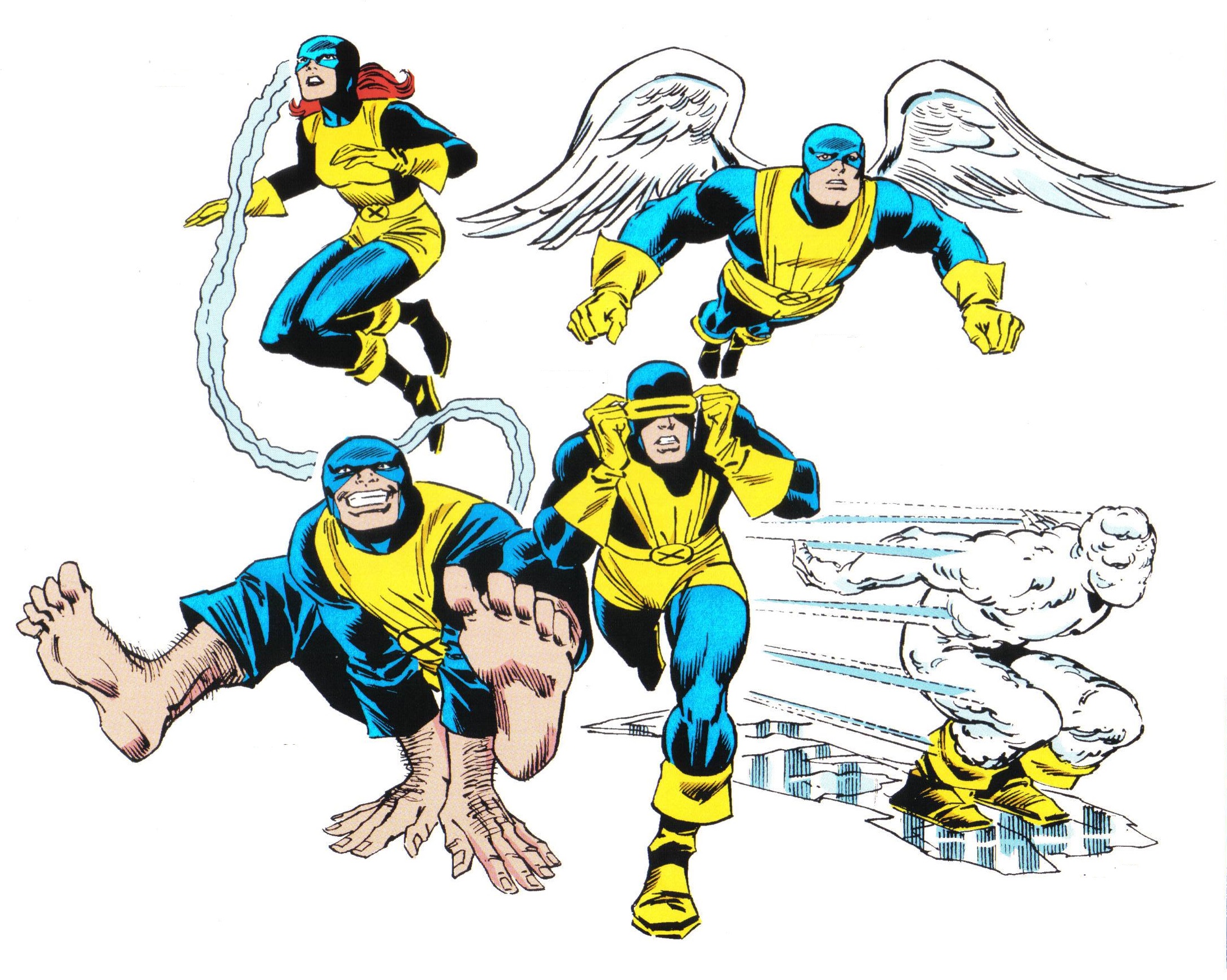
Beyond being believable and relatable, Stan’s heroes often reflected the struggles felt by minority groups in America. His superhero team, the X-Men, is one of the most enduring symbols of tolerance and acceptance in pop culture even to this day.

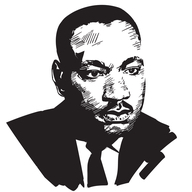
Created in the 1960s, an era marked by minority groups like African-Americans and women making huge advancements in civil rights, the X-Men are mutants fighting to promote acceptance in a world that hates them. In the Marvel Universe, mutants are ordinary people who suddenly gain superpowers around puberty, causing them to be feared and hunted down by a panicked populace. Even though the X-Men are hated by the public, they fight using their mutant powers to fight evil and protect humans in hopes of showing that they aren’t monsters. In many ways, the X-Men and its leader, Professor X, resemble Martin Luther King Jr. and his peaceful fight for equality, rights, and respect.

The X-Men were created by Stan Lee as a metaphor for any kind of minority group the reader belonged to, whether that be their race, religion, or sexual orientation. The X-Men team itself is made up of an incredibly diverse group of people, displaying how different subsets of people can work together in the fight for an equal and fair world.

It should be noted that while the mutant X-Men are hated and feared by the population, non-mutant heroes like Captain America and the Fantastic Four are not. This is an intentional point, demonstrating that the X-Men are considered monstrous outsiders for no real reason at all, and that there is intrinsically nothing wrong with them, just as there is nothing wrong with belonging to a certain race, gender identity, religion, or sexual orientation.

Stan Lee and his creations influenced millions of people, and he will always be remembered for his warm and heroic spirit. Who’s your favorite Marvel hero? How have they impacted your life? Let us know!

Why movie tie-in games disappeared

Miss video games based on movies? Here’s why they vanished.

What happened to movie tie-in games?

Not too long ago, it seemed like movie tie-in games were everywhere. If a mainstream animated kids movie, action movie, or superhero movie was released, you could count on there being a movie tie-in game coming out on the same day. Now, it seems like movie games have been wiped off the face of the earth. How did this happen? How did movie games go from flooding store shelves to a forgotten memory? We dug up a few main reasons.

Why movie-based video games disappeared

Games are extremely expensive to make today

Bungie’s Destiny cost $140 million to make

Movie games first really started dropping off during the PS3/Xbox 360 era. Why? Because as technology became more advanced and consoles were finally able to display realistic and detailed HD graphics, gamers had a higher standard for games in general. Even slapping together the cheapest movie game would be an expensive move for any gaming studio, who already had to shell out in order to get the movie license in the first place. While movie games tended to sell pretty consistently due to the popularity of their licenses, they never really cracked the top 5 yearly best-selling games list. As such, they became too much of a financial risk to develop.

It should also be mentioned that publishers demanded that developers finish and ship the game in time for the movie’s release, leading to an impossibly rushed schedule that made it extremely difficult for developers to make a quality, technically impressive game. Back in the NES days, developers could slap together a cheap and generic 2D platformer based on an upcoming movie and call it a day. Both the production costs and the consumer’s expectations were much lower. As gamers were exposed to more and more triple-A technical marvels, their demand for cheap movie games sharply decreased.

The games typically sucked

E.T. the Extraterrestrial for Atari 2600, based on the classic movie and widely considered to be the worst game of all time

Video games and movies mix together like peanut butter and petroleum jelly. Movies based on video games almost always suck, and video games based on movies almost always suck. Movie games were notorious for years for being rushed, cheap, and uninspired slap jobs. It’s easy to see how most of them turned out that way. The development cycles of the game were incredibly rushed due to publishers forcing developers to finish the game by the movie’s release. The games are both designed to be made as cheaply as possible and to appeal to the widest possible audience, ensuring no risks or creativity in game design. This results in generic forgettable platformers at best and broken messes at worst.

Take the case of the “E.T.” game for the Atari 2600, a game so legendarily bad, most of the cartridges ended up in a landfill. We even have a documentary about how awful it was.

Fortunately, there are some movie games that break this curse. Spider-Man 2 lets players explore New York as the wall-crawler, with an intuitive physics-based web-swinging system. The Lion King on the SNES is a tightly controlled platformer with beautiful graphics and music. And of course, Goldeneye 007 is one of the most iconic shooters in history, paving the road for console multiplayer shooters and expansive, varied single-player campaigns. It’s unfortunate how few good movie games there were, as many of the licenses they’re based on could make really fun games if the developers were given freedom.

Mobile games suit movie tie-ins way better

It’s safe to assume that this Frozen mobile puzzle game makes a billion dollars every five minutes

The explosion of the mobile gaming industry handed the solution to movie game publishers on a silver platter. Making movie tie-in games on mobile instead of consoles solved all of the problems listed above.

1. The standards for games on mobile devices is way, way lower than those on a console. Impressive graphics and high production values are not expected at all for mobile games. Most mobile gamers are just looking for a quick, mindless distraction on their commute, and mobile game developers can use this mindset to create smaller, simpler games. Additionally, developers don’t need to come up with creative game design, they just need to re-skin a popular idea, like a puzzle or endless runner game, with whatever property they’re working with.

2. Mobile games are significantly less expensive to develop than console games. Just take a simple, tried-and-true concept like a puzzle game and slap a popular franchise on it and you’re gold. Additionally, mobile games bring in an astronomical amount of money through in-game purchases. Most mobile games are free, meaning the barrier to entry is non-existent. Gamers are more incentivized to spend small chunks of money on mobile games, which are typically designed as virtual Skinner boxes that heavily promote in-app purchases. The extremely low costs of development combined with the huge profitability of in-app purchases make mobile games based on hit properties a gold mine.

Do you miss movie games? What are your favorite movie games, or your least favorite ones? Let us know in the comments below!

The comic book origins of the 4 coolest costumes in Spider-Man PS4

Where did these 4 Spidey suits come from? Here’s the comic book backstory.

Insomniac’s Spider-Man for PS4 has been a massive success, and for good reason. The game was clearly made by and for Spider-Man fans, and Insomniac went above and beyond in representing the beloved character’s decades of history. One of the coolest ways Insomniac pays homage to the wall-crawler is through the unlockable alternate costumes. Below we’ll show you some of the coolest ones you can unlock and talk about the comics that they came from.

The comic book origins of the coolest costumes in Spider-Man PS4

Spider-Man 2099

Spider-Man 2099 is the main star of his eponymous book in the Marvel 2099 comic line. Set in a dystopian cyberpunk future where most Marvel heroes are long gone, Spider-Man 2099 is the alter ego of Miguel O’Hara, a scientist who works for the evil megacorporation Alchemex. Miguel is a self-absorbed, cocky womanizer – the total opposite of Peter Parker.

After his employer tricks him into becoming addicted to the drug Rapture, Miguel attempts to experiment on himself to rid himself of the drug. However, a coworker sabotages the experiment, granting Miguel 50% spider DNA and giving him spider powers. Alchemex hunts down Miguel, who dons a bodysuit and Day of the Dead mask to evade them. (Miguel is the first Latino Spider-Man.)

While early in his costumed career, Miguel focuses on escaping Alchemex and finding a cure for himself. But he slowly becomes more aware of the exploitation and oppression the people around him suffer. Inspired to turn his life around for the better, he publically proclaims himself to be the new Spider-Man, enemy of all megacorporations and champion of the people. Miguel proves himself to be one of the future’s greatest heroes, even eventually becoming worthy enough to wield Thor’s hammer, Mjolnir.

Miguel’s powers are similar to the original Spider-Man’s, though there are some sharp differences. For example, Miguel does not possess a spider-sense, but he does have highly enhanced senses of vision and hearing. He is able to see in the dark and “zoom” his vision in. While Peter Parker was able to cling to any surface with any part of his body, Miguel is only able to cling using talons on his hands and feet. These talons can also be used offensively, being strong enough to tear through flesh. In addition to talons, Miguel also has razor sharp poisonous fangs.

In current Marvel Comics continuity, Miguel is trapped in the present day. He frequently teams up with Peter Parker.

Spider-Man Noir

Spider-Man Noir debuted in 2009’s Marvel Noir comic storyline. Marvel Noir takes place during the Great Depression and features darker and grittier versions of their classic heroes. Spider-Man Noir is no exception.

In this universe, Peter Parker is mentored by famed reporter Ben Ulrich. Ben, under the alias of the Spider, uses his contacts in the criminal underworld to get information on the Goblin, the terrifying alter ego of Norman Osborn that controls all the crime in New York City. After sneaking into a warehouse full of the Goblin’s henchmen, he sees them unload a spider statue. The statue breaks open, freeing swarms of spiders, one of which bites Peter, causing him to dream of a spider-like god. When he wakes up, Peter realizes he has spider powers. Peter dons his uncle’s airman suit to become the brutal vigilante known as Spider-Man, stopping at nothing to bring down the Goblin.

One of the main differences between the main Spider-Man and Spider-Man Noir is that Noir is perfectly willing to kill his enemies. He frequently uses a revolver and a Tommy gun in his war against crime. Unlike the main Spidey, Noir doesn’t use web-shooters. Instead, his powers gave him organic webbing. Noir uses intimidation and his large number of underworld contacts in order to get closer to the Goblin.

Spider-Man Noir will appear in the upcoming animated movie Spider-Man: Into the Spider-Verse. He will be played by Nicolas Cage.

Scarlet Spider

Scarlet Spider is the alias used by Peter Parker clone Ben Reilly, star of the universally panned Clone Saga storyline from the 90s. The story is convoluted and filled with comic book nonsense, but we will do our best to briefly summarize it here:

After fighting the villain Jackal, who uses clones to fight Spider-Man, Peter wakes up in a room with an identical clone also in a Spider-Man suit, both thinking the other is an imposter. The two Spider-Men fight, but eventually team up to rescue Gwen Stacy from the Jackal. The clone seemingly dies in an explosion while trying to rescue Gwen. A disturbed Peter drops the clone’s body in a smokestack to get rid of it, but the clone survives and escapes. After following Peter and taking a look into his life, the clone (still thinking that he is the original Peter), adopts the name Ben Reilly, named after Uncle Ben and Aunt May. Ben becomes the Scarlet Spider, creating his own hoodie-like costume and fighting crime. He also constantly evades Kaine, another clone of Peter with murderous tendencies.

The character was “revealed” to be the original Peter Parker. After massive fan outcry, Ben was killed off in a fight with the newly resurrected Green Goblin. His death inspires Peter (who ACTUALLY was the original all along) to retake his mantle of Spider-Man. Ben was recently resurrected in the “Dead No More: Clone Conspiracy” storyline. In this, he goes insane and becomes the new Jackal until he is defeated by Spider-Man. After his loss, Ben flees to Las Vegas in order to rediscover what it means to be a hero.

Got all that? No? Oh well, at least his costume is awesome.

Spider-Punk

During the crossover event Spider-Verse, in which Spider-Men from different realities team up to fight the villain Morlun, a reality is shown that features a never-before-seen Spider-Man. This hero is Spider-Punk, a vigilante who fights against the oppressive President Osborn using his spider powers and the power of rock and roll.

In his series, Spider-Punk becomes the symbol and leader of a punk youth movement that fights against the government and its drones. In true punk style, the comic is stylish, loud, and unsubtle. This incarnation of the hero is Hobie Brown. In the mainstream Marvel Universe, he’s a young African-American inventor who is one of Spider-Man’s oldest allies. Spider-Punk hates being referred to as such, instead preferring to be called Spider-Man. Later on, he fights against time-traveling supervillain Kaine the Conqueror, who has become a CEO that sells Spider-Punk’s image. Spider-Punk fights him to take his image back as a symbol for revolution and freedom instead of a cheap, catchphrase-spouting mascot.

What are your favorite unlockable costumes in Spider-Man? Are there any costumes you hope make it in as DLC? Let us know in the comments below!

Disney reportedly planning shows for Loki and Scarlet Witch

Could Disney be cooking up some streaming series for two MCU characters?

According to sources at Variety, Disney is planning to jump-start its new streaming service with limited series for a few Marvel Cinematic Universe characters without their own movies.

If you’re one of the three people on earth who hasn’t seen “Avengers: Infinity War,” there are some SPOILERS below:

Loki

Tom Hiddleston’s Loki has become one of the MCU’s breakout characters. Though the MCU is often criticised for its paper-thin villains, Loki has become a fan favorite due to his ambiguous morality, strained relationship with Thor, and cunning personality.

His shocking death at the hands of Thanos at the beginning of “Infinity War” perfectly foreshadowed the tragic events of the rest of the film. Due to his demise, his miniseries would presumedly be a prequel. Loki’s disdain towards Thor and his non-royal heritage gives his origin story gravitas and weight, lending itself perfectly for a miniseries. It is currently unknown if Chris Hemsworth, Idris Elba, or any other members of the Thor cast will make appearances in the series.
Infinity War spoilers end here, slowpoke. Now join the rest of mankind and go see the movie.

Scarlet Witch

Wanda Maximoff (a.k.a. the Scarlet Witch) has a relatively unexplored backstory in the MCU. In the comics, she is the daughter of mutant freedom fighter/terrorist Magneto and a practitioner of chaos magic, which often sees her encountering characters like Dr. Strange and Dr. Doom.
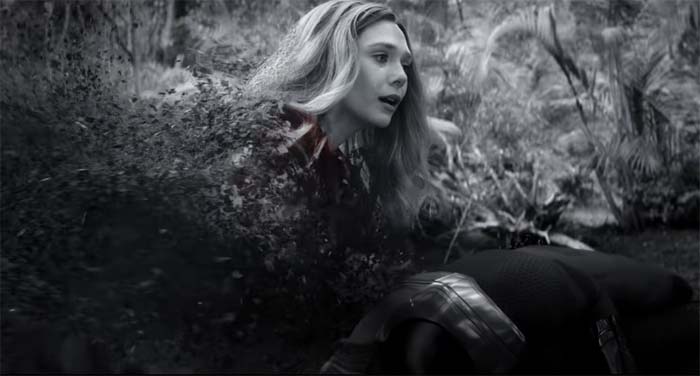
In the movies, however, Wanda’s powers are the result of experimentation with the Mind Stone. Her pre-powers upbringing in the war-torn country of Sokovia is harsh, with her and her brother Quicksilver protecting each other from a civil war fought with Stark weaponry. It is unclear if the series will be an origin story or a continuation of “Infinity War,” but it is doubtful Disney would continue the story of “Infinity War” in any capacity before the release of Avengers 4, making it much more likely to be an origin story. Wanda’s upbringing and psyche are more tortured than most of the other Avengers, and a miniseries that explores her pain in detail would make for an interesting show.
These shows aren’t the only ones planned for Disney’s streaming service. A continuation of the fan-favorite “Star Wars: The Clone Wars” is in development for the platform, as well as shows based on “High School Musical” and “Monsters Inc.” While consumers are not pleased with every major studio coming out with their own streaming platform, Disney’s massive catalog of movies and TV shows, as well as original content, is sure to sway uneasy viewers.