After a three-year wait, the acclaimed series Severance has returned for its second season on Apple TV+. This eagerly awaited return offers us a glimpse into a dystopian world where the mysterious Lumon Industries plays a central role in the plot, generating intrigue about the dark secrets surrounding the company. A new season for a series that left us on the edge of our seats. The new season is characterized by a mix of familiar characters along with new faces that promise to enrich the story. Fans of the series are especially excited for the continuation of the […]
After a three-year wait, the acclaimed series Severance has returned for its second season on Apple TV+. This anticipated return offers us a glimpse into a dystopian world where the mysterious Lumon Industries plays a central role in the plot, generating intrigue about the dark secrets surrounding the company.
New season for a series that left us on the edge of our seats
The new season is characterized by the mix of already known characters, along with new faces that promise to enrich the story. Fans of the series are especially excited for the continuation of the narrative, which ended in a shocking cliffhanger that left many questions unanswered. This ending of the first season has raised expectations for the new episodes, as every detail in the Severance universe is meticulously crafted to keep the audience on the edge of their seats.
The dystopian environment and the ethical dilemmas posed by the series have resonated with the audience, creating a cultural phenomenon that transcends mere entertainment. The exploration of work and identity, framed within the intriguing context of Lumon Industries, has allowed Severance to establish itself not only as a psychological thriller but also as a social commentary on alienation in the modern workplace.
The arrival of this second season not only revitalizes the conversation around the series but also rekindles interest in the streaming platform Apple TV+. As the new episodes unfold, followers of Severance eagerly await to unravel more of the secrets hidden by Lumon Industries and how these will affect the characters in their struggle to regain their autonomy and sense of identity.
AnimeBox has made a strong entry into the world of streaming, establishing itself as a prominent platform for anime lovers, especially for the loyal fans of the iconic Dragon Ball series. Since its launch, it has been gaining ground against established competitors, offering an interesting catalog that includes titles from the emblematic franchise created by Akira Toriyama. If you like Dragon Ball, everything is now available on AnimeBox. One of the most anticipated news for fans is the arrival of Dragon Ball Super, which will be available on AnimeBox starting February 28. With this announcement, the platform […]
AnimeBox has made a strong entry into the world of streaming, establishing itself as a prominent platform for anime lovers, especially for the loyal fans of the iconic Dragon Ball series. Since its launch, it has been gaining ground against established competitors, offering an interesting catalog that includes titles from the emblematic franchise created by Akira Toriyama.
If you like Dragon Ball, everything is now available on AnimeBox
One of the most anticipated news for fans is the arrival of Dragon Ball Super, which will be available on AnimeBox starting February 28. With this announcement, the platform becomes the first option in Spain to offer all the series of the saga completely, including Dragon Ball, Dragon Ball Z, Dragon Ball Z Kai, Dragon Ball Daima, and Dragon Ball GT.
Until now, Dragon Ball Super could only be enjoyed on Crunchyroll, but in its original version with English subtitles. AnimeBox has promised to offer the content both in its original language and dubbed in Spanish, which significantly expands its accessibility. There was discussion about the possibility of the content also being dubbed in Catalan, Basque, and Galician, like other series by the same author, which could attract a wider audience.
In addition to Dragon Ball Super, which will be broadcast progressively with a new saga each week, the inclusion of the series further strengthens AnimeBox’s position as the ideal platform for fans of the franchise. With this release strategy, followers of Goku and company can expect a more complete and satisfying viewing experience.
With each new content announcement, AnimeBox seems to be on its way to becoming the ultimate home for anime fans in Spain, offering what many consider the opportunity to relive and enjoy the complete story of one of the most beloved heroes in the world of manga and animation.
AnimeBox is the free application that provides access to the streaming service of the same name. Specifically, it is focused on anime, that is, animated movies and series of Japanese origin. In fact, since its launch, it has been called “the Netflix of anime,” although it could also resemble Disney+ or any other similar platform. They operate almost identically.
Starz has announced that its new series, Outlander: Blood Of My Blood, will premiere this summer, offering fans of the successful franchise an exciting prequel that will explore two love stories in different times. The series will focus on the relationships of Julia Moriston (played by Hermione Corfield) with Henry Beauchamp (Jeremy Irvine), and Ellen MacKenzie (Harriet Slater) with Brian Fraser (Jamie Roy), showing how their lives intertwine throughout the narrative. A trailer has recently been released that reflects the passion and intensity that characterize the original series, Outlander. In it, […]
Starz has announced that its new series, Outlander: Blood Of My Blood, will premiere this summer, offering fans of the successful franchise an exciting prequel that will explore two love stories in different times. The series will focus on the relationships of Julia Moriston (played by Hermione Corfield) with Henry Beauchamp (Jeremy Irvine), and Ellen MacKenzie (Harriet Slater) with Brian Fraser (Jamie Roy), showing how their lives intertwine throughout the narrative.
Recently, a trailer has been released that reflects the passion and intensity that characterize the original series, Outlander. In it, we are presented with the connection between the main couples, promising that, despite the challenges they will face, love will be the guiding thread of the story. This preview, which has generated great anticipation, accompanies the countdown to the final episode of the seventh season of Outlander, scheduled for January 17 at midnight through the Starz app and other streaming platforms.
Outlander: Blood Of My Blood will also include familiar characters from the Outlander universe, such as Murtagh Fitzgibbons Fraser (Rory Alexander) and Mrs. Fitz (Sally Messham), as well as Ellen’s brothers: Colum (Séamus McLean Ross), Dougal (Sam Retford), and Jocasta Cameron (Sadhbh Malin). Additionally, other characters like Ned Gowan (Conor MacNeill) and Simon Fraser, Lord Lovat (Tony Curran) will be introduced.
If You Can’t Wait, the Eighth Season of Outlander Is Already Here
Matthew B. Roberts, as showrunner and executive producer, leads both Outlander and Blood Of My Blood, in collaboration with Ronald D. Moore, Maril Davis, and Jim Kohlberg. The production of the eighth season of Outlander has already concluded and it is expected to consist of ten new episodes, although a specific release date has not been announced. The connection between these stories promises to keep viewers on the edge of their seats.
SEGA has been demonstrating for a few years that they have the potential to be one of the great video game companies. They don’t just have Sonic. They have Yakuza, they have Persona, they have many licenses and the talent to bring them back to the present, and even create new ones. That’s why it shouldn’t surprise us that their intention is to demonstrate this by being bolder. Betting more strongly on themselves. Or as their president has said, bringing back a rock and roll mentality. The president of Sega, Shuji Utsumi, recently gave an interview to the BBC in which he talked about the present, the past and […]
SEGA has been demonstrating for a few years that they have the potential to be one of the major video game companies. They don’t just have Sonic. They have Yakuza, they have Persona, they have many licenses and the talent to bring them back to the present, and even create new ones. That’s why it shouldn’t surprise us that their intention is to demonstrate this by being bolder. Betting more strongly on themselves. Or as their president has said, bringing back a rock and roll mentality.
The president of Sega, Shuji Utsumi, recently gave an interview to the BBC in which he talked about the present, past, and future of the company. Discussing the direction the company will take from now on. And what their potential plans are for the future.
The most interesting thing about everything he mentioned is the potential he sees in a possible Netflix-style video game service. Although it is not yet on the table, it is something they are currently discussing and about which he cannot give more details yet, but he believes it could be the future of SEGA. Especially because he believes there are some situational problems for it. Particularly, everything related to licenses.
Not just their own Netflix, but also returning to rock and roll
In addition to the idea of creating their own streaming service, something that the president of Sega has emphasized is that he wants to continue expanding the company’s current success outside of Japan. Wanting to make the company shine again, he believes that Sega had lost its confidence. In this way, what he wants is to bring back a rock and roll mentality to video games. Stating that if Nintendo was pop and jazz, they were, and will be again, a more aggressive, forceful, and popular style.
In this way, the idea is for Sega to continue its resurgence, although it remains to be seen what all this will materialize into. But if we are to heed the words of its president, it seems we can expect some interesting prospects for the company.
Xbox Cloud Gaming is one of the most interesting tools of Game Pass Ultimate. The ability to play games from the Game Pass catalog on any device is a delight. Not being tied to a console or a single device frees you from having to stay in one fixed spot. And being able to carry the game from one device to another allows you to continue the game where you left off. But it has a flaw. Not being able to do the same with your own games. Something that Microsoft has decided to solve. Xbox Cloud Gaming can now also play your own […]
Xbox Cloud Gaming is one of the most interesting tools of Game Pass Ultimate. The ability to play Game Pass catalog games on any device is a delight. Not being tied to a console or a single device frees you from having to be in a fixed location. And being able to carry the game from one device to another allows you to continue the game where you left off. But it has a flaw. Not being able to do the same with your own games. Something that Microsoft has decided to solve.
Xbox Cloud Gaming can now also play your own games
Xbox Game Pass Ultimate players will soon be able to stream their own games. Even those that are not in the Game Pass catalog. Because the new beta update of Xbox Cloud Gaming allows exactly this: play your games wherever you want.
Until now, this was impossible. Only those games that were available on Game Pass itself could be used through Xbox Cloud Gaming. This means that popular games like Balatro or Baldur’s Gate 3 could not be played through the cloud. Or not with the Xbox Cloud Gaming service. Something that will change right now for all those who have beta updates of the service activated. And at some point in the near future for the rest of the world.
This move, which may seem minor to many people, is very important for cloud gaming. The ability to play your own games and greatly expand the catalog makes both Xbox Cloud Gaming and Game Pass Ultimate much more interesting. Additionally, it offers an alternative to mobile gaming, allowing you to play games designed for much more complex devices optimally without too many complications. Or in most cases, without any associated complications.
That is why this is a move in the right direction and it is strange that Microsoft has not done it until now. But we appreciate and celebrate it, as it could not be otherwise, taking the opportunity to play our games in the cloud.
Those allergic to spoilers know well that social media is a minefield. More and more, even before games are released. This unfortunate reality seems to be even more evident in the coming days with two of the most anticipated games of the rest of the year. Because if you’re eager to play The Legend of Zelda: Echoes of Wisdom or Silent Hill 2 Remake, if not both, and you don’t want to know anything about them, we advise you to stay away from social media. Over the weekend […]
Those who want to avoid spoilers know very well that social media is a minefield, increasingly, before games are released. This unfortunate reality seems to be even more evident in the coming days, with two of the most anticipated games of the rest of the year. If you are eager to play The Legend of Zelda: Echoes of Wisdom or Silent Hill 2 Remake (or both), and you don’t want to know anything about them, we advise you to stay away from social media.
During the weekend, numerous hours-long streams of both games have appeared. While this had already been the case with The Legend of Zelda: Echoes of Wisdom, things have worsened this week with the addition of Silent Hill 2 Remake. Additionally, smaller fragments and people spreading spoilers have spread across all social media.
The Legend of Zelda: Echoes of Wisdom releases this Thursday, September 26, and Silent Hill 2 Remake releases on October 8. If you are interested in them and want to avoid spoilers, you will need to be careful over the next few days and weeks to avoid unpleasant surprises.
Silent Hill 2 is an adventure video game that has you exploring a desolate town in search of answers. Developed by Team Silent and published by Konami, this 3D survival horror game is the second installment in the Silent Hill video game series and features a different protagonist compared to the first game.
Crunchyroll has decided to increase the subscription prices in a series of select countries, leaving the door open to expand them to a few more.
All streaming services are raising their prices. For the past couple of years, there hasn’t been any service that has decided it’s a good idea to keep prices the same, now that everyone uses streaming. This has led to some dissatisfaction among the public. It’s not just that there are many different platforms, but they are also becoming very expensive. And the one that seemed to have no interest in joining this trend, has finally done so.
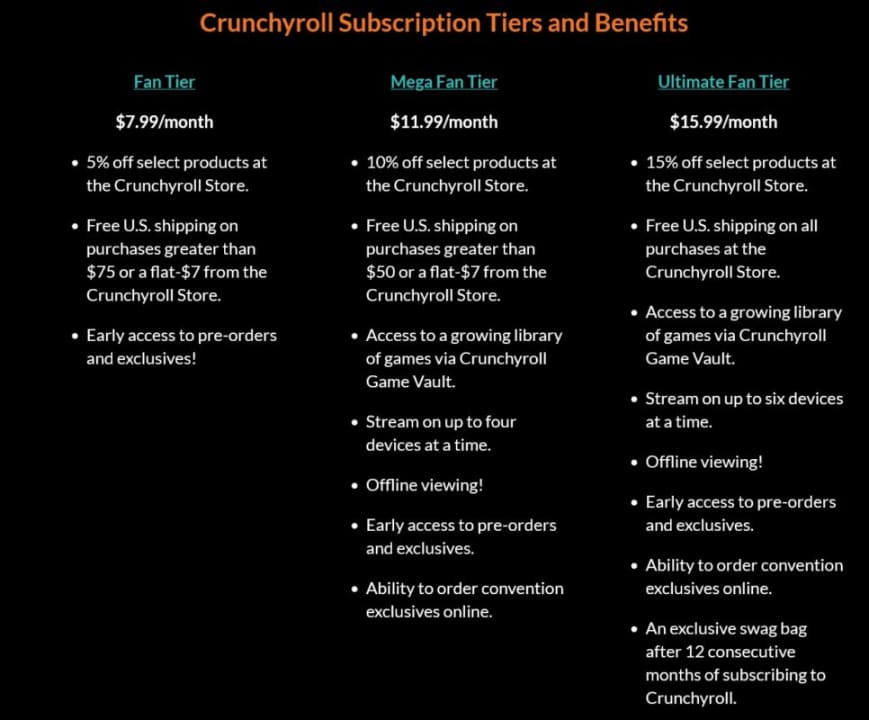
Crunchyroll has not raised its monthly prices in five years, with one of the most competitive rates among streaming services. That, along with its excellent catalog of video games and anime, has made it a reference for all lovers of Japanese animation. And now, under the subsidy of Sony, they have decided to increase their prices. With the basic subscription remaining unchanged, the Mega Fan increasing by two dollars and the Ultimate Fan increasing by one dollar, the change is small but significant.
Even worse is the fact of reducing its trial period. If until now it was possible to enjoy two weeks of the service for free, from now on it will only be one. Something that may be seen as a minor change, but opens the door for it to completely disappear in the future.
All these changes have been confirmed for Argentina, Colombia, France, Portugal, and the United States. However, they have also stated that they will occur in some other “additional countries”. So it should not surprise us if this also ends up impacting other countries, including ours. Turning Crunchyroll into a slightly less attractive service than before for certain types of users.
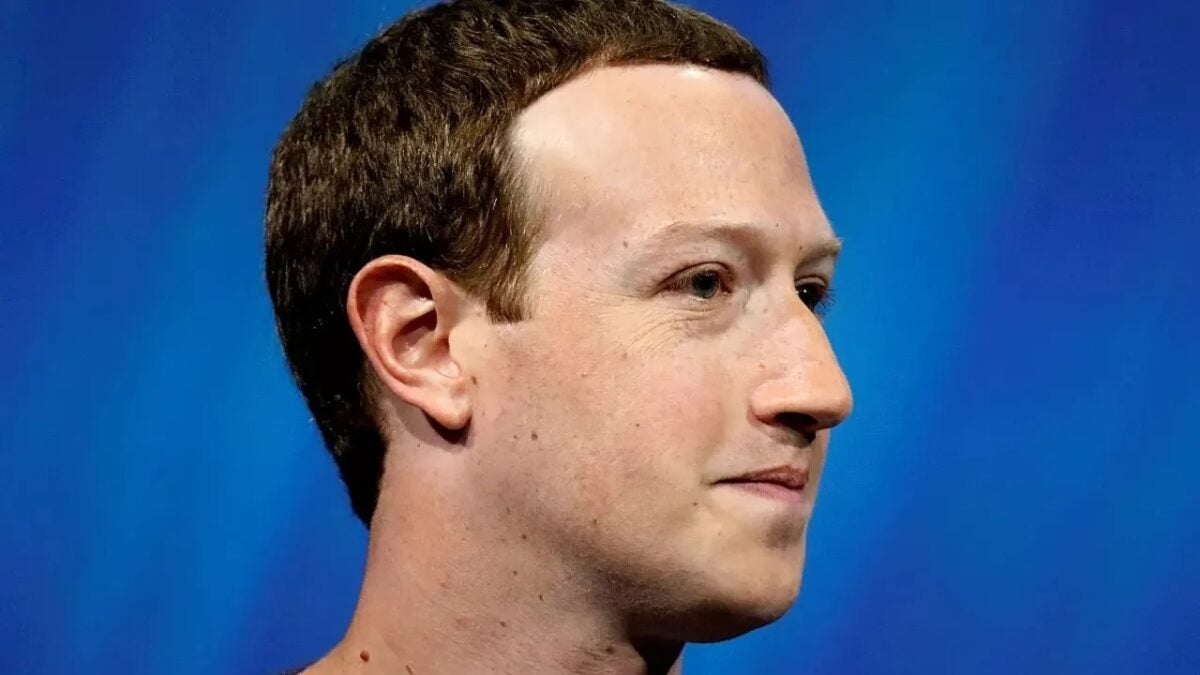
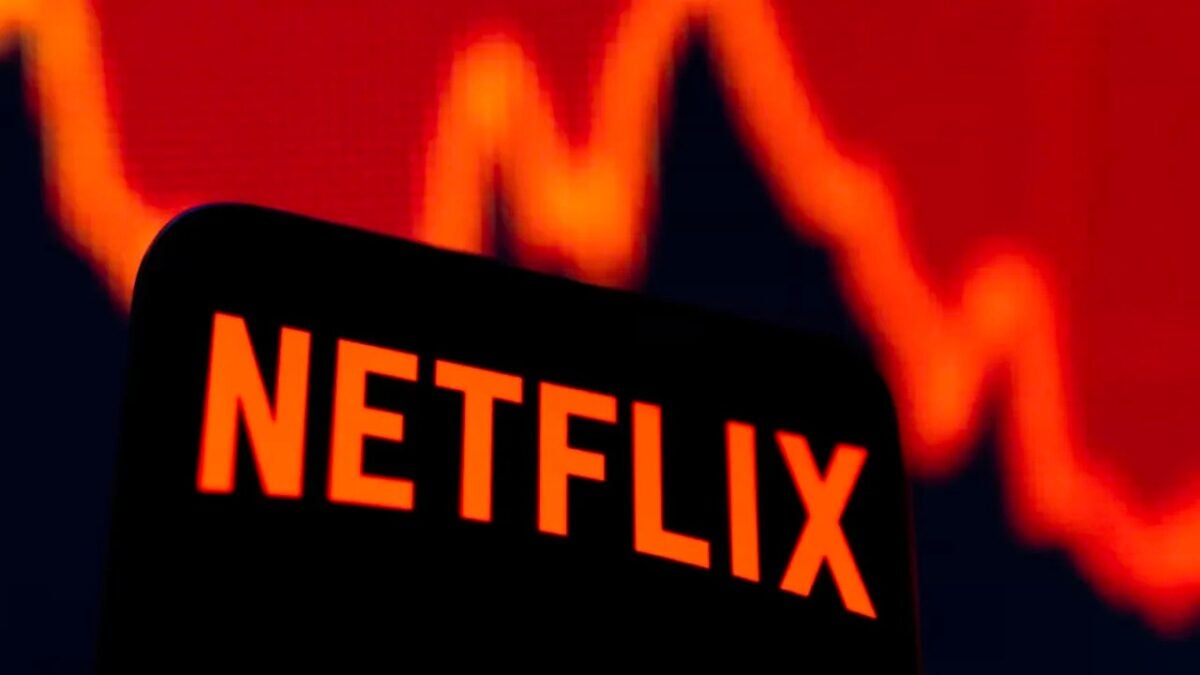
Facebook has been selling its users’ private messages to Netflix, but that’s just the tip of the iceberg of the whole problem.
Monetizing content on the Internet is difficult. We know it well. Google constantly changes the rules, projections are illusory, and where the money is today, next week there may be a terrible sinkhole. Making the Internet a business is tough, it requires a lot of agility, and having a certain foresight for the future. Something that big companies often lack.
The headline is that Facebook has sold the direct messages of millions of platform users to Netflix, but the story goes beyond that. Because to get to that, we first have to talk about the relationships that occur between strangers who are lovers when there is money involved. How business projections can lead to creating new content. And how that can end up sabotaging their own interests.
Because, to begin with, one thing must be pointed out: everyone is trying to make money from streaming, but no one knows yet how. Twitch doesn’t generate profits. Netflix is in deficit. Xbox Game Pass is a money pit. And Facebook, whose business has nothing to do with streaming, decided to join it with Facebook Watch.
Facebook Watch is an on-demand video service launched by Facebook on August 10, 2017 in the United States and on August 30 in the rest of the world. By gamifying the video watching experience, their intention was to make a big investment in this service. Among other products, it debuted with original programs such as Red Table Talk, Sorry for Your Loss, or Steve, as well as content from National Geographic. More entertainment-based content than fiction.
The interesting thing is that between 2016 and 2017, Facebook invested over a billion dollars in Watch. Facebook explicitly stated that they wanted 30-minute series, as well as shorter ones, with episodes ranging from 5 to 10 minutes. The products they used as examples of where their interests were heading were House of Cards or Scandal. Quite different from what the platform would end up offering.
What happened? What happened was Netflix. While the CEO of Netflix at that time, in 2017, claimed that there was no major conflict with Facebook, since they did not compete for the same products. But in 2018, when Facebook Watch wanted to acquire the license for Dawson’s Creek, competing with Netflix, they suddenly faced a budget cut of $750 million out of nowhere. Thus, Netflix ended up acquiring the rights to Dawson’s Creek, and Facebook Watch began its dismantling, culminating in the cancellation of all its programs in 2023.
Why did this happen? Because Facebook wasn’t interested in competing with Netflix. And all these details have come to light because recently the documents used in an ongoing antitrust lawsuit against Meta have been revealed. The parent company of Facebook. Which has shed light on everything that happened.
Facebook, upon noticing a decrease in the growth of ad prices between late 2015 and 2016, decided to develop other business strategies to increase the signals received by the artificial intelligence/machine learning systems that support its advertising business. One of these strategies was the production of television content through Facebook Watch. With this, they aimed to increase the amount of money generated by each ad by displaying more ads to their users.
What happened? When Facebook Watch was able to compete with Netflix, or at least invade its interests, Meta decided it wasn’t convenient. This is because Netflix is one of the companies that invests the most money in advertising on Meta.
In fact, here comes the most concerning part. Facebook has confirmed that it shares information not only with Netflix but with numerous other companies as well. Furthermore, with Netflix in particular, it also shares information from our direct messages, at least those related to its service, under an agreement reached in July 2018. Approximately at the same time that Facebook Watch received a brutal budget cut, preventing it from competing as a full-fledged streaming service.
During 2019, Netflix invested $200 million in Meta’s ads. By February 2015, it was at $40 million annually, and by 2017, it reached $150 million. Considering that Facebook’s ad revenue went from $4.28 billion in 2012 to $69.66 billion in 2019, it’s evident that their interest lay more in keeping advertisers happy on Facebook than in building an audiovisual empire.
Meta has not only settled for selling its users’ private messages to Netflix. They have also allowed, at least, access from Spotify. Given that it is known that they also sold user data to Cambridge Analytica, it is not difficult to infer where Meta’s exponential growth comes from, with Facebook at the helm.
In addition, they not only make money from advertising, but also by selling all the data that their users provide. Why bother generating content when you can simply sell ads using user information to make them invest more in your ads? If you thought this only involved what you were offering publicly, maybe you should think twice.
More than a third (36%) of respondents claim that the content available on streaming video services is not worth it.
Many of us wonder about the streaming and its skyrocketing prices, a race that is leaving many users behind, as it is not sustainable to pay more each year for the same services.
For this reason, many people wonder about the exact amount that households on average spend on streaming services, especially with the explosion of the last two years. Now we have an answer.
According to the 18th annual report from Deloitte on digital media trends, American households subscribed to video streaming entertainment services spend an average of $61 per month on four services. This figure represents a 27% increase compared to the $48 monthly average from last year’s survey.
U.S. Consumers Pay Average of $61 per Month for Video Streaming Services: Study https://t.co/bzMprLslHW
A bunch of interesting data about streaming consumption
The survey indicates that the price increase in this category may be close to its breaking point:
More than a third (36%) of respondents say that the content available on streaming video services is not worth it.
And almost half (48%) of respondents say that they would cancel their favorite subscription video-on-demand service if the monthly prices increased by $5 per month.
According to the latest Deloitte report, churn has softened a bit, but it remains high: 40% of consumers claim to have canceled a subscription video-on-demand service in the previous six months, compared to 44% last year.
According to the survey, 67% of respondents want a streaming package that allows them to search for content across multiple services; and 63% want a service package that can be customized every month.
Interestingly, around 47% of surveyed consumers stated that they would spend more time on streaming video platforms if the content was easier to find. Over half of Generation Z and millennial consumers claim to get better content recommendations through social media than from streaming services themselves.
Nvidia has confirmed that free users of GeForce Now will have ads every two minutes to maintain the viability of the service.
GeForce Now is one of the best ways to play through the cloud. It has one of the most solid streaming services, if not the most, for fairly reasonable prices for what they offer. Especially thanks to their free subscription, where the only thing we were asked for was to wait in line when the servers were congested. At least, until now.
According to Nvidia, the developer of GeForce Now, free users will have to start seeing ads to use the platform. But there’s a twist: it will only happen in the queues. When users are waiting to enter a game, an ad will play every two minutes in the queue, helping to finance the platform. Nvidia hopes that this will help offset the increase in operational costs.
As the saying goes, when something is free, it’s because you are the product. That’s why GeForce Now has two other subscriptions, Priority and Ultimate, which, although they are paid, will not have ads. That’s why service users will have to decide how they prefer to pay to play.