How to design a good RPG

What separates the great RPGs from nightmare time-sucks?

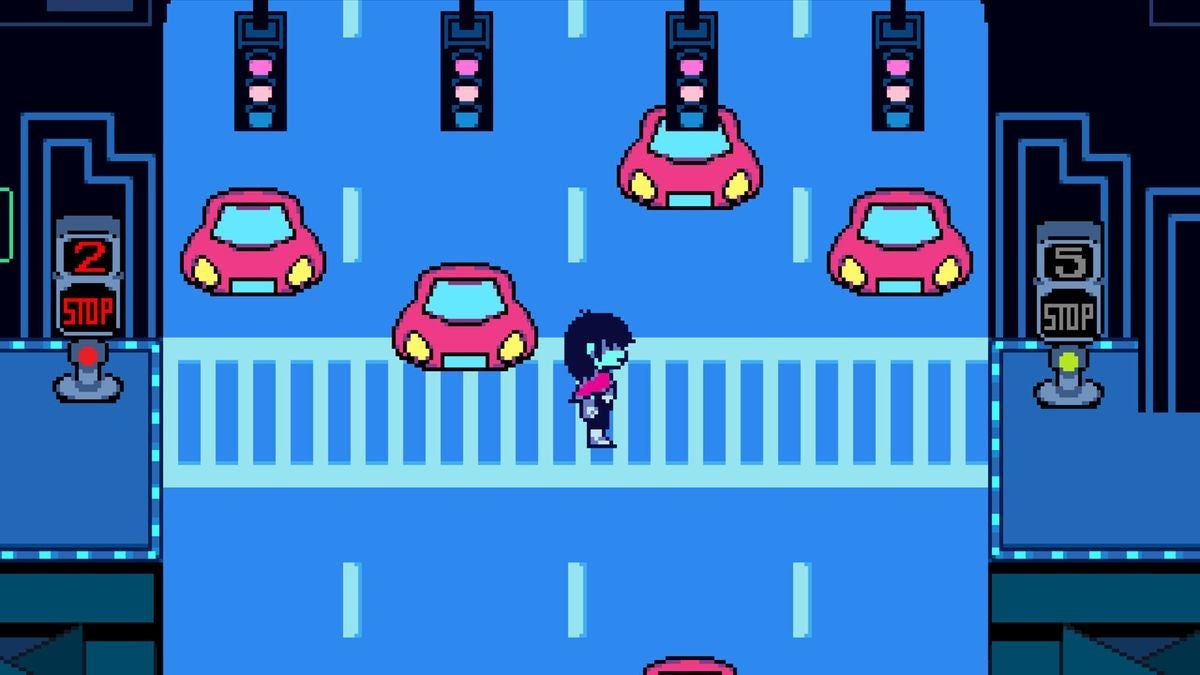
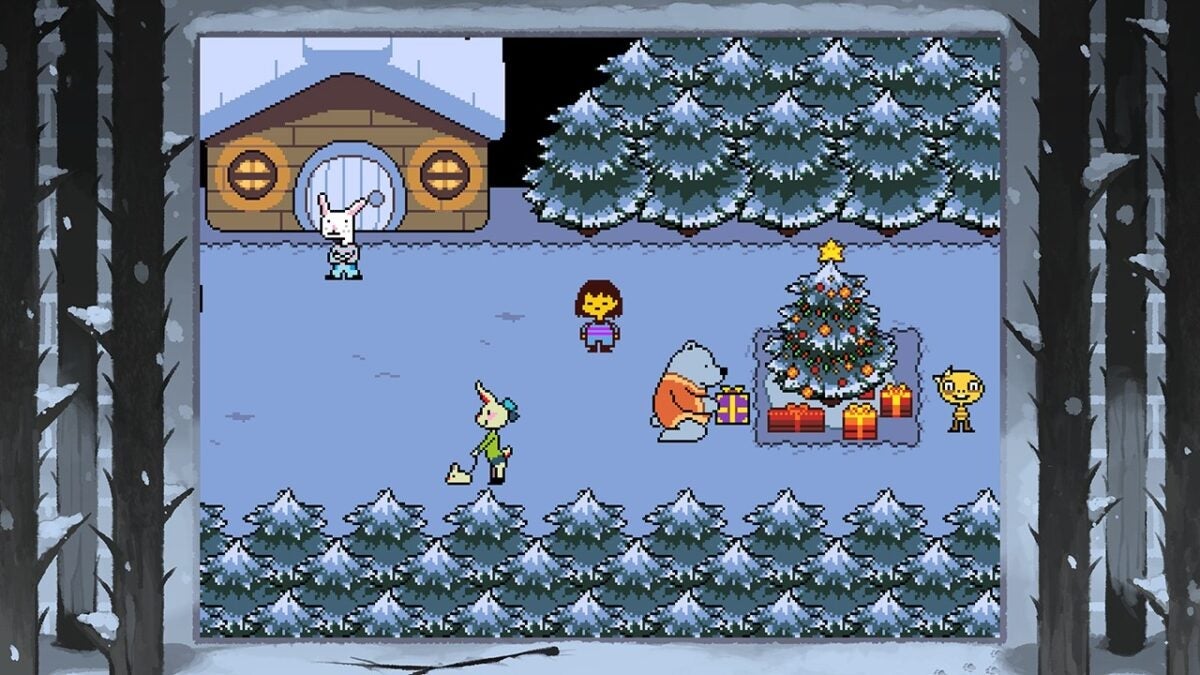
There’s a common mistake among gamers that if you’ve played one RPG, you’ve played them all. The genre has been around since the earliest days of gaming, yet many gamers picture RPGs as monotonous, grindy slogs where fantasy characters take turns hitting each other. While there are several RPGs that can fall under this description, the last several years have brought us many RPGs with unique, fresh ideas that expand upon the classics of the genre. Games like Undertale, LISA, and the Souls series have shown that the genre isn’t getting stale. But what exactly makes a good RPG? And why is designing one so difficult?

Here are some of the most essential components of a good RPG:

Create an engaging battle system

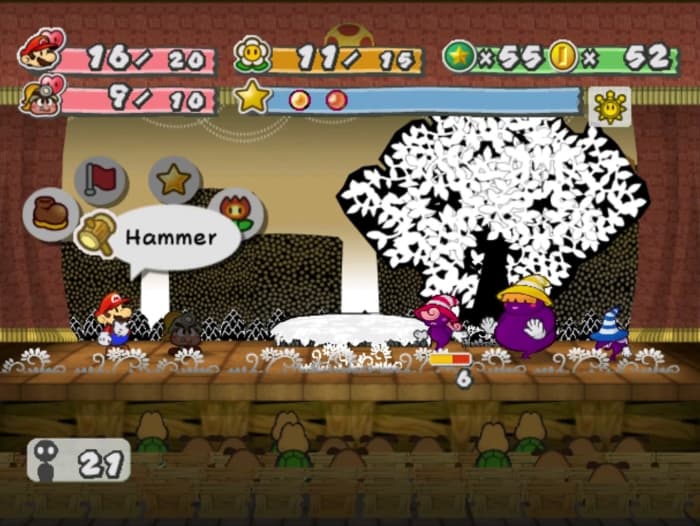
paper mario battle system

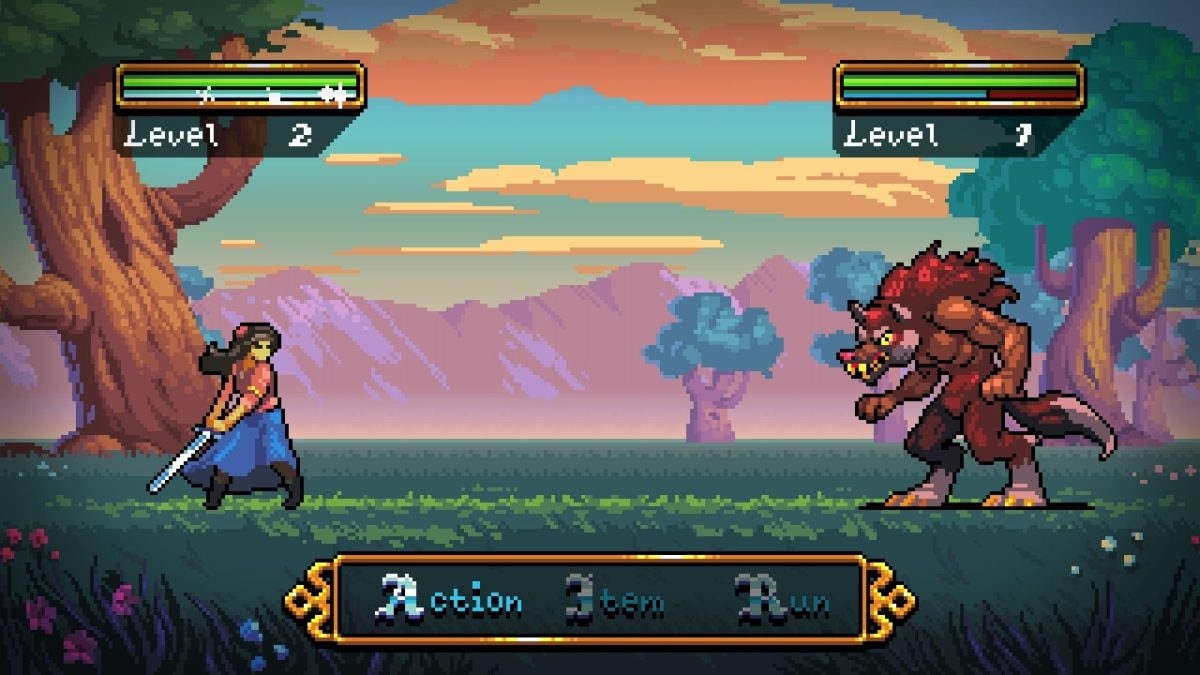
A common criticism of  RPGs is the monotony of turn-based combat. Battles could be seen as timewasters where the combatant with the better stats keeps clicking the same button until they win. That isn’t to say that turn-based combat has no place in 2019, but there must be either a hook or some sort of rhythm to the combat.

An excellent example of a hook is the “action command” system found in the various Mario RPG series. In the action command system, the player can press buttons at the right time to change certain attacks. For example, pressing A as soon as Mario’s jump attack hits an enemy in Paper Mario causes him to jump again, adding extra damage.

On the flipside, pressing different buttons with the proper timing while the enemy is attacking in the Mario & Luigi series causes the pair to either jump over attacks (avoiding damage) or hammer the enemy for a counterattack. The action command system adds a sense of liveliness to battles, forcing the player to constantly pay attention and engaging them with reflexive gameplay.

How Persona 5 mastered turn-based combat

It’s also entirely possible to create engaging turn-based combat without including any action elements. Persona 5 is widely considered to be one of the best modern RPGs, and its turn-based combat system remains engaging for hundreds of hours even without any hooks or gimmicks. At first glance, the game features a typical attack/guard/item/magic combat system. So how does P5’s combat remain fresh?

In Persona 5, how you start a fight is just as important as the fight itself. In the overworld, there are three ways a fight can start: you can sneak up on an enemy and ambush them to give your party a free turn, the enemy can ambush you to give themselves a free full turn or you encounter each other at the same time. Having one free turn makes all the difference in the world due to the game’s “One More” system.

All combatants, both enemies and party members, have specific elemental weaknesses, and getting hit by an attack of that element will cause that combatant to fall down. When a combatant knocks another down, they are allowed a free turn (One More). If the player’s party manages to knock down all of the enemies, they are able to hold the enemies hostage, beginning a sequence where the player can either deal massive damage with an All-Out Attack, demand money, or convince the enemy to join them. Choosing any of these options usually ends up ending the battle, allowing players to quickly dispose of enemies whose weaknesses they already know. While this system may sound like it makes combat easy, the players are also vulnerable to being knocked down and comboed to death, making momentum and speed essential to victory.

This system simultaneously allows regular enemy encounters to be quick and breezy while allowing boss battles to be drawn out, epic affairs. Boss and miniboss enemies typically have few weaknesses, forcing the player to balance dealing damage and surviving rather than ending the battle as quickly as possible, massively overhauling the way they approach combat. This sense of versatility and momentum is what allows Persona 5’s combat to be the most dynamic turn-based combat system ever created.

An engaging turn-based RPG must either feature some sort of engaging hook or a sense of rhythm that eliminates the feeling of “taking turns whacking each other”.

Make quests seamless with the game world

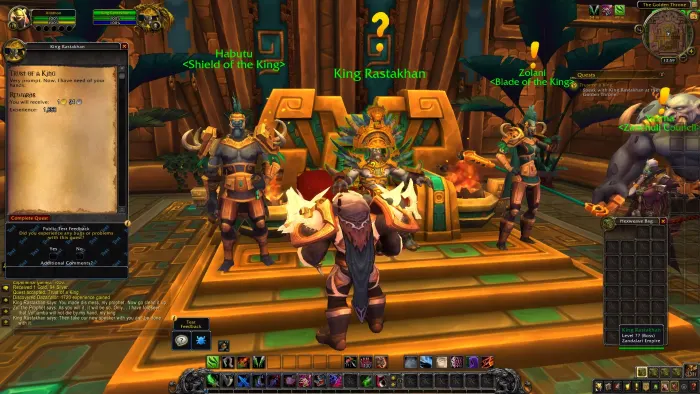
wow quest design

There’s a reason badly designed RPGs feel like a full-time job. The quests you’re given feel like arbitrary tasks (ex: Kill 10 enemies! Find 10 blue gems!) rather than rewarding, story-worthy adventures. These quests offer all of the tedium of actual work without the sense of productivity and accomplishment.

To avoid “checklist quests” and “fetch quests,” quests must feel like a natural extension of the game’s world.  Finding quests should not involve a collection of NPCs hanging around a hub with exclamation marks over their heads, dolling out quests to anyone who talks to them. Conversations with NPCs should seamlessly and naturally segue into quests, leading to the feeling of helping real people with real problems. Here’s an example of this done correctly in the Skyrim quest A Night to Remember:

If the player stops to relax at one of Skyrim’s many taverns, there’s a chance they can run into a man named Sam Guevenne. If spoken to, the friendly man challenges the player to a drinking contest. After getting sufficiently sloshed, the player blacks out and wakes up in Markarth’s holy temple. What follows plays out like a fantasy version of “The Hangover,” and has the player return stolen goats to giants, undo their marriage to a Hargrave, and even encounter a god of mischief.

This quest is brilliant for a few reasons. For one, when the player talks to Sam, there’s no indication that a quest is starting at all, what happens is a natural consequence of the actions of the player and an NPC. Additionally, the player slowly unravels a story throughout the quest. The story is expansive enough to be a tale worth telling without overtaking the urgency of the main questline. Lastly, the quest adds some flavor to the world of Skyrim, giving some insight as to how the people of the world live their lives and react to specific situations. Quests like these create water cooler moments far above the typical fetch and checkmark quests that invade many RPGs.

Respect the player’s time

tired gamer rpgs respect player time

In today’s loot box and grind-heavy gaming landscape, gamers are having their time wasted more than ever. Unfortunately, RPGs are the guiltiest of all genres for this. When adult gamers sit down to play a game, they are placing faith in the game to entertain and engage them for their few moments of free leisure time that day. They’re not in high school anymore, and they can’t stay up till 3 a.m. playing games anymore. If you want to make a successful RPG in 2019, you need to respect the player’s time. This rule takes precedence over everything else, including creating a unique battle system or interesting quests. Here are a series of tips that prevent you from wasting the player’s time:

  • For the love of all that is holy, do NOT include unskippable cutscenes that repeat every time the player loses a battle or sequence. There’s no faster way to make a player completely disregard or flat out hate a cutscene than to force them to watch it repeatedly. Anybody who’s played Kingdom Hearts has had “THERE’S NO WAY YOU’RE TAKING KAIRI’S HEART!” permanently burned into their brain against their will.
  • For regular enemy encounters, keep battles short. Make attacks do enough damage to end the battle in a few turns, whether that be either win or lose.
  • Keep attack animations short. For long RPGs, the player will inevitably see the same attacks hundreds of times, and seeing Sephiroth destroy the solar system for the nth time is not nearly as amusing as it was the first time.
  • DO NOT include random encounters. These discourage the player from exploring the world at their own pace and turn battles into a chore because the player is not expecting or desiring to fight at the moment. How many Pokemon players complained about the endless Zubats that badger them in caves? Keeping enemies visible on the overworld, which allows the player to choose whether to engage or avoid them, lessens player frustration considerably.
  • If the player is significantly stronger than an enemy, the resulting battle should be extremely quick. Having to waste time taking down weak enemies does not lead to a sense of accomplishment, it’s just a waste of time (again, think Zubats). Earthbound solves this problem by simply having the player obliterate any enemy significantly below the player’s level by touching them, granting them a small amount of experience and saving them time.
  • Make travel quick and seamless. This can be as simple as giving the player a run option and replacing random encounters with on-screen enemies. Fast travel options to previously visited locations are also appreciated.
  • We can’t believe we even need to say this, but keep backtracking to a minimum. If the player completes a dungeon, allow them to exit immediately instead of pointlessly retracing their steps through a bunch of completed puzzles.
  • Most importantly of all, minimize excessive grinding. The best RPGs are paced well enough that the player will be at the right level to be challenged but not obliterated by every major roadblock they encounter. Pumping up a boss’s stats just to force the player to grind is the dictionary definition of wasting a player’s time.

What RPGs do you think follow these rules? Which break these rules the worst? Let us know!

5 great RPG games for fans of Undertale

From the world of Mother to the depths of Yume Nikki, these RPGs will win you over!

Undertale

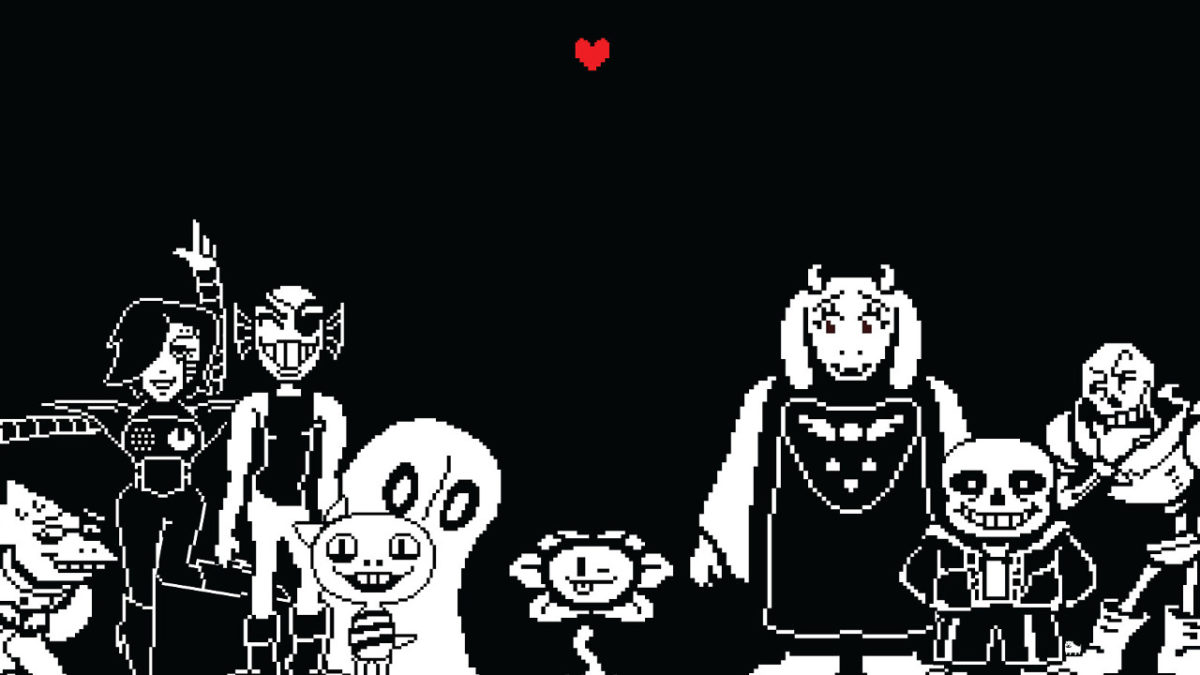
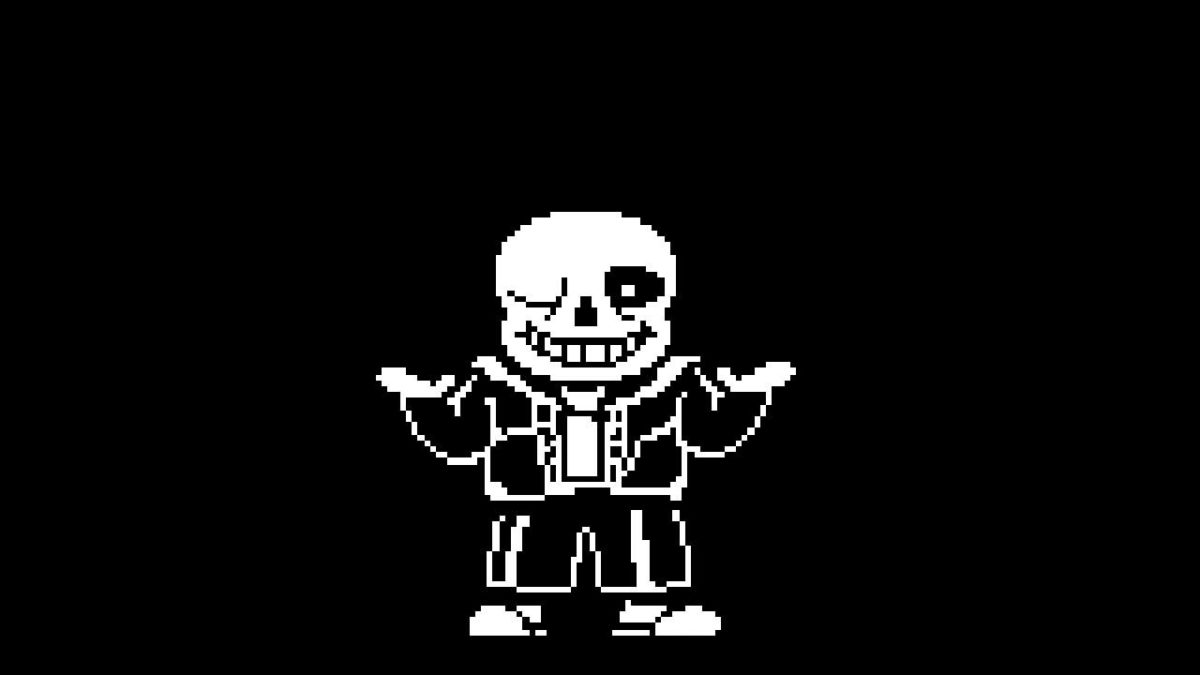
When Undertale came out in 2015, it quickly became a sleeper candidate for game of the year. The postmodern RPG, made almost singlehandedly by Toby Fox, featured quirky characters, a bizarre battle system, and a fantastic soundtrack.

What truly got people talking about Undertale, however, was the game’s emphasis on sparing enemies over killing them. In Undertale, every enemy and boss can be spared by talking to them or performing actions with them.

Undertale Download now ►
8

Killing or sparing certain enemies can drastically change the course of your playthrough, and Undertale features several different endings to highlight this.

Undertale somehow nailed its morality system on the first try, as it avoids becoming shallow, cheesy, preachy, or even pretentious over time.

Do you want more weird RPG goodness after Undertale? Can’t wait for Deltarune to be completed? Here are some similar games that’ll slake your appetite.

Deltarune Download now ►
10

5. The MOTHER series
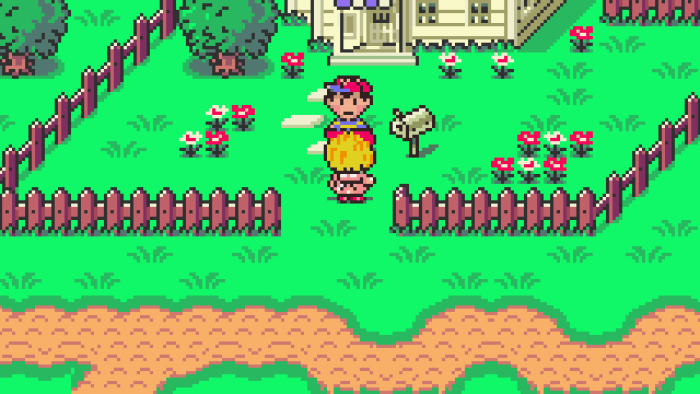
earthbound jmother series undertale

Let’s get the most obvious answer out of the way first. Without the MOTHER series, there would be no Undertale, and Toby Fox has made that explicitly clear.

The series was notable when it first released for deconstructing the JRPG genre. Instead of taking place in a fantasy world with swords, wizards, and dragons, Earthbound takes place in the country of Eagleland on a dystopian Earth. Baseball bats replace swords, suburban children replace legendary heroes, and cheeseburgers replace health potions.

Don’t let this fool you into thinking Earthbound is anything normal, however.

The game embraces the surreal, having battles against Salvadore Dali paintings, taxis, blue cultists, and other foes take place in psychedelic arenas. The game is multilayered. It masks the deep existential dread of growing up with childlike innocence. It’s so surreal and ultimately culminating into one of the most powerful and life-affirming coming-of-age stories ever created for a video game.

Earthbound’s sequel – Mother 3 – strays from the familiar settings of previous entries to create a nonsensical and unfriendly world. Primarily focused on the price of modernity and the ties that bind family members together, Mother 3 tells a heartbreaking story. It makes the player want to put down the controller and hug their loved ones.

The offbeat humor, fantastical settings, and fresh spin on JRPG conventions make picking up the series a no-brainer for any Undertale fan.

4. LISA

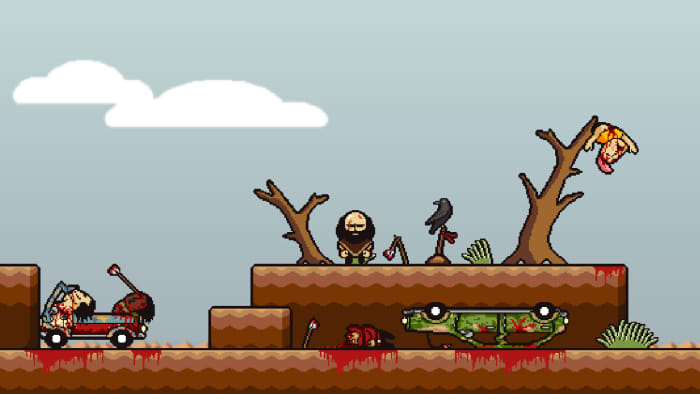
Lisa the painful rpg

If you’re in the mood for something with darker comedy than Earthbound or Undertale, LISA is the game for you. Set in a post-apocalyptic world where an event called the White Flash killed all women, you play as Brad, a disillusioned man hellbent on rescuing the last known baby girl.

The game is chock full of blood and gore, but the game successfully avoids becoming over-the-top. Brad’s stoic disgruntlement provides a humorous contrast to the violent and bleak world you travel. The visual gags and witty dialogue skew the line between “dark humor” and “soul-crushing emptiness.”

LISA’s overworld takes place on a sidescrolling 2D plane. This was a unique choice considering nearly every RPG takes place from a top-down perspective. Combat in LISA resembles the Mario RPG games, as it is turn-based. It requires timed button presses to deal more damage.

What makes LISA’s battle system unique is that there are more than 30 recruitable party members, each with their own special abilities. You must be careful, however, as every character not named Brad is permanently killed if they fall in battle. To add to this stress, Brad and many other characters are addicted to a drug called “Joy.” Joy greatly improves battle prowess, but the withdrawal symptoms are severe. Battles in LISA are tense, sometimes tragic, and always brutal.

While Undertale and the MOTHER games have plenty of depressing moments, LISA is all dark. If you’re looking for a unique RPG with an edge, LISA’s got you covered.

LISA: The Pointless Download now ►
10

3. Jimmy and the Pulsating Mass

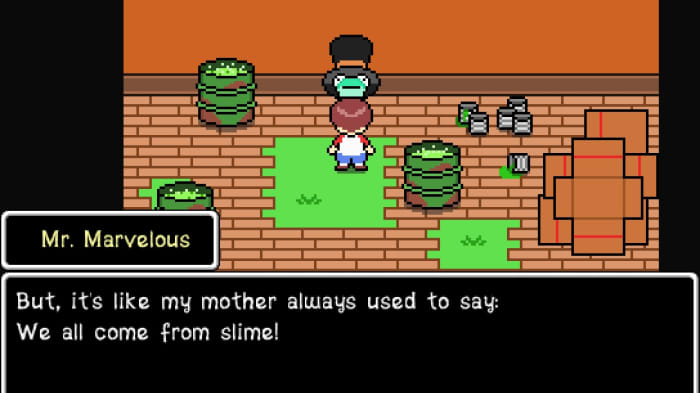
The disgustingly named Jimmy and the Pulsating Mass is one of the newest Mother-like RPG’s to hit Steam. You play as Jimmy, an eight-year-old boy with an active and whimsical imagination. As you travel through his dream, you encounter all kinds of wacky creatures and colorful environments. Talking animals, bouncing numbers, and other friends tell Jimmy how much they love him.

One day, all of Jimmy’s dream friends start acting meaner toward him, telling him how much they hate him. As a scared and confused Jimmy further explores his world, he realizes that a force called the Pulsating Mass is corrupting everything that he loves and holds dear.

The Mass is a giant, shifting blob of flesh and veins that grows larger and spreads hate and discomfort. Once blue rivers fill with blood, formerly friendly NPC’s set out to brutally kill Jimmy. It begs the question, “What is happening in Jimmy’s life that created the Pulsating Mass?”

While Jimmy and the Pulsating Mass features plenty of horror elements, it isn’t a horror game itself. There are plenty of awful pretentious indie games that solely rely on shock value and gore to get a reaction from the player, but Jimmy isn’t one of them.

At its core, the game is about the confusing, stressful, and often terrifying emotions that come with growing up. The game isn’t all negative emotions either. You see plenty of uplifting interactions between Jimmy and his family as the young boy uses every support system he can find to help him fight off the evil in his mind. The game does a fantastic job of keeping you emotionally invested in Jimmy, and expect to laugh, cry, and scream with him.

2. YIIK: A Postmodern RPG
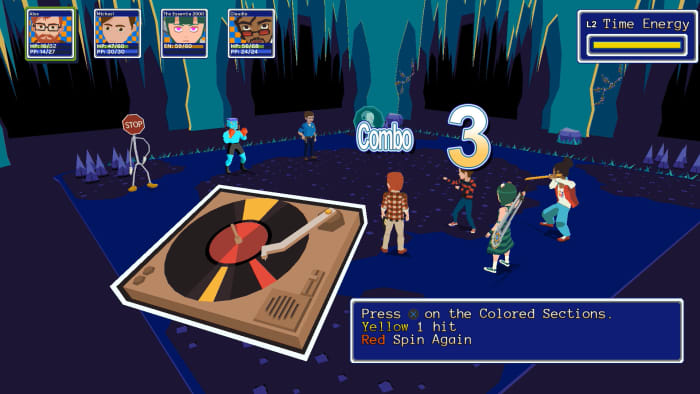
yiik a postmodern rpg

According to people ancient enough to remember Y2K, it was a time of both excitement and anxiety. While people were afraid of mass societal collapse, they were also pumped at the idea of a brand new millennium. The year 2000 always sounded so far away and futuristic, but now it was finally here. What would it bring?

Y2K is central to the plot of YIIK: a Postmodern RPG. You play as Alex, a whiny, pretentious, and entitled hipster who seeks to rescue an internet star with the help of his message board friends. He has to do so before the world supposedly ends. On the way, he explores a series of extremely surreal environments. The game’s low-poly art style and expressive color palette make for a visually mesmerizing game. Combined with delightfully weird enemy designs, the game is among the most visually stimulating RPG’s to come out in years.

The game’s battle system relies on timed button press minigames, similar to Paper Mario. These minigames change based on what weapons you have equipped or what character you’re using. The battle system also lets you manipulate the flow of time, making certain minigames easier to complete or speeding past lengthy animations.

If you can stomach hipster pretentiousness, YIIK is a highly stylized game that’s worth a playthrough for fans of offbeat RPGs.

YIIK: A Postmodern RPG Download now ►
9

1. Yume Nikki

yume nikki

Yume Nikki is the OG weird indie RPG. First released in 2004, the game has been free to download ever since and has won numerous accolades.

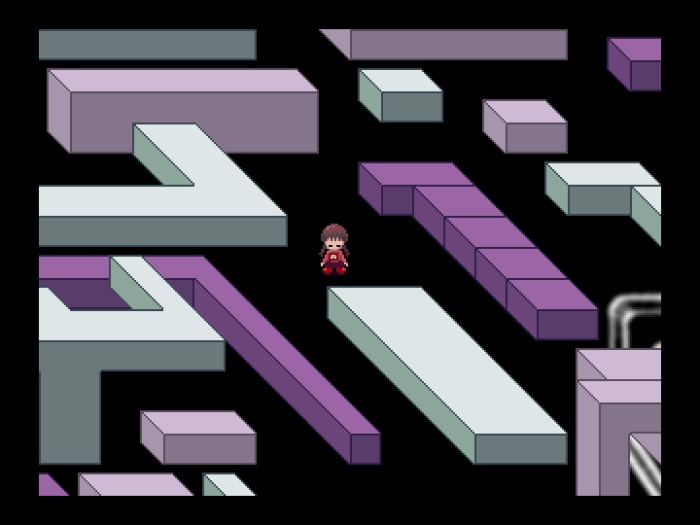
Players take control of a young hikikomori (a Japanese term for antisocial, agoraphobic people who refuse to leave their rooms). They explore their own subconscious. While awake, the protagonist Madotsuki can only explore her room, which features few interactive objects or notable features.

At any time, the player can choose to go to sleep, allowing Madotsuki to explore her dreams. Her dreams are a labyrinth of geometric shapes, clashing colors, and increasingly abstract objects and beings. The sole object of the game is to collect 24 objects called “effects.” At any point, Madotsuki can pinch her cheek to leave the dream world and return to her room, preventing players from getting inescapably lost. There is no way to get a game over, and the only enemies are these weird bird creatures that occasionally pop up to awaken you.

Yume Nikki is less of a game and more of an interactive artistic experience. While that may sound like pretentious nonsense, Yume Nikki succeeds in filling you with feelings of wonder, dread, and hope as good as any movie or book could.

Despite featuring no dialogue, the atmosphere of the game is fantastic at instilling a creeping sense of anxiety. The game’s simple graphics and minimalist but emotive soundtrack don’t hurt either. The game is amazing and it’s free, so there is no excuse not to try it out.

Yume Nikki Download now ►
9

Are there any offbeat RPGs that we missed? Let us know!

Top 8 Kickstarter-funded games

Take a look at the greatest games fans have brought to life.

video games

The best Kickstarter games are the ones that you never even knew were crowdfunded, simply because of how popular and successful they are on their own. And while some of these games haven’t made their way into pop culture, they each have an extremely loyal fanbase who not only backed those Kickstarters, but continue to play their games regularly. Here are some of the greatest Kickstarter games to date:

Top 8 Kickstarter-funded games

8. Superhot

This game is one of the first games people think of when they hear the term “Virtual Reality.” That’s because many VR lounges let you try this game as their sample. It is one of the most immersive VR games ever created, and it’s hard to believe it came from an independent Kickstarter. The game only moves forward when you physically do, allowing you to plan your moves ahead in real time.

SUPERHOT Download now ►
7

7. Splendor

One of many successful Kickstarter board games, Splendor sets itself apart by being one of the few strategic 2-4 player board games (while many are limited to two or three). The rules adapt themselves based on the number of players. The goal of the game is to buy developments with gems you receive each turn. Each development lets you build stronger ones until you’ve received 15 points. This game is fast and full of different tactics and strategies to employ. Board game fanatics will love to add this game to their collection. 

This game has also been adapted to a digital version, so mobile gamers have an opportunity to play it as well!

6. Exploding Kittens

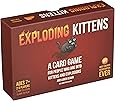
A card game that rivals Cards Against Humanity in humor and replayability. The idea of this game is to avoid drawing an exploding kitten card. All other cards are dedicated to helping you avoid this, either by allowing you to skip a draw turn or pass the draw to someone else. The game can be played quickly and repeatedly as an amusing party game. It is also famous for being one of the most-backed crowdfunding games of all time.

Just like Splendor, Exploding Kittens has also been adapted into a mobile game. This can be a great alternative to the game, since it prevents you from losing or damaging any cards.

5. Hex: Shards of Fate

Essentially an MMORPG version of Hearthstone, Hex is perfect for fans of competitive card games. This game allows you to develop your player and deck like a standard RPG, while exploring the gameplay and strategy of a trading card game. While it may not be the most popular Kickstarter success, it is still one of the most interesting and unique games you could ever possibly find.

You also might recognize this game from our list of top 7 digital card games.

Hex: Shards of Fate Download now ►
7

4. Undertale

Everyone has heard of Undertale, but few realize that it originated as a Kickstarter game. This game follows a deep and dark story of a young child traveling through an underworld of monsters and mayhem. Many of the backers were able to name their own unique monsters in the game, as a tribute to their support, such as the Glyde monster. Remarkably, this game was made almost entirely by one person, making it one of the few games to become this successful without a large team working on it.

Undertale Download now ►
8

3. Pillars of Eternity

Baldur’s Gate fans have probably heard of this franchise, as it is often considered a spiritual successor to the series. While the characters and story are memorable, the gameplay is what truly captures most players. It allows you to play Dungeons & Dragons with a pre-built story, and in-depth mechanics. It’ll take a while before you fully understand how to control the characters, but the customization of classes and skills can help with this when you’re first getting started. As Dungeons & Dragons is the model for this game, the sidequests and content are practically endless. This means you have plenty of time to get accustomed to the unique gameplay.

Pillars of Eternity 2: Deadfire Download now ►
8

2. Shovel Knight

Along with Undertale, Shovel Knight is widely considered one of the best indie games of all time. The franchise has become one of the most recognizable in gamer communities, and even within pop culture in general. That said, if you haven’t played this game, you’re missing out on one of the best platformers out there. The gameplay is similar to Mega Man, but with a unique treasure reward system. The art is also iconic, and you can find Shovel Knight merchandise in a wide variety of stores. 

Shovel Knight Download now ►
7

1. Darkest Dungeon

One of the most unique games to come out of Kickstarter, Darkest Dungeon is an experience like you’ve never had before. The game forces you to maintain both the physical strength of a dungeon exploring party, as well as the psychological strength of your team. As the party travels deeper into the dungeon, they will become too afraid to function properly and develop quirks that affect their abilities and parameters. Any fan of roguelikes will enjoy this gothic interpretation of the genre.

Darkest Dungeon Download now ►
7

If you’re looking to create your own crowdfunded game, you should check out our article on the best crowdfunding sites to help you decide which is the best for you.