Discover the keys to the last episode of the last season of Ted Lasso. What happens at the end?
Ted Lasso is, by far, the most beloved and acclaimed series on Apple TV+. While the platform is one of the most promising in the present, even becoming the home of contemporary science fiction, it is this humble fiction about an American football coach traveling to Europe to become a soccer coach that has won the hearts of viewers.
However, the series has just put an end to its plot. With episode 12 of the third season, Jason Sudeikis’ character has said goodbye forever to viewers. Titled “So Long, Farewell,” the episode has not been announced as a definitive ending, but since the season began it was announced that this would be the last, and unless there is a last-minute change of plans, it will remain so.
How does Ted Lasso end up?
Ted Lasso‘s final episode was 75 minutes long and made it clear why Lasso is one of our favorite characters. From Apple TV+ they already warned: “around minute 74 there will be a whole room of grown men crying”. And, of course, there has been.
We leave you with some of the keys of the last episode, which makes it clear why it has become one of everyone’s favorite series and completes the evolution of the main character.
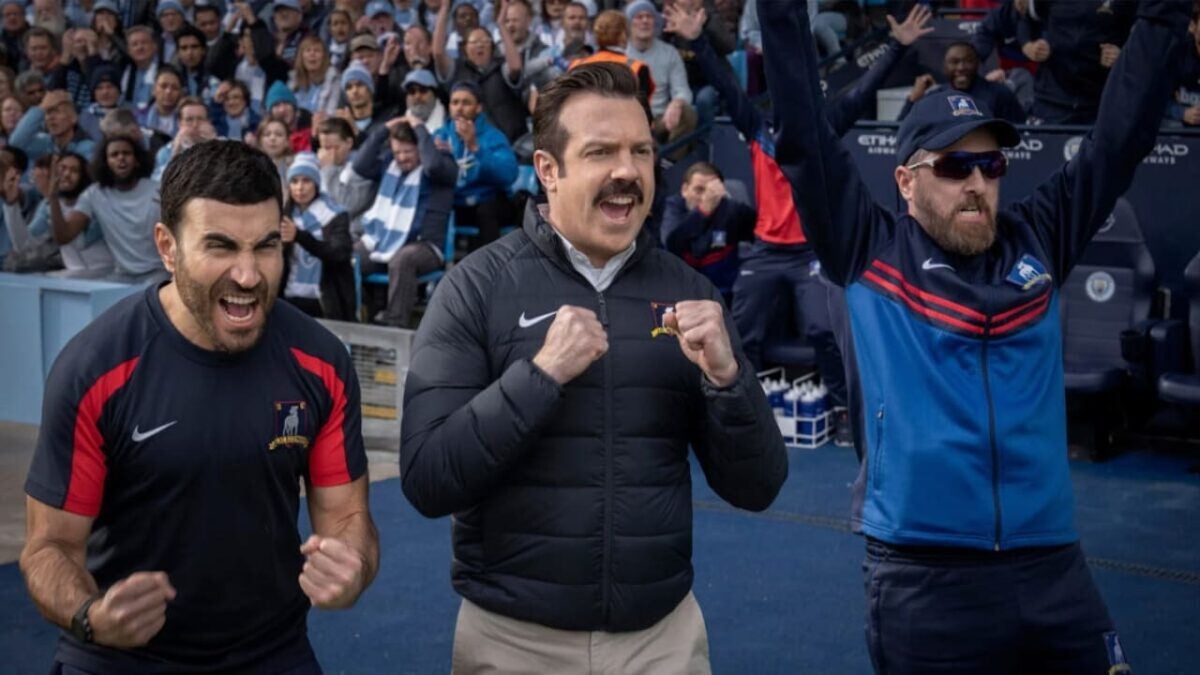
The most expected victory: in the previous episode of Ted Lasso we saw how AFC Richmond beat Manchester City, and after being one of the teams that looked like they were going to be relegated, they finally disputed the league title. On this occasion they played against West Ham… and although they eventually drew, they did not win the league: they finished second. This ending makes it clear that the goal was not to beat everyone, but the path created: the perfect ending for Ted Lasso.
Ted Lasso returns to Kansas: the entire season finale was created as a metaphor for The Wizard of Oz, and the series has made this clear with Ted Lasso’s return to Kansas. After accomplishing his goal with the Richmond, the protagonist must return home.
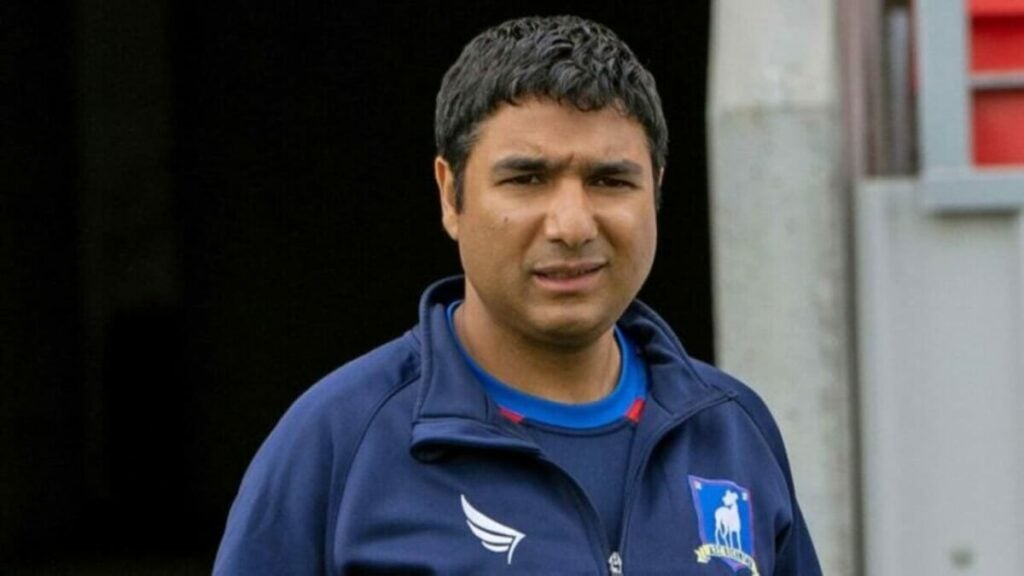
Nate fulfills his goal: after apologizing to Ted Lasso for their disagreements, Nate ends up joining the Richmond as a trainer, thus fulfilling his character’s cycle.
Keeley realizes his worth: in the chapter we see, too, how Roy and Jamie behave like complete idiots, and Keeley seems glad to be done with them.
Thus, all the plots are closed but the series remains open for a promising future of the Richmond. Ted Lasso, yes, has served his purpose, so it is only logical that the series closes for good.
Discover Tin and Tina, the Netflix horror movie that is rocking thanks to the platform. With Jaime Lorente and Milena Smith.
Spanish horror is in fashion. Since the early 2000s, when Jaume Balagueró and Paco Plaza surprised us all with REC and Amenábar and Bayona did the same with Los otros and El orfanato, there is no doubt that the genre has been revalued internationally. Now, when we think of Spain at the cinematographic level, we no longer only think of Almodóvar: we also think of monsters and ghosts.
There are many Spanish horror directors who have managed to carve a niche for themselves among the general public, and Netflixhas become their perfect home to explore it. In the platform’s catalog we find dozens of productions in this vein, and the latest of them is a film that has just made it to the top of the VOD service.
Tin and Tina, the terrifying gem from Netflix
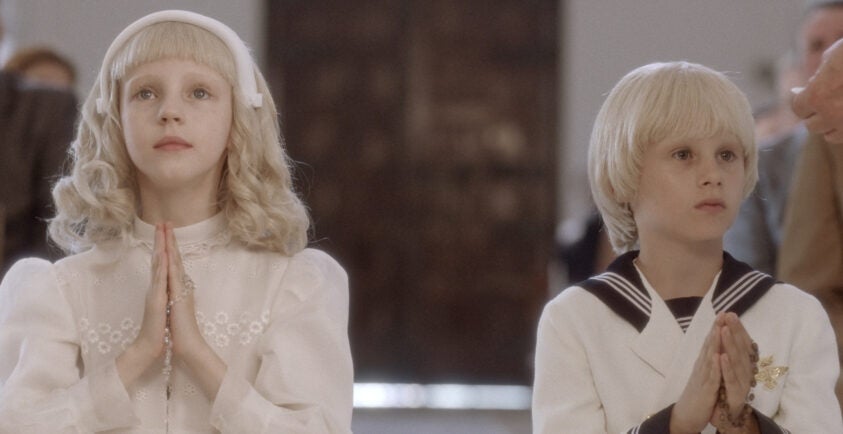
Tin and Tina is a film directed by Rubin Stein -his surprise debut feature- starring the popular Milena Smit and Jaime Lorente. Since the trailer came out, the film has drawn attention for its synopsis, and now that it’s out it’s gone even more viral.
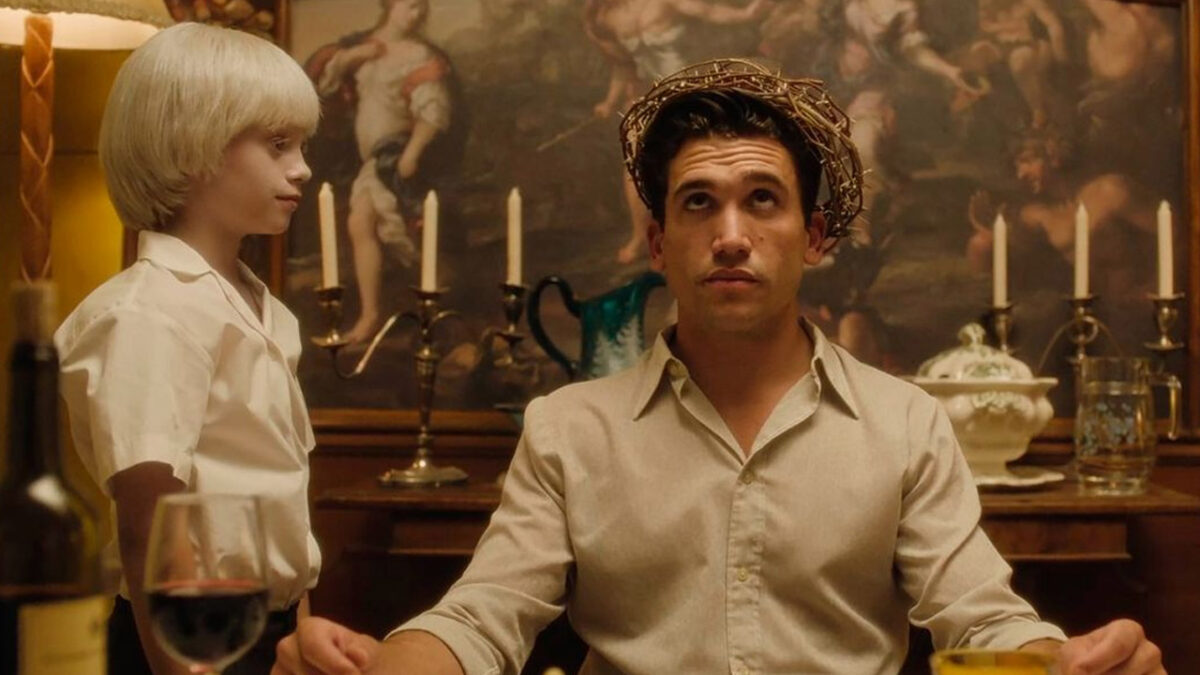
As Netflix says, the film is about the adoption of two peculiar twin brothers by a young couple who have just suffered a traumatic miscarriage that has left the woman sterile. However, the children’s obsession with religion – they were raised in a convent – quickly clouds things.
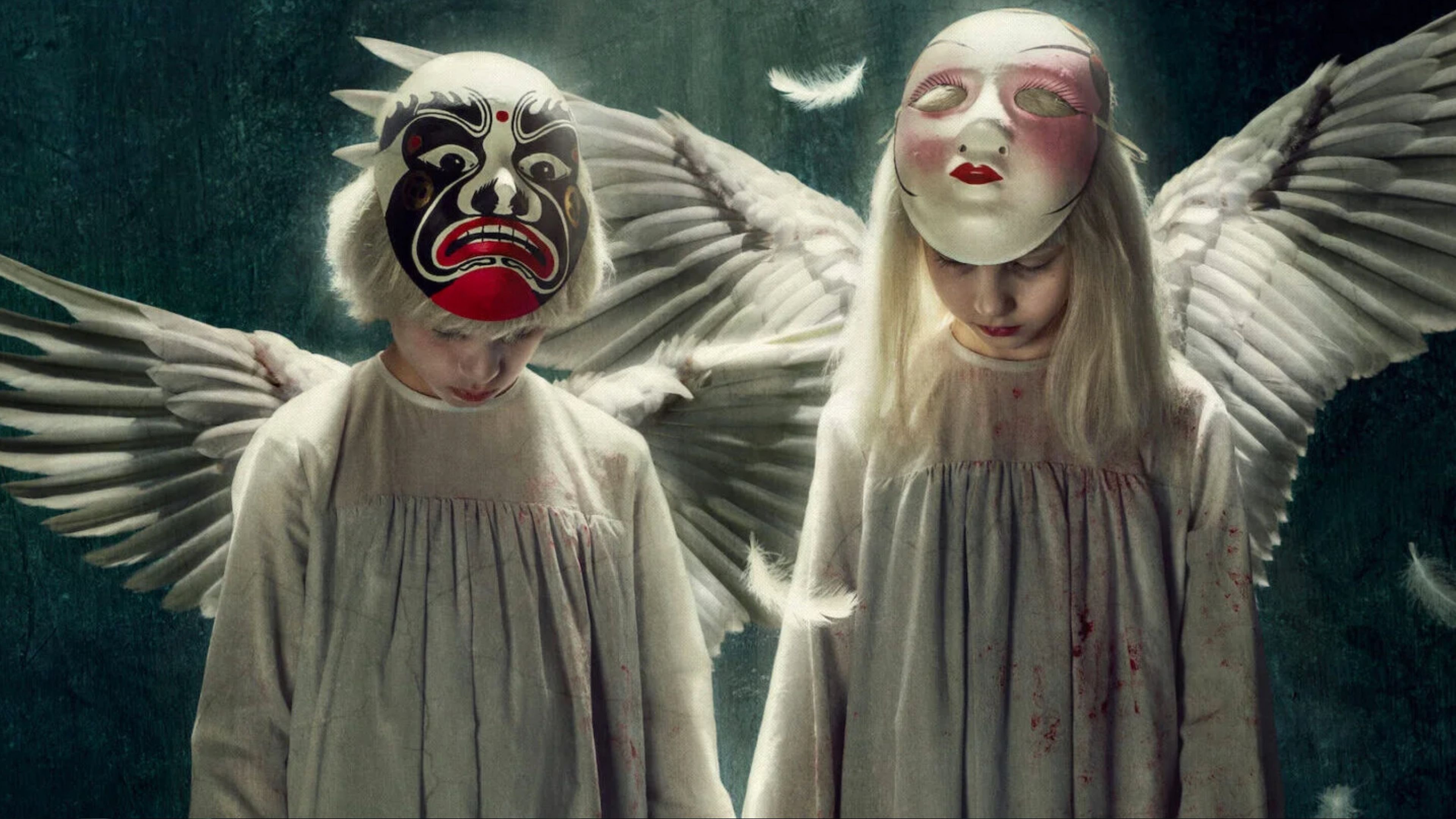
Tin and Tina is undoubtedly one of the surprises of the season. Made entirely for horror fans, the film quickly asks for suspension of disbelief. The kids are so creepy that they even look CGI, and while their acting isn’t exactly loquacious, the creepiness of the way they look and talk instantly turns your stomach.
As with many commercial horror films, if we ignore the silly behavior of the protagonists, the plot twists created to make the plot go in crescendo and the twists and turns on the same concept, the film is highly enjoyable. It is two hours of pure fun, bad vibes, nail-biting moments and many others to put your hands on your head. All in all, a very enjoyable classic horror movie.
But the best thing about the film are two very interesting features. The first one is the use of Spanish pop culture as a way to generate terror. This is a resource that is becoming fashionable, especially Paco Plaza. In Verónica we saw a perfect portrait of Spain in the eighties, and it is something he has continued in his films like La Abuela. Balagueró, the other creator of REC, is also employing it in his films, Venus being the perfect example of this, with La Ruleta de la Suerte as an element of malrollismo.
Obviously, the king here is Álex de la Iglesia. In all his films there is something of that “cañí” Spain with certain cultural aspects that concern us all, and in 30 Coins is something that keeps appearing over and over again, despite having its sights set on being more international.
In the case of Tin y Tina, this appears with a song that everyone raised in the eighties will remember: the Super Disco Chino. The film is set in 1981, and that is the date when that song populated televisions all over Spain. The children use that song as a new element to generate terror… and boy, do they succeed.
But this is just one more feature of what is really important here: Rubin Stein’s sublime direction. Although marked, perhaps too much, by perfectionist aesthetics, Stein proves himself to be a more than capable director who can handle any kind of production.
Each shot is basically a frame you can linger on, and the constant threat of the children appears again and again as a shadow, from small details, that gets bigger and bigger until it reaches the final climax. Despite not being the best script in the world -that’s for sure- Tin y Tina shows a huge potential of a director who can go as far as you want within the Spanish horror scene.
Scorsese has declared that, after a visit with Pope Francis, he wants to make a film about Jesus Christ. We explain why this makes sense.
Cannes has given us many memorable moments, but perhaps none as much as the press conference in which Martin Scorsese announced that his next film, following “Killers of the Flower Moon,” will be a movie about Jesus Christ. After a tour of Italy, which brought him and other artists of all kinds to a presentation before Pope Francis, he said that the work of artists “helps us see Jesus, healing our imagination from everything that obscures his face,” with the duty of artists being “not to explain the mystery of Christ, which is truly inexhaustible, but to make us touch it.” In relation to that, Scorsese has decided to embark on the task in the only way he knows how: through a film.
Many people may be surprised. Martin Scorsese and Jesus Christ may sound like two things that are not even close. Not for those who are not familiar with Scorsese’s work. The reality is that Christianity has always been very present in his work, being an explicit part of several of his films, as well as an implicit pivotal element in most of the others. Scorsese is a good Catholic boy, and that is evident in his movies. Something we are going to demonstrate in this article.
Guilt is a theme present in many of his films.
If there is a prominent theme in Martin Scorsese’s films, it is guilt. Many of his characters are driven by the guilt they feel for their actions, for the lives they have led, even when it is not explicitly stated within the film. This is something that is closely associated with Catholicism, which is not found in virtually any other religion and is not even as predominant or important in other branches of Christianity as it is in Catholicism.
That’s why films like Shutter Island, The Irishman, Mean Streets, or The Departed deal precisely with this. They portray individuals tormented by guilt, by what they have done, and by the awareness that they cannot redeem themselves in the eyes of God, the people they love, or even themselves. That’s why these films are so impactful. They resonate deeply with us, especially with the European audience. We recognize something very close to our culture that is often absent from Hollywood cinema but is very present in Martin Scorsese’s films.
Silence is a film that speaks explicitly about religious doubt
While it is true that guilt is the backbone of Catholicism, it is undeniable that the nervous system of that guilt is none other than doubt. While the Church conveniently likes to forget that doubt is not only not condemned but celebrated and an intrinsic part of the experience of communion with Christ, undoubtedly there would be no guilt to be relieved in the presence of God. Except when all we are left with in the face of the fact that Jesus Christ sacrificed himself for us is the silence of God.
Silence, a film released in 2006 and based on the novel of the same name by Japanese author Shūsaku Endō, starts from this premise. Jesus Christ died on the cross to save us, which means that God does not need to communicate with us because we are already saved. This means that no matter how much guilt we feel or how many doubts we have, God has already shown us that He is there and we are saved. In a nearly three-hour film about Jesuit missionaries in 16th-century Japan, where Christianity was forbidden, this leads to some of the most aesthetically spectacular shots and sequences in Scorsese’s career, and one of his films with a more implicit message. There is only silence. God will not respond to any prayers. You have to believe in salvation because Jesus Christ died on the cross for the sins you may have committed. Now you will have to live through life with that guilt and doubt.
It wouldn’t even be the first film he has made about Jesus Christ
In fact, guilt and doubt are a central part of a Martin Scorsese film that was extremely controversial and whose protagonist was none other than Jesus of Nazareth. Because The Last Temptation of Christ, a film that adapts the novel of the same name by Nikos Kazantzakis and whose screenplay was written by Paul Schrader – who, by the way, also has a marked obsession with Catholicism – is one of his most famous and controversial films. Particularly within the Catholic Church itself.
Not following the events narrated in the Gospels, but recreating what could be the last days of Jesus as he was tempted in multiple ways by Satan, the film tells us how Jesus was first human and then divine. That means that this is a Christ who errs, who feels guilt, and who, while he redeems himself and ends up on the cross, does so only after demonstrating that the process of accepting God must be conscious. There is no point in Jesus allowing himself to be crucified on the cross because he is the son of God if he does not willingly and enthusiastically accept being crucified. Something that Scorsese himself knows does not fit in with the institutional Catholicism of today, but it does fit in with the primitive Catholicism of Jesus Christ himself.
Nor about religious leaders in general
In fact, the need for the acceptance of one’s own position independently of divine destiny is something much more Eastern than Western. It is something that is not even present at all in non-Catholic Christianity, where condemnation and salvation is divine dictate without human intervention. So it should come as no surprise that Scorsese’s next film after a movie about Jesus Christ was about another spiritual leader: about the Dalai Lama.
In Kundun, adapted from Melissa Mathison’s biography, he tells the life story of Tenzin Gyatso, the 14th Dalai Lama, the political and spiritual leader of Tibet in exile. Narrating that exile, his attempt to fight for the welfare of his people and finally, the acceptance of his position when at the end of the film he is asked if he is the Buddha, answering “I consider that I am his reflection, like the moon in the water”, the film reinforces the position already told in The Last Passion of the Christ. Divinity is not something guaranteed by birth, but by actions. When we see Jesus Christ or the Dalai Lama, we see the best possible version of the human being, with his doubts and his achievements, and for that, we are inspired. Because ultimately, that is what Scorsese seeks to portray: how the human experience is mediated by that awareness that, at least in life, we will never have answers to how we feel.
There are almost a dozen conferences prepared, so nothing better than bringing you the schedule of all the video game conferences for this June 2023.
June is here, and it’s like Christmas for video game enthusiasts. During the month that marks the beginning of summer, gamers have the opportunity to enjoy a week filled with video games thanks to various events taking place. Although E3 may have disappeared, online shows like the Summer Game Fest have taken the lead to become the new and most attractive option.
There are nearly a dozen conferences lined up, so there’s nothing better than bringing you the schedule of all the video game conferences happening this June 2023.
A 40-minute conference where big announcements related to virtual reality are expected. From the former Facebook there are still hopes for VR in other fields beyond video games.
Guerrilla Collective
June 7th
Spain: 6:00 pm.
Mexico: 10:00 am.
Argentina: 1:00 pm.
True to every year, the Guerrilla Collective stands out for launching a multitude of trailers from publishers. It’s usually a Russian roulette, since they either have big announcements or it’s usually a real pain in the ass, we won’t deny it…
Summer Game Fest
June 8th
Spain: 9:00 pm.
Mexico: 1:00 pm.
Argentina: 4:00 pm.
The conference that gives name to this new set of shows and that should lead everything (in principle). Summer Game Fest should always be expected to be the best, but we’ve had two rather decaffeinated editions seasoned with a bit of sugar level (like the first Elden Ring trailer). Geoff Keighley, organizer of the show, has already commented that there will be few big announcements during the 2 hours it will last.
An event that always bets on independent or more experimental games. One of the most different shows of this week of conferences and that for us is a must-see event.
Wholesome Direct
June 10th
Spain: 6:00 pm.
Mexico: 10:00 am.
Argentina: 1:00 pm.
As with Tribeca, this conference stands out for the most groundbreaking games within the indie scene. Along with Tribeca, it is one of the most original in terms of content for the existing proposals.
Future Games Show
June 10th
Spain: 7:00 pm.
Mexico: 11:00 am.
Argentina: 2:00 pm.
Bet on triple A and the more spectacular, the better. That’s what is always remembered from the Future Games Show. It tends to recycle a lot of trailers from other events, either through variations or by adding gameplay to the footage.
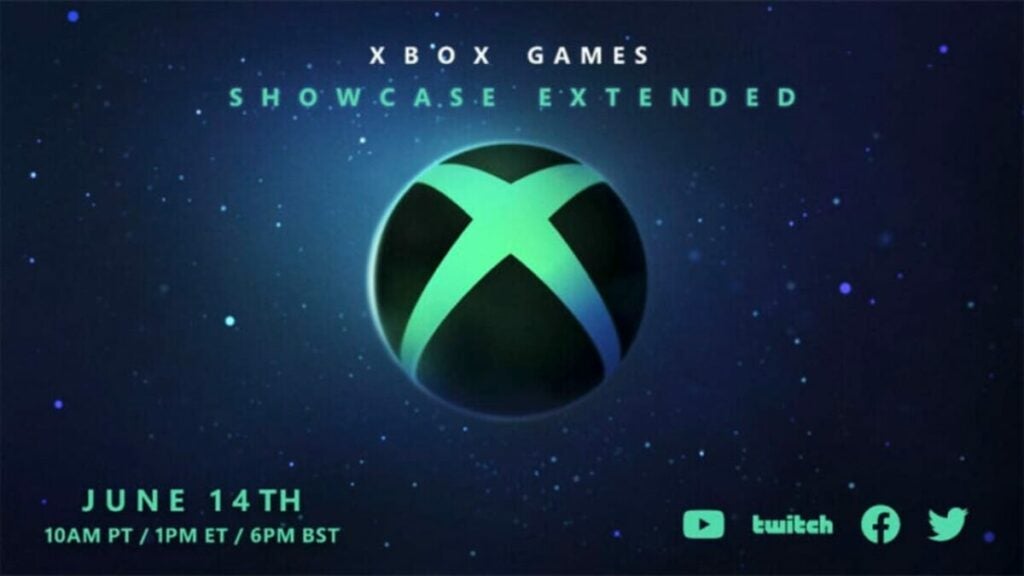
One of the most anticipated conferences (or the most). Xbox must announce its entire arsenal of video games for the years to come. Yes, it is true that we also said this during 2022, but it has no more room for maneuver. It must start communicating release dates and new announcements. It’s now or never.
PC Gaming Show
June 11th
Spain: 8:30 pm.
Mexico: 12:30 pm.
Argentina: 3:30 pm.
As with the Future, at the PC Gaming Show we tend to see power and a lot of triple-A. After all, it’s a conference focused on the PC world, where they’re looking to pull muscle. There will be 16 games to be announced during this live event.
Ubisoft Forward
June 12th
Spain: no schedule.
Mexico: no schedule.
Argentina: no schedule.
Ubisoft is not in its best moments. The French company is going through a big crisis not only in terms of sales, but also in terms of dissatisfaction on the part of the company’s employees. We will see 100% of the material of the new Assassin’s Creed Mirage, but the rest is an unknown…
Ryu Ga Gotoku Summit Summer
June 16th
Spain: 05:00 hours.
Mexico: 9:00 pm (June 15).
Argentina: 00:00 hours.
Dedicated to the Yakuza saga or Like a Dragon, this event presents all the news about the beloved Japanese saga. For fans of the franchise, it is a must, of course. This year we expect to see Like a Dragon 8, Like a Dragon Gaiden: The Who Erased His Name and some additional surprises.
We will update the calendar as new information becomes available.
After its success, the franchise trunk was opened: if Square’s game is worth it, why not make a sequel series to ‘Up’? And what about a ‘Lilo and Stitch’ manga?
One already had a feeling that something was changing in Disney when ‘Kingdom Hearts’ appeared. The most classic characters in the company’s history fighting alongside those from ‘Final Fantasy’ and doing crossovers? It sounded, certainly, risky, more than what the company is usually willing to be. But it worked. And afterwards, following its success, the treasure trove of franchises was opened: if Square’s game is worth it, why not make a sequel series of ‘Up’? And what about a ‘Lilo and Stitch’ manga, what do you think?
Succeeding in Japan for an American company is not always easy, and that’s why when they achieve it, they always try to squeeze the product to the maximum until it’s completely dry. After the 2002 film, Stitch became an overnight sensation in Japan, so important that it soon got licensed in all kinds of merchandise, from lunch boxes and plush toys with a design that emphasized his cuteness (or “kawaii” in Japanese) to specific products tailored for the Japanese market.
‘Stitch and the Samurai’ is not the first manga that Disney has released in Japan. In addition to adaptations of ‘Wall-E’ or ‘Finding Nemo’, they have made forays into the craziest crossovers. For example, in 2015, ‘Miriya & Marie’ was born, featuring a Japanese girl transported to 1910 Paris who meets the cat from ‘The Aristocats’ (yes, you read that right). A decade earlier, in 2005, ‘Kilala Princess’ introduced characters from ‘Snow White,’ ‘Aladdin,’ and ‘Beauty and the Beast,’ teaching a girl what it means to be a Disney Princess in a shojo (girls’ manga) style, akin to ‘Kingdom Hearts,’ for better understanding.
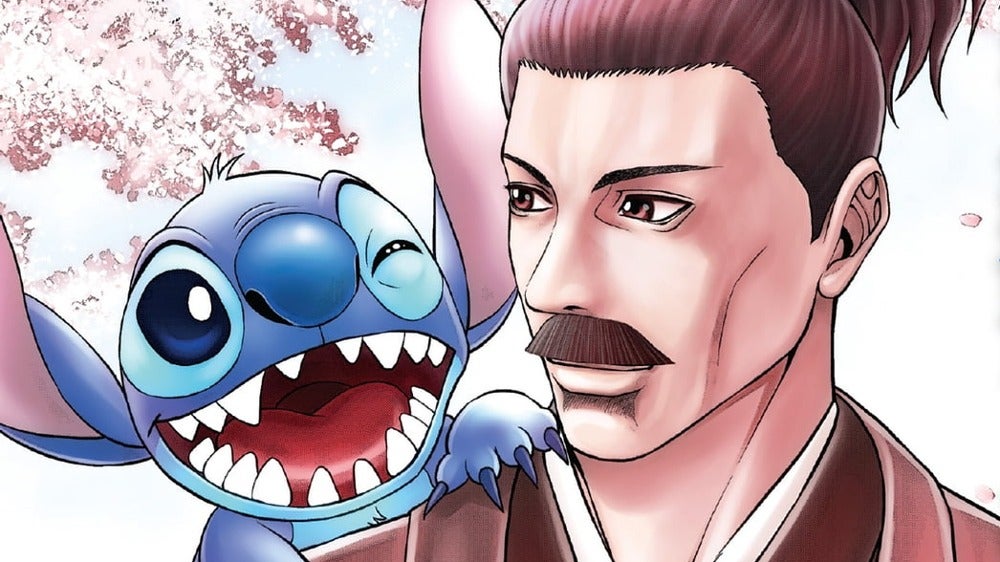
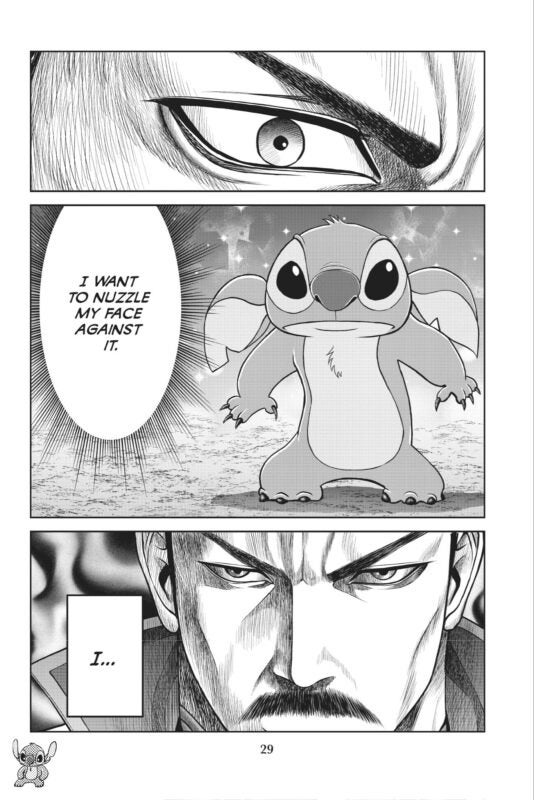
But none as wonderfully crazy as ‘Stitch and the Samurai’ (‘Tono & Stitch’ in its original version), in which the creature, years before meeting Lilo, escapes from the base and, due to a critical error in his spaceship, crash-lands in… the Sengoku era of Japan, which took place in the 15th and 16th centuries. There, the creature encounters a group of warlords who are captivated by its beauty.
Interestingly, the manga starts off with brutality, not unlike ‘Lone Wolf and Cub’ (with some differences, of course): Stitch feels like he’s truly breaking into a completely different story, and boy, does he succeed. By the end of volume 2, the warlords find themselves in a futuristic city, encountering vending machines without understanding what the heck is going on.
Surprisingly, all three volumes were published in Spain by Planeta, but the author, Hiroto Wada, wasn’t there to celebrate: he passed away shortly after completing the final episode at the age of 46 due to a cerebral hemorrhage. He leaves behind a crossover as strange as it is truly fabulous. Aren’t you intrigued? Come on, it can’t be worse than ‘Leroy & Stitch’ after all.
Rosalía fans are in luck. Our favorite motomami has once again turned to her TikTok profile to give us a sneak peek of her new song ‘Tuya’ (or as the singer calls it, “2YA TUYA 2ya TUya 2YA TUYA 2ya TUya 2Ya 2ya”).
However, Rosalía made a colossal mistake when uploading her TikTok video. Without realizing it, the singer accidentally posted the complete song on her own profile.
Minutes later, the video was deleted and reuploaded correctly, but it hasn’t made much of a difference. ‘Tuya’ has spread like wildfire and can now be found everywhere.
In the song’s credits, we find names like Gaby Music and Chris Jedi. You may not recognize their names at first, but you surely know their music: “Despechá” or “DURO” (featuring Anuel AA) are just a few of their works.
As that song said, “video killed the radio star.” In this new era of information, radio listeners not only have the opportunity to listen to their favorite radio hosts but also to watch the programs live.
Thanks to this, we can now witness unfiltered the gestures and reactions of renowned journalists like Àngels Barceló.
The veteran journalist of Catalan origin is at the helm of the morning program “Hoy por hoy” on Cadena Ser. During her latest broadcast, Barceló was covering the appearance of Pedro Sánchez, the current President of the Government.
While the initial plan was to evaluate and discuss the results of the regional elections (which were not favorable for the PSOE), Sánchez dropped a bombshell: he had called for early general elections to be held on July 23rd. Although the electoral day was originally scheduled for December, Sánchez wanted to make a move following the concerning results of the voting.
On the previous Monday, Barceló had already talked about the left’s debacle at the polls and called for a reaction “if they wanted to have any chance of a future.” And they certainly reacted. The cameras of Cadena Ser captured Àngels Barceló’s face as she listened to the news, and her expression was priceless.
Cuando no has salido de una campaña electoral y te enteras de que tienes que entrar en otra en pleno verano: la reacción de Àngels Barceló que nos representa a todoshttps://t.co/EkYf4Swb4Gpic.twitter.com/nRrmJxztlJ
The journalist has managed to go viral on social media, and many people have declared that they felt the same way as her. When you found out, did you also have a similar reaction?
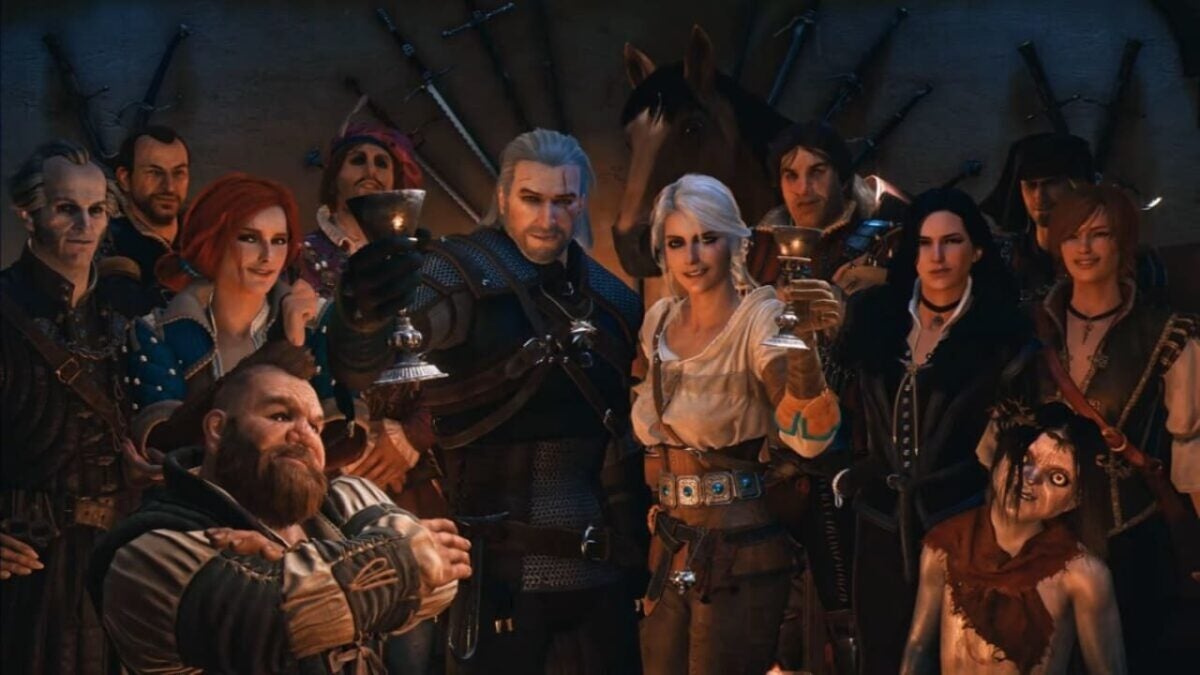
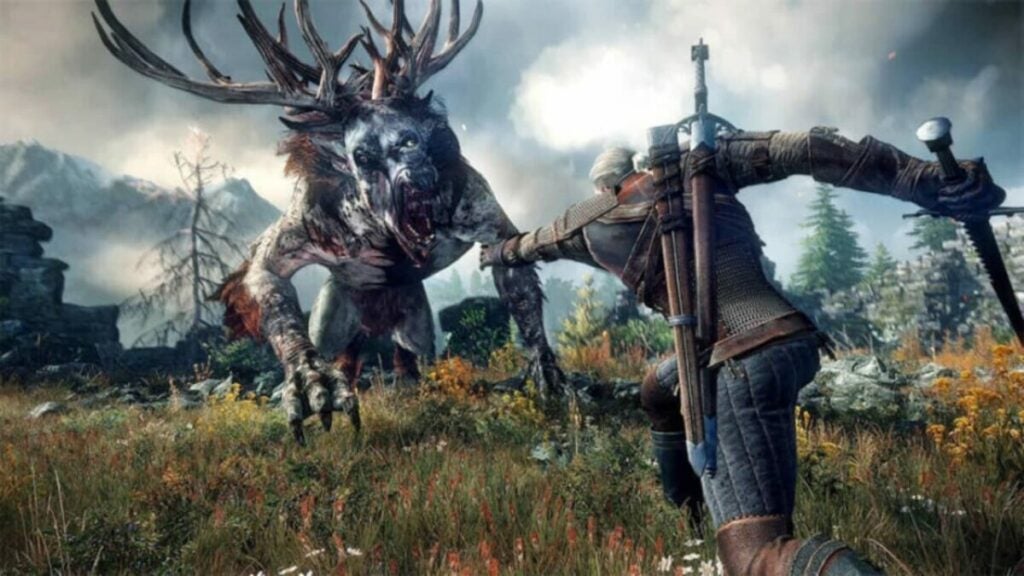
But The Witcher series owes much of its success to the immense popularity of the video game franchise, developed by the Polish studio CD Projekt Red. This week, the developer has revealed that the entire Witcher saga has sold over 75 million copies. Quite a feat.
The latest installment, The Witcher 3: Wild Hunt, is primarily responsible for the franchise’s tremendous success. Out of the 75 million games sold, 50 million are attributed to this open-world game, which received a free update in late 2022, enhancing it for the new generation of consoles.
In this way, The Witcher saga would be one of the most successful video game franchises of all time, standing close to other industry titans such as Red Dead Redemption 2 or the classic Super Mario Bros., which are two of the best-selling games in history (with 53 million and 58 million copies sold, respectively).
This success is far from over, mainly due to the immense popularity of the Netflix series, which has attracted and will continue to attract new buyers, as well as the upcoming trilogy of The Witcher, announced last October. With the codenames Project Sirius, Project Polaris, and Project Canis Majoris (based on star names), the three new games in The Witcher saga are set to be released within the next six years, according to the studio’s estimates.
Dying for fifteen seconds of video, something that could only happen in 2023. And yet, here we are.
It’s surprising that at this stage of life, we still have to explain it, but… Drinking excessive alcohol, especially when it exceeds a certain level of alcohol content, is not good. Putting your life at risk for a TikTok challenge based on consuming such type of alcohol is even worse. Dying for fifteen seconds of video, something that could only happen in 2023. And yet, here we are.
Let’s start by talking about Baijiu, a Chinese distilled liquor that has an alcohol content ranging from 28% to 65% and, despite being rarely consumed outside of China, outsells any other spirit: five billion liters annually, which is three times the total vodka consumption on the planet. It is a cheap yet influential liquor in China, where it is a tradition to serve the highest-quality Baijiu to judge someone’s loyalty before starting a business. According to Chinese culture, you only truly know someone when they are drunk.
However, this wasn’t the experience for Sanqiange, a Chinese influencer also known as “Brother Three Thousand,” who on May 16th participated in a live stream on Douyin, the country’s version of TikTok that cannot be downloaded in the rest of the world. During the livestream, Sanqiange took part in something called a “PK,” a dare game where he rapidly consumed at least four bottles of Baijiu, one after another.
The livestream ended at 1 a.m., and he went to sleep. Twelve hours later, when his family found him, he was dead. Sanqiange’s death is shocking because doing livestreams while drinking was not something new for him; it was part of his regular content, similar to the “King’s League” in Spain or going to Andorra.
The death of Wang, the person behind the name, has sparked a debate about what streamers can or cannot do and how to regulate an industry that is both lucrative and young. It highlights the challenges of navigating a multimillion-dollar industry that is still relatively new, and the mixture of these factors can result in unfortunate outcomes like this.
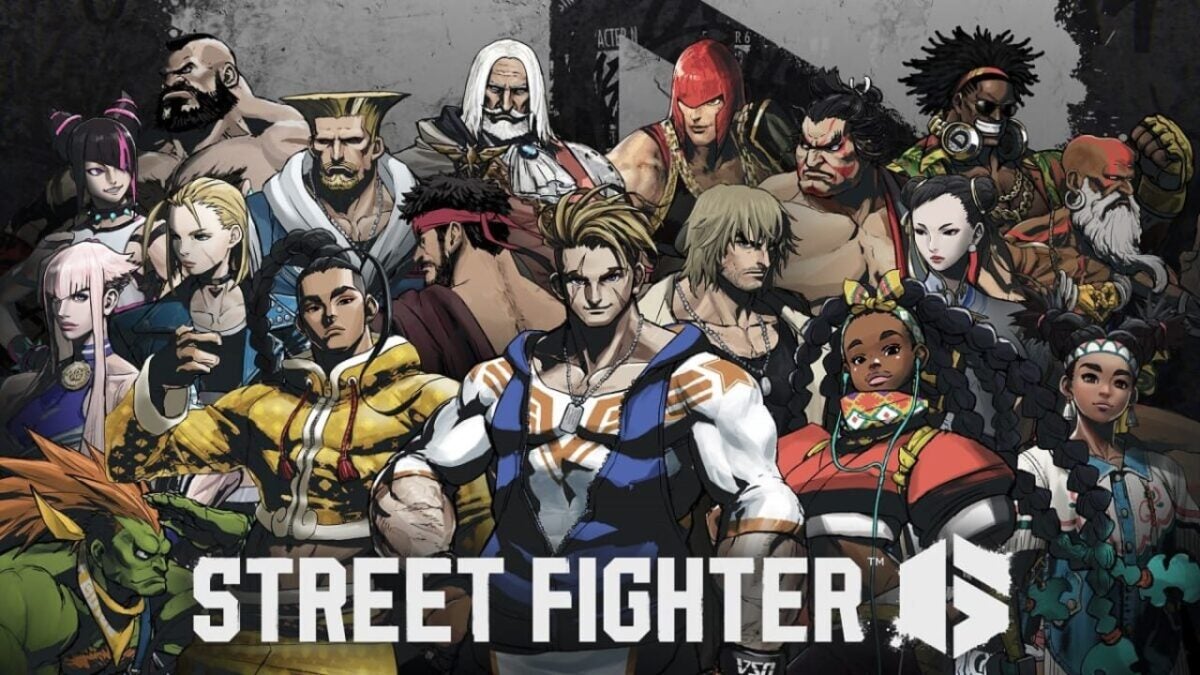
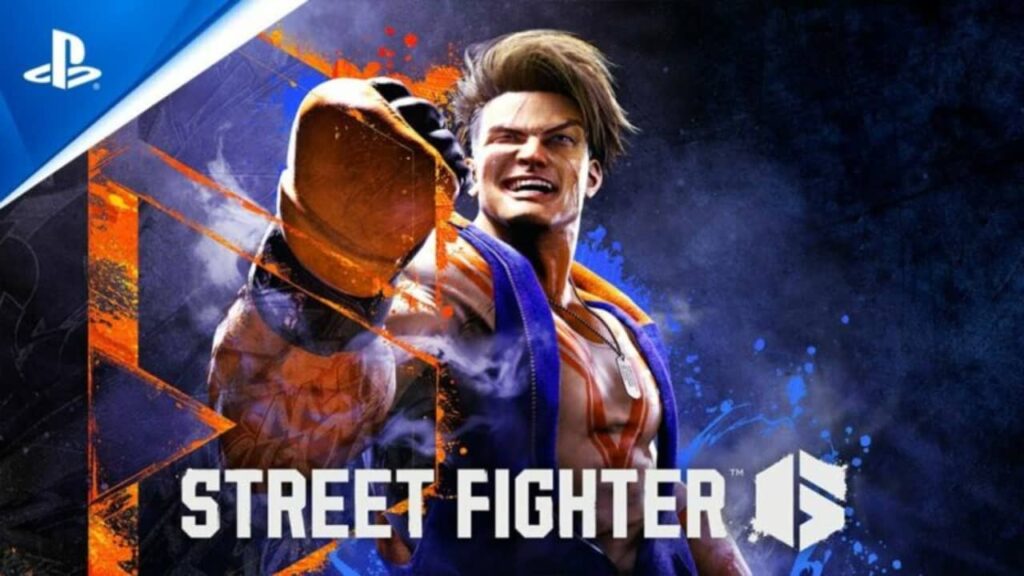
The new Street Fighter is liking it so much that the press is clear about it: it is a great game that is worth buying and playing. We explain it to you.
When Street Fighter V was released in 2016, it lacked a long list of standard features (although it eventually improved) for a fighting game that aimed to compete with Tekken and other titles.
This time, the basic aspects have been taken into account: there are versus and arcade modes, a training room filled with options, and respectably detailed tutorials that delve into the fundamentals of fighting games.
A new addition is the World Tour, an extensive single-player mode that allows you to create your own fighter and unleash them in a universe where almost everyone is willing to engage in duels at the slightest invitation.
Unlike standard story modes in fighting games, the World Tour unfolds more like an open-world game, in a similar vein to Sega’s Yakuza series. You’ll explore a city, level up your fighter’s statistics, don the stylish clothing of your choice, and learn fighting styles from the classic roster of the series, customizing moves to create an avatar that can then be taken online to engage in extremely unbalanced yet entertaining battles.
Fighting is an art. This is our masterpiece.#StreetFighter6 hits the scene on June 2 for PS5, PS4, Xbox Series X|S, and Steam.
The side missions act as interactive tutorials for novice fighters, while the flashy cutscenes and amusing dialogue help flesh out the extravagant world of Street Fighter.
However, battling hordes of disposable thugs quickly becomes tiresome, and hitting a wall where no skill can compensate for the almost negligible damage you inflict until you level up can be tedious. But as a fun and gentle entry point for novice players, it remains surprisingly enjoyable.
But the essence of fighting games is one-on-one competition, and here, beginners are also given a helping hand.
In addition to the traditional six-button system, simplified “modern” controls are offered: both novice and veteran players can execute special moves more quickly and consistently by simply pressing a button, with slightly reduced damage as a fair trade-off for the ease of use.
Street Fighter 6 article cover
A truly robust and reliable online mode
The importance of a good online system for a modern fighting game cannot be overstated, as it expands the potential pool of competitors while ensuring the game’s responsiveness and reaction.
Speeding up the matchmaking process and fighting against opponents allows for a faster and more intense loop of learning, testing, and refining one’s gameplay style, and that’s ultimately what keeps me eagerly playing SF6.
It’s a rare game where losing can still be enjoyable because it fuels the drive to improve, to find the warrior’s path, and perhaps accumulate some victories along the way.
Reinventing a franchise that has been around for over 30 years without losing sight of its traditions requires a lot of effort, and Capcom has accomplished it admirably.
Let’s hope that the monetization plans that are yet to come are reasonable and that the netcode remains smooth because the king of fighting games, Street Fighter II Turbo, is on notice: a new contender has arrived.
Remember, it will be released on PC, Xbox, and PlayStation on June 2, 2023.