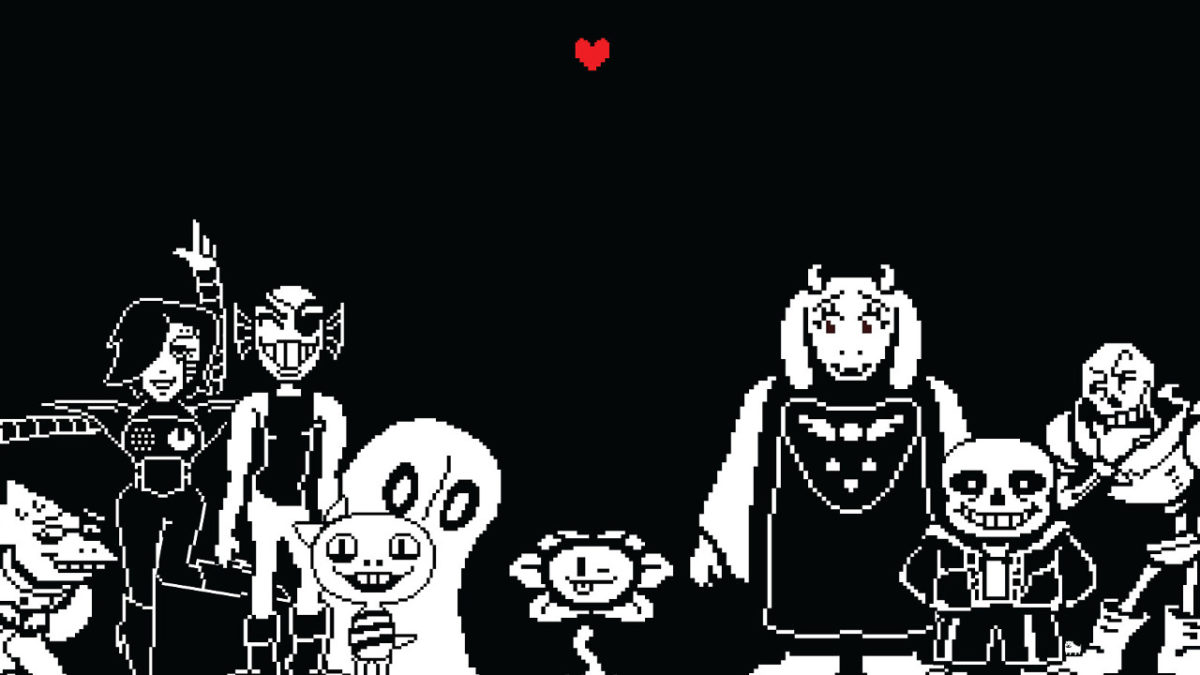
5 great RPG games for fans of Undertale

From the world of Mother to the depths of Yume Nikki, these RPGs will win you over!

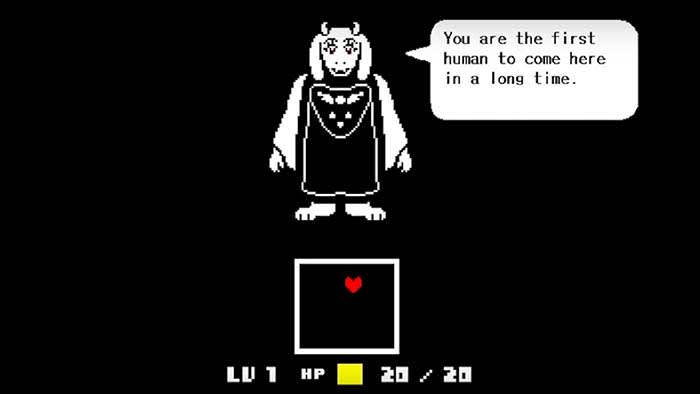
Undertale

When Undertale came out in 2015, it quickly became a sleeper candidate for game of the year. The postmodern RPG, made almost singlehandedly by Toby Fox, featured quirky characters, a bizarre battle system, and a fantastic soundtrack.

What truly got people talking about Undertale, however, was the game’s emphasis on sparing enemies over killing them. In Undertale, every enemy and boss can be spared by talking to them or performing actions with them.

Undertale Download now ►
8

Killing or sparing certain enemies can drastically change the course of your playthrough, and Undertale features several different endings to highlight this.

Undertale somehow nailed its morality system on the first try, as it avoids becoming shallow, cheesy, preachy, or even pretentious over time.

Do you want more weird RPG goodness after Undertale? Can’t wait for Deltarune to be completed? Here are some similar games that’ll slake your appetite.

Deltarune Download now ►
10

5. The MOTHER series
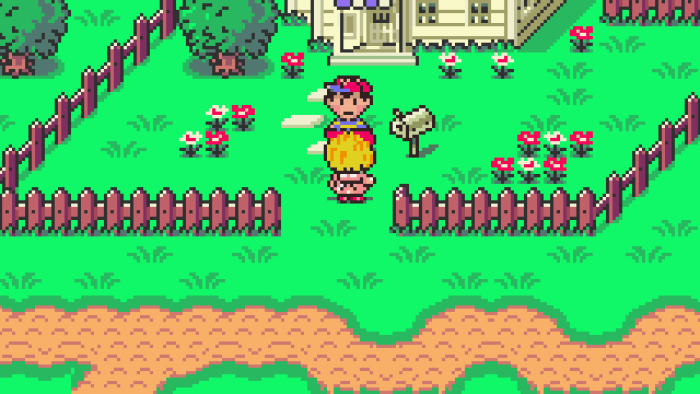
earthbound jmother series undertale

Let’s get the most obvious answer out of the way first. Without the MOTHER series, there would be no Undertale, and Toby Fox has made that explicitly clear.

The series was notable when it first released for deconstructing the JRPG genre. Instead of taking place in a fantasy world with swords, wizards, and dragons, Earthbound takes place in the country of Eagleland on a dystopian Earth. Baseball bats replace swords, suburban children replace legendary heroes, and cheeseburgers replace health potions.

Don’t let this fool you into thinking Earthbound is anything normal, however.

The game embraces the surreal, having battles against Salvadore Dali paintings, taxis, blue cultists, and other foes take place in psychedelic arenas. The game is multilayered. It masks the deep existential dread of growing up with childlike innocence. It’s so surreal and ultimately culminating into one of the most powerful and life-affirming coming-of-age stories ever created for a video game.

Earthbound’s sequel – Mother 3 – strays from the familiar settings of previous entries to create a nonsensical and unfriendly world. Primarily focused on the price of modernity and the ties that bind family members together, Mother 3 tells a heartbreaking story. It makes the player want to put down the controller and hug their loved ones.

The offbeat humor, fantastical settings, and fresh spin on JRPG conventions make picking up the series a no-brainer for any Undertale fan.

4. LISA

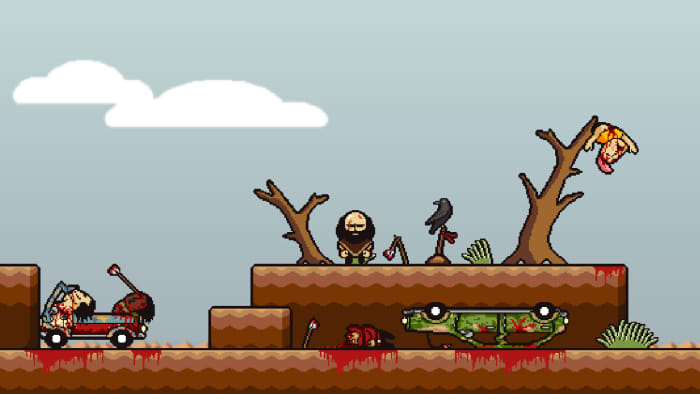
Lisa the painful rpg

If you’re in the mood for something with darker comedy than Earthbound or Undertale, LISA is the game for you. Set in a post-apocalyptic world where an event called the White Flash killed all women, you play as Brad, a disillusioned man hellbent on rescuing the last known baby girl.

The game is chock full of blood and gore, but the game successfully avoids becoming over-the-top. Brad’s stoic disgruntlement provides a humorous contrast to the violent and bleak world you travel. The visual gags and witty dialogue skew the line between “dark humor” and “soul-crushing emptiness.”

LISA’s overworld takes place on a sidescrolling 2D plane. This was a unique choice considering nearly every RPG takes place from a top-down perspective. Combat in LISA resembles the Mario RPG games, as it is turn-based. It requires timed button presses to deal more damage.

What makes LISA’s battle system unique is that there are more than 30 recruitable party members, each with their own special abilities. You must be careful, however, as every character not named Brad is permanently killed if they fall in battle. To add to this stress, Brad and many other characters are addicted to a drug called “Joy.” Joy greatly improves battle prowess, but the withdrawal symptoms are severe. Battles in LISA are tense, sometimes tragic, and always brutal.

While Undertale and the MOTHER games have plenty of depressing moments, LISA is all dark. If you’re looking for a unique RPG with an edge, LISA’s got you covered.

LISA: The Pointless Download now ►
10

3. Jimmy and the Pulsating Mass

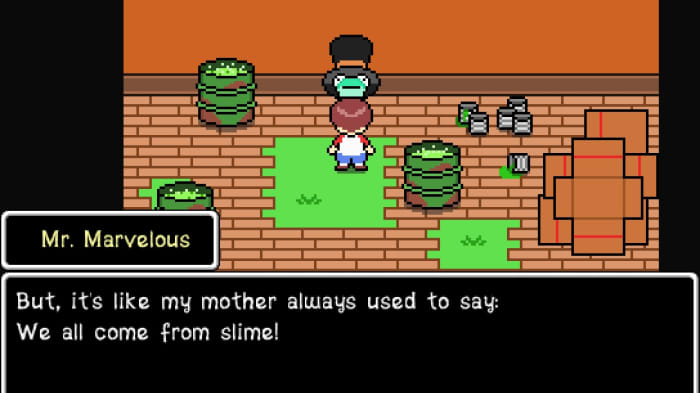
The disgustingly named Jimmy and the Pulsating Mass is one of the newest Mother-like RPG’s to hit Steam. You play as Jimmy, an eight-year-old boy with an active and whimsical imagination. As you travel through his dream, you encounter all kinds of wacky creatures and colorful environments. Talking animals, bouncing numbers, and other friends tell Jimmy how much they love him.

One day, all of Jimmy’s dream friends start acting meaner toward him, telling him how much they hate him. As a scared and confused Jimmy further explores his world, he realizes that a force called the Pulsating Mass is corrupting everything that he loves and holds dear.

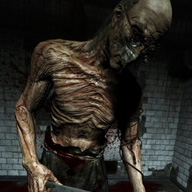
The Mass is a giant, shifting blob of flesh and veins that grows larger and spreads hate and discomfort. Once blue rivers fill with blood, formerly friendly NPC’s set out to brutally kill Jimmy. It begs the question, “What is happening in Jimmy’s life that created the Pulsating Mass?”

While Jimmy and the Pulsating Mass features plenty of horror elements, it isn’t a horror game itself. There are plenty of awful pretentious indie games that solely rely on shock value and gore to get a reaction from the player, but Jimmy isn’t one of them.
At its core, the game is about the confusing, stressful, and often terrifying emotions that come with growing up. The game isn’t all negative emotions either. You see plenty of uplifting interactions between Jimmy and his family as the young boy uses every support system he can find to help him fight off the evil in his mind. The game does a fantastic job of keeping you emotionally invested in Jimmy, and expect to laugh, cry, and scream with him.

2. YIIK: A Postmodern RPG
yiik a postmodern rpg

According to people ancient enough to remember Y2K, it was a time of both excitement and anxiety. While people were afraid of mass societal collapse, they were also pumped at the idea of a brand new millennium. The year 2000 always sounded so far away and futuristic, but now it was finally here. What would it bring?

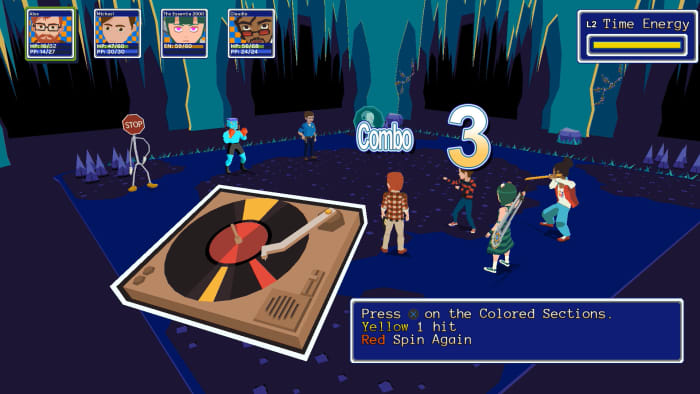
Y2K is central to the plot of YIIK: a Postmodern RPG. You play as Alex, a whiny, pretentious, and entitled hipster who seeks to rescue an internet star with the help of his message board friends. He has to do so before the world supposedly ends. On the way, he explores a series of extremely surreal environments. The game’s low-poly art style and expressive color palette make for a visually mesmerizing game. Combined with delightfully weird enemy designs, the game is among the most visually stimulating RPG’s to come out in years.

The game’s battle system relies on timed button press minigames, similar to Paper Mario. These minigames change based on what weapons you have equipped or what character you’re using. The battle system also lets you manipulate the flow of time, making certain minigames easier to complete or speeding past lengthy animations.

If you can stomach hipster pretentiousness, YIIK is a highly stylized game that’s worth a playthrough for fans of offbeat RPGs.

YIIK: A Postmodern RPG Download now ►
9

1. Yume Nikki

yume nikki

Yume Nikki is the OG weird indie RPG. First released in 2004, the game has been free to download ever since and has won numerous accolades.

Players take control of a young hikikomori (a Japanese term for antisocial, agoraphobic people who refuse to leave their rooms). They explore their own subconscious. While awake, the protagonist Madotsuki can only explore her room, which features few interactive objects or notable features.

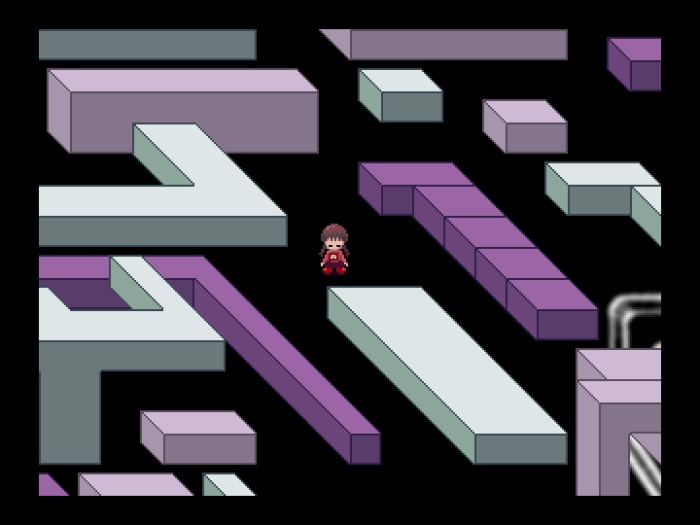
At any time, the player can choose to go to sleep, allowing Madotsuki to explore her dreams. Her dreams are a labyrinth of geometric shapes, clashing colors, and increasingly abstract objects and beings. The sole object of the game is to collect 24 objects called “effects.” At any point, Madotsuki can pinch her cheek to leave the dream world and return to her room, preventing players from getting inescapably lost. There is no way to get a game over, and the only enemies are these weird bird creatures that occasionally pop up to awaken you.

Yume Nikki is less of a game and more of an interactive artistic experience. While that may sound like pretentious nonsense, Yume Nikki succeeds in filling you with feelings of wonder, dread, and hope as good as any movie or book could.

Despite featuring no dialogue, the atmosphere of the game is fantastic at instilling a creeping sense of anxiety. The game’s simple graphics and minimalist but emotive soundtrack don’t hurt either. The game is amazing and it’s free, so there is no excuse not to try it out.

Yume Nikki Download now ►
9

Are there any offbeat RPGs that we missed? Let us know!
What it’s like being a movie VFX artist

They’re the amazing artists behind Hollywood’s greatest hits. Why are they treated so badly?

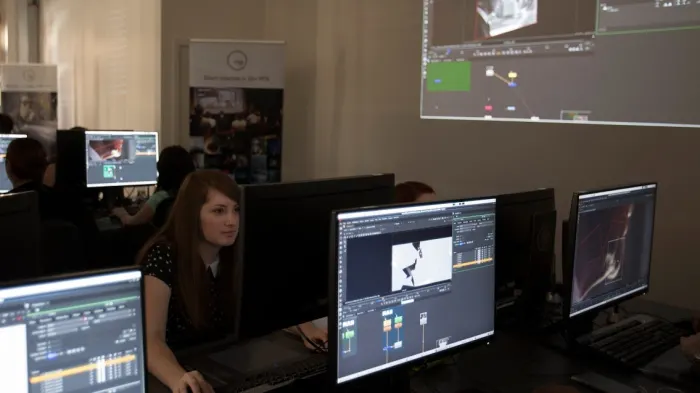
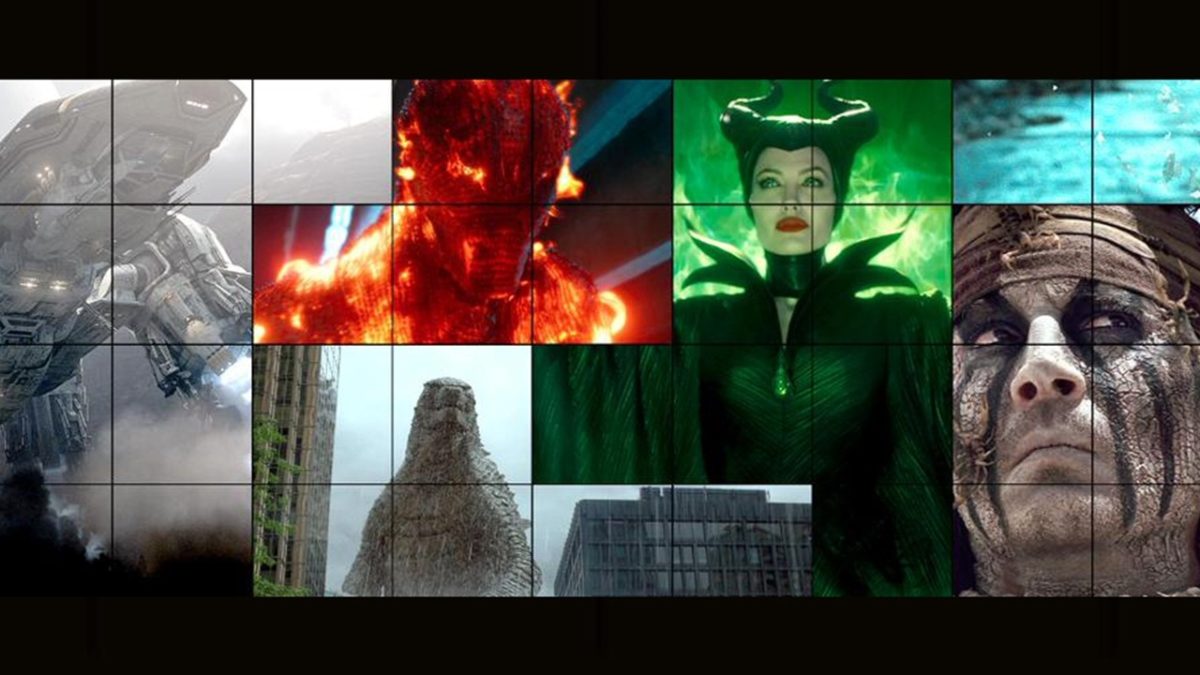
Visual effects artists (VFX artists) are now more essential than ever in Hollywood. Right now the box office is being dominated by “Avengers: Endgame” and “Detective Pikachu,” with both movies requiring extensive use of visual effects. If you’ve ever sat around during the credits of a Marvel movie waiting for the post-credits scene, you may have noticed that the VFX section has the most names under it by far. What exactly do those people do? And what are their lives like?

The different kinds of VFX artists

avengers infinity war vfx behind the scenes
Thanos (Josh Brolin) battles Tony Stark (RDJ) on Titan in “Avengers: Infinity War”

As you might expect, there’re very few general VFX artists in the movie industry. Every frame of a CGI-heavy movie has hundreds of different factors that go into it, requiring a large team of specialized VFX artists. Here are just a few of them:

Rotoscoping

Rotoscoping is a technique where animation is drawn over live-action footage to create fluid, realistic animation, sometimes combining it with live-action characters. This technique has been in place since the earliest days of animation, and it is the technique Walt Disney and his team used to create the revolutionary animation of “Snow White and the Seven Dwarfs.”

In many of today’s blockbuster films, live-action characters must interact seamlessly with CGI characters, usually in front of a green screen or a partially-built set. In the picture above, Iron Man fights against Thanos on the planet Titan. Since Iron Man’s suit is damaged, parts of Tony Stark’s exposed suitless body are in frame for most of the scene. Rotoscope artists must painstakingly go over every frame of the scene, drawing the Iron Man suit partially over Robert Downey Jr’s body. They must also make sure RDJ fits seamlessly into the mostly-CGI scene by composing objects and scenery realistically behind him.

Modeling/Rigging

Modelers use computer programs to shape 3D objects and characters in a process extremely similar to sculpting. To realistically sculpt, modelers often pay close attention to real-life reference photos and concept art, though sometimes modelers even sculpt their objects from scratch.

Depending on the object or creature, the model is passed off to various other artists upon completion. Texture artists add realistic surfaces to the objects, making sure the texture reflects whatever the object is supposed to be (ex adding wrinkles and pores for skin, or adding rust and paint to a metallic spaceship). For creatures that require realistic fur, such as the fuzzy Detective Pikachu, groomers are in charge of creating the look of the fur and tuning how it behaves in various situations (such as blowing in the wind, getting wet, or getting dirty).

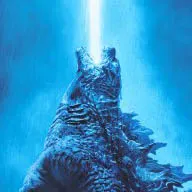
After a person or creature is sculpted by a modeler, it is the job of riggers to make it so that creature can move realistically (or stylistically). Riggers add digital skeletons to the creature models, giving it a defined and realistic set of parameters on how it can move. Highly detailed creatures, like Legendary Pictures’ Godzilla, also feature a complex underlying system of muscles and skin that give weight and heft to the creature’s movement. A complex understanding of anatomy is essential to a rigger’s job.

Tracking

Tracking is an understated but vitally important job for VFX artists. Basically, a tracker’s job is to track the position and movement of the camera in order to make sure both live-action and digital objects move realistically within a heavily digitized scene. If objects aren’t properly kept track of, they will appear to “float” in a scene, completely destroying the illusion that it is actually there. A tracker must make sure it appears that it appears as if a real camera was filming a shot where everything inside it is real. If CGI and live-action objects combine in the shot to look realistic as the camera moves, the illusion is created that the film crew is filming something that is actually there, no matter how CGI-heavy the scene is.

What is it like to be a VFX artist in 2019?

visual effects artists

Despite being responsible for dazzling audiences with beautiful digital effects and iconic characters, VFX artists live a harsh life. Digital effects are a relatively new field of work in the movie industry compared to other jobs, so efforts to regulate or unionize VFX jobs are few and far in-between.

As a result, VFX artists must endure an incredibly volatile job market, with job stability being incredibly low. VFX artists frequently work in contract positions, sometimes for a decade or more. In addition to denying them access to benefits such as healthcare, this leads to uncertainty for VFX artists as to whether they will be let go at the end of each project. In many projects, from indie darlings to summer blockbusters, payment is often delayed for months.

The turnover rate is high, and despite the runaway success of VFX heavy films, VFX studios are folding left and right. Companies like Matte Digital (Titanic, Independence Day) and Fuel VFX (Iron Man 2, Prometheus) have gone bankrupt in the last several years. Even acclaimed VFX studio Rhythm and Hues, responsible for the excellent Oscar-winning VFX of “Life of Pi,” went bankrupt in 2013. At the same Oscars ceremony where they won the award for “Life of Pi,” Rhythm and Hues workers had their mics cut when trying to describe poor working conditions for VFX workers.

Even if one actually makes it into the VFX industry with a stable job, there are still plenty of hurdles to deal with. Hours are never consistent, as they can be scaled back by half or a quarter at a moment’s notice. Even worse, some studios employ unpaid overtime in order to meet incredibly strict deadlines set by film studios. It’s not uncommon for VFX artists to work 12-15 hours a day, with several additional hours added during crunch time post-production. VFX artists say it’s extremely difficult to have a family, as in addition to the long hours, VFX artists are relocated (often across entire countries) constantly to meet the needs of different studios and productions.

Though the work is described as satisfying by many VFX workers, it can be an incredibly tedious task. For just one shot, VFX artists have described being asked to rework the frame over a thousand times by the film’s director, a process that takes hundreds of hours.

It’s sad to see that as VFX-heavy movies sweep the box office, the digital artists responsible are treated worse than ever. Hopefully, unionization efforts can help these talented people get the treatment and recognition they deserve.

Why the Marvel Cinematic Universe works (and others don’t)

Why did the Avengers succeed while the Justice League flopped? Find out now!

Cap Thanos

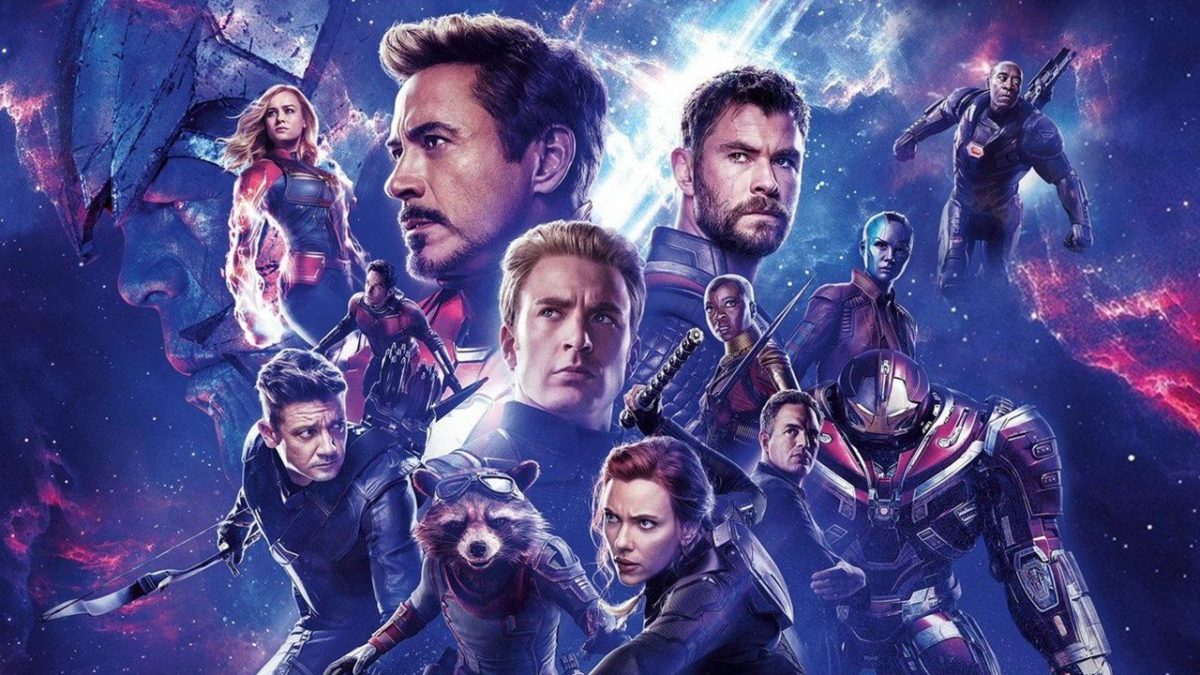
The enormous success of the Marvel Cinematic Universe cannot be overstated. In just a few weeks, “Avengers: Endgame” has passed “Titanic” as the second highest grossing movie of all time, and is rapidly approaching “Avatar’s” number 1 spot. In fact, MCU movies make up half the spots of the top 10 highest box office grosses ever.

This brings us to the billion dollar question, “How did Marvel overtake mega-franchises like Harry Potter and Star Wars with characters that were once barely a blip in pop culture? Also, why have all the other cinematic universes failed to match its success?

Why the Marvel’s Cinematic Universe works (and others don’t)

Building a universe (in a cave with a box of scraps)

iron man 2008 start of mcu

In the 1990s, Marvel, like most comic book companies, was facing financial ruin. After filing for bankruptcy, Marvel attempted to save itself by selling off the film rights to its most popular characters.

Movie studios jumped at the chance to gain the rights to cultural powerhouses like Spider-Man and the X-Men (whose film rights were sold to Sony and Fox, respectively). Other Marvel characters, while beloved for decades by dedicated comic audiences, failed to break into the mainstream pop culture sphere. Characters like Thor and Iron Man are objectively cool, but they didn’t have the same draw as characters like Spidey or Wolverine.

After the breakout successes of Sam Raimi’s Spider-Man franchise and Fox’s X-Men series, Marvel decided to take out a loan of $500 million to create Marvel Studios. The idea behind Marvel Studios was that Marvel could use some of the lesser-known characters from its comic history to create a shared cinematic universe.

If the venture failed, the studio could simply liquidate itself and sell the film rights to its remaining characters to interested studios. Still owning the rights to the majority of the Avengers characters (most notably Captain America and Hulk), Marvel Studios attempted a bold strategy. They decided to make individual films of various characters before smashing them together in a massive blockbuster.

It was a bold and untried strategy at the time. Sure, studios had dabbled in crossing over their characters to modest success, (such as “Alien vs. Predator” or “Freddy vs. Jason”) but no studio had ever attempted to create a massive crossover universe out of an established property on this scale.

The only thing that was even close was the Universal Classic Monsters. From the ’20s through 1960, Universal created films with several monsters like Frankenstein’s Monster, Dracula, and the Wolf Man. From time to time, characters and their respective actors would cross over into other films. It was arguably a framework for the MCU, but it was a loose framework.

Marvel was the perfect property for this experiment, as the company had been crossing over its characters in the comics for decades.

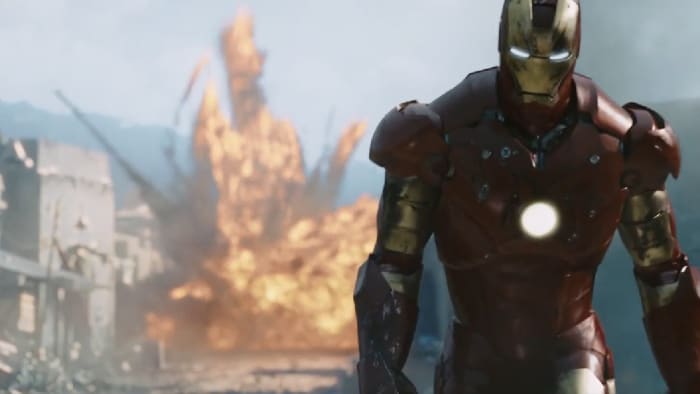
Marvel Studios began with “Iron Man,” who was supposedly chosen to receive his own film due to his massive toy potential. The movie’s large budget, B-list main character, and at-the-time leperous main star Robert Downey Jr raised eyebrows among industry experts, who predicted a flop. In fact, Kevin Feige said Downey’s casting was the toughest fight he had with Disney. The 2008 movie was, as we all know, a massive success. It ended up singlehandedly recouping Marvel’s $500 million loan, convincing Marvel to move on with their experiment. The film made about $585 million, according to IMDb.

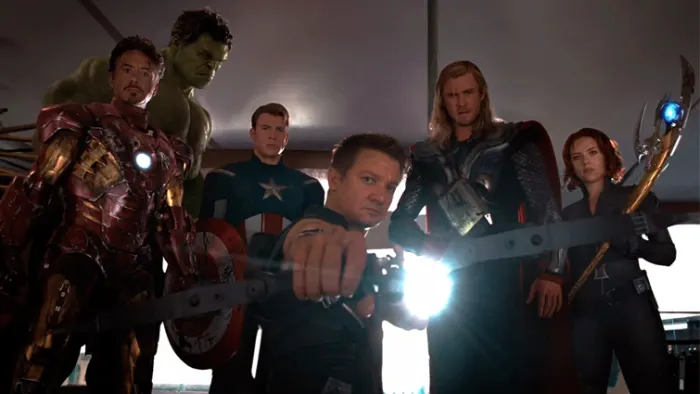
Iron Man’s approach to a cinematic universe was subtle. The film stood on its own, peppered with references to a larger universe (S.H.I.E.L.D, Nick Fury, the Avengers Initiative, etc) for hardcore Marvel fans to salivate over. The continued success of character films like “Captain America: The First Avenger” and “Thor” maintained Marvel’s momentum until the release of the groundbreaking first Avengers film in 2012.

In building up to “The Avengers,” Marvel focused on telling self-contained stories with compelling characters first, and on connecting these characters in a shared universe second. By making these formerly unknown characters worthy in the eyes of the public, they drummed up interest for their eventual crossover. It’s this sense of patience that allowed for Marvel to craft its cinematic universe into something that was worth keeping up with. Their system of “phases” made sure that every crossover paid off in a big way.

Avengers

By building up audience confidence in their brand, Marvel was able to successfully dive deeper into their character library. Eventually, they pulled out then-unknown characters like Black Panther, Ant-Man, Doctor Strange, and the Guardians of the Galaxy. While the rival DCEU hoped that the enduring legacies of Superman, Batman, and Wonder Woman would lead to massive box office success, Marvel built character legacies from the ground up.

With more than 20 movies in its universe, it can be hard to avoid audience fatigue. However, Marvel successfully navigated this by switching up genres and directors within its films. The films can range from spy-thriller (“Captain America: Winter Soldier”), heist-comedy (“Ant-Man”), cosmic misfit comedy (“Guardians of the Galaxy”), to Afrofuturist epic (“Black Panther”). Marvel’s signature style of loose dialogue and lighthearted, self-aware tone allowed them to create a consistent brand amongst its wide variety of characters without becoming repetitive.

Marvel Studios president and MCU brainchild Kevin Feige has stated that each movie is made for its own individual story first.

While the grand crossover outlines are there, directors and writers are given plenty of freedom to craft their own stories. This, along with Marvel’s patience in getting audiences invested in its characters, is the main reason the MCU has seen the success that it has. It builds naturally to crossover events instead of shoving a crossover movie in your face that tells you, not shows you, that these characters are important.

Why are other cinematic universes struggling?

justice league dceu

The runaway success of 2012’s “The Avengers” caught the attention of studio heads from across the world. The potential profits of a cinematic universe were massive, and every studio with recognizable characters immediately scrambled to follow Marvel’s lead. The most notable of these was, of course, DC.

With the release of 2013’s “Man of Steel,” DC had seemingly followed the formula set by “Iron Man:” create a standalone story with only cursory references to a larger universe. Unfortunately for DC, “Man of Steel” received only lukewarm reviews, with critics and audiences lamenting its dreary tone and color palette.

Sensing danger, DC decided to immediately move forward with its cinematic universe, or rather DC Extended Universe. DC continued with director Zack Snyder, whose bleak and pseudo-deep subversions of superhero narratives were clearly not resonating with audiences. The next film was “Batman v Superman: Dawn of Justice,” a film that was somehow overlong, stuffy, and unearned.

The movie immediately thrust new versions of Batman and Wonder Woman onto the big screen, failing to slowly build up the hype of a major crossover event.

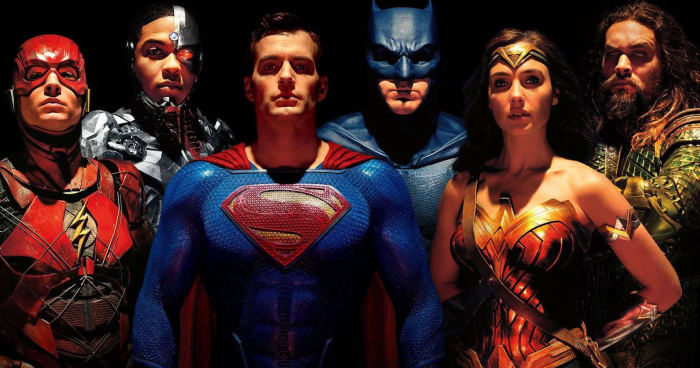
By the time “Justice League” rolled around, DC showed that it still hadn’t learned how to properly build up a cinematic universe. It introduced more characters to the big screen without buildup (Aquaman, Flash, and Cyborg,) rapidly attempting to play catch-up with Marvel to no avail. It would have been ludicrous to think only 10 years ago that a movie starring a talking raccoon and a tree would become a cultural phenomenon while the Justice League’s long-awaited big-screen debut would get a lukewarm reception.

By not trusting audiences and slowly building up their characters, DC made their crossover movies feel like any old superhero movie instead of a massive crossover event. This, combined with DC announcing dozens of movies that have barely made it past development hell, shattered audience faith in DC to make a coherent cinematic universe.

DC has started to regain goodwill with their solo movies like “Wonder Woman,” “Aquaman,” and “Shazam!”  They are clearly moving away from lofty, pseudo-intelligent Snyder epics and more towards contained, tightly made stories. This has granted them significantly more critical and financial success, so it’s likely DC will focus on solo films for the near future.

Other cinematic universes have come and gone in the MCU’s lifetime. The X-Men franchise served as a sort of predecessor to the MCU, but its wildly inconsistent quality and haphazard continuity prevented it from fully achieving its potential.

Universal recently attempted combining their classic horror monsters into a modern cinematic universe known as the Dark Universe. Spearheaded with “The Mummy,” an action-packed Tom Cruise vehicle, the Dark Universe failed to take off before it really even started. Instead of creating a self-contained story that took place in a bigger world, “The Mummy” aggressively beat audiences over the head with setup for sequels and crossovers.

I mean come on, people; remember when they released a trailer for the movie without music?

This unsubtle, inauthentic buildup pushed audiences away, and the myriad of announced Dark Universe films are currently nowhere to be seen.

A particularly bold move is crossing over a bunch of properties that have nothing to do with each other (besides them all being owned by the same company). Hasbro is attempting to do this with its various properties such as GI Joe and Rom the Spaceknight. Hanna-Barbera is currently working on something similar with Scooby-Doo, Captain Caveman, and Wacky Races. It’s hard not to be cynical about mashups like these, as they seem to be brainchildren of studio executives throwing every remotely popular property they have into a blender. They are unfortunately completely skipping over the carefully laid groundwork of the MCU.

Wrapping up

All in all, the safest way to create a cinematic universe is simply to copy the foundation of the MCU. Create a bunch of compelling individual characters and then cross them over once audiences actually care. Do not simply throw a bunch of recognizable characters together, hoping it’ll have the same impact.

Planning must be careful and slow, and the studio must balance out their grand plans with the desires of individual filmmakers to craft independently satisfying films. If you can strike this balance successfully, you end up with the MCU. If you fail, you’ll simply land on top of the pile of other cinematic universe attempts.

5 most frustrating levels in gaming history

See the levels that made us rip our hair out.

The purpose of a video game is singular; they are meant to help us forget about our stressful lives for a few hours by providing us with a fun, stimulating experience. Sometimes, game developers forget about this basic and obvious concept, which is the only explanation we can think of as to why these levels exist. You all know what we’re talking about: those levels that are so insanely frustrating that you see red and throw your controller in a futile, primal effort to exert some sort of control over the game.

This article will be filled with spite and ANGER as we will never forgive these levels for wasting hours of our precious childhoods.

5.  Level 2 – The Lion King

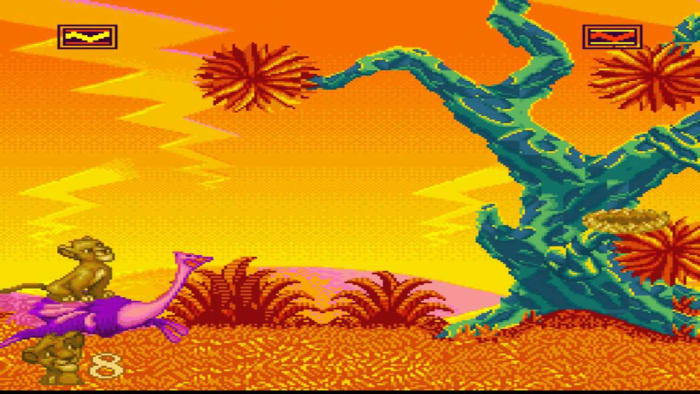
lion king game hardest levels ever

Making a game based on the most beloved animated movie of all time seems like a no-brainer right? The Lion King video game sold millions of copies on SNES, Sega Genesis, and PC, but most people never made it past the second level. This level, based on the movie’s colorful “I Just Can’t Wait to Be King” song, is one of the most notoriously frustrating levels in all of gaming. It’s a combination of many factors: the confusing maze of monkeys (think Donkey Kong Country’s barrel cannons but worse), the incredibly precise double jump segment, and missing jumps and slamming into trees.

Difficult levels have their place in games, sure. But why would you make the second level so hard and confusing, especially in a game aimed at children? Whoever designed this level deserves to be fed to lions at their local zoo.

4. Pachinko Machine- Super Mario Sunshine

Super Mario Sunshine often gets unfairly criticized compared to its contemporaries. It didn’t revolutionize gaming like Super Mario 64, and it didn’t have the brain-twisting worlds of Super Mario Galaxy, but in our opinion, it deserves to stand tall among the other 3D Mario classics.

What it DOES need to get criticized for is its collection of extremely frustrating levels. It’s like the genius designers of 3D Mario games saved all their horrible level ideas and sprinkled them throughout Sunshine. Who could forget cleaning the electric manta ray goop off the beach? Or the surgical precision required to roll a watermelon down a hill for the Watermelon Festival? Even among all that madness, the pachinko level stands out as the most maddening level in Mario history.

I don’t know who needs to hear this right now but let it be known: pachinko machines are not fun. They are barely more stimulating than slot machines, and the only reason people tolerate them is that they sometimes give you money. There is absolutely zero circumstance where we want to play a pachinko machine for the sole purpose of entertaining ourselves. This frustration increases tenfold when Mario is the pachinko ball, the camera is unusable, and the controls are incredibly tedious and imprecise. Even getting to the level is an enormous pain because you have to wait for gaming’s slowest boats to take Mario to the secret entrance.

3. Blighttown – Dark Souls

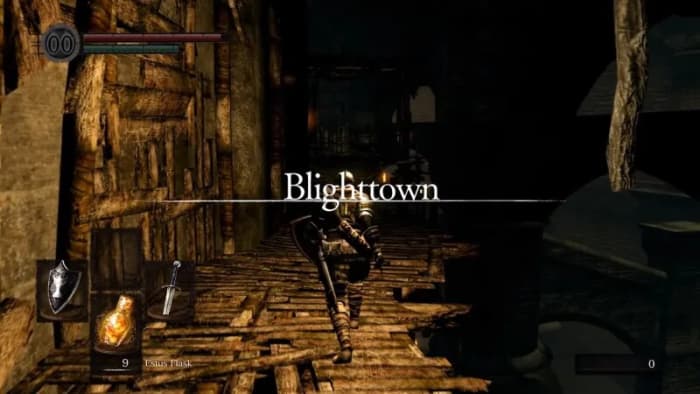
blighttown most frustrating levels ever dark souls

For those who have played Dark Souls, this entry requires zero explanation. For those who haven’t, let us try to explain.

In the original release of Dark Souls, Blighttown was barely functional from a technical standpoint. It was the only area of the game with significant frame drop, and it felt like playing a slideshow at certain points. While this was horrible, this issue was fortunately fixed in newer versions of the game.

Even without all of the technical issues, Blighttown is still a nightmare in a game specifically marketed as a grueling, unforgiving slog. The first part of the level is vertically based, meaning that one wrong step sends you plummeting to your doom. The place is littered with masked blow dart shooters, who fire poisonous darts that are so hard to see that they mine as well be microscopic. And if more than two darts hit you, God help you, because you’re going to be dying a slow death via poison.

Even if you make it to the bottom of that hellish wooden structure, the bottom of the level is a giant swamp. You’re forced to walk through the swamp to proceed, and the bog water not only slows you down but is poisonous for good measure. Game mechanics that slow movement are unfun, getting poisoned is unfun, and all you’re left with in Blighttown is a swampy stew of misery.

The biggest slap in the face is that the boss you fight at the end of this swampy hellhole is one of the easiest in the entire game. It should be noted, however, that this may just be due to players channeling their intense, unbridled Blighttown rage onto the poor creature.

2. Turbo Tunnel – Battletoads

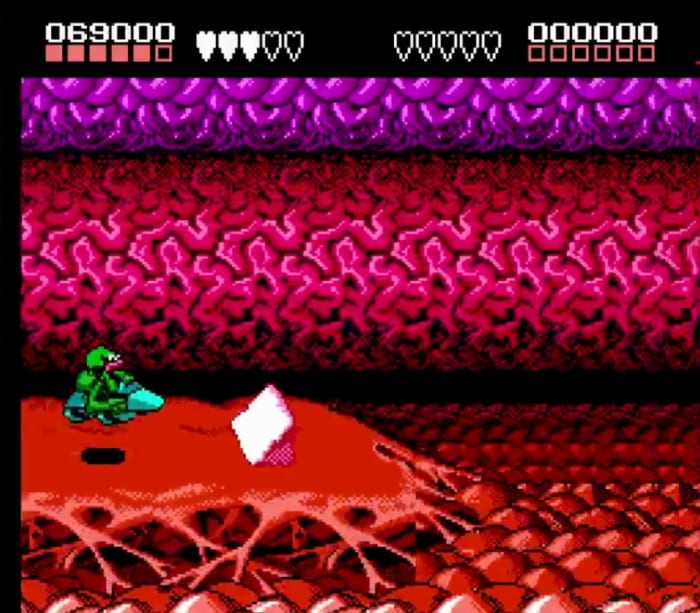
battletoads turbo tunnel frustrating

The NES days were filled with difficult games. For some sadistic reason, developers thought that because they couldn’t make very long games, they should make very difficult games, because if you retry a level ten thousand times that technically adds more replay value! Nowhere is this more important than level 3 of Battletoads.

Battletoads is already an incredibly difficult game, but this fun little racing section is what truly cements its place in the depths of Hell. The player must memorize a blazing fast race course in order to dodge and jump over barriers. Seriously, just look at this:

We know several people who played this game growing up but we don’t know a single person who has beaten this level. The Battletoads devs must’ve been a huge inspiration to the Lion King devs because this racing section also appears early in the game. Apparently, the concept of a gradual difficulty curve was not invented back then, and for that reason, we wish unending misery and a plague of frogs upon the Battletoads team.

1. Minecart Levels – Donkey Kong Country series

donkey kong country mine cart levels frustrating

We have a love-hate relationship with the Donkey Kong Country series. While it was one of our favorite franchises, there are so many rage-inducing unholy levels that it was hard to narrow it down for this list. From the icy barrel cannon level, to the suffocating water levels, to literally EVERY parrot level, the DKC games were chock-full of sadistic, blackhearted level designs.

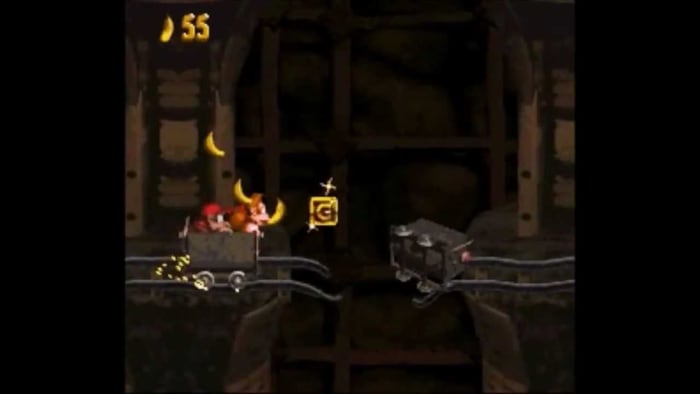
Still, even among all of the trials and tribulations that the poor apes must face, nothing in the series compares to the minecart levels. Unlike other levels, minecart sections have you uncontrollably speeding ahead in a cart on a track, leaving you with little control of your own fate. It’s up to you to have an Olympic level of reflexes and spatial awareness to make pixel-perfect jumps, dodge enemies, and hit fuel/timer barrels.

These levels are examples of the worst humanity has to offer. They filled us with a white-hot rage, the type of rage that causes rational men to do irrational things. Through burning tears and sweaty palms, we eventually managed to beat these levels, but not without sacrificing a part of my soul. To whoever designed these levels, you can take a golden banana and shove it where the sun don’t shine.

What was the most frustrating level you ever played? Let us know (or don’t, and spare us from suffering).

Supreme Court rules iPhone owners can sue Apple for App Store monopoly

Is the App Store a monopoly?

Supreme Court

The Supreme Court has ruled that iPhone owners have the right to sue Apple. The court ruled that Apple may be violating U.S. antitrust laws with its App Store. Speaking on the decision, Justice Brett Kavanaugh (who surprised many by siding with the liberal half of the Supreme Court on this matter) said: “This is why we have antitrust law, [for when] retailers engage in unlawful anticompetitive conduct that harms consumers.” It was a 5-4 decision.

Though the Supreme Court did not accuse Apple of breaking antitrust law itself, it is saying that Apple’s App Store exclusivity gives its customers the right to sue them.

Apple’s App Store is notorious for being airtight. They have an extensive approval process for their store and Apple takes 30% of all money made on app purchases (including in-app purchases). Developers who want to make apps for iOS devices are forced to play ball with this 30% cut, as Apple does not currently support any way to obtain apps other than the App Store.

Android, on the other hand, offers most of its apps through the Google Play Store, which takes a similar cut. The difference between the two platforms is that Android users can download apps through third-party sources (like Softonic or via APKs), rather than being locked in to the Google Play Store.

iOS app developers have claimed that they have had to inflate their prices to make up for Apple’s 30% cut, which they cite as the result of anticompetitive, monopolistic behavior on Apple’s part. Apple countered by saying that customers have no right to sue, as they consider the App Store to be an intermediary between customers and app developers. Responding to Apple’s claim, Justice Kavanaugh said:

“Apple’s theory would provide a roadmap for monopolistic retailers to structure transactions with manufacturers or suppliers so as to evade antitrust claims by consumers and thereby thwart effective antitrust enforcement.”

Of those who disagreed, Justice Neil Gorsuch (who, like Kavanaugh, was appointed by President Trump) argued that if Apple’s App Store policies could be considered monopolistic, then the app developers are being hurt the most, and they would have the right to sue rather than consumers.

Apple seems confident that they will prevail in this suit. In a statement, they said:

“We are confident the App Store is not a monopoly by any metric. We’re proud to have created the safest, most secure and trusted platform for customers and a great business opportunity for all developers around the world. Developers set the price they want to charge for their app and Apple has no role in that.”

The Supreme Court ruling could have huge ramifications for digital platforms with similar marketplaces to the App Store. More open digital platforms lead to a greater diversity of ideas, so moving forward this can be seen as an absolute win both for consumers and developers.

Amazon reveals job-replacing robots

Are Amazon’s packaging robots bad news for the U.S. workforce?

Amazon

An efficient, automated future may be on the horizon, but who’s getting caught in the crossfire?

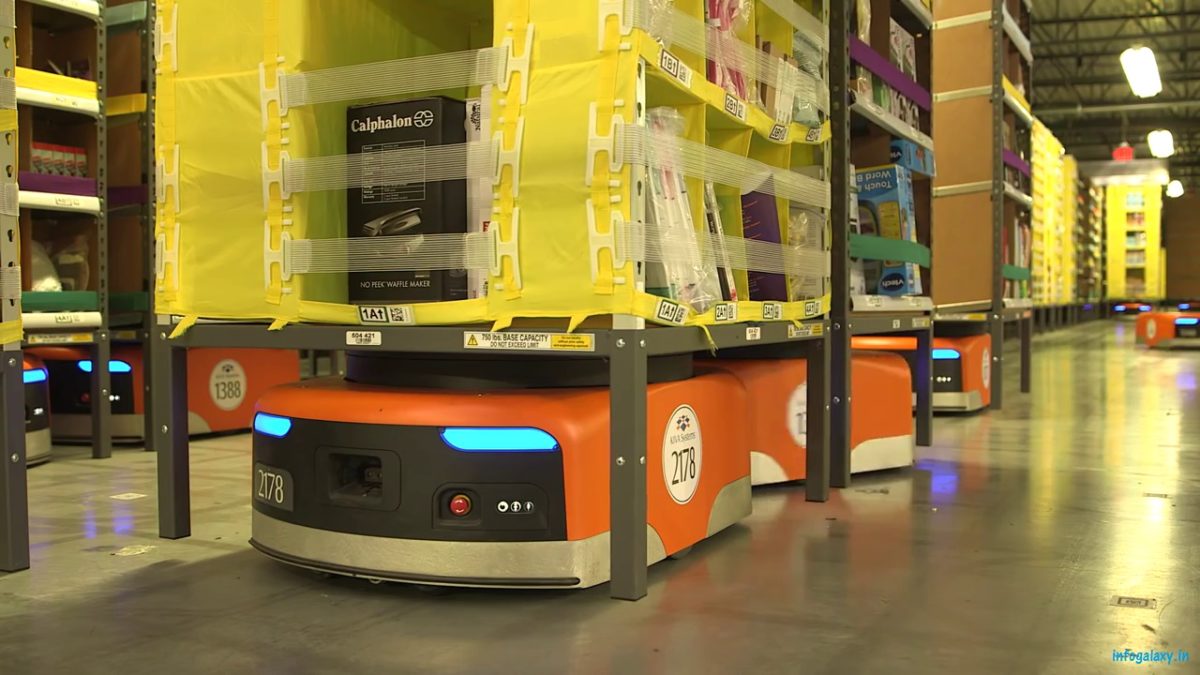
Amazon has revealed plans to add robots to its packaging facilities that would box up deliveries. This role is currently filled by human beings, but Amazon intends to introduce these robots to the majority of their facilities, potentially eliminating over 1,500 jobs.

Despite earning goodwill for creating thousands of jobs through its packaging facilities (in addition to millions in tax cuts and subsidies from the U.S. government), Amazon is pushing for as much automation as possible in its facilities. Realizing the negative press this push is getting them, an Amazon representative stated:

“We are piloting this new technology with the goal of increasing safety, speeding up delivery times and adding efficiency across our network. We expect the efficiency savings will be re-invested in new services for customers, where new jobs will continue to be created.”

The boxing robots are apparently not intended to replace jobs, but rather to fill open positions. Boxing jobs at Amazon facilities have extremely high turnover rates due to the physical stress of standing and packing for 10 hours a day. Amazon claims that its boxing employees won’t be replaced by these robots, but rather, when these employees inevitably leave, their positions will be permanently replaced by the robots. This implies that Amazon will simply wait for most of their boxing workforce to quit so that they can replace them with automation.

The robots are known as CartonWrap, and they are up to five times more efficient at boxing deliveries than humans. Employees are expected to box multiple deliveries per minute for hours on end, and while the typical employee can box around 150 deliveries an hour, the robots can box around 600 to 700.

Boxing orders is just one part of the packaging process, and human employees still pick up orders and add them to the conveyor belt among other things. Amazon is, however, attempting to add automation to these areas too. One of the biggest hurdles of warehouse automation is a machine’s ability to pick up a wide variety of items gently. Creating a robotic hand that can delicately pick up anything from a drinking glass to a lawnmower is no easy feat of engineering. Amazon is currently working with Boston startup Soft Robotics to solve this problem, which could potentially eliminate one of the biggest advantages human employees have over robots in the near future.

By getting millions in subsidies for building packaging plants and creating jobs across the U.S. and then aggressively replacing that labor force with automation, Amazon is having its cake and eating it, too. Aggressive automation will surely lead to PR trouble for the delivery giant in the future, as well as a strained relationship with the U.S. government. As American jobs are slowly drained by automation, it may be time to rethink our race for efficiency.

The best custom stages in Smash Ultimate so far

With Stage Builder’s triumphant return, which fan-man stages are the best ones for pummeling our pals?

King K Rool

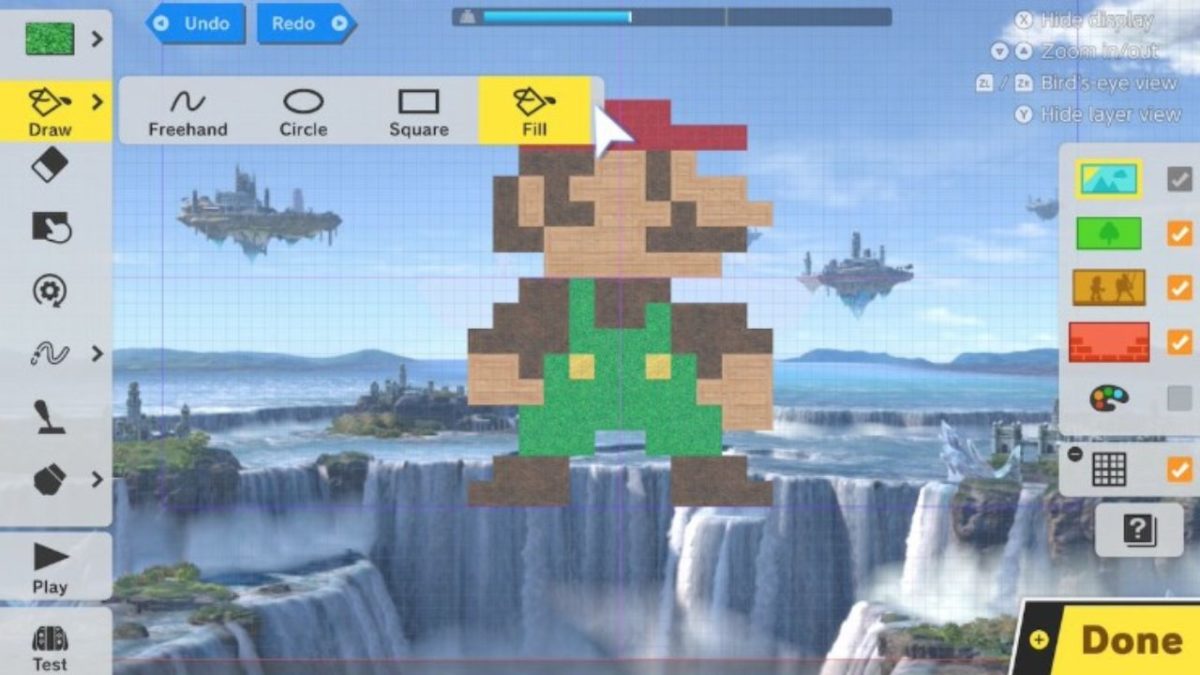
The fan-favorite Stage Builder feature is finally back in Smash Ultimate. The feature has been significantly revamped from its Brawl and Smash 4 incarnations. It now allows multiple decorative layers, custom moving platforms, black holes, bombs, and more.

The sky is the limit in terms of stages. Despite only being out for a short time, the Smash community has created hundreds of amazing (and bizarre) new fighting arenas. Here are some of our favorites:

The best custom stages in Smash Ultimate so far

5. Waluigi’s Tears

crying waluigi stage

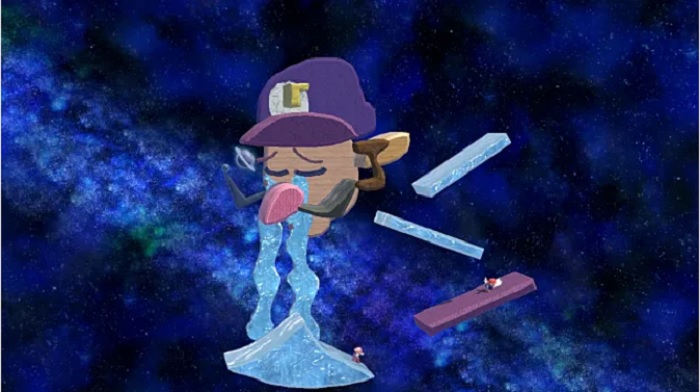
Many Nintendo fans were disappointed about Waluigi being left off the Smash Bros roster once again. Fans of the purple trickster made their displeasure known by spamming Twitter, gaining the annoyance and curiosity of the Smash fanbase at large. Now, Waluigi finally joins the battle… as a stage. While crying. Take it or leave it.

  • Name: Crying Wal
  • Creator: Liggy
  • ID: 6XT2LXCQ

4. Metal Cavern

metal cavern 64 stage builder

A remake of the Metal Mario boss stage from the original Super Smash Bros, Metal Cavern is a fun stage to play in its own right. The jagged design and floating platform make this stage a fun pick for competitors and casual players alike. Combined with the rockin’ Metal Cavern music, this stage will make you want to bust out your Nintendo 64. Still, the stage isn’t quite complete without Metal Mario’s CLANG CLANG CLANG CLANG…

  • Name: Metal Cavern
  • Creator: Torterra13
  • ID: 5F3N6NPB

3. Smash 64 Intro Desk

smash 64 intro desk stage builder

3..2..1..GO!

The desk from the beginning of the iconic Smash 64 intro is finally a playable stage.

The stage uses background and foreground layers very effectively to accurately recreate the layout and color palette of the desk. Though Master Hand is nowhere to be seen, this stage is a nostalgia-fueled blast.

  • Name: Smash 64 Desk
  • Creator: G-SUS
  • ID: BY4K8Y68

2. Snakes and Ladders

snakes and ladders custom stage

The classic board game Snakes and Ladders has been creatively remade in the Stage Builder. Using the bomb block as both a switch and a spinner, players can actually play through a version of the game.

This stage is a testament to the creativity of the Smash community, and we can’t wait to see what else they’ll come up with.

  • Name: Snakes & Ladders
  • Creator: Rainter
  • ID: LW8WDS70

1. Smashketball

smashketball stage builder

This Stage Builder classic has come in many forms, but we think Luke’s version is the most fun take on the Smashketball idea. In Smashketball, players try to launch their opponents into the hoops (cannons) to score points.

Smashketball provides a fun spin on the traditional Smash experience, and there’s nothing more satisfying than slam dunking your friend to their doom.

  • Name: Smashket-Ball
  • Creator: Luke
  • ID: 1CPHDTB0

Game Set

What Smash Ultimate custom stages are your favorite so far? Have you made any? Let us know!

Top 5 secret video game boss fights

Whether waiting for you on the highest mountain, or behind locked doors, these video game bosses are shrouded in mystery, and we love them.

Pokemon Gold Red

There’s nothing in gaming that gets your heart pumping more than a boss fight. Standing between you and the end of the stage, bosses push your skill, strategy, and reflexes to the absolute limit.

In most games, the most difficult fight in the game is against the final boss. Some games, however, feature incredibly difficult secret boss fights that most players will miss on their first playthrough. These boss fights are often game-breakingly difficult, and beating one of them is a rite of passage to calling yourself a master of that game. Here are a few of the best of these mysterious but brutal encounters.

Top 5 secret video game boss fights

5. Reptile (Mortal Kombat)

reptile mortal kombat 1
I am Reptile, find me!

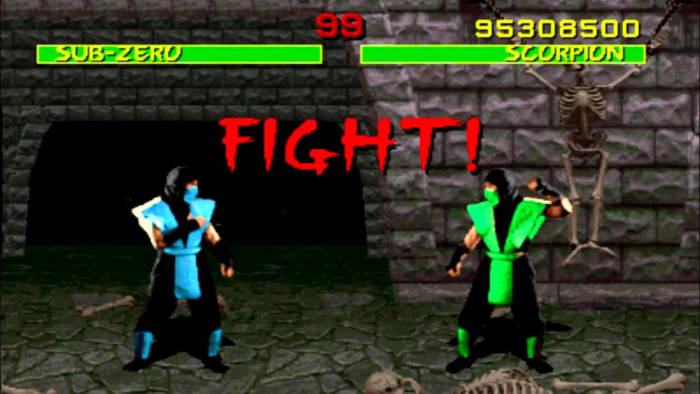
Mortal Kombat is known for its secrets more than any other fighting game. Creator Ed Boon loved messing with his players by including false hints and teases to characters that didn’t exist. This caused many kids to spend hours at the arcade trying to find hidden fighters, wasting quarter after quarter. One secret character that did actually exist, however, was Reptile.

Occasionally, the green ninja would pop in before a fight and say something cryptic like “Look to La Luna” (fight in the stage with the moon) or “TIP EHT FO MOTTOB” (“bottom of the pit” spelled backward). If the player successfully deciphered his messages and followed his instructions you will actually get the opportunity to fight him.

To fight Reptile, you must get a double flawless victory without blocking in single player on the pit stage, and uppercut your opponent into the spikes.

Using moves from both Sub-Zero and Scorpion, Reptile is no slouch. Though you won’t unlock the ability to play as him, beating Reptile gave you the ultimate arcade bragging rights.

VIDEO IS NSFW

4. Morgan Freeman (South Park: The Fractured But Whole)

morgan freeman boss fight south park
Listen to my voice, Gaze at my freckles, Guess what? You’ve just been Freeman’d

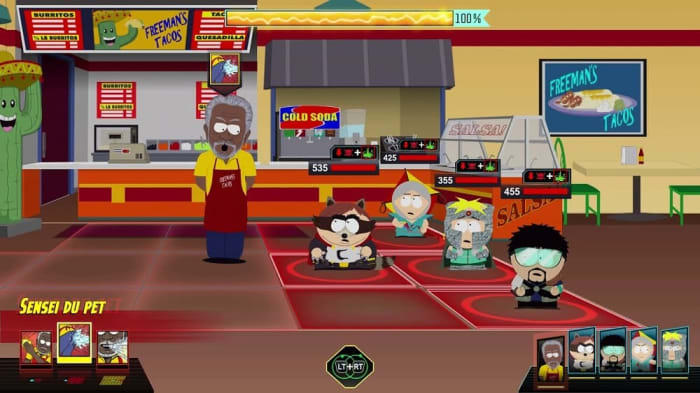
Every boss fight in South Park: The Fractured But Whole is bizarre, but even then the game’s secret boss fight against Morgan Freeman stands out as strange.

Morgan Freeman has retired from his storied Hollywood career to run a humble taco shack in South Park. Throughout the game, he serves as a friendly NPC, and the player can purchase various items from him.

However, if you walk behind the counter and hit him three times you’ll immediately start the hardest boss fight in the entire game. It’s recommended that you challenge him after you beat the game, as you’ll need every powerful summon and ability you can get for this fight. The man with the golden voice doesn’t play around.

VIDEO IS NSFW… obviously

3. Red (Pokémon Gold and Silver)

red mt silver pokemon gold silver
…!

Kids back in 1999 were shocked to discover that beating Pokémon Gold and Silver unlocked the ability to travel to the Kanto region, which is the area featured in Pokémon Red and Blue.

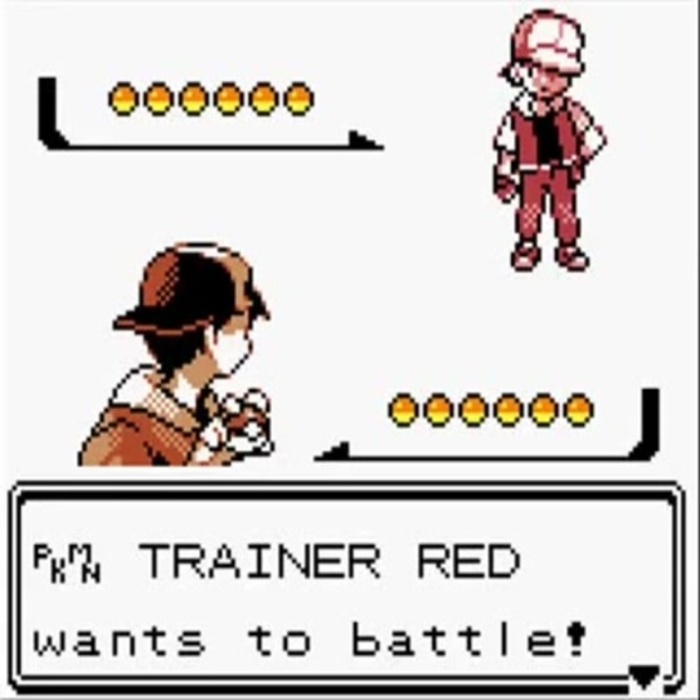
The player can explore the entire region to obtain eight additional gym badges and loads of new Pokémon. Collecting all 16 gym badges unlocks access to a new area called Mt. Silver, an incredibly difficult dungeon complete with brutal wild Pokémon. Fighting your way through this long and grueling dungeon reveals a summit with a lone familiar figure. Without saying a word, Red from the original games challenges you to a battle.

Red is the protagonist of Pokémon Red and Blue. Armed with a full party that includes Charizard, Blastoise, Venusaur, and an insanely over-leveled Pikachu, Red presents arguably the toughest boss fight in the entire series. Finding the character you journeyed with through Red and Blue was shocking at the time, and taking him down was an accomplishment that few trainers could achieve.

2. Giga Bowser (Super Smash Bros. Melee)

giga bowser super smash bros
Good luck defeating this colossus!

The Smash Bros. series is no stranger to bosses. Whether it be the mysterious Master Hand or the all-powerful Tabuu, the series has a treasure trove of original boss characters.

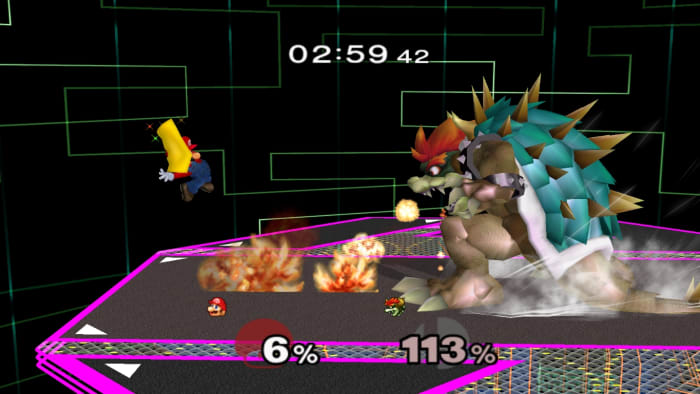
If you beat the Adventure Mode in Melee in under 18 minutes with no continues, you’re treated to a terrifying cutscene of Bowser transforming into Giga Bowser. You also have to play on a difficulty higher than normal.

Giga Bowser is more than twice as big as Bowser, and features more powerful attacks. Unlike Master Hand, Giga Bowser has a percentage meter instead of an HP meter, meaning that he must be knocked off stage to be defeated. This makes for a much more difficult fight.

Series creator Masahiro Sakurai based Giga Bowser’s design off of what he imagined when he first saw Bowser’s sprite in the original Super Mario Bros.

1. Culex – Super Mario RPG

culex super mario rpg
I am matter… I am antimatter… I can see your past… I can see your future… I consume time… And I will consume you!

Super Mario RPG: Legend of the Seven Stars was the first ever RPG set in the Mushroom Kingdom. Developed by Square, known for the Final Fantasy series, the game saw players exploring Mario’s wacky world and battling foes in turn-based battles.

Players mostly battled colorful characters straight out of past Mario games like Goombas, Koopas, and Piranha Plants. However, if the player gets a Shiny Stone and opens the locked door in Monstro Town they can fight a very, VERY un-Mario character.

Enter Culex: a purple demon with the power to control matter and time. Take another look at the character and keep in mind that you fight him in a Mario game.

culex mario rpg

Culex is a reference to Square’s own Final Fantasy series. Though he does not appear in the Final Fantasy series himself, the character’s grand design and tiny overworld sprite is a reference to the franchise.

The battle music from Final Fantasy IV even plays as you fight him, and the famous Final Fantasy victory music plays after you defeat him. Culex has two characterizations depending on if you played the English or Japanese version of Super Mario RPG. Culex is the hardest enemy in the game by far and has more health than the final boss’s two forms combined.

No matter which version you play, Culex is one of the hardest boss fights in any Mario game.

Wrapping up

For all of these titles, the core game is more than enough. The bonus hidden boss was just a cherry on top of the sundae. We are glad that they are there, and we hope we might find more in the future.

What’s your favorite secret boss battle ever? Let us know!

(function(d,s,id){var js,fjs=d.getElementsByTagName(s)[0];if(d.getElementById(id))return;js=d.createElement(s);js.id=id;js.src=’https://embed.playbuzz.com/sdk.js’;fjs.parentNode.insertBefore(js,fjs);}(document,’script’,’playbuzz-sdk’));

Excited for King of the Monsters? Here’s a brief guide to Godzilla

With a new movie around the corner, we can help digest the 60+ years of Godzilla movies for you!

Godzilla

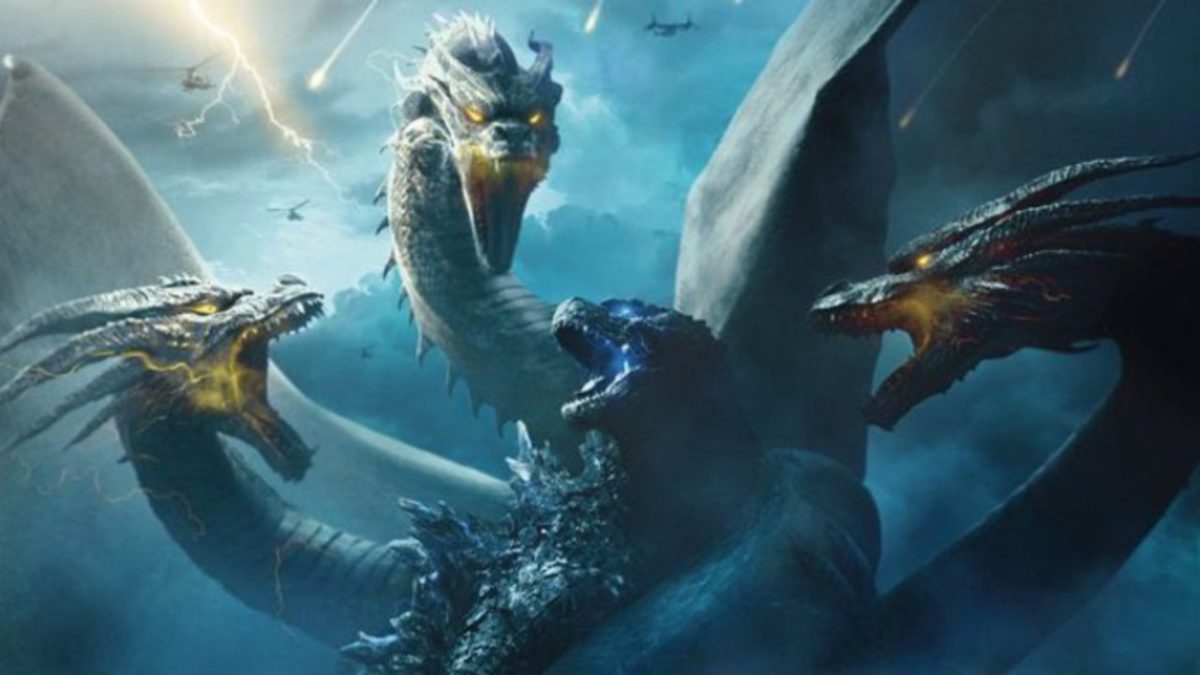
If you’ve been getting hyped up by the excellent “Godzilla: King of the Monsters” trailers, you’re not alone. The trailers have done a great job showing the film’s godlike cast of monsters as awe-inspiring forces of nature.

If you’ve been wanting to get your Godzilla fix before the new movie comes out, it can be intimidating to know where to start. There have been more than 30 Godzilla movies having been made since 1954. There are multiple timelines and continuities, so finding a starting point can be a headache. Fortunately, we are a bunch of Kaiju nerds, so we can help shepherd you through the wonderful and weird world of Godzilla.

A product of the Atomic Age

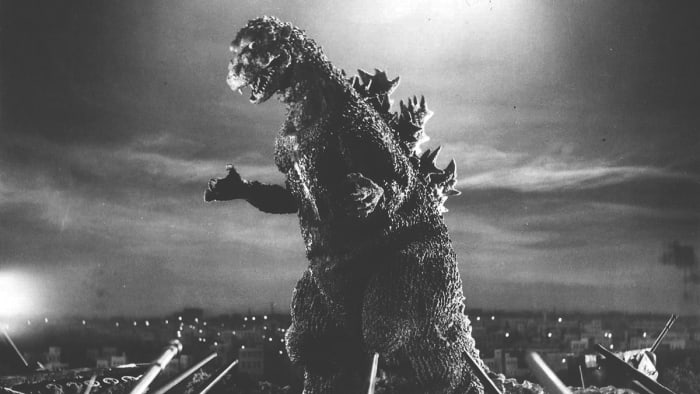
gojira godzilla 1954

While the name “Godzilla” may conjure images of rubber suits and campy action, the original film was a somber, complex, and politically charged work of art.

The film came out in Japan in 1954. In 1956, the movie was edited and featured an American actor, Raymond Burr.

The film portrays Godzilla as a walking symbol of the horrors of the atom bomb. Remember, in 1954 the atomic bombings of Nagasaki and Hiroshima were still fresh in the minds of the Japanese people.

In this film, Godzilla’s rampages are not portrayed as blockbuster fun, but as mass scale tragedy. Haunting imagery of crying children and flaming hospitals really drive the point home that Godzilla is a creation of man’s hubris, and nature will not allow humanity’s arrogance to continue.

Godzilla sad scene

The 1954 original is required viewing for anyone even remotely interested in Godzilla. While the film is in black and white and the special effects are crude by today’s standards, the film’s atmosphere and sense of biblical horror let it stand tall as a timeless classic.

The different eras

godzilla eras

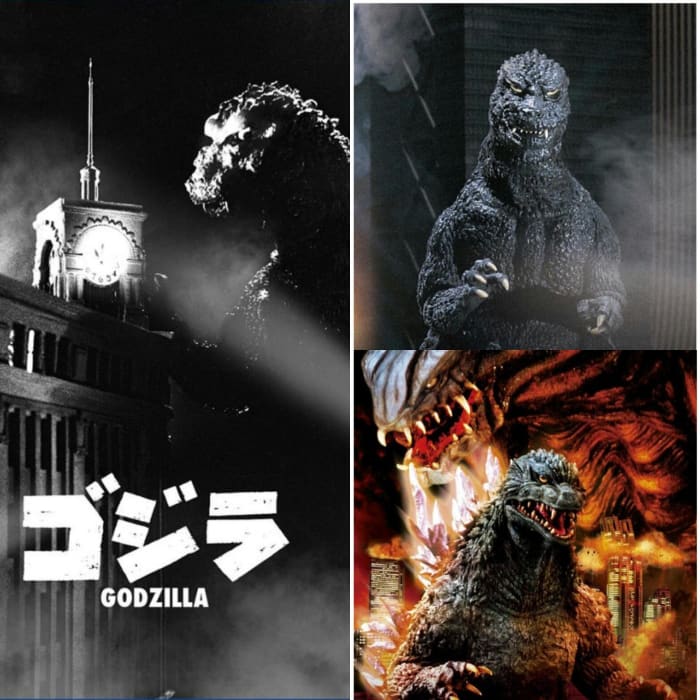
The 30+ films in the Godzilla franchise can be organized cleanly into three different eras, each named for the Japanese emperor at the time. The American films do not fall into these eras and are considered separate series/continuities.

The Showa era

King Kong vs Godzilla

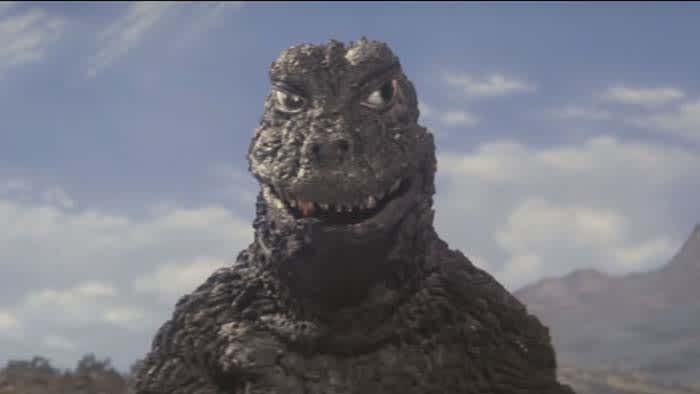
The first era, the Showa era, was characterized by wacky, humorous, and cheesy monster antics that were aimed towards children.

Just watch this scene:

Godzilla is alternatively depicted as either a monstrous villain or a noble protector who defends humanity from other monsters. The cheesy action and over-the-top special effects were influential in Japanese entertainment for years to come. They helped shape the tokusatsu genre that birthed shows like “Kamen Rider” and “Super Sentai.

The most notable movie of this style is “King Kong vs Godzilla.” It was the first color Godzilla movie, the first appearance of King Kong in a Godzilla movie, and an inspiration for the upcoming Legendary “Godzilla vs Kong” film.

However, not every Showa era film was cheesy brainless fun. Several films of this time were more serious in nature and served as introductions to several key figures in the Godzilla mythos. This includes Mothra, Ghidorah, and MechaGodzilla.

All the monsters of this era eventually collided in the battle royale style film “Destroy All Monsters,” which had Godzilla defending the Earth against all of his most fearsome enemies. If you don’t like the sillier Showa style, then these films will be more your speed.

The Heisei era

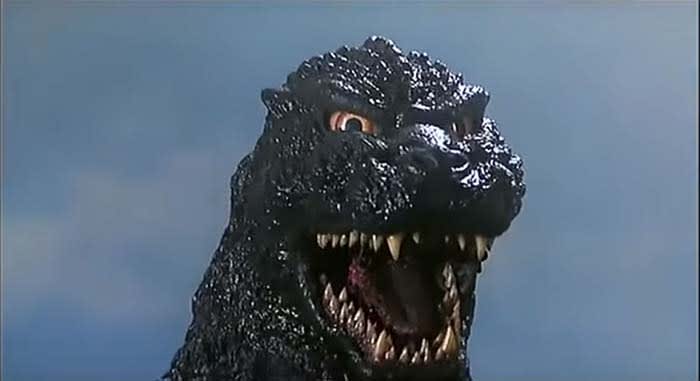
Godzilla vs Space Godzilla

The second era of Godzilla films is known as Heisei. Ignoring the events of every Showa film minus the original, the Heisei era returns Godzilla to his roots. Once again, he is an unstoppable force of nature rather than an anthropomorphic superhero.

Subjects such as genetic tampering are represented by various monsters such as the plant-like Godzilla clone Biollante and the mutated space creature SpaceGodzilla. The films also play off of the general nuclear fears felt by those living in the shadow of the Cold War.

The first film of the era was “Return of Godzilla ” also known as “Godzilla 1985” in America. It was a fearsome return for the king of the monsters.

The film “Godzilla vs King Ghidorah” features a time-traveling adventure that retells Godzilla’s first meeting with his greatest enemy. The movie recreates Godzilla’s origins showing a more tragic background.

The era ended with “Godzilla vs Destoroyah.” It is a sad and poignant film that ties nicely with the 1954 original. In it, Godzilla dies from his own radiation. However, he goes out swinging in one of the best films in the whole franchise:

The Millennium era and the tragedy of Godzilla 1998

Godzilla 1998

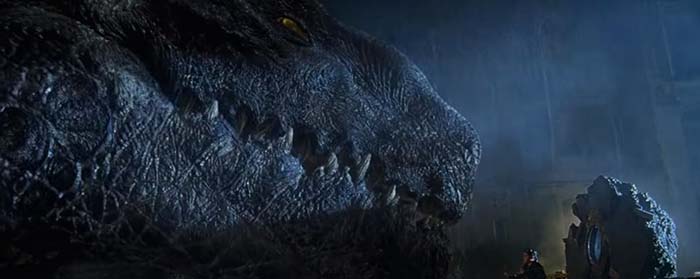
In 1998, Americans tried to make a Godzilla movie but failed miserably. The film was so bad that Japan went back to making Godzilla movies with 1999’s “Godzilla 2000.” They also renamed the American Godzilla “Zilla,” and killed it off in “Godzilla: Final Wars.”

This was the dawn of the Millennium era, which is mostly a series of unconnected anthology films. Basically, it’s a “greatest hits” series for Godzilla. The era reimagines classic Godzilla stories and monsters, culminating in the amazingly fan-service-filled “Godzilla: Final Wars.”

The series has a lot of great entries like “Godzilla Against MechaGodzilla” and “Godzilla: Tokyo S.O.S.”All in all, it was a fun era. We even got more great campy scenes like when Godzilla did a body slam on Megaguirus:

Since the Millennium era, we have gotten other Godzilla films. These include “Shin Godzilla,” the 2014 film from Legendary Pictures, and three films on Netflix.

Long live the king

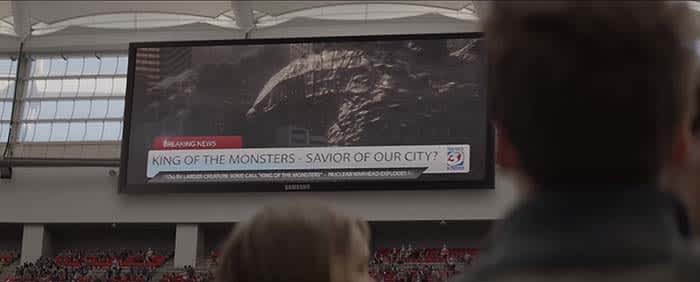
Godzilla 2014 ending

Whether you prefer the cheesy action of the Showa series, the darker political drama of the Heisei era, or the fan-servicey Millennium series, it’s a great time to be a Godzilla fan.

“Godzilla: King of the Monsters” is gearing up to be a treat for longtime fans and new audiences alike. We can’t wait to see more atomic action in the future.

5 weirdest gaming accessories ever made

You put the controller where? Check out the weirdest video game controllers we could find!

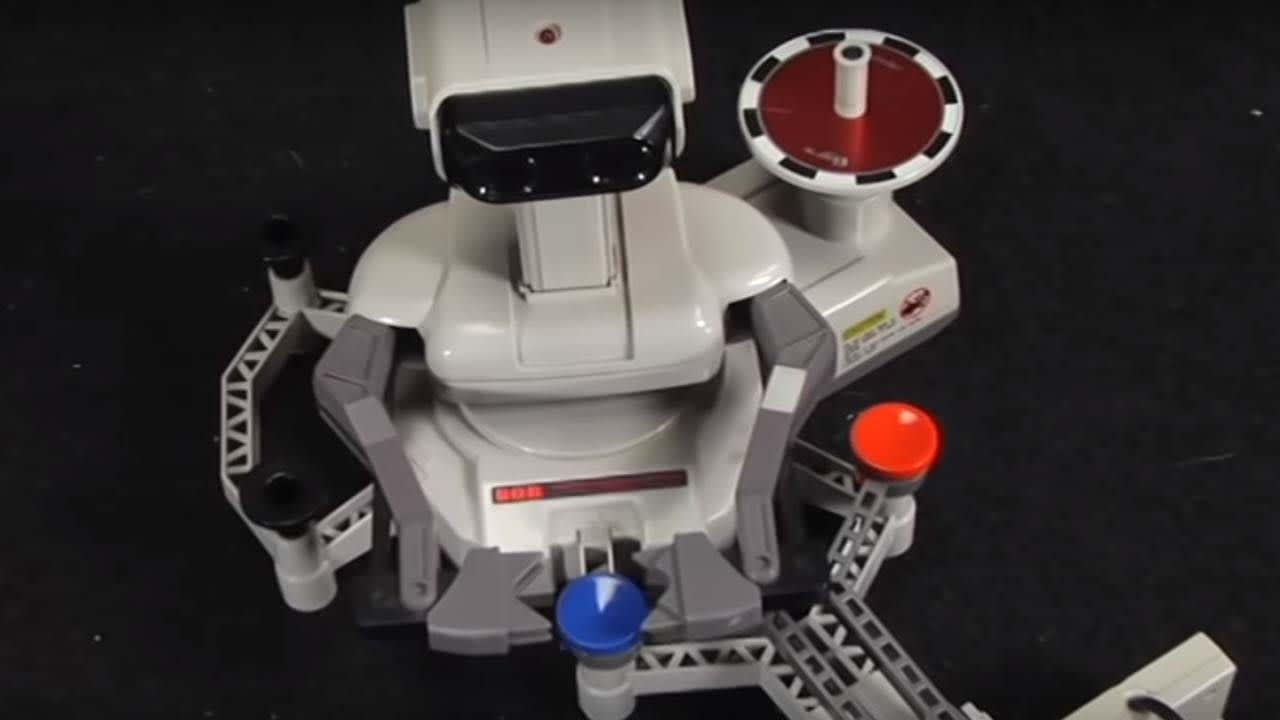
ROB

To quote the Angry Video Game Nerd, the most important part of a game is “being able to play it, of course.”

From the novel Atari joystick to the revolutionary Wii Remote, there have been hundreds of controllers over the years. Most controllers today have a standard layout with four face buttons, four shoulder buttons, and two joysticks.

However, some developers took it upon themselves to think outside of the box. What resulted were some mishmashes of plastic and circuitry that most people couldn’t have ever imagined. For this list, we took the weirdest options we could find that someone thought was going to revolutionize gaming.

Top 5 most bizarre gaming accessories ever made

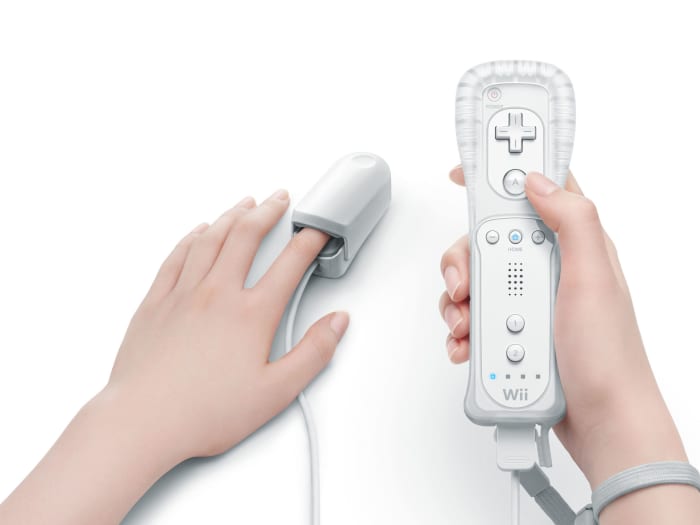
5. The Wii Vitality Sensor

wii vitality sensorOut of all the major gaming companies, Nintendo has always been the most willing to experiment when it comes to hardware. The Wii Remote became a cultural phenomenon for its basic design and ease of use. Sadly, not every Nintendo controller can be the Wii Remote.
Enter the Wii Vitality Sensor: a product that would’ve clipped onto your finger to detect your pulse. The sensor would then send this information to the game, changing it in various ways. For example, a horror game could send something to scare you if it felt your pulse was getting too low. While an interesting idea in concept, the peripheral was mocked brutally by the gaming press when it was revealed at E3 2009. In the end, it ended up being canceled.

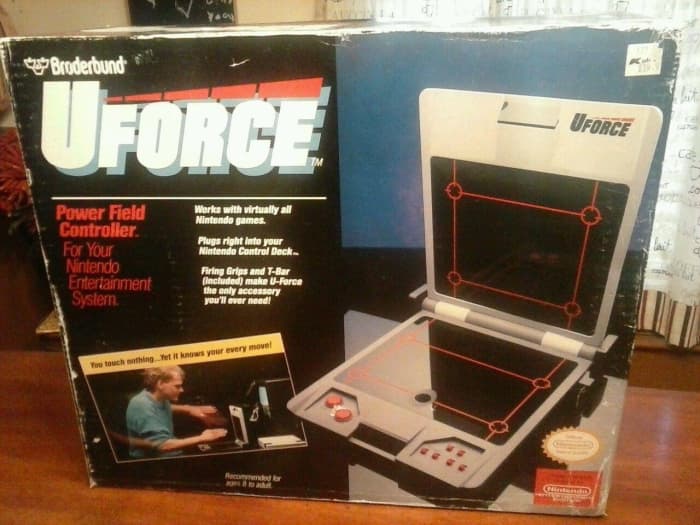
4. U-Force (NES)

uforce nesWhat’s one thing all video game peripherals have in common? Buttons. Apparently, nobody told the developers of the U-Force, a bizarre accessory made for the NES back in the late ’80s.

The U-Force projects a “three-dimensional power force” from its black screens. Players wave their hands around to control their games. Each game required a different code to work (similar to the Power Glove).

While most games would be awkward to control by waving your hands around, certain games actually get more fun. For example, Mike Tyson’s Punch-Out has you punching into the power field to make your character punch on screen. For such a weird controller, the U-Force is shockingly functional.

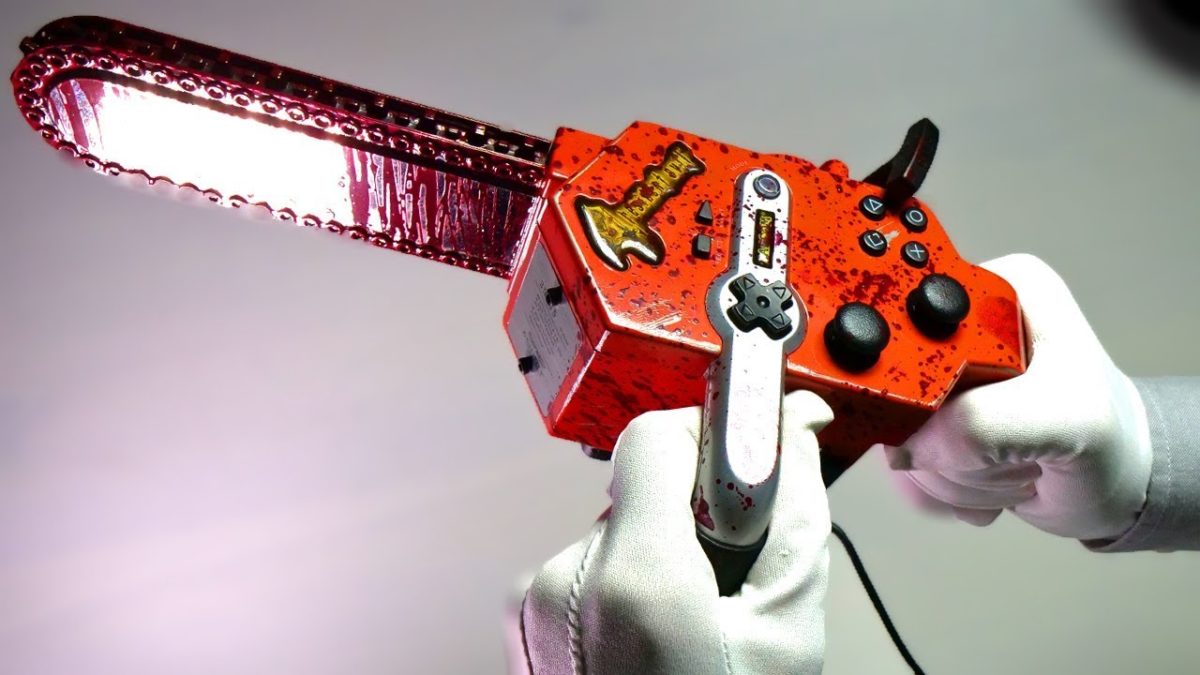
3. Resident Evil 4 Chainsaw Controller (PS2 and Gamecube)

chainsaw controller

Easily the most gruesome controller ever made, the Resident Evil 4 Chainsaw controller is certainly something. Have you ever been to a friend’s house and they hand you a crappy knock-off controller? Imagine them handing you this. You’d run screaming out of the house before even stopping to think if the bloodstains were real.

The possibilities of this controller for shenanigans are hilarious. Can you imagine playing Kirby with this thing? Madden? Mario Kart? It’s just so brutal that there’s basically no game you can play without feeling weird besides Resident Evil 4. In fairness, that game is horrifying, so you’ll probably wildly swing your controller around in fruitless fear at least once or twice.

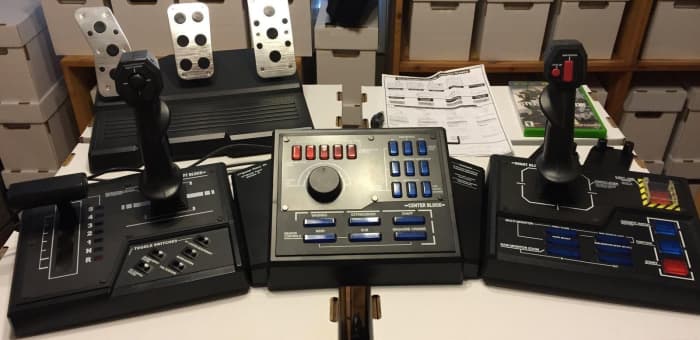
2. Steel Batallion (Xbox)

steel battalion xbox controller

This is a controller that doesn’t mess around. Made in 2002 this controller has more than 40 buttons, three pedals, and two joysticks. Clear out the living room because this massive beast requires a ton of space to set up. You might as well plop the rest of the mech down if you’re gonna buy this behemoth.

Most of the buttons light up, and they offer feedback to feel as realistic as possible. Before starting every level in Steel Battalion, you must initiate the startup sequence on your controller. This involves hitting many switches and buttons. If you’re even remotely interested in giant robots (and who isn’t?) this controller is the coolest thing in the entire world.

To give you an idea of just how crazy this thing is, here’s the startup sequence in action:

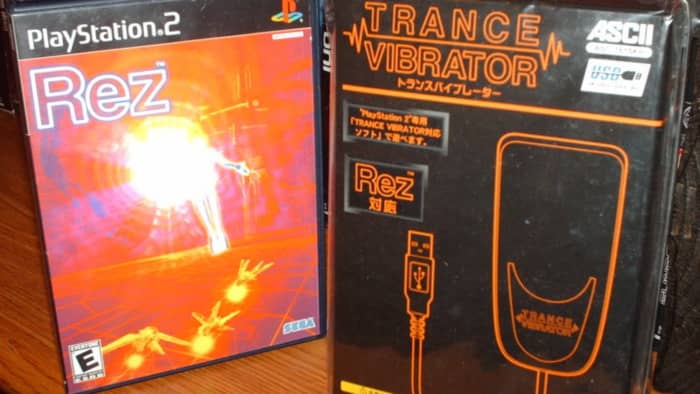
1. Rez Trance Vibrator (PS2)

rez trance vibrator controller

We’ve heard of rumble packs in games, but this is ridiculous.

Rather than feeling the vibrations from the intensity of the game in your hands, you’d feel them, uh, a little further south. 

This controller was only released in Japan… for obvious reasons. This might’ve been an awkward one to ask Santa to get you for Christmas.

The designer of the Rez Trance Vibrator, Tetsuya Mizuguchi, said that the controller was never meant to be used in any X-rated way. However, users had other ideas and smoked a cigarette once they were done.

In conclusion

Okay, so this journey took us to a weirder place than we imagined. We hope that we were able to give you an insight into the weird world of game controllers. We also hope that you are inspired to keep the controller in your hands, and out of your… well, out of anywhere else you might want to put it.