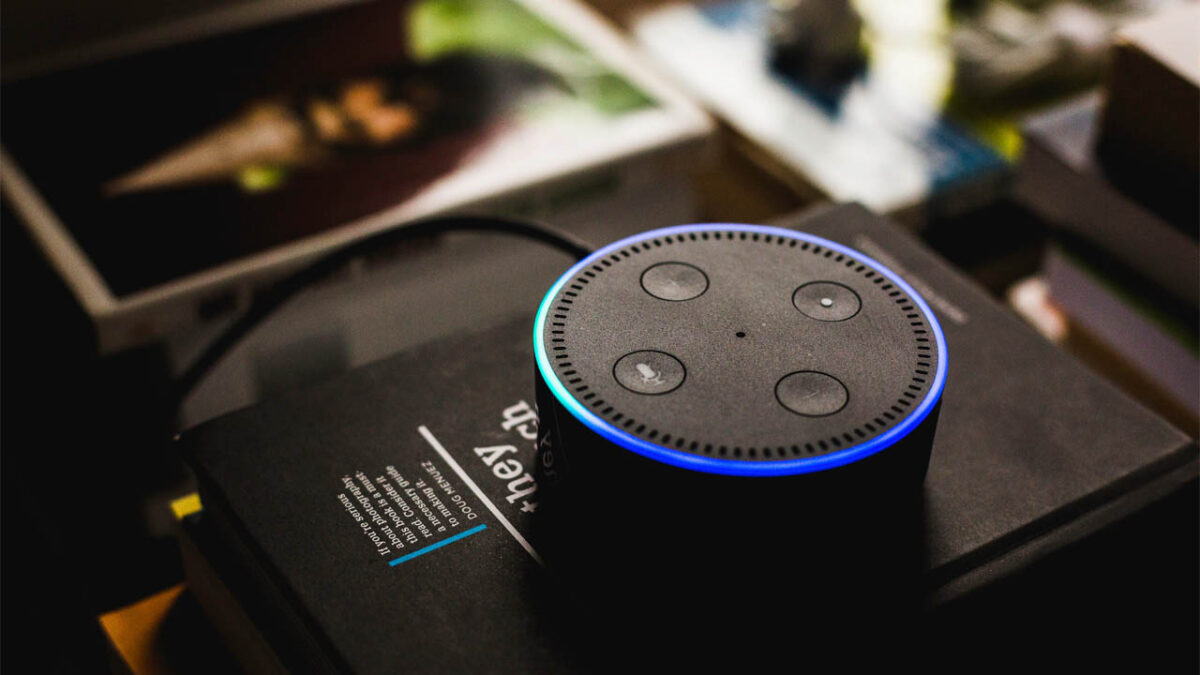
Amazon Muzzles Alexa in Massive Job Cuts Move

Andy Jassy, Chief Executive at Amazon, has been driving a cost-cutting review at Amazon to reign in costs, especially in sections that haven’t been profitable, and bring the retail and tech giant back onto a stable footing. Alexa may be in trouble, too.

Sales of consumer goods, like electronics, have fallen in recent months as inflationary pressures hit many households. At 38% market share, Amazon has the majority share of online commerce, but its market share has stagnated in recent years. Many new entrants to the online sphere are in direct competition with Amazon.

The Amazon Devices Unit, which includes Alexa, has been the recipient of enormous amounts of capital but has an operating loss of more than $5 billion annually. Many of these employees will find themselves without employment in the coming months, as notice comes that up to 10,000 staff will be laid off.Alexa was a pet project by Amazon founder Jeff Bezos. It was intended to be sold via low-cost hardware to the mass consumer market.

When released in 2014, the intention was to sell products from the Amazon website to generate revenue when orders were placed through Echo hardware using Alexa as the interface between the customer and the system. Though Alexa fielded millions of interactions each week, most were to play music or ask for mundane things like a weather report. These interactions meant no money in Amazon’s revenue stream.
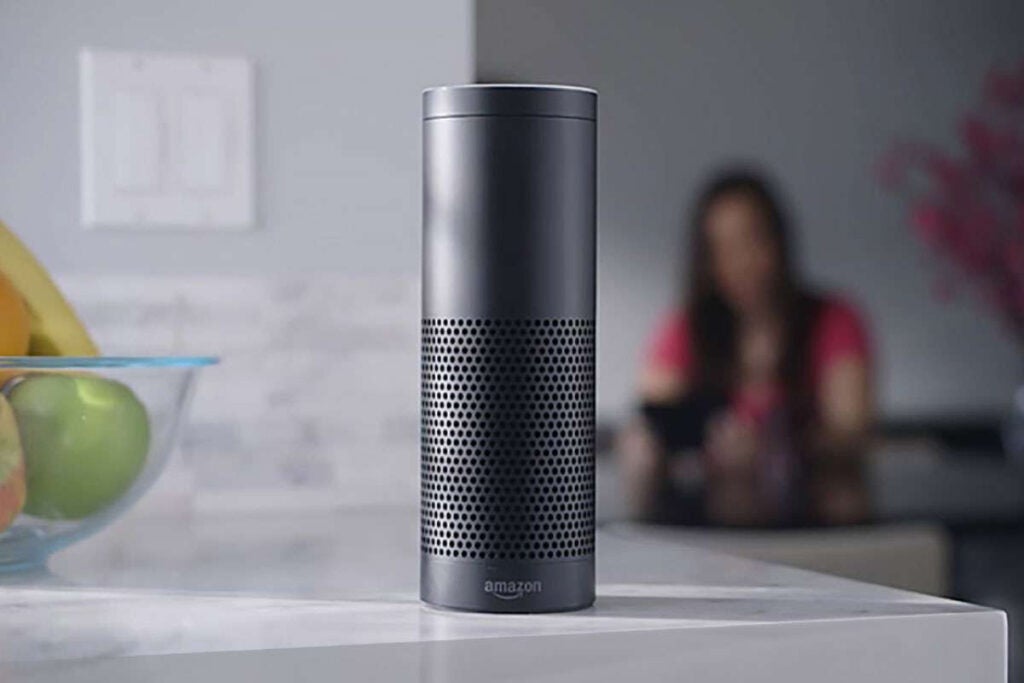
Alexa Staff Face Massive Cuts

Amazon’s leadership team has taken a very close look at Alexa. The primary issue facing Amazon executives is that a recent report indicated that people still use very few Alexa functions, so injecting further capital into this functionality seems futile. Amazon responded by claiming that usage of Alexa functionality has climbed by 30% in the past year.

The most popular features of Alexa have mostly stayed the same since it was first released. The elements used most often by customers are shopping, playing music, and controlling functionality in smart homes. Management indicates that Amazon is committed to Alexa, and there are no plans to discontinue this service. The software remains an integral part of Amazon’s stable of products, but with a reduced workforce.
The BBC is working its own version of Alexa and Google Assistant

The BBC is launching its own AI voice assistant called Beeb that will specialize in understanding regional accents


Amazon’s Alexa and the Google Assistant are everywhere now. It is fair to say that AI assistants have caught on a big way, even if they’re still far from perfect products. One of the ways that AI assistants can improve is through better understanding the commands we throw at them. If you’re an American reader, you might not feel like this is an issue that needs too much attention. Across the pond, however, British users might understand a little more as often US-developed AI assistants can struggle with different regional accents from across the British Isles.

For such a small place, the UK has a lot of diverse accents and more often than not Alexa and the like can’t get to the bottom of them. This has led to the British Broadcasting Corporation, more famously known as the BBC, taking things into its own hands.
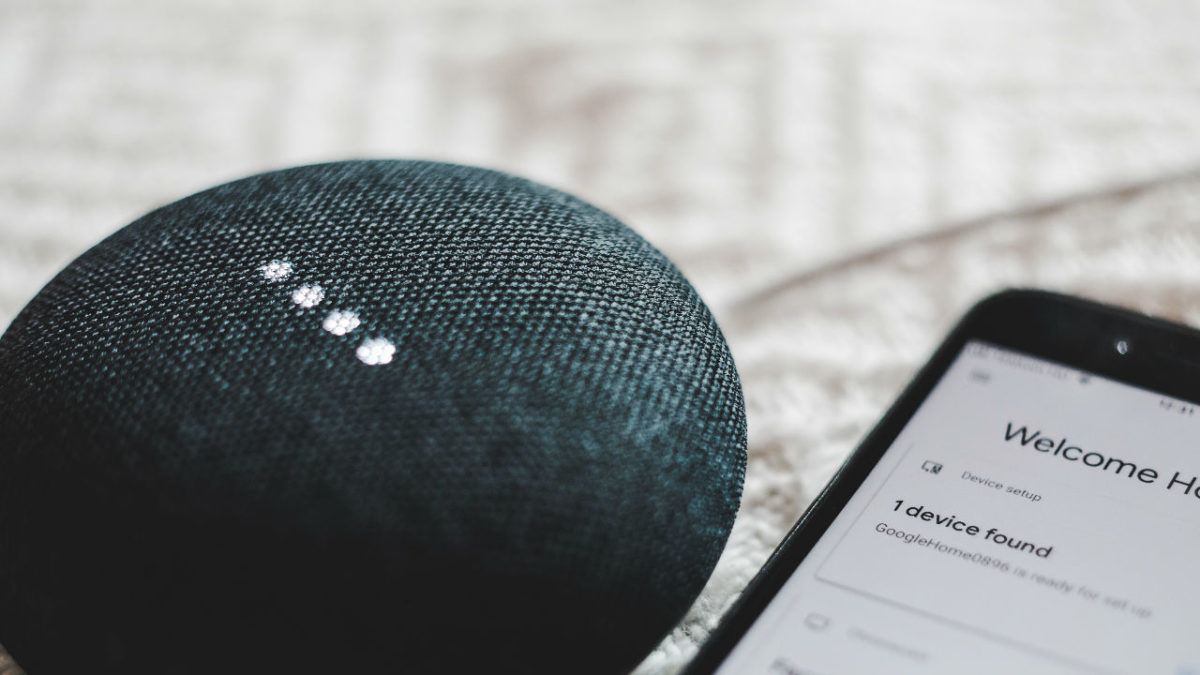
The BBC is launching its own AI voice assistant called Beeb that will specialize in understanding regional accents

An in-house team at the BBC is working on a new voice assistant called Beeb, with a hope to launch in 2020. According to a report by the Guardian, there are no plans to launch any standalone hardware product to go with Beeb. There are plans, however, to integrate Beeb into other BBC products like the iPlayer app on smart TVs, and the corporation’s website. There are also plans to make Beeb available to other manufacturers who might want to use the smart assistant in their products.

The Guardian reports that the Beeb team have been recording the voices of BBC staff up and down the British Isles in a bid to train the assistant on all the different accent and dialect variations the UK has to offer.

Although Beeb will have a wake word like the Google and Amazon offerings, the BBC smart assistant won’t be able to perform nearly as many skills as the US-developed alternatives. When it launches next year, users will be able to activate the BBC smart assistant by calling out “Beeb” but will then be limited to the types of skills you’d expect a media corporation to need their AI assistant to be able to understand. The main function, however, will be understanding regional accents.

There is no word in the report on whether BBC will allow the likes of Alexa and Google Assistant to take advantage of its regional accent understanding abilities. It doesn’t look likely, however, as a BBC spokesperson claimed another reason behind Beeb’s development is a lack of trust in the other assistants. The spokesperson said, “People know and trust the BBC, so it will use its role as public service innovator in technology to ensure everyone – not just the tech-elite – can benefit from accessing content and new experiences in this new way.”

Judge asks Alexa for help in murder trial

If you’re a British user of either Google Assistant of Amazon Alexa, then you probably shouldn’t be expecting Beeb to start helping your AI assistant to understand you any better some time soon. That doesn’t mean they won’t start working on your accent independently though. As is usually the case with big tech firms, if they see a good idea, they’ll likely try to copy it. With voice control being one of the main draws that AI assistants bring to our smart homes, and with the UK being such a big and lucrative market, working on understanding regional accents there is definitely a good idea. Or as they say in Liverpool, a boss idea. Definitely one that could spread.

Google Assistant: Humans are listening to your recordings

Who’s really listening to you?

Google Assistant

Just when you thought owning a Google Assistant was less risky than owning Alexa, this happens.

A third-party language expert hired by Google leaked audio data recorded with the Google Assistant. 

How did this happen?

Google uses hundreds of human private contractors to review some recorded conversations from Google Assistant.

In this particular case, the issue is the Dutch language. Google may not care what you say, but they do care how you say it. To teach the Assistant to function better, Google may need to rely on humans to convey the nuances of a particular syntax. An algorithm for English may need to behave differently from a Dutch algorithm. Bring in a human to “translate” to the machine, and the results should become better over time.

languages

One of these contractors leaked more than a thousand Google Assistant audio recordings to a Dutch publication.

Why? It involves your privacy.

Your Google Assistant activates when you use the wake word (“OK, Google” and “Hey, Google.”) Conversations with your Google Assistant are supposed to be recorded only after you use the wake word.

However, Google Assistant has been known to mishear things and activate without its wake word being said. When this happens, the conversation is still recorded. Of more than a thousand recordings, the Dutch publication noted that 153 should not have been recorded – the wake words were never spoken. Do the math and that’s a 15% error rate. Not good.

Google Assistant Download now ►
8

This leak, of course, violates Google’s data and security policies. But the whistleblower was drawing attention to an important issue. The problem isn’t that the Assistant was recording the audio – that’s stated in the terms and conditions. The problem is that you cannot completely control when the Assistant records something… and you can’t control if a human will hear it.

VRT NWS says the recordings have included:

  • Bedroom conversations
  • Chats between parents and children
  • Professional phone calls with lots of private information
  • Medical questions
  • Pornographic searches
  • A woman facing physical violence

You can actually hear some of these recordings in the video at the bottom of their article. In some cases, the reporter finds the person who was speaking and plays their recording back to them.

The moral implications are enormous. And security experts say these recordings could be used anywhere. A recording of your own voice could possibly be used against you in court. And if Google or its contractors overhears domestic abuse, should they report it to the police or let the incident go?

This is a modern day “trolley problem.” If Google does nothing, they could be allowing crimes to continue unabated. If Google intervenes, owning an Assistant would be like inviting a police officer to be your roommate. And if Google intervenes selectively, what are its boundaries? And who decides them?

How is Google responding?

Today, Google posted: “Our Security and Privacy Response teams have been activated on this issue, are investigating, and we will take action. We are conducting a full review of our safeguards in this space to prevent misconduct like this from happening again.”

What protection do you have?

As Google points out, “You can turn off storing audio data to your Google account completely, or choose to auto-delete data after every 3 months or 18 months.”

If you’re worried about privacy, it might be best to hold off on buying an Assistant until this issue is solved. (Though it may never be truly safe.)

Not an isolated problem

If you have an Amazon Alexa, this issue is nothing new. Human employees have shared recordings from that device as well.

Remember that any device with a camera or microphone could be exploited to record you. And anything you type into a keyboard could be logged as well. It’s best to use a browser and a search engine that defends your privacy, use a VPN, and think twice before allowing permissions to any app you download.

Google and Facebook make their money by marketing your data, so you may want to consider alternatives whenever possible. But we get it, the convenience is a big draw. Stay safe out there, internet friends.

Amazon’s Alexa to start dispensing health advice

Amazon thinks its new NHS-backed Alexa service could especially help patients who are old, blind, or who don’t otherwise have access to the internet.

Amazon Alexa and a doctor

In what is probably the whackiest tech news of the day, Alexa users in the UK can now turn to their Alexa smart speakers for NHS health advice.

The NHS is the UK’s state provided healthcare service. The move means that Alexa will be able to use NHS information, which has been verified by health professionals to answer health-related questions.

What does all this mean though? Are we heading into a future where the traditional doctor doesn’t exist and what about all the privacy concerns relating to smart assistants in general and Alexa specifically?

Amazon thinks its new NHS-backed Alexa service could especially help patients who are old, blind, or who don’t otherwise have access to the internet

The new partnership between Amazon and the NHS has been spearheaded by NHSX, which is an NHS body tasked with bringing digital technology to NHS patients. The idea has been well received by the UK’s Royal College of GPs with chairwoman, professor Helen Stokes-Lampard saying, “This idea is certainly interesting and it has the potential to help some patients work out what kind of care they need before considering whether to seek face-to-face medical help, especially for minor ailments that rarely need a GP appointment, such as coughs and colds that can be safely treated at home.” Stokes-Lampard did have a number of caveats to add though.

As you’d expect from a well-respected medical body, the Royal College of GPs called for independent research to be carried out to ensure that the advice being given by the Amazon assistant is safe and correct.

If you’ve ever been told by Google that you’re going to die when you’ve searched about a minor headache, you’ll know why this is important. Over-zealous advice could end up sending more people to doctors unnecessarily.

As well as the legitimacy of the advice being offered, the other major concern is privacy. How does doctor-patient confidentiality work, if you’re discussing your health issues with a smart speaker connected to a global corporation?

A NHS hospital
The new scheme could relieve pressure on hospitals and GPs but also raises a number of concerns

There have been some worrying developments relating to Alexa recently, with it coming out that Amazon has been keeping transcripts of interactions with Alexa, even after users had deleted them. Even worse is the news that some Amazon employees have had access to these transcripts and even shared the ones they thought were interesting with their colleagues.
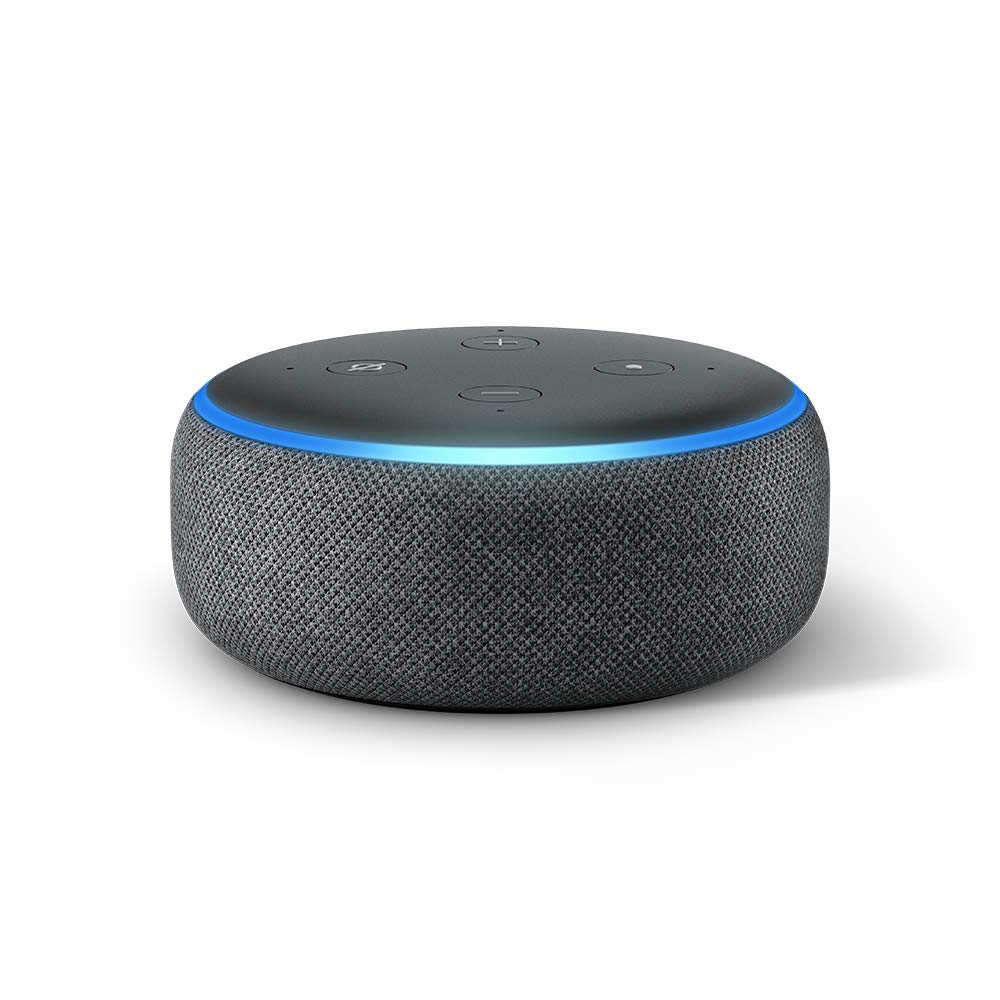
This is an issue that has already been picked up by the British privacy advocates Big Brother Watch. The organization has called the moved a data-protection disaster waiting to happen with director Silkie Carlo saying, “Encouraging the public to give their private health details to one of the most aggressive corporate data guzzlers is astonishingly misguided… This scheme will likely result in people being profiled and targeted by data brokers based on their deeply personal health concerns.” It might not just be people laughing at our private medical information, it could end up being sold just like the rest of our data too.
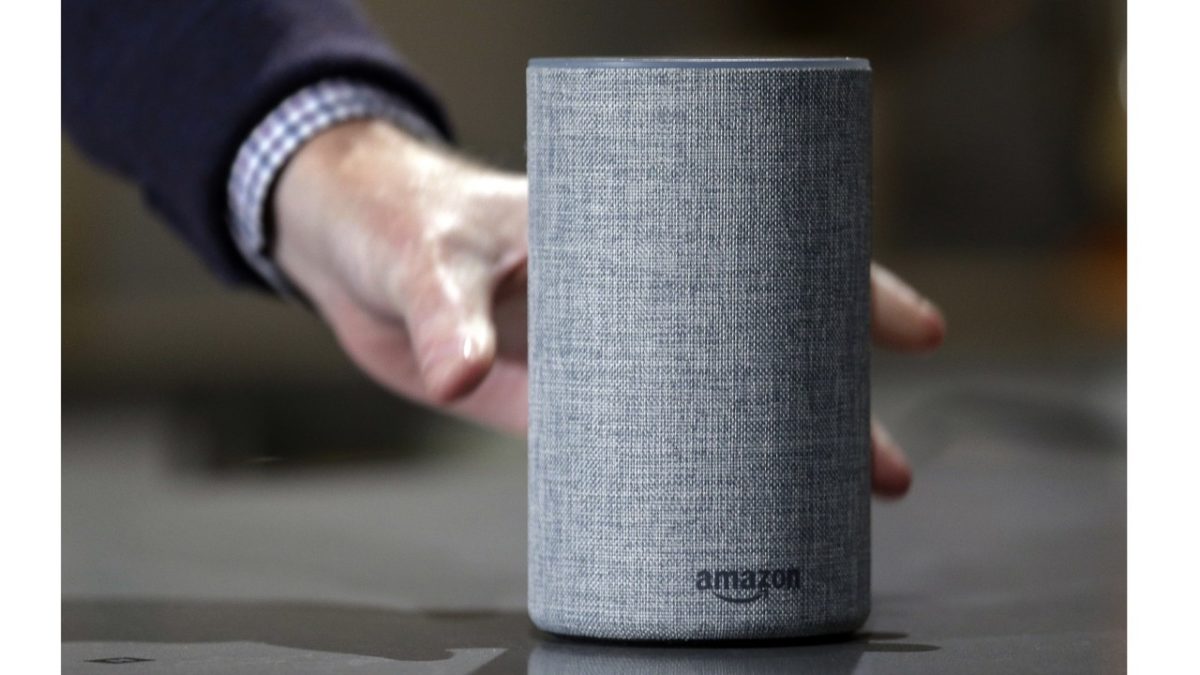
With healthcare being such a huge market, the big tech companies have been looking for ways in for years now. Those organizations aren’t without their fair share of health-related problems either. The UK government might have given Amazon a leg-up in its bid to establish itself as a healthcare provider that can be trusted and relied upon.

The truth of the matter, however, is that whereas this move could help relieve under pressure GPs up and down the UK, through answering questions about basic and simple medical related questions, there are plenty of concerns that need addressing before we can rely on our smart speakers to give us sound and private medical advice.

Amazon Alexa keeps conversations forever and shares them

Alexa transcripts with customers are being stored despite users requesting that they be deleted.

Alexa

“Alexa, erode my privacy.”

Recently, Senator Chris Coons (D-Delaware) sent a letter to  Amazon with privacy concerns about the Alexa. Specifically, Coons asked about how long Alexa keeps user data, and how they use it. 

Amazon responded by saying that Amazon kept transcripts of interactions with Alexa, and, in some cases, kept them even after customers “deleted them.” As Coons later tweeted, Amazon was not clear about what is done with these transcripts and who they are being sent to:

Here’s Amazon’s response.

Why does Alexa record conversations in the first place?

Alexa listening

As Amazon said in its letter to Coons, Alexa is constantly evolving and getting smarter. In order to do this, it needs to learn more about human language to better understand us.

As Vice President of Public Policy for Amazon, Brian Huseman wrote to Coons, “Training Alexa with voice recordings and transcripts from a diverse range of customers helps ensure Alexa works well for everyone.”

However, there is already evidence of our conversations being used for malicious purposes. It was recently revealed that Amazon employees are listening in on us through Alexa, and are sharing conversations they find interesting with other employees. 

The idea that Amazon employees could possibly be hearing intimate moments in our homes, and are sharing them is disconcerting.

How do I delete the conversations that Alexa recorded?

Alexa

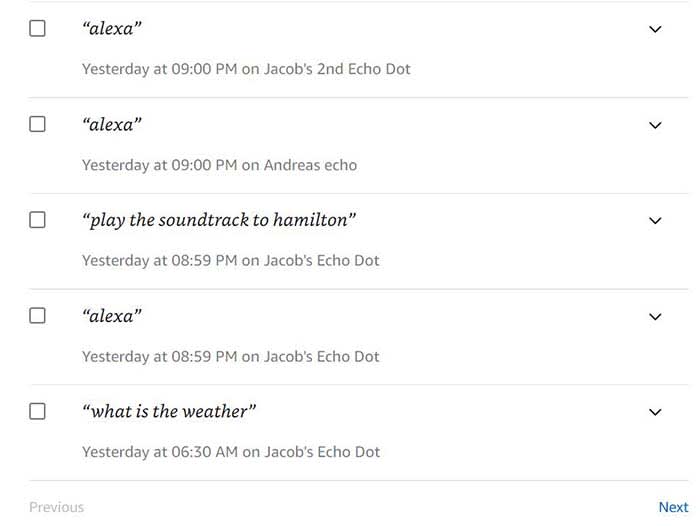
If you want to see what conversations Alexa has recorded, you can either access the Alexa Privacy Settings on your Alexa app or click here to view them on your browser. 

Amazon Alexa Download Free ►
9

From here, you can listen to the recordings, and delete whichever ones you’d like. However, according to the letter from Amazon, not all transcripts will be deleted. For example, the letter said that transcripts that deal with transactions and routines often won’t be deleted even if you manually delete them.  According to the letter, deleting those completely could stop routines from occurring and are required for transactions. As these were just examples, what now begs to be seen is what other conversations is Alexa keeping, and who is she sending them to.

What should you do?

Some of you might be about to use Alexa as a hockey puck and slapshot it as far away from you as possible.

The problem is that Amazon is far from the only company that has serious privacy concerns. Apple products have been known to record us, and don’t even get us started on Facebook.

If these privacy issues concern you, it might be time to ditch Alexa. However, please realize that there are plenty of other things in your life serving as microphones to the outside world.

Amazon is rumored to be working on Alexa-powered AirPod competitor

Can Amazon overthrow Apple in the great earbud war?

Once again, Apple has set a trend, and once again, the other tech giants are trying to outdo them.

It’s no secret that the hugely popular and frequently-memed AirPods are a hit with consumers. Wireless earbuds are a rapidly growing market, with over 12.5 million pairs being sold in the last quarter. AirPods make up a whopping 60% of those sales. Amazingly, AirPods made up 7% of Apple’s total revenue last year.

Airpods

Rumors suggest that Amazon is working on creating its own line of earbuds, hoping to stand out in the crowding industry by including its voice assistant Alexa in every pair.

While AirPods contain Siri integration, Alexa is significantly more versatile, which could prove a key selling point for Amazon’s earbuds. Alexa has been a key part of the e-commerce giant’s strategy recently, and the company hopes to integrate the technology into as many devices as possible.

Amazon is striving for the simplistic aesthetic and clipless design that made AirPods popular, but with better audio quality. The earbuds will reportedly come with a charging case similar to the one used with AirPods.

The earbuds are reported to be released in the second half of 2019.

Amazon employees use Alexa to listen to you

Security threat or innocent feature?

As the days go by, Alexa is turning more and more into HAL 9000.

A recent article from Bloomberg shows that thousands of Amazon employees listen to you through your Alexa.

Employees track data from conversations to help Alexa better understand human speech. That helps Alexa respond quickly and efficiently.

However, Amazon employees also like to share recordings of interesting conversations they overhear. That private conversation you had with your significant other might not have been as private as you thought.

Amazon Alexa

If this freaks you out, it might be time to switch to Google Home.

In one instance, employees overheard what they believed was a sexual assault. When they reported the matter to their supervisors, they were told it wasn’t Amazon’s job to interfere. (Prime Directive much?)

“We have strict technical and operational safeguards and have a zero tolerance policy for the abuse of our system,” Amazon wrote in an email to Bloomberg. “Employees do not have direct access to information that can identify the person or account as part of this workflow. All information is treated with high confidentiality and we use multi-factor authentication to restrict access, service encryption and audits of our control environment to protect it.”

The FAQ section for the Amazon Alexa has a few more answers. When asked if Alexa is recording all of our conversations, Amazon responds with a resounding, “No.” Later in the section, it also reiterates the email to Bloomberg saying that it uses some recordings to help further human speech understand.

Sadly, technology spying on us is nothing new.

Our laptops, smartphones, and even some of our apps have all served as microphones and cameras for prying eyes and ears.

The best thing that we can do is to research these products before putting them into our home. If a company blindsides us, we need to remove the product and voice our outrage.

If Alexa is only using our conversation data to improve, that’s one thing. However, Amazon needs to conduct an internal investigation to determine whether or not employees are recording private conversations for their own amusement.

Alexa is not the first device to listen in on us, and it won’t be the last. The device still has many great features you can try. However, next time you are having a private conversation, remember that someone else might be listening.

Smart home trends to watch this year

Discover the cool tech that everyone will have in their homes in the coming years.

Gartner predicted in 2017 that Internet of Things use would top 8.4 billion connected devices by the year 2020. We’re almost there, and interestingly, it doesn’t feel like we’re living in a world where IoT rules our lives.

But it’s undeniable that the smart fridge, Alexa, Google Home, and connected cameras have earned a place in the mainstream.

Cambridge technology company Arm commissioned a survey from research firm, Northstar to uncover the trends and expectations global consumers have for technology in 2019.

The results revealed consumers were expecting more energy efficiency, increased device flexibility, and high-tech healthcare tools.

What’s interesting is that the study demonstrates a shift in thinking. Earlier smart home devices were more convenience or novelty, and kind of felt like a showcase for what we can expect in the future. Now, we’re seeing things that speak to the mundane, like smart leak detection.

Still, tech trends for 2019 are looking pretty diverse. We’ve compiled a list of trends featured at CES and elsewhere, you can expect to see more of soon.

Smart home trends for 2019

smart home

Smart screen command centers

We saw Amazon launch the Echo Show, Google its home hub, and there’s Facebook’s entry, the Portal. Smart screens had a strong showing in 2018, though much of the technology was limited to smaller displays.

This year, larger smart screens, TVs, rather, are entering the mix.

LG has been solidly building a smart home strategy over the past few years, as has Sony and others. With Alexa-enabled TVs filling up Amazon, it’s only a matter of time before our virtual assistants start upgrading to newer, bigger homes.

Smart mirrors

smart mirrors

Smart mirrors bring voice search and a variety of applications into the bathroom. Sure, smart mirrors sound like a frivolous piece of technology, but their appeal is undeniable.

So, as you get ready for the day you can ask Alexa about the weather, play your favorite songs, or get your morning news update. Brands like Seura offer access to your calendar, email, and a long list of apps, allowing for voice-activated control and the option for touch navigation.

The smart mirror is the perfect high-tech upgrade for those considering a remodel anyway — though it certainly falls into that category of things you never thought you’d need.

Enhancements for dumb tech

Many home automation companies have started making smart-enabling devices that take your basic devices and well, make them smarter. Basically, you’ll now be able to buy a smart relay, which controls analog devices with tech like Bluetooth or Z-Wave.

Smart relays have been around for a while but digital assistants like Google Home and Alexa have made the technology more appealing. We’re bound to see more applications in the near future — think old technology like CD players, record players, and VCRs, equipped with the convenience of our day.

Energy efficiency expands

Energy efficient devices are going mainstream. From LED lights to low flow shower heads, we’ve long had a handful of methods aimed at reducing consumption. But, 2019 brings more to the home than energy efficient bulbs.

Take Mysa, for example, a smart home application that allows you to use your phone to control your heat. According to the company, the app can reduce your spend by up to 60% — and works with most electric baseboards.

mysa thermostat IoT

And then there are the smart leak detectors and water valve controllers. Leak detectors alert homeowners when water is detected in places it doesn’t belong. This allows you to get ahead of a burst pipe or leaky appliance before the damage spreads.

leak detector with app

A practical smart home application, a leak detection device can lead to major savings in damage.

Final thoughts

In the end, it’s interesting to see that 2019’s smart home innovations include more than speakers and screens. It might not be the year where we finally adopt IoT solutions across the entire home, but between the smart mirrors and the leak detectors, it’s clear that day is just around the corner.

Hey Google, fix my marriage

Google Home and Alexa can predict if a couple is struggling and even interrupt arguments

google married couple

Virtual Assistants are gaining more valuable skills every day. From turning the lights on and making our coffee in the morning to making our kids’ story time more magical they are continuously finding new and whimsical ways of impressing us humans. New research, however, has discovered that AI assistants like Amazon’s Alexa and Google Assistant could help us solve some very real and very serious problems.

Google Home and Alexa can predict if a couple is struggling and even interrupt arguments

According to a study by the Imperial College Business School, virtual assistants will soon be able to make predictions on whether a relationship or marriage is going to be a success. Worryingly, the researchers behind the study believe that in as little as two years your Google Assistant will have a 75% chance of successfully predicting whether your marriage will be a success or not. Will you have the balls to say, “Hey Google, is my marriage going to succeed?” It is not all scary news though.

The study has found that the always-listening devices will analyze the acoustics of all the verbal exchanges between the couple, ranging from normal conversations to arguments. Over time, it would be able to differentiate between the different types of exchange and even step in should a heated argument be taking place. The researchers believe that these meditations would be an excellent time to offer advice and something they are calling “democratizing counseling.”

This could be particularly good news for women in heterosexual relationships. The study referenced research that shows men tend to analyze issues more and deal with them in a direct and factual way. ‘Report talk,’ as it is referred to by the study, works well in everyday life but doesn’t help to build healthy or stable relationships.

According to Aparna Sasidharan from Imperial College Business School, “AI can pick up missed cues and suggest nudges to bridge the gap in emotional intelligence and communication styles. It can identify optimal ways to discuss common problems and alleviate common misunderstandings based on these different priorities and ways of viewing the world. We could be looking at a different gender dynamics in a decade.” As an independent algorithm, your AI assistant would be able to offer objective mediation when both of are you are convinced you are right.

As well as looking at how always listening AI powered devices could mediate in ongoing relationships, the research also looked into how AI could help people who are looking for love and still haven’t found it. The research predicts AI going through users’ psychological data, taken from wearable technology and genetic code. This will then be used to predict sexual chemistry among users. The research says that match-making will be carried out in the romantic surroundings of computer labs.

AI looks like it will become more and more entwined in our romantic lives. This news could easily fall on both sides of the spectrum. You could either be happy to hear that we’re going to get much-needed help in the affairs of the heart or disturbed that science seems set to start squeezing the magic out of love. We’d love to know your thoughts in the comments below.

Judge wants to use “Alexa” as evidence in murder trial

Could your smart device send you to jail?

Judge asks Alexa for help in murder trial

Alexa, can you solve this murder?

A New Hampshire judge overseeing a double murder trial has called on Amazon to release data from an Amazon Echo that was present during the crime. The judge is asking for partial records of the device, meaning that he is only seeking information that is relevant to the trial.

Amazon itself considers the recordings to be customer information and is refusing to release the recordings “without a valid and binding legal demand properly served on us.” This means that if the prosecution doesn’t obtain a warrant of some kind, Amazon will not willingly release the recordings. It should be noted that it’s possible that the Echo did not record anything about the murder, but we’ll never know for sure unless Amazon releases the information.

Amazon has a history of resisting attempts by the legal system to obtain data as evidence. Back in 2015, prosecutors similarly tried to get recordings from an Amazon Echo present during a murder. Amazon called upon their First Amendment rights to protect their data but eventually relented (the recordings ended up not being enough evidence to convict the suspect).

Over 39 million Americans have smart speakers in their homes. With so many smart speakers installed at home and in the workplace, some experts say these devices normalize the feeling of never being alone.

Though Amazon’s official stance is that Echo devices don’t record any sound until they hear the “wake” word (which on their devices is “Alexa”), we can never truly know if they are recording additional information. This gives Amazon a treasure trove of data, which is incredibly useful to them as they fine-tune their marketing algorithms to target specific people and get them to buy more stuff. And yet, Amazon refuses to release a tiny bit of that information that could potentially put a dangerous murderer behind bars. Again, the prosecutors aren’t requesting a detailed history of all recorded data on the Echo device, just the recordings of the night of the murder.

Amazon isn’t the only tech giant that withholds its data from the law. In 2015, Apple famously refused to unencrypt data from an iPhone used by one of the San Bernadino shooters for the FBI. Reactions to Apple’s decision were highly polarizing, with most tech giants like Twitter, Microsoft, and Facebook supporting Apple. Many feared that if Apple gave in and created FBI-exclusive iPhone encryption software, that they would abuse its power. In this case, the FBI was looking to access the shooter’s entire phone, while in the New Hampshire case the prosecution is only looking for recordings from the night of the murder.

What do you think Amazon should do? Let us know!