Mentally control your devices with a brain chip

Would you allow an object in your brain if you could talk to computers?

“Even in a benign AI scenario, we will be left behind,” Elon Musk spoke glumly of our pathetic odds in the wake of an AI apocalypse like something out of “Terminator” or “Avengers: Age of Ultron.” While we’re not enlisting the help of The Vision or Sarah Connor just yet, there is a kernel of truth here: We’re integrating more sophisticated tech into our phones, our appliances, our houses, and our cars – but we’re leaving behind one valuable part of the equation – us.

Mass Effect synthesis ending
Integrating AI and organic life? Mass Effect did it first.

Musk’s strategy is not to try and one-up ourselves over tech; in his eyes, that’s a lost cause. But if you can’t beat ’em, Musk advises we join them.

“I think with a machine interface we can go along for the ride and effectively have the option of merging with AI,” he said. He’s proposing a (very ambitious) concept of how to do just that.

The idea

Symbiosis between human and machine has been a sci-fi concept since the days of Doctor Who and Star Trek, and because (or despite?) of its mainstream appeal, we’ve largely dismissed notions of making science fiction into science fact. Elon Musk is heading a new project to insert a computer connection directly into a human brain, creating a true cybernetic future, and have already taken the first steps with chimpanzees.

“The monkey was able to control the computer with his brain, just FYI,” Musk said proudly. The team expects to be ready to move testing to human subjects by next year, and the process is allegedly as safe and painless as Lasik eye surgery.

Star Trek Next Generation Picard
Picard rocking an early prototype of Elon Musk’s chip

Why this is new

If you’ve heard of similar tech, that’s because it (sort of) already exists: There are scattered FDA-approved devices that are intended for the disabled. Examples include a deep-brain stimulation device that helps people with Parkinson’s disease control their tremors.

Musk’s new implant chip would be created by Neuralink, his own brain-computer interface start-up. Neuralink is Musk’s own private company that he created back in 2016, and is based out of San Francisco. There’s one major difference that will bring Musk’s project to the forefront: The process.

The process

The chip itself is a thread-like device that’s thinner than a human hair. It’s so thin that the grafting procedure looks almost like sewing. Neuralink has a computer system set up so that during this process the grafting avoids blood vessels on the surface of the brain.

These flexible threads are actually a thin cellophane-like material that insulates the conductive wires which link to a series of tiny electrodes.

“One of the big bottlenecks is that a mechanical drill couples vibration through the skull,” said Max Hodak, Neuralink’s president and one of the company’s founders, “which is unpleasant, whereas a laser drill, you wouldn’t feel.” Since the device itself is so thin, it would far less invasive than our current tech.
Elon Musk brain chip
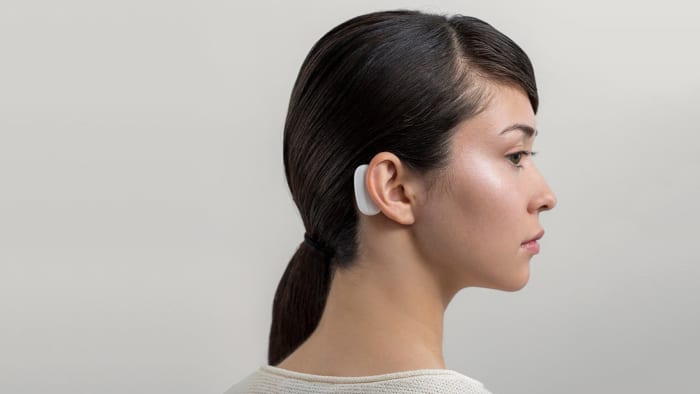
The new chip would be as subtle as a hearing aid.

Once the procedure is complete, the implant is wirelessly connected to a receiver worn behind the ear. The receiver communicates with a computer or smart device, and voila! You can talk with electronic appliances with your mind.

A whole can of worms

While this is some serious next-gen, cutting-edge thinking, is it really for the best? We’re up to our eyeballs in privacy issues with email, messaging, texting, and phone calls. Do we really want people to access cloud data with a chip in their brain?

Facebook had to wade through red tape just to give us a new camera. This is a thousand times more invasive! If any of this tech comes to fruition, we need to seriously evaluate what it means about our consent and privacy.

Facebook Portal
Remember when we were mad at Zuckerberg about Facebook Portal? Imagine that you control that screen with your mind.

For better or worse, there are some definite roadblocks for Neuralink to tackle in the coming year. Researchers still need proof that the insulation of the neural threads can survive long periods (plastic can deteriorate in the salt solution of the brain’s environment!), and moreover they’re not the only company trying their hand at the puzzle.

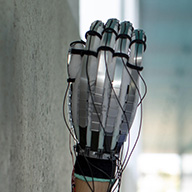
Facebook’s been working on a “non-invasive” device that lets you send messages with your mind, and even the Pentagon’s been financing similar research. They’ve already created interfaces that allow for quadriplegics to independently manipulate robotic limbs in order to accomplish tasks like drinking or picking up small items.
On the other hand, Elon Musk is no pushover. We’re talking about a guy who successfully launched and landed heavy rockets and has a lot of financial backing to push his projects to completion. As of July 2019, Neuralink has received $158 million in funding (of which, $100 million came from Musk himself) and is employing a staff of 90+ people.

Do you think this is a crackpot pipe dream, or are we heading towards a future where we can turn on the TV just by thinking it? Let us know if you’d be interested in getting this brain chip, and stick with Softonic for the latest in tech news!


In-flight displays could be watching you

Look closer on your next flight. Airlines have admitted there are cameras pointed at you.

displays

Can’t we catch a break? It’s bad enough Android apps are stealing our data, and hundreds of millions of our emails have been exposed. Now we’ve got to worry about our in-flight movies spying on us too?

Apparently, we do, as three major airlines have already confirmed our fears: United, American, and Singapore Airlines not only admit to having cameras placed beneath viewing monitors, but they have no plans of removing them. “These cameras on our newer IFE systems were provided by the original equipment manufacturers,” Singapore Airlines said in a tweet. The justification for what otherwise seems an egregious breach of trust is that while the cameras are there, they are not actively watching passengers. “We have no plans to enable or develop any features using the cameras,” they immediately explained.

Good to know they’re not already watching us, at least, but honestly it’s small comfort. Will passengers even be aware should they be turned on? If you think this sounds like a scandal waiting to happen, you’re not alone.

Which begs the question …

Why are there in-flight cameras to begin with?

So if these cameras are not on, what’s the point? “This is a standard feature that manufacturers of the system have included for possible future purposes such as video conferencing,” a United spokesperson explained.

Panasonic Avionics (the maker of the IFE system) acknowledged the outrage by arguing their actions were in compliance with General Data Protection Regulation (GDPR), the data protection law for the European Union. “Our cameras have never been activated on United aircraft,” a spokesman of United Airlines assured, “and we have no plans to use them in the future.”

Some may be assuaged by this claim, but let’s address the elephant in the room: Just because an airline isn’t spying on its passengers with in-flight cameras doesn’t mean a third-party hacker can’t easily access them. After all, if a hacker can slip into someone’s home via IoT devices, who’s to say it’s not possible on a major airline?

Inflight displays
Turns out that movie you’re watching is also watching you.

“As far as IFE is connected to the Internet, there is a possibility of remote hack and espionage if such devices can be activated in software,” said Kaspersky’s Vitaly Kamluk.

The Airline Passenger Experience Association (APEX) asserts these fears are misplaced, however, with their CEO Joe Leader claiming that “the greatest risk to airline passenger privacy breaches come from their own smartphones, tablets, cameras, computers, and smart devices used in private settings.”

Kamluk disagrees, arguing that “the true risk comes from potential unauthorized access to these devices from powerful malicious attackers.” Until a scandal breaks out we’re likely not going to know who’s right here. On the other hand, could this technology one day be praised for its benefits?

Can these be helpful?

Maybe we’re asking the wrong questions. Like all manners of new technology, the benefits may outweigh the risks. After all, there are still millions of people on Facebook despite the numerous privacy risks. Likewise, can we benefit from in-flight cameras?

Leader argues that there are several advantages to these cameras: “Since the advent of the smartphone a decade ago, airlines realized that they need to be thinking ahead to serve the future travel experience,” he said in a statement. “The systems selected years ago are now on aircraft today and in many cases will be on aircraft for the next decade. With explicit customer permission, airlines will be able to provide better service and safety to their passengers using new technology.”

Inflight display
Could in-flight cameras make air travel safer or more convenient?

It’s not unthinkable that these cameras could prove useful, sending alerts if passengers are suddenly sick, or monitoring for incidents like assault, theft, or human trafficking. “Airline passengers are typically tracked outside the aircraft dozens of times on a typical journey through stores, security, roadways, and airports by cameras without any permission,” says Leader, the point being that if there’s no outcry about it outside the plane, why should there be one on the plane? “In contrast, airlines only want to use cameras in the future with permission when technology has advanced to offer personalized service improvements that passengers desire.”

Do you think these cameras will help improve flight safety and convenience? Or is this a breach of privacy and trust that needs to be answered ASAP? Let us know in the comments below, and stay tuned for more.

Smart home trends to watch this year

Discover the cool tech that everyone will have in their homes in the coming years.

Gartner predicted in 2017 that Internet of Things use would top 8.4 billion connected devices by the year 2020. We’re almost there, and interestingly, it doesn’t feel like we’re living in a world where IoT rules our lives.

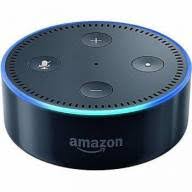
But it’s undeniable that the smart fridge, Alexa, Google Home, and connected cameras have earned a place in the mainstream.

Cambridge technology company Arm commissioned a survey from research firm, Northstar to uncover the trends and expectations global consumers have for technology in 2019.

The results revealed consumers were expecting more energy efficiency, increased device flexibility, and high-tech healthcare tools.

What’s interesting is that the study demonstrates a shift in thinking. Earlier smart home devices were more convenience or novelty, and kind of felt like a showcase for what we can expect in the future. Now, we’re seeing things that speak to the mundane, like smart leak detection.

Still, tech trends for 2019 are looking pretty diverse. We’ve compiled a list of trends featured at CES and elsewhere, you can expect to see more of soon.

Smart home trends for 2019

smart home

Smart screen command centers

We saw Amazon launch the Echo Show, Google its home hub, and there’s Facebook’s entry, the Portal. Smart screens had a strong showing in 2018, though much of the technology was limited to smaller displays.

This year, larger smart screens, TVs, rather, are entering the mix.

LG has been solidly building a smart home strategy over the past few years, as has Sony and others. With Alexa-enabled TVs filling up Amazon, it’s only a matter of time before our virtual assistants start upgrading to newer, bigger homes.

Smart mirrors

smart mirrors

Smart mirrors bring voice search and a variety of applications into the bathroom. Sure, smart mirrors sound like a frivolous piece of technology, but their appeal is undeniable.

So, as you get ready for the day you can ask Alexa about the weather, play your favorite songs, or get your morning news update. Brands like Seura offer access to your calendar, email, and a long list of apps, allowing for voice-activated control and the option for touch navigation.

The smart mirror is the perfect high-tech upgrade for those considering a remodel anyway — though it certainly falls into that category of things you never thought you’d need.

Enhancements for dumb tech

Many home automation companies have started making smart-enabling devices that take your basic devices and well, make them smarter. Basically, you’ll now be able to buy a smart relay, which controls analog devices with tech like Bluetooth or Z-Wave.

Smart relays have been around for a while but digital assistants like Google Home and Alexa have made the technology more appealing. We’re bound to see more applications in the near future — think old technology like CD players, record players, and VCRs, equipped with the convenience of our day.

Energy efficiency expands

Energy efficient devices are going mainstream. From LED lights to low flow shower heads, we’ve long had a handful of methods aimed at reducing consumption. But, 2019 brings more to the home than energy efficient bulbs.

Take Mysa, for example, a smart home application that allows you to use your phone to control your heat. According to the company, the app can reduce your spend by up to 60% — and works with most electric baseboards.

mysa thermostat IoT

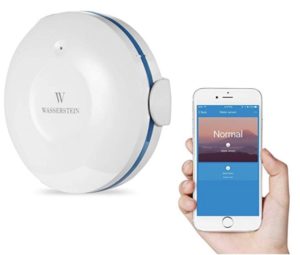
And then there are the smart leak detectors and water valve controllers. Leak detectors alert homeowners when water is detected in places it doesn’t belong. This allows you to get ahead of a burst pipe or leaky appliance before the damage spreads.

leak detector with app

A practical smart home application, a leak detection device can lead to major savings in damage.

Final thoughts

In the end, it’s interesting to see that 2019’s smart home innovations include more than speakers and screens. It might not be the year where we finally adopt IoT solutions across the entire home, but between the smart mirrors and the leak detectors, it’s clear that day is just around the corner.

Google Project Soli will make every object smart

How will Google’s new tech change our lives at home and work?

The Internet of Things has already changed our everyday lives: Turning on the lights with a clap of the hands, dictating shopping lists into the air, and letting everyone live out their Sci-Fi dreams. The fantasy has always been to live in a home where all our devices can communicate with each other, and we like to imagine we’re there. Then practicality sets in and you concede that you still have to get up off the couch to pick up the sandwich that you left on the counter.

Maybe we’re too lazy.

The biggest roadblock remains: In order to reach this new technological milestone we’d have to replace our “dumb” objects with far more expensive “smart” ones – a move we’re not ready to make. That’s not even getting into the privacy issues, the inevitable security breaches, the whole nine yards. Google formed Project Soli in search for an answer.

Adjust the volume by miming it.
Simple hand and finger gestures transmit unique signals to the tech.

Project Soli

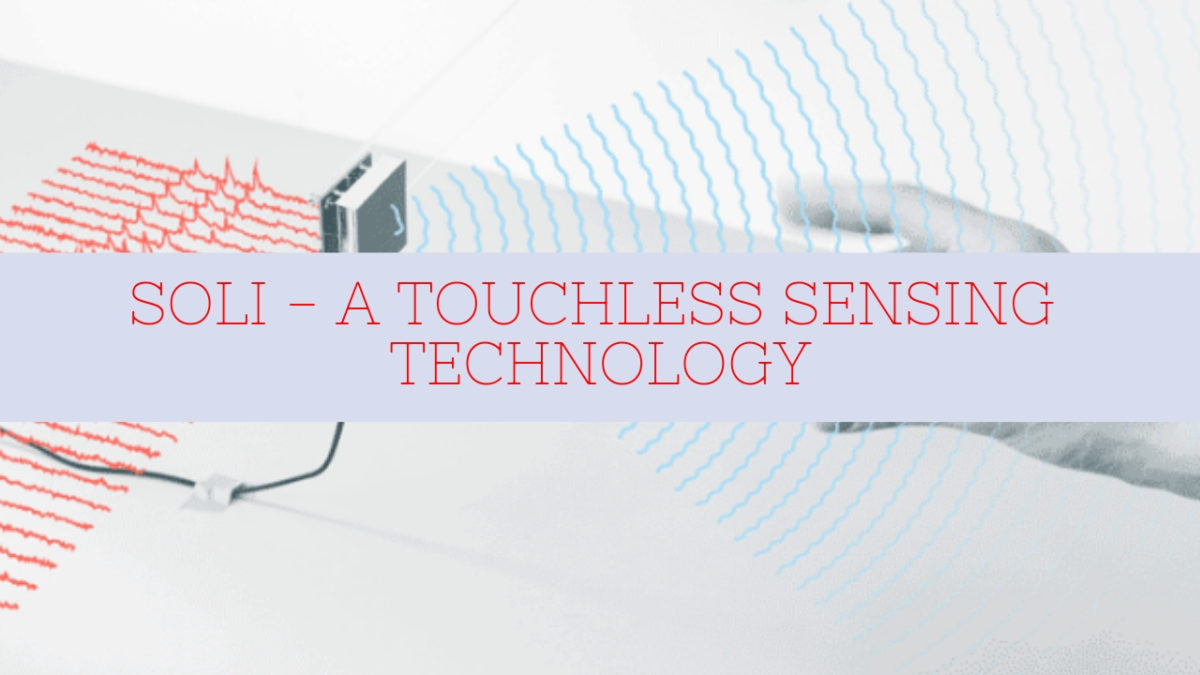
Project Soli’s focus was to use radar to accurately track hand gestures. It’s a simple idea that can now have far more interesting applications; Soli can detect the typical big motions, but it can also detect minute movements (of less than a millimeter) through obstructions and with extreme accuracy. “Radar has been used for many different things: To track cars, big objects, satellites, and planes,” says Ivan Poupyrev, the founder of Project Soli.

“We’re using the radio frequency spectrum to track micro motions of the human hand, and use that to interact with wearables, the Internet of Things, and other computing devices.”

That was four years ago.

Design Lead Carsten Schwesig says that “now we are at a point where we have the hardware where we can sense these interactions and we can put them to work.”

So how does it work?

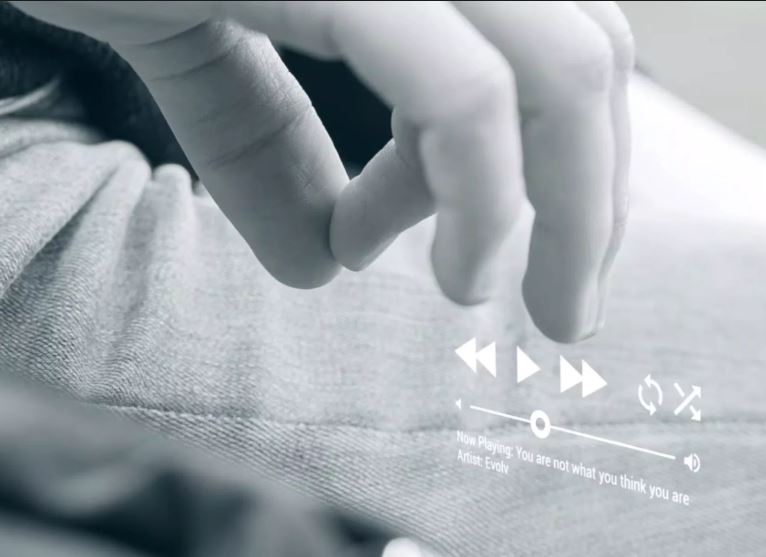
Project Soli has designed extensive recognition software that sees gestures through radar. Certain patterns reflect human intent and the new technology can convey those intents to various devices around the house. “Imagine a button between your thumb and index finger,” says Schwesig.

How does one mime "get me a sandwich?"
If you can mime pushing a button, the sensor gets what you’re trying to convey.

“The button is not there, but pressing [as though it was] is a very clear action.” Radar can sense that action and attribute it to specific intentions. The past four years the team has taught the software to recognize a wide variety of physical signals:

How will this build a smart home?

“Soli interaction makes us realize we can interact with computers just using day-to-day objects,” explains Professor Aaron Quigley, Chair of Human Computer Interaction in the School of Computer Science at the University of St Andrews. “If I had this kind of sensor in, for instance, a regular kettle and a cup, it’s possible to detect them [with radar]. You can interact with them, and the computer will understand what you’re doing. Suddenly, every physical object in your home becomes a way to communicate with your computer.”

This could usher in a new level of digital art!
Soli recognizes gestures that make brush strokes on tablet thinner or thicker.

It’s 2019 now and radar chips are tiny, cheap, and low-powered enough to become ubiquitous in today’s market. A recent U.S. Federal Communications Commission waiver has even authorized Project Soli to utilize frequencies between 57 and 64 Ghz – higher frequencies that are commonly permitted in everyday gadgetry. This opens up even more possibilities for what Soli could do, and could mean we’re drawing excitingly close to where this powerful tech is regularly available.

Are you excited for a fully smart home, or do you think the inexorable privacy and security issues will quash any real profit from this excursion? Let us know in the comments below, and stay tuned for more news on Project Soli!

What is Web 3.0?

Take a look at how the future internet will leave today’s tech in the dust.

web 3.0

Web 3.0 is one of those buzzy terms that have become shorthand for “the future.”

It’s long been sweeping the web, but not many people understand what it actually means.

A look at the future: What is Web 3.0?

A little background: to understand Web 3.0, you’ll need to have a working understanding of the Webs 1.0 and 2.0 that came before.

Web 1.0 hearkens back to the early days of the internet. You know, the dial-up days of old, where AOL CDs were dumped on the U.S. en masse.

2.0 is the current state of the web — where streaming and social media reign supreme and dial-up is a thing of distant memory. Broadband connections and reliable Wi-Fi replaced shrieking modems and Google became the go-to search engine.

Techopedia defines Web 3.0 as the “new paradigm in web interactions.” It marks the next phase in web development and will shake up how people create and interact with websites.

No, Web 3.0 doesn’t come with a specific definition, as we’re not quite there yet. But, what’s notable about this next internet is it’s predicted to be a total reinvention of the web, not an upgrade like 2.0 was.

The term was coined by New York Times reporter John Markoff back in 2006, and it represents this idea that the internet would continue to evolve in ways that we certainly couldn’t imagine back in 2006.

When is Web 3.0 supposed to happen?

What is web 3.0?

So, some people believe that Web 3.0 is already here. At least in some small ways.

Given that the transition from Web 1.0 to Web 2.0 didn’t happen overnight, we can expect the same for Web 3.0.

Additionally, Web 3.0 is likely to be a bigger, more dramatic change than its predecessor — and change, on this scale, takes time.

Given the latest applications of AI, the long list of blockchain projects, and advances in natural language processing, it seems we really are in the midst of a transition.

So what is this great new web supposed to look like?

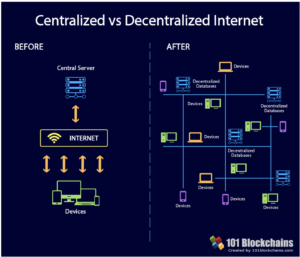
It’s hard to say. But, most likely, it will be at least partially decentralized.

A lot of the Web 3.0 talk is tinged with shades of blockchain buzz. For example, a huge part of this conversation looks at the idea of a decentralized internet, a place where we stand to regain control over our data and security breaches become a thing of the past.

Proponents of the blockchain web say we’ll never deal with data interruptions again. Or, that we’ll finally be free from centralized, corporate ISP control.

One of the biggest flaws of Web 2.0 is the fact that our data is owned by a handful of private companies. Facebook data breaches and a long list of famous hacks have made headlines in recent years, proving that we can’t exactly trust these media giants to keep us safe.

As such, a blockchain-based web presents an attractive solution. Decentralizing protects against potential breaches, as data is distributed across several databases, rather than one central hub, as it is today.

web 3.0 blockchain

Beyond these predictions, here are a few concepts we’ve seen linked to Web 3.0 time and time again:

The Semantic Web

The semantic web seeks to improve how computers understand humans. The concept has been around for quite some time, Scientific American covered this in 2001 and the core idea is, that we’re looking at a version of the internet that pulls meaning from interactions.

The semantic web is a version of the internet that provides software programs with metadata that machines can easily interpret. For example, your browser might collect data based on your activity, which will inform future searches. Basically, your computer will start making contextual decisions when it comes to presenting information — much like a human might.

In short, this shift could transform the search process, looking at the meaning instead of pinging the right keywords.

AI will be front and center

Many people are looking toward artificial intelligence to usher in the new digital era. Web 3.0 is bound to see an increase in AI usage, allowing for the technology to start making decisions for us — whether that’s a tool that helps you at work or when you’re driving.

A lot of the speculation surrounding Web 3.0 is about how it might function as a personal assistant.

As you search the web, the browser will start to learn more about you, your interests, and eventually, you’ll need to be less specific with your search queries. For example, if you look up concepts related to digital marketing frequently, the browser may start presenting content that speaks to this niche versus promoting certain keywords that don’t relate to your request.

Cross-platform connectivity

With Web 3.0, some experts predict greater connectivity than ever. Up until now, data has been stored in a wide range of formats, making communication between those datasets something of a challenge.

When internet-connected devices are everywhere, from your kitchen to your car, to your workplace, they’ll serve you better when they can all talk with one another. While you can already say, work across devices when they’re all nearby, the next phase will be ordering items for your smart fridge from the device in your car.

Outside of the digital assistant context, this also means you can expect a seamless content experience — you can start reading a long-form article on your computer and finish it off from your phone if you decide to grab a mid-day coffee.

Parting Thoughts

Ultimately, Web 3.0 presents a secure, connected experience that eliminates a lot of the friction involved with many online processes today. Still, it’s hard to point at the place where the fantasy diverges with the reality of the future internet—and by extension, how it will impact our lives.

There’s no doubt that the internet is changing. However, like concepts like the blockchain and artificial intelligence, there’s a lot of buzz you’ll need to sift through before you can uncover the reality of the next phase.

5 of the strangest IoT devices

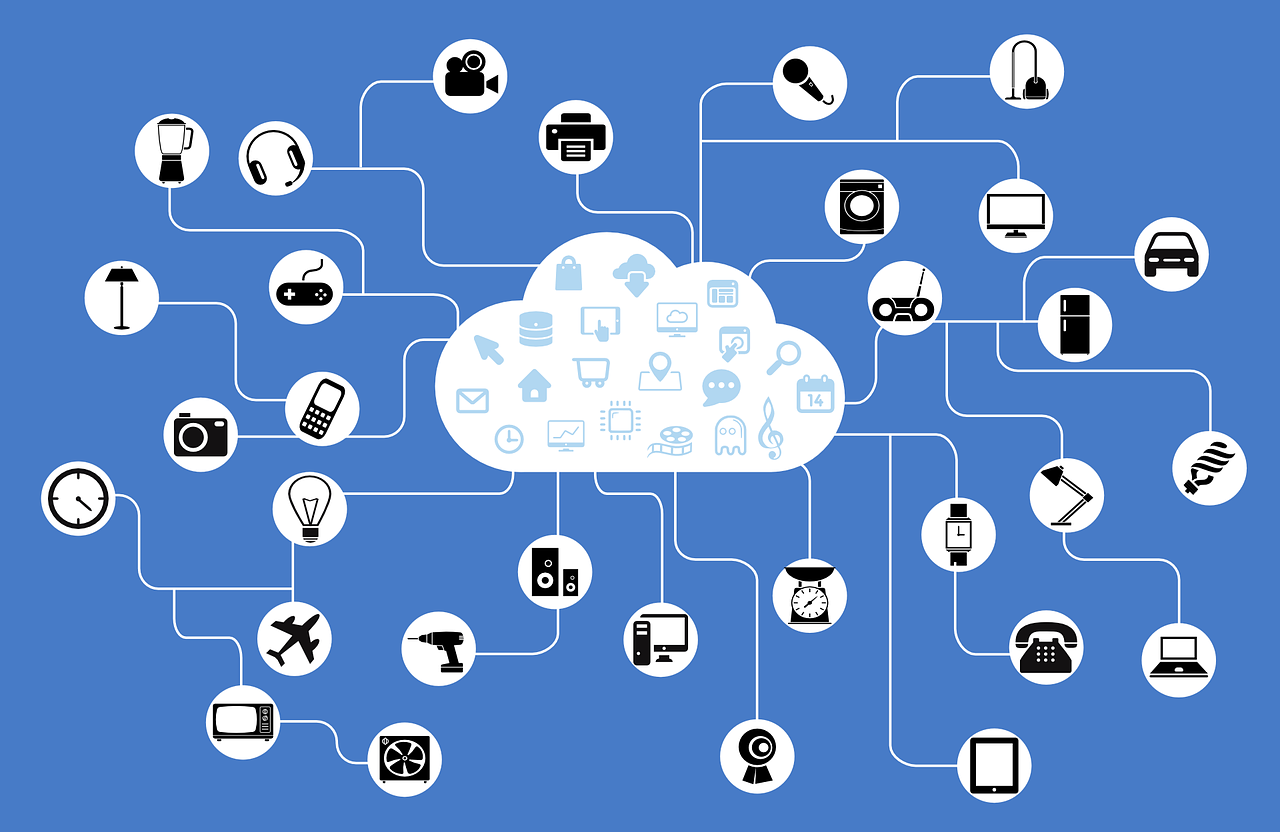
As the march of technology continues, we’re bombarded with new devices claiming to revolutionize our lives through the Internet of Things (IoT).

While some of these products are genuinely innovative – such as bendy phones and AI vacuums – some of the newest IoT devices are… somewhat less useful.

So, let’s take a look at the five weirdest IoT devices. We can’t guarantee they’ll change your life, but they should make for an entertaining chuckle over your morning coffee. 

1. Kuvée Bottle

If there’s one thing that definitely needs to be dragged into the future kicking and screaming, it’s – you guessed it – the wine bottle. There are two parts to this IoT device: the bottle itself, and the proprietary wine cartridge that fits inside of it. When loaded, the touchscreen bottle displays a variety of information on the wine, including the logo, grower, grape, and alcohol content.

Until the battery runs out, of course, and the screen dies. Then you’ll probably be left wishing that you had something easier to use, like, I don’t know, a label. We’ve since discovered that the company is shutting down.

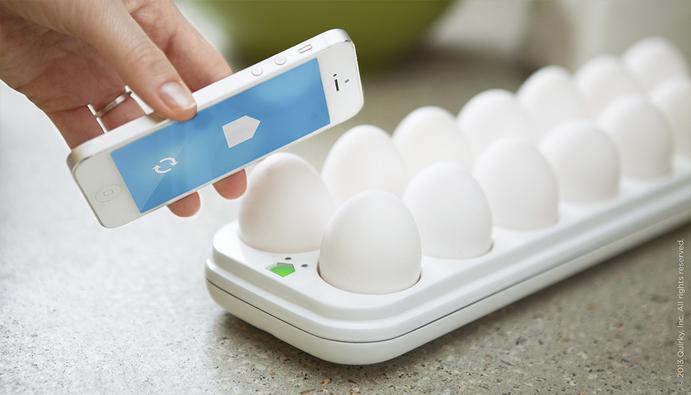
2. Quirky Egg Minder

We’ve all been there. Spending the whole trip home thinking about making some delicious eggs for breakfast. But when you finally get back and open the fridge door, there are’t any left. “No!” you scream, falling to your knees, “If only I had something that could connect wirelessly to my phone and tell me how many eggs I have left!”

Well, thanks to this Wi-Fi connected egg tray, you can whip out your phone at any time and tell your friends and colleagues exactly how many eggs you have left. Oh, how jealous they’ll be.

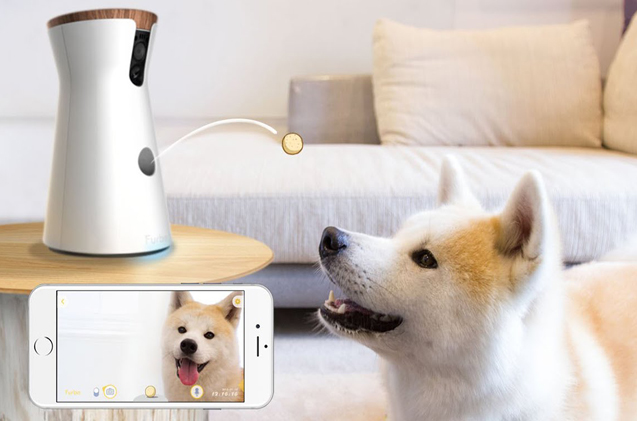
3. Furbo

Although we all love our pets, sometimes we have to leave them alone. It can be a distressing experience for both us and them. Enter Furbo, which I have to assume is derived from famous war-movie character Rambo. But rather than firing hot lead at your enemies, the Furbo fires delicious treats into your beloved pet’s face.

The unit notices when your dog is barking (presumably because you haven’t dispensed a treat for the last five minutes), sends you a push notification, and then you can see your furry friend through the built-in camera and dispense treats from the “treat cannon.” Sounds safe.

Don’t be surprised if in a few years time your dog has more respect and love for this inanimate food-dispenser than you.

4. Kérastase Hair Coach powered by Withings

When brushing your hair with a regular, dull, boring hairbrush, do you ever think, I wish there was a Wi-Fi enabled smart hairbrush with a microphone and gyroscope to tell me if I’m brushing my hair correctly?

Neither do I, but unsurprisingly there’s an answer to this imaginary problem.

Built-in sensors feed your brushing data to a dedicated mobile app (of course) which monitors local weather factors such as humidity, temperature, UV, and wind. You then get valuable information such as your hair quality score, and the effectiveness of your daily brushing habits.

Just think: you can brag about the effectiveness of your hair brushing right after telling everyone how many eggs you have left in the fridge.

5. Smalt

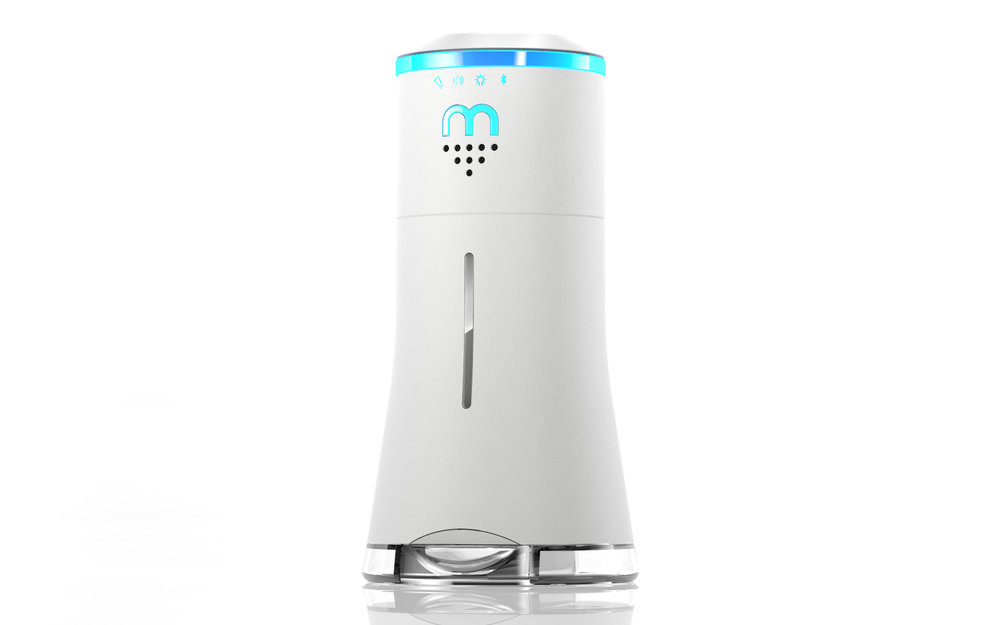
Do you know what every home needs? A Wi-Fi connected salt shaker, with a Bluetooth speaker, and ambient lighting. Described as the first multi-sensory device to make dining fun, it’s probably also the most over-engineered piece of homeware since the Wi-Fi wine bottle.

By connecting the salt shaker to the included app (who needs space for more photos and music on their phone, anyway?), you can dispense salt simply by turning on your phone, opening the app, pairing it to the shaker via the internet, then pinching your screen.

The only real use you might get out of this is annoying dinner guests by sneakily pinching your phone over and over as they hold the shaker. Gotta get your kicks somewhere, right?

4 of the most affordable IoT devices

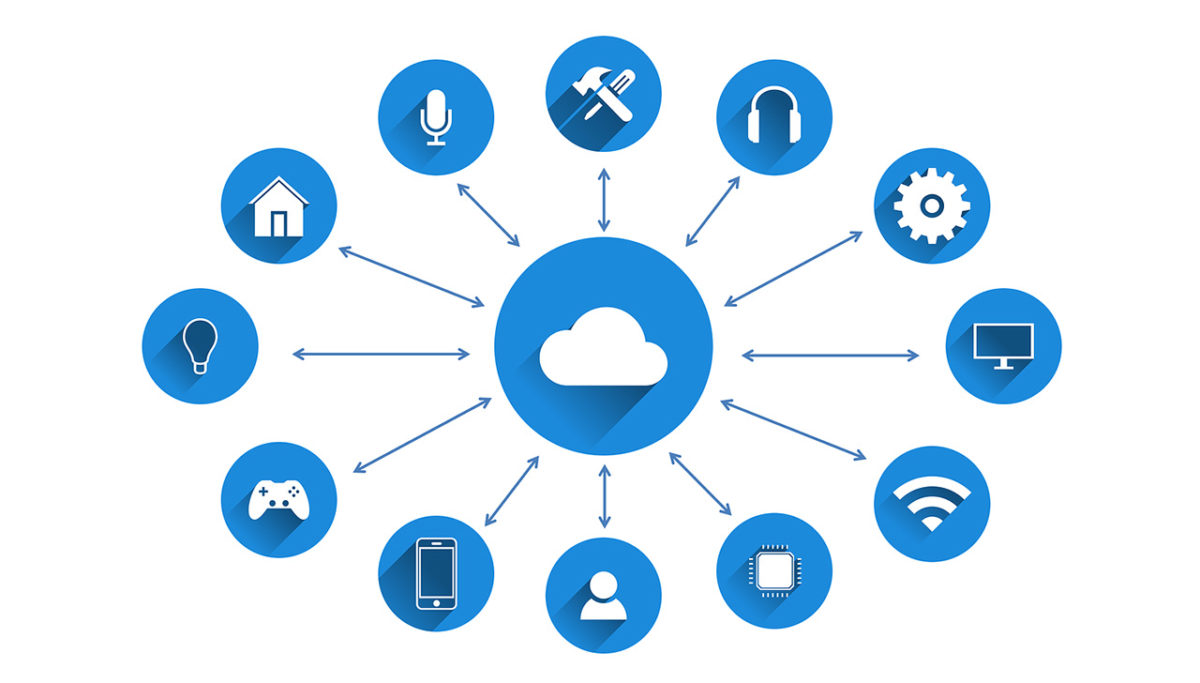
The Internet of Things (IoT) has long promised to bridge the gap between the internet and the physical world. The estimated number of internet-enabled devices increased 31% from 2016 to 8.4 billion in 2017, and experts predict that there will be 30 billion of them by 2020. With an estimated global market value of $7.1 trillion by 2020, IoT looks set to become a big part of our future lives.

While not every device is as useful as it claims to be, manufacturers are scrabbling to release an ever-increasing number of products. You may have noticed one common trend among them all: they’re expensive. This kind of makes sense – we’re not just talking about a normal hairbrush; we’re talking about a smart hairbrush, with Wi-Fi, a microphone, and a gyroscope. No, really.

Fortunately, with the sheer number of devices available, you can find IoT devices that don’t break the bank. Here are four of them.

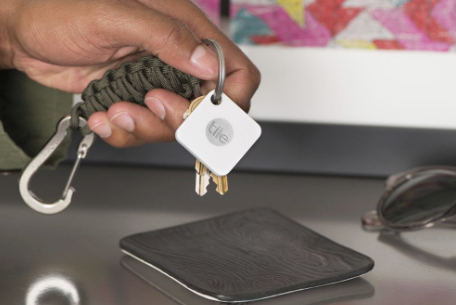
Tile – $26.99


First up is this handy little gadget. The Tile is a tiny Bluetooth tracker that attaches to just about anything. Keys, bags, wallets, or whatever else you can think of. The device is simple and easy to use – just pair it with your phone, open the app, and as long as you’re within 100 feet of the Tile, it’ll play a loud tune until you find it.

It works the other way too. Just click Tile, and it’ll make your phone ring. There are also “Sport” and “Style” versions with waterproofing and double the range of the standard model.

Awair Glow – $99g

The Awair helps you monitor air quality in your home, giving you the temperature, humidity, and CO2 levels and chemical composition. The LED on the top shows you at-a-glance – red, yellow, or green – what the overall quality of air in a room is, and the associated app lets you track exact levels down to the PPM (parts per million) while also logging past data so you can see improvements over time.

Cleverly, the Awair can also trigger non-smart devices such as dehumidifiers or air filters at specific times, or when certain criteria are met within the measured parameters.

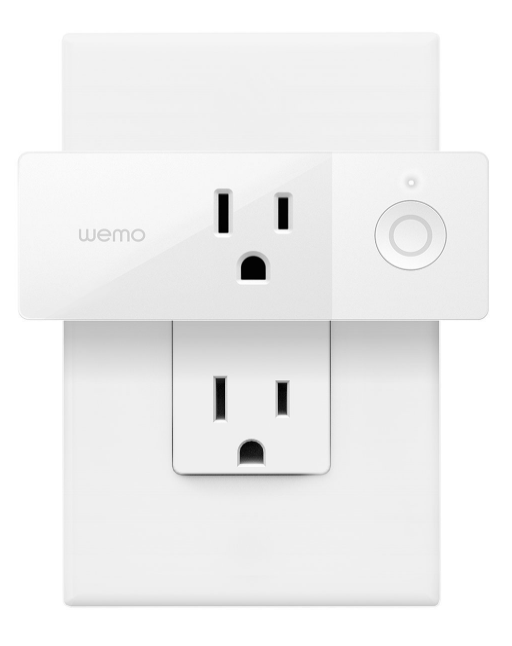
Wemo Mini-Smart Plug – $29.99

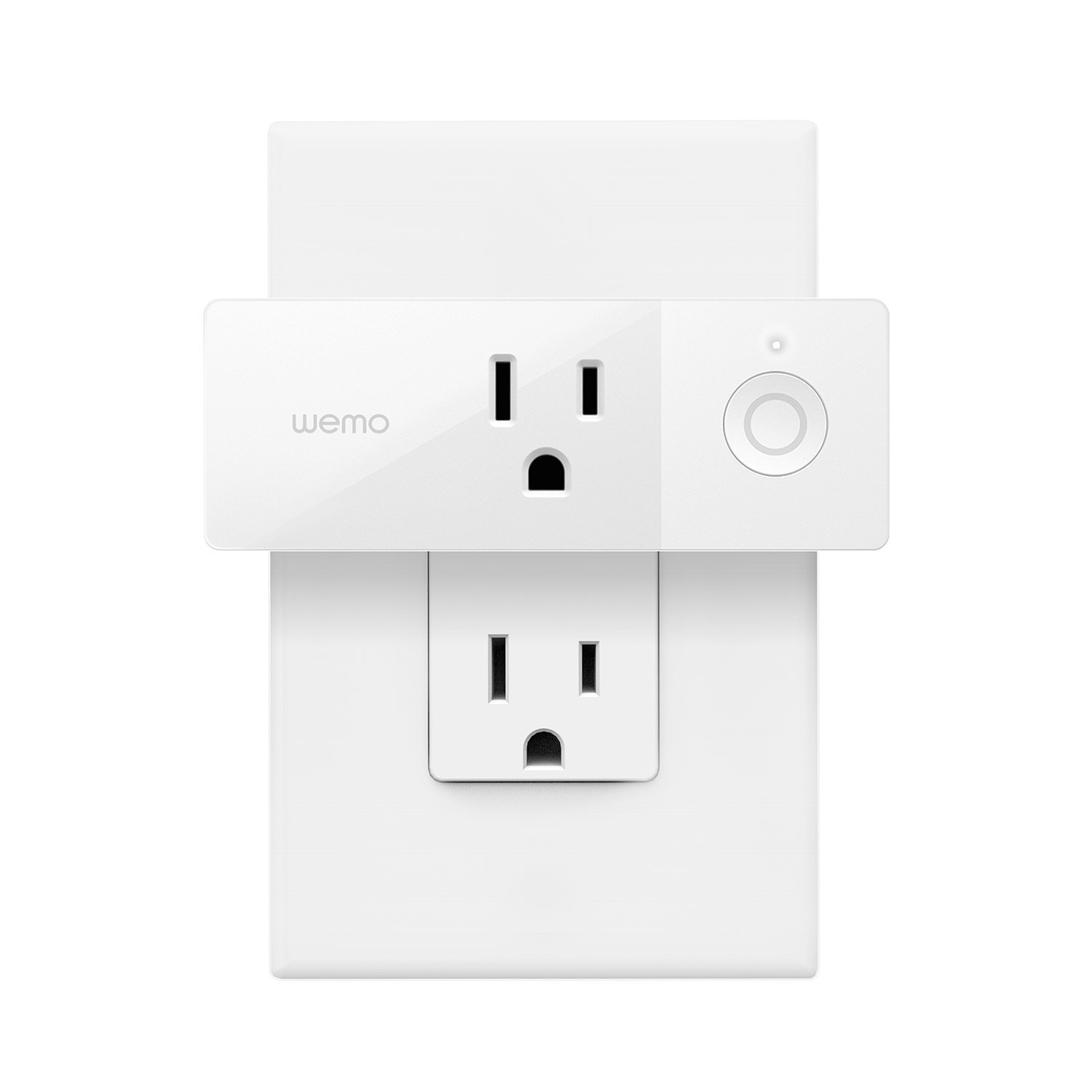
This handy plug lets you turn any pluggable device into a smart one. Using your existing home Wi-Fi, you can wirelessly control TV’s, lamps, heaters, fans, and anything else you can plug in, all from the Wemo app. You can also set schedules for devices and control them via your phone, giving you control over your devices even when you’re not at home.

Kas Smart LED Light Bulb – $39.98

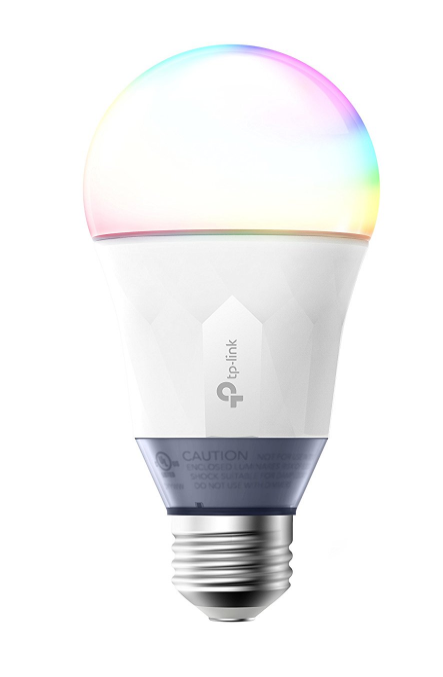
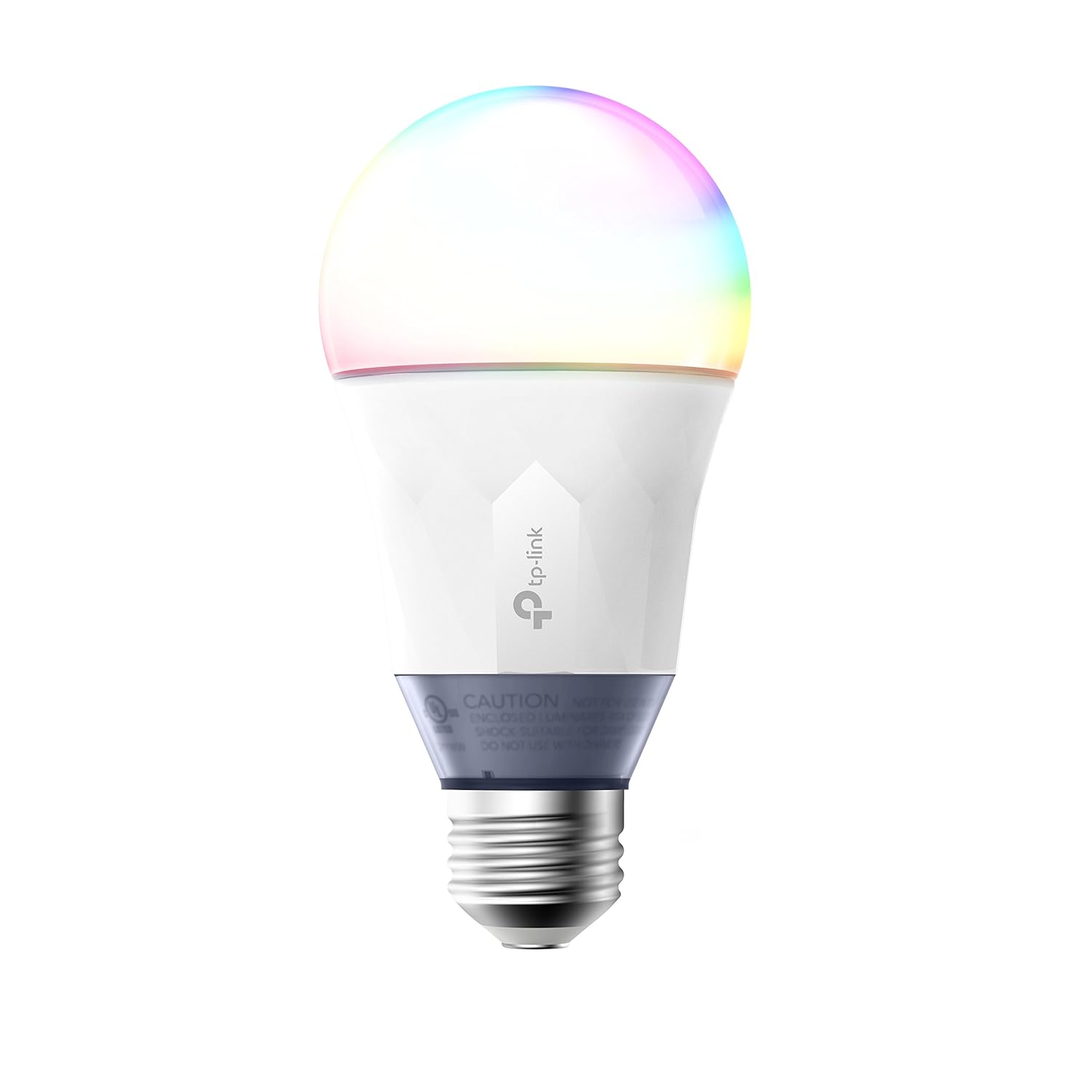
Control your lighting from a smartphone with this smart bulb from Kas. Connecting via your home Wi-Fi, you can use the free Kasa app to set colors, brightness, and track energy usage from your smartphone or tablet. The app lets you create schedules or “scenes” that let you set the mood with a swipe. Or just ask Alexa or Google Assistant to dim the lights for you.

So, remember, it doesn’t cost the earth to add a bit of IoT convenience to your home. Hopefully, some of the devices above will fit your budget!

The teenager squashing big bugs for big bucks

Most 11 year olds like playing video games or hanging round with friends. Not Ezequiel Pereira. Pereira got his first computer age 10 and has been programming since he was 11. He came so close to being a normal kid, when he is anything but. Now 16, Pereira has just found a bug that left Google’s internal systems vulnerable to hackers.

Source: CNBC

For the trouble, Google paid him a whopping $36,000. Not bad for a teenager, not bad at all. There is more though, as this latest bug is the fifth Pereira has reported to Google.

It took Pereira a lot of hard work to develop his bug hunting prowess, but he did start with early success. He spent years teaching himself different programming languages. He even earned himself a trip to Google HQ for the work he did in a coding competition. When he started bug hunting though, it didn’t take him long to find his first bug and net himself $500.

Since that first paycheck his continued hard work has paid off again and again. Other prizes for his bug hunting include a $10,000 bounty that he spent trying to get into US universities. Apart from that his earnings go on helping his mum pay the bills.

Pereira encourages his friends to search for bugs too and wants to earn a Master’s in Computer Security. Although he wasn’t able to break Ito the US education system, he is currently learning at home in Montevideo. Something tells us that it won’t be long before this kid achieves his dream and is working for one of the biggest tech firms in the world. Good luck Ezequiel.

Highlights and blackouts at CES

Every year, thousands of companies and hundreds of thousands of punters gather at the world’s biggest tech conference to marvel at the shape of things to come.

Highlights of this year’s CES, which ended last week, included Sony’s new Aibo robodog, a flying phone case for aerial selfies, and a robotic exoskeleton that can turn you into the 8,000-pound gorilla in the room.

There were robots that played (and won at) Scrabble and ping-pong, yet more self-driving cars, and VR helmets galore. Plus a device that charges your phone on the other side of the room.

But the real star of the showaccording to Twitter – was the brief power outage when everything stopped working. Was that a glimpse of the future, too?

A robot playing Scrabble, self-driving cars, flying phone case for aerial selfies and a power outage. Guess what is the hottest news about this year’s CES.