Ian Proulx, head of Splitgate 2, generated controversy in the gaming community after his appearance at the Summer Game Fest, where he wore a hat reminiscent of Donald Trump’s Make America Great Again slogan. Proulx stated that his intention was not political, but to highlight the need for innovation in first-person shooter games, which he considers “tragically stagnant.” However, his choice caused a division in the community, provoking reactions both for and against. It was also not hard to realize that it was a terrible idea. In a video posted later, Proulx apologized for the […]
Ian Proulx, head of Splitgate 2, generated controversy in the gaming community after his appearance at the Summer Game Fest, where he wore a hat reminiscent of Donald Trump’s Make America Great Again slogan. Proulx stated that his intention was not political, but to highlight the need for innovation in first-person shooter games, which he considers “tragically stagnant.” However, his choice caused a division in the community, provoking reactions both in favor and against.
It wasn’t hard to realize it was a terrible idea
In a video published later, Proulx apologized for the harm caused and acknowledged that he should have apologized earlier. “I have no excuses, I’m sorry,” he expressed, emphasizing that his goal was to draw attention to the current state of FPS games. During the event, he stated that he was “tired of playing the same Call of Duty every year,” which was interpreted as an attempt to provoke controversy in a saturated market.
The executive stated that the idea behind the hat was conceived as a meme to “break the noise” in an environment where hundreds of games compete for the public’s attention. “We really wanted to improve this genre. We are disappointed with its current state,” insisted Proulx. Despite his attempt to clarify the situation, the controversy persists, leading the executive to acknowledge that his message had a negative impact on the Splitgate community.
Proulx participated in a mini-AMA on Reddit and announced a full AMA for June 11, in order to engage with the community and clarify her intentions. “I hate to see division,” she concluded, reflecting on how the platform they use has had an adverse effect and highlighting the importance of the repercussions of their actions rather than just the intention behind them.
Anthony Starr, known for his portrayal of the villain Homelander in the hit series The Boys, has surprised many by admitting that some fans have come to feel empathy for his character, who embodies sociopathic behaviors and disdain for those he considers inferior. In a recent conversation with Entertainment Weekly, Starr reflected on the surreal admiration that some viewers feel for Homelander, a character who, despite his dark history, has captured the audience’s attention. A character that has divided but enamored the public. In the fourth season, Starr has sought to delve into the complex emotions of Homelander, […]
Anthony Starr, known for his portrayal of the villain Homelander in the hit series The Boys, has surprised many by admitting that some fans have come to feel empathy for his character, who embodies sociopathic behaviors and disdain for those he considers inferior. In a recent conversation with Entertainment Weekly, Starr reflected on the surreal admiration that some viewers feel for Homelander, a character who, despite his dark history, has captured the public’s attention.
A character that has divided, but captivated, the audience
In the fourth season, Starr has sought to delve into the complex emotions of Homelander, contrasting his cruelty with moments of personal anguish, highlighting episodes where the character confronts his past. “It’s like a therapy session with a lot of deaths,” the actor comments about the episode Wisdom of the Ages, where the character returns to a secret laboratory that informs his childhood. This emotional exploration aims to humanize a character who is often seen solely as a monster.
The narrative of The Boys has been marked by a critical approach to contemporary culture, with comparisons between Homelander and political figures like Donald Trump, which intensified in the fourth season with representations that evoke recent events. The creator of the series, Eric Kripke, mentioned that the series acts as a “distorted mirror” of current culture, seeking to connect with the viewer’s reality.
With the confirmation that the fifth season will be the last, Starr and the creative team have begun to establish the final developments for the story. According to Kripke, this season is oriented towards the conclusion, where it is expected that the characters, including Homelander, will have to face the consequences of their choices. While the main series will come to an end, spin-off projects like Gen V and a prequel titled Vought Rising are still in development.
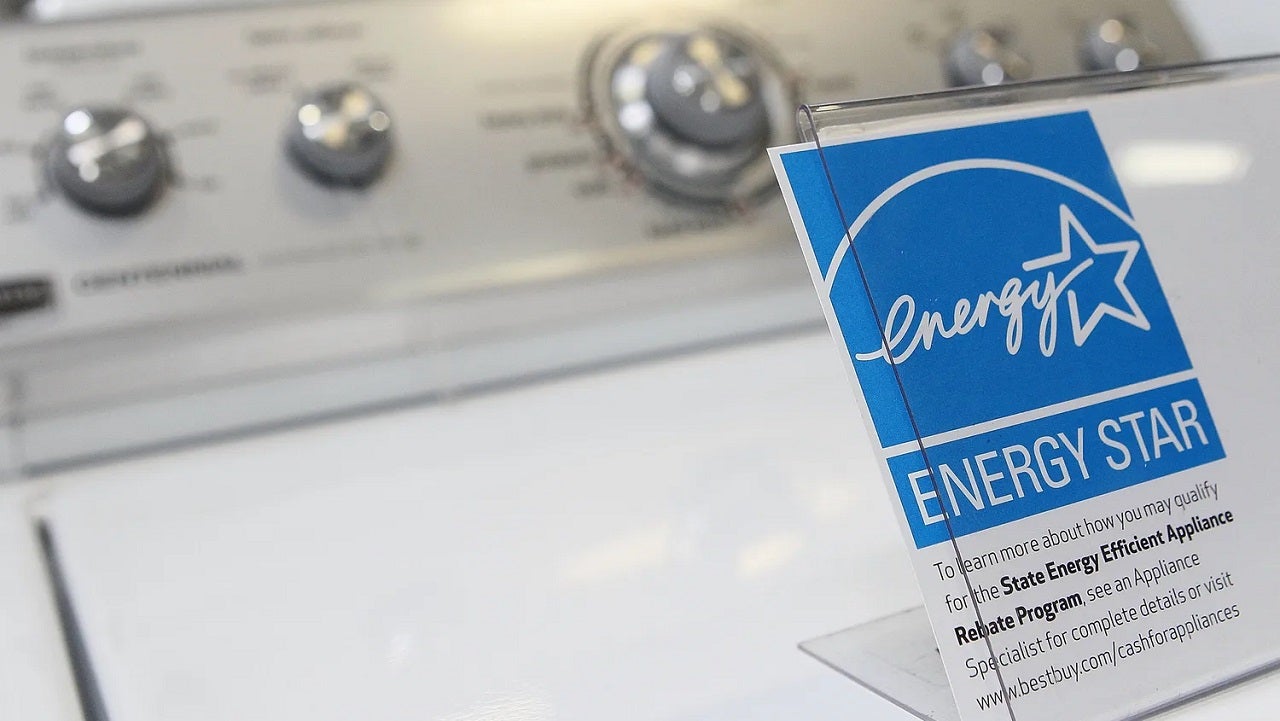
The Trump administration’s recent push to eliminate the ENERGY STAR program has drawn widespread concern from energy experts and consumers alike.
Established in 1992, ENERGY STAR has been a hallmark of energy efficiency, helping Americans save over $500 billion in energy costs while significantly reducing greenhouse gas emissions.
With around 90% of U.S. households recognizing the ENERGY STAR label, its removal could mean drastic changes for consumers, particularly low-income families who may lose an estimated $450 in annual savings from choosing ENERGY STAR-certified products.
Trump’s plan to end the Energy Star program is a blow to American families and businesses everywhere. This program has saved $500 billion in energy costs over the past 30 years. Energy efficiency isn’t just an environmental solution—it’s an economic one.https://t.co/86e6Iw7m3j
Elimination of ENERGY STAR Could Cost Families $450 in Annual Savings
Rebecca Foster, CEO of the Vermont Energy Investment Corporation (VEIC), emphasized that the ENERGY STAR program functions as a “certification of confidence,” helping consumers easily identify which appliances and homes meet energy-efficiency standards.
Its elimination could lead to confusion about which products are genuinely efficient, resulting in increased monthly expenses for consumers. Furthermore, the lack of clear guidelines could disrupt existing energy efficiency programs at state and local levels, complicating access to rebates and incentives tied to ENERGY STAR certifications.
Moreover, the impact on the electric grid may be significant. With electricity demand set to rise sharply—potentially an 11% increase in New England over the next decade—losing ENERGY STAR could hinder efforts to manage this demand efficiently.
Foster noted that ENERGY STAR has played a crucial role in maintaining stable electricity usage, making it easier for utilities to avoid costly expansions to fossil fuel power generation.
As families continue to face rising costs, the potential repercussions of dismantling such a vital program raise alarms among advocates for sustainable energy. Experts argue that maintaining ENERGY STAR is essential not only for consumer savings but also for broader environmental goals, ensuring a sustainable and efficient energy future for all Americans.
Nintendo Switch 2 is the big event of the year. At least in terms of the world of video games. If until recently it was GTA6, due to the completely unsurpassable dimensions of Rockstar’s game, the delay of its release until 2026 makes this, officially, the year of Nintendo. Although that also places it in a position it didn’t have before. Because while before the industry expected to ride the wave of GTA6 to justify its numbers, now that obligation is going to fall, in large part, on Nintendo. Is that possible? Is it an absurd possibility? Or […]
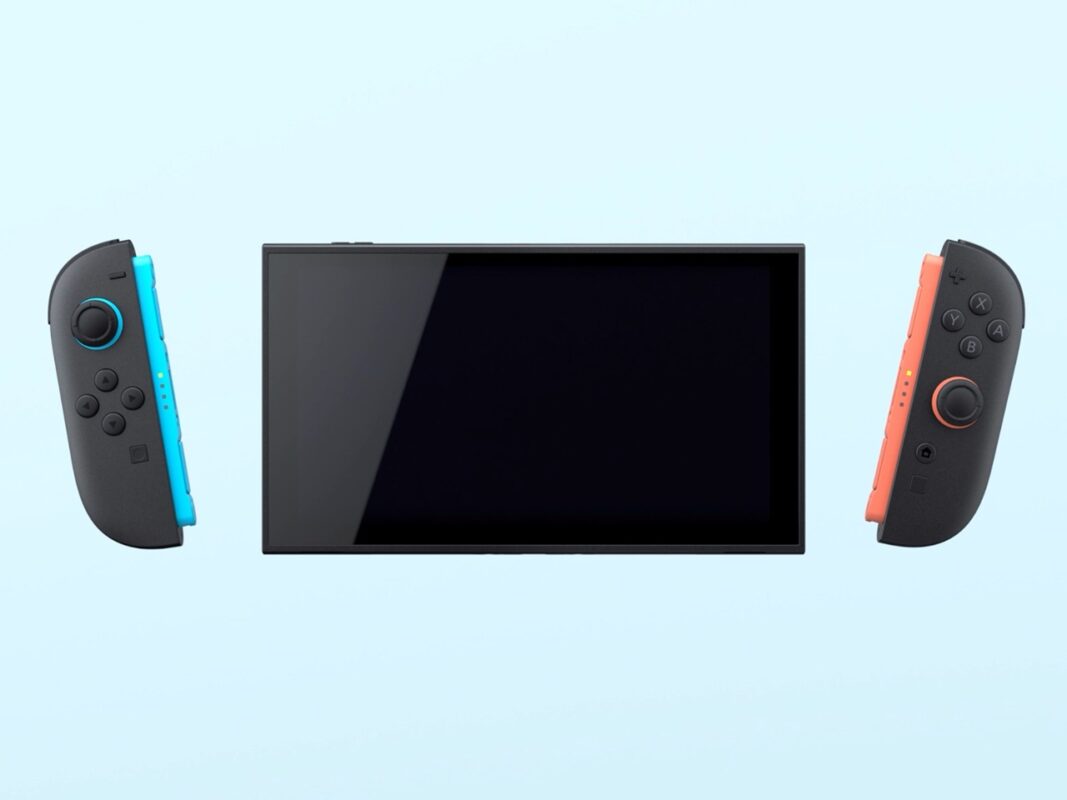
Nintendo Switch 2 is the big event of the year. At least in terms of the video game world. If until recently it was GTA6, due to the completely unmatched dimensions of Rockstar’s game, the delay of its release until 2026 makes this, officially, the year of Nintendo. Although that also places it in a position it didn’t have before. Because while the industry previously expected to ride the wave of GTA6 to justify its numbers, now that obligation is going to fall, in large part, on Nintendo.
Is that possible? Is it an absurd possibility? Or when talking about Nintendo should we be at ease? Of course, this is something that is already being discussed. Less than two weeks before the console’s launch, which is on June 5th, both analysts and investors, as well as Nintendo itself, have something to say. And we find it interesting to shed some light on what the expectations are regarding this console.
First of all, it must be stated an obvious fact. Nintendo Switch 2 lives in the shadow of its predecessor, Nintendo Switch. And it should also be said something perhaps less obvious. Its main competitor is neither PlayStation 5 nor Xbox Series X|S nor PC nor the Steam Deck, but the Nintendo Switch itself. Because the expectations placed on this console are absurd because its successor managed to break all unimaginable records.
The original Switch managed to sell 15 million units in its first 10 months of life. This is an extraordinary figure for any console and is what they should aspire to at Nintendo. Is it possible that this will happen? For now, the pre-sale of the console has been “extremely high,” with nearly 2.2 million requests just in Japan. Far exceeding Nintendo’s own expectations.
Now, this brings us to the various challenges that lie ahead for Nintendo. The first of these is to produce enough consoles to meet global demand. If the console is a success, but they don’t have enough units to satisfy it, it wouldn’t matter if it were successful or not. The second challenge is to maintain a steady flow of interest from players. This means having a catalog of games and new releases that makes them interested in the console and take the leap. This is perhaps where they may encounter the most problems.
The launch catalog of the Nintendo Switch 2 is very limited. And unlike the Nintendo Switch, they have neither shown nor promised anything for the first months of the console. It is important to remember that for the original console they promised a new major game each month, which they have not done again. This is further amplified by another problem: the price.
The price of the console is much higher than that of the first Switch. Even if we consider that being a much more powerful console it is not significantly more expensive, in comparison, its games are. With Nintendo’s own games costing between 80 and 90 euros, there is a very good reason not to make the leap to the new console: not to pay prices that a large part of the public sees as abusive. This has been evident in the reactions on social media and Nintendo’s streams, where the audience has reacted extremely negatively.
Nintendo: extremely conservative with Switch 2
Now, what does Nintendo think about all this? Obviously, they haven’t provided concrete data, but they have had to do what every publicly traded company is required to do: provide forecasts for the upcoming fiscal year. This allows us to get a rough idea of whether they believe things will go well, poorly, or moderately.
For the next fiscal year, that of Nintendo Switch 2, they expect to increase their year-on-year revenue by 63.1%. Similarly, they expect their net profit and operating profit to rise by up to 13.3%. Additionally, they say they expect to distribute 15 million units of Switch 2 by next March 2026, when the next fiscal year ends. This provides a rather cautious estimate of their figures.
Why prudent? On paper, they may sound like spectacular figures, but the reality is that they are quite conservative. If Nintendo Switch 2 is a moderate success, it should be able to reach those figures without any problem. In fact, analysts are convinced that it should be able to surpass the numbers that Nintendo itself has provided without any issues.
Market analysts estimate that a realistic figure could be around 17 million units of Nintendo Switch 2 sold. While the more optimistic ones talk about between 18 and 20 million units during the first year. A very, very generous figure that would put it ahead of what Nintendo Switch was and that does not seem to take into account all the problems arising from Nintendo’s current policies and all the issues that are also beyond its control. Because all these forecasts could fall on deaf ears if someone changes their mind again about their tariff policies.
Donald Trump, the big problem for Nintendo
Donald Trump’s tariffs are a danger, not for the launch of Switch 2, but for its medium-term continuity. Nintendo has already stated that if implemented, they will have to consider reviewing the price of the console as it would be unsustainable to sell it at the current price. This would undoubtedly have a significant impact on sales. The impact would not only be on the console itself but also on its accessories, which could increase by up to 30%, at a minimum, in the United States.
With the 90-day extension given by President Trump, it is possible that they can create a contingency plan to minimize the short- and medium-term impact. But what is certain is that, if these tariffs are implemented, they will affect the future of the console in the long term.
Can Nintendo Switch 2 go wrong? Could it be a new WiiU? Nothing points to that possibility. It is a console that has sparked public interest and, despite Nintendo not having done a good job on many fronts and the geopolitical situation not being the best, it seems that, at the very least, it can perform well. But there is a big gap between performing well and being a success like the Nintendo Switch. We will see if it is enough to just perform well or if they need that extra. And above all, if they are capable of achieving it.
The start of Donald Trump’s term has been well received at the cryptocurrency conference Consensus, which is taking place in Toronto, where participants expressed their desire for regulatory clarity now that Republicans control Congress. Lawyers specializing in digital assets stated that platforms are seeking a clear framework to operate in the sector, a desire echoed after months of uncertainty under the administration of Joe Biden. Eric Trump, son of the president and co-founder of the cryptocurrency company American Bitcoin, is one of the speakers at the conference, which […]
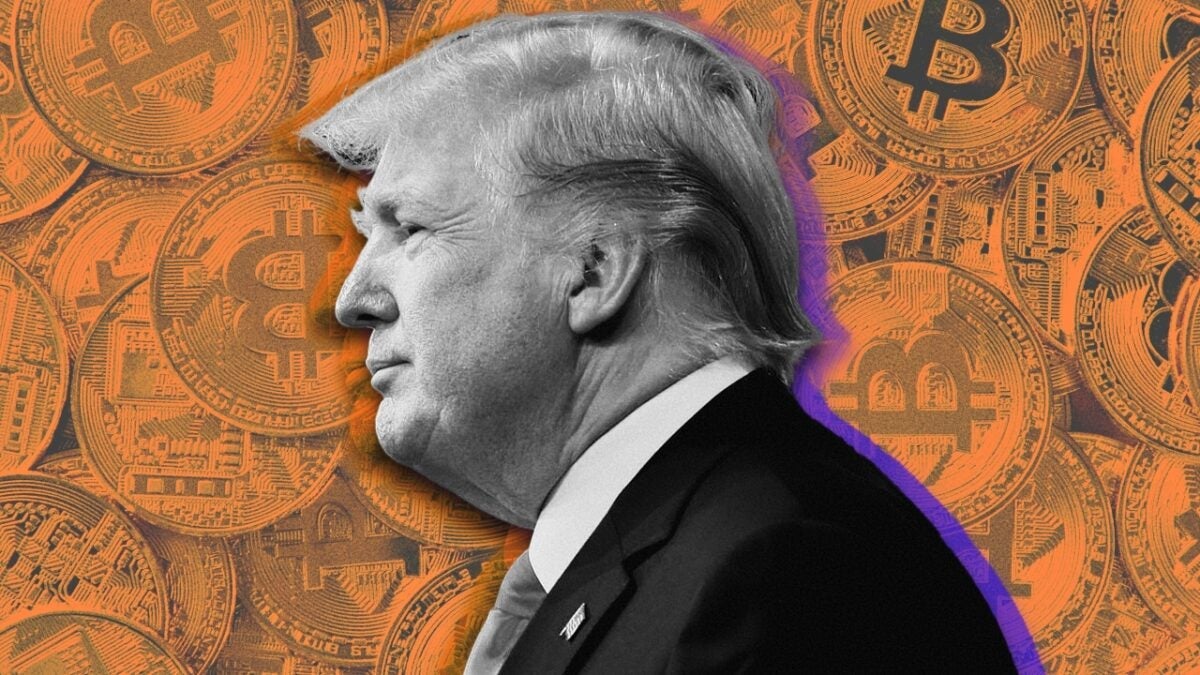
The start of Donald Trump’s term has been well received at the Consensus cryptocurrency conference, which is taking place in Toronto, where participants expressed their desire for regulatory clarity now that Republicans control Congress.
Specialized lawyers in digital assets stated that platforms are seeking a clear framework to operate in the sector, a desire that resonates after months of uncertainty under the administration of Joe Biden.
Eric Trump, son of the president and co-founder of the cryptocurrency company American Bitcoin, is one of the speakers at the conference, raising questions about potential conflicts of interest.
Canada, we're coming! 🇨🇦
The BitGo team will be on the ground next week at @consensus2025 Toronto, May 14–16.
Investors Bet on Trump to Exploit the Value of Cryptos
Eric Trump’s involvement in the crypto sector includes not only his business but also his engagement in family projects such as World Liberty Financial and the meme coin $TRUMP. It has been reported that the value of the latter skyrocketed when an exclusive dinner with the president was announced, which would be attended by its main holders.
Cryptocurrency investors have provided significant financial support to Trump’s presidential campaign, contributing millions of dollars in the hope that his return will bring a change in the government’s perspective towards cryptocurrencies.
Canada is at a crossroads: Balancing the need to compete as an innovative hub on the global stage while mitigating risks at home. Our latest report explores the #crypto landscape in 🇨🇦, including emerging threats, enforcement actions and regulatory shifts: https://t.co/qDBwdnEqW0pic.twitter.com/3c0k3XF3Sz
In this regard, Annemarie Tierney, a regulation expert, suggested that a return of Trump could mean a “reset” in the relationship between the industry and Washington, especially after the restrictions imposed by the Biden administration.
The Congress is evaluating two bills on cryptocurrencies: one on stablecoins, which are linked to the dollar, and another that seeks to create a regulatory framework for the digital asset market. However, Democrats have expressed concerns about Trump’s increasing interests in the sector during his term, complicating the advancement of these initiatives. Experts agree that it is crucial to establish clear rules before the political situation changes again in Congress.
The film sectors in the United States and the rest of the world are in a state of shock following Donald Trump’s announcement, in which he recently authorized the Departments of Commerce and Foreign Trade to impose a 100% tariff on all films produced abroad. The news was shared through his account on Truth Social, where the former U.S. president disparaged foreign productions. A terrible blow to world cinema This move comes at a time when the film industry is trying to recover from the adverse effects of the pandemic […]
The film sectors in the United States and around the world are in a state of shock following Donald Trump’s announcement, who recently authorized the Departments of Commerce and Foreign Trade to impose a 100% tariff on all films produced abroad. The news was shared through his account on Truth Social, where the former U.S. president disparaged foreign productions.
A terrible stab for world cinema
This movement comes in a context where the film industry seeks to recover from the adverse effects of the pandemic and significant changes in content consumption. Business and film experts warn that this decision could have devastating repercussions for many production companies, especially those that rely on international revenue. The film community fears that this tariff could represent a fatal blow to movies that are already in the market or in production, as well as to future collaborations between American and foreign studios.
Analysts suggest that such a measure could not only drive up ticket prices and affect the diversity of film offerings in the United States, but it could also lead to retaliation from other countries, which could respond with their own tariffs on American productions. In fact, the reaction from the international community has been swift, and several countries have expressed their concern about the possible impact on global cultural collaboration.
Meanwhile, it is unknown how this measure will be implemented and whether it will face legal challenges from producers and prominent figures in the industry. Observers of film policy claim that the coming days will be crucial to understanding the true implications of this announcement and how it could modify the global entertainment landscape.
Nintendo has begun accepting pre-orders for its highly anticipated Switch 2 console, a milestone that marks the start of its launch in several markets, including the United States. However, the high demand has led the company to warn that not all users will receive their console on launch day, scheduled for June 5. Through its official website, Nintendo has communicated that the delivery of purchased consoles is not guaranteed for that date, and that some buyers may receive their order invitation after the launch. A console that has had […]
Nintendo has begun accepting pre-orders for its highly anticipated Switch 2 console, a milestone that marks the start of its launch in various markets, including the United States. However, the high demand has led the company to warn that not all users will receive their console on launch day, scheduled for June 5. Through its official website, Nintendo has communicated that the delivery of purchased consoles is not guaranteed for that date, and that some buyers may receive their order invitation after the launch.
A console that has had terrible timing with Donald Trump
The launch of the console has faced delays in the United States due to the need to review the pricing strategy in response to the tariffs imposed during Donald Trump’s administration, which has resulted in an increase in the prices of accessories. This strategic adjustment aims to ensure the competitiveness of the new device in the U.S. market, one of the most important for Nintendo.
Shuntaro Furukawa, president of Nintendo, has publicly apologized for the shortage of available units, stating that the company is working hard to meet the demand generated by consumer interest. The situation is also reflected in other markets, with France reporting a “historic level” in pre-orders for the console, suggesting strong commercial performance globally.
Additionally, it has been reported that certain improvements for porting games to the Nintendo Switch 2 will have designated costs, images that anticipate an attractive future for fans of the franchise. As the release dates approach, the excitement for the console continues to grow, and Nintendo seems ready to capitalize on this interest, despite the logistical complications it faces. Pre-orders are skyrocketing worldwide, reflecting Nintendo’s positioning in the competitive video game console market.
The tariffs imposed by the Trump administration are causing serious complications for tech giants like Apple and Sony, with damages that could be reflected in the prices of iconic products like the iPhone and the PlayStation 5. It has been pointed out that the price of the iPhone could reach record figures, going up to 2300 euros, which worries both the company and its consumers. Apple is one of the major victims of the tariffs. Apple is at a crossroads, considering renegotiating with its suppliers to reduce production costs, or absorbing part of those expenses […]
The tariffs imposed by the Donald Trump administration are causing serious complications for tech giants like Apple and Sony, with damages that could be reflected in the prices of iconic products like the iPhone and the PlayStation 5. It has been pointed out that the price of the iPhone could reach record figures, going up to 2300 euros, which worries both the company and its consumers.
Apple is one of the biggest affected by tariffs
Apple is at a crossroads, considering renegotiating with its suppliers to reduce production costs, or absorbing some of those additional expenses to avoid a significant increase in the price of the iPhone. The company is pressured by its profit margin of 45%, which leads it to fear that a drastic price increase could negatively affect its sales and the loyalty of its followers.
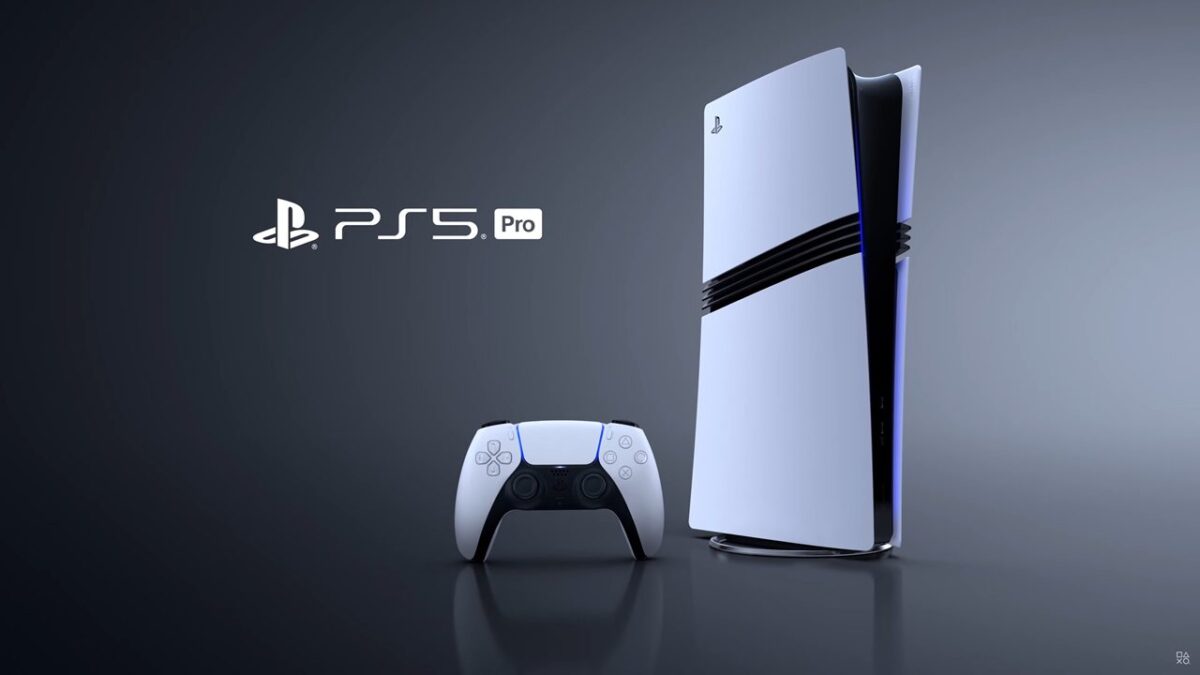
On the other hand, Sony has taken a proactive approach to these tariffs. The company has accumulated a considerable amount of PlayStation 5 consoles, anticipating the current difficulties. Furthermore, it has no new console model on the horizon, which allows for greater flexibility in its short-term strategy. Meanwhile, there are rumors that Sony may relocate its console production from China to Japan, which would reduce the tariff impact from 54% to 24%. This change would help mitigate the price increase in the U.S. market.
The arrival of the new Nintendo Switch 2 could mark a turning point, and Sony is in a favorable position to compete. The uncertainty surrounding how the U.S. market will receive Nintendo’s new console could open up significant opportunities for it to expand its market share during this critical period.
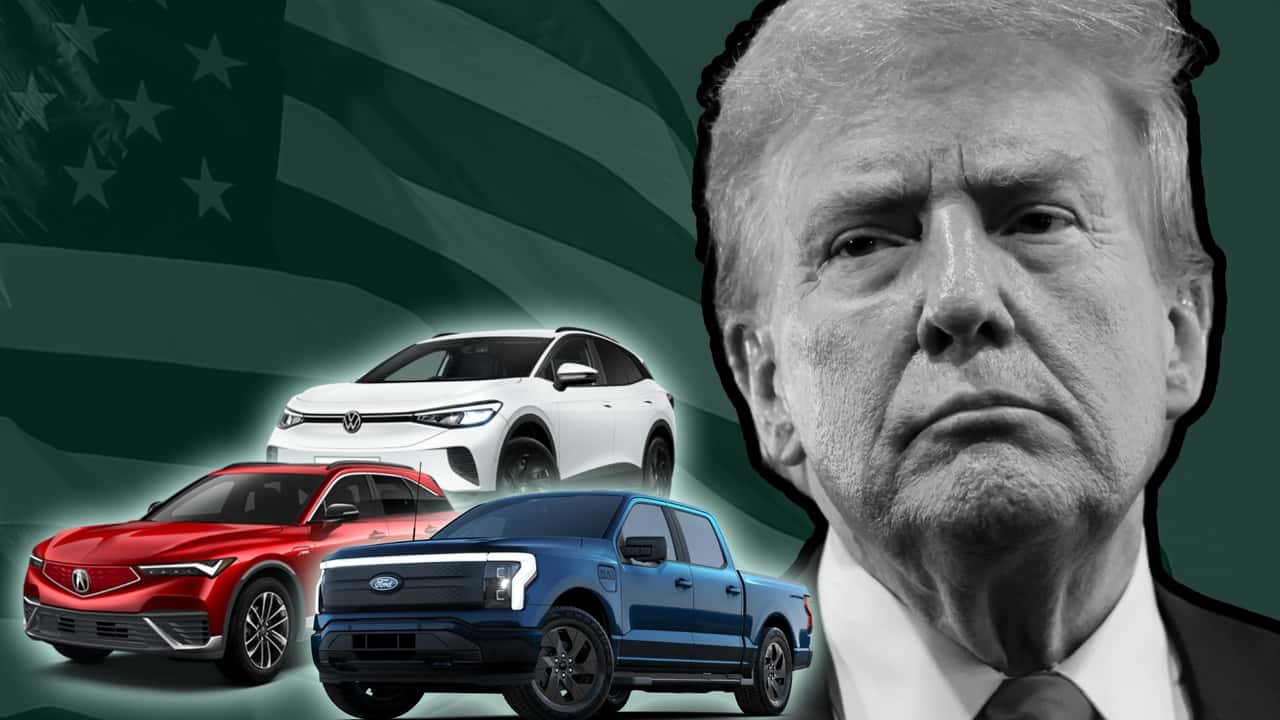
As the Trump Administration seeks to eliminate the federal electric vehicle (EV) tax credit, a new study warns of potentially dire consequences for U.S. manufacturing and the overall EV market.
This change could reduce the expected EV market share from a projected 18% to just 13% by 2026, and from 40% to 24% by 2030, according to the study.
New REPEAT Project report: repealing federal tax credits and regs supporting deployment of electric vehicles would slow sales and threaten the economic viability of dozens of manufacturing projects taking shape across the country. pic.twitter.com/5N4NOcTRLV
Jesse D. Jenkins, the project leader and assistant professor at Princeton, emphasized that this is the first report to directly correlate the removal of the tax credit with potential repercussions for U.S. manufacturing jobs tied to EV production and battery manufacturing.
The elimination of the credit could result in the cancellation of 100% of planned U.S. EV assembly plant expansions and render 29% to 72% of the nation’s battery-manufacturing capacity redundant, leading to significant job losses.
Tesla’s sales in Germany fell 76% in February, following a 60% drop in January, even as overall EV sales grew 30.8%. Similar declines were seen in Scandinavia and France, with Tesla’s European sales down 45% in January compared to last year.#trutraderfx#stocks#teslapic.twitter.com/KU5aRdnnfF
Analysts have consistently viewed the tax credit as indispensable for sustaining growth in EV sales. In line with this, S&P Global Mobility predicted that U.S. EV sales could more than double by 2030.
However, the Trump Administration’s focus on dismantling this and other Biden-era policies—including charging infrastructure and emission standards—casts a shadow over these optimistic forecasts.
Furthermore, J.D. Power has predicted that the potential elimination of the tax credit will keep EV market share stagnant at 9.1% this year, although growth is expected to resume post-2023, aiming for a 26% market share by 2030. Notably, red states could face the most significant impacts from these policy changes, threatening not only the manufacturing landscape but also the jobs that depend on it.
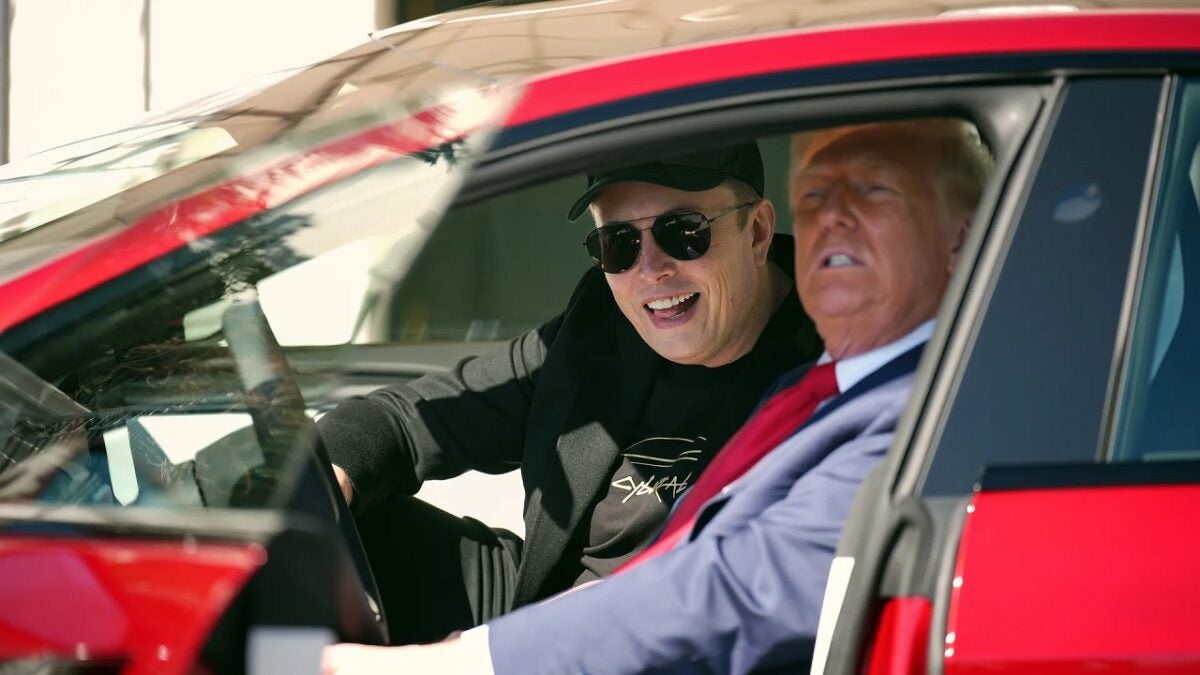
In a surprising move, former President Donald Trump hosted an event at the White House to promote Tesla just a day after the company’s stock plummeted by 15%, marking a staggering 50% decline from its peak in December.
During the press conference, Trump lauded Tesla’s vehicles, claiming he would purchase a Model S Plaid to show his backing for the electric vehicle manufacturer.
Trump just spoke to the media about buying a Tesla and said he hopes it boosts Tesla sales.
In response Musk claimed Tesla will double US production. This is unlikely given declining demand for his cars.
After the White House event, Tesla’s stock did see a slight rebound
However, he humorously noted that since he is not licensed to drive, White House staff would be the likely users of the car. This event follows a history in which Trump has disseminated misinformation regarding electric vehicles, previously characterizing them as ‘unusable’ and recently closing 8,000 EV chargers at federal buildings.
After the White House event, Tesla’s stock did see a slight rebound, rising 5% in the wake of the publicity stunt, which was a far cry from recovering its losses from the previous day.
Critics argue that this support for Tesla seems more transactional than genuine, given the timeline of Musk’s substantial donations to Trump, raising eyebrows about the motivations behind such political endorsements.
Moreover, Trump has faced ongoing criticism for his promotion of misinformation surrounding electric vehicles and his push against their adoption in the U.S., which runs counter to global trends toward sustainability and renewable energy.
As speculation continues about whether Trump’s intervention will shift public perception of electric vehicles, the effectiveness of his efforts remains uncertain, especially given his mixed track record.