Sony's bet on AI could help you get through the difficult parts of games

The video game industry is undergoing a considerable transformation thanks to the implementation of Artificial Intelligence in various aspects of game development. Companies like Square Enix and Krafton are heavily investing in the use of this technology in their production processes, seeking to improve both the quality of their titles and the player experience. The ghost player that helps you when you get stuck One of the most intriguing developments comes from Sony, which has registered a patent for an innovative system that offers assistance to players through an AI-controlled avatar. This system, called […]

The video game industry is undergoing a considerable transformation thanks to the implementation of Artificial Intelligence in various aspects of game development. Companies like Square Enix and Krafton are heavily investing in the use of this technology in their production processes, seeking to improve both the quality of their titles and the player experience.

The ghost player that helps you when you get stuck

One of the most intriguing developments comes from Sony, which has registered a patent for an innovative system that offers assistance to players through an AI-controlled avatar. This system, called AI-generated Ghost Player, allows users to choose between two operating modes: Guide Mode, which provides solutions to game challenges, and Complete Mode, where the AI takes full control of the character to overcome obstacles, preventing players from getting stuck in the gameplay.

It is important to note that although this patent has been filed, it does not guarantee the implementation of the technology in future games, and Sony has not yet revealed concrete plans to allow AI to play for users. The gaming community may see this as an optional tool designed to enhance the gaming experience, but it also raises debates about the impact it would have on game design and player satisfaction.

In addition, Sony has filed another patent that would allow real-time modification of video game or movie content, which has raised concerns about the possibility of AI-managed censorship. This aspect has been viewed critically, raising questions about the ethics of these technological implementations in digital entertainment.

The increase in global tensions raises alarm about economic security

In recent weeks, a significant increase in tensions between different nations has been observed, raising concerns about global stability. These conflicts not only affect diplomatic relations but also increase the vulnerability of maritime transport routes and international trade, putting the economic security of several countries at risk. The interconnectedness of modern economies means that any disruption in this delicate system can have ripple effects worldwide. The ethical concerns of AI An additional factor that exacerbates this situation is the rapid development of artificial intelligence technologies […]

In recent weeks, there has been a significant increase in tensions between different nations, raising concerns about global stability. These conflicts not only affect diplomatic relations but also increase the vulnerability of maritime transport routes and international trade, putting the economic security of several countries at risk. The interconnectedness of modern economies means that any disruption in this delicate system can have ripple effects worldwide.

The ethical concerns of AI

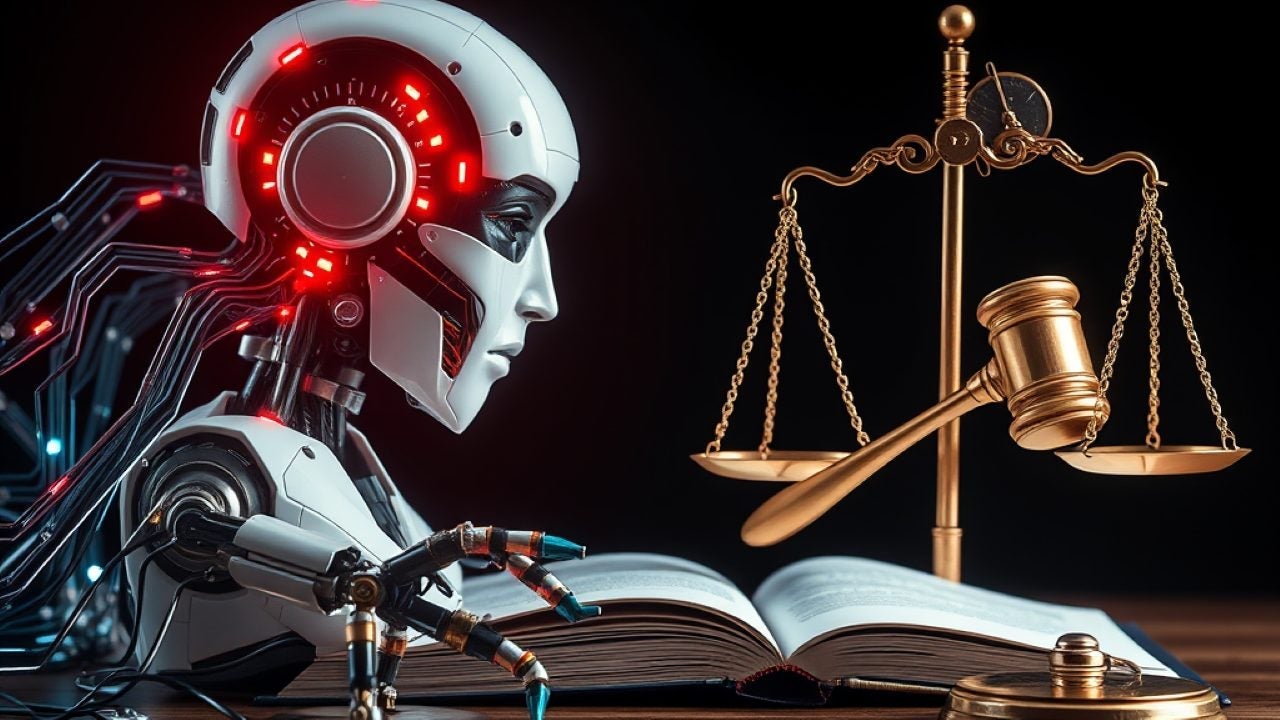
An additional factor that exacerbates this situation is the rapid development of artificial intelligence technologies without proper oversight. While AI promises to improve multiple sectors, its uncontrolled growth could bring significant risks, both in cybersecurity and ethics. The lack of regulation in this area could also facilitate the emergence of what is known as shadow AI, artificial intelligence tools operated in secret that are often not audited or supervised, raising serious concerns about their misuse.

At this crossroads, experts suggest the need to implement strategies and measures to mitigate the risks arising from these interrelated factors. Managing exposure becomes a critical imperative, allowing governments and organizations to proactively address threats, whether geopolitical or technological. This includes the creation of more robust security protocols to protect maritime routes, as well as the implementation of regulations that ensure the oversight of artificial intelligence, preventing this technology from becoming an uncontrollable risk.

The challenges are complex, but with coordinated actions we can aspire to greater global stability and security in a world that faces constant changes.

ChatGPT achieves a 76% increase in its performance

OpenAI has announced a notable increase in the performance of its artificial intelligence model, GPT-5.1-Codex-Max, which has reached 76% in capability assessments. This advancement suggests a significant leap in the model’s ability to understand and generate natural language, which could have important implications for various applications, from task automation to content creation. Increase in use in work environments According to data provided by the company, this improvement is evident in a series of tests that evaluate the accuracy, relevance, and creativity of the responses generated by the model. The increase […]

OpenAI has announced a notable increase in the performance of its artificial intelligence model, GPT-5.1-Codex-Max, which has reached 76% in capability assessments. This advancement suggests a significant leap in the model’s ability to understand and generate natural language, which could have important implications for various applications, from task automation to content creation.

Increase in usage in work environments

According to the data provided by the company, this improvement is evidenced in a series of tests that evaluate the accuracy, relevance, and creativity of the responses generated by the model. The increase in performance highlights OpenAI’s commitment to the continuous development of technologies that optimize human-machine interaction, facilitating richer and more effective experiences for users.

However, along with the enthusiasm for these improvements, OpenAI has also issued warnings about the cybersecurity risks that could arise from the use of its technology. The company emphasizes the need to be cautious about the potential misuse of artificial intelligence, which could lead to the generation of misinformation or the creation of misleading content, thus posing a challenge for both developers and users of this advanced technology.

These developments coincide with a growing interest in the tech sector for the use of artificial intelligence in the business and creative fields. Lthe possibility that GPT-5.1-Codex-Max could influence the way content is produced and consumed is undeniable, but it also requires a critical analysis of how to ensure that these tools are used ethically and responsibly.

McDonald's backtracks and withdraws a Christmas ad generated by AI

McDonald’s has decided to withdraw a Christmas advertisement generated by artificial intelligence after receiving a strong negative reaction online. The ad, launched on McDonald’s YouTube channel in the Netherlands, sparked a flood of criticism that led the company to reconsider its approach. The company told BBC News that this experience was an important learning opportunity about the effective use of AI in its advertising strategy. Public opinion and its positioning on AI This is not an isolated case, as major brands like Coca-Cola are also experimenting with AI in their […]

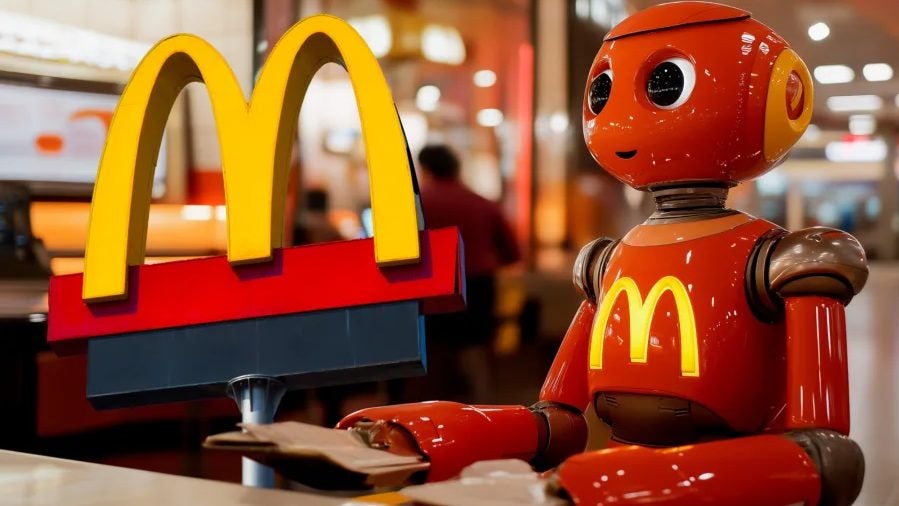
McDonald’s has decided to withdraw a Christmas advertisement generated by artificial intelligence after receiving a strong negative reaction online. The ad, launched on McDonald’s YouTube channel in the Netherlands, sparked a flood of criticism that led the company to reconsider its approach. The company told BBC News that this experience was an important learning opportunity about the effective use of AI in its advertising strategy.

Public Opinion and Its Positioning on AI

This is not an isolated case, as big brands like Coca-Cola are also experimenting with AI in their advertising campaigns. Despite receiving mixed reactions to its first AI-generated advertisement, Coca-Cola chose to launch a second version during the holiday season. This suggests that, despite the criticism, companies are willing to move forward with this new technology in an effort to adapt and attract a broader audience.

The use of artificial intelligence for ad creation is constantly increasing, as this tool is fundamentally transforming the advertising industry. Brands use it for various reasons, including efficiency in content production and the ability to personalize ads more effectively. However, consumer sentiment is divided; despite AI becoming a norm for advertisers, many consumers are still adapting to this trend.

This episode with McDonald’s may be an indication that, although AI offers interesting opportunities, public acceptance will not always occur. Brands must carefully consider how they apply these technologies to avoid adverse reactions and foster a positive dialogue with their audiences.

The harsh reality of AI trainers in Nairobi

In Nairobi, a group of workers faces critical working conditions while training artificial intelligence models for American and Chinese companies. This phenomenon is part of the context of technology globalization, where Kenya, instead of becoming the expected tech HUB, has become a destination for cheap labor due to rising wages in China. Harsh conditions The working conditions for these employees have been described as inhumane, with numerous reports about the need to filter toxic content that causes considerable damage to their mental health. The workers are in charge of […]

In Nairobi, a group of workers faces critical working conditions while training artificial intelligence models for American and Chinese companies. This phenomenon is part of the context of technology globalization, where Kenya, instead of becoming the expected tech HUB, has become a destination for cheap labor due to rising wages in China.

Very harsh conditions

The working conditions for these employees have been described as inhumane, with numerous reports about the need to filter toxic content that causes considerable damage to their mental health. The workers are responsible for cleaning responses from language models, such as those used by ChatGPT, facing traumatic content that they must process under a strict cultural and political framework that adheres to Chinese regulations.

As the cost of labor in China has increased, corporations have shifted their gaze towards Africa, seeking to replicate the precarious working conditions that initially motivated the exit of American capital from the country. However, the new approach not only raises ethical questions but also presents a cultural dilemma: workers in Nairobi must train AI models from a perspective that does not contravene the political sensitivities of the Chinese Communist Party.

This work model has brought with it a series of ethical scandals that have called into question the social responsibility of the companies involved. Despite being part of the Digital Silk Road, which promises to interconnect economies, the reality is that the local economy has not seen the expected benefits, and the dream of a technological future in Kenya continues to be an illusion that contrasts with the harshness of the daily lives of these workers.