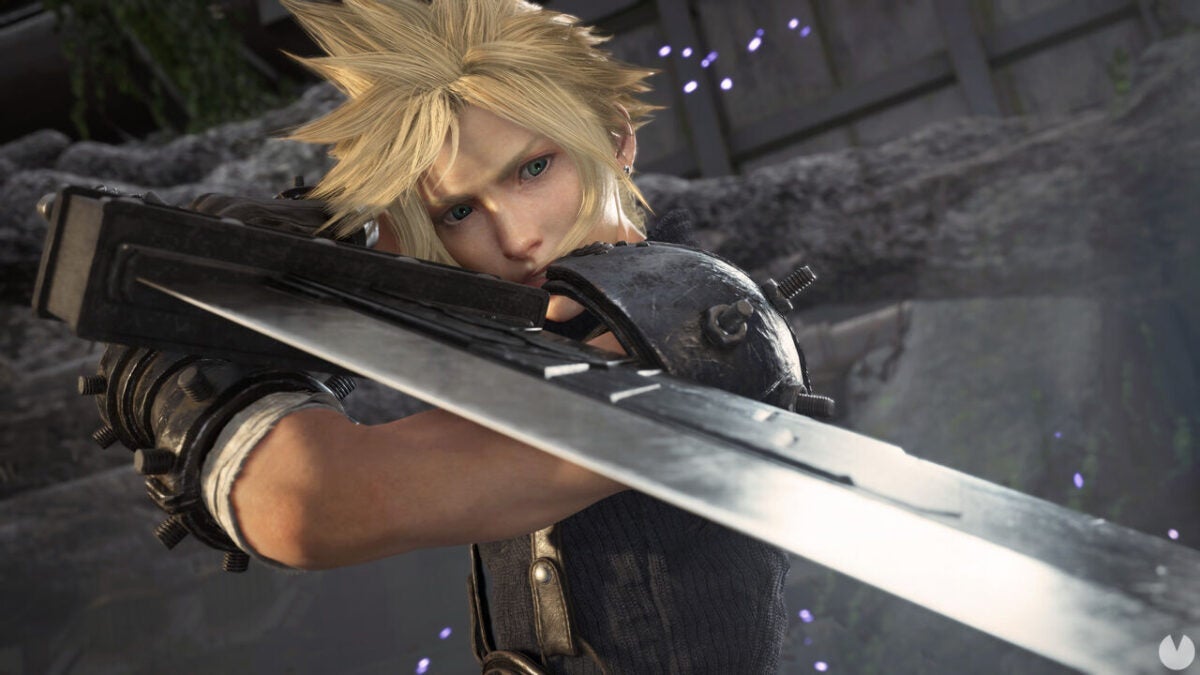
Square Enix has provided exciting updates on the development of Final Fantasy 7 Remake, revealing that the third installment of the remake, currently playable, is in the final stages of development. Naoki Hamaguchi, the game’s director, stated in a recent interview that progress is aligned with the established goals and that the ports for consoles like Nintendo Switch 2 and Xbox Series X|S are not affecting the development of the next chapter, confirming that there is a dedicated team handling the porting work independently. What a fantasy of a game Hamaguchi explained that this team is meticulously focused on […]
Square Enix has provided exciting updates on the development of Final Fantasy 7 Remake, revealing that the third installment of the remake, currently playable, is in the final development phase.
Naoki Hamaguchi, the game’s director, stated in a recent interview that progress is aligned with the established goals and that the ports for consoles like Nintendo Switch 2 and Xbox Series X|S are not affecting the development of the next chapter, confirming that there is a dedicated team handling the porting work independently.
He highlighted that development is progressing smoothly, with each day bringing significant improvements in game quality and an increasingly polished experience.
“We are in the final phase, refining and building the experience,” the director noted, adding that players will see updates about the series “more than ever” throughout this year.
With the promise of more news on the horizon, Final Fantasy 7 fans will be keeping an eye not only on the imminent release of the third part but also on the constant improvements and updates that the developer has in store for them.
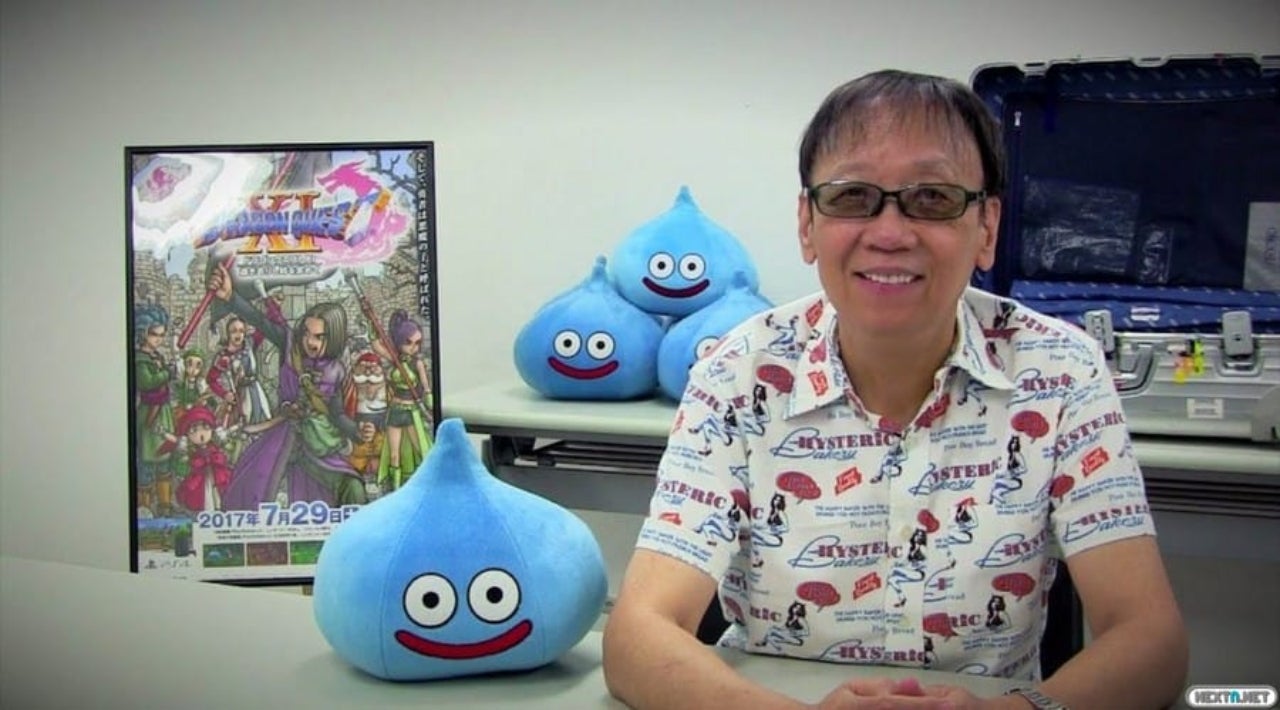
The Dragon Quest and Final Fantasy franchises, fundamental pillars of the JRPG genre, have maintained a relationship of competition and comparison over the years. In a recent interview, Yuji Horii, creator of Dragon Quest, shared his vision on the narrative differences that characterize both sagas, highlighting how their design has influenced the player’s experience. Emphasis on narrative or immersion Horii pointed out that in Final Fantasy, characters have voice and personality, allowing them to build their own identities. Protagonists like Cloud from Final Fantasy VII or Tidus from Final Fantasy X […]
The Dragon Quest and Final Fantasy franchises, fundamental pillars of the JRPG genre, have maintained a relationship of competition and comparison over the years. In a recent interview, Yuji Horii, creator of Dragon Quest, shared his vision on the narrative differences that characterize both sagas, highlighting how their design has influenced the player experience.
Emphasis on narrative or immersion
Horii pointed out that in Final Fantasy, characters have voice and personality, which allows them to build their own identities. Protagonists like Cloud from Final Fantasy VII or Tidus from Final Fantasy X are examples of heroes who guide the narrative through their emotions and dialogues. This approach, while rich in narrative content, presents a marked contrast with the approach of Dragon Quest, where the protagonist remains silent, allowing the player to identify with the character. For Horii, this silence does not imply a lack of depth, but rather is a deliberate resource for the player to identify with the main character.
This divergence in design philosophies reflects two distinct ways of telling stories within the world of Japanese role-playing: silent immersion versus guided narrative. Both formulas have proven to be successful and have greatly contributed to the development of the genre, inspiring new generations of developers and players.
Horii also emphasizes that this historical rivalry is not negative, but rather represents a creative diversity that enriches the landscape of Japanese role-playing games. By observing how both sagas have evolved with remakes and new releases, their reflection remains alive in the hearts of players, who today can choose to become the silent hero of Dragon Quest or accompany the protagonists of Final Fantasy in their emotional stories.
During the Fan Festival 2025, Naoki “Yoshi-P” Yoshida, director of Final Fantasy 14, addressed fans’ concerns regarding the release date of the upcoming expansion. This statement comes in a context marked by a legal inquiry against the popular add-on Mare Synchronos, which has fueled the community’s worries about the future of the game. Yoshida thanked fans for their support and, although he did not provide specific details, assured that “there won’t be much to wait” to learn more about the content that will follow Dawntrail. Sit back and wait Over the years, the […]
During the Fan Festival 2025, Naoki “Yoshi-P” Yoshida, director of Final Fantasy 14, addressed the fans’ concerns regarding the release date of the upcoming expansion. This statement comes in a context marked by a legal inquiry against the popular add-on Mare Synchronos, which has fueled the community’s concern about the future of the game. Yoshida thanked the support of the fans and, although he did not provide specific details, assured that “there won’t be much to wait” to learn more about the content that will follow Dawntrail.
Sit down and wait
Over the years, Final Fantasy 14 expansions usually release approximately four months after a Fan Fest, leading players to fear that with the conclusion of the event in Tokyo on November 1, 2026, the wait for the next expansion could extend to almost three years. This would set a record for the longest wait between releases, surpassing the Shadowbringers era, which was already affected by delays caused by the pandemic.
Since its release, Dawntrail has received mixed reviews and has left the community fatigued. Yoshida acknowledged the frustration with the current content and mentioned that the development team is working to update the content, aiming to attract a broader range of players. This is presented as an attempt to restore fan trust as the final patches of the current expansion approach.
With fan pressure mounting and the clock ticking towards the next announcement, many hope that Yoshida’s words will serve as an indicator of a stronger strategy for the future of Final Fantasy 14. The next expansion could be closer than players initially anticipated, although uncertainty remains.
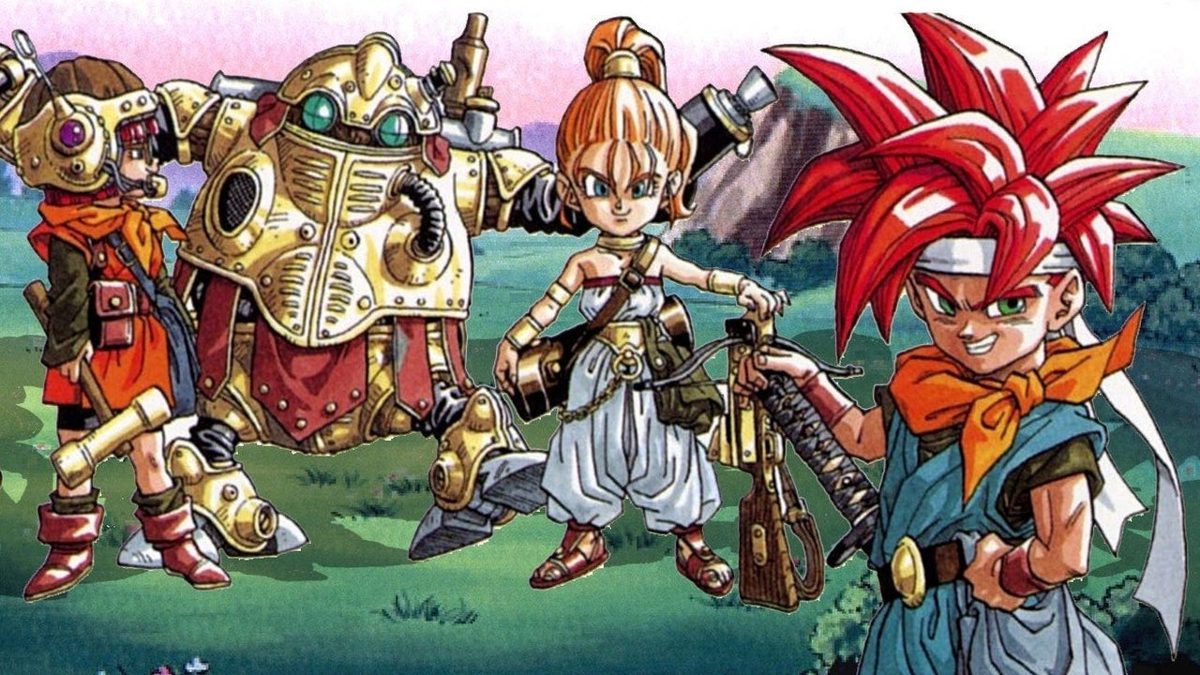
Time passes for everyone. Even for the JRPGs that have marked entire generations and have defined video games in a way that most can hardly even dream of. This has been the case with Chrono Trigger, one of the most important games of the SNES and one of the most legendary JRPGs in history, which has just turned 30 years old. Something that, of course, Square Enix has already announced it plans to celebrate as it deserves. How that celebration will be is what remains unclear. They have said they plan to celebrate it, but not how. […]
Time passes for everyone. Even for the JRPGs that have marked entire generations and have defined video games in a way that most can hardly even dream of. This has been the case with Chrono Trigger, one of the most important games on the SNES and one of the most legendary JRPGs in history, which has just turned 30 years old. Something that, of course, Square Enix has already announced it plans to celebrate as it deserves.
How is that celebration going to be? That is what remains unclear. They have said that they plan to celebrate it, but not how. That’s why we can only speculate and dream, knowing that they will have to do something. And in the meantime, we prefer to remember and above all, explain something that perhaps many people do not know: why Chrono Trigger is important. And that is what this article is about. The reasons why this thirty anniversary should be your excuse to replay a legendary game. Or to play it for the first time.
Chrono Trigger is a classic role-playing video game developed by Square, in which a group of young adventurers travel through different eras to save the planet from a future disaster.
The biography of Chrono Trigger
Published on March 11, 1995 for Super Nintendo, it wouldn’t reach the US until August 11 of that same year. And Europe and Australia? I’m afraid we would have to wait until February 2009 for a remaster to be released for Nintendo DS. This does not mean that the game was not played outside of Japan and the US until then.
Because Chrono Trigger is one of those games that was highly imported at the time. Although it was sold at completely outrageous prices outside of North America, it was also sold in English outside the US. And over time since the Super Nintendo, its legend continued to grow, partly thanks to a re-release on PlayStation that was published in 1999 in Japan and in 2001 in the US, which would further cement its cult status. This led to the fact that over the years and with the rise of emulation, anyone interested in JRPGs not only had heard of Chrono Trigger but could also play it, even if it never legally reached their territory.
A game created by a dream team
Why did the game cause such a stir? Probably because it was designed from the beginning to do so. Chrono Trigger was developed by what Square conceived as a dream team of three designers who had just created indisputable masterpieces: Hironobu Sakaguchi, creator of Final Fantasy; Yuji Horii, creator of Dragon Quest; and Akira Toriyama, creator of Dragon Ball. Together, they conceived the entire foundation of the game, from the visuals to the mechanics, resulting in the most idiosyncratic JRPG of its generation.
But it is not a dream team just because of its dream trio. It is also because of the excellent team that accompanied them. Takashi Tokita, director of Live A Live and Parasite Eve, would be co-director and co-writer of the game. Kazuhiko Aoki, director of Final Fantasy IV and Final Fantasy Chronicles, would be producer. And Masato Kato, writer of Final Fantasy VII, would be the other co-writer. Creating an absolutely dream team for the game.
An incredible story, magical designs, and unforgettable characters
But what is the game about? Basically, in the year 1000AD, Crono and Marle see how Lucca and her father demonstrate how their teleportation works at the fair of the Kingdom of Guardia. Due to an accident, they are teleported back in time 400 years, which leads them on an adventure of time travel, time paradoxes, and also a fight against a mad scientist who wants to end the world, which unfolds through different eras of the same world.
All of this, moreover, with seven tremendously charismatic characters that we can recruit in different time periods. Traveling from prehistory to the distant future, we will have all kinds of allies to fight against the evil Magus and the consequences of his actions, first trying to solve the disaster of our time travels, and then trying to prevent The End of Times with one of the most unforgettable castings of all time. Let’s remember, all designed by Akira Toriyama.
Although it remains a classic JRPG in terms of gameplay, the game would feature the Active Time Battle system, which would allow rivals to take actions while we make decisions in the menus. And surely the most striking aspect is the existence of cooperative skills, for which two or more characters will need to be in our party to perform a particularly powerful ability together. As long as the enemies are in the right position, as they can move during combat.
A game with many versions
With versions for SNES, PlayStation, Nintendo DS, mobile, and PC, it has undergone small changes over time. That said, there is no definitive version of the game. Although many people recommend the Nintendo DS version for having extra content and being relatively more accessible, it is generally accepted that the best version is the original. The SNES version remains the best-adjusted version, with fewer compromises and, while it shows its age, for many people this is not a problem but a plus: it has all the beauty of a game from its era.
What will Square Enix do to celebrate the 30th anniversary? While we would settle for a better port than the one we currently have for PCs, it wouldn’t hurt to have a good remaster. They will probably hold concerts, some kind of art exhibition in Japan, and everything else they do aside from that should be considered a bonus. Unfortunately, Chrono Trigger, as beloved as it is, doesn’t seem to be a priority like Final Fantasy is. Therefore, while we hope for at least the announcement of a series of ports, a Pixel Remaster-style version, or a remaster or remake, everything is still uncertain. But until we know, we can always return to this immortal game that hasn’t aged a single day since March 11, 1995.
Chrono Trigger is a classic role-playing video game developed by Square, in which a group of young adventurers travel through different eras to save the planet from a future disaster.
It had to happen sooner or later. In the current video game landscape, where, unless a studio is completely bought out, there are no exclusives that matter, Square has decided that it’s not enough to just make a profit when they could make, well, a lot of profit. Would it be enough for you, if you could earn double, to settle for what you have? Final Fantasy VII Rebirth may have been a success, but with the industry as it is, it will always be a relative success. And they want to put an end to that once and for all. It’s never truly the final fantasy. Don’t worry, because the third part […]
It had to happen sooner or later. In the current video game landscape, where, unless a studio is completely bought out, there are no exclusivities that matter, at Square, they have said that it’s not enough for them to make profits when they could make, well, a lot of profits. Would it be enough for you, if you could earn double, to stick with what you have? Maybe Final Fantasy VII Rebirth has been a success, but with the industry as it is, it will always be a relative success. And they want to put an end to that once and for all.
Do not fear, because the third part of the Final Fantasy VII remake is not going anywhere: the critics have considered it a success, it has achieved nominations in almost every award of the year and Square does not want to leave players without the conclusion of a work that -now yes- should close the story of this game with a flourish, which has been under construction since 1997. There is only one problem.
And the fact is that sales are far from being the big hit they expected. For example, in Japan, during the first week, it only sold 262,656 copies, far from other titles in the saga like FF16 or FF7 Remake. But that doesn’t worry the executives at Square too much, as they are still seeing profits. But, as we said… not enough. And they have made it very clear.+
“Although we are satisfied to have had a certain number of sales, with the current modernization of the industry we cannot be exclusive to a single platform. I believe we have to offer the game to as many players as we can”. In other words: even though what we have is working, I think I prefer to open the relationship.
And it’s surprising, because Square has always struggled to maintain exclusivities, even if they were temporary, but since this summer they have been pursuing a multiplatform strategy… Logically. If everything goes as it seems, it is possible that the rest of their upcoming hits (Dragon Quest 12, Kingdom Hearts 4, Final Fantasy 7 Part 3) will be released directly on all consoles and on PC. Live to see it.
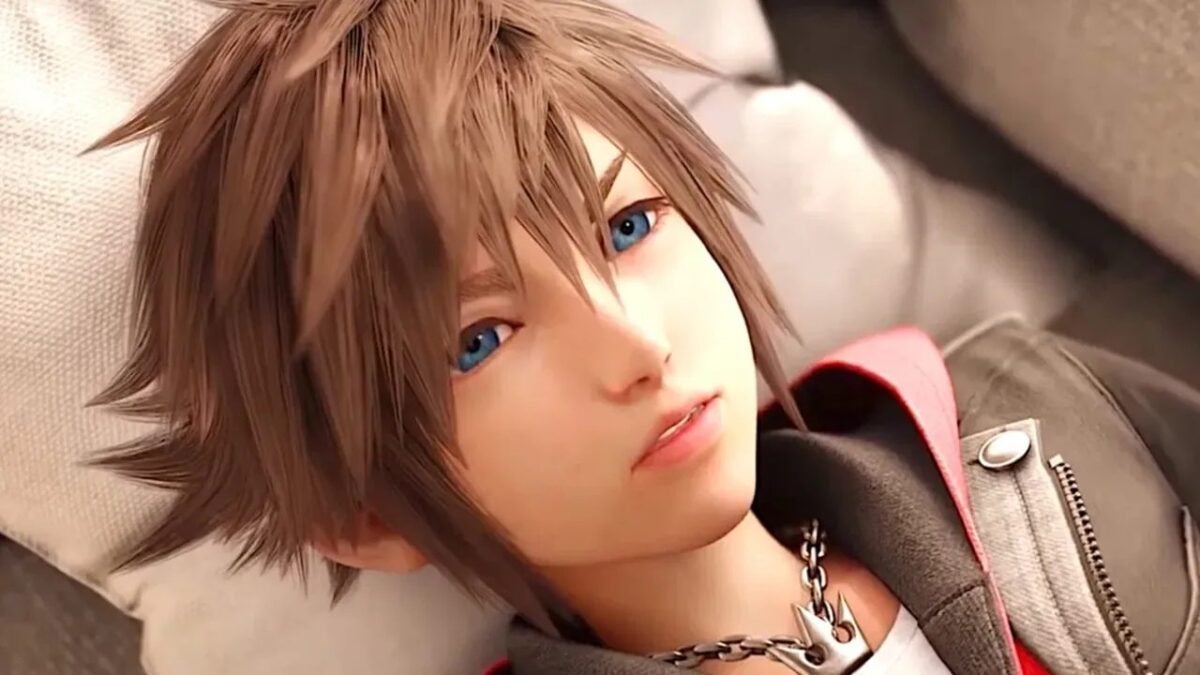
If, like me, you remember the launch of the first Kingdom Hearts, it’s time to go to the pharmacy to reserve Sintrom. The Square saga is already 22 years old (read it again: 22!) and even the most die-hard fan would take hours to explain the surface of its incredibly complex plot that navigates through main games, spin-offs, prequels, sequels, and even post-credits of compilations. It’s a mess. And the worst part is not that, but that originally, besides the complexity of its storyline, we were going to have to add the complexity of the game itself. Another puzzle, […]
If, like me, you remember the launch of the first Kingdom Hearts, it’s time to go to the pharmacy to reserve the Sintrom. The Square saga is already 22 years old (read it again: 22!) and even the most ardent fan would take hours to explain the surface of its incredibly complex plot that navigates through main games, spin-offs, prequels, sequels, and even post-credits of compilations. It’s a mess. And the worst part is not that, but that originally, in addition to the complexity of its plot, we would have had to add the complexity of the game itself.
According to Tetsuya Nomura, his initial idea for the game was very different from what we ended up having: “My concept was a game with a lot of depth, something you could play for a long time. I wanted to try to make a game where the player could do anything. Although Kingdom Hearts is from Disney, there are still some hardcore elements“. In fact, as an example, he mentions that it has a 3D map but not a 2D mini-map, forcing players to get lost and explore the cities and worlds.
And originally it was even more complex: “We had some puzzles that made you think ‘What is this, Takeshi’s Challenge?’. We lowered the difficulty a bit, but it’s still harder than most mainstream releases today”. If you don’t know what Takeshi’s Challenge is, you’re lucky: it’s a NES game created by Takeshi Kitano famous for its extreme difficulty: basically, if you don’t know all its tricks and little quirks, like hitting the start screen 30,720 times to reach the final boss immediately, it’s almost impossible to progress.
Luckily, Kingdom Hearts is much easier to understand than that game, but not because Nomura wanted it to be initially. “It’s the Disney factor, it’s the wolf in sheep’s clothing, right? I think the gameplay defies players’ expectations“. It certainly does. At least you don’t have to hit anyone 30,720 times with the keyblade to unlock anything!
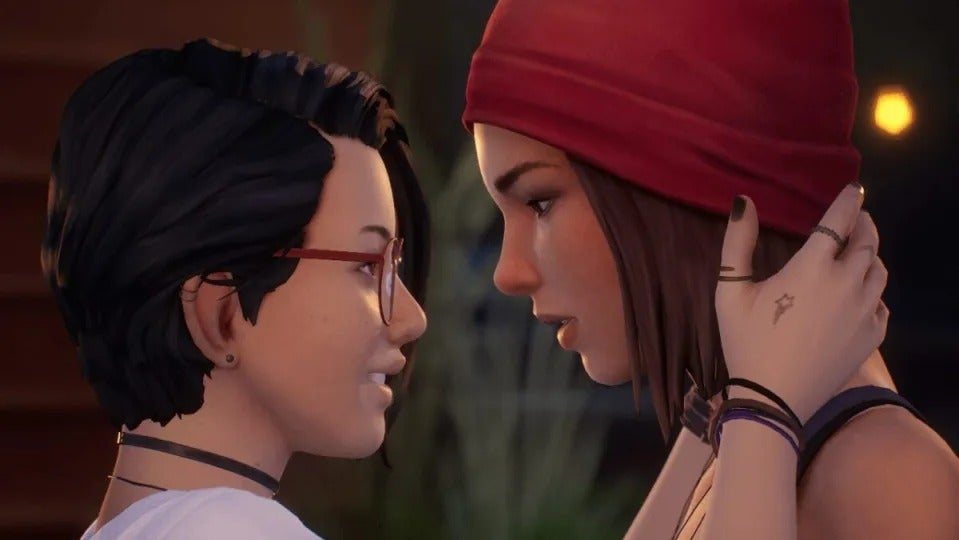
And above all, how is it possible that a game like ‘Life is Strange: True Colors’, admired for its LGBTQ representation, was about to be released to the market with Nazi symbols throughout its screens?
It’s tough to know that the company that made some of your favorite video games in recent years was actually a hotbed of toxicity and racism. But that’s the way it is… And it’s possible that the blame may not even be entirely theirs, but rather the parent company’s. I’m talking about Deck Nine and Square Enix, of course, the ones responsible for ‘Life is Strange’ after snatching it away from Don’t Nod. Good game, thanks, now these people over here will make it. And I wish this had been the dirtiest move they made about it.
How is it possible for a developer who could barely finance herself with Kickstarter to go on to lead one of the most beloved franchises in modern video game history? And, above all, how is it possible that a game like ‘Life is Strange: True Colors’, admired for its LGBTQ representation, was about to be released with Nazi symbols throughout its screens?
That -which is a supposed mistake whose origin they apparently continue to examine- is just the tip of the iceberg: Deck Nine created a toxic work environment allowing not only sexist comments, but weeks and weeks of crunch where developers put in between 70 and 80 hours per week. They were not mandatory, of course, but the workload was so ridiculously extensive and at Square they were in such a hurry that there was no other option.
And with crunch, a major looking over their shoulder (insisting that they didn’t want the game to be labeled as “gay”) and a bunch of new employees being forced in, inevitably leading to toxicity. Oh, and let’s add writers who didn’t want to admit they were wrong (the original ending of the game was very similar to a rape) and a Square that only accepted that the protagonist was bisexual after the press and the public showered them with praise.
And, of course, there were cases of sexual harassment, bullying, and transphobia that culminated in Nazi symbols within ‘Life is strange: True colors’. Now, after several canceled games (and employees fired), Deck Nine has based its own existence on the next installment of the saga they are developing. The question is whether they will be able to recover from these accusations. And the answer, frankly, is not clear.
This new installment of the Square saga is giving people something to talk about because it promises to be a game for adults in which we will find drugs, scenes of torture, sex, prostitution, and hate crimes.
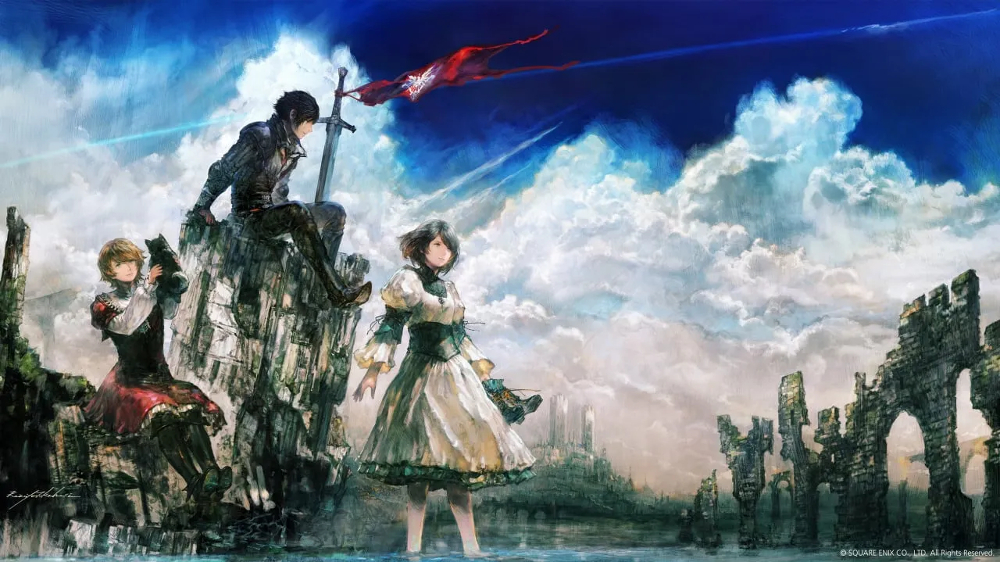
There’s a month and a half to go until the release of ‘Final Fantasy XVI’ and, apart from repeating the cycle of every Final Fantasy (fans saying that the previous one was the good one and this one isn’t), this new instalment of Square’s saga is really getting people talking because it promises to be a game for adults in which we’ll find drugs, torture scenes, sex, prostitution and hate crimes. It’s like a crossover between Final Fantasy and ‘GTA‘. However, there is one country that has gone beyond “for adults”: it has erased it from existence.
According to ESRB, the US rating system, the voices saying it’s too edgy aren’t lying: there will be moaning in a hotel room, dialogue like “I’d be happy to show you… if you can afford it”, half-exposed asses and breasts, and words like “fuck” and “shit”. OK, yes, we don’t think it’s anything to shout about either, but it was enough to give it an M rating, i.e. recommending that children under 17 stay away from it. PEGI, for its part, has also rated it for 18+.
Of course, the essentials of the game are still there: orcs, magic, swords, fireballs, that sort of thing. After all, it’s still ‘Final Fantasy‘, even if there are suddenly scenes written by a fifteen year old. However, in Saudi Arabia, the company in charge of rating the game has refused to do so and, consequently, the game will not be released and will remain unreleased in the country.
The reason is that Square has steadfastly refused to censor the game and make the necessary modifications to make it look good, so the hardcore fans out there may already be preparing “alternative ways” to get it. Wink, wink. The ratings body hasn’t said exactly what it is that’s been bothering them, but rumour has it that it’s a homosexual couple. Frankly, good for Square. There’s money to be made that isn’t worth stooping for.
This is not the first game to be censored in Saudi Arabia, which has a long tradition of banning experiences for the most bizarre reasons. For example, ‘The last of us II’ had a homosexual couple, ‘Dead rising 2’ had gambling and nudity, ‘God of war’ had religious and sexual content and ‘Spec Ops: The Line’ had a fictional representation of Dubai. There are many others, including ‘Roblox‘ or ‘Injustice: Gods Among Us’, and ‘Final Fantasy XVI’ is just one more on the list.
Not least because Saudi Arabian laws apparently don’t follow censorship enforcement and games end up appearing in shops without anything happening, so fans of Japanese RPGs in the country will probably be able to get their hands on it anyway. The censorship issue is a curious one: for example, no games were banned in Afghanistan between 2001 and 2021, except for one, with the idea of protecting the younger generation from a bad influence. You’re thinking of ‘Manhunt 2’ or ‘Carmageddon’, right? Well, it was PlayerUnknown’s Battlegrounds. What you have to see.