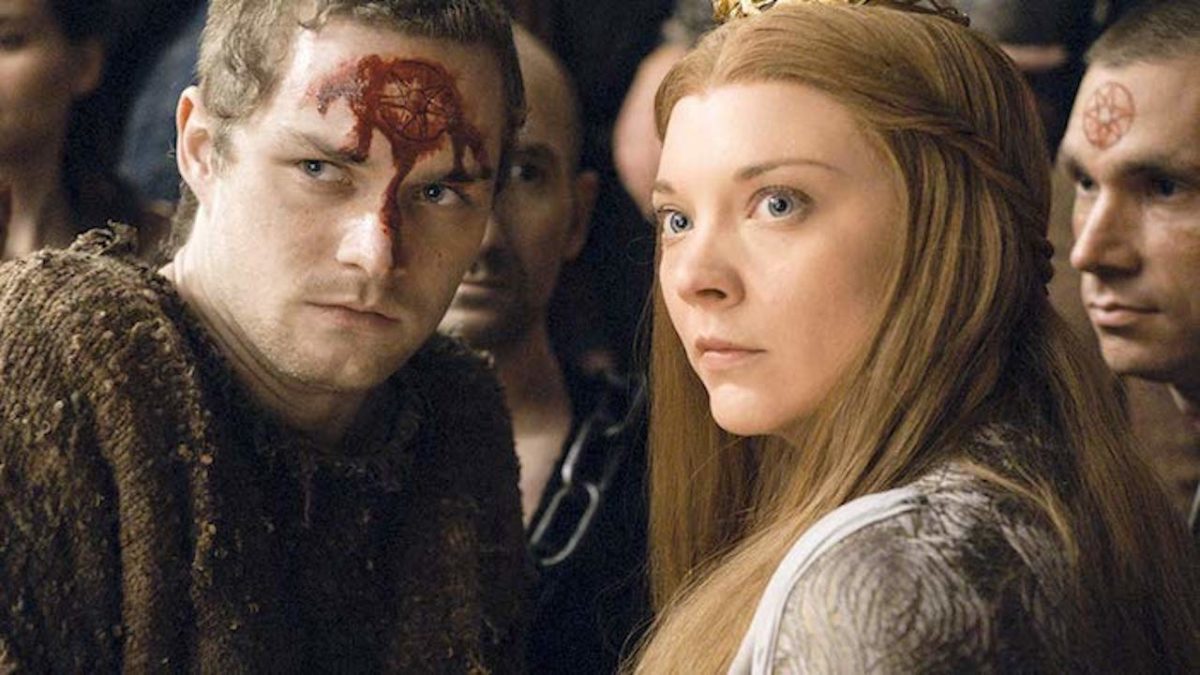
15 most memorable Game of Thrones deaths

Whose death was the most shocking?

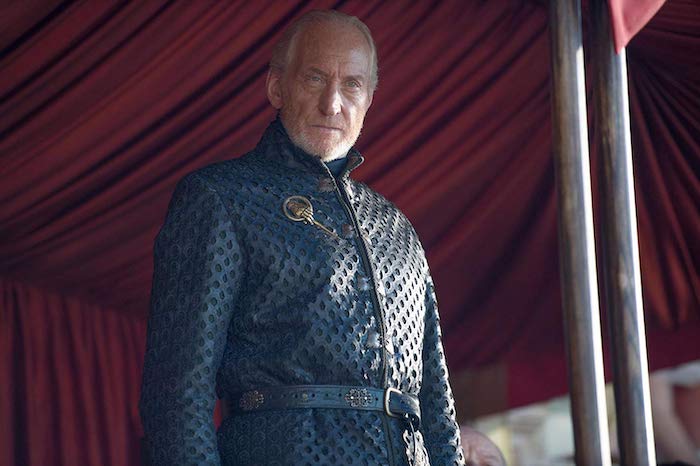
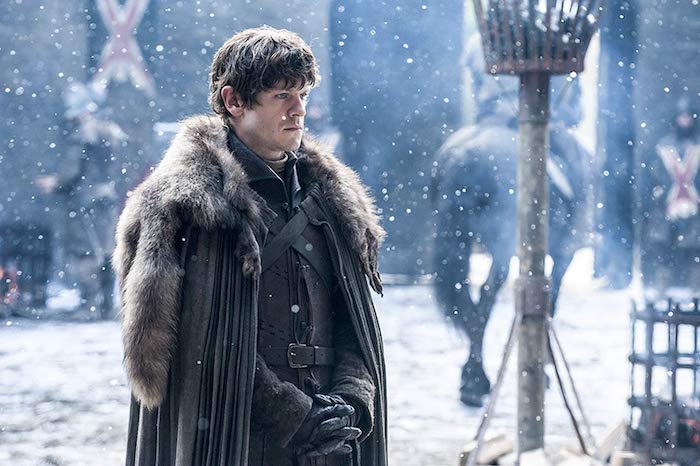
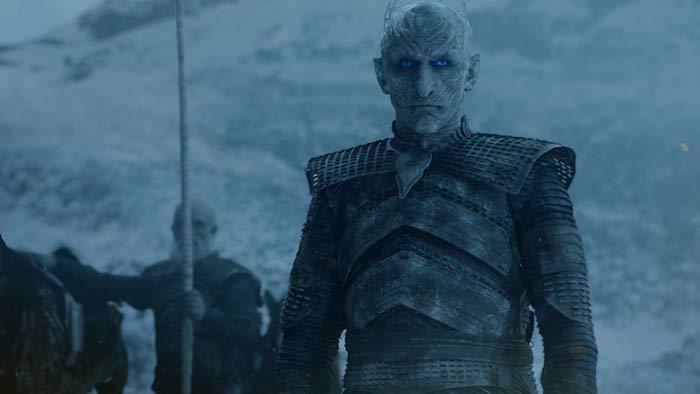
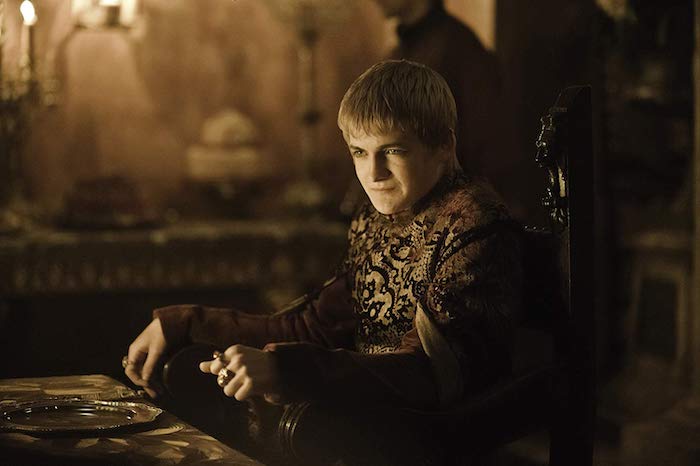
“Game of Thrones” is finally over. The revolutionary fantasy TV show has left audiences with 8 seasons worth of deep characters, huge plot twists, and memorable moments. Some of the most iconic moments on Game of Thrones were the character deaths. In a world where one wrong move could have serious consequences, even the most beloved characters weren’t safe from the Grim Reaper. Here’s a look back at the show’s 15 most memorable deaths.

Note: The deaths below are presented in chronological order.

SPOILERS AHEAD!

15 most memorable Game of Thrones deaths

15. Ned Stark
game of thrones ned stark death
Image courtesy HBO

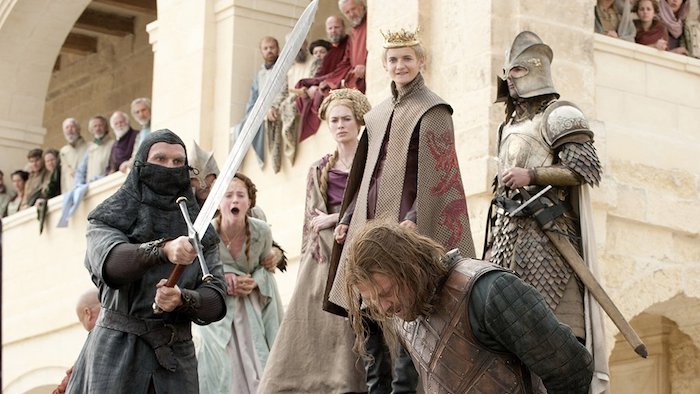
Ned Stark was one of the first major deaths on Game of Thrones, and it was a twist that many audience members didn’t see coming. After discovering that Joffrey Baratheon was the secret child of Jaime and Cersei Lannister, Ned and his personal forces storm the Throne Room in an attempt to keep the Lannisters from seizing power for themselves. Unfortunately for Ned, he’s betrayed by Littlefinger, his forces are slaughtered, and he gets condemned to death. After being set up to be one of the show’s main characters for most of the season, Ned is publicly beheaded for treason on the orders of King Joffrey. It’s easily one of the show’s most shocking moments, and the audience holds out the hope that Ned will somehow survive right up until the blade passes through his neck.

14. Viserys Targaryen
game of thrones viserys targaryen death
Image courtesy HBO

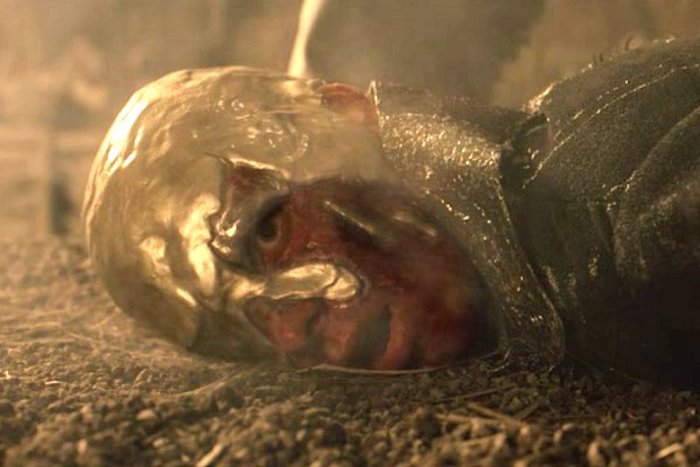
Viserys Targaryen is the cruel and spiteful older brother of Daenerys Targaryen. He regularly abuses his younger sister while harboring ambitions of returning to Westeros to seize the Iron Throne for himself. As part of his plan to do so, he arranges Daenerys’ marriage to Khal Drogo. Unfortunately for Viserys, the Khal ends up liking his sister a little too much. In a drunken fit of frustration and rage, Viserys storms into one of the Khalasar’s most sacred spaces and threatens Daenerys at swordpoint. He’s swiftly subdued by Khal Drogo’s men, and Daenerys sentences her older brother to death. As she watches on, Khal Drogo dumps a pot of molten gold onto a screaming Viserys, giving him the crown that he always wanted.

13. Robb & Catelyn Stark
game of thrones red wedding deaths
Image courtesy HBO

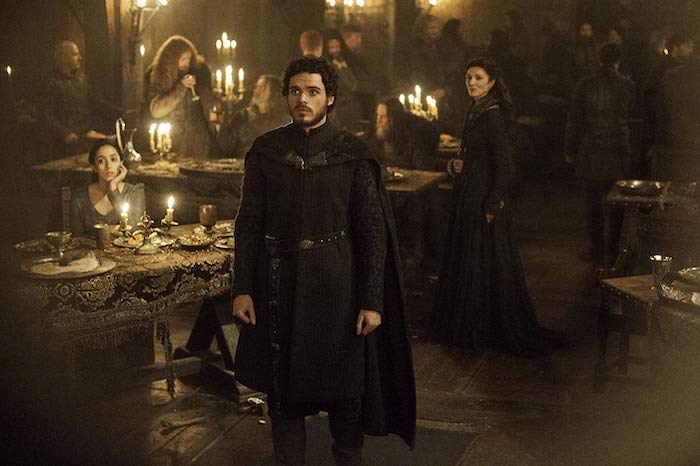
The Red Wedding has doubtless left an indelible mark in the memories of every Game of Thrones fan. After the death of his father, the young Robb Stark takes up arms and launches a rebellion against the Lannisters. Together with his force of northern lords, Robb wins essentially every battle he fights. Everything’s looking up, and it seems like nothing can take Robb down… until he makes one fatal mistake. He renounces his arranged marriage to the daughter of Walder Frey to marry Talisa, the daughter of a foreign noble.

The spiteful Lord Walder conspires with Robb’s ally Roose Bolton and the Lannisters to betray and slaughter Robb’s forces in a surprise attack during a feast at The Twins. The pregnant Talisa is stabbed to death, Robb is shot with several arrows and stabbed by Roose Bolton, and Catelyn Stark’s throat is viciously slit in the ensuing bloodbath. Bolton’s chilling whisper of, “The Lannisters send their regards,” echoes in the heads of many “Thrones” fans to this day.

12. Joffrey Baratheon
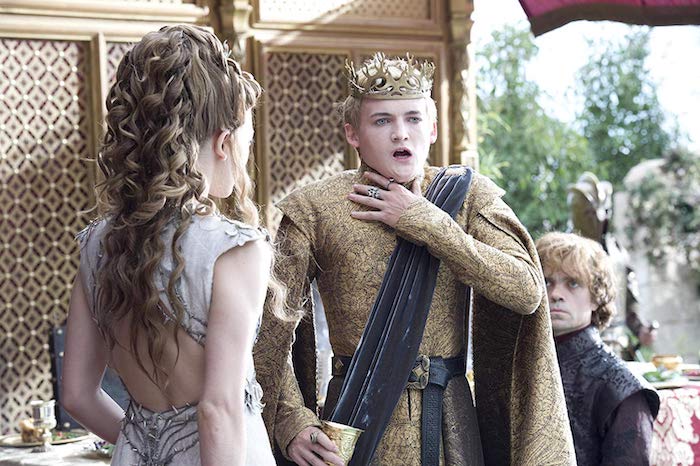
game of thrones joffrey baratheon death
Image courtesy HBO

Cruel, petulant, and just all around hated, Joffrey Baratheon’s comeuppance was a long time in the making. After abusing Sansa Stark and keeping her in the court as a hostage in everything but name, Joffrey sets her aside in favor of an arranged marriage to the ambitious Margaery Tyrell. What Joffrey doesn’t know is that she has no intention of being his wife. At their wedding feast, Margaery’s grandmother Lady Olenna slips a vial of poison into Joffrey’s wine. Joffrey chokes to death, his face turning purple as blood pours from his nose and eyes. It’s an immensely satisfying moment… despite the fact that Tyrion gets blamed for the murder.

11. Lysa Arryn

game of thrones lysa arryn death
Image courtesy HBO

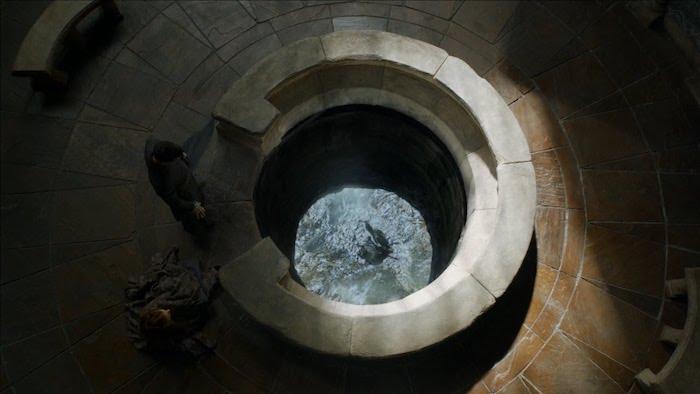
Lysa Arryn was the jealous and temperamental sister of Catelyn Stark. Together with her secret lover, Petyr Baelish, Lysa conspired to murder her husband Jon Arryn. This betrayal kicked off the events of the series and eventually led to The War of the Five Kings. After Littlefinger and Sansa flee King’s Landing, they take refuge with Lysa at her mountaintop castle, The Eyrie. Sansa’s presence causes her to become increasingly unstable, as she harbors suspicions that Sansa and Baelish are lovers. Eventually, she attempts to murder her niece in a fit of rage. Littlefinger then betrays Lysa, pushing her through the castle’s Moon Door. Sansa and Littlefinger watch on as Lysa plummets to her death on the rocks below.

10. Oberyn Martell
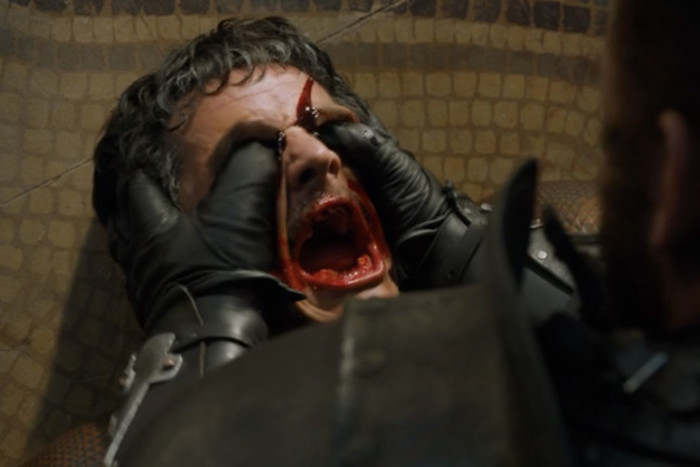
game of thrones oberyn martell death
Image courtesy HBO

After Tyrion is imprisoned on suspicion of the murder of King Joffrey, he invokes his right to trial by combat. He enlists Prince Oberyn Martell as his champion, going up against the fearsome Ser Gregor Clegane. Martell and Clegane have a personal history: The Mountain brutally murdered his sister, Princess Elia, and her children after Baratheon forces invaded King’s Landing during Robert’s Rebellion. A skilled warrior, Oberyn dances circles around the much larger Mountain during their fight. Landing several brutal blows against Clegane, Oberyn’s victory seems assured.

Oberyn takes an opportunity to gloat, demanding Gregor confess to the murder of his sister. The wounded Clegane seizes the moment and takes Oberyn by surprise, landing a hit that knocks most of his teeth out and sends him tumbling to the ground. Clegane then drives his thumbs through Oberyn’s eye sockets before crushing his skull with his massive hands.

9. Lord Tywin Lannister
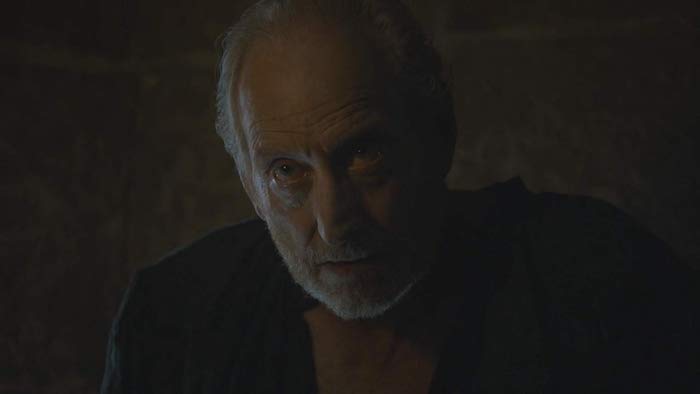
game of thrones tywin lannister death
Image courtesy HBO

After losing his trial by combat, Tyrion is sentenced to die by his own father, Lord Tywin Lannister. Fortunately for Tyrion, he’s freed by his brother Jaime. Before fleeing King’s Landing, Tyrion takes a detour to exact revenge on his father. He heads to Tywin’s chambers to find his former lover, Shae, in his father’s bed. The enraged Tyrion strangles her before continuing on to find his father sitting on the toilet. As Lord Tywin tries to talk him down, Tyrion takes revenge for a lifetime’s worth of cruelty and abuse, shooting his father twice through the chest with a crossbow. It’s an ironic end for the proud, noble Lord Tywin.

8. Ser Barristan Selmy
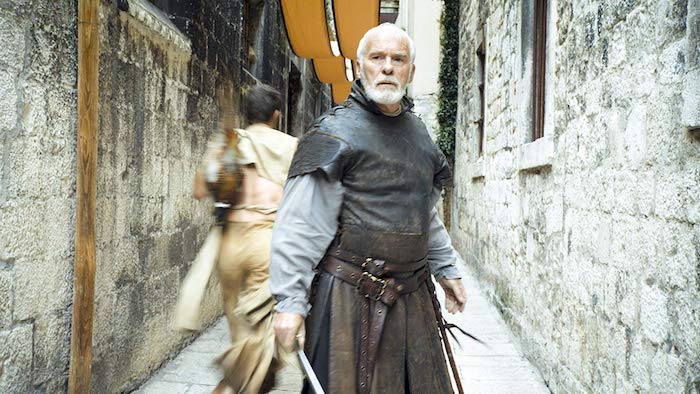
game of thrones barristan selmy death
Image courtesy HBO

It’s hard to call Ser Barristan’s death anything but heart-wrenching. The aging knight was once a hero, a celebrated member of the venerated Kingsguard. In spite of his heroism, he’s publicly embarrassed and excommunicated in front of the court by Joffrey and Cersei. Ser Barristan then sets off across the world in search of Daenerys Targaryen. Finding her, he offers a heartfelt apology for having failed to protect her father and family, and offers her his sword in the hope of making things right. He becomes one of Dany’s most loyal protectors, and dies doing just that. He meets his end facing down the Sons of the Harpy in Meereen. The old knight fights honorably until the bitter end, taking down several of the fighters before finally succumbing to his own wounds.
7. Stannis Baratheon

game of thrones stannis baratheon death
Image courtesy HBO

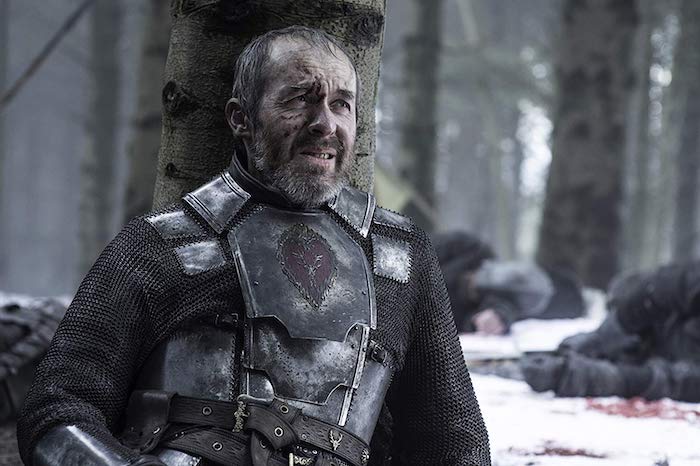
Robert Baratheon’s older brother Stannis is known for his pride, iron will, grammatical prowess, and a strict-but-fair interpretation of justice. After Robert’s death, he goes to war with the other factions making claim to the crown. By the time Stannis meets his end, he’s a broken man. Having murdered his younger brother Renly, burned his daughter alive, and witnessed his wife’s suicide in his pursuit of the Iron Throne, Stannis recklessly marches his forces into battle against the Bolton troops occupying Winterfell. His army is wiped out in the ensuing fight, and Stannis is also severely wounded. In the aftermath, he’s found by Brienne of Tarth. Formerly Kingsguard for his brother Renly, Brienne accuses Stannis of Renly’s murder. Stannis admits to the deed, and willingly allows Brienne to execute him.

6. Hodor
game of thrones hodor death
Image courtesy HBO

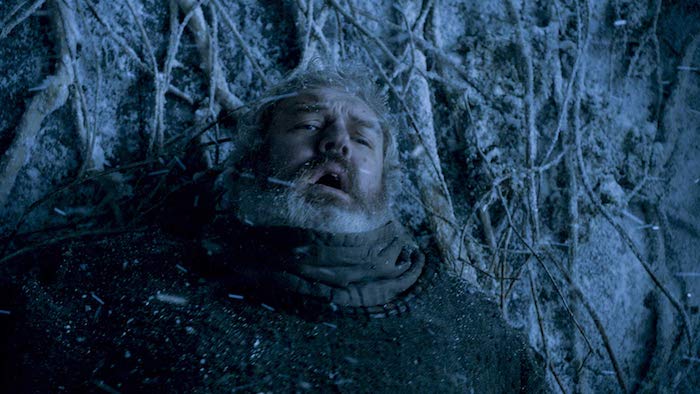
Hodor’s name is the only word he’s capable of saying. The gentle giant makes it through six seasons as the companion and protector of Bran Stark before fulfilling his destiny. After gaining his powers as the Three-Eyed Raven, Bran goes back in time to impart a message to Hodor: “Hold the door.” As Bran, Hodor, and company are pursued through the northern tundras by hordes of undead wights and White Walkers, Hodor does exactly that. He uses his tremendous strength to hold a door shut and buy Bran the time he needs to escape, saying “Hodor” over and over again as the wights tear him apart. It’s easily one of the saddest deaths of the series.

5. Ramsay Bolton
game of thrones ramsay bolton death
Image courtesy HBO

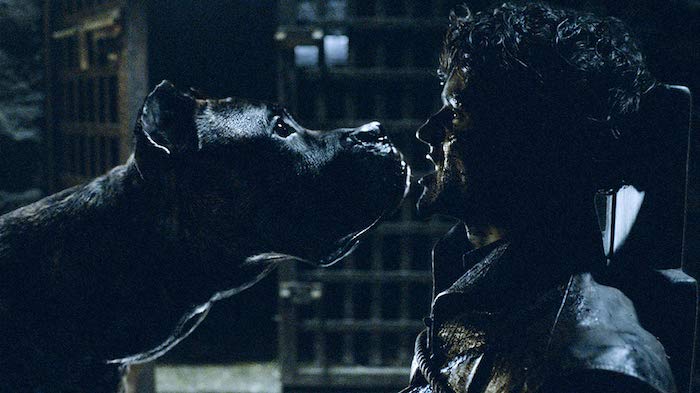
Like Joffrey Baratheon, Ramsay Bolton’s death is a cathartic moment. Responsible for sadistic acts of cruelty and torture against both Theon Greyjoy and Sansa Stark, Ramsay is a verifiable psychopath. Among his other sadistic hobbies, one of Ramsay’s favorite pastimes is hunting humans in the forests around Winterfell with his pack of hounds. After going into battle against forces led by Jon Snow, Ramsay is defeated and imprisoned in Winterfell’s kennel. While Sansa watches, his own starving hunting dogs rip him to shreds.
4. The Tyrells

game of thrones house tyrell death
Image courtesy HBO

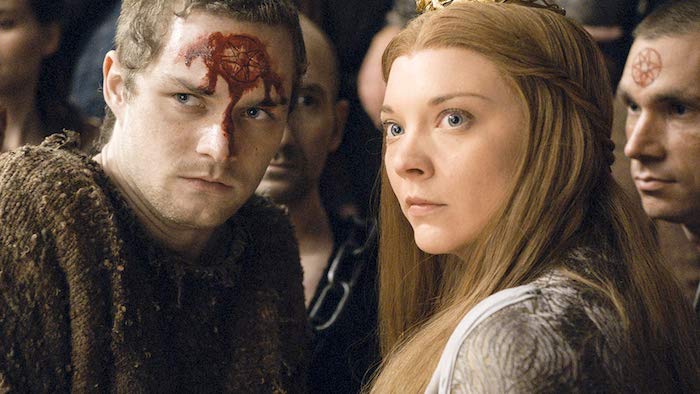
For most of Season 6, Cersei Lannister finds herself scrambling as her enemies threaten her from all sides. Chief among them is the Tyrell family, with Margaery Tyrell at the helm. Margaery displays Machiavellian levels of cunning that give Cersei a run for her money, and the Tyrells are poised to become the true power behind the Iron Throne. Unfortunately, both Cersei and Margaery underestimate the power of the High Sparrow and his sect of religious zealots. Due to stand trial at the Sept of Baelor, Margaery and the Tyrell family arrive to see Cersei receive her punishment and finally seize power. Cersei, however, doesn’t show.

Cersei watches from The Red Keep as her agents ignite the vast stores of wildfire stored beneath the Sept. The building explodes in a massive green fireball, eliminating The High Sparrow, Margaery, Loras, and Lord Mace Tyrell in one fell swoop.

3. Lady Olenna Tyrell
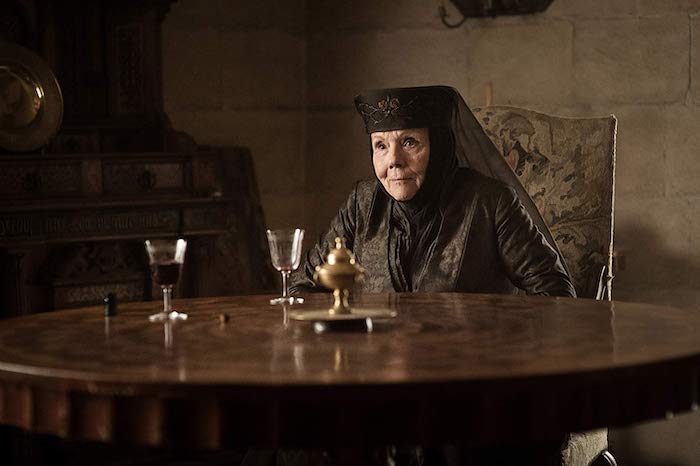
game of thrones lady olenna death
Image courtesy HBO

Matriarch Olenna Tyrell outlives her family, but not for very long. Cersei sends Lannister forces commanded by her brother Jaime to confront The Queen of Thorns at Highgarden. Jaime faces Olenna alone, giving her the option of a peaceful death by poison. Not one to beat around the bush, Lady Olenna nonchalantly downs the poison in a single gulp. She also seizes the opportunity for one last dig at the Lannisters, and Olenna uses her final moments to confess to Joffrey’s murder. She specifically requests that Jaime tell Cersei that she was the one who did it. Olenna was an iron-willed woman who died as she lived: her own way.

2. Jorah Mormont
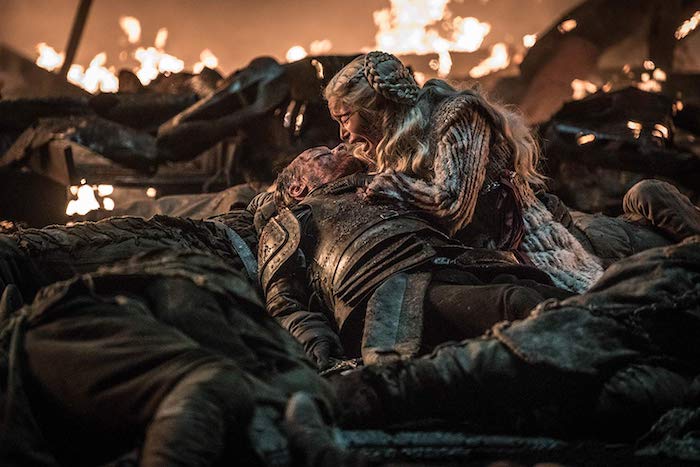
game of thrones jorah mormont death
Image courtesy HBO

Jorah Mormont first met Daenerys Targaryen when she was a young girl, at her forced wedding to Khal Drogo. The exiled Westerosi lord soon fell in love with the young princess. Though Daenerys never reciprocated Jorah’s feelings, she soon came to look to him as one of her most trusted advisors, protectors, and friends. The two stayed together through betrayals, separations, and conquests. Jorah never wavered in his love and faith for his Queen, and watched as she grew from the meek young girl who married Drogo into a capable and powerful woman.

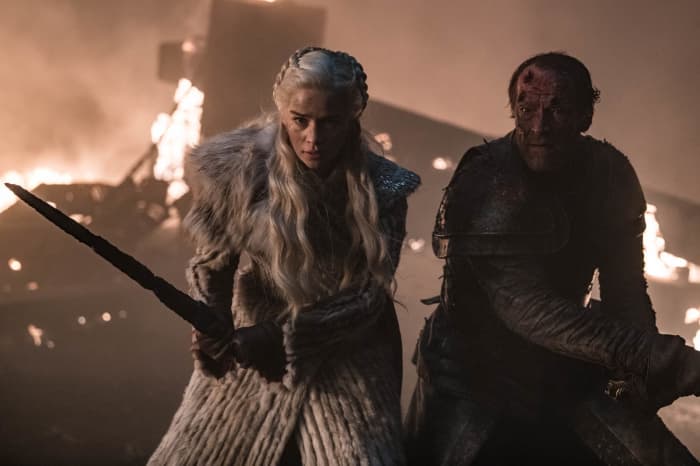
He sailed back to Westeros alongside Dany’s forces to lay claim to the Iron Throne, but they soon found themselves faced with a potentially greater threat. The Night King and his armies were marching south from The Wall, threatening to wipe out all life in the realm. Jorah fought with Dany and her troops at Winterfell in a last ditch effort to stop The Night King’s forces. In the battle, Dany was separated from her dragon and found herself facing down hordes of the undead alone. Just as her death seemed certain, Jorah appeared, using his Valyrian steel sword to protect Daenerys even as he sustained mortal wounds. As the battle came to a close, Jorah died in Dany’s arms as she sobbed, mourning the man who had been at her side her entire life.

1. Daenerys Targaryen
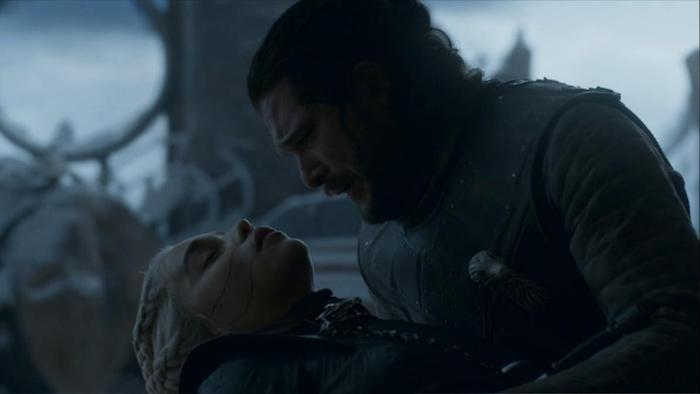
game of thrones daenerys death
Image courtesy HBO

As a young girl, Daenerys grew up hearing stories about the kingdom her family had lost. Her life was not an easy one, as she endured hardships and abuse of all kinds in pursuit of her goals. She grew from a meek girl to a Khaleesi, the mother of three powerful dragons, and the conqueror of several cities. She also became known for her compassion, freeing slaves from their oppressive masters wherever she went and striving to make life better for the common people. Though her path took many turns, her ultimate goal never wavered: returning to Westeros to claim her birthright as ruler of the Seven Kingdoms. Daenerys’ most heartfelt desire is to be loved by her subjects, but she soon realizes that won’t be possible after her arrival in Westeros.

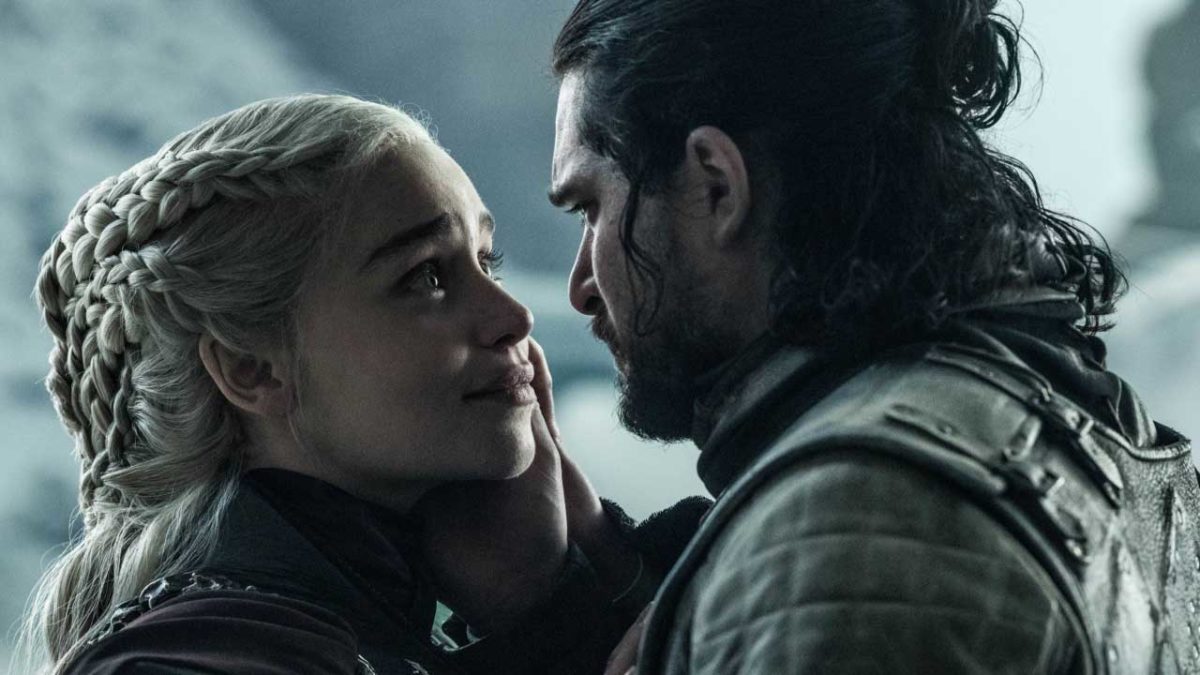
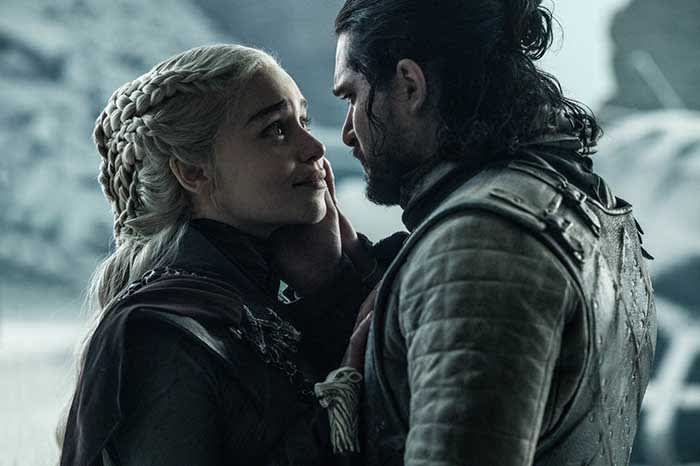
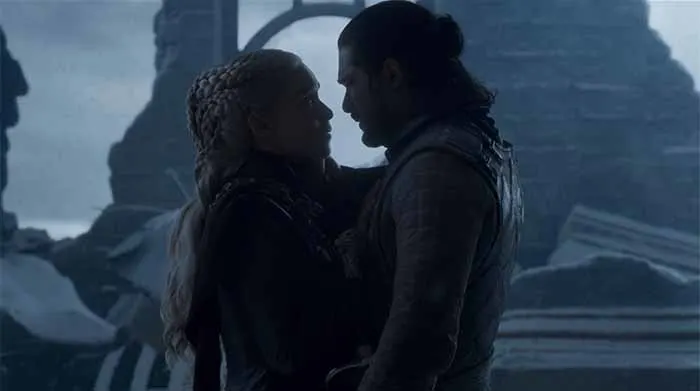
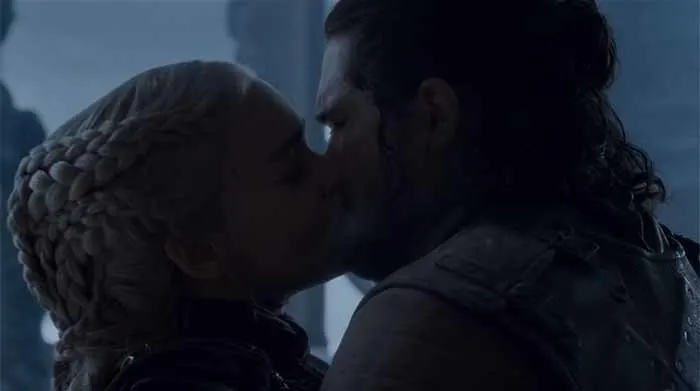
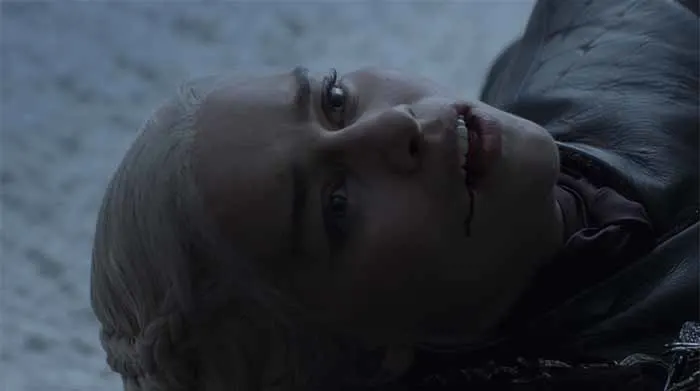
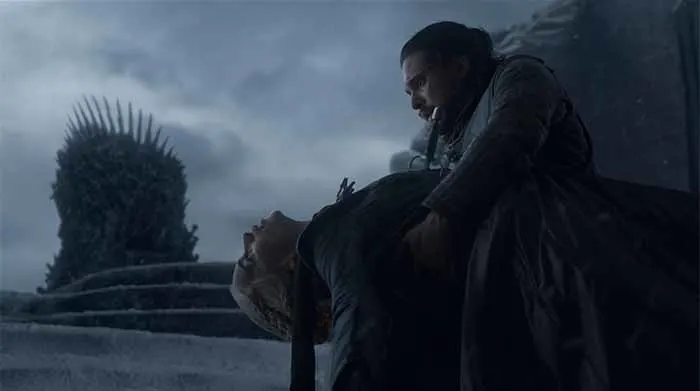
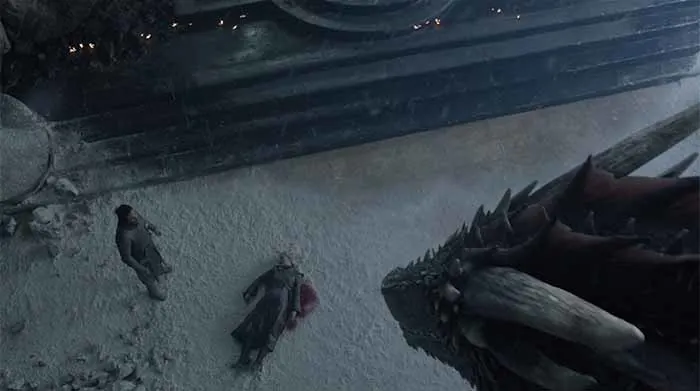
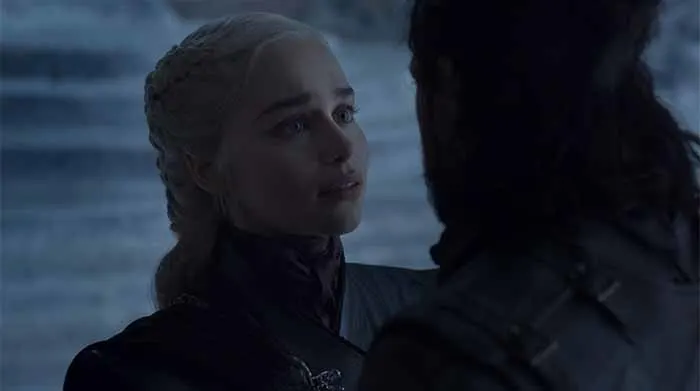
She soon finds out that her lover Jon Snow is really Aegon Targaryen, the legitimate heir to the Iron Throne. This, combined with years of trauma and hardship, causes Dany to finally snap, and she incinerates King’s Landing and the Red Keep on dragonback. Appalled by the death and destruction, Jon Snow confronts her in the throne room, but Daenerys doesn’t waver. She truly believes that her way was the only way, and begs Jon one last time to rule by her side. The two share a final kiss, and Jon stabs Daenerys in the chest. The Mother of Dragons dies at the foot of the Iron Throne, the goal she spent her whole life pursuing.

So, did we miss anyone? Let us know in the comments, and check back with Softonic for more Game of Thrones content.
Game of Thrones is over, so here’s how to cancel HBO

Done with HBO? Here’s how to cancel your subscription.

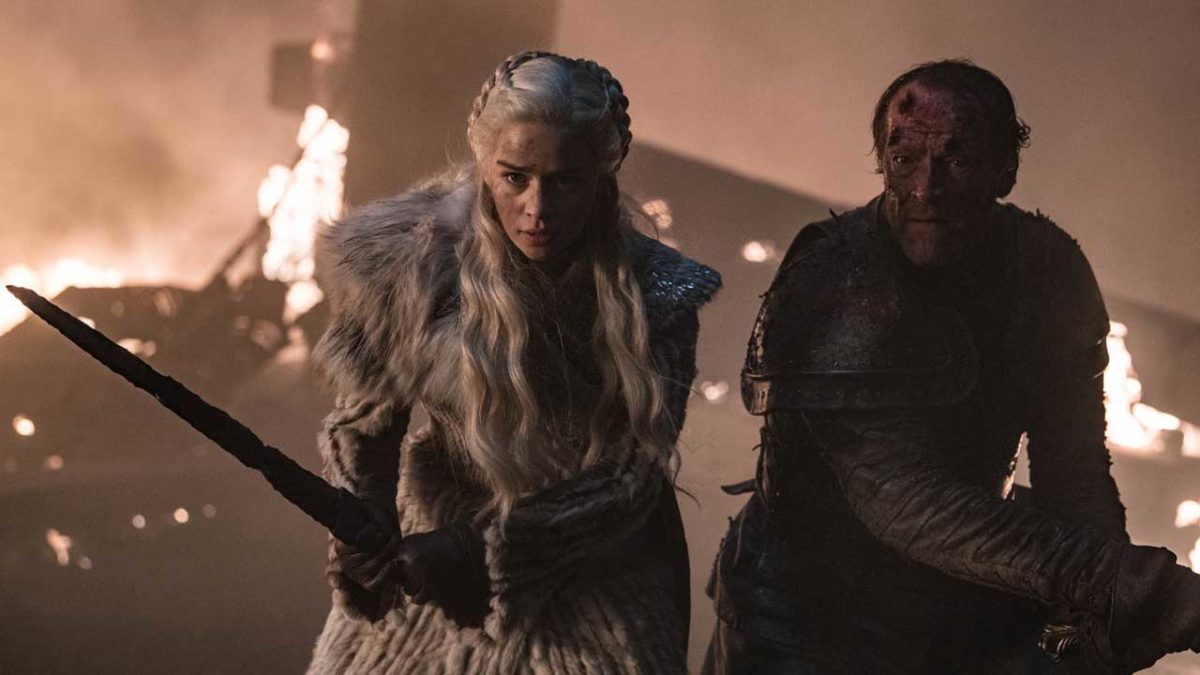
Daenerys and Jorah
Credit: Helen Sloan/HBO

With HBO airing the final episode of “Game of Thrones” it might be time to give HBO the Red Wedding treatment.
Unless you’re a fan of another HBO show like “Barry” or “Curb Your Enthusiasm,” there might not be much of a reason to continue paying for your subscription.

If we’re being honest, that new Watchmen series doesn’t look all that great either. Basically, if you’re looking for a reason to keep your subscription, you might be hard-pressed to find one.

If you’re already paying for subscriptions like Netflix or Hulu, HBO might be a bill you don’t want to pay anymore. If you don’t know how to cancel your subscription, we’ve got you covered.

How to cancel your HBO subscription

For both methods of cancellation, there are no cancellation fees. HBO recommends that you cancel your subscription at least 24 hours before it renews so it has time to process.

Canceling on phone or tablet

1. Open the HBO NOW app on your phone or tablet and sign in

2. From the Menu button, tap Settings > Billing Information.

3. Choose Cancel Your Subscription.

4. Switch the auto-renew toggle to Auto-Renew Off and then confirm the change. This will cancel your subscription.

5. Take note of the date that your subscription expires. You can continue streaming until your subscription expires.

Canceling on your computer

1. On your computer, sign in at HBONOW.com 

2. In the upper-right corner, choose Settings > Billing Information.

3. Switch the auto-renew toggle to Auto-Renew Off.

4. Confirm the change. This will cancel your subscription.

5. Take note of the date that your subscription expires. You can continue streaming until your subscription expires.

Should I cancel HBO?

If you have Amazon Prime Video, you can get a free one-week trial of HBO. If you’re unfamiliar with the service, you can use that time to determine whether or not you think HBO is the streaming service for you. You can also use that time to watch “Game of Thrones” if you haven’t already.

If you are familiar with HBO, you probably know whether or not you want to keep it. Along with the new Watchmen series, “Curb Your Enthusiasm” will be returning for its tenth season. If you haven’t seen that show, it’s prettay good.

The departure of “Game of Thrones” has left many of us with a sour taste in our mouths. If you don’t want that taste to linger that much longer, it might be time to stare down HBO and say “Dracarys.”

Google unveils next Google Glass

Google Glass 2 gets its first look, but will it be worth it?

Google Glass 2
Source: Google

Finally, you can now have cool glasses that make you look and feel like Tony Stark. 

The Google Glass Enterprise Edition 2 has been unveiled. This newest edition of Google Glass comes equipped with the Qualcomm Snapdragon XR1 chip. 

We know what you’re thinking, “What on Earth is that thing?”

This chip is the first of its kind to be focused on both virtual reality and augmented reality capabilities. The chip also promises a more powerful CPU and an artificial intelligence engine. 

The new Google Glass comes with a better camera, a USB  port for faster charging, and costs about $1,000. That price is $500 cheaper than the original price of the first Google Glass. 

Also, unlike its predecessor, Google Glass will not be sold directly to the consumer. You will be able to buy it from retailers.

Google first released the Google Glass Expedition to provide “hands-free access to the information and tools they need to complete their work.”

“Workers can use Glass to access checklists, view instructions or send inspection photos or videos, and our enterprise customers have reported faster production times, improved quality, and reduced costs after using Glass,” according to a blog post from Google.

So… should I buy it?

The original Google Glass Expedition was pricey and looked pretty silly. The $1,500 price tag did not seem worth the luxury of not taking out your phone that essentially did the same thing.

Although this one is cheaper, we are going to have to wait and see whether or not there will be more features making it worth it. At least these ones make you look like less of a dork.

If this thing helps you run the Avengers, then it might be worth it. Until then, just stick with the smartphone you are already paying to use.

Why are TV finales so difficult to get right?

A great beginning is hard, a great ending is nearly impossible. Why?

Daenerys and Jon
Credit: Helen Sloan/HBO

In the aftermath of “Game of Thrones,” fans found themselves in a familiar position, sifting through the events of a final episode, weighing whether they liked how it ended, considering whether the story as a whole was worth their time. Some of the greatest TV shows in history have stumbled horribly at the finish line, either due to fatigue, a lack of planning, or indecisiveness. While we’ve been treated to many wonderful shows, you can probably count the number of highly praised finales on one hand. Why is that?

Spoilers below…

The job of a finale

A proper finale needs to accomplish several critical tasks:

  • Answer any lingering important questions
  • Provide closure
  • Nod to the past
  • Hint to the future
  • Fit with the rest of the series

If a finale fails at any of those points, you can be sure the fanbase will revolt.

The best TV finales

If we’re lucky, we get one near-perfect finale per decade. “M*A*S*H” is often cited as a great ending. The comedy-drama series focused on the Korean War. Considering the frame of the war, the end of a conflict is a natural reason for our characters to part ways. Wars never end at a particular point in a character’s evolution – it’s always an abrupt and arbitrary development. The characters have a clear reason to say goodbye, bury the hatchet, or make amends. And because we know that all of these characters had lives before the war, we know they’re returning to those lives. They’ll be forever changed, but all of them will return to a version of their previous existence.
According to Joseph Campbell’s hero’s journey, we are all predisposed to anticipate that after a great battle, the hero returns home with something he or she gained, now prepared to share it with those who have not yet ventured forth for their own great battle. The hero becomes the mentor. The heroes of our stories become the leaders, and the next generation must step forward. That homecoming or return is often a tricky thing to pull off, so it’s often neglected or ignored. But it usually boils down to a simple rule: the end is in the beginning. At least one character must return to a familiar place, now changed by what has happened.

“M*A*S*H” is also notable for a real shock turn for one of the main characters. Hawkeye Pierce suffers a nervous breakdown as he remembers the extraordinary step one woman took to prevent discovery and capture by the enemy.

A war between nation-states makes it easier to pull the plug than something like a battle between good and evil. One presumes that evil never rests. At the end of “Game of Thrones,” we’re meant to believe the decisions made will put an end to generations of conflict, yet the new king points out the necessity for a Master of War. So much for utopia.

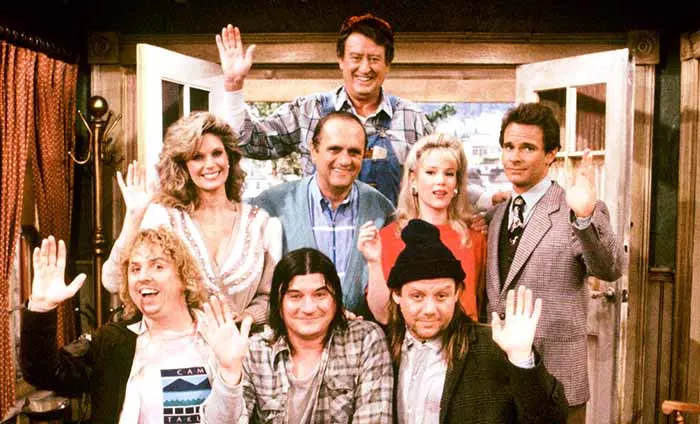
Another finale cited as one of the best is “Newhart.” Sitcoms, by their nature, have less to do with continuity and more to do with simply making us laugh. Too many sitcom finales get bogged down with sentimentality, leading our characters to behave in ways they’ve previously never behaved. A sitcom usually only functions because of its characters’ lack of growth. We crave the reliability of their flaws.

Newhart

“Newhart” wisely side-stepped this pitfall. The comedy focused on a man and his wife who operated a small inn in Vermont. In the final episode, a visiting Japanese tycoon buys out the entire town. Like “M*A*S*H,” the show’s framing device is eliminated, so it provides a natural opportunity for everyone to say goodbye. Also like “M*A*S*H,” the decision is taken out of the hands of the protagonists. That’s also crucial since the finality of the development removes any scenes of characters waffling about the decision. By using an external force to close the show, fans won’t find themselves second-guessing a character’s decision to leave. The decision was forced upon them.
“Newhart” transcended all other comedy finales with an audacious stunt. When Bob Newhart’s 1990 character is whacked in the head with a golf ball, he wakes up… on the set of his beloved 1970s sitcom, “The Bob Newhart Show.” He tells his wife from that show about the crazy dream he just had. It was subversive and meta and groundbreaking and satisfying all at the same time. And, importantly, it doesn’t negate what happened. Even if all those seasons were part of one crazy dream, they were still enjoyable. By reframing the entire series as a dream from another, similar character, it plays fair.

The best TV finale in recent memory is “The Shield.” The story of a rogue cop unfolds like a perfectly laid trap. All of the secrets in the series are laid bare, and everyone is shocked. Because that show always dealt in a wide grey area between right and wrong, the 2008 finale’s last shot is a perfect fulfillment of that promise. It’s concrete enough to hint to the future, but vague enough to allow the viewer to make their own conclusions.

The ending of “The Shield” is also notable because it followed a logical path. Shakespeare tells us that Romeo & Juliet are going to die right at the beginning of the story. He then weaves a story so compelling, you forget the promise made at the outset. Either that, or the dread informs your consumption of this story of young love. Telling the hell out of a story is more important that shocks or u-turns or deus ex machina or mind-blowing revelations. Shakespeare says, “Watch me kill these young lovers.” We watch anyway and it’s great. And no one feels ripped off when they die.

The most disappointing TV finales

Lost cast

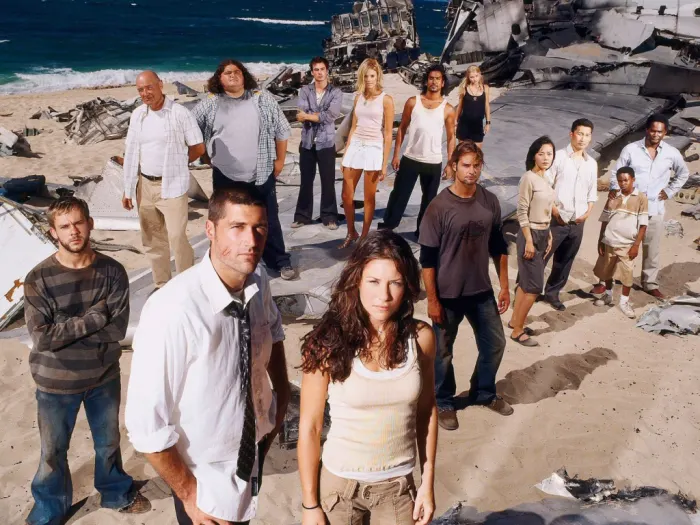
“Lost” is an example of a show that rocketed out of the gates, then stumbled, and stumbled, and stumbled some more on its way to a much-reviled ending. Where did “Lost” get, well, lost?

That show made lots of promises to the audience. If you tell us that everything is happening for a reason, you should have that reason figured out before you launch your show.

Too often, showrunners promise an equation where 2+x=4. Part of the joy, then, is giving the audience enough clues so they can eventually discover that x=2. But this often ends up overcomplicating things. Instead of doling out x in small doses, we start adding other variables: red herrings and narrative dead ends that only exist to prolong the solution of the equation. So you end up with a final equation that looks like 2+0.1+z+3-2/5+∞=4? And you, the viewer, say, “This doesn’t add up to four at all!” The showrunners fire back, “It was never supposed to add up to four.” And you say, “Look at your first season! All you talked about was four!”

Supernatural shows often fall prey to this trap. Ditto for Stephen King novels. We are so intrigued by the possible reasons for the mystery, our imaginations fire off multiple solutions, each more satisfying than whatever we’re given. Was there really any way “Lost” could pay off a polar bear on a tropical island, the magic numbers 4, 8, 15, 16, 23 and 42, the smoke monster, and The Others abducting Walt because he was “special?” No. It was all nonsense. Fans worked furiously to find one solution to these riddles, but even the showrunners had no idea what they were doing. So the solution was that the characters were dead all along and they were just puttering around in purgatory and the island was somehow a container for evil. It’s just more nonsense.

If you have a supernatural story, the most important thing you have to do is establish a set of rules. Absent these rules, anything can happen for any reason at any time: people can come back from the dead, witches can birth smoke monsters (one time only, apparently), time travel is possible. The audience will swallow a lot as long as there are some boundaries involved. The moment you toss out the rules, your show falls apart.

“Lost” could never decide on its rules and drowned itself in a sea of false starts. Nearly the entire second season focused around the survivors from the tail section of the plane, and those characters did nothing to propel the overall story. If you can skip the majority of a season and the story doesn’t seem radically altered, that’s poor storytelling.

“Dexter” is often cited as the worst ending of all time, as the main character ventured off to become a lumberjack. (I haven’t seen the show, so I can’t comment on the narrative betrayal, but I am assured it is awful.)

Another much-loathed finale was “The Sopranos.” When that show was at its best, it was a strange cross between violence, comedy, and psychiatry. When that show was at its worst, it was self-important (ugh, the dream sequences!), ponderous, and pretentious. The ending was the worst example of this. In a brazen, audacious move, the screen simply cut to black. Nearly every fan had the same reaction: “Did my cable just go out? That wasn’t the end, was it?”

To this day, people argue whether that means Tony Soprano was killed or the show picked that random moment to stop. When we rewatch it, we suspect the final scene is packed with mundane details because that’s the whole point of the show: as terrifying as mob life is, you still have moments of boredom, and you’ll be looking over your shoulder for the rest of your life. You might disagree with that assessment, but that does not mean that this finale was an artistic masterstroke. It means the show failed in its duty to elicit an intended emotion. It just copped out. “Here, you decide what happens,” is incredibly lazy. The easy fallback for the creator is, “Well, maybe you don’t understand it because you’re not sophisticated enough or you didn’t pick up on the clues that I did a terrible job supplying.” Nonsense.

To be clear, “The Sopranos” and “The Shield” both have ambiguous endings. But “The Shield” presents two clear timelines. “The Sopranos” presents infinite possibilities, each equally valid. Why not end the show 10 minutes earlier or 10 minutes later? If an abrupt ending is supposed to be the point, it could happen anytime. So why then? And what are you trying to say?

“Mad Men” is another prestigious TV series that fumbled its ending. That show was always at its best when it used the frame of the advertising agency to explore social dynamics. Because the main character hit the road, separating himself from that environment, we missed out on the crackling dialogue and character-driven tension that made the show sing. Don Draper’s disappearing act would be like buying a ticket to the NBA Finals, only to learn that Steph Curry has decided he’s going to skip the game to launch his career as a forensic pathologist. Steph might be a great forensic pathologist, but we just want to watch him jack up threes, preferably alongside his teammates.

“Seinfeld” is an example of a disastrous finale in the comedy genre. Instead of leaning on its observational strengths, the final episode felt more like a glorified clip show as they brought back dozens of guest stars, and finished with the four leads stuck in prison. What? That show picked a weird time to become introspective. Again, we were robbed of what made the show great – interactions between the four main characters. Also, the episode wasn’t particularly funny.

The finales that split the difference

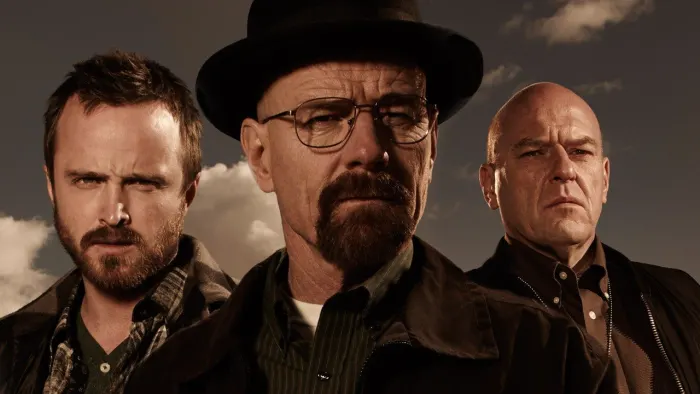
“Breaking Bad” is another series on TV’s Mount Rushmore, but the final episode had the unenviable task of coming on the heels of the third-to-last episode. “Ozymandias” is perhaps one of the most perfect hours of television ever filmed. It offered gut-wrenching payoffs to nearly every secret in the “Breaking Bad” universe. Walter White came in direct conflict with everyone he loved. So the last two episodes suffered by removing Walt from those characters. While the finale offered satisfying moments, we were starved for those rich moments of 1:1 interaction that made the series great. It also doesn’t help that a group of random Nazis can’t hold a candle to the series’ greatest villains. For that reason, something like Season 4’s “Face Off” finale against Gus Fring felt more satisfying.

Breaking Bad

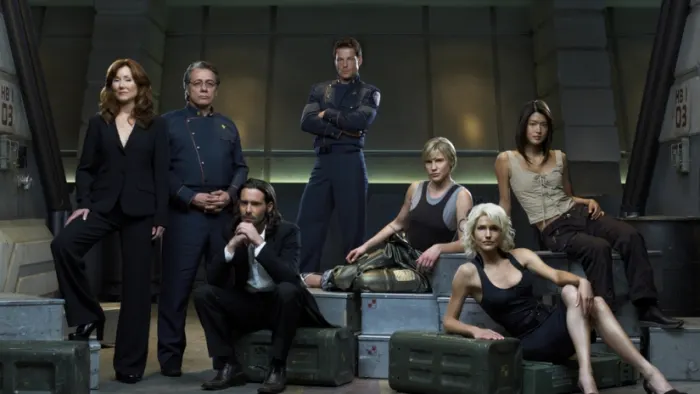
Fans tend to love or hate the end of the “Battlestar Galactica” reboot. Again, it fell into the supernatural trap, not laying out the rules by which the show would play. If you’re willing to make some pretty big leaps of faith, the series plays out like a tone poem to evolution, both personal and biological. If you insist on answers, you’re not going to get them here. Because the show always dabbled in the mystical and unexplained, we liked the ending. (Baltar’s emotional breakdown was especially powerful.) In some cases, a show is better off shrugging its shoulders and acknowledging powers beyond its understanding, rather than trying to shoehorn an unsatisfactory explanation into the mix. (Remember, we like The Force, but nobody likes Midichlorians.)

battlestar galactica

“The Wire” is probably the greatest television show of all time. Season 4 is a peerless dramatic masterclass. But Season 5 featured an uncharacteristic logical leap required because the show had made its primary villain (Marlo Stanfield) too powerful to take down fair-and-square. “The Wire” had an incredible grasp of the big picture, but its low ratings meant HBO was reluctant to greenlight a Season 5. Had the showrunners known they’d only get five seasons, it’s likely they could have orchestrated a clean landing. Since they had no assurance beyond one final season (and a shortened one, at that), they took some narrative shortcuts that show nearly always avoided before the end.

The issue with “The Wire’s” finale isn’t what happened to the characters. All of them got fitting ends. It’s the path that got them there that was so frustrating. In that way, it shares some DNA with “Game of Thrones” – you know how great that show can be, so it’s frustrating to see it underachieve in the finale.

How do we fix final episodes?

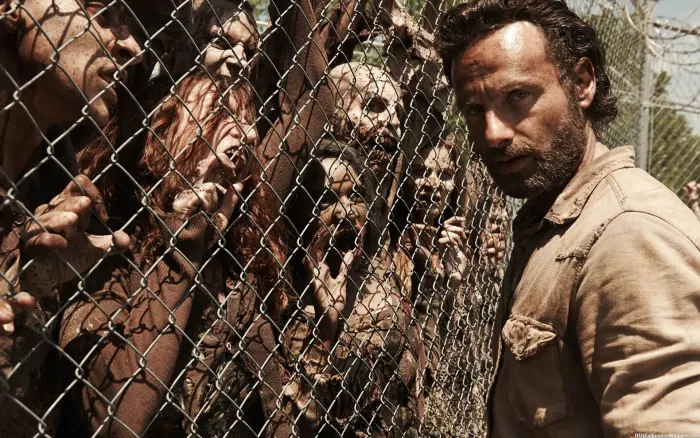
In the case of “Game of Thrones,” we watched the quality degrade as soon as the show surpassed its source novels. With most of these shows, the lack of a defined endpoint means that the showrunners have no idea how to pace the series. Just look at “The Walking Dead.” AMC has apparently commanded that it run forever. So the writers need to come up with juuuust enough threat to keep its viewers intrigued, but not the full-tilt narrative violence that a successful zombie story requires. If you can’t kill important characters in a zombie show, why even have zombies on your show? Writers are forced to saddle characters with plot armor so they don’t jeopardize the longevity of the series.

The Walking Dead

In an age of streaming, it would be great to see Netflix, Amazon, or HBO make a multi-season order and stick to it. If creators know they have 70 hours to tell a story, that allows them to build the story correctly. As it stands, showrunners might be building toward a three-act structure, only to be told they’ll have to wrap up in two acts… or extend to seven. Guessing at your story structure is an impossible feat, and only leads to the messes we’ve seen so far.

An alternative is to follow the sitcom model and make every story stand on its own. “Black Mirror” follows an anthology model to great effect. The first season of “True Detective” was great because the story was constructed in eight chapters with a definitive end. But fans crave the mythology and character growth that comes with a sustained series, told over several years.

Yes, it’s true that stories can evolve in the telling. Jesse was supposed to die at the end of the first season of “Breaking Bad,” but the showrunners were so taken by Aaron Paul’s performance, they changed course. But you should have a destination in mind before you pull out of the garage. Detours are fine as long as the scenery is worthwhile, but you always need to be driving to the end.

(function(d,s,id){var js,fjs=d.getElementsByTagName(s)[0];if(d.getElementById(id))return;js=d.createElement(s);js.id=id;js.src=’https://embed.playbuzz.com/sdk.js’;fjs.parentNode.insertBefore(js,fjs);}(document,’script’,’playbuzz-sdk’));

10 most evil Game of Thrones villains

Of all the murderous, scheming psychopaths, who was the most evil character in Westeros?

It’s hard to call any character on “Game of Thrones” an outright villain. Most characters are difficult to pin down as good or evil, because those two extremes are often a matter of perspective. Heroic characters often commit less than heroic deeds, and plenty of villainous characters have sympathetic moments. With that said, there are some characters that are unmistakably evil, the villains you just love to hate. Here are our top 10 villains on “Game of Thrones.”

WARNING: Spoilers for “Game of Thrones” ahead.

10 best Game of Thrones villains

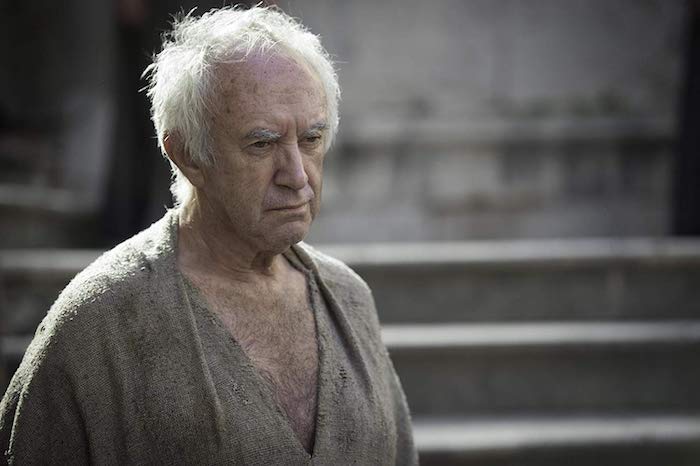
10. The High Sparrow

game of thrones high sparrow
Image courtesy HBO

Much about the man known as The High Sparrow remains a mystery. He purported that he was the son of a cobbler that eventually rose to the upper echelons of society, delving into the depths of extravagance and debauchery. Eventually, he renounced his lavish ways in favor of a higher calling, and became the humble leader of a particularly zealous sect within the Faith of the Seven.

Cersei Lannister seized on his growing popularity and made him an ally in her political war against the increasingly powerful Tyrell family. Unfortunately for Cersei, the Sparrow eventually turned on her as well. Though hidden behind his pious facade, the Sparrow was a cunning and ambitious man willing to do anything to gain power, coming alarmingly close to becoming the true ruler behind The Iron Throne. Fortunately, Cersei outmaneuvered him and he met his end in the fiery explosion at the Sept of Baelor.

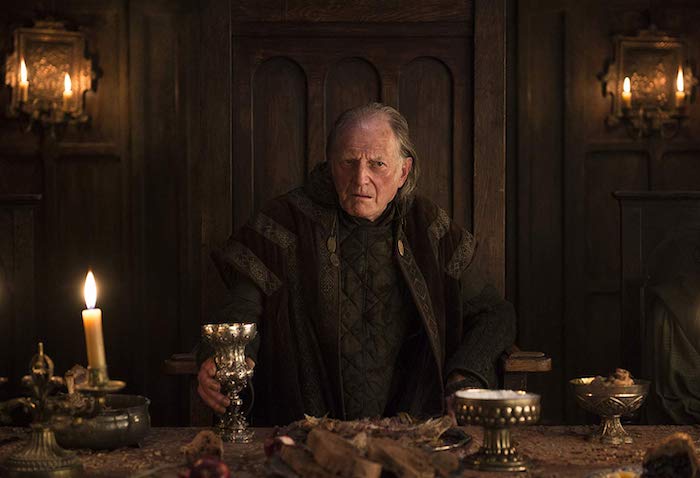
9. Walder Frey

game of thrones walder frey
Image courtesy HBO

There’s not much to like about Walder Frey. A lecherous old man with a habit of taking exceedingly young wives, he was known for a spiteful streak. The Lord Frey had a chip on his shoulder, which stemmed from the fact that he didn’t believe his house got the recognition it deserved. Vicious towards anyone he perceived as not giving him the proper respect, Lord Walder’s ambitions eventually took a turn for the worse.

After Robb Stark renounced his arranged marriage to one of Frey’s daughters in favor of another woman, the furious Lord Walder secretly allied himself with the Lannisters. Along with Roose Bolton, he orchestrated the ruthless slaughter of Robb and his armies while he hosted them at his castle. This infamous event, known as the Red Wedding, would eventually be Walder Frey’s downfall. After training as an assassin in Braavos, Arya Stark returned to murder the entire Frey clan, even serving up a pie containing bits his dead sons to Lord Walder before slitting his throat.

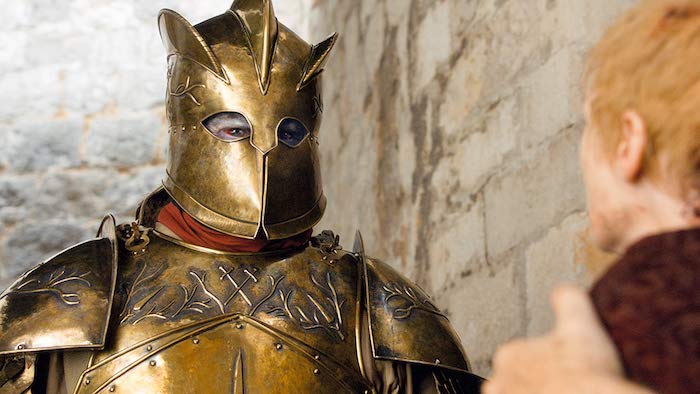
8. The Mountain

game of thrones the mountain
Image courtesy HBO

Ser Gregor Clegane, also known as The Mountain, was known throughout Westeros for his sadism and brutality. During Robert’s Rebellion, The Mountain participated in the sacking of King’s Landing, during which he raped and murdered Princess Elia Martell before murdering her two infant children.

Aside from these heinous crimes, Ser Gregor held no love for his brother, Sandor Clegane. As children, Gregor shoved Sandor’s face into a fire after he discovered Sandor had stolen one of his toys. This led to The Hound’s hideous burn scars and fear of fire.

The Mountain’s other acts of cruelty are numerous: he beheaded his horse in public after losing a joust, ordered the executions of hundreds of prisoners at Harrenhal, and gouged out Prince Oberyn Martell’s eyes in a duel before crushing his skull with his bare hands. Though nearly dying in the fight, former Maester Qyburn turned The Mountain into a hideous undead abomination. Eventually, The Hound and The Mountain faced each other during Daenerys Targaryen’s sacking of King’s Landing, and the two killed each other in the ensuing fight.

7. Euron Greyjoy

game of thrones euron greyjoy
Image courtesy HBO

Euron Greyjoy boasted an ego larger than his fleet of ships. An impressive naval commander in his own right, Euron let his prowess in battle go to his head, and he harbored delusions of being the human incarnation of the Ironborn’s Drowned God. After killing his brother Balon, Euron crowned himself King of the Iron Islands, but he didn’t stop there.

After agreeing to an alliance with Queen Cersei, Euron aimed to seduce her and become the King of all of Westeros. He fought viciously in battle, bringing an end to the Dornish Sand Snakes in a variety of gruesome ways and taking his niece Yara hostage while gleefully mocking his nephew Theon. He’s also responsible for the absurd bullseye murder of Daenerys’ dragon Rhaegal.

Eventually, he encountered Jaime Lannister during Daenerys’s sacking of King’s Landing, and the two inflicted several near-fatal wounds on each other before Jaime finally got the upper hand and drove a sword through Euron’s chest. Not one to die without acknowledging his own accomplishments, Euron died with a smile on his face while congratulating himself for fatally wounding The Kingslayer.

6. Littlefinger

game of thrones littlefinger
Image courtesy HBO

Subtle, manipulative, and devious, Petyr Baelish was not a man to be trusted. A former childhood friend of Catelyn Stark, Baelish rose to become a man of importance in the King’s Landing. Known as Littlefinger, he played the political game with skill and cunning.

His first and perhaps most infamous act of treachery was the betrayal of Ned Stark to the Lannisters, eventually resulting in Lord Stark’s beheading. His machinations also led, if indirectly, to the War of the Five Kings.

Meanwhile, he also harbored hopes of seducing Catelyn, and later, her daughter Sansa. At the same time, he married Catelyn’s sister Lysa Arryn before murdering her and becoming Lord of the Vale.

Eventually, his scheming ways came back to bite him. After devising a plot to pit Sansa and Arya Stark against each other, he soon found that the two sisters had been the ones plotting against him all along. After being sentenced to death by Sansa, Arya summarily slit his throat and he died in a pool of blood.

5. Roose Bolton

game of thrones roose bolton
Image courtesy HBO

Roose Bolton, like Littlefinger, was skilled at hiding his true nature. A Northern lord and bannerman to House Stark, Lord Bolton was one of Robb Stark’s most trusted advisors in his war against the Lannisters. However, Bolton had been long planning to betray the Starks and seize power for himself. Along with the Freys and the Lannisters, he orchestrated the slaughter of Robb and his forces at The Twins after secretly freeing the imprisoned Jaime Lannister.

In exchange for his alliance with the Lannisters, Lord Tywin named Roose Bolton as Warden of the North and rewarded him with dominion over Winterfell. Arguably a genuine sociopath, Roose’s calm and almost pleasant demeanor masked a man who delights in torture, violence, and preserved his own self-interest above all else. Ironically, Bolton was eventually betrayed by his own son, who stabbed him to death in the same manner that Roose did to Robb Stark.

4. Tywin Lannister

game of thrones tywin lannister
Image courtesy HBO

Lord Tywin Lannister was the feared and respected head of the noble House Lannister. First rising to power after wiping out a rival family at Castamere, Lord Tywin returned his house to prominence after it was nearly brought to an ignoble end at the hands of his father. Valuing his family and reputation above all else, Tywin used his keen political and tactical mind to ensure that Lannister interests always came out on top.

Initially serving as Hand to the Mad King Aerys Targaryen, Tywin eventually betrayed the King in support of Robert Baratheon’s rebellion. Meanwhile, he maneuvered Lannister interests into the true position of power behind the Iron Throne. Though not particularly cruel or sadistic, Lord Tywin was not above using any means necessary to pursue his goals. Verbally abusive and contemptuous towards his son Tyrion, Tywin eventually died an undignified death at Tyrion’s hand. He expired while using the toilet after Tyrion shot him through the chest with a crossbow.

3. Ramsay Bolton

game of thrones ramsay bolton
Image courtesy HBO

The bastard son of Roose Bolton, Ramsay Bolton was proof that the apple doesn’t fall far from the tree. Arguably more vicious and sadistic than his father, Ramsay took particular pleasure in violence and torture, both physical and psychological. After capturing Winterfell, Ramsay took Theon Greyjoy hostage and systematically abused and broke him down to become the obedient servant known as Reek.

Meanwhile, Ramsay delighted in using his pack of trained hunting dogs to go on human hunts in the forests around the castle, and committed countless other heinous acts all the while. After murdering his father, raping his unwilling bride Sansa, and taking control of the north, he faced down Jon Snow in battle after summarily executing his younger brother Rickon. After being defeated, he was sentenced to death. Imprisoned in Winterfell’s kennels, Sansa Stark watched on as he was torn to shreds by his own hounds.

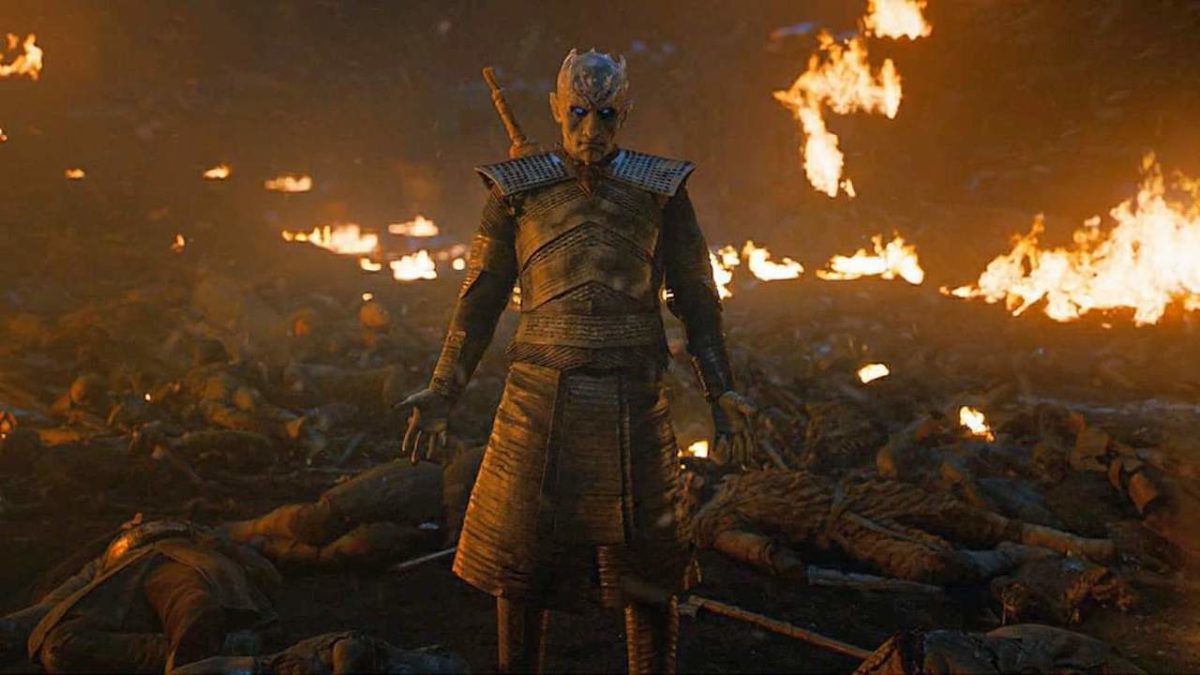
2. The Night King

game of thrones night king
Image courtesy HBO

The mysterious Night King was created hundreds of years ago to be a living weapon. Before his transformation, The Night King was once a member of The Night’s Watch before being captured by the Children of the Forest. Fearing extinction at the hands of The First Men, the Children created the Night King to fight back. Unfortunately, The Night King soon proved uncontrollable.

Biding his time over hundreds of years, The Night King retreated north, raising an army of White Walkers and undead in the lands beyond The Wall. Soon enough, however, The Night King marched south with his armies, threatening to wipe out all human life and bring about an eternal winter. The Night King and his armies were eventually halted in one final battle at Winterfell, where his forces were defeated by a ragtag army led by Jon Snow and Daenerys Targaryen. The Night King himself was killed with a Valyrian steel dagger wielded by none other than Arya Stark.

1. Joffrey Baratheon

game of thrones joffrey
Image courtesy HBO

Worse than the Night King? Hear us out.

Spiteful, cruel, and petulant, Joffrey Baratheon was crowned king after the untimely death of his father Robert. One of Joffrey’s first acts as king was to order the beheading of Ned Stark, and the acts of cruelty only got worse from there. The secret child of Cersei and Jaime Lannister, Cersei did nothing to curb her son’s nature. She watched as he abused his fiance Sansa Stark, ran rampant over the royal court, and cruelly participated in the killing of a hired prostitute.

As a King, Joffrey held no love for his subjects, and barely hid the fact that he actually despised the smallfolk that he ruled over. After casting Sansa aside, Joffrey was betrothed to Margaery Tyrell. Unfortunately for him, Margaery was aware of Joffrey’s cruel nature, and along with her grandmother Olenna, poisoned the young king at his wedding feast. Joffrey will forever hold a spot as the most widely hated character in the history of Game of Thrones.

Was there anyone we missed? Let us know in the comments, and check back with Softonic for the latest Game of Thrones news and recaps.

5 shows to watch after Game of Thrones

Now that we’ve closed the book on Westeros, what should you binge now?

After 8 years and 8 seasons, it’s finally time to say goodbye to “Game of Thrones.” HBO’s hit series is finally over, and for many people, that’s going to mean that’s going to leave a pretty significant void to fill. Though the “Game of Thrones” might be over, there are still plenty of shows out there that can scratch that itch and help cure those post-“Thrones” blues.

5 shows to watch after Game of Thrones

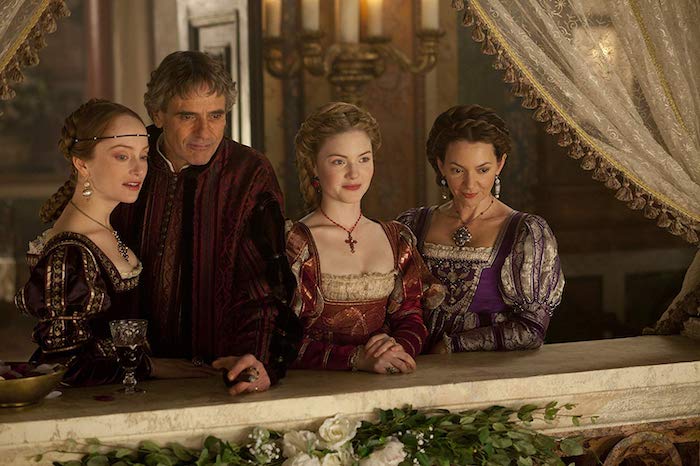
5. The Borgias

the borgias
Image courtesy Showtime

If you loved the parts of Game of Thrones set among the scheming nobles and politicians of King’s Landing, “The Borgias” might be the show for you. It follows the titular Borgia family and their ascent to power in Renaissance-era Italy, and it isn’t an easy journey. Schemes, murders, conspiracies, and romance follow, and the Borgias need to stay together if they hope to stay one step ahead of their enemies. Jeremy Irons helms the cast as family patriarch Rodrigo Borgia, an intelligent and cunning power-player that we think would give Tywin Lannister a run for his money. Unlike “Game of Thrones,” however, The Borgias is based on the real-life Borgia family, so many events portrayed on the show actually happened in history.

Where to watch: Netflix

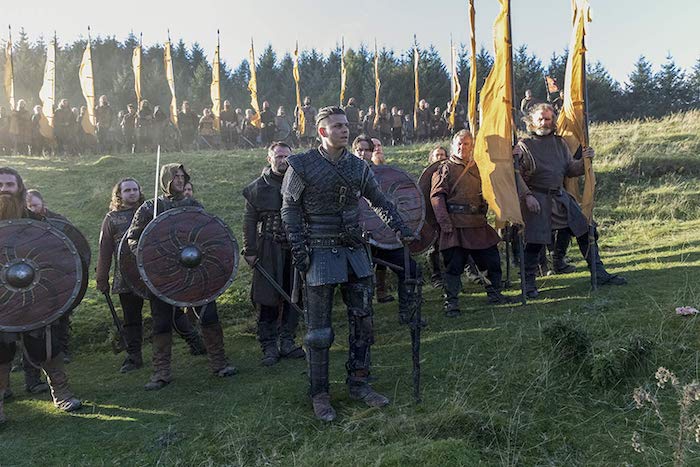
4. Vikings

vikings
Image courtesy World 2000 Entertainment

If the sweeping, epic battles like the showdown between Jon Snow and Ramsay Bolton are more your thing, you might want to check out “Vikings.” Based on a real historical hero, the series follows Ragnar Lothbrok on a journey from young warrior to leader of the Viking tribes. It’s a journey that reminds us a bit of Jon Snow’s plotlines, and aside from that, the show has a distinctly Northern flavor that brings to mind the stories set north of the Wall with the Wildling camps. There’s also, of course, more than enough combat and swordplay to satisfy even the most bloodthirsty “Thrones” fan.

Where to watch: iTunes or Amazon Prime

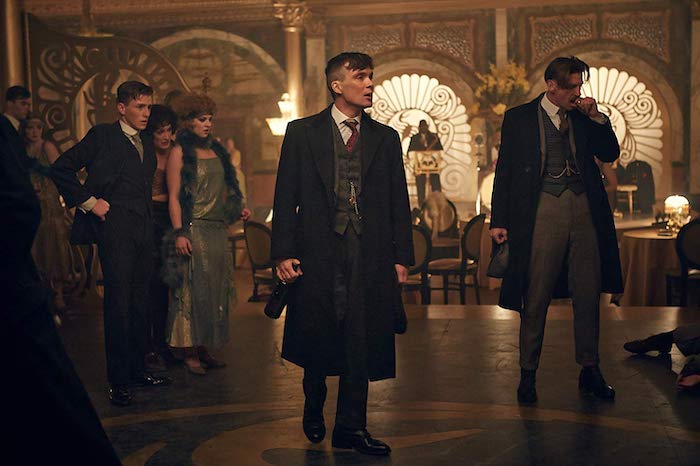
3. Peaky Blinders

peaky blinders
Image courtesy BBC

“Peaky Blinders” is set in the criminal underworld of 1920s England, where the Shelby gang fights to maintain their place among the vicious rival gangs. Tommy Shelby, the gang’s leader, is a cold and calculating war veteran that leads his gang with his cunning mind and ruthlessness. Peaky Blinders strikes the same balance as “Thrones,” using strong characters to service intricate plotlines and high stakes. There are also a few “Thrones” actors in the cast; fans will recognize Aiden Gillen, who played Littlefinger, appearing as gangster and hitman Aberama Gold.

Where to watch: Netflix

2. Black Sails

black sails
Image courtesy Film Afrika Worldwide

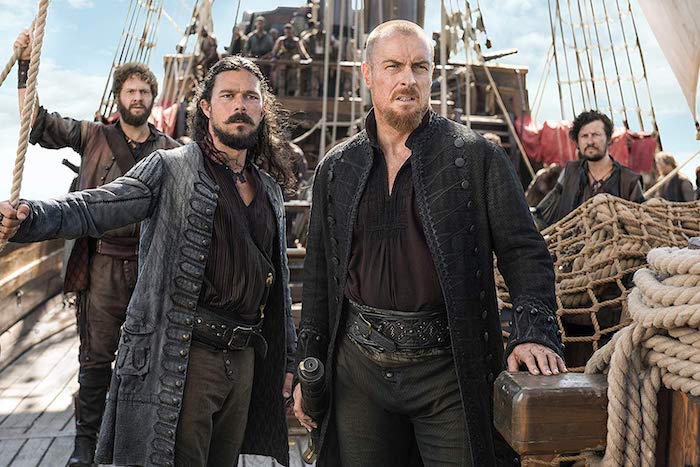
The characters of “Black Sails” make Euron Greyjoy look like an amateur. Set during the Golden Age of Piracy, the show is actually supposed to be a prequel to the famed Robert Louis Stevenson novel “Treasure Island.” The series blends real historical figures like pirates Charles Vane and Anne Bonny with fictional swashbucklers like Long John Silver. There is, of course, plenty of action, scheming, and even a touch of the supernatural. The plot and storylines are incredibly intricate, and reminiscent of the earlier seasons of “Thrones” where the interplay between characters and their motivations was at the forefront.

Where to watch: Starz

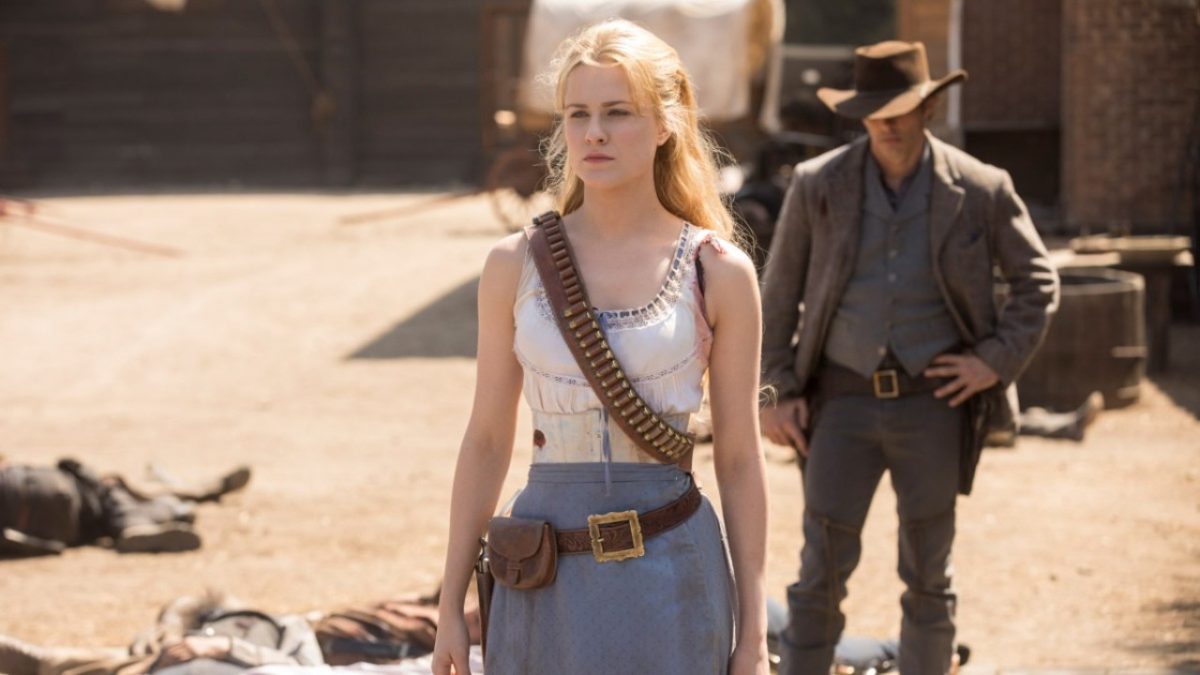
1. Westworld

westworld
Image courtesy HBO

How better to mark the ending of one HBO series than by starting another?
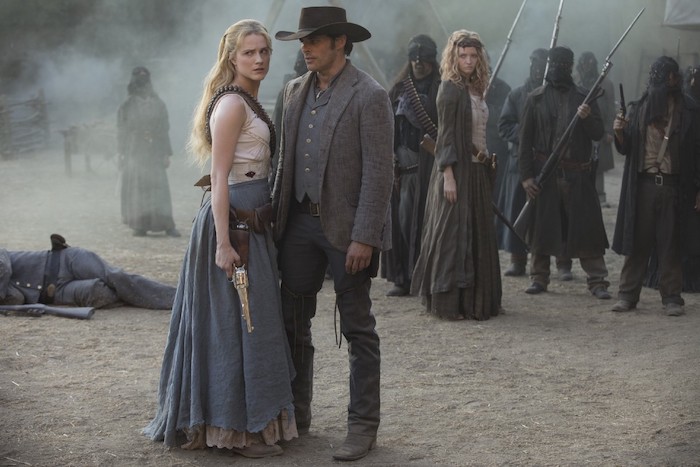
“Westworld” takes all the best parts of the “Game of Thrones” formula and gives them a shiny new paint job. In the future, wealthy patrons can pay to attend the Westworld theme park, which is essentially a real-life videogame populated by life-like AI. While guests enjoy their Wild West inspired fun, it soon becomes apparent that something sinister is going on behind the scenes. Like “Thrones,” the story rotates between several simultaneous plotlines and characters that will leave you on the edge of your seat. The cast is also impeccable, with particularly noteworthy performances from Evan Rachel Wood, Anthony Hopkins, and Ed Harris as the villainous Man in Black. Take note, “Thrones” fans: it might be time to swap your swords for a six-shooter.

Where to watch: HBO

Game of Thrones S08E06 recap/review

Here’s how “Game of Thrones” came to an end.

A Song of Ice and Fire
“There and Back Again”

So here we are, friends. The end of the road. Eight seasons and 73 episodes have led us to this. Let’s be clear: the showrunners had a near-impossible task in front of them. With so many beloved characters still in play, there’s hardly a way to conclude the story in a way that would please all the fans. And this show didn’t become popular by giving the audience what it wants.

So did the finale do what it needed to do? We suppose so. Nearly every storyline got wrapped up in a bow. It was perhaps too clean an ending, considering the messiness of Westeros. A concrete ending like this is probably more crowd-pleasing than something more open-ended. And this ending was significantly happier than we would expect, given the general tone of the show. Had George R.R. Martin been at the helm, we’d expect a smattering of happiness juxtaposed with a staggering amount of grief and misfortune for nearly everyone. This cruel, misogynistic, hateful world isn’t going to change overnight because there’s a new king. Martin was a realist. The men behind the HBO series are significantly more optimistic.

Let’s dig into the episode to see what worked, what went sideways, and how all the puzzle pieces came together.

Game of Thrones Series Finale recap/review

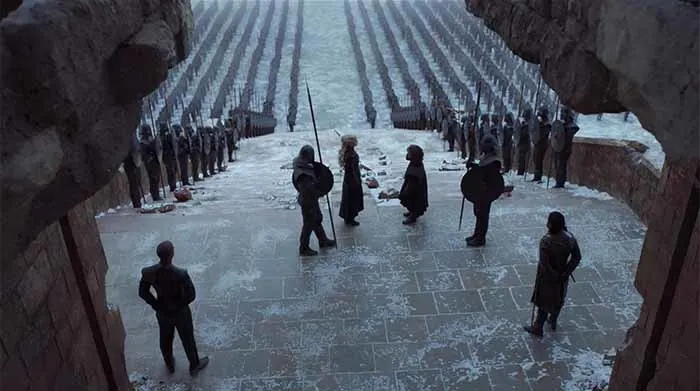
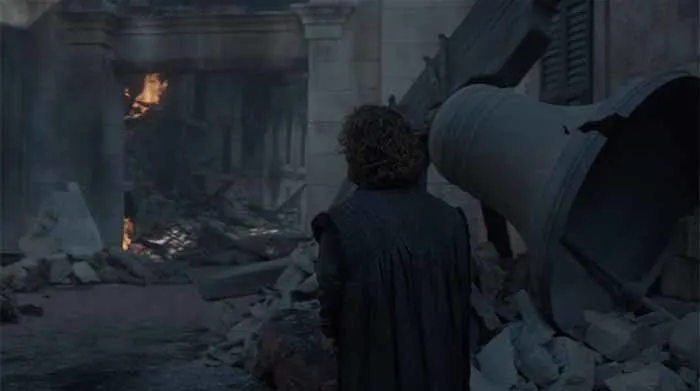
We begin with Tyrion Lannister walking through the ashes of King’s Landing. He’s intent on finding Jaime and Cersei. Jonathan Freeman, the director of photography, really outdid himself on this episode. You could almost watch the episode with the sound off and the story would still work.

Tyrion walks past bell
Tyrion walks past a bell – a reminder of the surrender ignored.
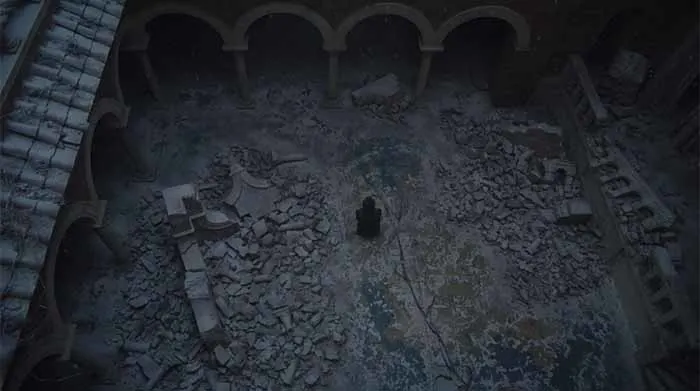
Tyrion walks through rubble
Tyrion walks over the Westeros map, now covered in rubble.
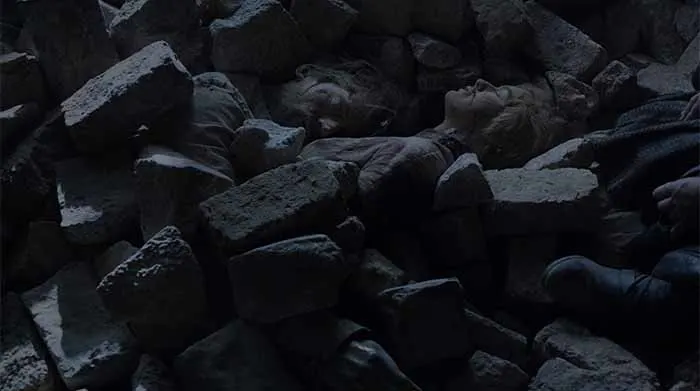
Dead Lannisters
Jaime died with his hand around Cersei.
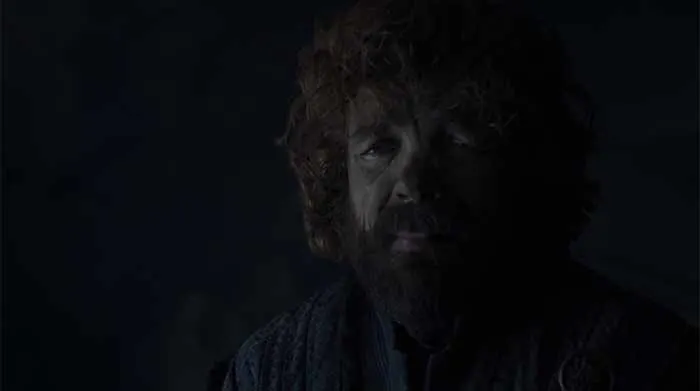
Tyrion cries
Tyrion mourns his brother and sister.

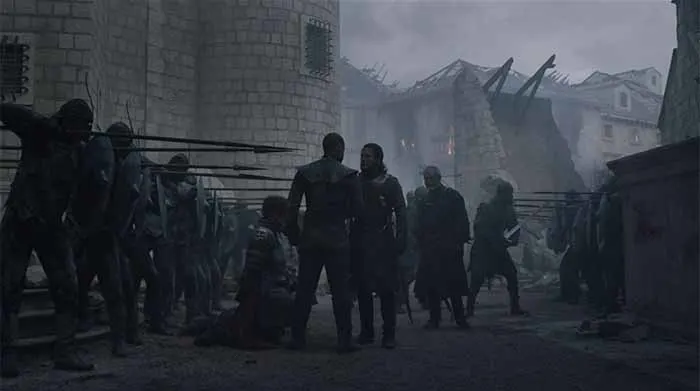
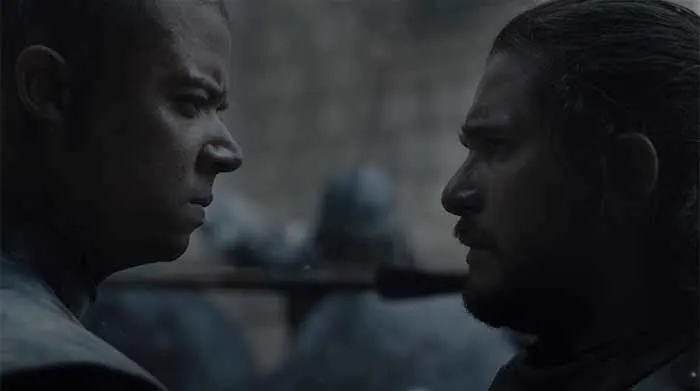
While Tyrion discovers Cersei and Jaime’s fate, Jon confronts Grey Worm about the Unsullied’s zero-tolerance policy toward Lannister troops drawing breath. Grey Worm says he’s just following orders.

Standoff
Jon and Grey Worm square off.
Grey Worm vs Jon
“We killed all the main villains, so I’ll need to fill in this week.”

Jon continues on to find Daenerys about to address a monstrous gathering of Dothraki and Unsullied. We need to pause a moment to mention how reckless this season has been with the size of these forces. The Dothraki seemed all but extinguished in the battle against the Night King until they showed up in force in the last episode. The army standing with Dany during Missandei’s execution was significantly smaller than the one she addressed in the King’s Landing courtyard. Maybe next time, put a Post-it note with the numbers of surviving troops on the corner of your computer screen when you’re writing your complicated fantasy epic.

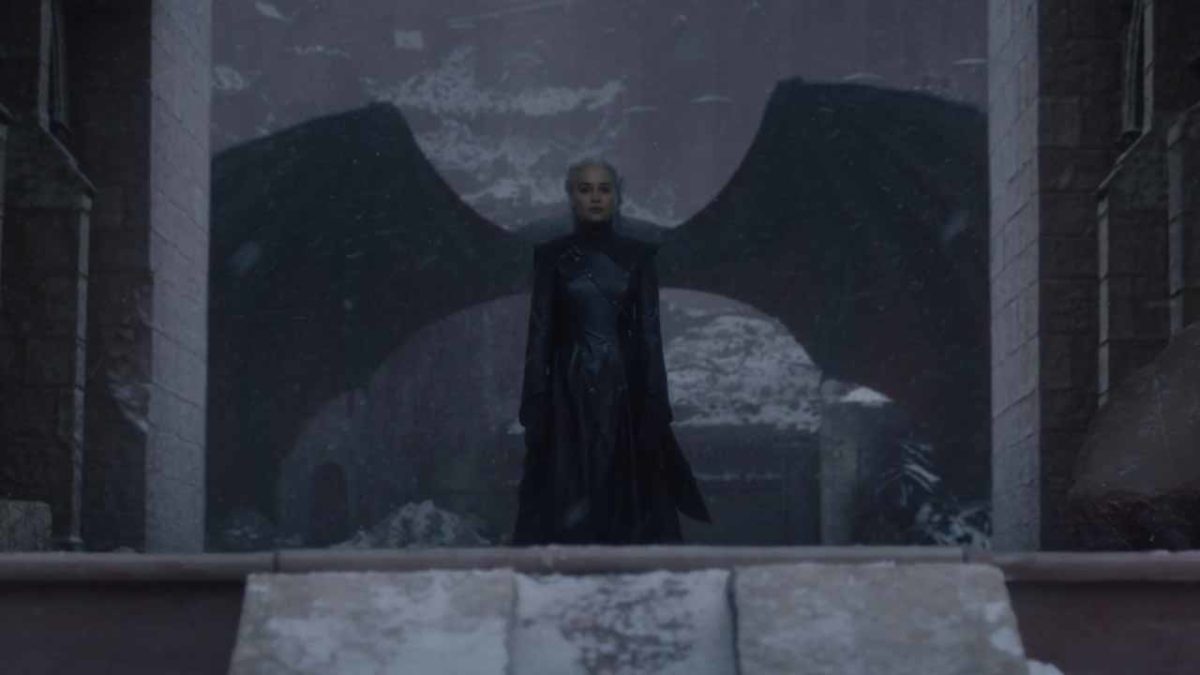
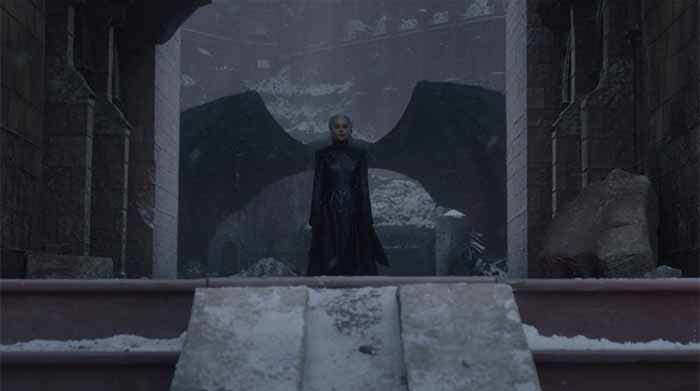
Anyway, Daenerys appears in front of her army and we get the coolest shot of the season as Drogon’s wings unfurl behind her:

Daenerys victorious
Dragon queen

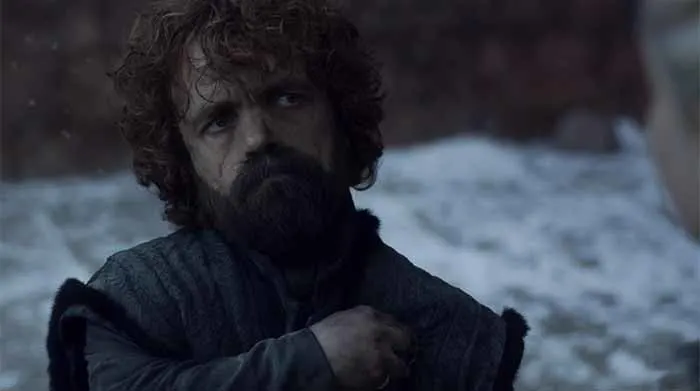
Daenerys gives off a real psycho dictator vibe during this speech. She shouts about breaking the wheel and bringing her brand of freedom to every man, woman, and child, whether they want it or not. Tyrion recognizes Daenerys for what she is, and he discards his Hand of the Queen pin.

Tyrion quits
“I’d like to deliver my two weeks’ notice.”
Tyrion under arrest
“Take this man to HR so we can process his termination paperwork.”

Dany is understandably furious, so she orders Tyrion taken into custody. Jon watches this all go down with a lump in his throat. Arya emerges from the shadows to alert Jon that Dany is a stone-cold killer, as if watching King’s Landing immolate wasn’t his first clue.

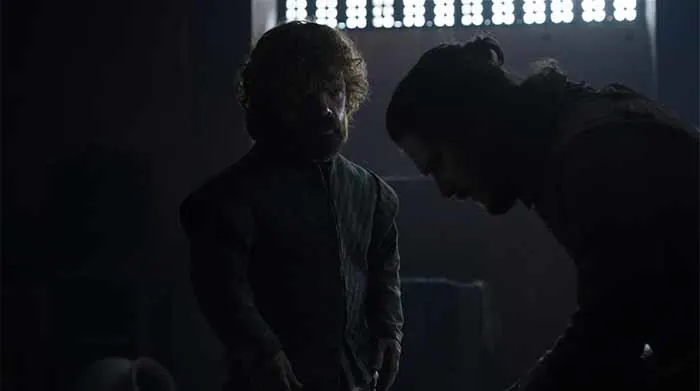
Jon visits Tyrion in his cell. Tyrion expects to be executed but tries his hand at convincing Jon to take out Daenerys. Like his Uncle Ned, Jon is a hardheaded and loyal man. He swore a vow to follow Dany, and those Stark vows are not easily broken. But Tyrion continues his plea, leaning on all of Jon’s weak spots – as a battle commander, as a leader, as a former member of the Night’s Watch, and as a brother, Jon knows Daenerys is dangerous.

Tyrion counsels Jon
“We backed the wrong horse, amigo.”

With a heavy heart, Jon heads off to confront his queen. Again, the cinematography here is phenomenal.

Drogon sees Jon
“I don’t see your name on the list.”

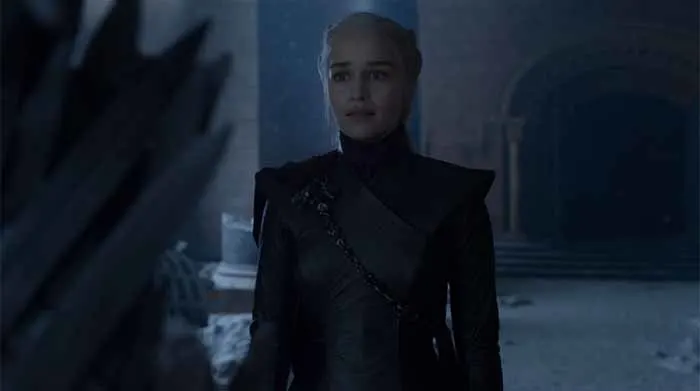
Daenerys is overjoyed to have reached the Iron Throne. Instead of sitting on it, she merely touches it. She’s been chasing this metal chair for years. Now it’s hers.

Daenerys sees Iron Throne
“My preciousssss.”

Jon arrives to poop in the punch bowl, reminding Dany of the whole “million corpses just outside the window” thing. Daenerys tries changing the subject. Sure, tons of innocent people died, but from now on, everything should be fine. Jon is rattled by Daenerys’ moral certainty. What if their subjects don’t agree with the queen’s rules? “They don’t get to decide,” Daenerys says.

“You are my queen,” Jon says, “now and always.” They kiss. And while they’re kissing, Jon shoves a dagger through Daenerys’ heart.

Daenerys and Jon
“Aunt Dany, what big ambitions you have…”
Final kiss
“Is that a knife in my ribcage or are you happy to see me?”
Daenerys dying
“I should’ve stayed with Daario.”
Jon cradles Daenerys
“Better hide this body before Drogon shows up…”

This moment was entirely predictable, but both Kit Harrington and Emilia Clarke were fantastic in this scene. The biggest issue is that we haven’t seen this version of Daenerys in a long time. This season has put the character through some rushed and confusing developments, not the least of which was her Mad Queen turn in the last episode. Even within this episode, Dany was in full foam-spitting dictator mode atop the steps. And then, in the throne room, she becomes hopeful and innocent and naive. Daenerys has always worked best when we’ve seen at least some vulnerability. When she’s been screaming platitudes to crowds of people, she’s been harder to see as human. So do we mourn our idealistic queen? Or do we cheer the death of a dictator? Both, somehow? It’s clear this is intended to be a sad moment, which would be easier to swallow if we erased our memories of the previous episode.

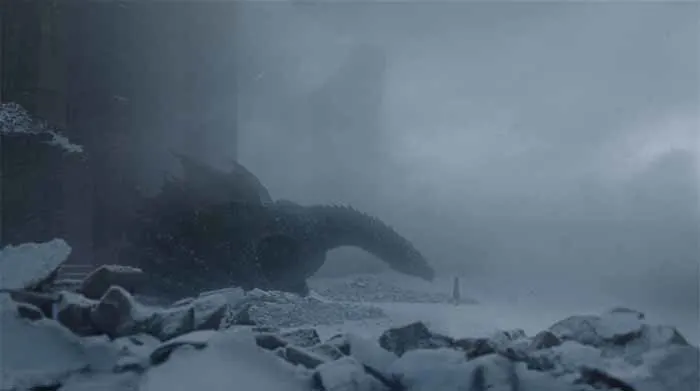
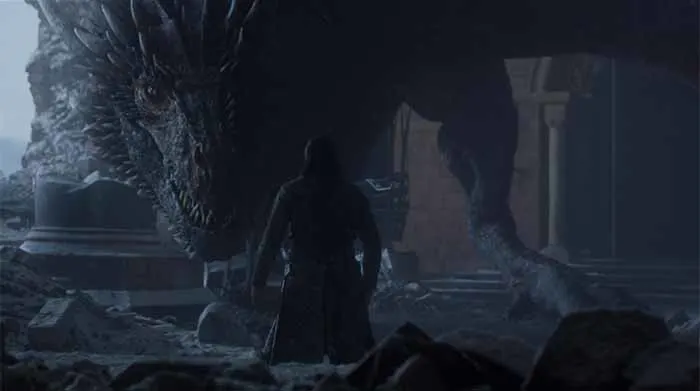
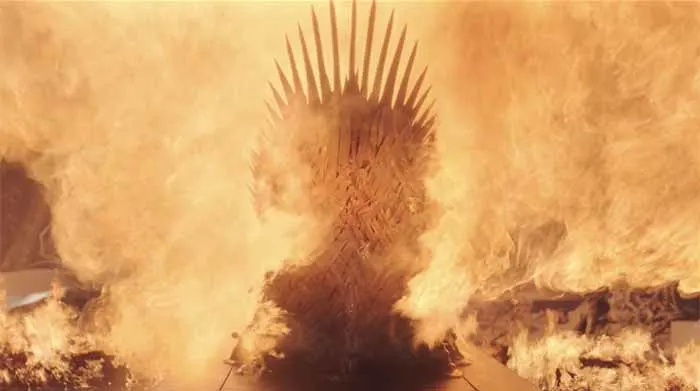
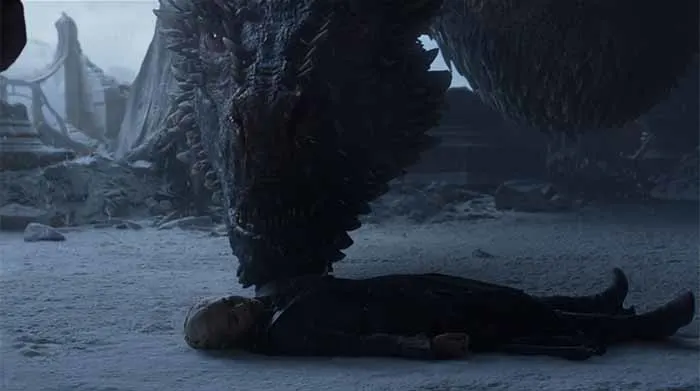
As Jon surveys his lover’s corpse, Drogon appears. He considers roasting Jon, then turns his fire on the Iron Throne itself. The coveted metal chair liquifies.

Daenerys is dead
“M-mom?”
Drogon vs Jon
“Not cool, Aegon.”
Drogon is angry
“I wish to lodge a formal complaint.”
Iron Throne melts
“F yo chair.”

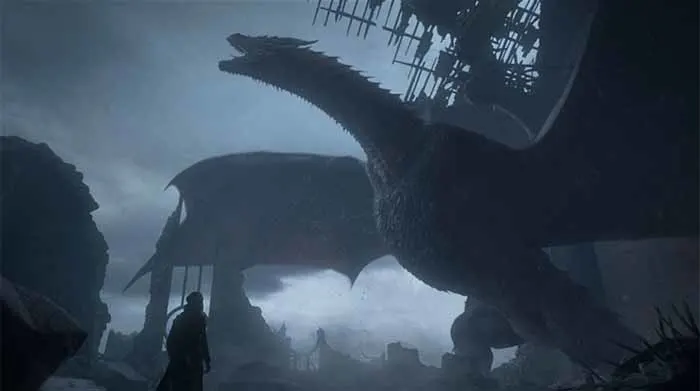
Drogon nudges Dany’s body, then picks it up and flies away. It’s the last we’ll see of the mighty beast.

Drogon and Dany
“I’ll be playing the role of Bambi tonight.”

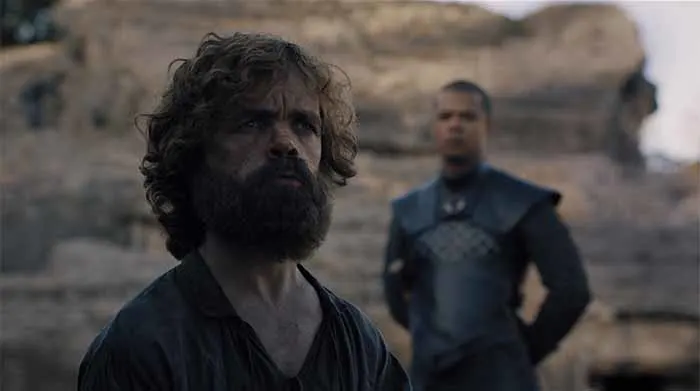
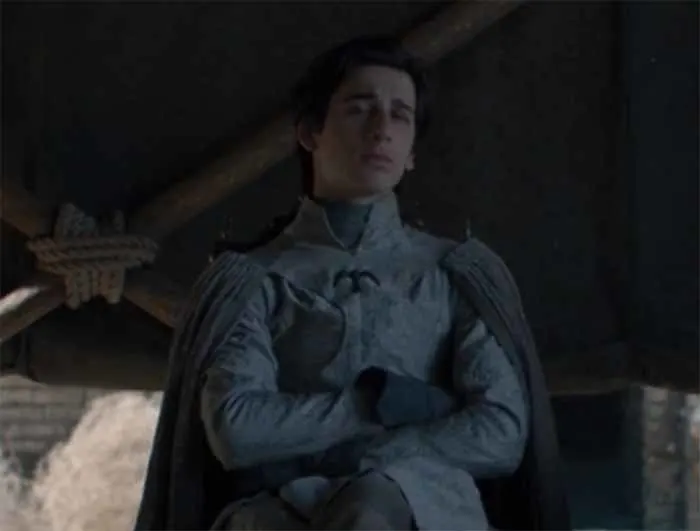
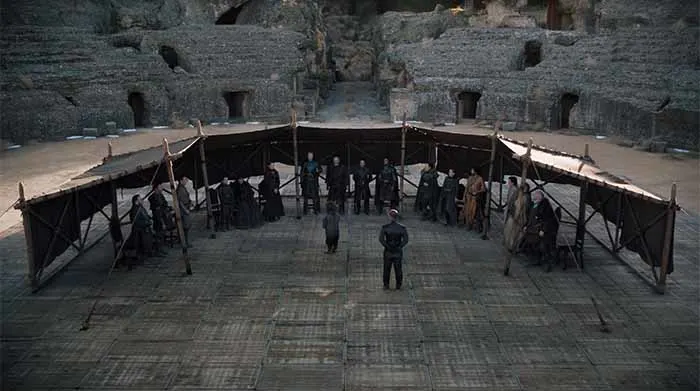
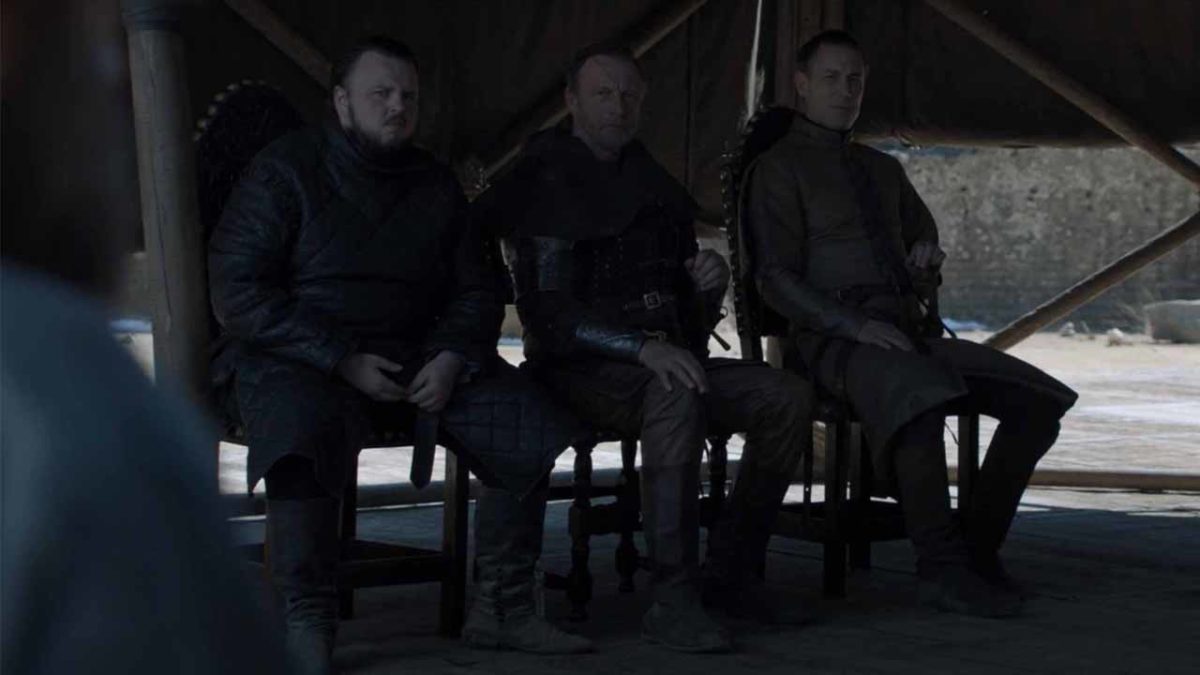
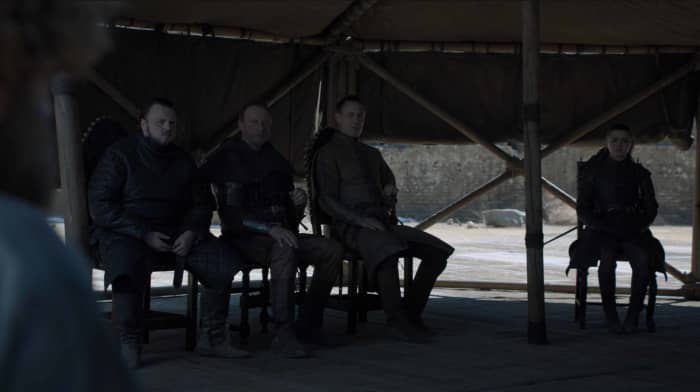
Several days, weeks, or months (?) later, Tyrion is brought to the dragon pits to face the leaders of Westeros. Grey Worm is understandably pretty irritated at the death of his queen. Now, the assembled leaders have to decide who will rule. Edmure Tully, last seen convincing Riverrun to surrender to the Lannisters, nominates himself. Sansa shuts down his campaign speech in a hurry. Sam suggests democracy and gets laughed off the stage. Sam is also sitting next to a plastic water bottle in this scene. You’re a trainwreck, Samwell! Pull it together!

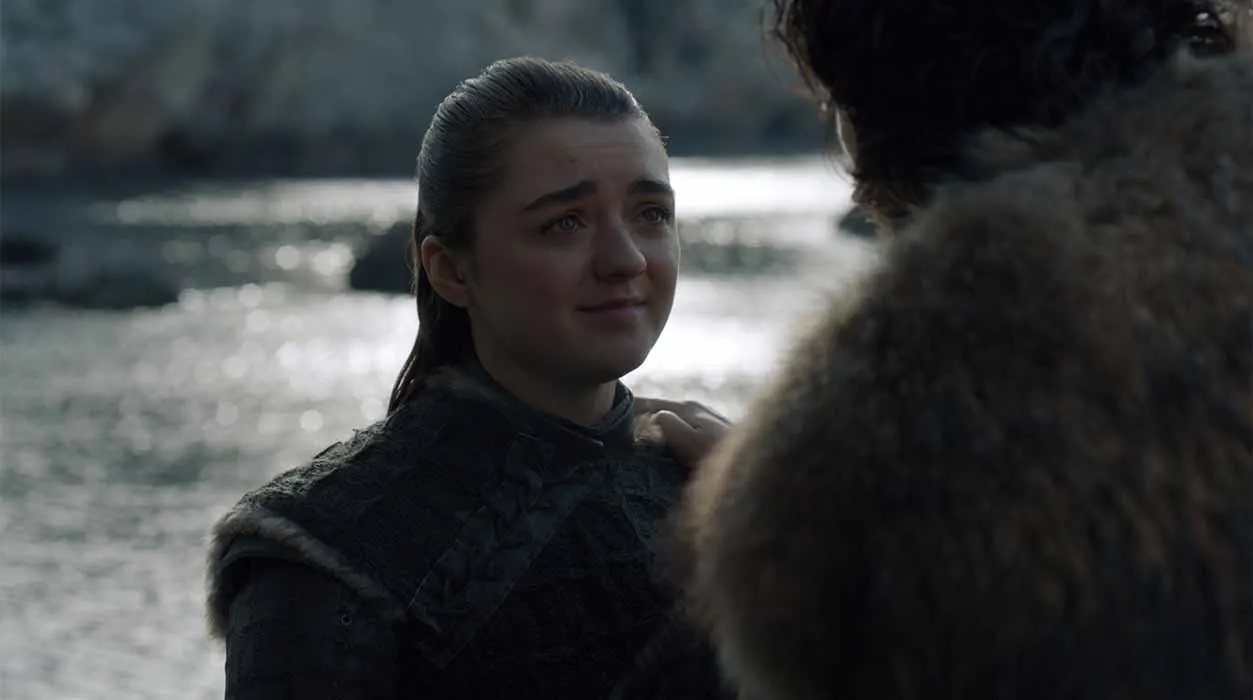
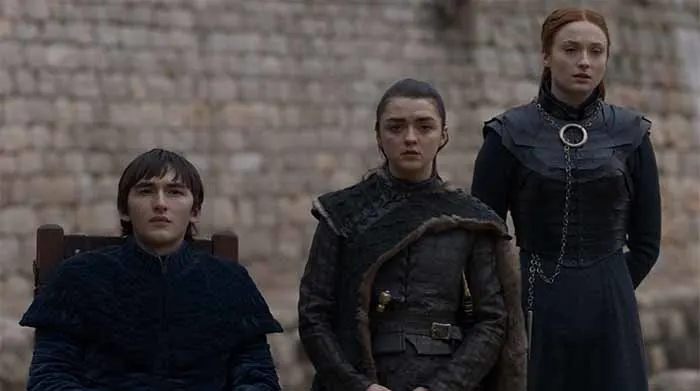
Tyrion has an idea: What about Bran? If stories can unite a people, Bran has a great story, he argues. Not to mention, Bran has access to all of Westeros’ memories. He’s a walking encyclopedia. Shockingly, everyone agrees Bran should be king. All except Sansa, who pulls a last-minute bid for northern independence and gets it.

Tyrion
“I’ve got a terrible idea. Hear me out.”

While this scene is supposed to be a powerful statement about the will of the people, breaking the wheel and all that, it’s the worst moment in the episode. Let’s break down why…

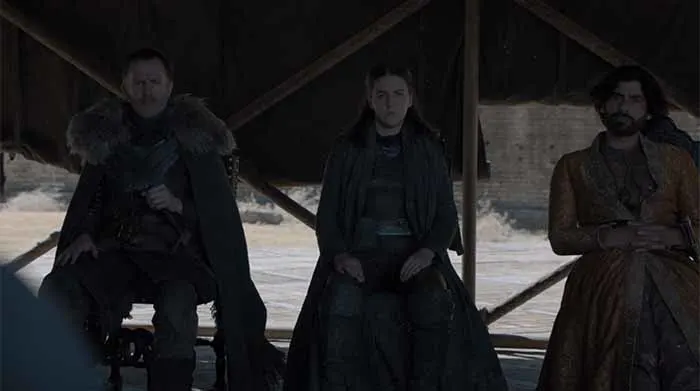
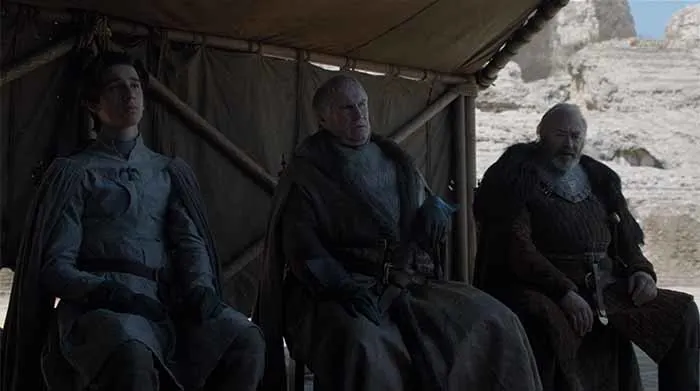
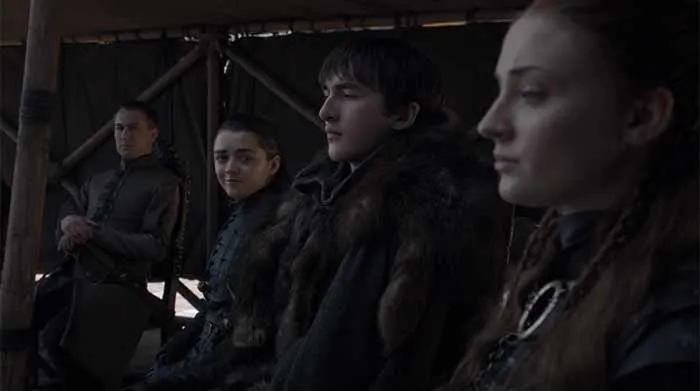
Start with the attendees. In many cases, we have no idea who these people are. There’s the nameless Prince of Dorne, Yara Greyjoy, Edmure Tully, Sansa Stark, Gendry, and Robin Arryn. That’s fine. They’re the leaders of great houses. What’s weird are some of the other attendees – Sam shouldn’t be there since House Tarly isn’t a big deal and he renounced his title when he joined the Night’s Watch. Brienne comes from the Sapphire Isle, but is House Tarth suddenly important? Davos even admits he has no idea why he might get a vote on this thing. Yohn Royce serves Robin Arryn, so why does he get a vote? Arya has no claim to House Stark, so her attendance doesn’t make sense. There are also some lords we’ve never met before, so that lessens the impact of their attendance. In reality, this assembled group seems super-random, and not technically empowered to choose a king.

Yara and two unknowns
L to R: Nobody, Yara, Unknown Dornish Prince
More voting
L to R: Robin Arryn, Yohn Royce, Some Nobody
Robin Arryn
“Did you guys know my mom killed my dad and framed the Lannisters which kicked off this whole thing and then my stepdad killed my mom and I could go for some breast milk right now?”

We’ll also examine Tyrion’s argument. Bran has a great story, sure. But what about virtually everyone else? Jon came back from the dead, which is more impressive than falling out of a tower. Sansa has survived calamity that would have crushed most other people. Arya saved the entire world by stabbing the Night King. Pretty compelling story there. Sam also has a great story – rejected by his father, he’s the first man alive to kill a White Walker. Gendry has a claim to the Iron Throne by virtue of his bloodline, and his story is also great: the king’s bastard who survived a purge, armed the humans against the Army of the Dead, and became Lord of Storm’s End. Tyrion also has a fantastic story as the unwanted son of a great house, the hero of the Battle of the Blackwater, and the man who negotiated a truce that saved humanity at Winterfell.

Voting
“We unanimously sign off on this totally random plan.”

Ever since Bran went all Three-Eyed Raven, he’s become an insufferable, personality-free bore. He can travel through time, which you’d think would be a useful narrative tool, but that’s been completely discarded since the revelation of Jon’s true lineage. And he can warg into some people and animals, which, again, you would think would be useful from a storytelling sense. But that talent has been useless since the “hold the door” moment. During the battle for Winterfell, he warged into some ravens and did nothing. It’s just odd, like if you saw a Superman movie that was only about Clark Kent trying to write a front page story for the Daily Planet without any of that flying or heat vision or bulletproof nonsense. Bran has been a wasted character, so choosing him as king feels weird.

Arya
Arya cannot wait to sail away from her boring brother.

This moment also doesn’t ring particularly true to the series. The Greyjoys are notoriously independent, so after Sansa pulled her move, you’d think Yara would want a piece of that. Instead, Yara votes for Bran as her king. Remember, the Starks defeated the Greyjoys years ago, which was why Theon was serving at Winterfell. And, as Yara points out, she pledged to follow Daenerys. Supporting the “brother” of her queen’s assassin seems like an odd move.

Tyrion also asserts that Bran is a great choice because he can’t have children, which means the lords and ladies of Westeros would have to elect a new king or queen upon his death. But the next king or queen could easily have heirs. Regardless of the offspring, is there another vote upon the next king/queen’s death? If so, isn’t that an awesome incentive to kill the king/queen – to generate a new vote? All of these people just agreed to a new form of government without thinking through the ramifications.

King Bran
All hail Bland the Broken, second of his name, king of the Andals and the first men, haver of powers he never uses anymore.

This scene could have been an opportunity to show Westeros descending into chaos. “Game of Thrones” has always been about greed and self-interest above the greater good. To see these proud leaders giving up autonomy to pick the weird mostly mute kid who claims to have magic powers doesn’t ring true. In fact, the most “Game of Thrones” twist here would be for everyone to realize that Daenerys, fearsome as she was, was the only one who could have united the seven kingdoms. Perhaps this handful of leaders can convince their people that Bran is a just and worthy king. Perhaps…

Tyrion visits Jon to deliver the news: he’s got to go back to the Night’s Watch. The Unsullied will allow Jon to live, so long as he’s stuck with a life sentence at Castle Black.

Jon learns his fate
“I’m going where now?”

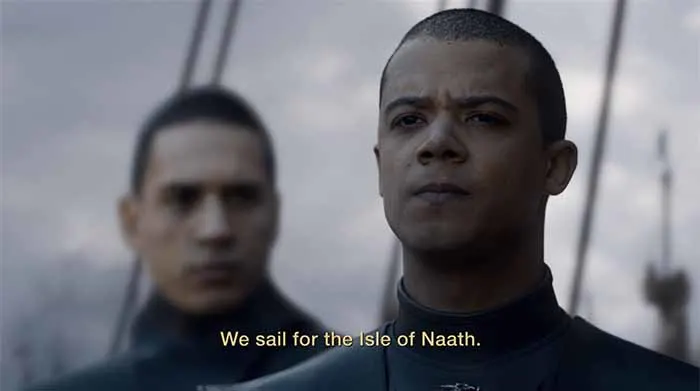
Jon prepares to take the long journey north. He passes Grey Worm, who is about to set sail for Missandei’s home of Naath.

Grey Worm
“Maybe Missandei had a twin sister.”

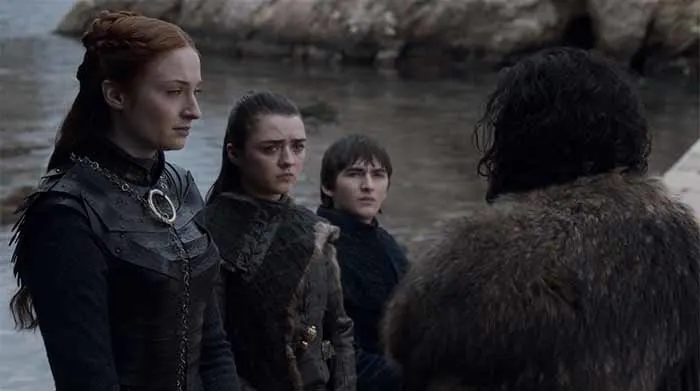
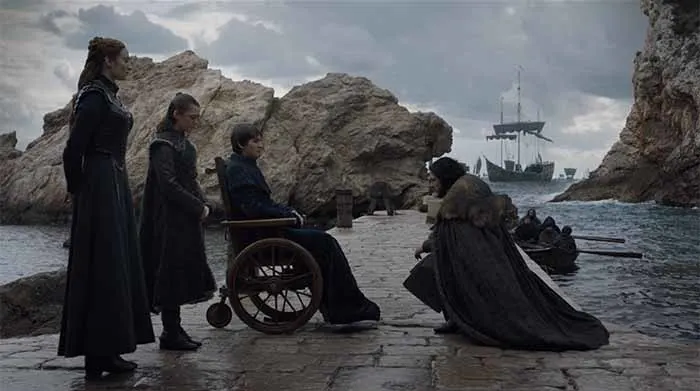
Jon shares some emotional farewells with his “siblings.” Jon’s goodbye with Arya is the biggest tear-jerker. He asks if she still has Needle. She does, of course. Arya says she plans to sail west of Westeros – beyond the edge of all the maps.

Stark goodbye
“Bye, fam.”
Arya's goodbye
“I’m really Jaqen H’ghar wearing Arya’s face, but I’ll miss you, Jon Snow.”
New king
“Bran, you are weird as hell. Good luck with everything.”

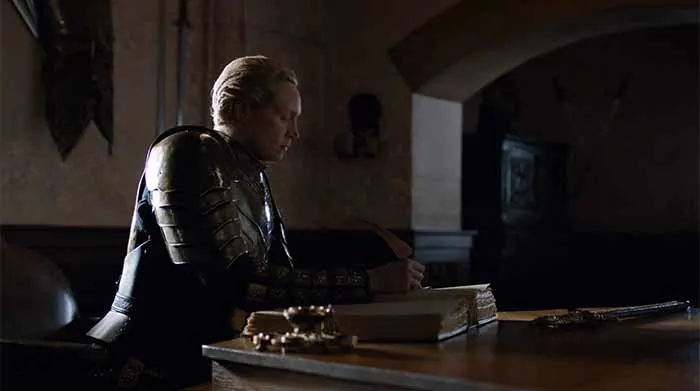
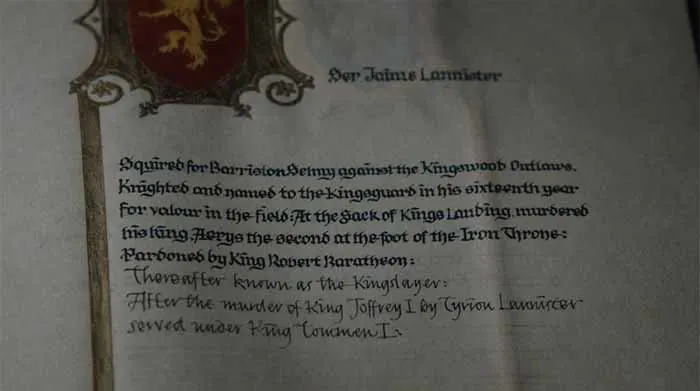
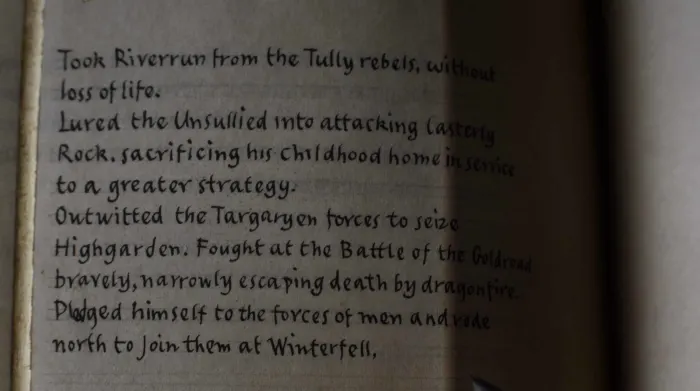
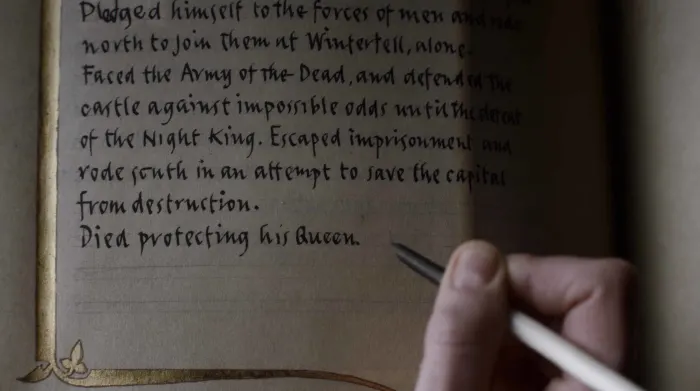
Brienne picks up a quill and opens the book about the Captains of the Kingsguard. She finishes Jaime’s story. He died “protecting his queen.” Never mind that the Jaime-Brienne sex scene added absolutely nothing to this show. Their relationship peaked when he knighted her. That, alone, would have been reason enough for Brienne to finish Jaime’s story with honor. Let’s all agree the sex scene never happened. It didn’t impact anything, so it might as well have been a horrible dream.

Brienne writes
Who lives, who dies, who tells your story?

Jaime's Story 1Jaime's Story 2Jaime's Story 3

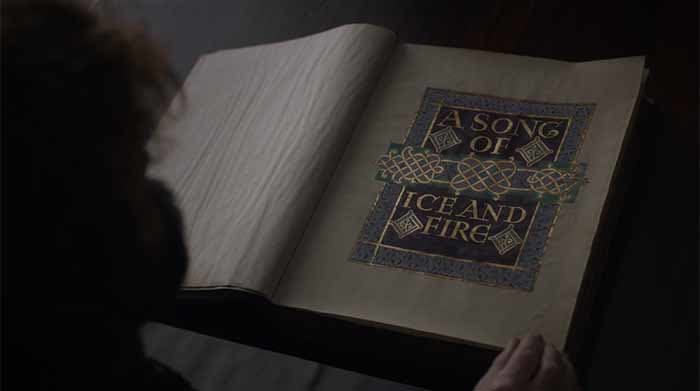
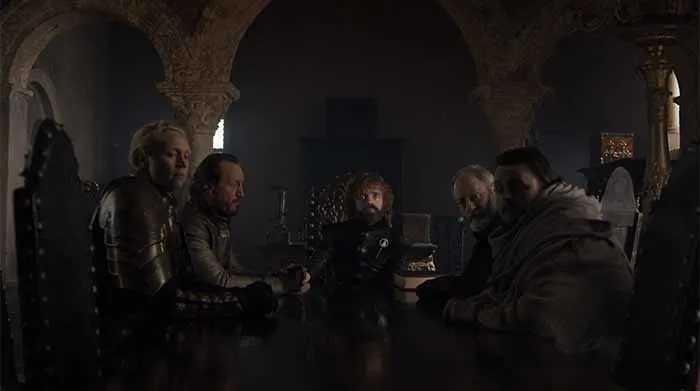
In the small council chamber, Tyrion prepares for their first meeting. Bronn shows up as the new Lord of Highgarden and Master of Coin. (Since he wasn’t at the vote, Highgarden must have been stuck with whatever the other lords decided.) Also, Bronn seems like a terrible choice for Master of Coin, but whatever. Lord Davos is now Master of Ships. Brienne appears to be Captain of the Kingsguard. Sam has become the Grand Maester. He shares “A Song of Ice and Fire” with Tyrion. Apparently, the Lannister got left out of Archmaester Ebrose’s epic history of the wars after Robert’s death.

New small council
(Record scratch) “You’re probably wondering how we got here.”

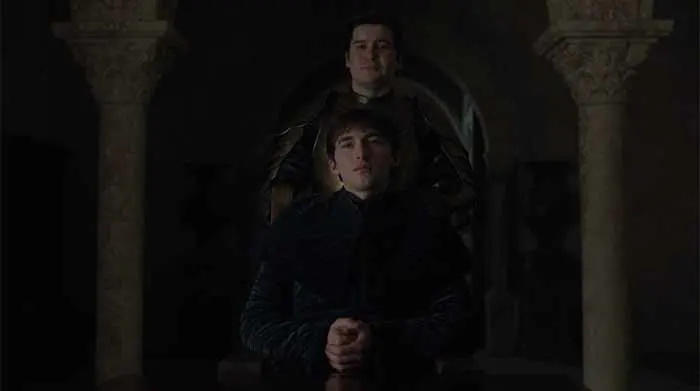
King Bran arrives at the small council meeting to note that they’re still shy one Master of Whispers, one Master of War, and one Master of Laws. Uh, isn’t Bran’s election supposed to end war? And why does the Three-Eyed Raven need a Master of Whispers. Have we seen any Masters of Laws in this entire show before now? What is happening? Doesn’t “King Bran” sound like a cereal aimed at constipated people?

Oh, Podrick is a knight now. So that’s nice.

King Bran and Podrick
“Podrick also votes for the brothels to be rebuilt.”

As the Small Council begins their meeting, the topic rolls around to brothels. Tyrion once again begins his joke about entering a brothel with a honeycomb and a jackass. This is the third time we’ve heard the beginning of the joke. We’ve never heard the punchline. It’s a nice callback for longtime fans.

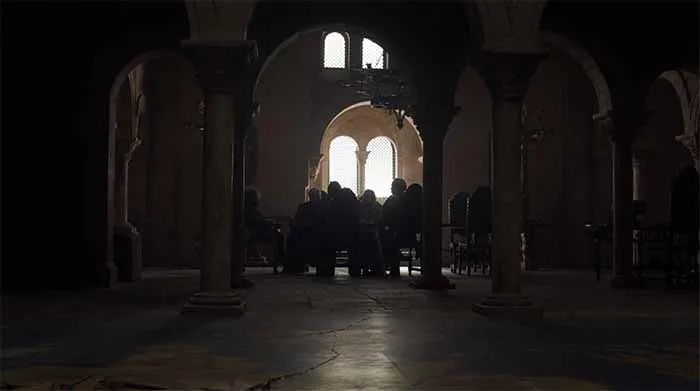
As the camera pulls back from the Small Council, we see the map of Westeros with a big crack down the middle. Again, the director of photography doing some heavy metaphorical lifting.

Crack in the map

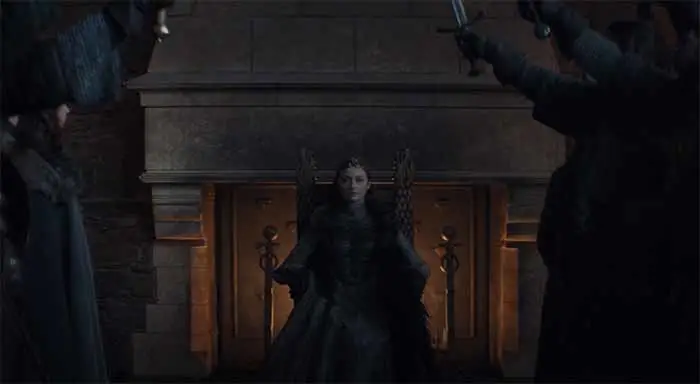
From King’s Landing, we cut between the remaining Stark siblings. Sansa is crowned Queen in the North – a fitting end for the iron-willed woman.

Queen Sansa
“Yasss qween.”

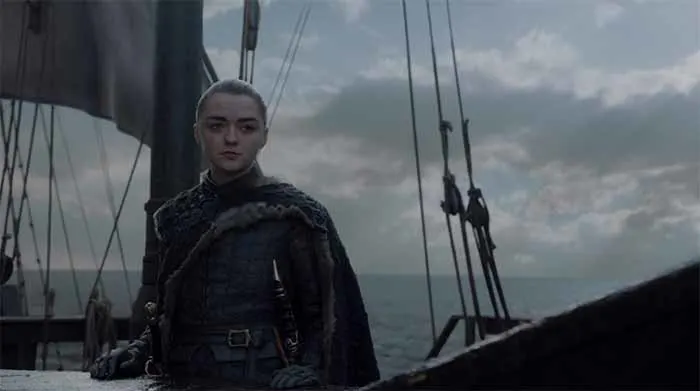
Arya is aboard a custom-made Stark ship, headed for parts unknown.

Arya sails
“I did nothing since killing the Night King, but thanks for watching!”

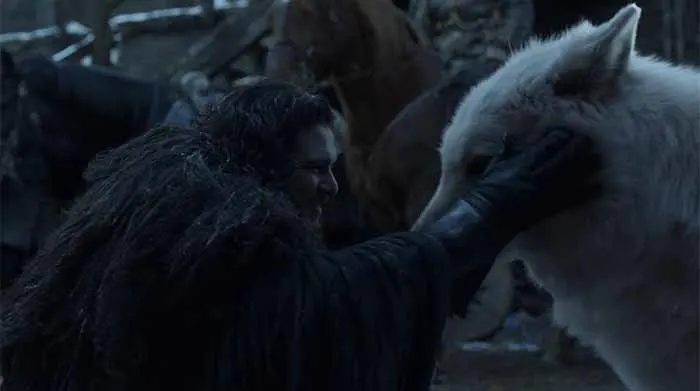
Jon is back at Castle Black, where he reunites with Tormund and finally pets Ghost. (Fans have been waiting forever for that moment.)

Jon pets Ghost
(Jon turns to the camera and says, “Happy now?”)

Instead of manning the Wall, Jon and all the wildlings open the gate and head north. The last shot of the series shows Jon and the freefolk disappearing into the woods.

The End
The End.

So did this episode work? At times, yes. At times, no. You can’t fault the actors. They were uniformly good. The cinematography and music and special effects were top notch. The script had some moments of brilliance, but more than a few head-scratchers. If the story ends with Jon headed north as an exile, Daenerys dead, Sansa as the Queen in the North, and Arya off to adventure, we buy all of that.

The choice of Bland the Broken as king is a real weird development. If he was always the choice, you’d think they would have invested more time on his scenes. He basically has superpowers, but the show doesn’t seem to care. Also, didn’t he turn down his claim on Winterfell because he had Three-Eyed Ravening to do? But his schedule cleared up in time for him to rule the Six Kingdoms?

You know Bran is a bad choice because his own sisters don’t even bother with a goodbye scene to him. There’s no, “Gee, Mom and Dad would be so thrilled to see you on the throne,” or, “Rule well, little brother.” They make a big deal about Jon’s departure, but the Stark girls bounced out of King’s Landing without so much as an “atta boy” for their broken brother.

Starks
Yes, of these three stories, Bran’s seems the most interesting.

It seems clear that other than the dragons, David Benioff and D.B. Weiss didn’t care for the mystical elements of George R.R. Martin’s world. Characters would be alarmed by the White Walkers one episode, then forget about them for eight straight episodes in favor of mortal matters. The fact that an army of the dead was dispatched with three episodes remaining was incredibly anticlimactic.

The pacing of this entire season was a mess. Virtually nothing happened in the first episode. The second episode was a gem of a character study. The third episode was a nonsensical battle with some awesome visuals often obscured by darkness. The fourth episode showed all our characters being dumb for the sake of plot contrivance. The fifth episode was a one-note slog. And the finale tried to make up for wasting the Night King and Cersei by putting all its chips on the Dany-Jon murder kiss.

Dany and Jon
“Why did you just ask me to look at the rabbits?”

On the first watch through, this episode seemed fine enough. The Bran choice really stuck out as odd, but the images, music, and the performances really elevated the story. Upon a rewatch, however, it feels like the showrunners were gasping for air, having used up all their energy in an earlier sprint. This might be a good episode for most shows on television, but for an epic series like “Game of Thrones,” the story did not meet or surpass its previous highs. It felt like fan fiction.

Ramsay Bolton once told Theon, “If you think this has a happy ending, you haven’t been paying attention.” Well, we ended up with a mostly happy ending. So maybe Benioff and Weiss weren’t paying attention to their previous work.

We will miss “Game of Thrones.” At its best, it was unlike anything on television.  And even in its worst moments, we kept rooting for those old thrills to return. And now our watch is ended.

Final Score: 2 out of 4

Whoops: Game of Thrones finale features plastic water bottle

See yet another goof from the production team.

After catching all sorts of hell for letting a Starbucks cup invade an episode this season, “Game of Thrones” botched things yet again in the series finale.

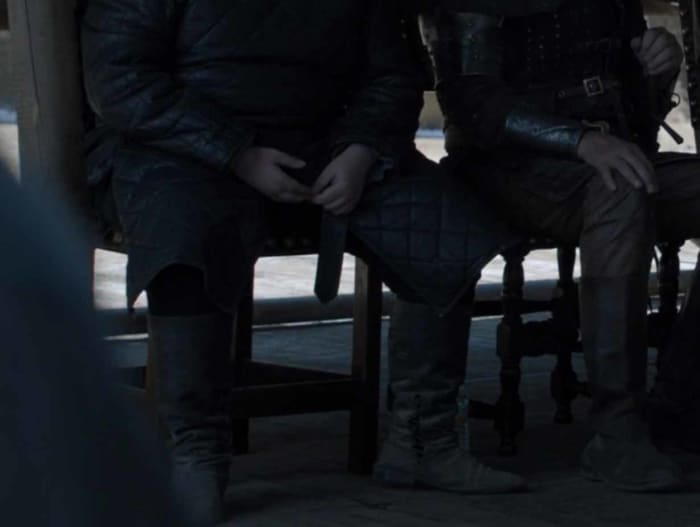
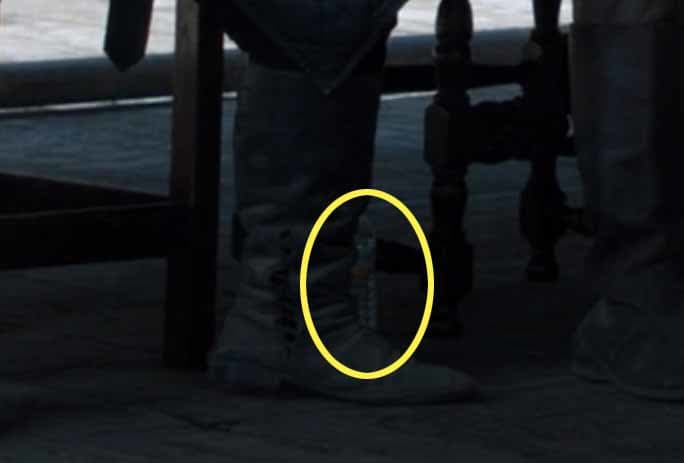
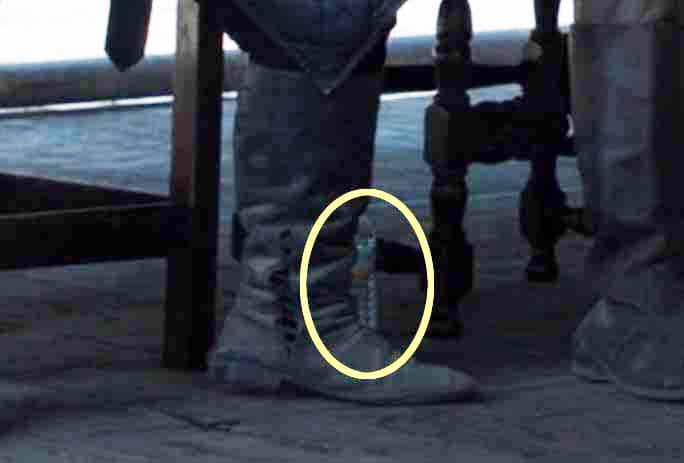
Eagle-eyed viewers noticed that Samwell Tarly snuck a plastic water bottle into Westeros.

Game of Thrones water bottleLook near Sam’s left foot. Enhance!

Water BottleSee it? No? Enhance!

Sam's water bottle

Not bright enough? Enhance!

Water bottle

Picking a new king is thirsty business. Congrats to Sam for staying hydrated.

How to store and use cryptocurrency with Opera’s web browser wallet

Opera is the first to offer web 3.0 capabilities on its platforms through blockchain integration. Learn how to store and use cryptocurrency with Opera’s web browser wallet.

Our team is always looking for things we think our readers will value. If we make a content partnership like the one featured in this article, then we may receive compensation for publishing.

Now that the novelty of cryptocurrency has worn off, there is plenty of speculation about what their real-world use cases might look like. Will they replace fiat currency and become a new way of conducting business? Will they be a sort of alternative stock market where investors speculate on the perceived value of different digital assets?

To some degree, probably a little bit of both.

However, the more tangible use case is through the decentralized infrastructure growing up around digital currencies. Blockchain-based games, dApps, digital payments – all expressed through web 3.0 capabilities – are the most practical expression of digital currencies.

If you’re unfamiliar with web 3.0, you’re not alone. While the jargon hasn’t made it to the popular lexicon yet, its capabilities are, and Opera is leading the charge.

A web browser with more than 320 million global users, Opera is the first to offer web 3.0 capabilities on its platforms through blockchain integration, a native crypto wallet, and growing access to the emerging decentralized ecosystem.

This week, Opera took another significant step in that regard, announcing its plans to integrate TRON into its platform’s built-in digital wallet (What is TRON?). Opera’s built-in wallet already supports Ethereum’s Ether token and other Ethereum-based ERC-20 tokens, and the browser intends to add additional blockchain platforms in the next year.

These moves allow users to access videogames, dApps, and online payments directly from their browser, making it incredibly easy for anyone to access web 3.0 functionality.

3 Steps to store and use cryptocurrency with Opera’s wallet

1. Create an Opera Crypto Wallet

While Opera is quickly building an iOS app, it is currently an Android-based service, which is where users start. From there, setting up your wallet is simple.

  1. On your Opera for Android browser, go to Settings.
  2. Tap Crypto Wallet.
  3. Tap Open Wallet.

When generating an account, users receive a 12-word backup phrase that’s used at sign in. This is meant to be the primary security mechanism that protects your account. Opera representatives will never ask for your passphrase, and users are strongly encouraged to store it in a safe location to ensure the integrity of their Opera account.

2. Connect to Your Computers

Opera’s browser works with all major computing platforms, and users can quickly integrate their crypto wallets to their computer browser by adding the Crypto Wallet sidebar.

  1. Click the Easy Setup button in the far-right edge of the toolbar.
  2. Under Features, click Crypto Wallet.
  3. Open the Crypto Wallet sidebar and reveal the code.
  4. Open your Android browser and tap the bar scan icon.
  5. Scan the code with your Android device.
  6. View your wallet’s funds, tokens, and collectibles.

3. Enjoy Web 3.0 Functionality

Once users set up the browser wallets, they are free to make purchases and to send/receive tokens. Opera applies its Android app as a de-facto two-factor authentication service that users implement to verify transactions.

In this way, users can keep their accounts secure while actively participating in today’s digital environment.

Opera’s wallet detects and conveys ERC-20 tokens, which can be used to make purchases or to complete other applicable transactions. Meanwhile, crypto collectibles, a growing niche among crypto enthusiasts, can also be bought and traded through the built-in wallet.

Complete with a wallet address and a dApp explorer, Opera users are equipped to discover new products, to participate in new ecosystems, and to maintain security and integrity throughout the process.

By bringing these features directly to the desktop, Opera is making the processes of using digital currencies more realistic and simpler than ever before.

While digital currencies will undoubtedly have many use cases in the future, practical and painless usability will play a prominent role in that space.

What it’s like being a movie VFX artist

They’re the amazing artists behind Hollywood’s greatest hits. Why are they treated so badly?

Visual effects artists (VFX artists) are now more essential than ever in Hollywood. Right now the box office is being dominated by “Avengers: Endgame” and “Detective Pikachu,” with both movies requiring extensive use of visual effects. If you’ve ever sat around during the credits of a Marvel movie waiting for the post-credits scene, you may have noticed that the VFX section has the most names under it by far. What exactly do those people do? And what are their lives like?

The different kinds of VFX artists

avengers infinity war vfx behind the scenes
Thanos (Josh Brolin) battles Tony Stark (RDJ) on Titan in “Avengers: Infinity War”

As you might expect, there’re very few general VFX artists in the movie industry. Every frame of a CGI-heavy movie has hundreds of different factors that go into it, requiring a large team of specialized VFX artists. Here are just a few of them:

Rotoscoping

Rotoscoping is a technique where animation is drawn over live-action footage to create fluid, realistic animation, sometimes combining it with live-action characters. This technique has been in place since the earliest days of animation, and it is the technique Walt Disney and his team used to create the revolutionary animation of “Snow White and the Seven Dwarfs.”

In many of today’s blockbuster films, live-action characters must interact seamlessly with CGI characters, usually in front of a green screen or a partially-built set. In the picture above, Iron Man fights against Thanos on the planet Titan. Since Iron Man’s suit is damaged, parts of Tony Stark’s exposed suitless body are in frame for most of the scene. Rotoscope artists must painstakingly go over every frame of the scene, drawing the Iron Man suit partially over Robert Downey Jr’s body. They must also make sure RDJ fits seamlessly into the mostly-CGI scene by composing objects and scenery realistically behind him.

Modeling/Rigging

Modelers use computer programs to shape 3D objects and characters in a process extremely similar to sculpting. To realistically sculpt, modelers often pay close attention to real-life reference photos and concept art, though sometimes modelers even sculpt their objects from scratch.

Depending on the object or creature, the model is passed off to various other artists upon completion. Texture artists add realistic surfaces to the objects, making sure the texture reflects whatever the object is supposed to be (ex adding wrinkles and pores for skin, or adding rust and paint to a metallic spaceship). For creatures that require realistic fur, such as the fuzzy Detective Pikachu, groomers are in charge of creating the look of the fur and tuning how it behaves in various situations (such as blowing in the wind, getting wet, or getting dirty).

After a person or creature is sculpted by a modeler, it is the job of riggers to make it so that creature can move realistically (or stylistically). Riggers add digital skeletons to the creature models, giving it a defined and realistic set of parameters on how it can move. Highly detailed creatures, like Legendary Pictures’ Godzilla, also feature a complex underlying system of muscles and skin that give weight and heft to the creature’s movement. A complex understanding of anatomy is essential to a rigger’s job.

Tracking

Tracking is an understated but vitally important job for VFX artists. Basically, a tracker’s job is to track the position and movement of the camera in order to make sure both live-action and digital objects move realistically within a heavily digitized scene. If objects aren’t properly kept track of, they will appear to “float” in a scene, completely destroying the illusion that it is actually there. A tracker must make sure it appears that it appears as if a real camera was filming a shot where everything inside it is real. If CGI and live-action objects combine in the shot to look realistic as the camera moves, the illusion is created that the film crew is filming something that is actually there, no matter how CGI-heavy the scene is.

What is it like to be a VFX artist in 2019?

visual effects artists

Despite being responsible for dazzling audiences with beautiful digital effects and iconic characters, VFX artists live a harsh life. Digital effects are a relatively new field of work in the movie industry compared to other jobs, so efforts to regulate or unionize VFX jobs are few and far in-between.

As a result, VFX artists must endure an incredibly volatile job market, with job stability being incredibly low. VFX artists frequently work in contract positions, sometimes for a decade or more. In addition to denying them access to benefits such as healthcare, this leads to uncertainty for VFX artists as to whether they will be let go at the end of each project. In many projects, from indie darlings to summer blockbusters, payment is often delayed for months.

The turnover rate is high, and despite the runaway success of VFX heavy films, VFX studios are folding left and right. Companies like Matte Digital (Titanic, Independence Day) and Fuel VFX (Iron Man 2, Prometheus) have gone bankrupt in the last several years. Even acclaimed VFX studio Rhythm and Hues, responsible for the excellent Oscar-winning VFX of “Life of Pi,” went bankrupt in 2013. At the same Oscars ceremony where they won the award for “Life of Pi,” Rhythm and Hues workers had their mics cut when trying to describe poor working conditions for VFX workers.

Even if one actually makes it into the VFX industry with a stable job, there are still plenty of hurdles to deal with. Hours are never consistent, as they can be scaled back by half or a quarter at a moment’s notice. Even worse, some studios employ unpaid overtime in order to meet incredibly strict deadlines set by film studios. It’s not uncommon for VFX artists to work 12-15 hours a day, with several additional hours added during crunch time post-production. VFX artists say it’s extremely difficult to have a family, as in addition to the long hours, VFX artists are relocated (often across entire countries) constantly to meet the needs of different studios and productions.

Though the work is described as satisfying by many VFX workers, it can be an incredibly tedious task. For just one shot, VFX artists have described being asked to rework the frame over a thousand times by the film’s director, a process that takes hundreds of hours.

It’s sad to see that as VFX-heavy movies sweep the box office, the digital artists responsible are treated worse than ever. Hopefully, unionization efforts can help these talented people get the treatment and recognition they deserve.