Top 5 most memorable boss fights in video game history

Meet the 5 bosses who brought gamers to their knees. How many have you beaten?

You’ve finally made it to the end of the dungeon. You’re low on health and out of potions, and you’re tired. Luckily, the exit is in sight. Right in front of it, however, is a giant clearing with a save point, which can only mean one thing: boss battle.

Boss battles are some of the toughest and most iconic parts of most games The satisfaction of finally taking out a boss that’s been repeatedly kicking your ass is unmatched by anything else in gaming. Here are some of the toughest, weirdest, and overall most memorable bosses in video game history.

Top 5 most memorable boss fights in video game history

5. Mike Tyson – Punch-Out!!
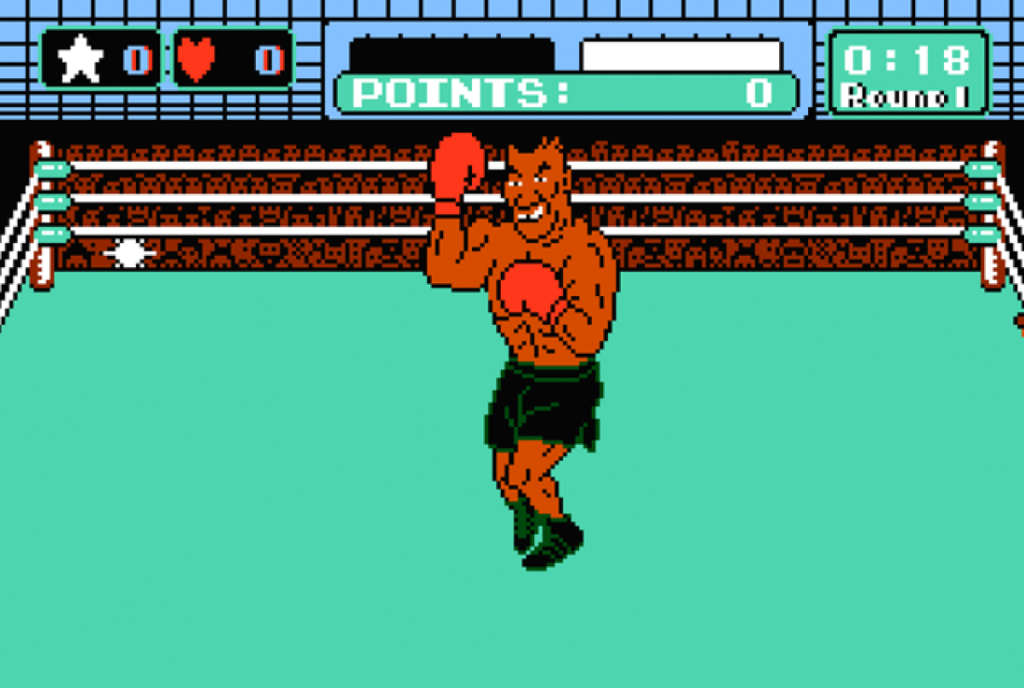
It may seem strange to younger readers that one of the boss fights on this list is based on an actual person, but Mike Tyson in the NES classic Punch-Out!! is no joke. His jabs are blindingly fast and his tells are way more subtle than the other opponents. Watch out for his uppercut, as it can KO poor Little Mac in one blow! Honestly, I’m pretty sure it’d be easier to fight Mike Tyson in real life.

Hilariously, Tyson himself had never actually played the game until 2014, where he fought his pixelated counterpart on The Tonight Show. He lost, but if you think about it, it’s kind of a win-win.

4. Shao Kahn – Mortal Kombat
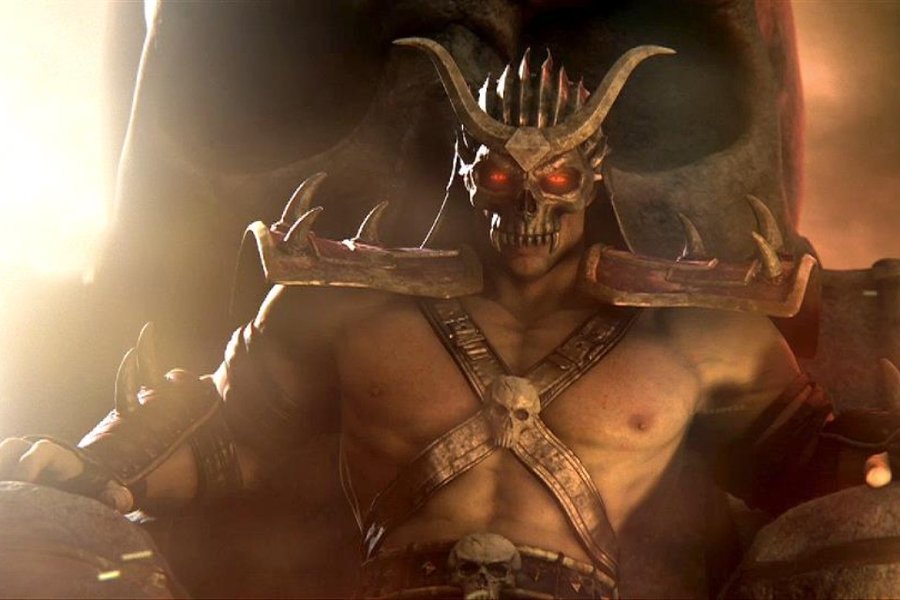
Most fighting game bosses don’t play by the rules, and Shao Kahn is no exception. Kahn was designed at a time when arcades were everywhere, and video game developers made games with the intention of sucking as many quarters out of kids as possible. Mortal Kombat 2 and 3 are fantastic arcade fighting games, but their final boss Shao Kahn alone probably made arcades hundreds of dollars in quarters.

Unlike other characters, Shao Kahn has super armor on most of his moves. In fighting games, super armor is when a character takes damage but doesn’t flinch, allowing them to power through your attacks. His attacks are also incredibly fast and powerful, and if he hits you with his giant hammer, your character sits stunned for years, allowing him to lay down the smack. Oh, and before you can even fight him you have to take down his pet tiger/man/four-armed thing Kintaro. Worst of all, you know what he says when he beats you?

“It’s official, you suck!”

Kahn caused me countless hours of agony as a kid and as a grown man I still can’t beat him. Maybe someday I’ll be able to beat him and finally get that payback Fatality.

3. Psycho Mantis – Metal Gear Solid

When Metal Gear Solid came out on PS1 back in 1998, it revolutionized the gaming landscape with its deep storytelling, stealth gameplay, and technical prowess. It’s considered one of the greatest and most influential games of all time, and its hero, Solid Snake, has become a gaming icon. One of the most iconic parts of an already fantastic game is a boss fight against the psychic soldier Psycho Mantis.

Using his telepathic abilities, Psycho Mantis messes not only with Snake, but with the player themselves. He can black out the screen and mess with your controller inputs, forcing you to switch the controller to the player 2 slot. Most memorably, Psycho Mantis can read the player’s memory card and comment on the games that are stored there to mess with their heads. in the original PS1 version, he’ll ask the player about Castlevania, and in the Gamecube remake, he’ll mention Mario, Zelda, and Super Smash Bros.

Psycho Mantis is arguably the best example of a video game breaking the fourth wall. His “mindreading” abilities are more than just a gimmick, they serve the story and help build his character.

2. Yellow Devil – Mega Man
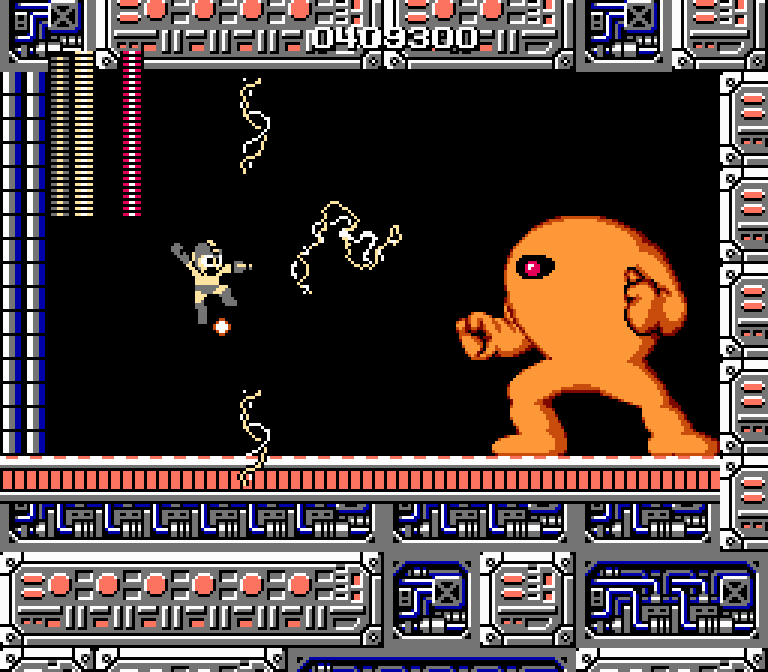
The Mega Man NES games are absolute masterpieces of side-scrolling shooters. The characters are charming, the controls are tight and responsive, and the music is unquestionably the best of the 8-bit era. The games were also famous, however, for their high level of difficulty, due in no small part to the series’ famous bosses. While Dr. Wily sent all manner of Robot Masters to fight Mega Man, perhaps none are as iconic or long-lasting as the Yellow Devil.

As the name implies, the Yellow Devil is a hellish creature. His body is made of deadly yellow goo that shoots out at Mega Man. By shooting out pieces of himself, the Yellow Devil can move around the stage, reforming himself as he goes. His eye is his only weak spot, but it can fire deadly energy blasts that home in on Mega Man.

While his attacks are relatively simple, fighting the Yellow Devil is an exercise in patience. He challenges every skill you’ve learned up to that point, including your timing, jumping, and shooting. Winning the battle is all about keeping cool, because if you mess up your timing and become tilted, it’s all downhill from there. (Or you could use the famous “pause” trick to make your Electro-beam blasts count as multiple hits with one shot… but that’s cheating.)

1. Ornstein & Smough
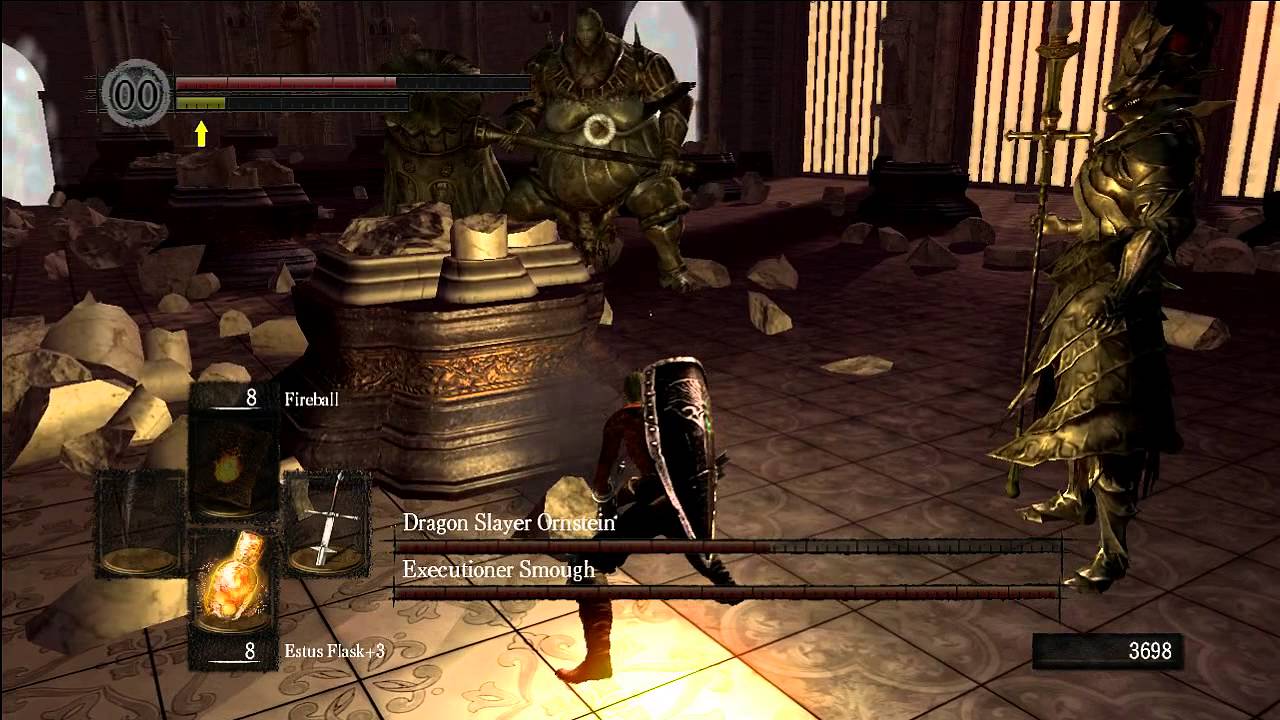
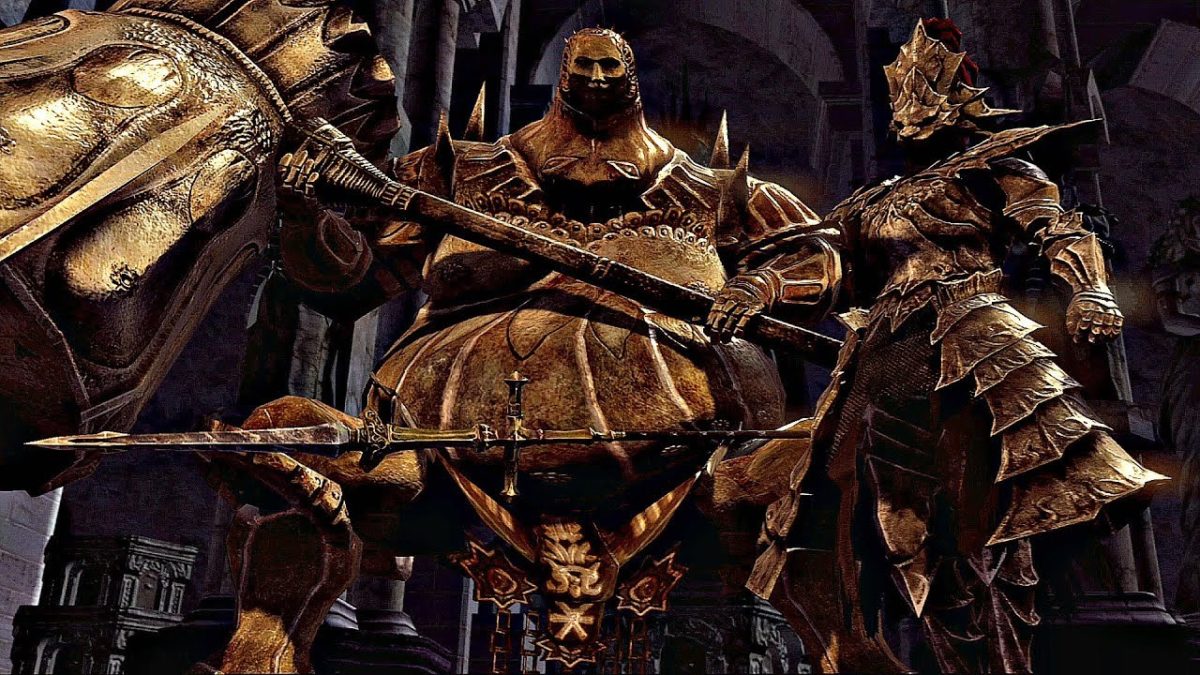
Dark Souls is widely considered one of the hardest games ever made. The game is unforgiving and brutally punishing, yet fair. Every mistake you make is your own, and the only thing that’s stopping you from beating the game is your perseverance to try over and over again. With that being said, Ornstein and Smough can make even the most hardened Dark Souls veteran scream with rage.

This dynamic duo fights the player simultaneously. Smough is a big boy who towers over the player, wielding a hammer that can crush even the tankiest player in one or two hits. His buddy Ornstein is the exact opposite; he’s quick and nimble with a lightning spear, popping up out of nowhere to impale you and shower you with electric fury. While fighting one of these bosses on their own would be very difficult but manageable, fighting both of them at the same time is maddeningly difficult. If you manage to defeat one of them, the survivor absorbs the corpse of the other, refilling their health and increasing their size and power.

Like the Yellow Devil, fighting these two is about keeping your head, though it’s incredibly hard not reacting to the adrenaline pumping through your veins when you get close to beating them after dying dozens of times. Beating them is totally worth it though, and you can rest easy and celebrate loudly that you’ve taken down one of the toughest boss fights in video game history.

Have you beaten these bosses? Are there any big ones we missed? Let us know!

3 dead game genres that desperately need to come back

These throwback games deserve a comeback!

Dead game genres that need to come back

The advent of HD gaming brought sweeping changes to the industry. Games were more expensive than ever to produce and gamers’ expectations were high. Gaming became dominated by massive triple-A technological marvels whose budgets rivaled those of blockbuster movies. These triple-A games became more and more homogenized, and smaller studios tried their best to emulate their success. This trend, combined with increased costs and a more massive and mainstream culture surrounding video games, led to the death of many niche or “outdated” genres. Here are some that we miss the most.

3 dead video game genres that desperately need to come back

3D Mascot Platformers/Collectathons

The upgrade from 16-bit to 64-bit consoles was arguably the greatest technological leap in gaming history. The 3D polygonal graphics of the Nintendo 64 and PlayStation blew gamers’ minds, and the ability to move freely in 3D was a marvel in of itself. As such, 3D platformers that encouraged exploration and finding collectibles became an extremely popular genre.

Gaming studios were churning out collectathons left and right, each one creating their own mascot to rival the Marios and Sonics of the world. Not every mascot was a hit, as there are few people in the world who remember Bubsy or Gex, but this era led to the creation of characters that are beloved to this day, such as Spyro, Crash Bandicoot, and Banjo-Kazooie.

Unfortunately, as technology improved, the ability to move in 3D was no longer as novel as it was in the past. A flood of cheaply made, poor quality licensed 3D platformers tarnished the genre, and gamers were no longer excited by the thought of scouring every part of a level for collectibles. It’s truly a shame, as the genre holds some of the greatest games of all time, such as Super Mario 64. Speaking of Mario, the 3D Mario games are basically the only high-profile 3D platformers that still exist today.

Fortunately, there has been a recent resurgence in 3D collectathons. Indie games like Yooka-Laylee and A Hat In Time prove that there is still a market for colorful characters exploring quirky worlds.

Rhythm Games

In the early to mid-2000s, Dance Dance Revolution and Guitar Hero took the gaming industry by storm. They weren’t the first rhythm games, nor were they the first ones to utilize peripherals, but they were definitely the first rhythm games to break the mainstream. Dance Dance Revolution was an absolute craze, and the machines gobbled up quarters all over the world as people danced frantically to the onslaught of flashing arrows. The game was accessible, had both universal and hardcore appeal, and worked up a good sweat.

Guitar Hero allowed players to live out their rockstar fantasies without requiring any of the musical talent. The plastic guitars bundled with the game were sturdy and easy to use, and the collection of songs featured appealed to rock purists and casual listeners alike. Later down the line, Rock Band allowed drummers and vocalists to join in the fun, creating one of the best party game experiences ever made. Spinoffs like Just Dance, SingStar, and DJ Hero became their own successful franchises, and rhythm games enjoyed new audiences due to the casual gaming boom brought by the Wii and Nintendo DS.

Unfortunately, the genre experienced a sharp decline in the 2010s. Greedy publishers cranked out so many Guitar Hero and Rock Band spinoffs that fans became burned out from the formula. Critics accused publishers of milking the Guitar Hero and Rock Band brands by pumping out spinoff after spinoff instead of focusing on more fleshed out entries in their main series. Additionally, the high cost of the peripherals contributed to the decline of the genre. Players would often have to buy expensive additional instruments as the ones they owned either broke or became incompatible with more recent games.

It is unlikely that peripheral rhythm games will return to mainstream popularity, and they are considered to be a fad by pop culture at large. However, the Guitar Hero gameplay lives on through free fan-created projects like Clone Hero that allow users to upload, create, and play notations for popular songs.

Extreme Sports Games

SO HERE I AM, DOING EEEEEEEEEEVERYTHING I CAN

You young ones may not know, but in the late 90s and early 2000s extreme sports were EVERYWHERE. (The more Xs you used to spell “exXXxxxXXtreme,” the more extreme it was.) Skateboarding culture was incredibly popular, and skateboarders like Tony Hawk and Bam Magera became household names. As with everything that becomes popular, video games soon followed, and thank God that they did.

The Tony Hawk Pro Skater series is often regarded as one of the greatest gaming franchises of all time. The fast-paced, addictive, and easy-to-grasp but hard-to-master gameplay proved to be a hit with gamers everywhere. There was an exhilarating sense of speed and momentum with every ollie, kickflip, and grind, and chaining together tricks was a frantic exercise in coordination. The humorous and rebellious presentation of the games helped too, as did its glorious pop-punk and ska soundtrack. The early Tony Hawk games were some of the best examples of how 3D technology can lead to fantastic and fresh game design. SSX took a similar arcadey approach to snowboarding and also achieved tremendous success. Later down the line, more realistic skating games like Skate provided an alternative to Tony Hawk that was more faithful to the mechanics of real-world skating.

Sadly, the popularity of extreme sports waned significantly in the mid-2000s. Whereas earlier skating culture hit a sweetspot of rebelliousness and mainstream popularity, it quickly, for whatever reason, became less cool in the eyes of the public. This decline led to a drought in extreme sports games. It didn’t help that later entries in the Tony Hawk series (mostly after THUG 2) were cheaply made spinoffs that failed to capture the charm and brilliant gameplay of their predecessors. Activision attempted to revive the Pro Skater franchise a few years ago with both the remake Tony Hawk Pro Skater HD and the new entry Tony Hawk Pro Skater 5, but neither filled the lofty shoes of earlier games in the series.

Do you miss these games? Did we miss any dead genres that need to come back? Let us know!

Futuristic jacket uses app to control temperature

One jacket for all seasons? Take a look.

New jacket uses app to control heating

Tech-fashion startup Ministry of Supply was launched in 2011 by four former MIT students with a very particular design philosophy: to combine the comfortability and function of athletic wear with the presentation of everyday clothing using aerospace-inspired engineering.

Quickly gaining funding through Kickstarter, Ministry of Supply has since created clothes for men and women that use similar materials and thermal engineering to NASA’s spacesuits. Their upcoming Mercury smart jacket is their most ambitious product yet. Check it out in this video:

Ministry of Supply claims that the Mercury jacket is “everything-proof”. Everything includes water and water vapor. The dual-layer breathable membrane allows water vapor to escape the jacket while preventing water droplets from getting in, allowing them to slide off easily and keeping the jacket dry.

The jacket is also odor-proof, as the liner contains coffee grounds that absorb and neutralize odors. Like athletic wear, the liner of the jacket is designed for maximum flexibility, and it’s machine washable. The jacket contains four spacious primary pockets, including a pouch for your phone that charges it wirelessly.

The Mercury jacket is designed to keep you warm in a wide variety of settings, from the city to the mountains. The jacket’s built-in heaters are designed to feel as weightless and natural as possible, so it just feels like you’re wearing a normal jacket. The built-in thermostat determines the temperature of both your surroundings and your own body heat, learning about the places you spend the most time at. The machine learning algorithm then determines how warm you’d prefer the jacket to be. You can use an app to tell the jacket to become warmer or cooler, and as you wear it more often, the algorithm will start to pick up on and automatically adjust to your preferences.

You can also talk to a voice assistant like Alexa to adjust the temperature of your jacket, though you may look like a crazy person if you use this feature in public. The jacket also has built-in accelerometers that determine how much you’re moving, which then tells the heaters to adjust the temperature of the jacket accordingly.

The included battery simply sits in one of the pockets of the jacket and is easily removable for when you want to wash. As the jacket learns your preferences, it will learn how to save power accordingly, allowing the battery to be used for up to 4 weeks without being charged. The battery and heating functions work right out of the box, so no calibration is required. The algorithm will adjust to your temperature and lifestyle automatically.

The Mercury jacket releases next month. You can back the Kickstarter here.

How to win Black Ops 4’s blackout mode

Ready to try the latest battle royale craze?

How to Win Black Ops 4's Blackout Mode

Blackout is the standout new multiplayer mode in Call of Duty: Black Ops 4. While it’s a familiar experience for fans of Fortnite and PlayerUnknown’s Battlegrounds, it features the tight gunplay and fast-paced action that Call of Duty is famous for, providing a fresh experience. The mode combines essential parts of the Call of Duty experience, like perks, with vehicles, futuristic equipment, and even zombies.

Trying to score your first victory royale? Here are some tips to help you knock out the competition.

How to win Black Ops 4’s blackout mode

Know the map

Call of Duty 4 map

Blackout’s map is smaller than both PUBG’s and Fortnite’s. With fewer named locations, it’s vitally important to know the ins and outs of every major spot. The helicopter that you start in also flies closer to the edges than the bus in Fortnite, so be prepared to learn the edges of the map in addition to the center.

Certain locations have already proved popular with players, including Firing Range, Train Station, and obviously, Nuketown Island. Be extremely careful when landing in these locations, as there will almost always be multiple people landing there with you. However, if you want to directly practice your shooting skills, it’s recommended to land in these locations instead of hiding somewhere more obscure.

I believe I can fly

Call of Duty 4

Jumping and landing is a much different process than landing in Fortnite or PUBG. In those games, you usually want to wait for the plane/bus to fly close to and parallel to the location you’re aiming for. This does not apply to Blackout, as with careful timing, you can fly almost anywhere you want from any point.

After you figure out where you want to land, jump as soon as possible. Dive straight down until you hit a speed of 70, then immediately pitch up hard. If done correctly, this should level you out, allowing you to carry your momentum and fly fast and far to your destination.

Prioritize your loot

Call of Duty 4

It’s important to prioritize certain types of loot; the type you’re aiming for depends on how far you are into the game. Once you land, your absolutely immediate priority is finding a gun, so ignore all other pickups until you find a gun right away. Finding a gun before someone nearby does can mean the difference between a 30-second game and a victory royale.

After you find a gun and are relatively safe, focus on finding armor and healing items. Armor comes in three tiers, and level 3 armor is the only one that gives your head protection. Regarding healing items, if you find trauma kits use them right away. Trauma kits are the only healing items that give you bonus health, even when your health bar is full. It’s also important to note that unlike other games, you can heal while sprinting.

For other loot like equipment, attachments, and perks, try to synergize them based on your weapon loadout. For example, if you have two assault rifles, put a powerful scope on one of them and a reflex sight on the other so that you can be effective at multiple ranges. When you find perks, you should usually just use them right away (as long as you’re safe). Most perks last for several minutes, so it’s better to be safe than sorry.

Embrace the undead

Black Ops zombie

As if dozens of other players weren’t trouble enough, Blackout also features zombies! Don’t fret if you see them, though, because they drop amazing loot like modded assault rifles and even the ray gun!

When fighting them, use strategies you would typically use in Zombies mode, like staying mobile and making sure your back isn’t exposed. Zombies appear in specific locations, such as Asylum (based on the Zombies map Verruckt) and Lighthouse.

Additionally, pay attention to the sky, as you’ll sometimes be able to see giant blue beams. These beams reveal the presence of mystery boxes, which grant you powerful weapons and items. They’re always guarded by a horde of zombies, however, and they must be eradicated for you to open the box. Unfortunately, that hellish laughing teddy bear from Zombies is also back, and it will teleport the box somewhere else if you use it too much.

Have you won a Blackout game? Any tips we missed? Let us know!

 

How AR could change the way we see the world

The Augmented Reality revolution is here. Are you ready?

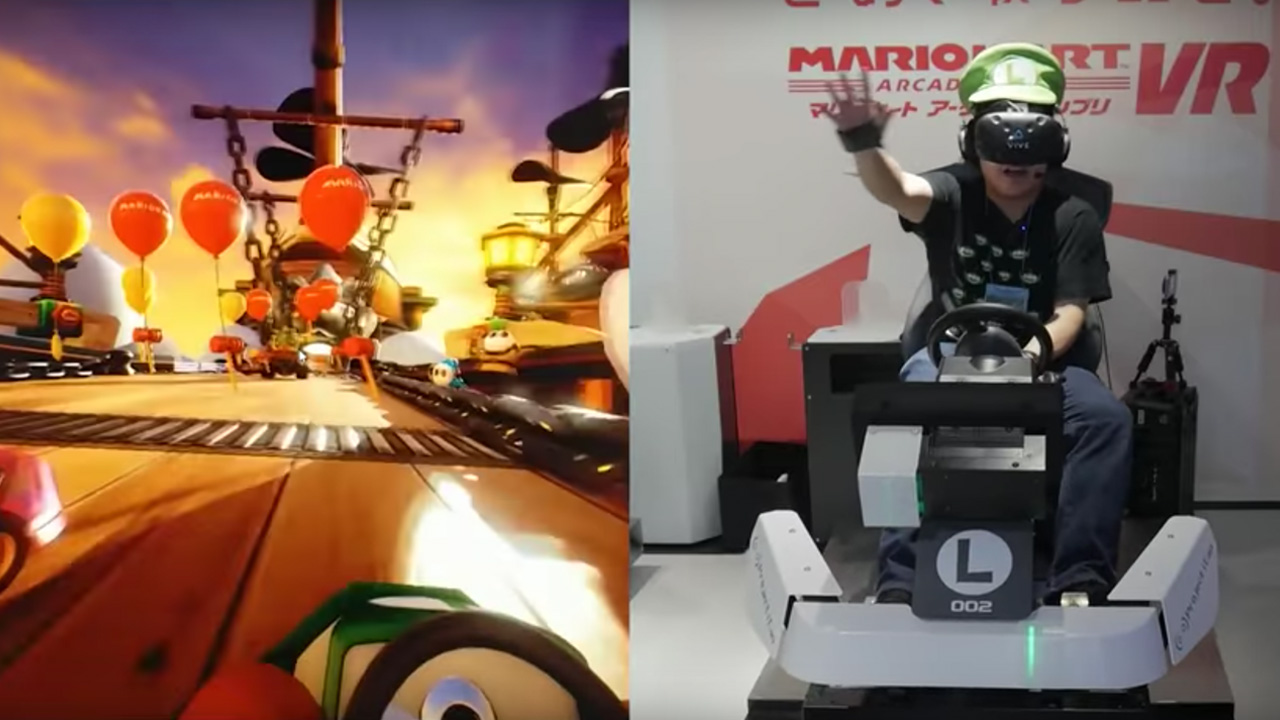
As immersive technologies become more advanced, the lines between virtual reality and real life become increasingly blurred. Immersive technology is a spectrum, with reality on one end and VR on the other. In the middle, you have augmented reality, which is technology that doesn’t try to replace the real world but to enhance it.

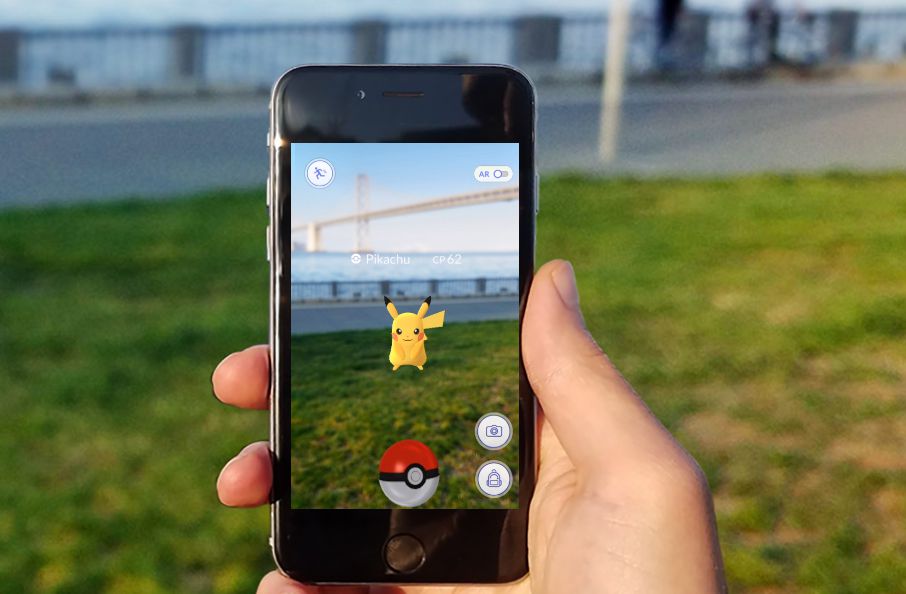
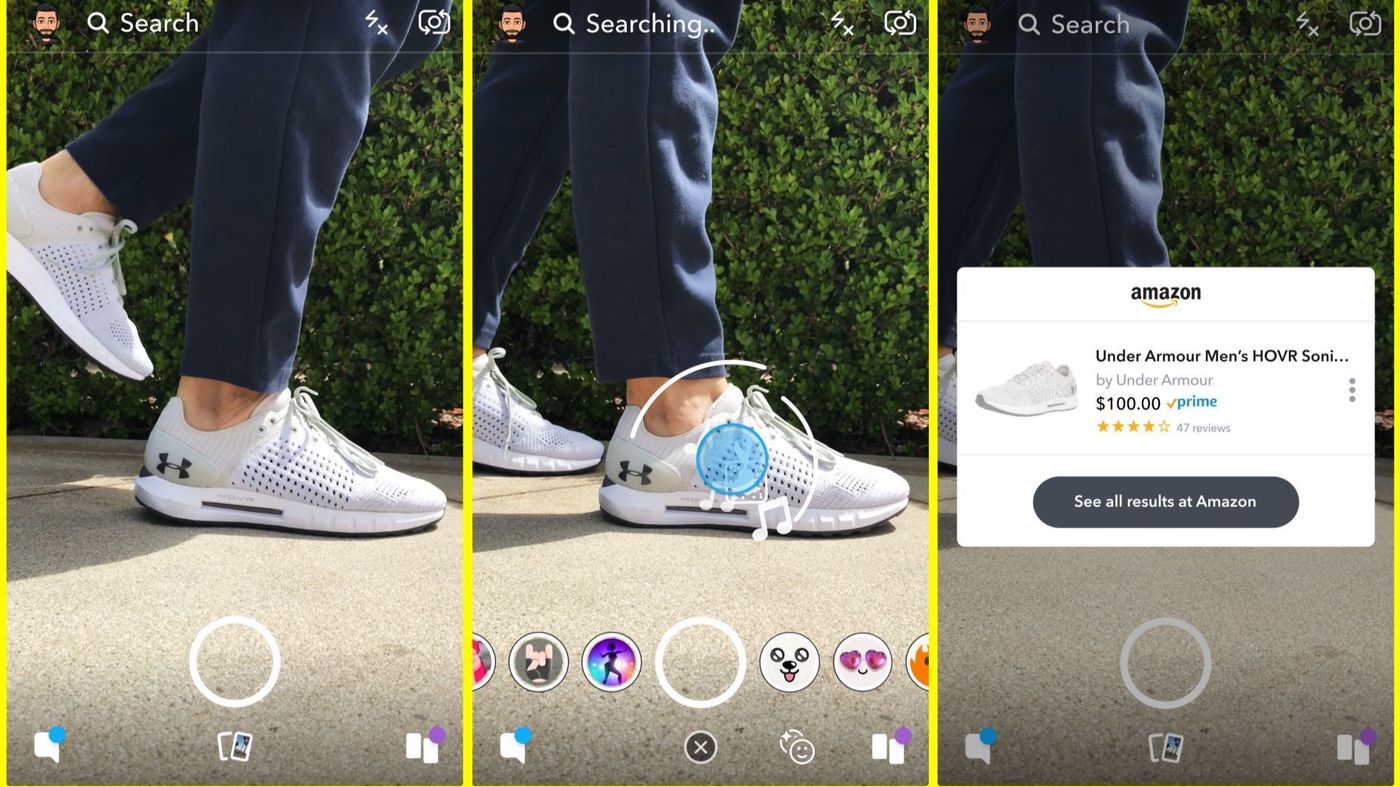
In a nutshell, AR places computer-generated into the real world in real time. You probably use AR technology on a daily basis without even knowing it. Popular examples of AR include Snapchat selfie filters, which alter facial features in real time, and Pokémon Go, which uses AR to place Pokémon into the real world using your phone’s camera.

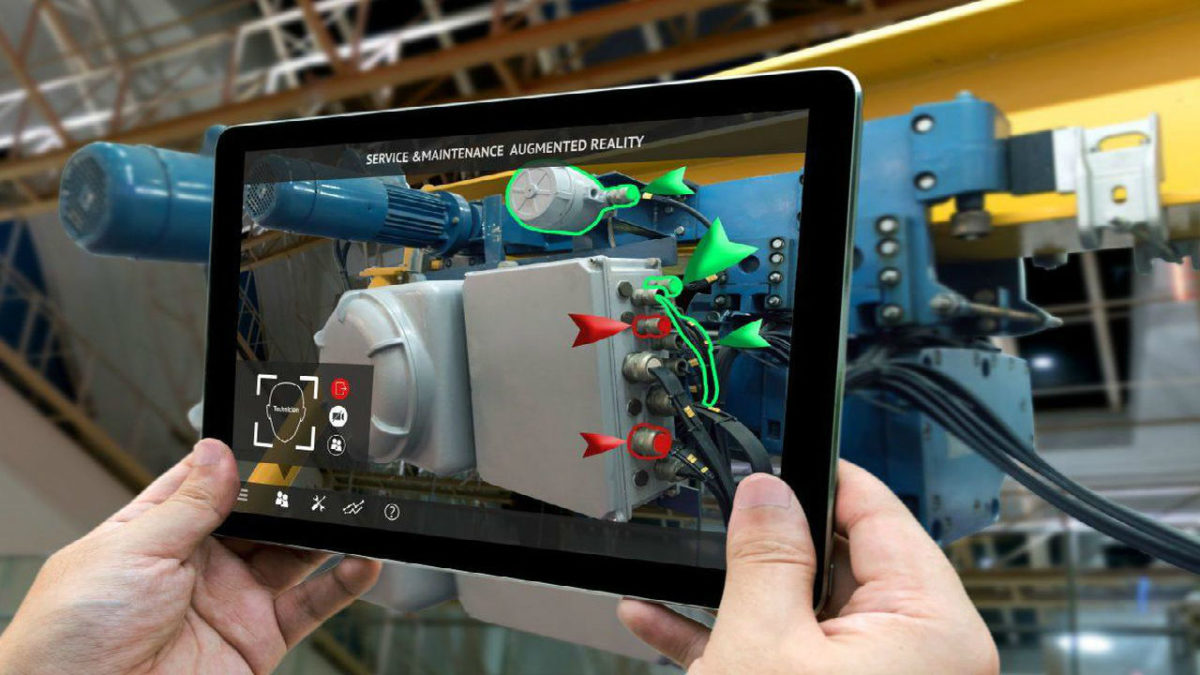
While AR isn’t quite as flashy or sci-fi as its cousin VR, it has already become popular, having a wide variety of applications. So far, the three main uses for AR have been entertainment, shopping, and industry. Here we’ll take a look at how AR is already making an impact in these three areas.

How AR could change the way we see the world

Combining video games and the real world

An immediate and obvious application of AR technology is in video games. During the summer of its release, Pokémon Go became arguably the most popular AR technology in the world. Using augmented reality, developer Niantic superimposed Pokémon into your phone’s camera, allowing them to run around and react to the real world.

Pokémon GO Download Free
7

AR is not just for kids games, either. The new World of Tanks app turns any tabletop into a battlefield. The demo is simply amazing, and it hints at more fun to come.

Beyond video games, augmented reality has been used to enhance toys and other forms of physical entertainment. For example, certain LEGO sets now have AR compatibility. When scanned through your phone, the sets will show new animated features through your screen, such as a train running along a track.

Parents worried about their kids spending too much time on their phones can use AR to make more traditional toys more appealing. AR’s ability to combine virtual objects with the physical world allows users to see their surroundings in all-new, exciting ways.

A high-tech way to shop

Augmented reality has the potential to completely change the way that we shop, and in small doses, it already has. AR’s ability to alter computer-generated images in real time makes it a perfect fit for virtually “trying” products before actually buying them. For example, Lacoste has released an augmented reality-based app that allows users to try on shoes without actually putting them on. A video demonstrating the app can be seen below:

As seen in the video, users simply select a shoe they’d like to try on, and the app superimposes the shoe onto the user’s feet using the camera. The user can then rotate the camera around their foot, allowing them to view the shoe at all angles.

Major fashion brands are already scrambling to come out with their own AR apps that allow users to try on their clothes from the comfort of their homes. Beyond just shoes, certain fashion retailers have installed “magic mirrors” that use augmented reality to allow users to try on entire outfits.

In addition to fashion, the interior decorating industry has also gained a huge tool in AR. Certain apps use AR to change the colors of walls and place virtual furniture, allowing people to see how their redecoration would look before going through all the trouble of actually doing it. IKEA has already implemented this technology, as seen below:

Companies are also using AR as a promotion to get you to buy their products. Facebook teamed up with Universal Pictures with a “Jurassic World” promo that let you take home an AR dinosaur along with your DVD or Blu-Ray purchase.

It isn’t exactly a bold claim to say that in the very near future, augmented reality will be everywhere when it comes to shopping.

Hands-on without being hands-on

For many industries, AR is proving to be a valuable and resource-saving tool that allows workers to get hands-on experience without actually touching or building anything.

For medical professionals, augmented reality provides detailed and realistic recreations of the body, allowing them to practice complex procedures like surgery. Virtual organs can also be overlayed over real live patients, giving doctors a sort of “X-ray vision” and providing them with detailed maps of the body while displaying valuable information like heart rate and blood pressure off to the side. While these systems need to be absolutely perfect when lives are on the line, it is likely that augmented reality will eventually see widespread use in surgery and other medical services as the technology improves.

In addition to medicine, augmented reality can also be used in engineering to help quickly find solutions to complicated problems. For example, AR can be used to display a finished product when it doesn’t actually exist in the real world yet, which can aid in the assembly process. The object can then be taken apart and put back together in real time, and at multiple angles, with each individual part being interactive. The ability to create virtual objects without going through assembly processes will become an invaluable resource that allows engineers to better understand their designs and how to improve on them.

Do you use augmented reality in your daily life? Which part of AR excites you most? Let us know!

Diablo Immortal bombs with Blizzard fans

How do you alienate a legion of fans? This is how.

Blizzard’s announcement of the mobile game Diablo Immortal has set the internet aflame. This video shows the reaction to the game’s announcement at BlizzCon 2018:

The game’s cinematic and gameplay trailers have both received hundreds of thousands of dislikes on YouTube, as shown below.

Why is Blizzard, a historically beloved company with a famously passionate fanbase, facing the brunt of the biggest video game outrage in recent memory? There are a few factors that we’ll attempt to break down.

The BlizzCon Reveal

For those unaware, BlizzCon is an annual conference held in Anaheim, California that’s a celebration of all things Blizzard. The con is a major event, complete with game reveals, cosplay, Q&A sessions with developers, and even concerts. Tickets to the event are very expensive, so the audience is made up of the most hardcore Blizzard fans.

Blizzard had hinted at the appearance of some sort of Diablo news at this year’s BlizzCon, leaving many fans of the acclaimed series to believe that the highly-anticipated Diablo 4 would be announced.

Once the game was onstage to be a mobile game, fans were furious. The developers were met with boos after answering a few questions, as seen in the video above. The fact that fans (who paid hundreds or even thousands of dollars to attend) booed loudly displays the huge distaste for Diablo Immortal within the hardcore Blizzard fanbase. To an outsider, it may be confusing to see such intense outrage directed towards a new game in the Diablo series, even a mobile game, since the fans have been requesting a new game for years. Basically, the core Blizzard demographic and mobile gamers don’t overlap at all.

Diablo III Download Now ►
7

Note: Apparently, Blizzard planned to announce that Diablo 4 was in development after the reveal of Diablo Immortal, but they decided not to.

Hardcore Blizzard fans are not mobile gamers

Pictured: A screenshot of the mobile version of Heartstone, Blizzard’s only real successful foray into mobile gaming

For its entire existence, Blizzard has been a company that has focused on the PC gaming market. Its most popular games, including World of Warcraft, Overwatch, Diablo, Starcraft, and Hearthstone, are played either exclusively or most commonly on PC. Diablo itself is a franchise that is most commonly linked with PC gaming and mouse + keyboard controls. Blizzard fans are apparently not at all psyched to play Diablo on a small phone/tablet screen with touchscreen controls. Since mobile gaming is a much more casual market than PC, some fans feel that Blizzard is ignoring its loyal core fanbase in favor of a wider, more casual audience.

Fans have no faith in the developer

Blizzard itself isn’t developing Diablo Immortal. Development is instead being handled by Chinese company NetEase, who has developed poorly received MMO’s like Crusaders of Light and Endless of God. Fans were quick to point out the similarities between Diablo Immortal’s UI and Crusaders of Light’s, leading many to speculate that the game was simply a reskin of CoL. Blizzard has denied this, saying that Diablo Immortal is a brand new game being built from the ground up.

In an interview with Kotaku, they acknowledged the UI similarities and said: “I want to assure you that Diablo Immortal is purpose-built from the ground up. In the East, that control method is becoming ubiquitous, and it’s becoming ubiquitous because it’s very natural, and it feels great. Less so in the West, but we’re now starting to see some games that are bringing that mechanic to the West. So it’s us taking inspiration from some of the work they’ve done already.”

Grindy, loot-heavy MMO’s like Crusaders of Light are extremely popular in Asia, but their popularity is lukewarm in the West. It remains to be seen if Diablo Immortal will take inspiration from these games, but fans are not optimistic.

There’s also the issue of monetization. While Blizzard hasn’t announced how it plans to monetize Diablo Immortal, mobile games are notorious for bleeding the player dry with microtransactions. One of the biggest reasons Crusaders of Light was panned in the West was because of its rampant microtransactions and pay-to-win structure, leaving fans worried that Diablo Immortal will follow in its footsteps.

What do you think about Diablo Immortal? Is the controversy deserved? Or are fans overreacting? Leave us a comment!

Schools use AI to fight vaping

vaping

Isn’t that the most 2018 headline you’ve ever read?

If you know anyone who’s in middle or high school, they’ll tell you that school bathrooms are foggier than Silent Hill. Over the past year, vaping went from an uncool habit done exclusively by 25-year-olds who wear Monster snapbacks to an extremely common teen pastime. Teens vape so much in school, that a common joke is “Dude, why are there toilets in the Juul room?”

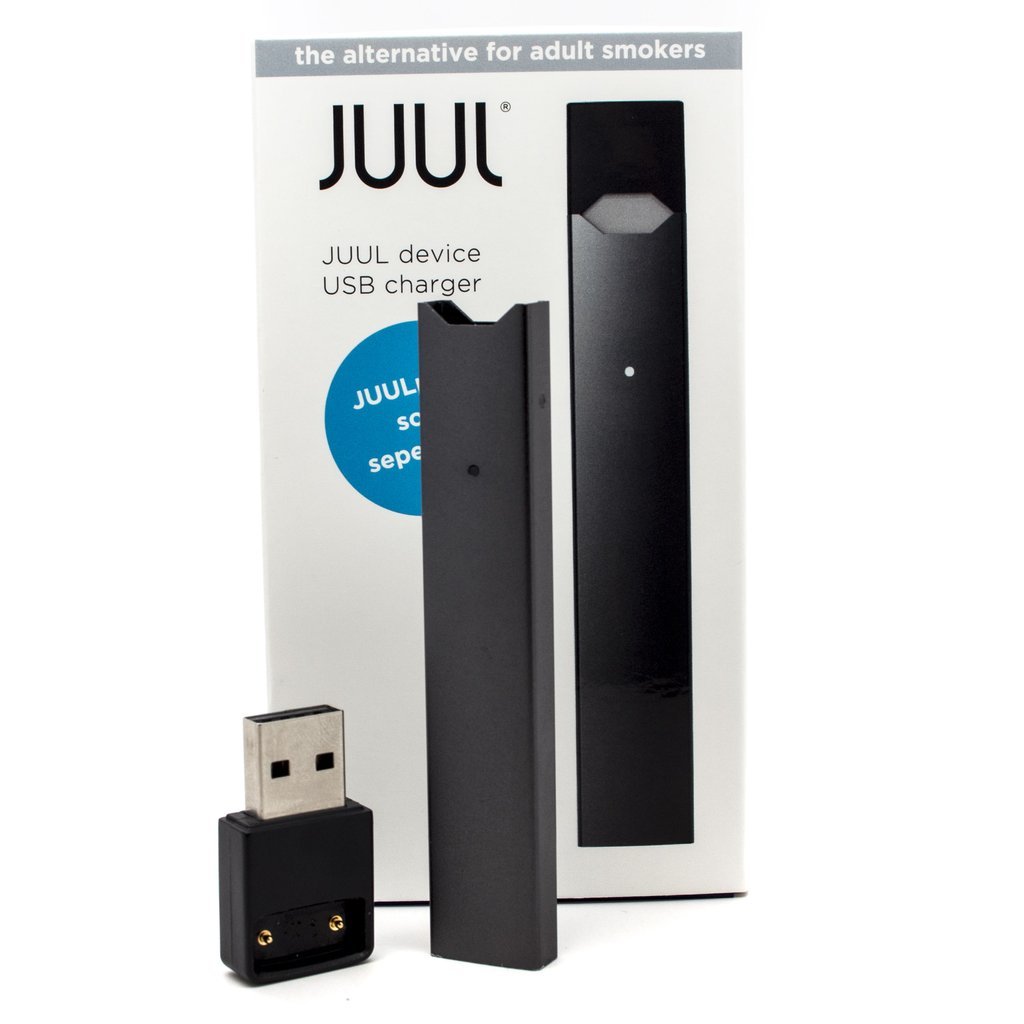
The meteoric rise in vaping’s popularity among teens is due to the Juul. Whereas previous vaping devices were large, boxy and clunky, the Juul is streamlined, sleek, and subtle, looking way cooler while being significantly easier to hide. The nicotine content in a Juul pod (disposable cartridges that hold the vape juice) is significantly higher than most other vape devices, providing a more immediate and intense buzz. Combine all these factors and it’s easy to see why Juuls became so popular.

The days of sneaking smoking cigarettes in the bathroom are long gone. Unlike cigarettes, Juuls don’t leave behind a smell for very long, either in the air or on the user’s clothes, making it much harder to catch in the act. To fight this advancement in smoking technology, teachers are turning to AI.

The Fly Sense, developed by Soter Technologies, is a device that analyzes water vapor levels in the air. Take a look:

First, the device is calibrated to detect what the vapor content of the room is like normally (which in most cases is the school bathroom). Then, when a nearby student vapes, the device detects a change in the air. It then proceeds to send alerts to the phones of relevant teachers and faculty members, giving them ample time to storm the bathroom and catch the unfortunate student. The Fly Sense uses machine learning AI to detect specific water vapor levels that match certain vape juices, including being able to detect the presence of cannabis.

The AI vape detector market is surprisingly (and hilariously) intense, with multiple companies scrambling to get their products into schools. The Fly Sense seems to be winning, having been deployed in more than 200 schools across the U.S. and Canada.

Schools aren’t the only audiences of this technology. Juuls are also popular among college students and adults, prompting an increasing number of offices and workplaces to ban vaping and install anti-vaping technology like Fly Sense.

What do you think about the vaping phenomenon? Let us know!

3 billionaires racing to build the future of space travel

Space travel is making huge strides because of three wealthy visionaries.

How billionaires are influencing private space travel

It’s been a great year for space travel.

Early this year, after President Trump signed the Omnibus Bill, NASA miraculously received $20.7 billion, the highest amount since the 2009 stimulus package. The Trump Administration’s proposed 2018 budget was seen by many as a “War on Science,” but when the bill was actually voted on most of NASA’s budgets were increased or remained uncut, shocking the scientific community. This is surprising as Republican senators have historically been opposed to climate and earth-based research, some of which is carried out by NASA.

After a few decades of budget cuts and stagnation, NASA’s revitalized budget has caused much celebration. However, for many years it looked like NASA had been all but abandoned by the federal government. This drought led various entrepreneurs (mostly billionaires who established their fortune in other industries) to create their own private space companies.

The goal of these private space companies is to greatly reduce the cost of space travel, making it viable and realistic to achieve lofty goals such as colonizing the moon and Mars. This new private space industry, dubbed NewSpace, is high-profile, brutally competitive, and utterly fascinating.

Here are some of the top players in NewSpace right now:

Elon Musk

Elon Musk is easily the most high-profile player in NewSpace. In 2002, the PayPal co-founder used his enormous wealth to fund SpaceX, of which he is the lead designer and CEO. Though his eccentricities and hasty Twitter fingers have often led him in hot water, Musk has nonetheless become the face of NewSpace. Musk famously has extremely high ambitions for SpaceX, with plans for the colonization of Mars within his lifetime.

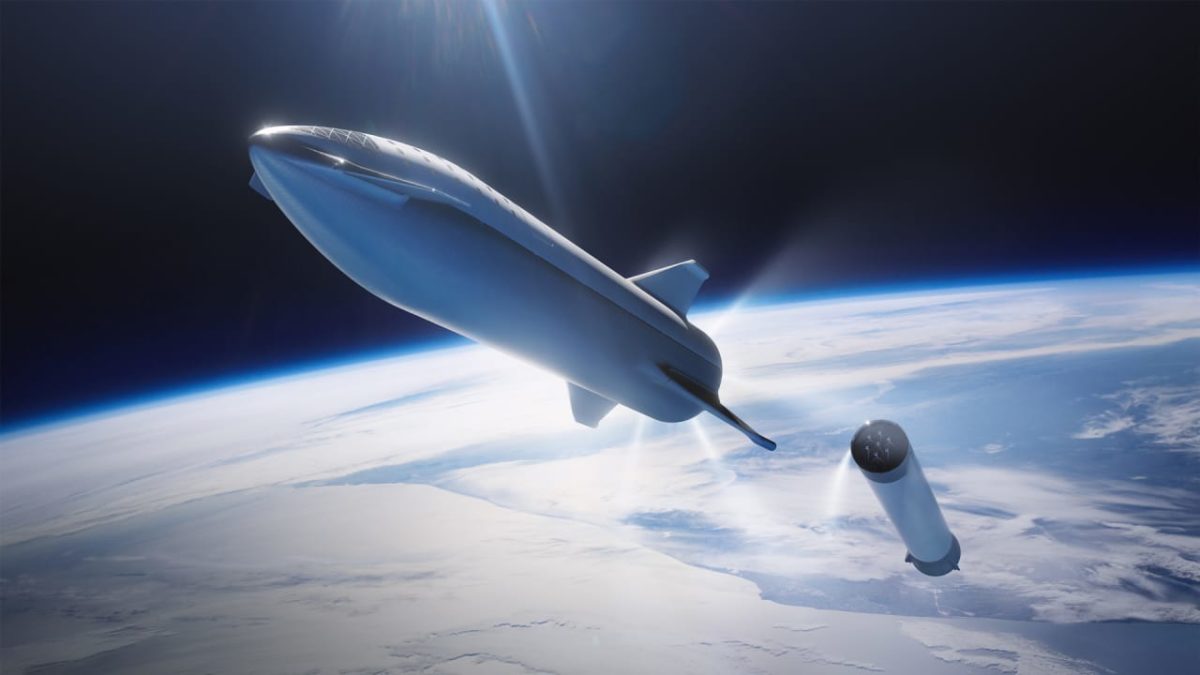
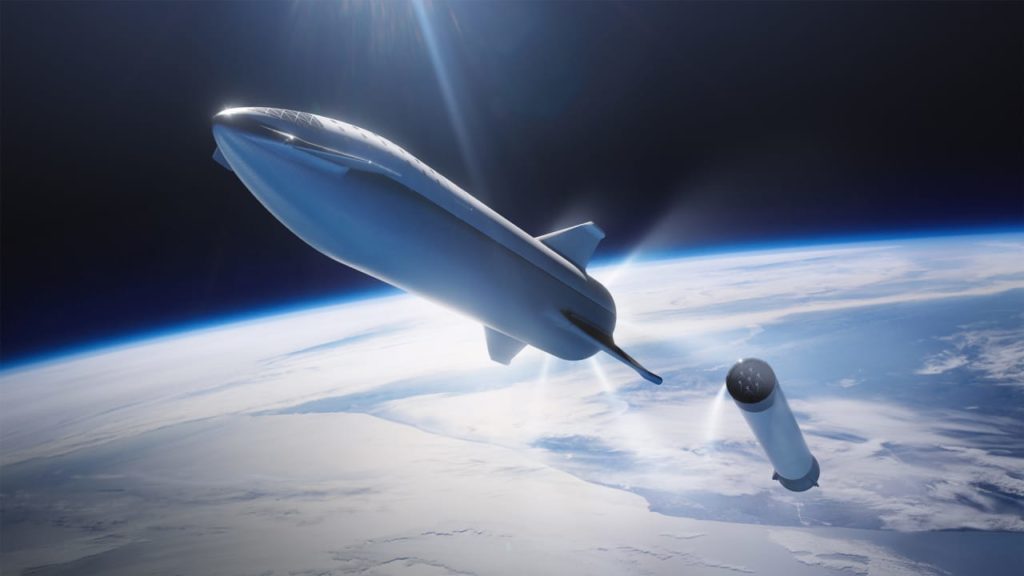
SpaceX has had a number of high-profile rocket launches, with its most famous being the Falcon series of rockets. Notably, SpaceX is currently working on its BFR (Big Falcon Rocket or Big F***ing Rocket) series of spacecraft, which will allow rockets to be reused and relanded automatically instead of being discarded. This would dramatically reduce costs for space flight missions, a stated goal of Musk and SpaceX.

SpaceX has scored a recent string of victories, including a successful Falcon launch for an Argentine satellite, establishing contracts with the U.S. government to send astronauts up to the International Space Station, and his collaboration with Japanese billionaire Yusaku Maezawa for the #dearmoon artistic lunar tourism mission.

Jeff Bezos

Amazon founder and CEO Jeff Bezos is currently the richest person in the world, with a net worth of over $150 billion. He formed the private space company Blue Origin in 2000 as a response to what he saw as government negligence to space travel. The company has a troubled history of fabled launches, though fortunately for it Bezos has more than enough money to keep it afloat.

Blue Origin is notably both less flamboyant and more secretive than SpaceX. Despite this, the two companies share a heated rivalry categorized by legal disputes and Twitter flame wars. Like its rival, Blue Origin has been slowly gaining more valuable government contracts and security clearances. Blue Origin’s current main goal is to create affordable sub-orbital space tourism. Tickets are going on sale next year for the low, low price of $300,000. In the future, Bezos has said that establishing a permanent Moon colony is Blue Origin’s ultimate goal.

Yuri Millner

Russian dot-com billionaire Yuri Millner launched Breakthrough Initiatives in 2015. While he plays a part in NewSpace, BI’s goals are decidedly different from both SpaceX and Blue Origin. Instead of looking to reduce the cost of space travel, Breakthrough Initiative’s goal is to find and make contact with extraterrestrial intelligent life.

Breakthrough Initiative is comprised of three main departments: Breakthrough Listen, Breakthrough Message, and Breakthrough Starshot. Breakthrough Listen utilizes various observatories to listen for “radio and laser signals from the nearest million stars, the nearest 100 galaxies, and the plane and center of the Milky Way.” Over $100 million is being invested in Listen over the next 10 years.

Breakthrough Message offers a million dollar prize for people to submit messages that would be transmitted to alien civilizations. Whichever messages win, there would be an international panel that votes on whether the messages are both ethical and properly represent humanity. Lastly, Breakthrough Starshot is a project that would utilize light sails traveling at 20% the speed of light in order to reach Alpha Centauri, a journey that would take 20 years of travel plus an additional 4 years to transmit a message back to Earth.

What do you think about all of the people and companies mentioned? Do you think they’ll be able to accomplish their goals? Let us know!


Pizza Hut announces robotic mobile pizza factory

Would you eat a pizza made by a robotic truck?

As the fast food market heats up, Pizza Hut is rolling out robots to cut down on wait times. Partnering with Toyota (which is currently attempting to create self-driving cars with Uber), Pizza Hut has created a robotic pizza maker that sits in the bed of a truck. Take a look:

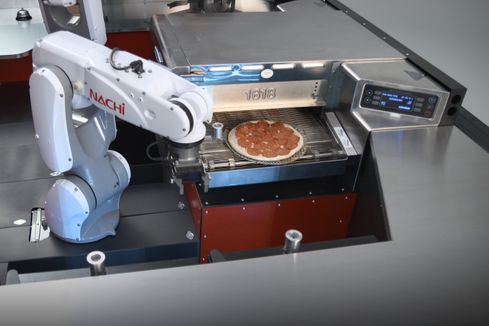
This robot, named the Tundra PIE Pro, is able to cook pizzas on the way to customers’ houses, ensuring that the pizza is nice and warm as soon as it arrives. The Tundra PIE Pro is also emission free, which is surprising of a robot of that size and power.

When an order is placed, the TPP uses its robotic arm to take the correct pizza out of the fridge and into the oven. After six or seven minutes, the pizza is cooked. Another arm then reaches into the oven and places the pizza on a cutting board. The arm then slices the pizza into six even slices and places it into a box. As it stands, a driver would physically deliver the pizza to the door once the TPP arrives at its destination. However, in the future Toyota will use its self-driving technology to skip the driver altogether, making pizza delivery a completely automated experience.

Pizza Hut isn’t the only fast food chain experimenting with futuristic technology. Rival Domino’s Pizza used unmanned drones to deliver pizzas to hungry customers in New Zealand last year. Domino’s cited the quick delivery times, as the drones would be able to fly over traffic and travel quickly and directly to customers.

Additionally, Chipotle used drones to rain down burritos on starving Virginia Tech students in a scene that can only be described as Heaven on Earth.

Pizza Hut has revealed that it plans to use the technology within months. As more advanced technology is used by common fast food chains, it remains to see what will happen to their employees. Because the technology is still in its infancy, they hopefully won’t have to worry about their livelihoods just yet.

What do you think about robotic pizza makers? Is it a gimmick or the future? Let us know!

Watch a 16-year-old win the Tetris World Championships

Watch a 16 year old win the Tetris World Championships

At around 170 million copies sold, Tetris is the best-selling game of all time. Of all the millions of people who’ve played Tetris, only one can be the best. At the recent Classic Tetris World Championship, Joseph Saelee established himself as the best Tetris player in the world. It’s worth noting, however, that Saelee is only 16 years old, only a third of the age of the iconic puzzle game. Watch Saelee’s victory below:

Saelee plays the game on the NES, and has only been playing since watching the 2016 championships. He plays exclusively using CRT TV’s, which are those ginormous clunky box TVs everyone had before flatscreens existed. The reason for this is that retro consoles like the NES often have latency (lag between pushing a button and something happening onscreen) when used with HDTVs.

Saelee has said that he believes he can improve even further and that he’s going to compete in next year’s championship!