5 weirdest product placements in games

Uh, what’s that thing doing in your video game?

Any economist can tell you that video games are a goldmine. High profile games like Grand Theft Auto V have generated more revenue than any movie that’s ever released. Naturally, advertisers want in on the action. Just like in movies, the logic is that if a product is featured in a popular game, people are more likely to buy it. Product placement must be used carefully, however, as it can easily stick out like a sore thumb and turn people off from both the game and the product. Whether they worked or not, here are the five weirdest product placements that have ever been featured in a video game.

5 weirdest product placements in games

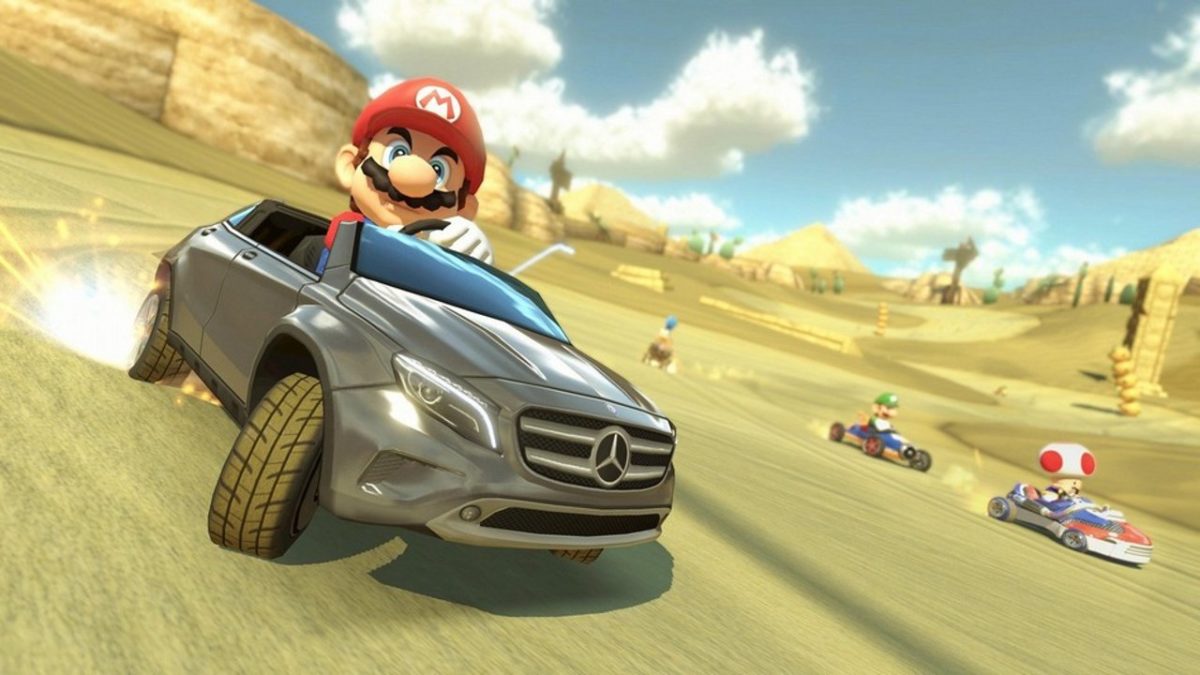
5. Mercedes-Benz in Mario Kart 8
Mayonnaise-colored Benz I push Miracle Whips!

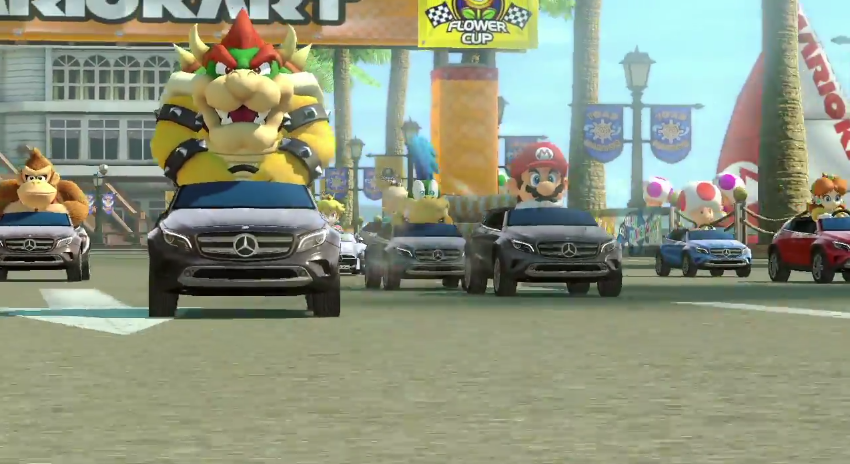
Seeing Mario and friends hurling bananas and Koopa shells at each other out of a Benz will never not be hilarious. It’s so jarring that it actually works. It’s common for car companies to license their vehicles for racing games, but usually, it’s for realistic racers like Forza, not kart racers. Funnily enough, some car brands like Toyota don’t allow their cars to be featured in video games at all, because they fear that their brand would become devalued. Then, a luxury brand like Mercedes hops straight into the Mushroom Kingdom. You can’t exactly blame Mercedes-Benz for wanting their cars featured in the most popular racing game in the world, even if that game is cartoon chaos. Plus, the crossover gave us this amazing commercial:

4. Everquest II and Pizza Hut

Since the dawn of time MMO players and pizza deliveries have had a symbiotic relationship: one cannot exist without the other. Realizing this, Pizza Hut teamed up with popular MMO Everquest II to allow players to order pizza in-game. If you’re hours into a raid and IRL starvation is preventing you from getting your hard-earned loot, simply type “/pizza” into the all chat to get a pizza at your door within minutes. While many people mock MMO players for their fast food addictions, you have to hand it to Pizza Hut for this stroke of marketing genius.

Finally, a pizza delivery service for me!

3. Burnout Paradise and Barack Obama

And with that, the race was won

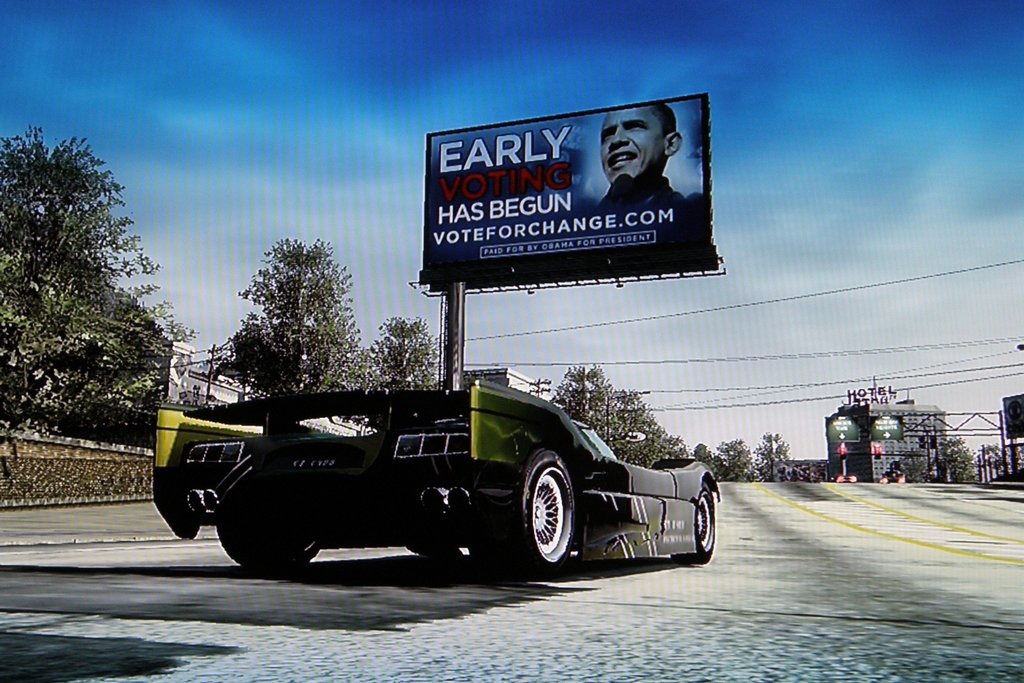
Back in 2008, then president-elect Barack Obama was noted for using the internet to advertise his campaign. He took it a step further and bought advertising space in the racer Burnout Paradise. Burnout Paradise is famous for its massive open world that spans multiple American states. Billboards for Obama appeared in-game in Ohio, Florida, Iowa, Colorado, Indiana, Montana, North Carolina, New Mexico, Nevada, and Wisconsin, states that had voted Republican in the last election cycle. It’s unknown how well this campaign strategy worked, but look forward to seeing Trump’s face plastered all over the next GTA come 2020.

2. Sonic Adventure 2 and Soap Shoes
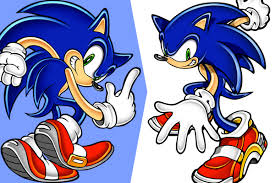
Sonic’s iconic buckle shoes vs. his TUBULAR Soap shoes

Sonic fans may have noticed that in Sonic Adventure 2 the titular blue hedgehog wears brand-new shoes. The new shoes are Soap shoes, which is actually a real brand of extreme sporting shoes. The shoes had a hard plastic indent on the bottom that allowed wearers to “grind” on rails, like so:

I will give you $50 if you can find a more early-2000’s picture than this one

As if Sonic wasn’t radical enough already, Sega teamed up with Soap to let the blue blur grind rails. I didn’t know anyone who wore Soap shoes back then, but I can only assume that attempts to grind rails with them led to countless injuries. Remember kids, just because Sonic can grind on rails and run through loops doesn’t mean you can.

Note: The final product placement truly needs to be seen to be believed. I truly believe, deep within the recesses of my heart, that no one will ever top how absolutely baffling this next product placement is.

1. Skittles and Darkened Skye
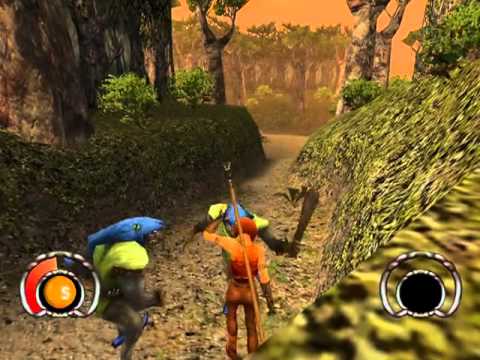
Look at the above screenshot, what do you see? At first glance, it may just look like another mid-2000’s fantasy game. But if you look in the bottom left corner, something looks extremely out of place. That something is a Skittle.

Back in 2002, publisher Simon & Shuster wanted to make video games based on Mars candy, like M&M’s and Skittles. After securing the rights to use the candies, S&S quickly got their developers at work creating the candy based games. The developers of Darkened Skye initially refused to make a Skittles-based game, but eventually agreed to make it on the condition that it would be a humorous fantasy game.

In Darkened Skye, the player uses different magic based on differently colored Skittles. It’s clear that the developers knew that making a high-fantasy Skittles game was incredibly stupid. as the characters in-game constantly use self-deprecating humor. The most hilarious part is that Skittles do not appear at all on the game’s box art, which instead appears as a normal fantasy game. I can only imagine the poor kid who bought the game expecting an epic fantasy adventure only to find themselves using the magical power of Skittles™ candy!

Do you think these ads actually worked? Any weird crossovers we missed? Let us know!
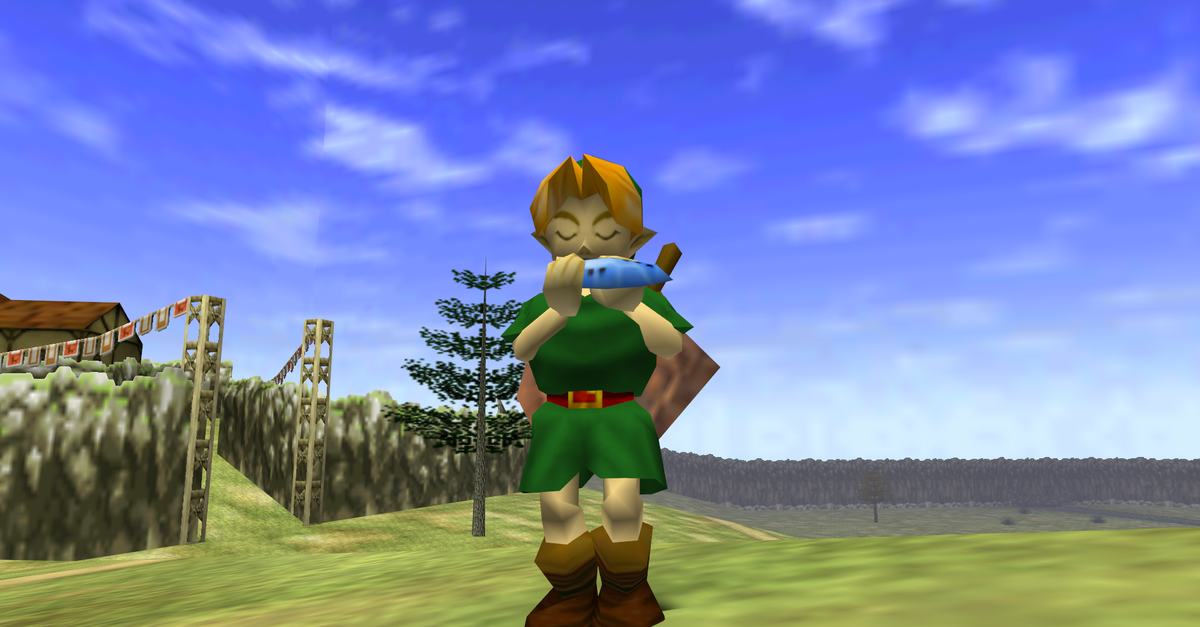
The Legend of Zelda: Ocarina of Time turns 20. Here’s how it changed gaming forever

You could make a case it’s the greatest game ever made.

On November 21, 1998, The Legend of Zelda: Ocarina of Time hit store shelves and became an instant phenomenon. When Nintendo’s acclaimed Zelda series made the leap to 3D, critics were dazzled; to this day, many consider Ocarina to be the greatest game of all time. The seminal game turned 20 years old last week, so we’re going to take a look at what made Ocarina special, and how it changed gaming forever.

How The Legend of Zelda: Ocarina of Time changed video games forever

A Whole New Dimension

Younger gamers might not be aware of this, but the leap from pixelated 16-bit consoles to 3D, polygonal 64-bit consoles was mindblowing. It was perhaps the greatest technological leap the gaming industry will ever see. Developers had to assure people who watched gameplay footage that yes, they were watching an actual game and not a prerendered movie.

But the switch to 3D came with more than just fancy new graphics. The ability to move freely in 3D brought with it several new obstacles in game design never had to be considered in the 2D era. How should a player move around? Should the z-axis be taken advantage of? How big can and should the world be?

Nintendo first honed their 3D game design with Super Mario 64. Creating a Zelda game, however, was a whole new challenge. Zelda games are slow, immersive, and deeply atmospheric, unlike Mario. The games heavily rely on massive worlds and detailed environments that the players must observe in order to find solutions for puzzles.

Designing the controls came first. The ability to move freely in 3D wasn’t enough to enthrall gamers, the movement had to actually be fluid and fun. Super Mario 64 proved that Nintendo knew how to create fun movement in a 3D space. Like Mario, they gave Link a set of basic moves, including rolling, running, and an adjustable camera. However, the wide variety of puzzles, obstacles, and gadgets present in a Zelda game meant that Link had to have a much wider variety of available actions than Mario did.

Nintendo solved this problem simply and gracefully with the contextual button. While the B-button always makes Link swing his sword, the A-button does whatever its icon says on screen. This gives Link a huge variety of available actions, including picking up and throwing objects, talking to people, climbing a ledge, or pushing blocks. While a contextual button with a wide variety of uses may seem like standard fare today, its ability to allow Link to seamlessly and naturally interact with the world around him was revolutionary back in the day.

Link’s gadgets also received an overhaul to fit their new 3D environment. In Ocarina Link gained the ability to assign items to three different buttons, allowing him to switch quickly between them as the situation demands. Returning gadgets like the hookshot, bow, and boomerang were updated to take full advantage of the new z-axis. Link could use any of his aim-able objects from a first-person perspective, allowing for precise aiming and adding a sense of verticality to the gameplay.

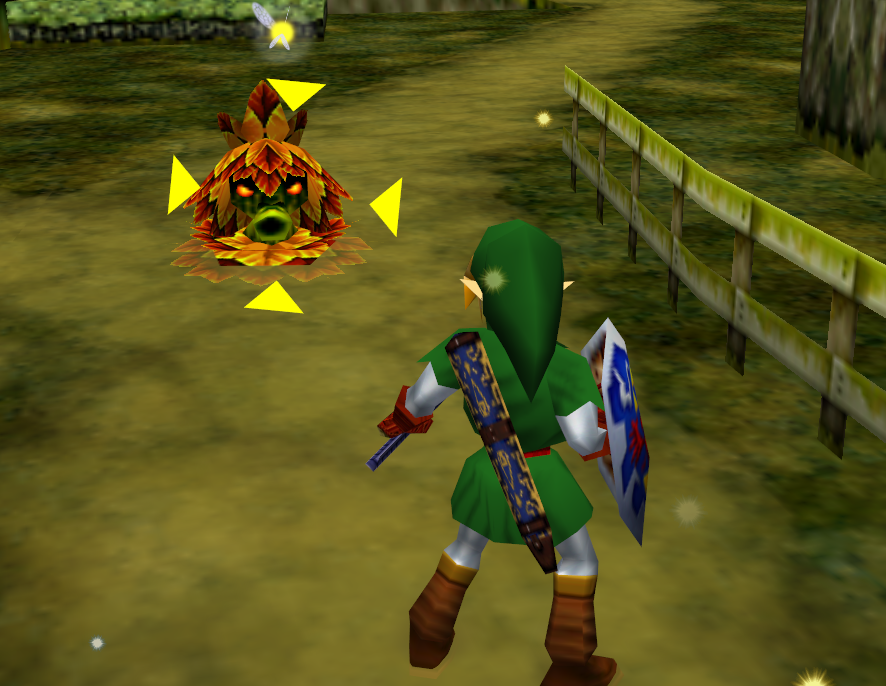
The game’s most enduring and imitated gameplay innovation is the Z-targeting system. The ability to lock onto enemies is an absolute must for any 3D action game worth its salt, and Ocarina was the first ever game to implement this system.

Basically, when an enemy is nearby, the player can lock onto enemies by pressing the Z-button. While locked on, Link will constantly face the enemy. While moving around, Link will strafe, constantly keeping the enemy in view and keeping track of its attacks. This revolutionary system led to intense sword fights with enemies and bosses, where careful footwork, shielding, and sword strikes were all necessary to emerge victoriously. If you enjoy the ability to lock onto enemies in 3D games, be sure to thank the Ocarina development team.

A Vast World to Explore

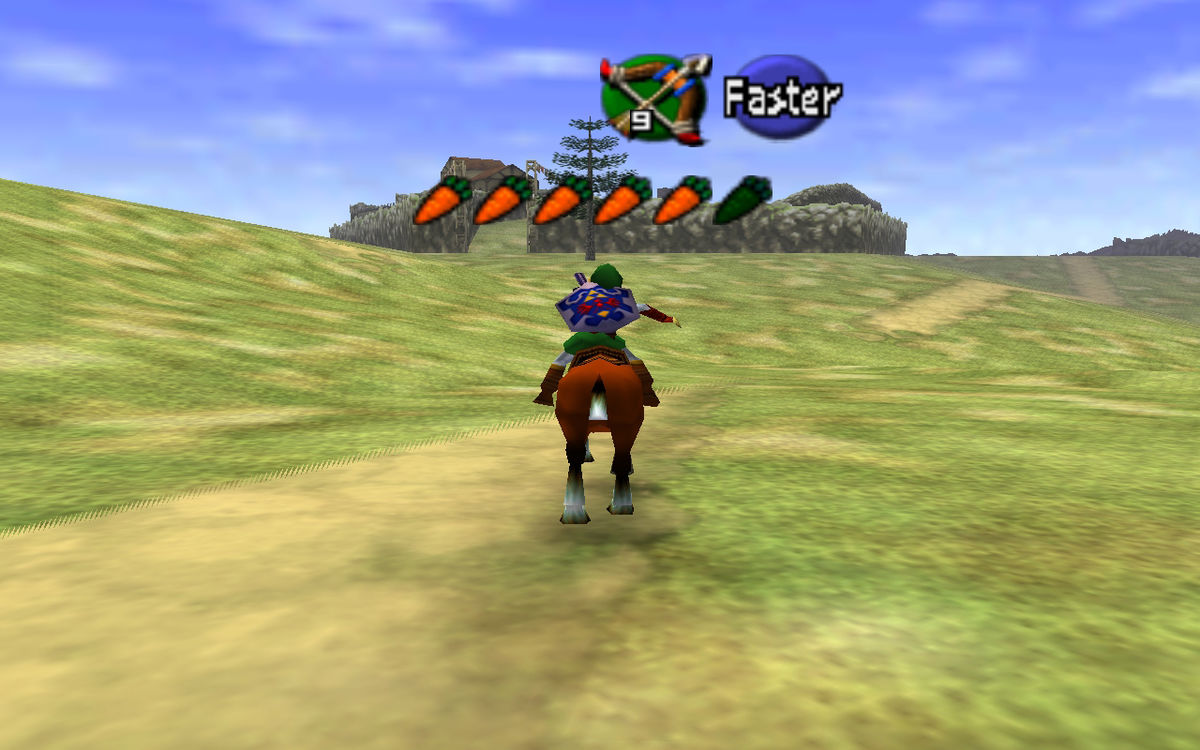
Once players progress enough to leave Kokiri Forest and enter Hyrule Field, they see for the first time the massive scope of the game’s world. Through some clever visual tricks and tight game design, Nintendo made Hyrule field look absolutely massive while making it simple and quick to actually get to where you want to go. The field is very hilly, with various hills giving the player a viewpoint beyond the parts you can actually access. Being able to see a vast expanse over the horizon made the world feel open and alive rather than a giant 3D room.

The player can also see massive objects in the distance like Hyrule Castle and Death Mountain, incentivizing them to explore and progress the story so that they can visit these locations. The open-world game design philosophy of “Go anywhere, do anything” was started by Ocarina of Time and its large but densely packed world.

The game’s day-and-night cycle and time travel mechanic (more on that later) kept the world feeling fresh and alive by changing it every so often without totally transforming it and making the player feel lost. Major locations like Kakariko Village, Lon Lon Ranch, and the Castle Market are populated by memorable characters who follow their own miniature stories as the game progresses. The characters react to the advancement of the story, which helps the player feel like they’re making a tangible difference in the world.

A Story That Crosses Time

The amazing world created by the developers help prop up the game’s story. The overarching story is relatively simple: The prophetic Link must do anything he can to stop the evil wizard Ganondorf from destroying Hyrule. Nintendo took this time-tested and simple premise and added enough twists to keep the story engaging.

The prominent twist that Nintendo puts on the good versus evil formula is the time travel system. When the game begins, you play as child Link. The world is cheerful and idyllic, with Link and Zelda’s quest to stop Ganondorf being portrayed more as a childlike game than a serious, world ending quest.

However, as the story progresses you eventually fall into a seven-year coma, waking into a changed world. The happy Kokiri Forest village you once called home is now infested with deadly monsters, forcing the once carefree villagers to isolate themselves in their homes. The formerly bustling Castle Market now lays in rubble and ruin. The crowds of energetic townsfolk are replaced with ReDeads, undead moaning monstrosities who paralyze Link with fear if they get too close. These bleak depictions were shocking and dark, especially considering Nintendo’s family-friendly image.

Many games choose to build their world as either happy and whimsical or beaten down and apocalyptic.  In adventure stories, an idyllic setting is used to show the hero the grand world they need to protect, while apocalyptic settings show ruined worlds that the hero must fight to restore. The problem with basing a world off of one of these settings is that the viewer has no point of reference for what the world would look like if it was ruined or saved.

Through its time travel mechanic, Ocarina fuses the two settings together, solving this problem and strengthening them both. When you see beloved locations you loved exploring as child Link get ruined by Ganondorf in the future, it gives you real motivation to take him down as an adult and restore the world to its rightful place.

The time travel mechanic adds to both the gameplay and the story, highlighting the game’s theme of growing up and the loss of innocence. As Link moves beyond Kokiri Forest, saying goodbye to his best friend Saria, he meets unimaginable conflict and a vast and confusing world. Ocarina of Time’s story excellently portrays the relatable feeling that comes with growing up quickly and being thrust into a world you don’t understand or trust. While the world is filled with people to meet and adventures to be had, you meet conflicts that you never could have dreamed of as a child. Still, through bravery and some help from your friends, these dark times can be overcome, culminating in a grand adventure.

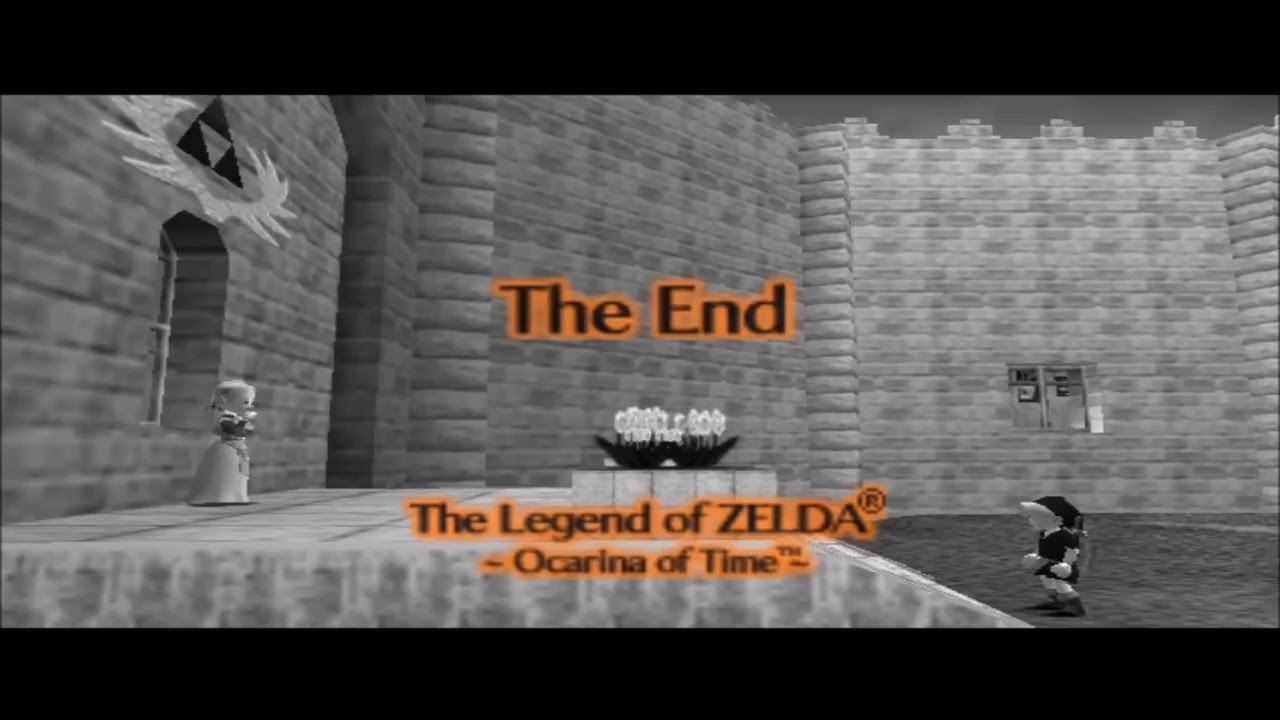
Even though Link is sent back in time at the end of the game, he can never truly relive his childhood with the knowledge and world experience he now has. Ocarina of Time displays the unavoidable life step of growing older, and how it can be confusing and terrifying. But as draining as it can be, leaving childhood and going through the rest of your life is an adventure that’s worth having, because not knowing what’s is lurking around the corner is the most exciting journey any of us will go on.

A Timeless Legend

Through all of its innovations, Ocarina of Time stands tall as one of the best video games of all time even 20 years after its release. The game’s blending of inventive game mechanics, layered story, and an unforgettable world would heavily influence future classics like Dark Souls, Half-Life, and even Minecraft. It’s nothing short of a miracle that Nintendo nailed the 3D Zelda formula on its first try, creating not only a worthy successor to the franchise but an amazing adventure that would thrill players for decades to come.

Have you played Ocarina of Time? Do you think it deserves the praise? Let us know!
Watch: new technology lets paralyzed people text their thoughts

Get a look at this jaw-dropping tech.

New Brain Implant Lets Paralyzed People Text Their Thoughts

Life just got a little bit easier for those suffering from paralysis.

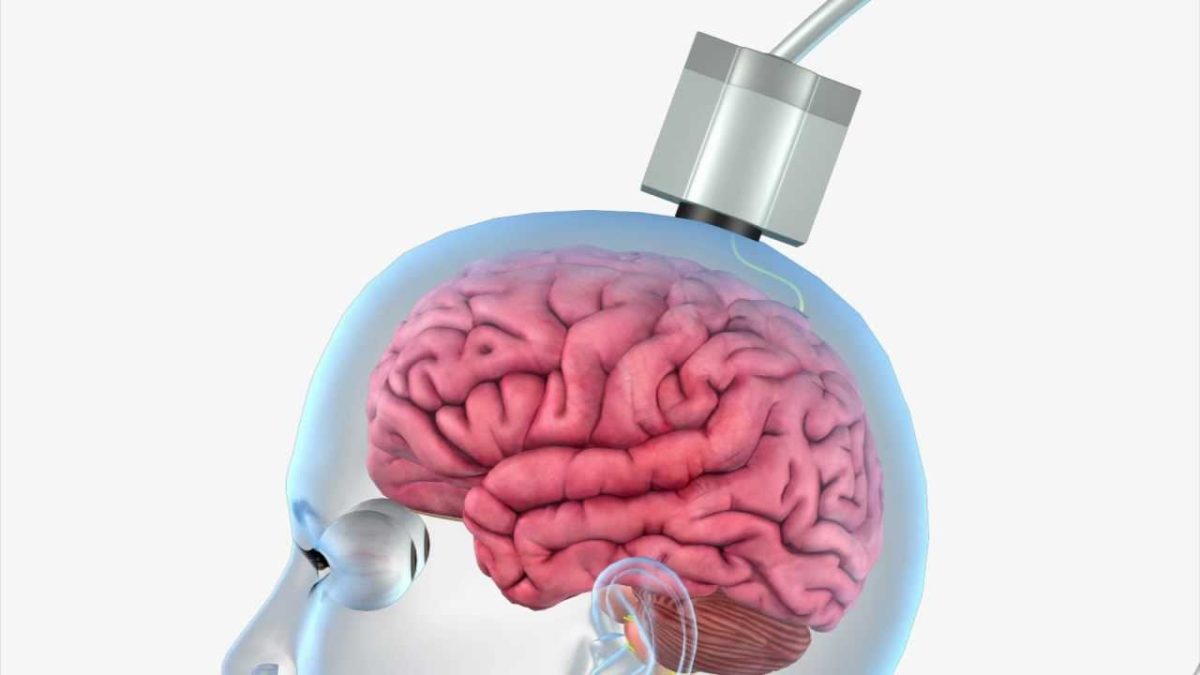
A new brain implant called BrainGate2 allows for people suffering from limb loss or neurological damage to interface with tablet devices, allowing them to easily enjoy activities like browsing the web or streaming music.

The BrainGate2 uses microelectrodes implanted directly into the brain’s motor cortex, which controls motor function. The implant then receives natural commands from the brain to move limbs, which the BrainGate2 sends to a wireless mouse attached to a tablet.

A user simply thinks about where they want the cursor to move, causing the cursor to move automatically. This allows paralyzed people to use tablet devices just as easily as a neurologically typical person would, letting them message friends, browse Twitter, or binge some Netflix. The technology is incredibly intuitive and smooth. You can watch footage of the BrainGate2 in action below:

While brain-computer interfaces are nothing new, an incredible advantage of the BrainGate2 is that it works right out of the box with any tablet or device compatible with a wireless mouse. Removing the need for additional specialized equipment is a huge help financially and practically for BrainGate2 users.

Do you think this tech will see widespread use in the future? Let us know!
Here’s what’s new in Civilization VI: Gathering Storm

Gathering Storm looks incredible.

Last week, Firaxis announced the second expansion for Civilization VI, called Gathering Storm. The cinematic trailer can be viewed below:

Coming February 14, Firaxis has called Gathering Storm “the largest expansion ever developed for the series”. Here are some features being added in the expansion.

What to expect for Civilization VI: Gathering Storm

Mother Nature strikes back!

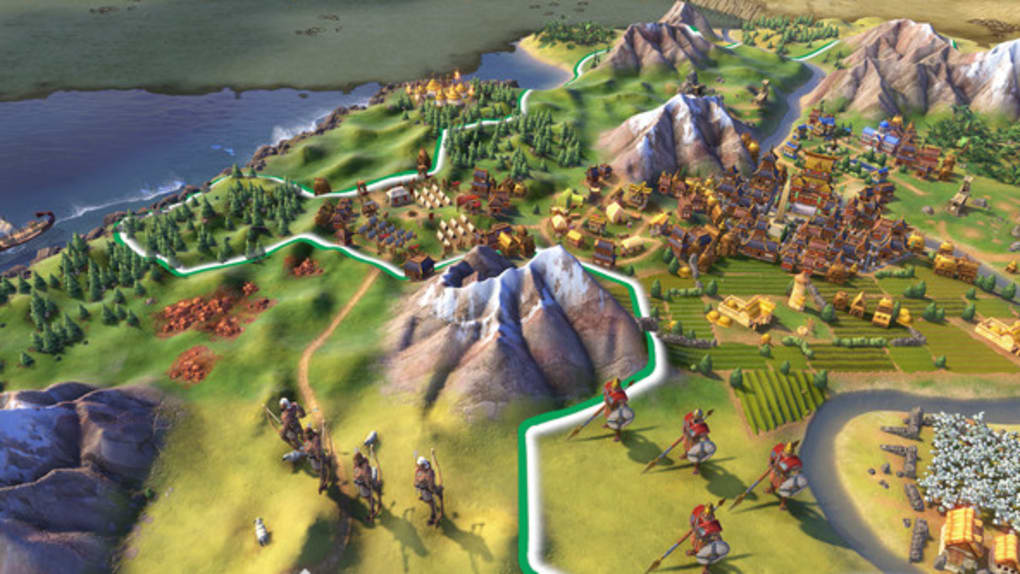
Gathering Storm’s primary gameplay addition is the fleshed out environmental system. Natural disasters are now a possible threat to your civilization, as your cities will now be plagued by floods, volcanos, earthquakes, and more.

Firaxis has acknowledged that random events that punish the player can be frustrating, so natural disasters in Civ 6 are only somewhat random. Disasters occur within a timer, and as that timer approaches its end, the disaster is more and more likely to occur, giving the player time to prepare with special buildings such as dams. In addition to dams, players gain other new ways to shape their environment, including bridges, tunnels, railways, and after years of fan requests, canals.

Once the world reaches the Industrial Era and coal factories choke the skies with smog, the player will have to start worrying about climate change. Climate change has a variety of negative effects on the world, including a rising sea level that swallows up land, desertification, and increased chances of natural disasters. Coal is an early and powerful source of power (a new mechanic that provides powerful industrial benefits to cities), but produces a lot of pollution that leads to climate change. Players can choose to revamp their cities with cleaner, renewable sources of energy such as solar power in order to save the environment.

Devious players can even purposefully cause the world to heat up in order to cause rival civilizations’ coastal cities to sink into the sea. Such catastrophic natural disasters quickly become emergencies, forcing players to work together and make compromises. Speaking of which…

Politicians rejoice: the World Congress is back

For those who like to destroy their oppenents through cunning alliances and petty politics rather than war, the World Congress and diplomatic victory is finally back.

Many of the same features from Civ V return, like banning luxuries and hosting the International Games, but the politics themselves play out quite differently. Instead of bribing city states and building special wonders to win over the World Congress, players must now obtain a new resource called favor. Players can gain favor by adhering to promises they made to others, giving it in trades, or by staying the suzerain of a city-state.

Players will be forced to acknowledge other civilizations, either by going to war with them or allying themselves with them, as emergencies pop up. Emergencies, retained from the previous expansion Rise and Fall, are now tied into the World Congress, triggering when a variety of manmade or natural disasters happen.

Instead of having one massive vote for world leader every so often, the game now has more frequent smaller “favor checks”. If a player passes a certain threshold of favor, they are crowned world leader.

Sid Meier's Civilization VI Download and Conquer
7

The Future is Now

To highlight the expansion’s theme of climate change, Firaxis is adding the new Future era to the late-game. The Future era reaches past the game’s current limit and reaches to at least 2050, bringing with it additional tech. New techs seen include carbon dioxide recapture, which can be used to try and salvage the environment, and sea cities, which can be used to relocate a scattered population.

An interesting part of the Future tech tree is that it is randomized, giving a different experience for every playthrough. This was done because of current uncertainty as to what path technology will follow. Science and culture victories have also been rebalanced around the expanded timeline, and new experimental and hypothetical government types (which Firaxis have not revealed) are being added, too.

Are you hyped for this expansion? What’s your favorite feature? Let us know!
 

Watch Nintendo of Russia’s CEO attack his employees

The family-friendly company has a major problem in Russia.

How Nintendo of Russia's CEO Abuses His Employees

You’re about to see a Nintendo villain far worse than Bowser or Ganon.

A video recently surfaced in which Nintendo of Russia CEO Yasha Haddaji losing his temper and launching into an explicit rant live and on camera during an official Mario Kart 8 live stream. The vulgar video can be seen below:

Yikes. Vulgar rants are a bad look for any company, much less a famously family-friendly one like Nintendo. The video has since gone viral, gaining around 250,000 views on YouTube alone. Nintendo has since issued a statement in response:

“We are aware of a video uploaded to YouTube recently in which Nintendo Russia’s General Manager, Yasha Haddaji, is seen losing his temper during an altercation with an external vendor in charge of a Mario Kart live stream. Mr. Haddaji’s conduct and choice of words are most certainly not in line with our company values.

We are also aware of further allegations that have appeared in the wake of this video and are now running a thorough investigation. We take these matters extremely seriously and will not comment further while we are running our investigation.”

The “further allegations” that Nintendo is referring to is a culture of abuse, blame, and incompetence due to Haddaji’s actions as NoR’s CEO.

According to sources who spoke to Nintendo Life, Haddaji propagated a culture of fear in the workplace. Haddaji allegedly would become extremely angry over minor mistakes, flying into outbursts and smashing keyboards and computer monitors. The report says Haddaji also used more psychological forms of intimidation. He would allegedly send embarrassing mass emails from the addresses of people who left their computers open as “punishment.” Also, Haddaji was a fan of foul language and ethnic slurs, his favorite being calling people he disliked “gypsies.”

There have also been numerous accusations of sexual harassment leveled at Haddaji by women who have worked under him. He reportedly asked women to meet him outside of work and threatened to fire them if they didn’t show. He would also criticize female employees over their choice of clothing or the pictures they posted on their personal social media accounts. Russian gaming website GameGuru even reported that Haddaji forced a woman to call him “daddy Haddaji”, which only scratched the surface of the lewd jokes female employees had to endure.

Even if Haddaji had a squeaky-clean record, which is far from the case, he is largely reviled by Russian Nintendo fans for his perceived incompetence. Nintendo games rarely received Russian translations, and the amount of Nintendo games offered on the eShop was much more limited than other regions. He was particularly infamous among Pokémon fans. He made the decision to outright cancel the Pokémon Trading Card game in Russia, despite its enduring popularity. He was also responsible for ordering way more copies of Pokémon Let’s Go Pikachu than Pokémon Let’s Go Eevee, making the Eevee edition incredibly difficult to find in Russia.

Do you think Nintendo will do something about Haddaji? Let us know!
China unveils virtual AI news anchor

Will Anderson Cooper be replaced with a computer program?

China Unveils Virtual AI News Anchor

Don’t let the man’s sharp suit fool you into thinking he’s a human being. He’s actually a virtual news anchor who’s the product of a partnership between Xinhua News and Chinese search engine Sogou. The VR anchor has its appearance, mannerisms, and voice based on real-life anchor Zhang Zhao. Watch him/it in action:

This anchor currently exists as more of a proof-of-concept instead of a concrete plan to replace real human news anchors. Xinhua is testing the applications and benefits of a virtual anchor.

For one, being a computing program, the virtual anchor can be copied and used in multiple locations at the same time, providing info on multiple stories simultaneously.

Second, the virtual anchor utilizes artificial intelligence to sort through tons of data and relevant information, providing coherent stories quickly and efficiently as data is fed into it nonstop.

Lastly, a virtual anchor costs a news organization significantly less money over time than a human one, due to paying out wages, insurance, etc. Need to go on the air at 3 a.m. because of breaking news? You don’t have to wake up ol’ Johnny Hairdo and get him into makeup. Just press a button.

People definitely prefer a human element in their news, especially when the news is tragic. At our current level of technology, it’s highly unlikely that a virtual news anchor could accurately replicate the emotional gravitas that a human anchor would show while covering a tragic event. However, it is important to note that this virtual anchor is operating from China, which features one of the world’s most tightly controlled media censorship regimes. The media there generally lacks a human element anyway. Perhaps a virtual anchor developed in a country that places more emphasis on humanity and free information in the media would turn out differently.

The emergence of virtual anchors who report based on being force-fed massive amounts of information could have drastic implications in the modern era of fake news. In countries with state-controlled news sources like China, it would be incredibly easy to feed information to an AI news anchor, regardless of the information’s factuality. Even in countries without state-controlled media, the massive amount of misinformation and fake news that is spread through the internet, especially through social media, could potentially confuse a virtual anchor into reporting misleading, sensationalist, or downright wrong information.

What do you think about the idea of virtual news anchors? Let us know!

NASA’s new InSight lander explores Mars

Take a closer look at Mars’ newest resident.

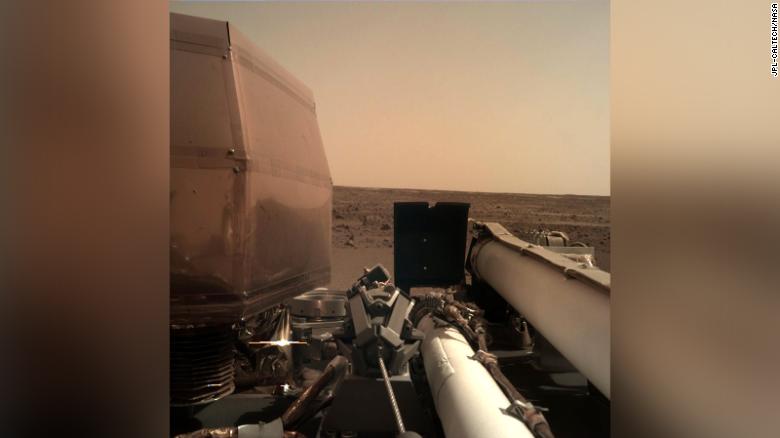
On Monday, NASA reported that its InSight lander safely survived entry to Mars’ surface, already taking two pictures. The pictures show the surface of Mars before and after InSight removes the dirty dust shield from its camera.

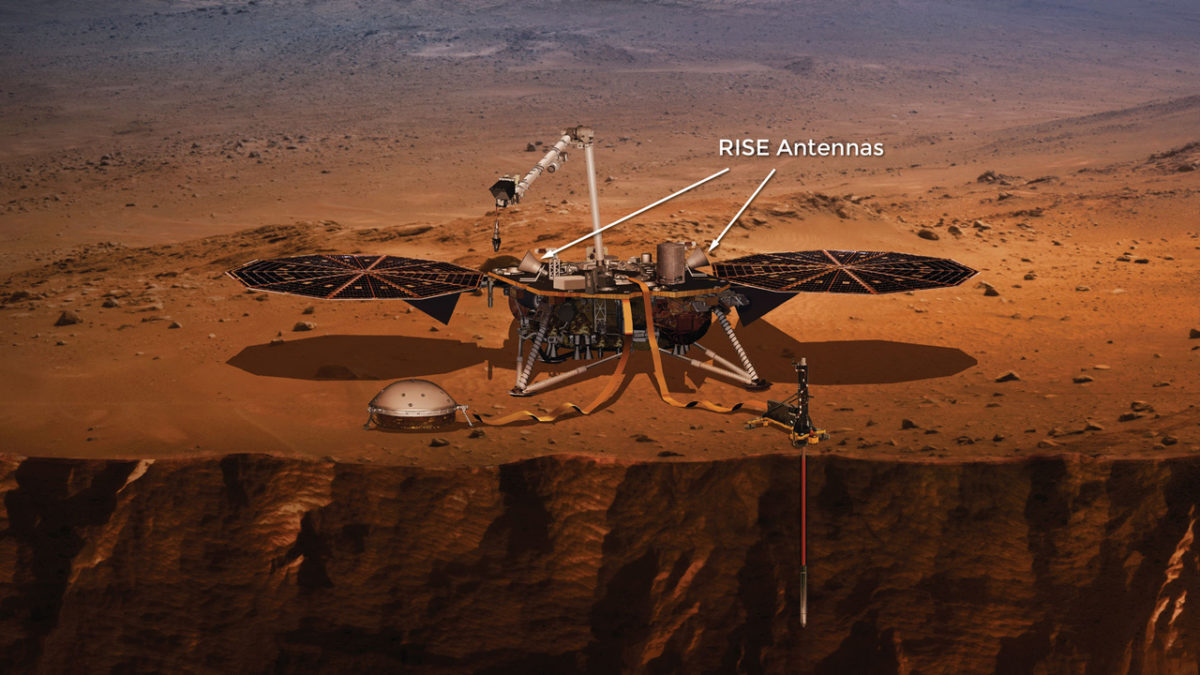
The InSight lander is different from a rover, as NASA already has a few different rovers combing Mars. InSight is stationary, self-sufficient, and packed to the brim with seismological tools. It uses solar panels to power itself. Because Mars receives far less sunlight than Earth, InSight was designed to consume very little power. On what is considered a sunny day on Mars, InSight’s solar panels receive only about 600-700 watts, enough to power a small device like a toaster.

Over the next few months, InSight will use its robotic arm to install a variety of seismological instruments. These instruments will allow NASA geologists to create detailed 3D models of the surface of Mars, in addition to properties like heat flow, seismic activity, and the tug of the planet’s moons. The primary instrument used to gather this data is called the Mars Mole HP3, and InSight is powerful enough to embed the device deep into the planet’s surface. NASA scientists are also hoping to use the Mars Mole HP3 to study Mars’ geological interior, comparing its core and crust to Earth’s in addition to newly discovered planets.

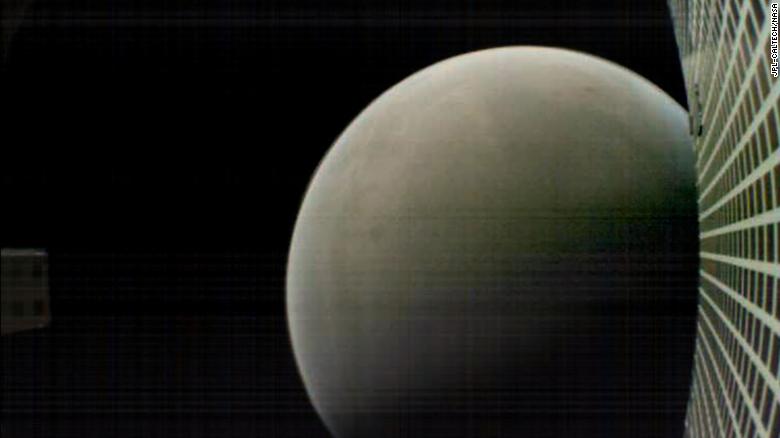
InSight didn’t make its dangerous journey alone. It was accompanied by two small cube satellites called MarCOs. Named Wall-E and Eve by the Disney fans among the staff, MarCO satellites played support roles on this mission, monitoring and reporting essential data regarding InSight such as fuel use. After InSight landed, both MarCO satellites left the red giant and flew back into space. Before leaving completely, Wall-E managed to snap this photo:

The MarCO satellites were mostly the product of new hires at NASA, with most of the team consisting of recent college graduates. With their successful assistance in the InSight mission, it’s likely these small satellites will see plenty of future use.

Judge wants to use “Alexa” as evidence in murder trial

Could your smart device send you to jail?

Judge asks Alexa for help in murder trial

Alexa, can you solve this murder?

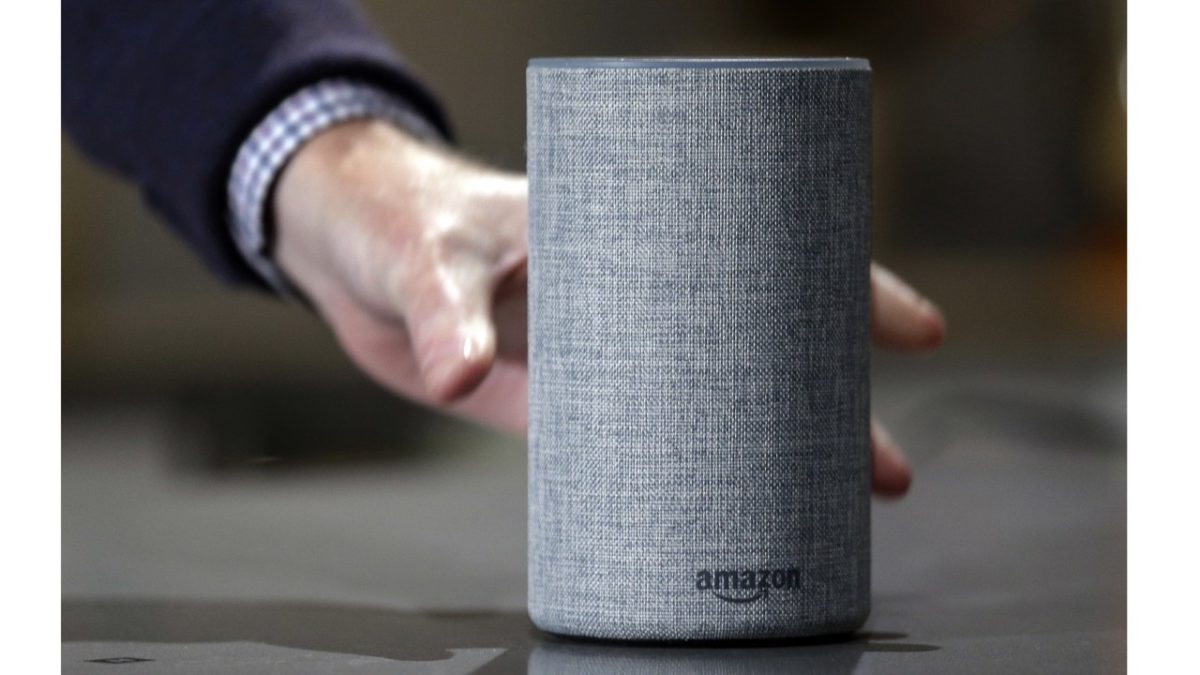
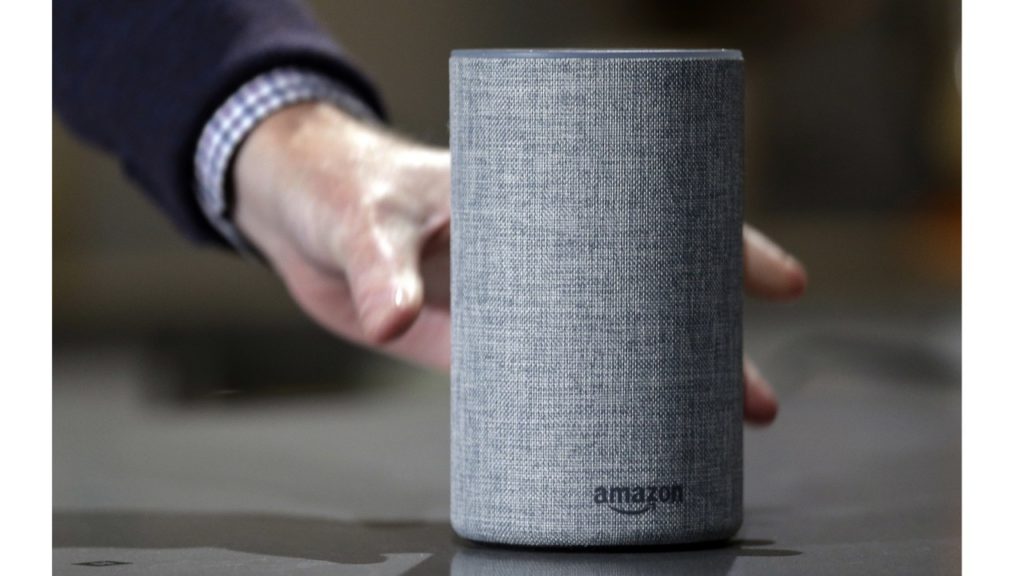
A New Hampshire judge overseeing a double murder trial has called on Amazon to release data from an Amazon Echo that was present during the crime. The judge is asking for partial records of the device, meaning that he is only seeking information that is relevant to the trial.

Amazon itself considers the recordings to be customer information and is refusing to release the recordings “without a valid and binding legal demand properly served on us.” This means that if the prosecution doesn’t obtain a warrant of some kind, Amazon will not willingly release the recordings. It should be noted that it’s possible that the Echo did not record anything about the murder, but we’ll never know for sure unless Amazon releases the information.

Amazon has a history of resisting attempts by the legal system to obtain data as evidence. Back in 2015, prosecutors similarly tried to get recordings from an Amazon Echo present during a murder. Amazon called upon their First Amendment rights to protect their data but eventually relented (the recordings ended up not being enough evidence to convict the suspect).

Over 39 million Americans have smart speakers in their homes. With so many smart speakers installed at home and in the workplace, some experts say these devices normalize the feeling of never being alone.

Though Amazon’s official stance is that Echo devices don’t record any sound until they hear the “wake” word (which on their devices is “Alexa”), we can never truly know if they are recording additional information. This gives Amazon a treasure trove of data, which is incredibly useful to them as they fine-tune their marketing algorithms to target specific people and get them to buy more stuff. And yet, Amazon refuses to release a tiny bit of that information that could potentially put a dangerous murderer behind bars. Again, the prosecutors aren’t requesting a detailed history of all recorded data on the Echo device, just the recordings of the night of the murder.

Amazon isn’t the only tech giant that withholds its data from the law. In 2015, Apple famously refused to unencrypt data from an iPhone used by one of the San Bernadino shooters for the FBI. Reactions to Apple’s decision were highly polarizing, with most tech giants like Twitter, Microsoft, and Facebook supporting Apple. Many feared that if Apple gave in and created FBI-exclusive iPhone encryption software, that they would abuse its power. In this case, the FBI was looking to access the shooter’s entire phone, while in the New Hampshire case the prosecution is only looking for recordings from the night of the murder.

What do you think Amazon should do? Let us know!

The Detective Pikachu trailer is a hilarious treat for Pokémon fans

How many Pokémon can you see in the new trailer?

The Detective Pikachu Trailer is a Hilarious Treat for Pokemon Fans

It’s been many, many years since Pokémon has had a major theatrical movie release outside of Japan. Longtime fans of the series remember that during Pokémania’s hight in the 90’s, “Pokémon: The First Movie” smashed the box office, due in no small part to the exclusive Pokémon cards handed out at every showing.

Nintendo has since chosen not to adapt their properties to the big screen, including Pokémon, assumedly due to the critical and commercial failure of the bizarre live-action 1993 “Super Mario Bros.” movie. Rumors of Legendary Pictures working on a Pokémon movie have popped up over the last few years, with most people expecting a typical CGI animated kids film. However, nobody expected anything quite like what we saw in the “Detective Pikachu” trailer:

I don’t think anyone was expecting a live-action movie with realistic Pokémon designs. I think people were expecting to hear Ryan Reynolds when Pikachu opened his mouth even less. Hot off the success of “Deadpool 2,” it’ll be interesting to see Reynolds voice a much cuter and significantly less vulgar character. This isn’t actually the first time Pikachu has spoken in a movie, as shown by the hilariously baffling clip below:

It’s also surprising to see a Pokémon movie that takes place in a relatively grounded world. In one shot, you see a food vendor using Charmander’s flaming tail to cook his food, showing how in this world Pokémon aren’t anything spectacular, but a part of everyday life. There are very few mentions of Pokémon trainers, and we see dense urban environments that are infrequently seen in the games or show. The neon look of the city gives the trailer a neo-noir vibe, especially coupled with the detective characters and plot.

While the trailer is upbeat and full of energy, the grounded tone prevents the film from looking like the typical “live-action cartoon character in the real world” schlock seen in movies like “Alvin and the Chipmunks” or “The Smurfs.”

It is also surprising to see the trailer feature Pokémon beyond the original 151. The Pokémon Company likes to push the original 151, which features icons like Pikachu, Charizard, Squirtle, and Mewtwo, as they are easily the most recognizable Pokémon among general audiences. Featuring Pokémon beyond Generation 1 was a smart move by the filmmakers, as it opens up the movie to more potential characters and gags. Speaking of featured Pokémon, here are all the Pokémon we spotted in the trailer:

  • Dodrio
  • Bouffalant
  • Comfey
  • Pidgey
  • Flabébé
  • Charmander
  • Emolga
  • Audino
  • Jigglypuff
  • Bulbasaur
  • Squirtle
  • Pachamp
  • Greninja
  • Psyduck
  • Morelull
  • Charizard
  • Mr. Mime

Judging by audience reactions, the realistic design of the live-action Pokémon was by far the most polarizing aspect of the trailer. Instead of creating new designs for the Pokémon, the filmmakers decided to keep each Pokémon’s basic silhouette and color scheme intact. This ensures each Pokémon is instantly recognizable, but it also makes certain designs stick out more in live-action. Pikachu himself looks fantastic, he looks as emotive as ever and the fur applied to his design just adds to the cuteness.

I don’t think the same can be said for Jigglypuff, whose live-action incarnation is a strange mix of cute and absolutely horrifying:

However, no design in the trailer even approaches Mr. Mime:

Featured in an interrogation scene, Mr. Mime is pure nightmare fuel. Unlike Jigglypuff and Pikachu, Mr. Mime doesn’t have cute fur, but an unholy mix of human-like skin and strange plasticky textures, allowing him to dive headfirst into the uncanny valley. In the show, Mr. Mime is characterized as a cheery and helpful Pokémon who likes to entertain people. In “Detective Pikachu,” he’s a bonafide antagonist who literally tells Pikachu to shove it, further cementing how unsettlingly horrifying he is. It’s honestly shocking that the filmmakers chose to include Mr. Mime in the first place. To be fair, it does seem that Mr. Mime is supposed to be a smarmy jerk, and the animators nailed that. Plus the scene where Pikachu plays bad cop is hilarious as well.

Are you excited for Detective Pikachu? What do you think of the live-action Pokémon? Let us know!


How Stan Lee created Marvel’s complex characters

Learn how Stan Lee’s layered characters changed pop culture forever.

How Stan Lee Created Complex Characters

“My name is Stan Lee. I’ve been writing stories for the young generation for the past 30 years. During this time, I think I’ve learned a lot about how young people think, and more importantly, what young people are.

Today, we’ve come to a time in history when there definitely is a generation gap. It seems to us that perhaps anything that could be done to bridge that gap, to help present the point of view of these young people without being patronizing, without hostility, with respect, with attention, would be a very beneficial thing. Oh sure, they talk a lot and they yell a lot, but nobody really listens to them!”

-Stan Lee on his talk show in 1968.

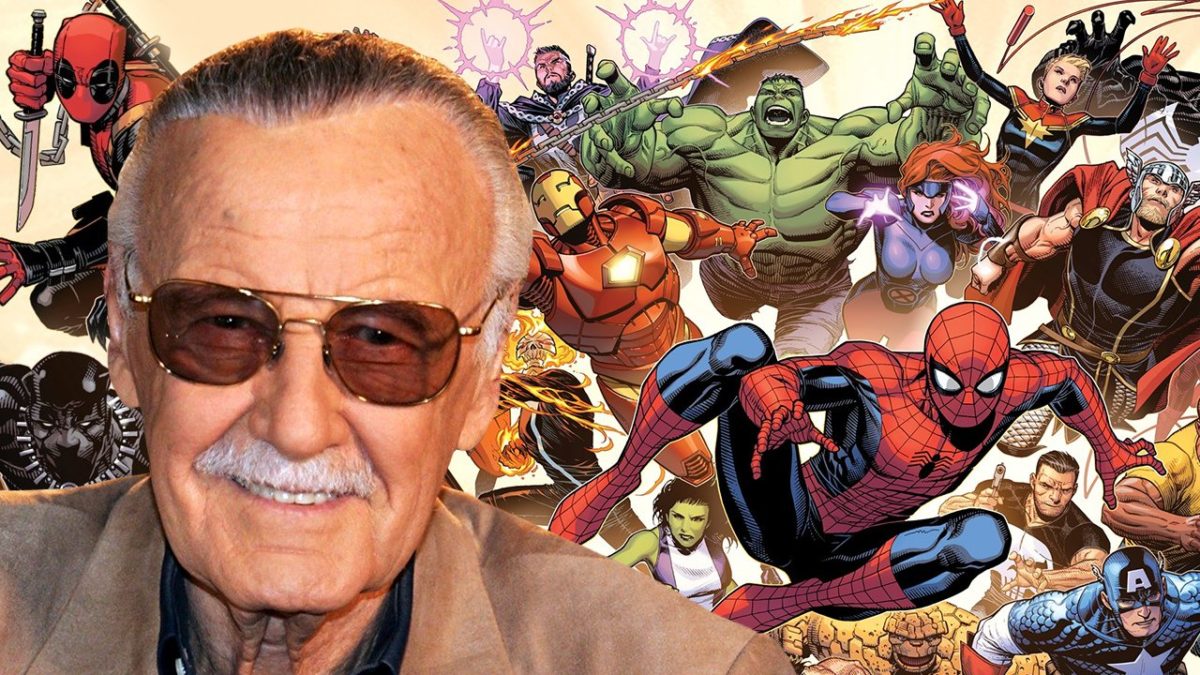
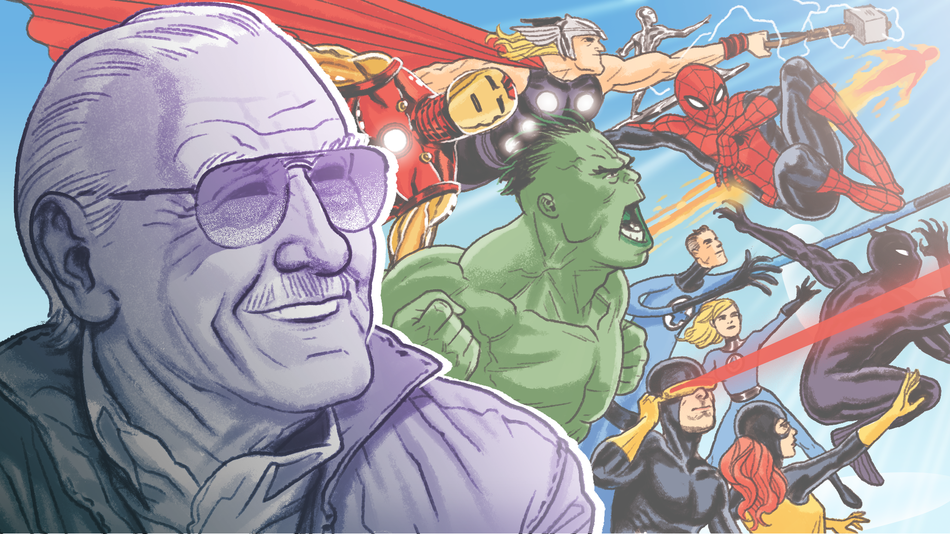
Beloved comic book writer and creator Stan Lee passed away at the age of 95. Stan Lee is one of the most influential comic creators of all time, creating heroes like Spider-Man, the X-Men, the Hulk, the Fantastic Four, and Black Panther. He was always a man of the voiceless, giving young people and minorities stories and characters that made them feel wanted in a society that told them to stay quiet. Below, we’ll talk about how Stan Lee crafted these complex, iconic characters, and why they resonated with so many people.

How Stan Lee created Marvel’s complex characters

Stan’s characters had real problems

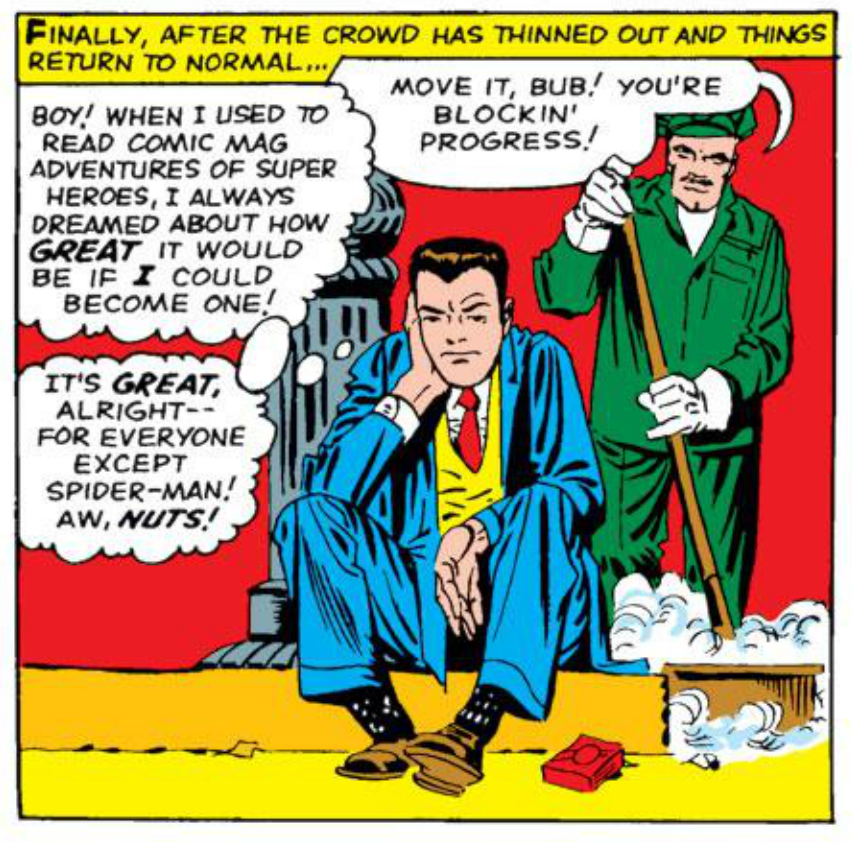
For all his heroics, Spider-Man is still an everyman who’s down on his luck

Before Stan started writing, comic books were primarily power fantasies that appealed to youth. Superman was an invincible man with an unbendable sense of justice, Batman was a billionaire playboy who doubled as the world’s greatest crimefighter, and so on. Knowing that comic books appealed primarily to teenagers, Stan wanted to give them something other than a power fantasy. He created characters that young readers could relate to rather than look up to.

The primary example of this is Spider-Man. In many ways, Peter Parker resembles the typical comic book reader. He’s a teenaged boy who’s dorky, bullied in school, unathletic, and has little-to-no luck with women. Before Spider-Man, teenagers were never portrayed as superheroes, only as perky sidekicks like Robin, Speedy, or Bucky Barnes. Casting a teenage hero, and a realistic and troubled one at that was an incredibly refreshing and innovative decision.

Even after gaining amazing spider powers, Peter still deals with all of these issues in school, often struggling to balance his personal life with his heroic life. Despite dealing with both typical teenage problems and superpowered antics, Peter still keeps his head on straight and tries to do the right thing.

He’s not a pillar of justice like Superman, and he sometimes acts selfishly or carelessly, but he learns from his mistakes and tries his best. Despite saving the day time and time again, Peter is filled with self-doubt as soon as something new goes wrong. Stan Lee’s Spider-Man demonstrated that having powers doesn’t automatically make you a superhero. Instead, superheroes are people who choose to make simple, everyday decisions to stand up for and help people who can’t do it themselves. The point of making heroes realistic was not only to make them relatable to readers, but to show them that they are perfectly capable of becoming heroes themselves.

Stan put it best himself in his appearance in Spider-Man 3:

Stan’s characters represented different ideas and feelings

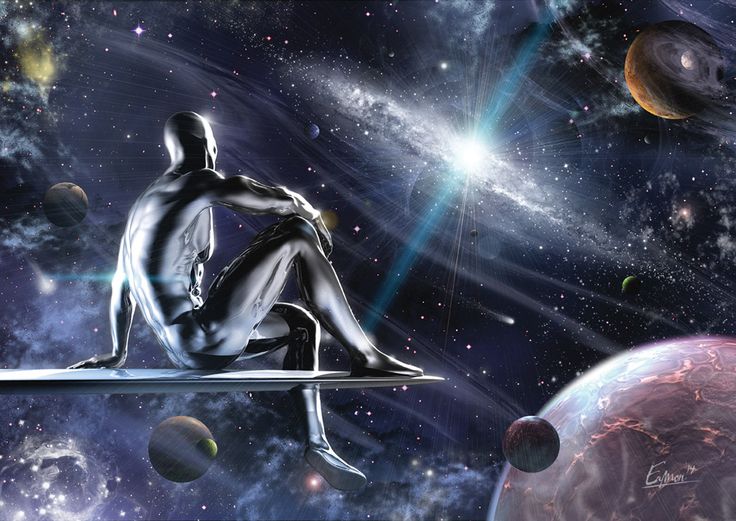
The Silver Surfer gazes into empty space

Each of Stan Lee’s characters is meant to embody a simple, relatable feeling or idea. No matter how over-the-top the character is, readers can empathize with them on a basic level.

For example, Bruce Banner is a timid and anxious scientist who is shafted constantly, no matter what he does. When he finally reaches his breaking point, he explodes in anger, becoming the Incredible Hulk. When the Hulk was created in the 1960s, the Hulk became a counter-culture icon, representing the repressed rage felt by a generation who was told that they were entitled for wanting to be taken seriously, a problem that keeps the character relevant to this very day.

Characterized by Stan, the Silver Surfer is a powerful but lonely hero who travels through space serving a power that he hates but is forced to keep in his life. As the Surfer soars through the heavens, the spectacular sights and adventures he sees do little to excite him, as he is kept away from all of those that he cares about by a higher power that he can’t fight or escape. Like the Surfer, many people grow weary of the wondrous world around them, drifting aimlessly and alone, their enthusiasm and lust for life sapped by power structures and situations that they cannot hope to control. Readers empathize with the Surfer’s struggle to regain his humanity as they grow older in a world that seems increasingly indifferent to their presence.

Feelings like loneliness, disillusion, or anger are problems felt by ordinary people and superpowered adventurers alike. By creating larger-than-life heroes like this, Stan helped his anxious readers feel less alone in the world.

Stan’s heroes represented equality

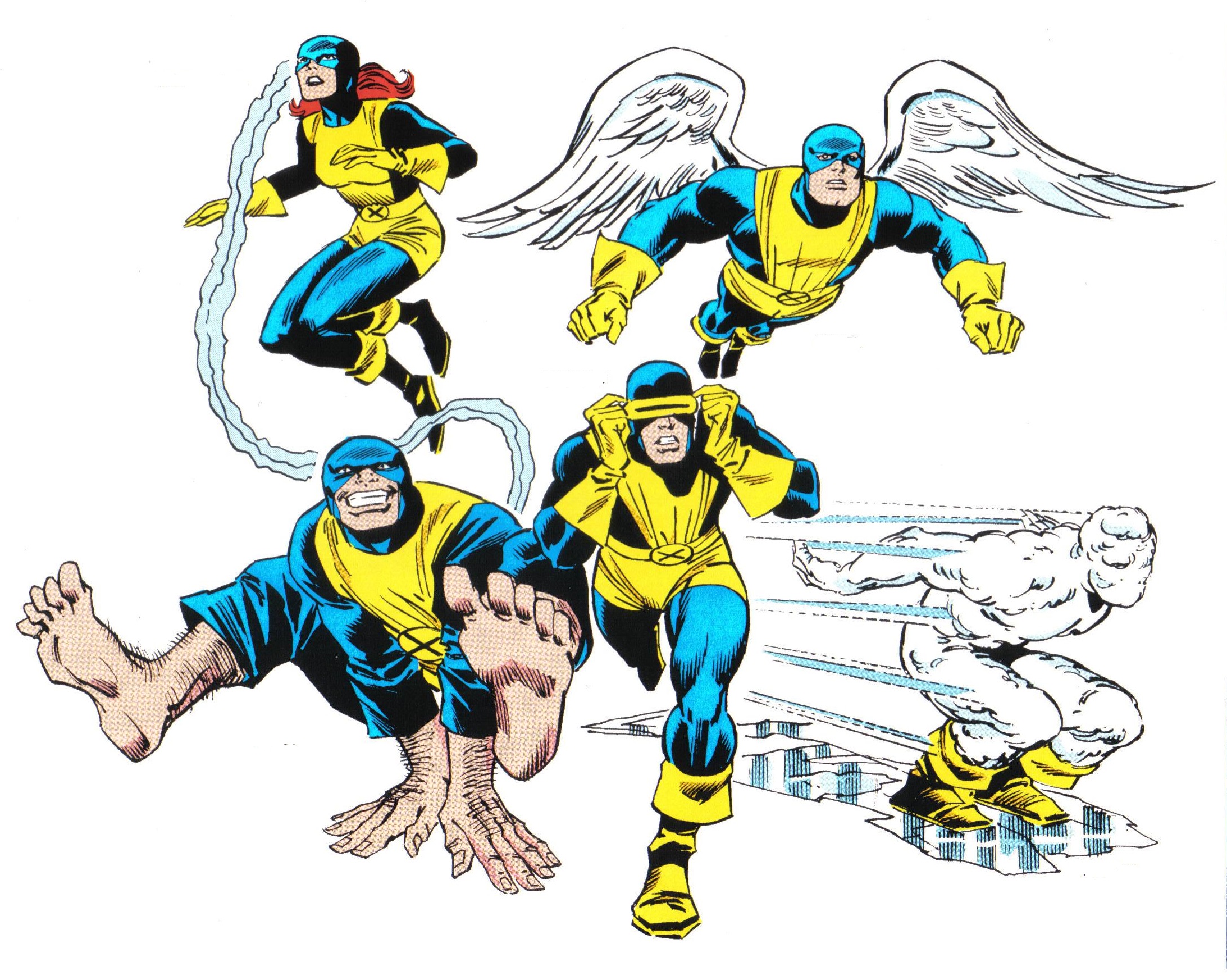
Beyond being believable and relatable, Stan’s heroes often reflected the struggles felt by minority groups in America. His superhero team, the X-Men, is one of the most enduring symbols of tolerance and acceptance in pop culture even to this day.

Created in the 1960s, an era marked by minority groups like African-Americans and women making huge advancements in civil rights, the X-Men are mutants fighting to promote acceptance in a world that hates them. In the Marvel Universe, mutants are ordinary people who suddenly gain superpowers around puberty, causing them to be feared and hunted down by a panicked populace. Even though the X-Men are hated by the public, they fight using their mutant powers to fight evil and protect humans in hopes of showing that they aren’t monsters. In many ways, the X-Men and its leader, Professor X, resemble Martin Luther King Jr. and his peaceful fight for equality, rights, and respect.

The X-Men were created by Stan Lee as a metaphor for any kind of minority group the reader belonged to, whether that be their race, religion, or sexual orientation. The X-Men team itself is made up of an incredibly diverse group of people, displaying how different subsets of people can work together in the fight for an equal and fair world.

It should be noted that while the mutant X-Men are hated and feared by the population, non-mutant heroes like Captain America and the Fantastic Four are not. This is an intentional point, demonstrating that the X-Men are considered monstrous outsiders for no real reason at all, and that there is intrinsically nothing wrong with them, just as there is nothing wrong with belonging to a certain race, gender identity, religion, or sexual orientation.

Stan Lee and his creations influenced millions of people, and he will always be remembered for his warm and heroic spirit. Who’s your favorite Marvel hero? How have they impacted your life? Let us know!