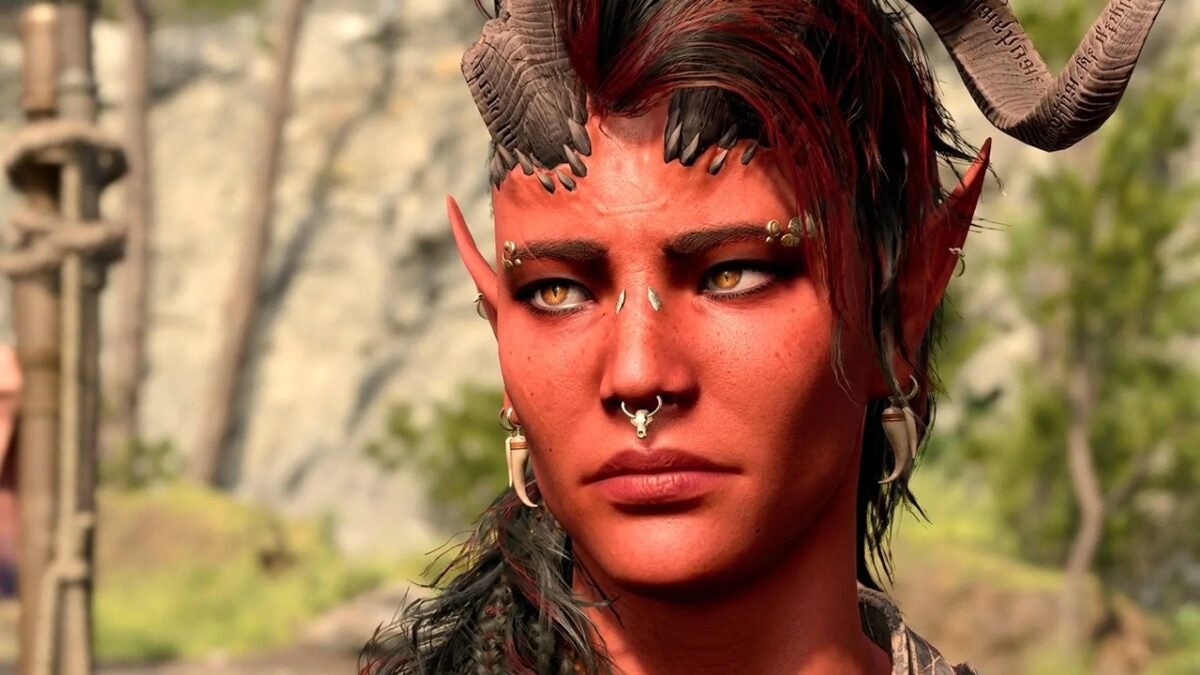
Samantha Beart, who plays Karlach in Baldur’s Gate 3, has raised her voice against the use of artificial intelligence technologies by certain CEOs in the entertainment industry, who are seeking short-term profits. In an interview with Edge, Beart warned that this approach could cause significant reputational damage in the long run. “Ultimately, it will destroy your reputation, your company, everything,” the actress stated, emphasizing that actors will not give up in their fight against AI, as it would threaten their ability to work in a sector they consider deeply artistic. A short-term perspective […]
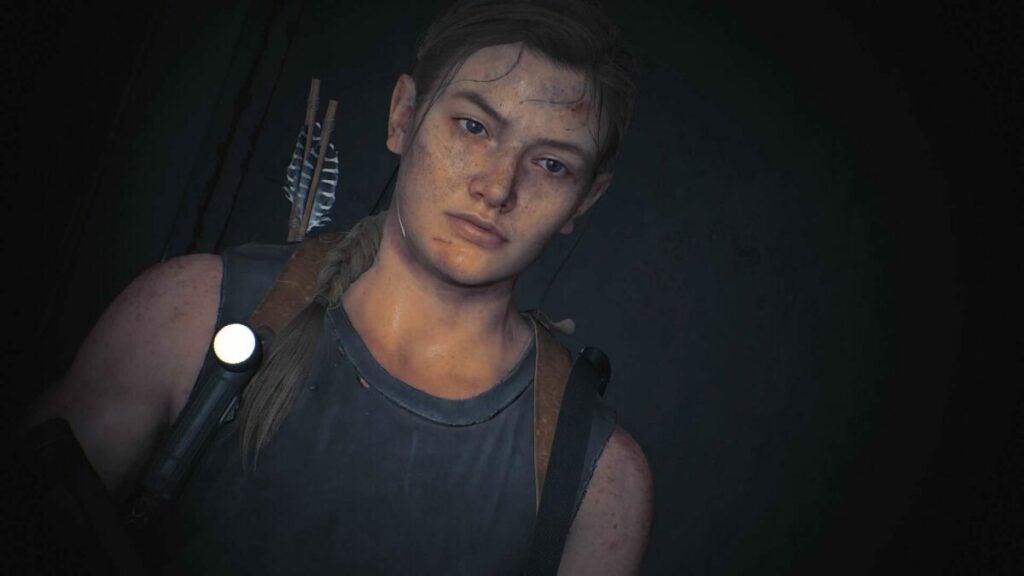
Samantha Beart, who plays Karlach in Baldur’s Gate 3, has raised her voice against the use of artificial intelligence technologies by certain CEOs in the entertainment industry, who are seeking short-term profits. In an interview with Edge, Beart warned that this approach could cause significant reputational damage in the long run. “Ultimately, it will destroy your reputation, your company, everything,” the actress stated, emphasizing that actors will not give up in their fight against AI, as it threatens their ability to work in a sector they consider deeply artistic.
A short-term perspective on things
Beart also expressed his concern about the current state of the industry, pointing out that there are executives who see video games merely as an opportunity for return on investment, without a true understanding of the medium. “The dream of the tech industry is to sell their company at an inflated price and walk away,” he commented, suggesting that this mentality is affecting video game studios.
Beart’s voice resonates at a critical moment for voice actors, who are part of the SAG-AFTRA union and have been on strike since July 2024. AI has become one of the central points of the negotiations, generating tensions between workers and companies in the sector. A recent study revealed that most video game developers use AI technologies, despite concerns about the potential loss of jobs among human workers.
For his part, the CEO of Electronic Arts, Andrew Wilson, has stated that although AI could lead to job losses in the short term, in the long run he expects it to create more job opportunities, a pattern that has been seen in previous labor revolutions. In related news, a video showing Aloy from Horizon in an AI assistant demo generated criticism from both the community and the actress who voices her, Ashly Burch, who also denounced this use of technology.
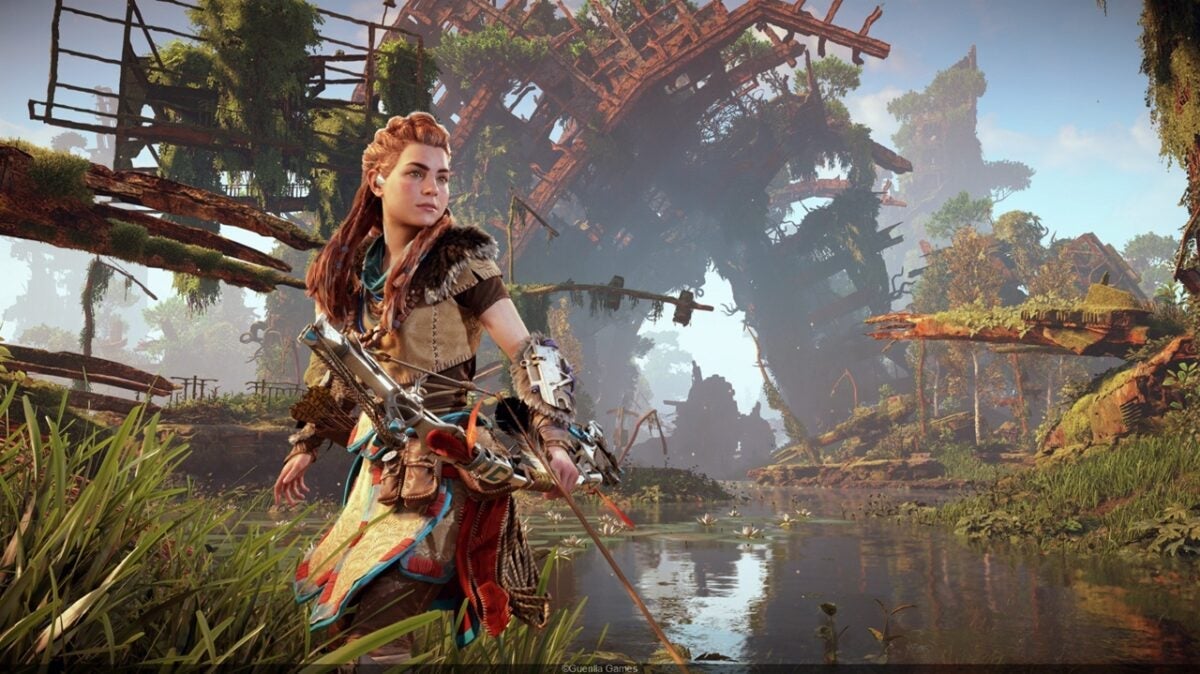
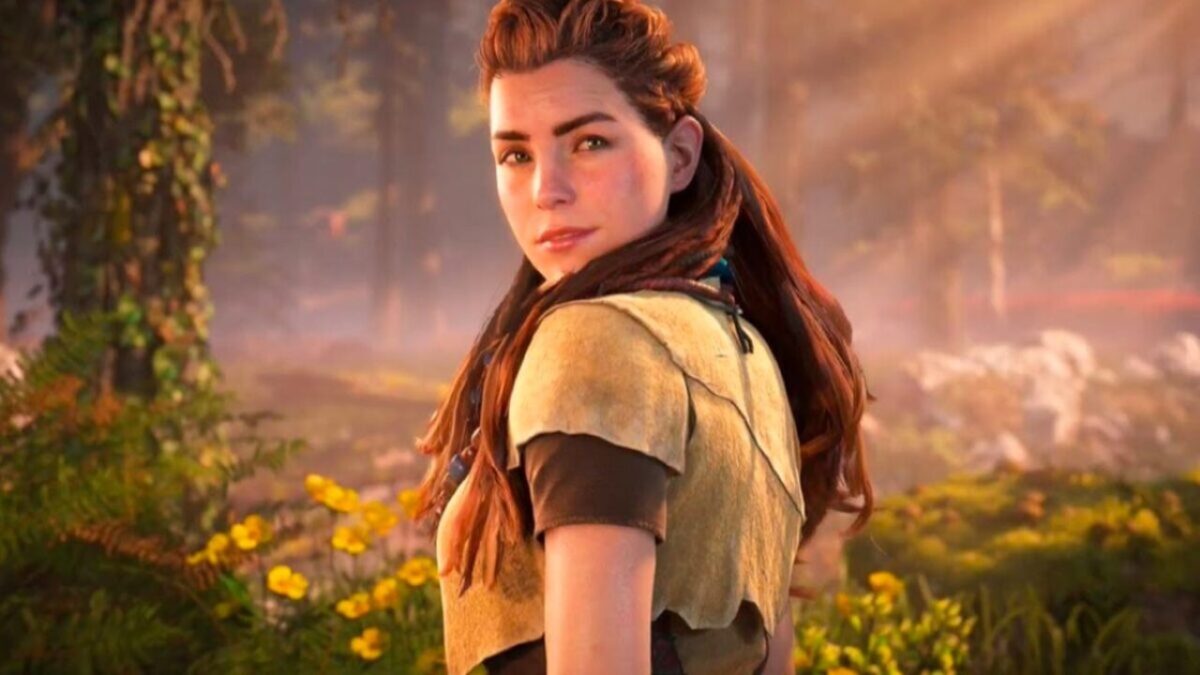
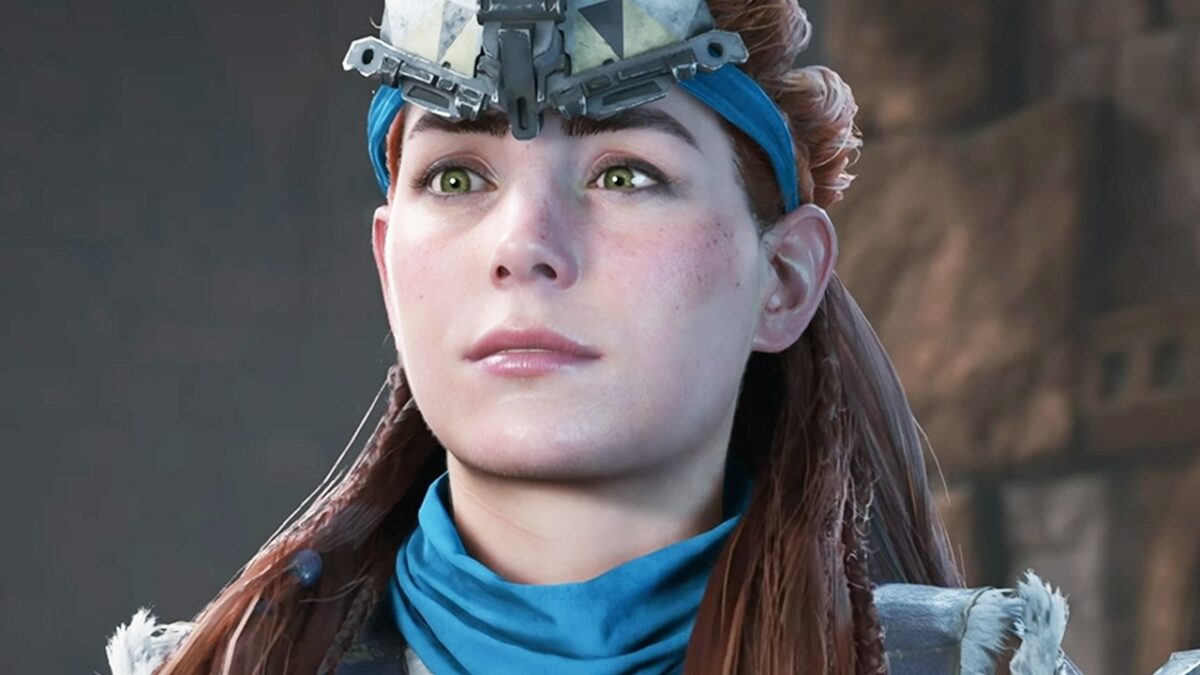
Ashly Burch, the voice actress known for her iconic role as Aloy in the Horizon franchise games, has expressed her concern about the future of the gaming industry due to the increasing use of artificial intelligence technology. This concern arises after the leak of a tech demo of AI featuring Aloy, which has generated controversy for its lack of nuance and emotion, potentially affecting the narrative quality of video games. The actress, not very satisfied with the AI In a video posted on TikTok, Burch clarified that the demo does not reflect […]
Ashly Burch, the voice actress known for her iconic role as Aloy in the Horizon franchise games, has expressed her concern about the future of the gaming industry due to the increasing use of artificial intelligence technology. This concern arises after the leak of an AI technology demo featuring Aloy, which has generated controversy due to its lack of nuance and emotional depth, potentially affecting the narrative quality of video games.
The actress, not very satisfied with AI
In a video posted on TikTok, Burch clarified that the demo does not reflect active development and that her performance was not used to train the AI version of Aloy. However, the actress expressed concern not only for her personal career but also for the impact that these technologies could have on the way acting in video games is perceived. Burch emphasized the need to protect actors from motion capture and voice work amid the SAG-AFTRA strike, which seeks to establish safeguards against the replacement of their jobs by AI, similar to a struggle that has already occurred in the film and television industry.
Fans of the Horizon saga have expressed their discontent on social media, arguing that the use of AI dehumanizes the gaming experience. Many followers have made it clear that they will not support the future of the series if this technology is chosen over human performances. Burch emphasized that losing the fight for protection against the use of AI would compromise the future of performances in video games, affecting the quality and depth needed to tell meaningful stories.
As the gaming industry advances technologically, the situation of voice actors and capture becomes a crucial topic. The gaming community and industry professionals must come together to ensure that technological evolution does not replace the human talent that brings characters and narratives in video games to life.
Sony has taken a significant step in its strategy to bring its vast library of games to PC, an initiative that has proven successful with popular titles like God of War, The Last of Us, and Marvel’s Spider-Man, which have found a new home on this platform. However, the company faced criticism over a controversy related to the PlayStation Network (PSN) account linking requirements, which was implemented last year. This policy required PC players to link their PSN accounts to access certain games, which caused difficulties in […]
Sony has taken a significant step in its strategy to bring its vast library of games to PC, an initiative that has proven successful with popular titles like God of War, The Last of Us, and Marvel’s Spider-Man, which have found a new home on this platform. However, the company faced criticism over a controversy related to the PlayStation Network (PSN) account linking requirements, which was implemented last year. This policy required PC players to associate their PSN accounts to access certain games, causing difficulties in regions where PSN is not available.
One of the most affected games was Helldivers 2, which received over 200,000 negative reviews on Steam following the introduction of this requirement. This setback led Sony to reconsider its policy, and recently the company has decided to remove the obligation to link PSN accounts for all its titles on PC.
As part of its new strategy, Sony is offering free content as an incentive to players who decide to link their accounts. For example, players of Horizon Zero Dawn Remastered can now unlock the Nora Valiant outfit from the start of the game by linking their PSN account, a benefit that was not available in the original version of the title. This outfit, which was previously only obtainable in Horizon Forbidden West, can now also be acquired in the remaster.
Other works that will also offer benefits for linking accounts include Marvel’s Spider-Man 2, The Last of Us Part II Remastered, and God of War Ragnarök. With this change, regions that previously could not access Sony games may now have the opportunity to acquire them. Although the company has not issued an official statement on the matter, the reduction of restrictions for players could open new doors in the market.
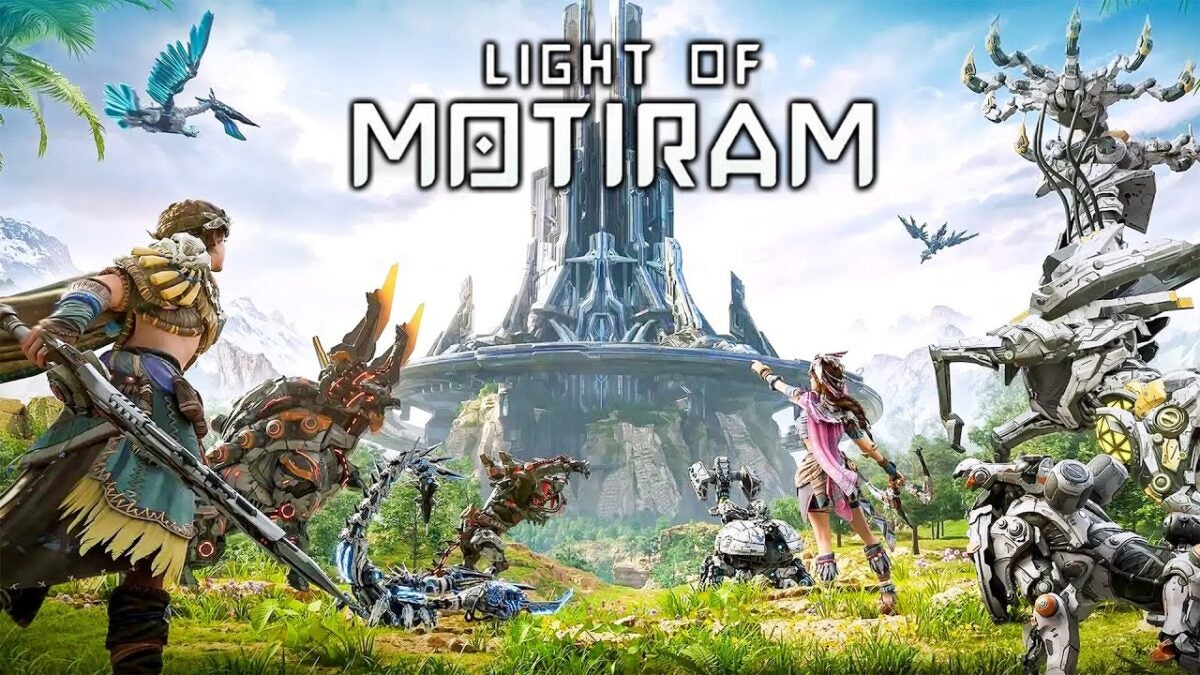
Cuando Palworld apareció a principios de año, muchos de nosotros nos preguntamos cómo pudo haber sucedido algo así. ¿Un juego que claramente tomó diseños de Pokémon y les dio una ametralladora? Se asemejaba a la audacia de las películas filipinas de los años 70 y 80, que combinaban sin esfuerzo personajes con propiedad intelectual y los enfrentaban entre sí. Pero, de alguna manera, estos plagios casi literales se están volviendo cada vez más normales dentro de la industria de los videojuegos. Si Palworld se salió con la suya, ¿por qué no lo haría Light of […]
When Palworld appeared at the beginning of the year, many of us wondered how something like this could have happened. A game that clearly took Pokémon designs and gave them a machine gun? It resembled the audacity of Filipino films from the 70s and 80s, which effortlessly combined characters with intellectual property and pitted them against each other. But, somehow, these practically literal plagiarisms are becoming increasingly common within the video game industry. If Palworld got away with it, why wouldn’t Light of Motiram?
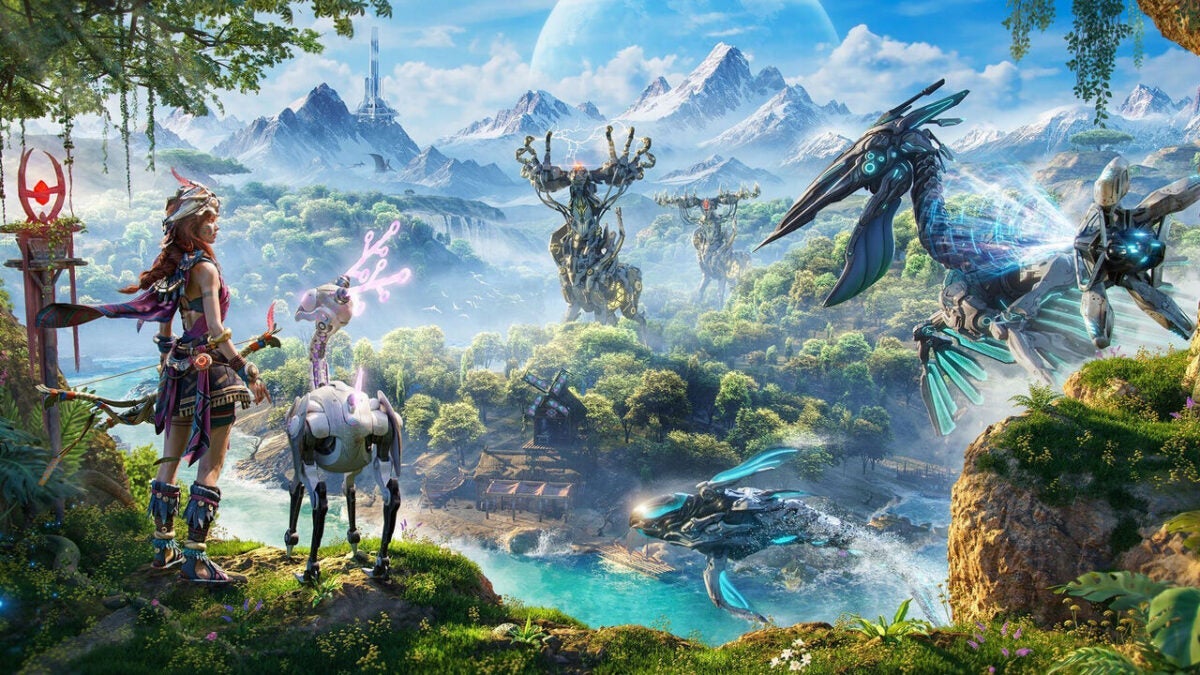
Polaris Quest, the studio behind Light of Motiram, hasn’t exactly been subtle. The plot, set in a natural world dominated by gigantic machines (ahem), is notably similar to that of Horizon Zero Dawn, but it doesn’t stop there: from what we can see in its first images, they have adapted the same tones and have created a very similar world. We can think positively and believe it was a coincidence, but in 2024, coincidences rarely exist.
Most people are surprised by the colossal lack of shame from the studio, which clearly plays coy, but whose gameplay is very different from Aloy’s adventures. In this case, it’s about building a base where you can train up to a hundred “mechanimals” (that’s what the creatures are called), which you can modify to fight each other, alone or with others: the world can be explored cooperatively, with up to ten players. There you go.
In other words, it will be like Palworld but in the world of Horizon Zero Dawn. At this point, one wonders if there have really been humans behind the game or if we are facing one of those titles where AI has taken the lead (but they still don’t dare to say it due to the consequences it may have). For now, there is no release date for Light of Motiram (we only know, in fact, that it will be released on Steam and the Epic Games Store), but it has become, perhaps to its regret, the new laughingstock of the industry. Rightly so.
Although Sony’s State of Play has given us a lot to talk about, it seems that not everything has been good news. Besides the fact that PlayStation Plus and all the 30th-anniversary editions have sold out, with many people not getting past the queue, there have also been some rather questionable moves by Sony. Once again, related to money. Because it seems that the Japanese company never tires of making us wonder if it is really trying to do things right. After the announcement of Horizon Zero Dawn Remastered, Sony has doubled the price of Horizon Zero […]
Although Sony’s State of Play has given us much to talk about, it seems that not everything has been good news. In addition to the fact that PlayStation Plus and all the 30th anniversary editions have sold out, with many people not getting past the queue, there have also been some more than questionable moves by Sony. Once again, related to money. Because it seems that the Japanese company never tires of making us wonder if it really tries to do things right.
After the announcement of Horizon Zero Dawn Remastered, Sony has doubled the price of Horizon Zero Dawn. If the Complete Edition of the game cost 19.99€ a few days ago, the price of the game in the PlayStation Store after the event has risen to 39.99€. This can be verified by checking any price tracker, confirming the price increase exactly at this moment.
Although it is possible to find ways to buy it cheaper, such as acquiring it in physical format for those who do not have a digital-only console, it seems that the reason for raising the game price is precisely to sell the remaster. Given that it is possible to upgrade the PlayStation 4 version to the remastered PlayStation 5 version for €9.99 and that Horizon Zero Dawn Remastered has a price of €39.99, with this increase they wanted to ensure that no one pays less than that price for the game.
While it is a logical move, it is also a questionable precedent for the future. And a demonstration of why the shift to exclusively digital content can lead to abuses by large companies. Because Sony, once again, is incapable of giving us one good thing without three bad ones.
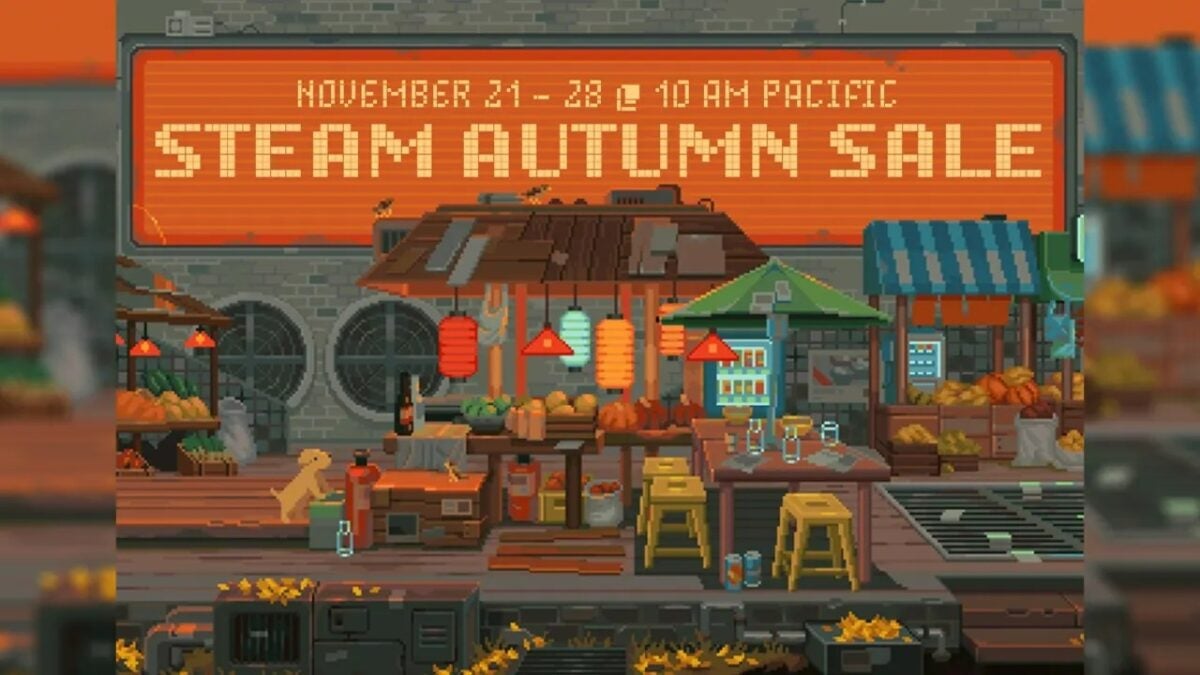
The autumn Steam offers have arrived: we tell you the best deals, so you don’t miss any of the best offers on video games
We know you’re busy with Black Friday. That you’re scrutinizing every discount, that no offer less than the best will do. But trust us. Steam has started its autumn sales, and there are deals worth considering. Even if they’re not the biggest bargains you’ve ever seen in your life. Just good deals. A good bargain. The best deal you’ll be offered for the remainder of the year. And we’re going to convince you of that.
For many people, 2023 will be the year when CD Projekt finally fixed Cyberpunk 2077. Why not join the celebration? At half price, it offers us, for the cost of its DLC, dozens of hours of a game that now works as it always should have. Do you have another 30 euros in your pocket? You have their DLC, Phantom Liberty, which adds another many hours of content. If not, by the time you finish this, it’ll probably be 50% off in the next sales.
Maybe you’ve already had your fill of Cyberpunk 2077. Perhaps your taste in video games leans less towards the mainstream. If that’s the case, you’re not alone. “The Silver Case” isn’t just the game that marked the debut of a legend like SUDA51; it’s also an avant-garde visual novel that, to this day, remains incredibly smart, unsettling, groundbreaking, and experimental. All this without forsaking the decadent and ‘no future’ tone that many anticipated from Cyberpunk.
“Hades” was the 2020 Game of the Year. So why not grab all the games from the studio? “Bastion” is a marvel that encapsulates everything that “Hades” would develop later on, “Transistor” evolves from that formula, and “Pyre” lays the groundwork for attractive characters and tragic narratives that would make “Hades” popular. All this at a 71% discount. Haven’t convinced you? Well, then there’s always “Hades” at a 50% discount.
We won’t hide it: we didn’t have high hopes for this remake. We thought the original, while not perfect, hadn’t aged in a way that a remake could do it justice. But it seems we were wrong. If you want to play one of the most terrifying and visually spectacular games of the year, you can get it at half price, with just as much terror.
If it weren’t for 2023 being a year packed with great games, “El Paso, Elsewhere” would have sneaked into more than one or two Game of the Year nominations. Resurrecting the formula of classic Max Payne games with a tale of breakup between a vampire hunter and a vampire, it draws from Twin Peaks, from Max Payne, from all those times your heart’s been broken, to craft a game with short but excellent levels. All to tell a compelling story with the best shooting mechanics of the year.
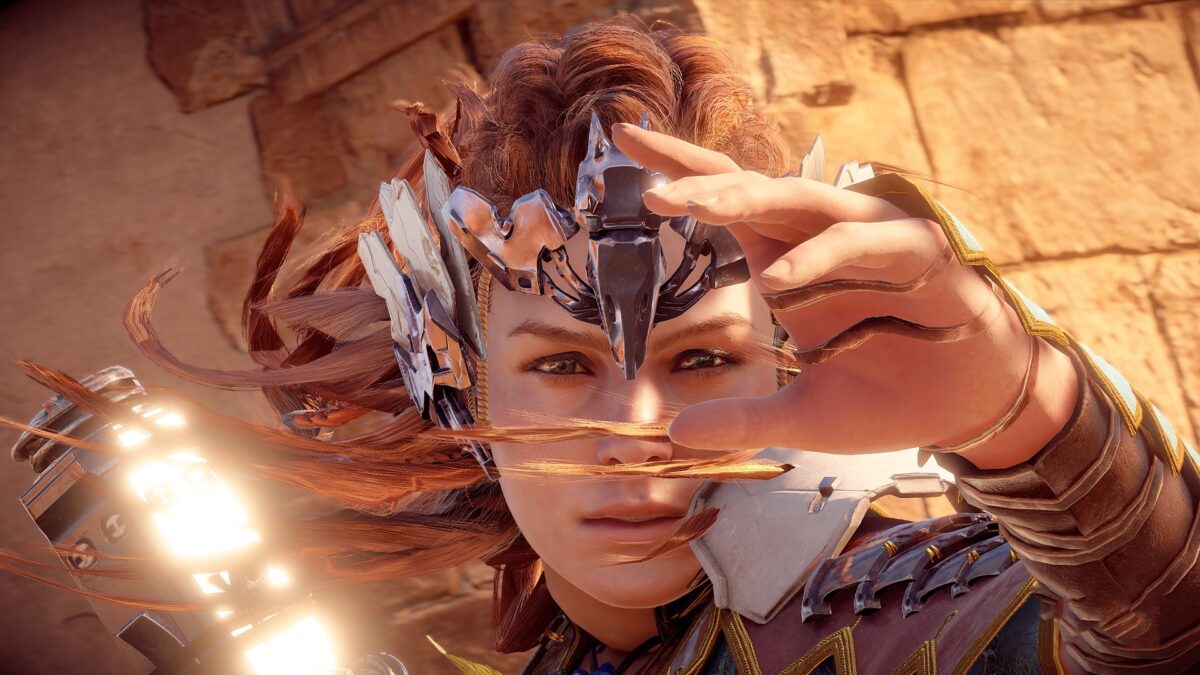
There’s no better way to wrap things up than with a heavyweight. In this case, Horizon Zero Dawn Complete Edition comes with a 75% discount, nearly hitting the 10 euro mark. And what does it offer? Dozens of hours, a marvelous open world, a protagonist you can’t help but love, and the knowledge that its sequel will arrive on PC sooner rather than later. A game where, if you enjoy adventure, action, or open-world games even a bit, you can’t go wrong.
Many men are unable to accept that there are leading female characters in video games. What is this about? Thats what we answer.
We live in a pluralistic society. That means that there are different expressions of gender, race, sexuality, ideology and culture. Different people are represented in different identities and that is good. It brings diversity. It brings richness. So it is understandable that culture has also changed over time. For example, in video games, we have more and more female protagonist characters. Women who are not just narrative excuses, prizes for protagonists, but key characters with motivations and a heroic arc just like any man’s. Even if there are many people out there who can’t accept it.
Why does this happen? This is a very interesting question. If we ask people who complain about female representation in video gaming, they will probably give us a series of arguments that we have all heard. That women don’t really play video games. That a character’s identity doesn’t matter when it comes to feeling represented. That they make all women ugly now because the feminist agenda hates female beauty. And regardless of whether these are good arguments or bad arguments, they are arguments. And to answer the question that really interests us, why is representation, female or otherwise, important to the video game and to all media, let’s answer these three arguments with as much good faith as we can muster.
Do women play video games?
The argument that women don’t play video games is not as old as many people may think. Although it is true that there has always been a certain air of suspicion towards them, it wasn’t until the mid 90s, and particularly the early 00s, that the argument that women don’t play video games became strong among gamers. Mainly because that is what was sold by the specialized press and the industry itself: video games were a boy’s thing.
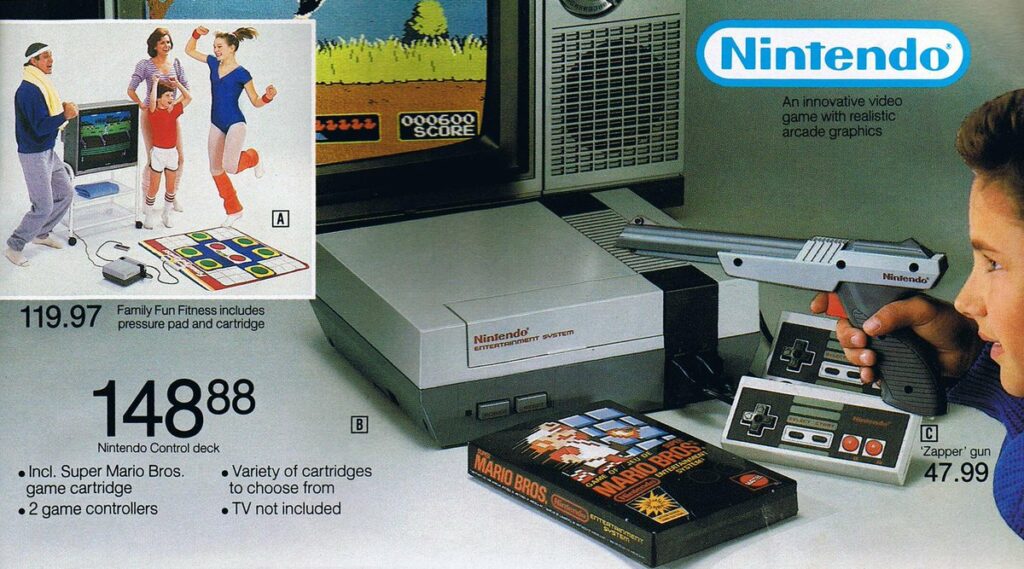
If we look at the ads up to that time, they were virtually all starring boys and girls equally. There wasn’t such a clear gender bias. The kind of games weren’t even that segmented, even games, particularly on consoles, didn’t seem to have a gender focus. F-Zero wasn’t a boy’s game. Pokémon wasn’t a girl’s game. Mega Drive was not a boy’s console. Game Boy was not a girl’s console. But the marketing and press began to shift from the PlayStation and Nintendo 64 generation onwards, focusing more and more on a genre segmentation of the market, which reached its culmination in the PlayStation 2, Game Cube and Nintendo DS generation, where it became clear that there were boys’ games and girls’ games. That the former were more valuable than the latter and that by extension, it would end up becoming that girls don’t play games. Or that what they play are not real video games.
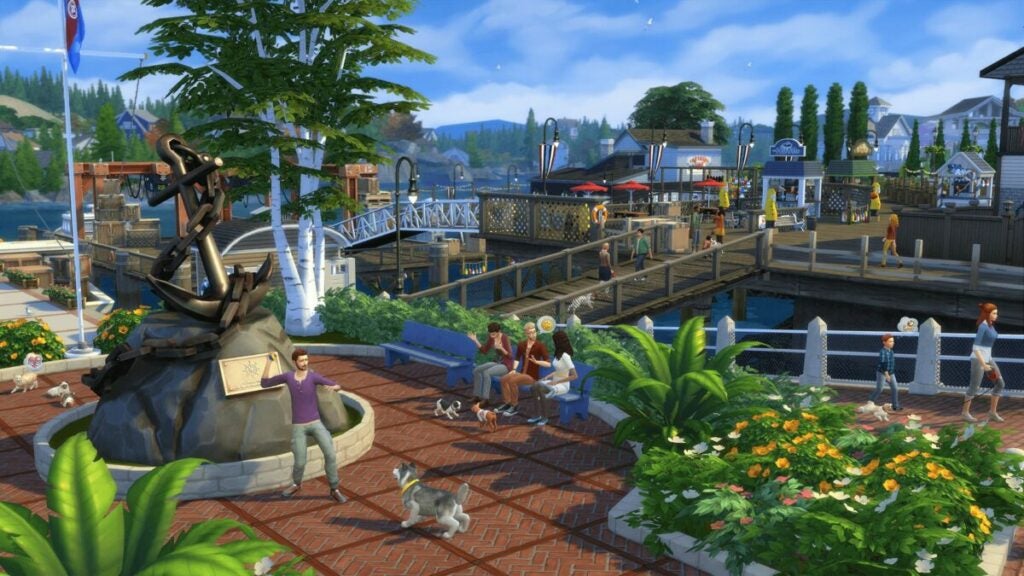
The Sims today may be considered a “girl’s” game, but it is not as it was perceived upon its release on January 31, 2000. In the same way, girls today may be perceived as not playing video games. What the data says, however, is that the reality is quite the opposite.
According to a study by Mat Piscatella, CEO and video game industry analyst at Circana, 47% of console gamers are women, 50% of PC gamers are women and 54% of mobile gamers are women. There are as many women as men playing video games. Many men might then ask, where are these women, why are they absent, never appearing under their radar, making them believe they don’t exist? While the answer is obvious – no woman wants to be perceived as a woman when she knows that’s a reason to hate her – the following questions will help us develop it.
Is the identity of a character important when playing a video game?
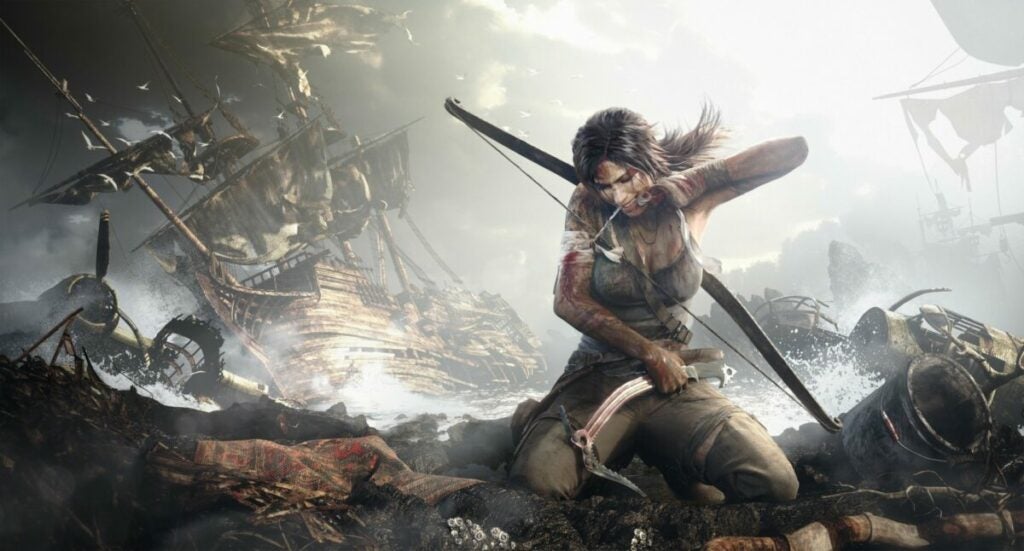
Historically, most video game protagonists have been male. When they have not been names, they have been coded with masculine traits. Aliens or monsters or entities with deep voices, relatively square in appearance and given to violence. Even when they have been female, they have shared male traits – violent, lethal and with a quip always on their lips. Lara Croft may be a great female character, but the problem is that she’s a woman coded with the traits befitting a man; she’s exactly like all the other protagonists of the era, but sexy. Where male protagonists didn’t need to be sexy and yes it is Lara’s main attribute.
That means that boys have a mirror to look into and girls don’t. Or worse, the mirror they have is broken and distorted. Or worse, the mirror they do have is broken and distorted. They have manly figures to imitate, for better or worse, and they have either passive objects to be rescued or coded male protagonists, which if imitated would be considered “unfeminine and unacceptable” behavior. In other words, since the second half of the 90s, the space of interest for women in video games has been greatly reduced.
What is the point of having female protagonists? So that girls can have mirrors in which to look at themselves. Examples they can identify with. To prove that women can be strong, funny, intelligent, cultured, good, sweet, candid, but also evil, cruel, brutal, ironic, weak, or any other positive or negative trait, as men can be. That’s what having more female protagonists is for. Or black. Or Asians. Or gay. Or trans. So that people can relate and can know that their life, what they are, is something normal, not an anomaly, where the protagonist is always a middle-aged white man with a square jaw.
Why can’t a female character be sexy?
That brings us to answer the last question, why aren’t female characters sexy by default anymore? But at this point the answer is easier by asking the reverse question, why aren’t male characters sexy by default?
If today’s female lead characters are not necessarily attractive to the average heterosexual male’s canons of beauty, it is because they are not there to be attractive. Neither have male lead characters ever been. They are there for people to project themselves onto them, to feel represented and to conceive of themselves as an ideal to aspire to. Can that ideal be one of beauty? Yes, but it doesn’t have to be. The classic hypermuscled male protagonist, unlike what many men believe, is not an ideal of beauty, but a fantasy of power. By the same token, female lead characters don’t have to be sexy. Or spectacularly beautiful. They have to be aspirational for a female audience. Something where the male perspective counts less than how women perceive it.
A protagonist character is, practically always, aspirational. That’s why they can have attributes other than physical attractiveness to create a connection with the player. If this can be understood with male characters, it is not difficult to understand why the same happens with female characters. And while it is true that we can empathize with characters regardless of gender, it is no less true that, living in a society divided by gender, it is easier to do so with those of our own identity.
Brief conclusions (or why it’s good to have female protagonists)
That’s why it’s important to understand why video games need female protagonists. They are half of the players. They need role models. They need to see themselves represented just as men do. In the same terms. It’s not hard to understand and, when you remove the veil of misunderstanding, it’s easy to see: they need that space too.
Those who are unable to understand this are people who refuse to understand anything that escapes their perception of reality. People who want to believe a very specific account of reality, where they are the heroes or the victims of some sort of conspiracy. The reality is that when there are more and more female protagonist characters and more women are declaring themselves gamers it is not because of any kind of political struggle or attempt to appropriate something that is not theirs, but because of something much simpler: because there is a group of people who want to feel represented and are willing to make an effort to achieve it. There are no conspiracies. It’s not an attempt to erase men or women as men like them. It is simply a matter of fairness. But to understand what is justice, you first have to want to listen to how others feel, not just what suits us.
Some of the links added in the article are part of affiliate campaigns and may represent benefits for Softonic.