Google declares war on the TV guide

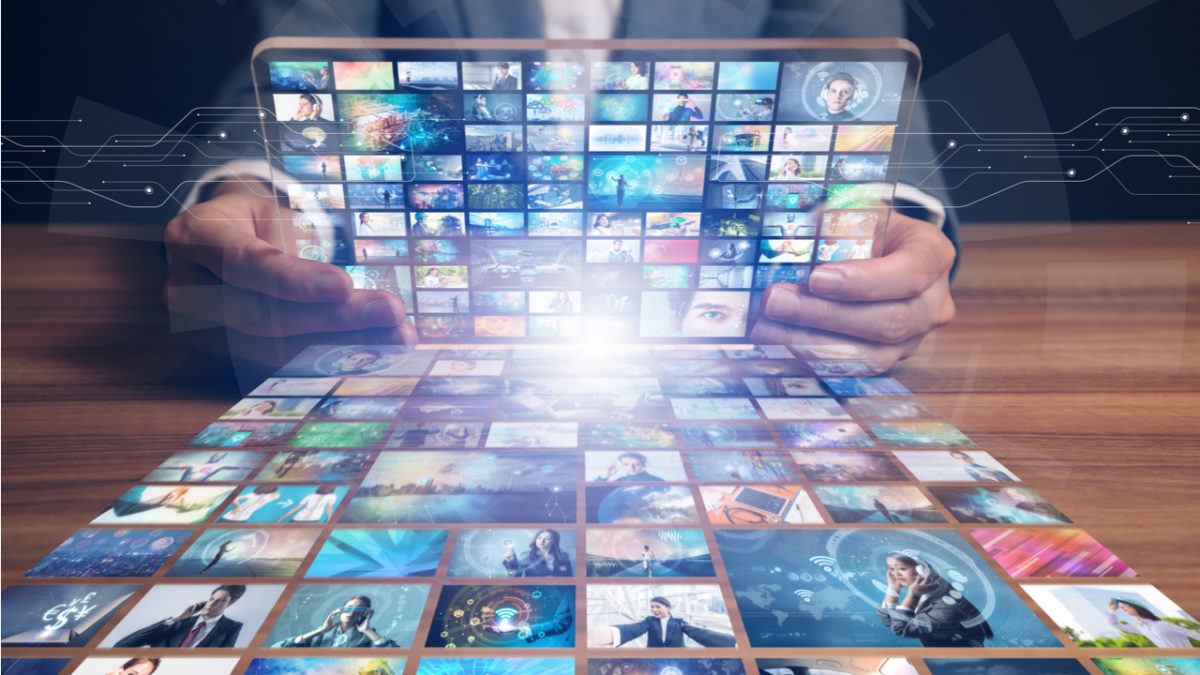
Google is working on a way to help you know what each streaming service is showing.

streaming video

TV is changing. For years, instead of just watching what the TV networks have been serving up, we’ve been able to turn to the internet to find other options. Subsequently, the internet has created a host of big new players in TV, like Netflix, Hulu, and Amazon, while giving us much more choice when it comes to what we watch.

With more choice, however, comes the issue of keeping up to date with what you have to choose from. The old school TV guide can no longer keep up with the huge internet libraries of movies and TV shows we now have competing for our hard-earned dollars. There is, however, a technology firm out there that thinks it is up to this gargantuan task. That firm is Google.

Google is working on a way to help you know what each streaming service is showing

It can be very difficult keeping up to date with what the likes of Netflix are showing this month and what they’ll be showing next month. The contracts that give them access to shows are very complicated and expensive things, which means the rosters of all the streaming services are fluctuating all the time. Even, if you stuck to just one streaming service, it would be hard keeping on top of what you can watch in one country but can’t in another.
To keep on top of all this you either have to subscribe to the press releases from the streaming services themselves or closely monitor social media for updates from trusted sources. The first option offers some dry reading and the second offers a whole world of potential distractions. Both are problematic and offer no guarantee that you’ll successfully stay on top of what you can watch where.
According to the guys over at Quartz, Google is working on a way to make this whole process easier and much less problematic. The report says that a new feature is being tested that will add streaming options to the search results for TV show and movie-related search queries. For a while now, typing something like “Romantic comedy” into Google will open up Google’s movie search box that offers all sorts of useful information about rom-coms.

A Google spokesman tells Quartz, “We’re always experimenting with new ways to help people find relevant information through Search.” Google replied to a question from Quartz after the feature had been spotted while they were running the test. The spokesperson also added, however, that there was nothing to announce at the time.

If this feature does roll out to everybody, it will give us all a new and easy way of seeing what streaming services are showing the content we are searching for. This won’t, however, be a golden bullet that will help us look objectively at what each streaming service offers so we can decide which to subscribe to.
Instagram gives you greater control over who sees your Stories

Instagram rolls out ‘close friends’ so that you can share your Stories with smaller groups

beach selfie

Instagram, like all social networks, is a digital place for getting together with friends. Like all social networks, however, Instagram is a place where we’ve all built up networks of people that aren’t our actual friends. We can find ourselves sharing our posts with people we barely know. For people who value their privacy, this is a real problem and for months Instagram has been working on a solution to this problem, a solution called ‘favorites.’ Now, after over 18 months of testing, the hip social network is ready to roll out the feature to everybody.

Instagram Download Instagram
7

Instagram rolls out ‘close friends’ so that you can share your Stories with smaller groups

The new feature will only be limited to Instagram Stories. This means that anything you post to your profile will still be shared with everybody. Instagram hopes that the new limited groups of close friends will encourage users to share more.

Instagram update close friends for Stories
Image via: Instagram

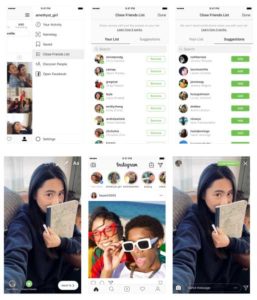
When you post your Stories, you’ll be given an option to create a list of close friends that represent your inner circle. Instagram will suggest friends based on your prior interactions but ultimately, it’ll be up to you who you add to your list. According to Instagram, during the testing phase, people usually added around two dozen people to their list.

How to use Instagram close friends

When you’ve created an Instagram Story you want to share, you’ll notice a green circle with a white star on it. Clicking it will bring you to the “close friends” list where you can decide who will and won’t make the cut. As well as the friends Instagram suggests, you’ll also be able to search for friends using a search box. When you’ve completed your list of close friends, you’ll then be able to share your Stories exclusively with them by clicking the green circle before you hit share.

From the other end, whenever your friends receive a Story that has only been shared with close friends, they’ll see a green ring around the Story as it sits in the tray at the top of their feed. This means whenever you see a Story with a green ring instead of the typical pink ring, you will know that it is something personal that has come from a close friend. Other than the green ring, your close friends will receive no notifications telling them whether they’ve been added to or removed from your close friends list. This is because Instagram wanted to make sure there was no social stigma attached to the process of adding or removing friends from your list. (Shout out to memories of the MySpace Top 8.)

This is a positive move from Instagram that should encourage people to share more via Instagram Stories. As our Followers lists grow and we add more and more transient acquaintances to our social networks we become less and less likely to be as open. Adding close friends takes social networks back towards one of their main original purposes. Putting us in closer contact with the people we care about the most.


YouTube has some excellent news for students

YouTube Music and YouTube Premium now have special student pricing plans

youtube music

Earlier this year, YouTube launched the paid subscription YouTube Music and YouTube Premium services in 17 countries around the world. YouTube Music is a Spotify-like experience that gives users access to hundreds of thousands of songs as well as YouTube’s impressive algorithms for sharing up new music it thinks you will like. YouTube Premium, as the name suggests, offers a subscribers an ad-free experience, the ability to download videos, and to gain access to YouTube Originals content.

Both services come at a cost though, with YouTube Music costing $9.99 a month and YouTube Premium coming in $11.99 a month. It is worth noting though, that YouTube Premium subscribers get full access to the YouTube Music service, too. If the thought of shelling out at least $10 a month on a YouTube subscription sounds a bit too rich for your blood, then we might have some good news for you. That is, if you are an officially registered student.

The student prices for both services offer heavy discounts against the full prices. For YouTube Music, students will gain full access for only $4.99 a month, which represents a massive 50% discount. Students will be able to access YouTube Premium for only $6.99 a month. If they manage to sign up before January 13, 2019, though, they’ll be able to get a YouTube Premium subscription at an extra discounted price of $5.99 a month. For full details on the student pricing click here.

Now before you go running off to sign up to a free course at the local community college, you need to realize that it doesn’t quite work like that. To be eligible for the student pricing plans you need to be a full-time student at an accredited college or university in the United States. (Sorry, rest-of-the-planet.) YouTube, however, has said that it does plan on introducing student pricing in other countries but is yet to announce when exactly it will do so.

Both programs are the latest in a long line of attempts by YouTube to muscle in on the paid subscription service market. YouTube Music pits it against the likes of Spotify, Apple Music, and Deezer while YouTube Premium should eventually see it competing with the likes of Netflix.

Content is king in these markets though, so before YouTube can start competing with Netflix and Amazon Prime it will have to start adding some compelling content to its roster.

In the meantime, what do you think about having the ability to download YouTube videos so that you can watch them offline. Is that something you think is worth paying for? Let us know in the comments below.

WhatsApp’s latest update could get you in trouble

WhatsApp will soon enable video previews in push notifications

whatsapp multimedia notifications

Back in July, we told you that WhatsApp was going to completely overhaul its notification system. WhatsApp notifications will begin to include the media from the messages they are notifying you about. If a message contains an image, then you’ll be able to view and download the image right there in the notification tray. We’re still waiting for a wider roll-out of the new notification system, but we’ve since learned that when it comes, it may contain a little added spice on top of what we first thought we were going to get.

WhatsApp Messenger Download WhatsApp ►
8

WhatsApp will soon enable video previews in push notifications

This news comes courtesy of the guys over at WABetaInfo. They reported via Tweet that some users have started to notice videos, from the messages they’re receiving, playing in their notification tray. What is interesting about the users talking about this is that they are not users of the WhatsApp beta, they are regular users. It looks like WhatsApp has begun rolling out this new feature to regular users. With no official word from WhatsApp, however, we’ll just have to wait and see how this unfolds over the next few days.

Once this update hits your device, it means that images and even videos will be visible on your lock screen!

Playing videos automatically on the lock screen and in the devices notification tray definitely opens up a number of privacy issues. If a device is left unattended or if the person using it is in a crowded environment, then there won’t be much stopping other people from seeing the videos playing in the user’s notifications. According to the reports, the previews don’t play the whole video, but there could still be enough on display to cause embarrassment or, even worse, some sort of security issue.

For people worried about scenarios like the ones we’ve described above, you’ll be glad to know that you’ll have the option to turn off the feature. Once we’ve received the update, we’ll make sure we post a tutorial on how to prevent images and videos showing up on your lock screen and in your notification tray. To make sure you don’t miss out on that, pop your email address in the box at the bottom of the page to receive our regular email updates.

This is just the latest of a number of new WhatsApp features on the horizon. Soon, we can also expect to see a new search function for WhatsApp Stickers, an updated contact sharing feature, and WhatsApp has even extended its iOS beta testing program.

Make sure you stick with us for all the latest WhatsApp related breaking news.

Facebook Watch Party feature is available now

Facebook Watch Party is now available to everyone.

facebook watch party

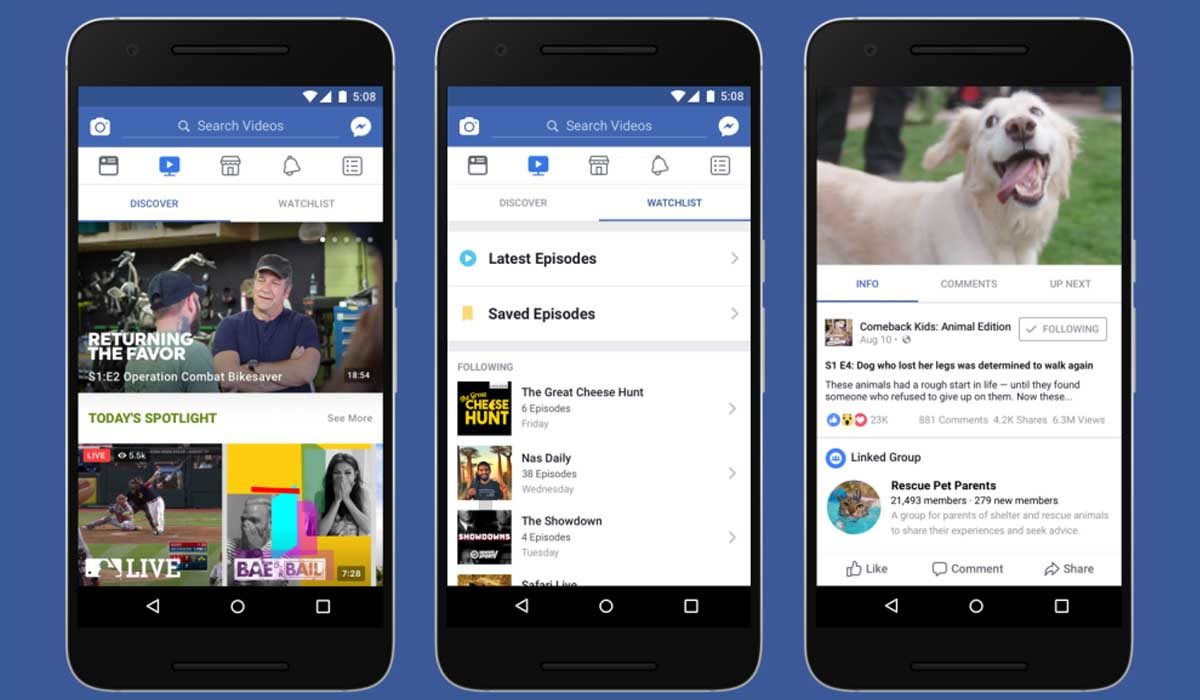
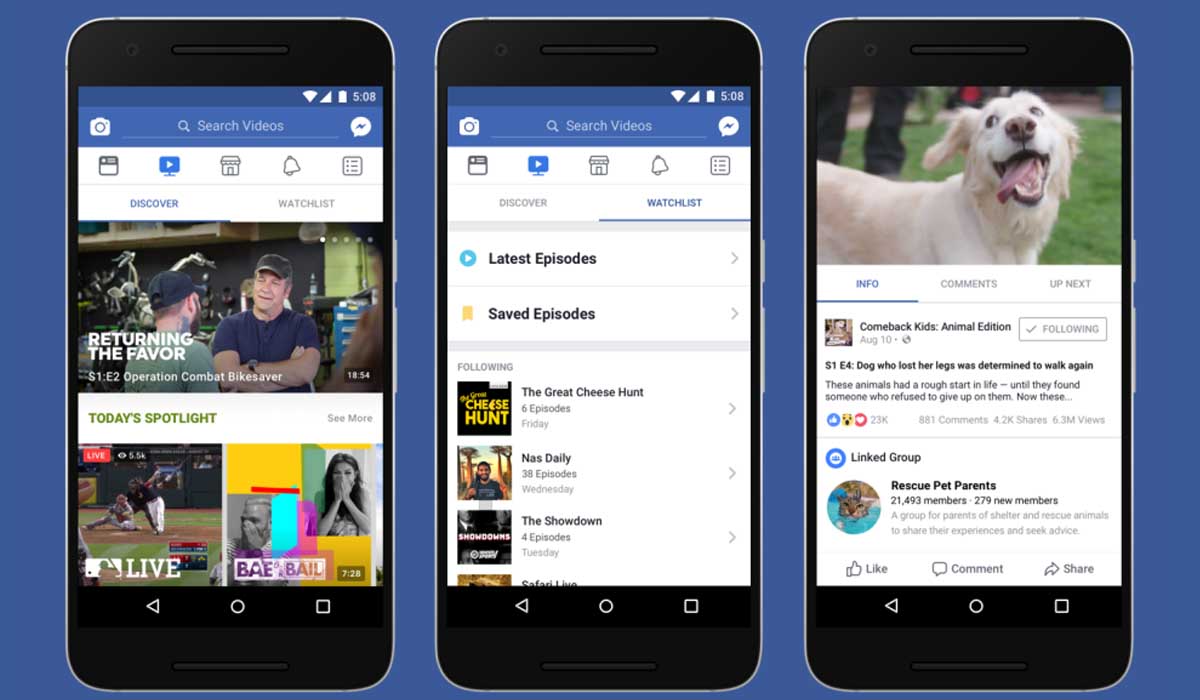
Facebook’s Watch Party feature came to the social network earlier this year. The roll-out of Watch Party, however, which allows users to watch videos from Facebook Watch alongside their other Facebook friends was limited to Groups. You could only watch Facebook videos with friends you were in groups with. This has now changed.

Facebook Access Facebook
7

Facebook Watch Party is now available to everyone

Watch Party is supposed to be one of Facebook’s ways of promoting an active social media experience centered around making human connections. With more data becoming available highlighting the damage that too much social media can do to a person, Facebook has been keen to show that there are healthy ways of spending many hours on a social network. If you’re making active contributions to the network and connecting with other members then this can be a positive experience. The science backing up Facebook’s claim is patchy, to say the least, but Watch Party is one of the ways that Facebook is trying to foster more active interactions among its users.

Facebook has now announced the wider roll-out of Facebook Watch Party to all users:

“Today we’re launching Watch Party to all Pages and people on Facebook, the next milestone in our journey to build social, interactive experiences around video on Facebook. Watch Party enables people, creators, and publishers to watch, discuss and react to playlists of videos together in real time, in a shared space.”

According to Facebook, over 12 million Watch Parties have been initiated in Groups since the feature launched in January. This has helped create eight times as many comments on Watch Party videos than on non-live videos in Groups.

On top of the wider roll-out, Facebook has also announced a few improved features to help foster interactions between party members. These include threaded comments, which will give viewers the ability to have conversations in the comments while also being able to continue commenting live on the video. Other key features include hosts being able to schedule Watch Parties in advance and even be able to commentate over the video as it playing.

All of this means that from today Facebook Watch Parties will be available on all Facebook pages and profiles all around the world. As ever with such large roll-outs, however, these things take time. If you still haven’t received the feature on your profile don’t worry, it is on the way.

We’re eager to learn how Facebook users have been taking advantage of the Watch Party feature and how you plan to use it in the future. If you’ve taken part in a Facebook Watch Party, we’d love to hear about your experience in the comments below.

If you miss Vine, you’ll love byte

Don Hoffman, co-founder of Vine has announced byte, a follow up to Vine that will launch in spring 2019

6 second videos with byte

One of the main criticisms thrown at the internet is that it is constantly distracting us. We’re now distant introverts constantly trying our hardest to not check our phones for notifications, no matter the social situation we are in. One of the main culprits in the destruction of our attention span is Vine. Its six-second looping video format meant we could be genuinely entertained in less time than it takes most of us to finish a sentence. Vine didn’t last. But you can’t keep a phenomenon down.

Don Hoffman, co-founder of Vine,  announced byte, a follow up to Vine that will launch in spring 2019

Vine was originally founded by Dom Hoffman, Rus Yusupov, and Colin Kroll back in June 2012. Twitter bought Vine before its official launch but competition from the likes of Instagram, Snapchat, and other more traditional video platforms like YouTube led Twitter to stop new videos from being uploaded in 2016. Yusuprov and Kroll went on to found the now-famous interactive game show app HQ Trivia, but Hoffman stated that he was working on a Vine V2 app that wouldn’t be affiliated with Twitter.

It looked as though Hoffman’s project wasn’t going to see the light of day though, when he posted on the V2 community forums that the project was being indefinitely postponed, citing “financial and legal hurdles.” This all changed just a couple of days ago, when Hoffman tweeted that he would be launching a new looping video app called byte in Spring 2019. We’ll have to wait to find out more details about byte, but if it will be based on Hoffman’s published plans for V2, it should be a place for publishing videos between two to six-and-a-half seconds.

The short length of Vine videos forced users to be creative in ways never seen before. Vine might have helped shave minutes off of our attention spans, but it did it bring something fresh to the internet. When Twitter choked off new uploads, it left a hole that needed filling. Hopefully, when byte launches next Spring, we’ll start to see a whole raft of new creators rising to internet stardom.

To find out more about byte you can head over to www.byte.co and sign up for updates. If you’d like updates about all your favorite apps and programs, sign up to our newsletter by entering your email address in the form below.

Some of our favorite Vine creators

ProZD

Thomas Sanders

David Lopez

Will Disney’s new streaming service kill Netflix?

Disney+ will launch in the US sometime in “Late 2019”

It has been on the cards for a while now, but it seems as though the single biggest  existential threat to streaming services like Netflix is officially on the horizon. In a recent earnings call at Disney, CEO Bob Iger had some very interesting news to report about Disney’s long-rumored streaming service.

Disney+ will launch in the US sometime in “Late 2019”

Disney first announced back in the summer of 2017 that it would be launching its very own streaming service to rival  Netflix. Since then, however, news on the service itself has been slow. The only real info we knew was that Disney will be pulling its movies from other streaming services. This includes all Disney and Pixar movies but also films and TV shows from the Star Wars and Marvel cinematic universes.

If you’re a Marvel fan who subscribes to Netflix, you’ll be sad to know that “Ant-Man and The Wasp” will be the final movie coming to the streaming service. Other draws to the new Disney+ service will be the “Captain Marvel” movie coming next year and the eagerly awaited finale to “Avengers: Infinity War,” which still doesn’t have a title. For the binge watchers out there, there is also an upcoming live-action Marvel series that will see Tom Hiddleston back on screen as the god of mischief, Loki.

The other major Disney property that Netflix is losing out on is, of course, “Star Wars.” Although Disney put a halt on its series of standalone “Star Wars” character movies after the mild box office response to “Solo,” it has been pushing ahead with the production of new TV shows based in the “Star Wars” universe.

Jon Favreau is currently deep into production of “The Mandalorian,” a show named after a character somehow related to the infamous bounty hunter, Boba Fett, and Diego Luna is set to reprise his role as Cassian Andor in a series following his exploits pre-Rogue One. Both series will now be Disney+ exclusives.

There is no news yet about pricing of the Disney+ service but you can sign up here to receive updates from Disney.

In worse news for Netflix, Disney is also planning a huge expansion of Hulu.
Disney owns 60 percent of Hulu, thanks to its acquisition of 21st Century Fox. In the same call mentioned above, Iger talked about pumping more money into Hulu’s content production budget, which is currently less than half that of Netflix, and possibly looking at making prices more competitive as Disney considers an international expansion of the service.

There is no doubt that Netflix has quickly established itself as the king of all the streaming services. It currently spends about $8 billion a year on creating Netflix exclusive shows and movies and many have gone on to become both fan favorites and critical darlings. With Disney coming at it from two different directions, however, Netflix is going to be put under some serious strain in 2019. This could get interesting.

There is good news and bad news for Nintendo fans

There is a new YouTube app for the Nintendo Switch but all streaming services on the Nintendo Wii will close on January 31 2019

new youtube app nintendo switch

If you’re a big fan of Nintendo and you like watching video on your Nintendo devices then there is some good news and bad news coming your way. Nintendo is simultaneously opening new ways of streaming video and closing down established ways of watching videos on its consoles.

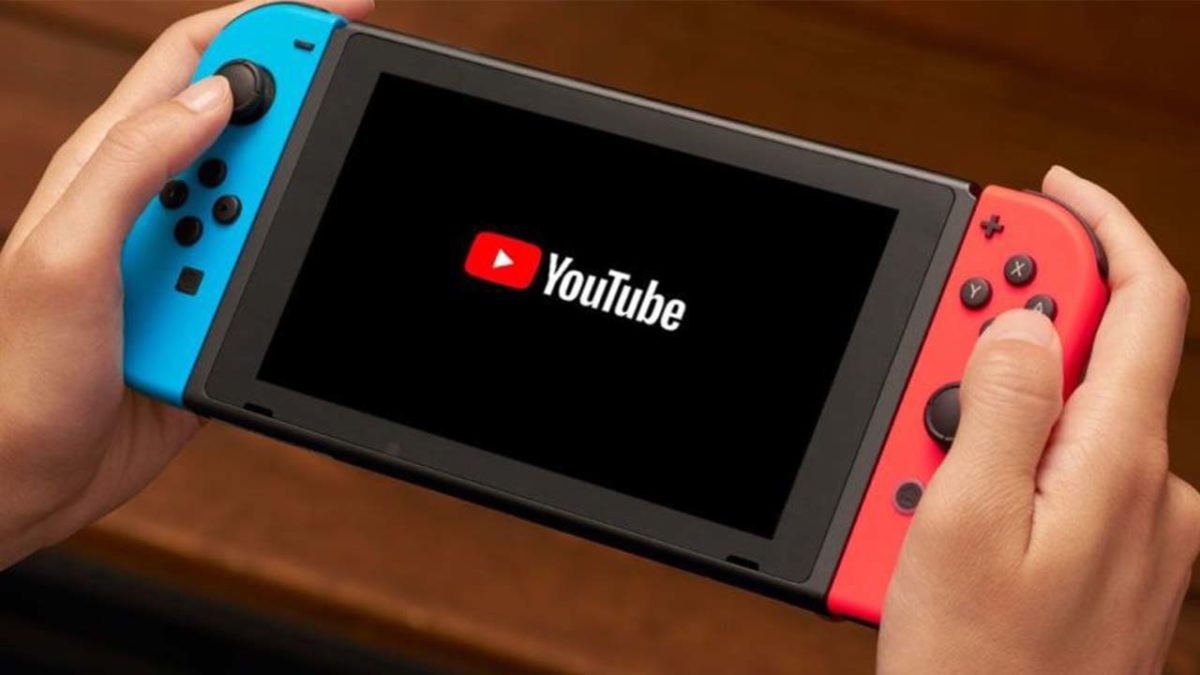
There is a new YouTube app for the Nintendo Switch but all streaming services on the Nintendo Wii will close on January 31, 2019

Streaming video and your portable Nintendo Switch seems like a match made in heaven. In that respect, it is somewhat of a surprise that it has taken Nintendo so long to release a YouTube app for the Switch. Well, at long last, it is here and is free for all users.

The YouTube on Switch app has been optimized for use on Nintendo’s handheld console. It can be controlled via the Switch’s touchscreen and can even show 360-degree videos with the viewing angle being controlled by the left joystick. The app will also be useful both at home and while on the road. Content can be downloaded for later consumption and, if the Switch is docked, can also be watched on your TV.

The new YouTube app is available now in the Switch app store.

Soon, however, the Switch will be one of a shrinking number of ways owners of Nintendo consoles can stream video on their Nintendo devices. According to an email sent out by Netflix, Nintendo is putting an end to all video streaming services on the Nintendo Wii at the end of January next year. That means come February 1, 2019, streaming video will only be possible on the Nintendo Switch, the unpopular Wii U, and the handheld 2DS and 3DS devices.

“Unfortunately, Nintendo will suspend all video streaming services on Wii—including the Netflix Channel—after January 31, 2019.”

The Netflix email states that it won’t just be Netflix that is pulled from the Nintendo Wii. There is a clear indication that all services will be pulled including Amazon Prime and Hulu.

This is bad news for Nintendo owners as streaming is yet to take off on the Switch, despite the new YouTube app. When it first shipped, there were no streaming options, although Hulu was added not too long after launch. With YouTube there are now just two video streaming options on the Switch, even though it seems like the perfect device for consuming video. Perhaps with the announcement about the pulling of streaming services from the Wii, we can expect to see some news about services like Netflix and Amazon Prime coming to the Switch too. We’ll just have to wait and see.

If you want Photoshop for free, you’ll love this news from Google

Google Chrome Labs has just launched a brand-new browser-based image optimization tool that is completely free to use

Adobe Photoshop is the holy grail for all budding digital graphic designers and image manipulators. At Softonic, we get lots of people trying to find out how to download Photoshop for free or even looking for free alternatives to Photoshop. The good news is that there are a lot of great alternatives out there and there is even better news from Google.

Google Chrome Labs has just launched a brand-new browser-based image optimization tool that is completely free to use

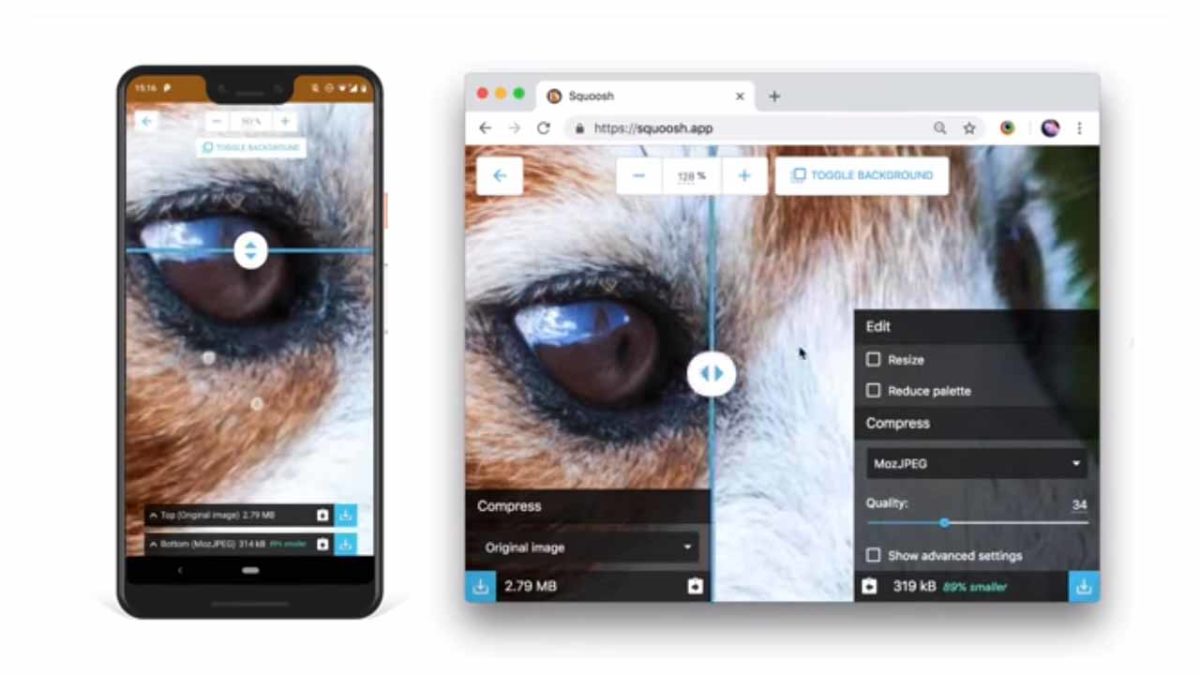
Squoosh, as the new piece of software is called, is designed to help users convert and optimize images for use across a variety of digital platforms. It runs entirely within your web browser, using the many capabilities that modern browsers now have built-in. Once it has been loaded into the browser, Squoosh doesn’t need access to the internet, meaning the image optimization and manipulation can take place offline.

Surprisingly, although Google obviously recommends using Squoosh on Google Chrome, it will work with all modern browsers on both desktop and mobile.

Squoosh isn’t a direct competitor to Photoshop, but it does offer enough options to fulfill the needs of many amateur designers who need a simple tool to help them play around with their images. Squoosh can resize pictures and photos, manipulate the color palette, and even offers options like image dithering, and smoothing and sampling. There will be different editing capabilities available depending on the selected output format of which Squoosh offers quite a lot of options. As well as common file formats like JPG and PNG there are also options like OptiPNG, MozJPG, and WebP.

With Squoosh being a browser-based image editor tasked with getting images ready for the web, compression is a big part of its skillset. Previews of changes are readily available and there is even a slider for seeing the changes in real time as you pull it across the image. Users will even be able to see what the file size of the new image will be once all of the changes made will have been implemented.

If you think you might like to give Squoosh a try, all you have to do is head over to squoosh.app. Once the page has loaded, you’ll be able to edit your images even if you lose your connection to the internet. If you think you might need something a bit more powerful than Squoosh, or if you know what your specific image editing needs are, you might want to check out our guide to all best Photoshop alternatives below.

Netflix for less than half price! What’s the catch?

Netflix is testing a $4 mobile only subscription

Since Netflix first burst onto the scene it has revolutionized our free time. We can now watch a film or series on our TV or PC at home and then, if we’re in a hurry to be somewhere, continuing watching it on our phones as we travel to where we need to be. This isn’t the case in other parts of the world, however, and now Netflix is trying to appeal to users who don’t have a TV or PC at home.

Netflix Download Now
8

Netflix is testing a $4 mobile only subscription in Malaysia

This move doesn’t just make sense in countries where not many people have PCs or smart TVs, but it is telling that Netflix has chosen one such country to test the new feature. There is a big difference between watching a movie on a big screen compared to watching on your smartphone. A full price subscription for people only watching on mobile devices seems a bit steep and could price people out of a Netflix subscription. The new cheaper mobile only package could open new markets around the world for Netflix to exploit. At home, there could well be plenty of people interested in signing up to only watch Netflix on their mobiles while saving some money in the process. There is a catch, though.

According to the Malaysian Star, which first reported on the test, the mobile only plan will offer unlimited access to all of the movies and TV shows available on Netflix in your region. The subscription will only cover a single device, which must be a mobile phone or a tablet. The biggest restriction, however, for the mobile-only plan is that all content will only be available in SD (standard definition) with HD streams only being available on the more expensive Standard or Premium plans.

Image via: Malaysian Star

As well as the mobile-only plan, Netflix is also testing an SD-only plan for a laptop. This plan again only covers one device but is significantly cheaper than the standard subscription model. According to the test, the price for the SD only service in Malaysia is around $7.99 whereas the standard subscription comes in at around $10.49.

The report in the Malaysian Star makes no mention of an international rollout of the two new tiers. If the test is successful, there is no reason to believe it won’t be rolled out across the world as Netflix aims to scoop up more users. The SD-only versions of Netflix content will prevent crafty users from figuring out a way to stream their mobile only subscriptions to bigger screens.