That time when Nintendo licensed Mario to make absolutely terrible computer games

The original ‘Super Mario Bros’ for NES ended up on Atari, Spectrum, Amstrad, and Commodore 64 in frankly worse but unique versions, considering what we’ve seen.

It is Nintendo’s mascot, and it is impossible to imagine it outside of Switch, Nintendo DS or GameCube, but for a while, the Japanese company decided that its character could also be exported to other platforms. Just look at the ‘Super Mario Bros’ from NES that ended up on Atari, Spectrum, Armstrad and Commodore 64 in versions that were frankly worse but unique, as seen. But the big N not only licensed games: in addition, Mario himself starred in exclusive adventures for PC and CD-i. And the results were disastrous.

Nintendo Switch Online DOWNLOAD

Mario teaches you

It was 1993, and educational games were a business in themselves, even though it’s hard to believe now. That’s why Nintendo America decided that their characters could appear in a few games, just to see what happened. Thus, The Software Toolworks first released ‘Mario is missing!’, a kind of ‘Where in the World is Carmen Sandiego?’ in which Miyamoto had no say. In Nintendo Japan, it didn’t sit well because they believed it could be confused with a “real” game of the character.

The idea was that this ‘Mario is missing!’, starring Luigi, would not pose any kind of challenge and was intended, as is, for young children. It was a relative success, and it started a new series of games that, after going through the PC, Nintendo brought to its own consoles: ‘Mario’s time machine’ taught about different periods of history, ‘Mario’s Early Years’ were three games for preschoolers, ‘Mario Teaches Typing’ was designed to learn typing (and was a resounding success)…

‘Mario’s Game Gallery’ was already far from what Nintendo wanted to do with the character, and it was a compilation of classic board games (checkers, dominoes, etc.) with the excuse of having beloved characters there. Nobody liked it too much, and the Japanese company began to distance itself from this type of concessions. It was 1995 and Mario stopped appearing in formats other than Nintendo’s own.

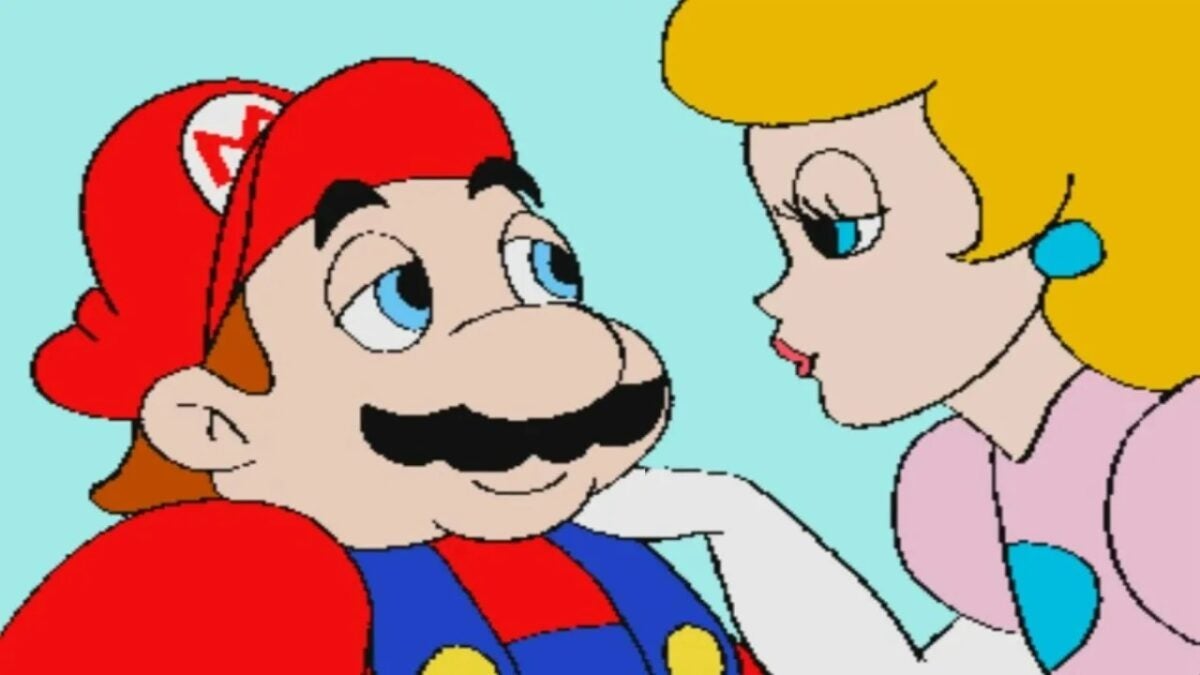
Helped, of course, the reception of the live-action movie ‘Super Mario Bros’: no matter how much money they could make, if the character wasn’t treated correctly, what was the point? Bread for today and hunger for tomorrow. Another game would still come, this time for the failed Phillips CD-i console (which you may know from the Zelda games that became a meme): the infamous ‘Hotel Mario’.

Although apparently Miyamoto and company ended up approving this game, shortly after, and due to the console’s poor success, two others were canceled: ‘Super Mario’s Wacky Worlds’, which was going to be a platformer in the style of the classic saga, and ‘Mario Takes America’, which, luckily, we never got to see. So you know: the next time you control the Italian plumber, think that, as bad as the game may be… it could always have been worse. Mamma mia!

Nintendo Switch Online DOWNLOAD

This movie destined to fail has ended up being a box office success

This film destined to fail ended up being a success at the box office, proving that video games work very well in the cinema.

It’s always said that film adaptations of video games aren’t successful. Not only are they considered cinematic disasters with low quality, but they also fail to draw audiences to theaters. However, this year both Mario and Sonic have proven this notion wrong. Yet, many might argue that they still need to show they can sell outside the family market. For those individuals, there’s news that will disappoint them greatly. Because the surprise hit of the year is a horror movie adapting a video game.

Five Nights at Freddy's DOWNLOAD

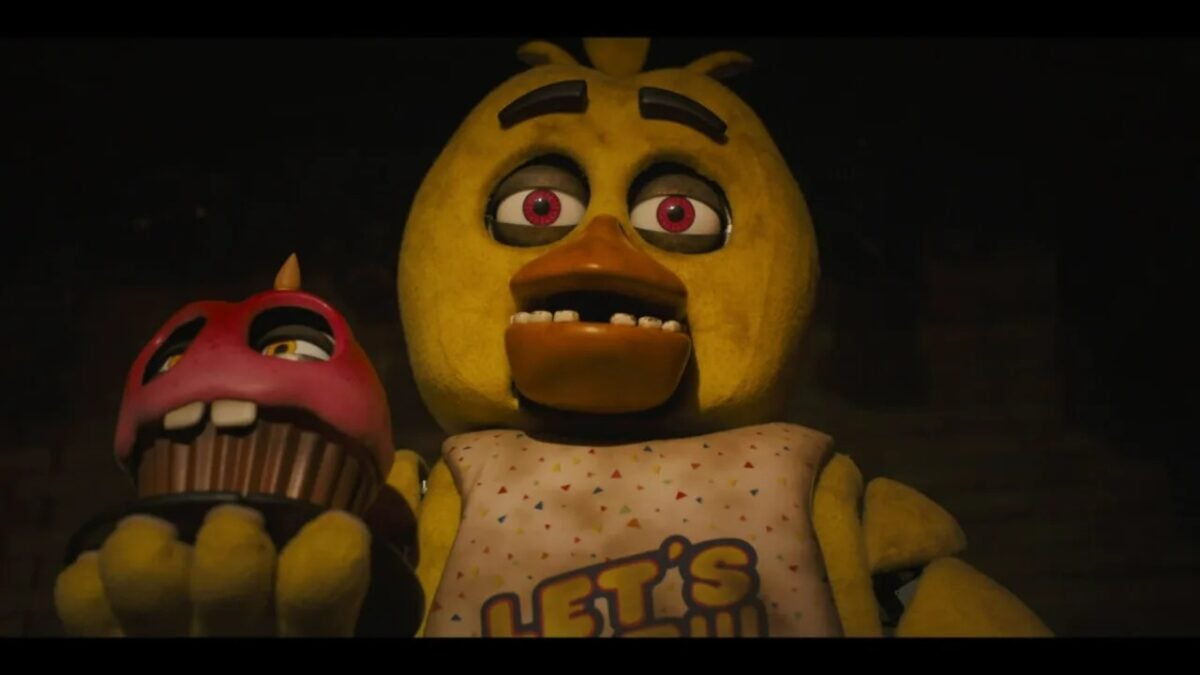
Five Nights at Freddy’s, the incredibly popular horror video game franchise by Scott Cawthon, has not only been a tremendous box office success but has also become the biggest hit in the history of its production company, Blumhouse.

While its debut set a record in its opening weekend, it’s now solidified its position as Blumhouse’s most successful film. Specifically, Five Nights at Freddy’s has grossed around $136 million in the USA and nearly $147 million elsewhere globally, reaching a staggering total box office figure of approximately $283 million. This sum is astounding for a mid-budget production, surpassing the previous record of the studio held by M. Night Shyamalan’s Split, which grossed $278.4 million during its theatrical run.

These figures might seem relatively modest to those accustomed only to Disney and Warner’s numbers. However, they are anything but modest for an independent horror film production company like Blumhouse. Especially considering that Five Nights at Freddy’s cost just around twenty million dollars to make, turning out to be an absolutely lucrative venture.

Considering it’s still in theaters and has only just started selling in home formats in some markets, it’s expected that this figure will continue to grow over time. But what’s evident is that the era when video game movies didn’t sell is no longer ours.

Five Nights at Freddy's DOWNLOAD

Super Mario Bros. Wonder is Mario just as Miyamoto conceived him: with bites on the butt

Super Mario Bros. Wonder has made a significant change to Super Mario that has been over 30 years in the making, and it has to do with biting

Super Mario Bros. is a foundational game in many ways. Besides creating the basic principles of what a good platformer should be, it has given us iconic characters, incredibly recognizable tunes, and so many games that we can’t even remember them all anymore. None of that means Miyamoto has been able to do everything he wanted in Super Mario. Not until now. Because for years, one of Mario’s enemies hadn’t done what they were supposed to do: bite Mario.

Super Mario Bros. Wonder DOWNLOAD

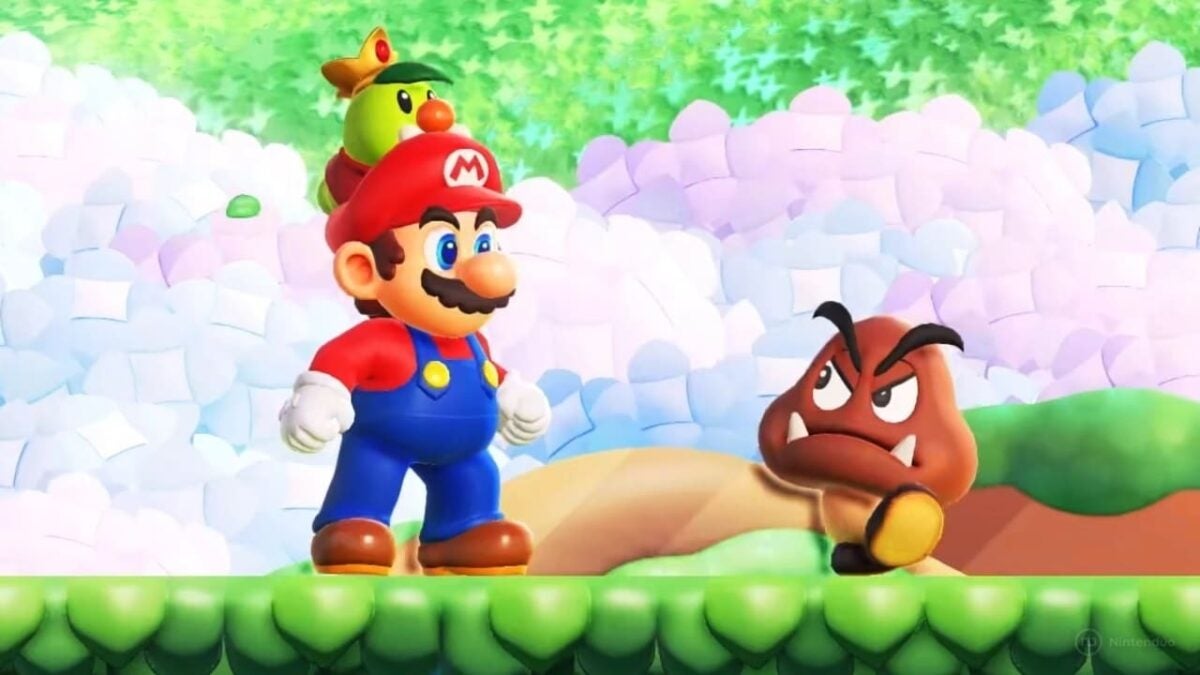
This might sound strange. But let’s put it into context. All of Mario’s enemies have always had a way of hurting us that was consistent with their design. Turtles used their shells. Spiked enemies used their spikes. Hammer Bros threw their tools at us, piranha plants tried to eat us, and Chain Chomps just wanted to know how we tasted. But what about the Goombas? Why did colliding with these basic, brown, oddly shaped enemies hurt us? Well, Super Mario Bros. Wonder has answered this question. They give us a bite.

This is something Masanobu Sato once learned from Miyamoto himself, who said that Mario takes damage after colliding with a Goomba because he is indeed harmed by it. Why haven’t we seen this until now? Initially due to technical limitations, but later out of habit. The original way of representing it was that upon collision, Mario would turn around, seemingly satisfied, implying that after the bite, the Goomba felt satiated.

All of this seemed very interesting to Sato, but not enough for Super Mario Bros. Wonder. That’s why he decided to add a new animation where, when a Goomba collides with our beloved plumber, Mario bites it and then immediately grins from ear to ear. Saito explains this in depth in a hilarious and incredibly interesting interview that will leave you even more eager to get your hands on this potential game of the year.

Super Mario Bros. Wonder DOWNLOAD