Takaya Imamura, the original creator of Star Fox, has stated that he prefers the designs of Fox in the Super Mario Galaxy movie over those in the new video game of the franchise. An opinion that has caused controversy and has been supported by many people, who believe that the new designs are quite ugly and questionable, not capturing the charm of the original designs. A man of fluctuating or complex opinions. That does not prevent him from declaring that he is tremendously proud that they are making a remake of his game, even thanking Miyamoto himself for it. But in what […]
Takaya Imamura, the original creator of Star Fox, has stated that he prefers the designs of Fox in the Super Mario Galaxy movie over the new video game in the franchise.An opinion that has caused controversy and has been supported by many people, who believe that the new designs are quite ugly and questionable. Not capturing the charm of the original designs.
A man of fluctuating or complex opinions
This does not prevent him from declaring that he is tremendously proud that they are making a remake of his game, even thanking Miyamoto himself for it. But regarding the designs, it seems he is among those who think they are not as good as they could be. Stating that “I guess this is what happens when I’m not supervising… or something along those lines. I think the concept is fine”, he does not fall into the category of those who hate the designs, but he has not shown much enthusiasm about them either.
Or so we thought. After his statements became news over the weekend, Imamura himself has come out to assert that “the character design of Star Fox on Switch 2 is exactly as I imagined it in my head in Star Fox 64”. This seems to contradict his previous statements.
From this point on, there are several possible interpretations of why this change in tone occurred. It is possible that someone at Nintendo scolded him and he had to come out to defend the designs, that nuances were lost in translation or in his expression of what he wanted to say, or simply that he finds the version of the movie cuter and they should have used that instead of the one he had in mind during the development of the original game.
What is clear is that the game is not leaving fans indifferent. Not even its original designer. But to know if the designs are good or not, we will still have to wait until next June 25, which is when Star Fox is released exclusively for Nintendo Switch 2.
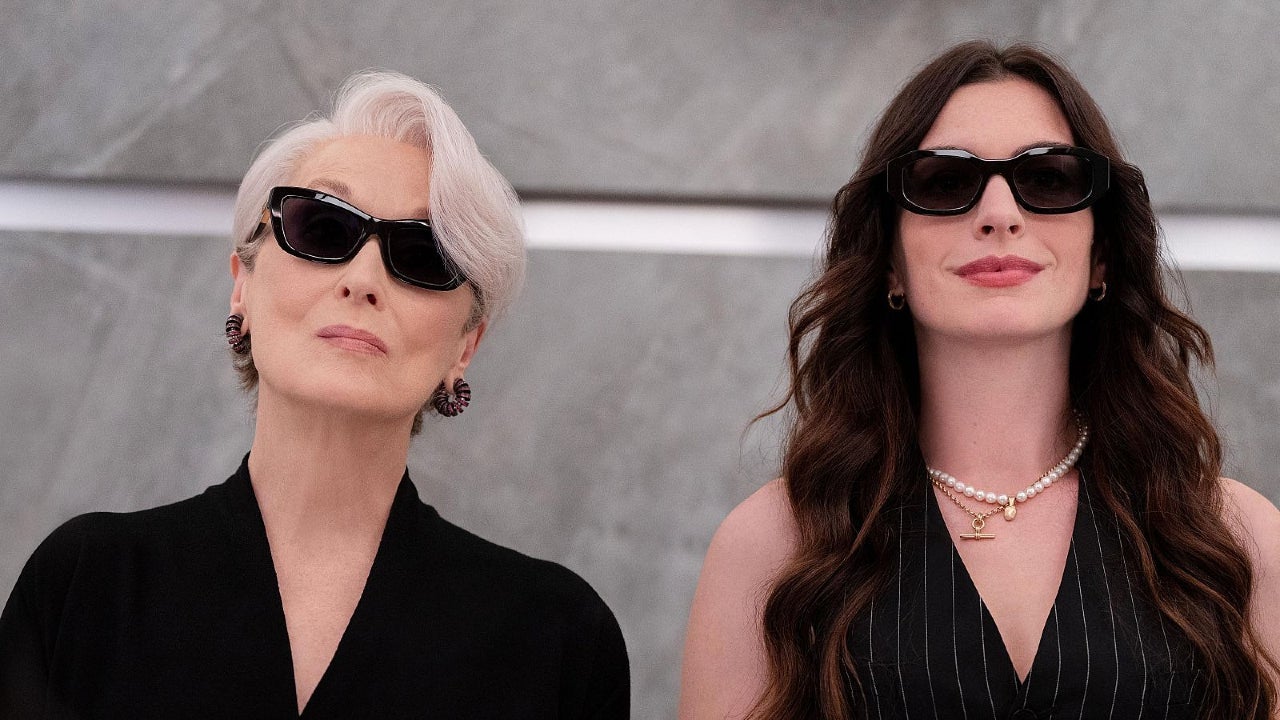
The weekend looks promising for 20th Century Studios, thanks to the successful release of The Devil Wears Prada 2, which managed to earn $32.5 million on its first day in 4,150 theaters across North America. This figure not only marks an excellent opening, but projections also indicate that the film could reach between $75 million and $80 million over the course of the weekend. A movie destined for success The sequel to the iconic fashion film, which has held a special place in pop culture since its release in 2006, is expected […]
The weekend looks promising for 20th Century Studios, thanks to the successful release of The Devil Wears Prada 2 which managed to earn $32.5 million on its first day in 4,150 theaters across North America. This figure not only marks an excellent opening, but projections also indicate that the film could reach between $75 million and $80 million over the course of the weekend.
A Movie Called to Success
The sequel to the iconic fashion movie, which has held a special place in pop culture since its release in 2006, is expected to spark interest among both film enthusiasts and fashion trend followers. The blend of comedy and drama, along with an appealing cast, contributes to theaters being filled with eager viewers wanting to return to this glamorous universe.
The initial reactions from the public and critics have been positive, leading analysts to anticipate a robust box office performance. Furthermore, according to internal statements, the company is pleased with the film’s results so far, suggesting confidence in its prolonged appeal and its ability to attract a diverse audience throughout the weekend.
This impressive box office start may also increase interest in fostering future productions in the universe of The Devil Wears Prada, as the enthusiasm generated through social media and the press can reflect the public’s desire for more content of this kind. Thus, it is possible that we will see more developments or even an expansion of related franchises, given the trend towards leveraging popular brands in the entertainment industry.
Shigeru Miyamoto, the renowned creator of iconic franchises like Mario, Donkey Kong, and The Legend of Zelda, recently commented on the controversial entry in the series, Zelda 2: Adventure of Link. In statements to the Swedish magazine Superplay in 2003, Miyamoto describes this title as a “failure” because it did not meet the expectations generated after the success of the first game. According to the creator, the RPG experience adopted in Zelda 2, by differing from the original style, was the result of development by another team, noting that his original idea did not translate into a game […]
Shigeru Miyamoto, the renowned creator of iconic franchises such as Mario, Donkey Kong, and The Legend of Zelda, recently commented on the controversial entry in the series, Zelda 2: Adventure of Link. In statements to the Swedish magazine Superplay in 2003, Miyamoto describes this title as a “failure” because it did not meet the expectations generated after the success of the first game.
According to the creator, the RPG experience adopted in Zelda 2, which differs from the original style, was the result of development by another team, noting that their original idea did not translate into a successful game.
Zelda 2 does not have the approval seal of its creator
Miyamoto emphasizes that, after the lukewarm reception of Zelda 2, the development team was driven to return to the roots of the series. This return led to the creation of what he considers the true sequel: A Link to the Past. This title managed to encapsulate the spirit of the original and is, in turn, considered one of the best in the franchise.
Miyamoto mentions that A Link to the Past not only rescues the style of Zelda, but also lays the groundwork for future successes like Ocarina of Time and Breath of the Wild.
Additionally, in the context of the 40th anniversary of The Legend of Zelda, creators from other franchises, such as Monster Hunter and Pragmata, have praised the series, recognizing it as an inexhaustible source of inspiration for developers around the world.
In an environment where the evolution of video games is constant, the lessons learned from the “failure” of Zelda 2, according to Miyamoto, were fundamental for the series to recover and create titles that have left an indelible mark on the industry.
Nintendo has been in the spotlight recently due to the revelation of a secret document detailing the timeline of the famous saga The Legend of Zelda. However, Shigeru Miyamoto, one of the most iconic figures of the company, has emphasized that the narrative is not the most crucial aspect in the development of these video games. In a 2003 interview, Miyamoto stated that while there is an extensive document explaining how the games connect to each other, the most important thing is the player’s experience and gameplay. What matters are the games The [&hellip]
Nintendo has been in the spotlight recently due to the revelation of a secret document detailing the timeline of the renowned saga The Legend of Zelda. However, Shigeru Miyamoto, one of the most iconic figures of the company, has emphasized that the narrative is not the most crucial aspect in the development of these video games. In a 2003 interview, Miyamoto stated that while there is an extensive document explaining how the games connect with each other, the most important thing is the player’s experience and gameplay.
What matters are the games
Miyamoto’s perspective resonates with many players, who tend to find the mystery surrounding the connections between the Zelda titles more fascinating than the official timeline published in the book Hyrule Historia in 2011. This suggests an interest in exploring theories and lore that has intensified on platforms like YouTube, where communities dedicated to analyzing the narrative background of the saga have developed.
The topic of narrative in video games has generated debates in various communities, evident in dedicated forums and analyses on digital platforms. While some value the plot, as reflected in the existence of an industry around lore analysis, others, like Miyamoto, believe that gameplay should take precedence over narrative entanglement.
For those interested in staying up to date with the latest news on video games, technology, series, and movies, weekly newsletters are available that offer exclusive content and updates on various topics. These include everything from weekly summaries to in-depth analyses of the video game industry, highlighting the importance of these communities for interaction among fans.
In conclusion, although Nintendo has kept its Zelda timeline a secret, the company seems to prioritize the player experience over the complexity of the narrative, a philosophy that has endured over the years and continues to be relevant in the current debate about video games.
Kanye West, known for his successful music career and innovative approach to fashion design, once sought to establish a collaboration with the video game giant Nintendo. According to statements from Reggie Fils-Aimé, former president of Nintendo of America, this meeting took place during an E3, where West showed great passion for video games. However, the meeting did not result in a fruitful collaboration or concrete proposals. A video game with little future Fils-Aimé, in an episode of his podcast, recounted how Kanye approached Nintendo and managed to coordinate a meeting in his office after sharing a […]
Kanye West, known for his successful music career and innovative approach to fashion design, once sought to establish a collaboration with the video game giant Nintendo. According to statements from Reggie Fils-Aimé, former president of Nintendo of America, this meeting took place during an E3, where West showed great passion for video games. However, the meeting did not result in a fruitful collaboration or concrete proposals.
A video game with little future
Fils-Aimé, in an episode of his podcast, recounted how Kanye approached Nintendo and managed to coordinate a meeting in their office after sharing a moment with the iconic Shigeru Miyamoto. Despite the interest shown by West, no specifically viable idea was developed that could be carried out. This situation leaves multiple questions about what Kanye’s intentions were in seeking this partnership and the type of project he had in mind.
In 2016, Kanye presented a video game titled Only One, which, despite generating some anticipation, has not had any updates on its development since then. This has fueled speculation about whether the ambitious musician has plans in the realm of video games or if his enthusiasm for the medium has faded over time. While the collaboration with Nintendo did not prosper, the story of this encounter leaves us wondering what kind of game could have been generated by West’s creative mind and what a fusion of his artistic visions and Nintendo’s legacy could represent.
In a landscape where collaborations between artists and video game companies are becoming increasingly common, the question remains about Kanye’s potential in this sector and whether he will attempt to approach the industry again with a new project in the future.
It takes just eight notes for everyone to immediately recognize one of the most iconic themes in the history of video games: Koji Kondo, who at that time had only composed the score for Super Mario Bros (in addition to other minor games), created a song in 1986 that even now, forty years later, is still used and recognizable by several generations of gamers. It’s not easy, especially considering he only had 24 hours to come up with it. This is how masterpieces are created. Save Hyrule to the rhythm of a bolero! Originally, The Legend of Zelda for […]
It takes just eight notes for everyone to immediately recognize one of the most iconic themes in the history of video games: Koji Kondo, who at that time had only composed the score for Super Mario Bros (as well as other minor games), created a song in 1986 that even now, forty years later, is still used and recognized by several generations of gamers. It’s not easy, especially considering he only had 24 hours to come up with it. This is how masterpieces are created.
Save Hyrule to the rhythm of bolero!
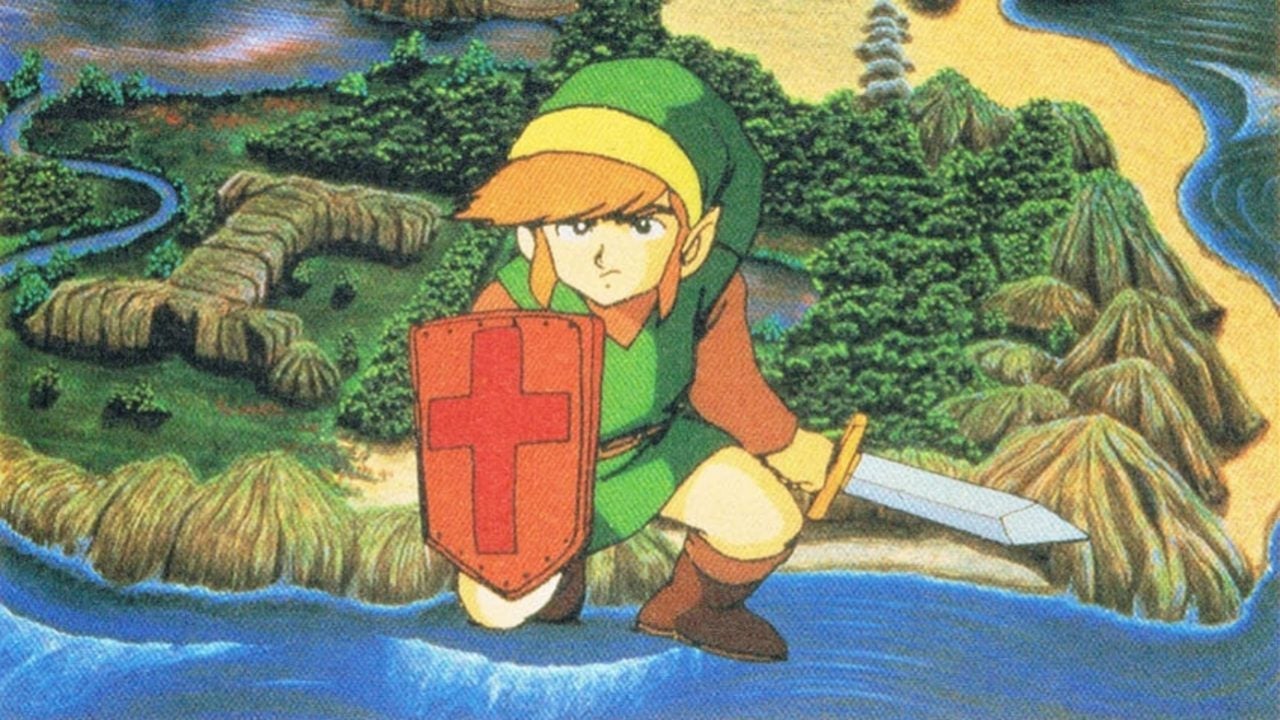
Originally, The Legend of Zelda for NES was going to be a very different game from what we ended up seeing. For example, Shigeru Miyamoto has said that the fragments of the Triforce were electronic circuits that would cause Link to travel between the past and the future, something that was later extensively explored in the saga. And this all came from the idea of creating a small miniature garden for players, recalling their childhood experiences playing in Kyoto. Well, in the end, it strayed “a little” from that initial idea, but everything has to have a seed, right?
The Legend of Zelda, the first title in the saga, drew so much from the classics that the original screenwriter, Takashi Tezuka, confessed to being inspired by The Lord of the Rings by JRR Tolkien (even though there were no boomerangs there, at least as far as we know), and the soundtrack consisted of a looping theme: Ravel’s Bolero. This theme, one of the most famous in the history of music, was performed at the Paris Opera for the first time on November 22, 1928, to great public acclaim. According to reports, in the middle of the performance, a woman started shouting “Ravel is crazy!”. The composer himself responded shortly after that, if that was what she thought, then she had understood the musical piece well. Genius and figure.
This anger was habitual in Ravel, who did not hold back when something did not seem right to him. For example, on May 4, 1930, when Toscanini played the score in Paris faster than originally marked, Ravel confronted him after the concert, telling him it was too fast, to which the other musician replied “You know nothing about your own music. It’s the only way to save the work. When I play it at your tempo, it is not effective.” The original author ended the argument by saying, “Then don’t play it.” The beef continued for years and never fully calmed down.
And what does all this have to do with Zelda and Nintendo? Well, more than it seems, because if you pay attention to the years, you will discover that, at the time of finishing The Legend of Zelda… Ravel’s Bolero was not yet in the public domain. In Japan it takes 50 years after the composer’s death, and in 1985 only 47 years had passed. The solution? Call Kondo quickly to compose a new main theme… in 24 hours!
As he tells it, “the tempo of the Bolero matched perfectly with the speed of the home screen. But I remember that just before, when we had to complete the final ROM, I was told that sadly the copyright had not expired, so I had to compose a new piece of music that night. I remember I did it in a day. You know, ‘da-da-da-da’, it was done in a day“. It’s not that he’s a superman: the game theme was already done, but he fixed it, staying up all night, to make it work well on the home screen. Things of being a genius.
Nintendo, known for its focus on creating clever and family-friendly titles, has recently revitalized its Donkey Kong franchise with the release of Donkey Kong: Bananza, a game that has captured the attention of both children and adults. This new title has been highlighted at The Game Awards 2025, where it has received the award for Best Family Game and is competing for Game of the Year, reflecting its success and popularity in the gaming community. Weapons in Nintendo is not something you can do Shigeru Miyamoto, the renowned creator of […]
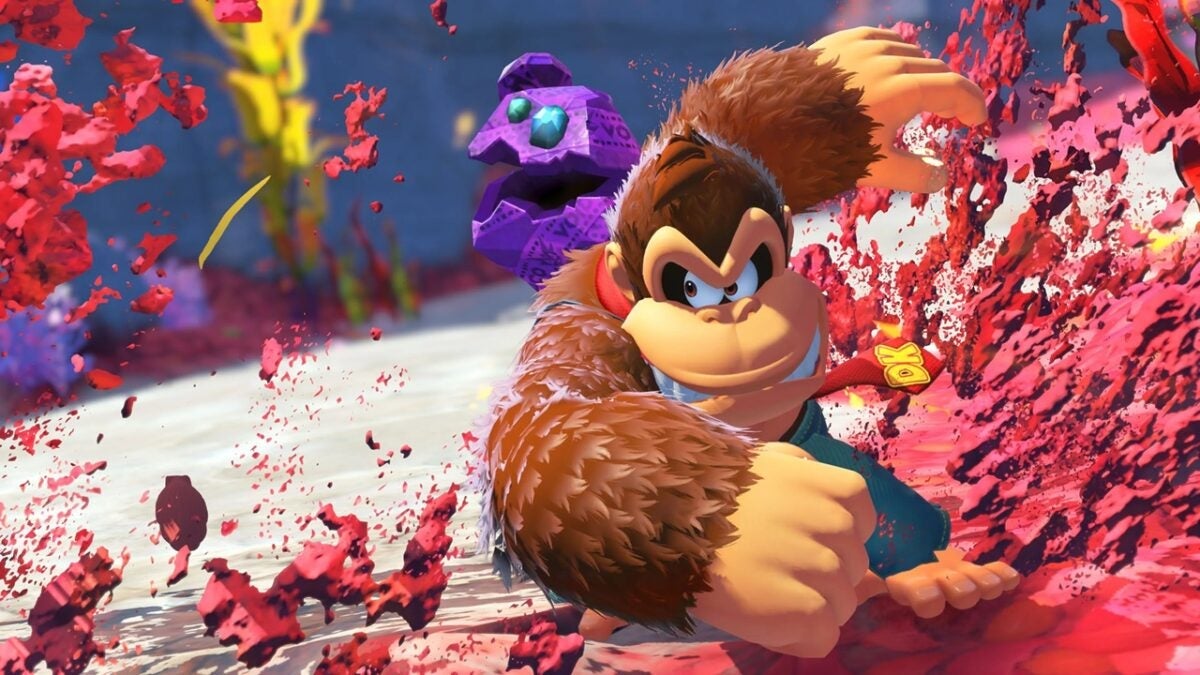
Nintendo, known for its focus on creating clever and family-friendly titles, has recently revitalized its Donkey Kong franchise with the release of Donkey Kong: Bananza, a game that has captured the attention of both children and adults. This new title has been highlighted at The Game Awards 2025, where it has received the award for Best Family Game and is competing for Game of the Year, reflecting its success and popularity in the gaming community.
Weapons in Nintendo is not something you can do
Shigeru Miyamoto, the renowned creator of Super Mario and project supervisor at Nintendo, has been instrumental in the development of the company’s major franchises. A notable anecdote from his career dates back to the development of Donkey Kong 64, where he was surprised to discover a realistic firearm in the game. In response to this situation, Miyamoto did not hesitate to redesign it, resulting in the iconic ‘Coconut Gun’, a weapon that shoots coconuts, thus aligning with the light-hearted and friendly tone that characterizes the series. This intervention is a testament to Miyamoto’s ingenuity and his commitment to maintaining the family-friendly essence in Nintendo games.
The link between Donkey Kong and family games has remained strong over the years, and the latest installment is no exception. Donkey Kong: Bananza offers colorful settings, destructible platforms, and entertaining challenges, with a narrative featuring DK and Pauline as humorous protagonists. The combination of these elements has not only proven appealing to new generations but has also resonated with long-time fans of the franchise, securing its place as a standout title in the world of video games.
Super Mario ha alcanzado un hito significativo al cumplir 40 años desde su lanzamiento en 1981. A lo largo de estas cuatro décadas, este icónico personaje ha dominado múltiples franquicias, desde carreras en Mario Kart hasta aventuras intergalácticas con Super Mario Galaxy, e incluso ha dado el salto al cine con el reciente lanzamiento de … Continue reading “”
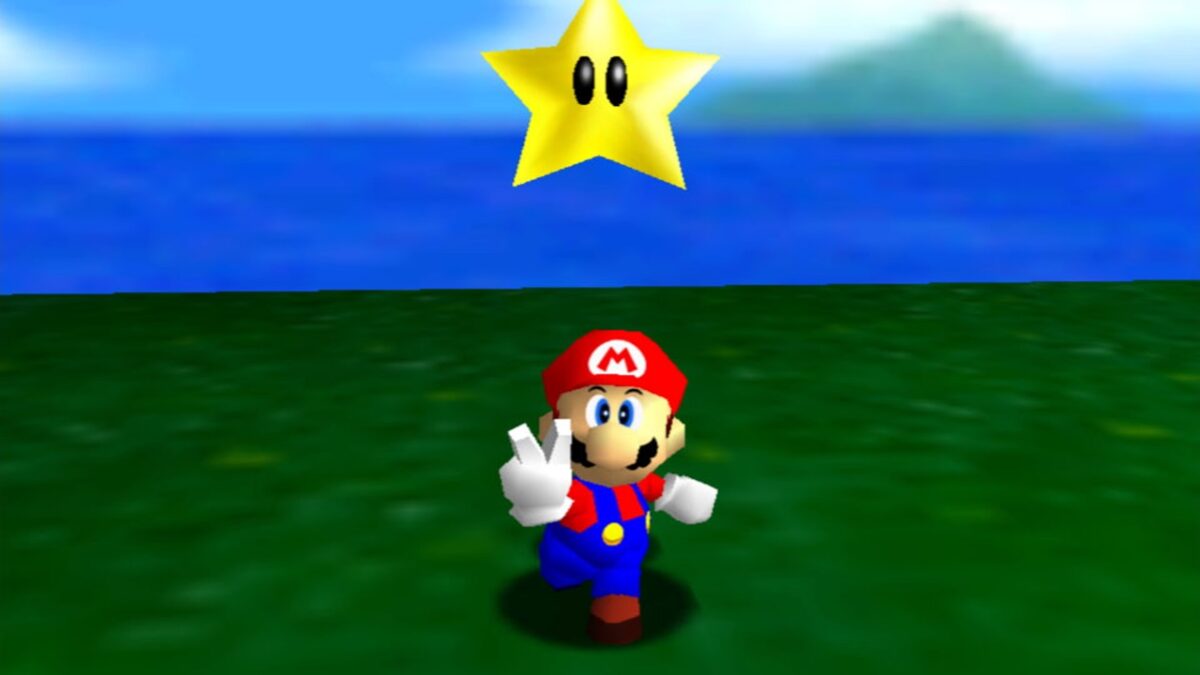
Super Mario has reached a significant milestone by turning 40 years old since its launch in 1981. Throughout these four decades, this iconic character has dominated multiple franchises, from racing in Mario Kart to intergalactic adventures with Super Mario Galaxy, and even made the leap to film with the recent release of Super Mario Bros.: The Movie. Despite his long history, Nintendo assures that its protagonist will not only remain relevant in the market but aims for Mario to celebrate his centenary in 2085.
Un personaje cuyo propósito es la diversión
In a recent book from the Nintendo Museum, key figures from the company, such as Takashi Tezuka, an executive at Nintendo, emphasize the importance of the constant evolution of the franchise. “One might think it would be a miracle if Mario is still here after 100 years,” notes Tezuka, who adds that the key lies in maintaining fun: “If it’s not fun, you’ll get bored.” This approach highlights Nintendo’s commitment to innovate and adapt to new forms of entertainment without losing the essence of the game, which has always been running and jumping.
Shigeru Miyamoto, the creator of the character, also supports this perspective. Commenting on the future of the franchise, he indicates that Super Mario will continue to incorporate digital technologies and expand into new fields, including movies, while always maintaining the interactive aspect. “I believe Mario will be with us for a long time,” Miyamoto assures, reaffirming that the essence of the character will be key to the enjoyment of new generations of players.
Además, los videojuegos de Mario han logrado unir a diferentes generaciones, permitiendo que tanto padres como hijos disfruten de las aventuras del famoso fontanero. Nintendo es optimista sobre el futuro de Mario, prometiendo que continuarán creando juegos que ofrezcan diversión y adaptabilidad a medida que evolucionen las tecnologías y los gustos del público.
Nintendo is concentrating a significant part of its resources on the development of video games for its upcoming console, presumably the Nintendo Switch 2. However, the Kyoto company has not neglected its current projects, as evidenced by the recent free update scheduled for Pikmin 4, which will be available in November. This update introduces new features designed for both new players and those who have already explored the title since its release. An absolutely masterful game In addition to the update for Pikmin 4, Nintendo will also celebrate the fourth anniversary of Pikmin Bloom, the augmented reality game […]
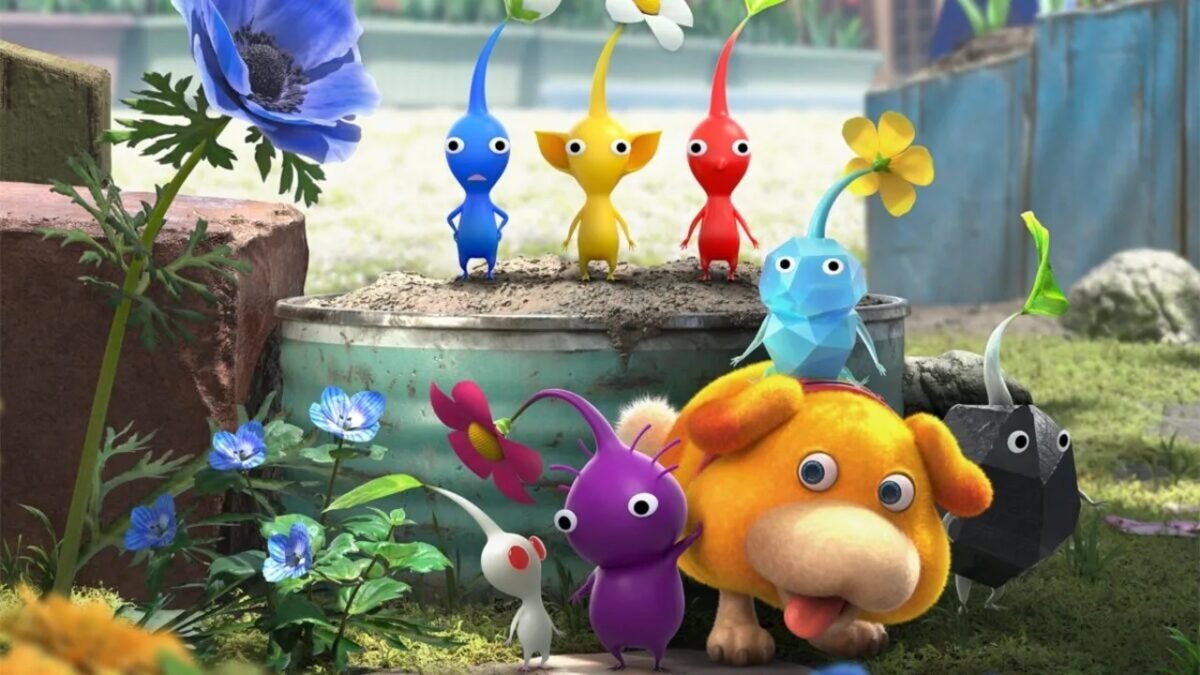
Nintendo is focusing a significant part of its resources on the development of video games for its upcoming console, presumably the Nintendo Switch 2. However, the Kyoto-based company has not neglected its current projects, as evidenced by the recent free update scheduled for Pikmin 4, which will be available in November. This update introduces new features designed for both new players and those who have already explored the title since its release.
An absolutely masterful game
In addition to the update for Pikmin 4, Nintendo will also celebrate the fourth anniversary of Pikmin Bloom, the augmented reality game available on Android and iOS devices, introducing the icy Pikmin, a new species that made its debut in Pikmin 4. This revitalized approach to the Pikmin saga suggests that the company is committed to the future of this popular franchise, despite not having announced new titles to date.
Nintendo’s strategy has been bolstered by the success of a recent animated short featuring the Pikmin. On October 7, the company surprised fans with a teaser showing a pacifier moving mysteriously, generating a wave of theories among followers. The next day, it was revealed that the Pikmin were responsible for the movement, a creative twist that demonstrates the company’s potential to produce high-quality animated content. There is no doubt that Nintendo is exploring new ways to expand the narrative and universe of Pikmin, which could pave the way for more ambitious projects in the future.
In summary, while Nintendo works on new developments, its dedication to updates and expansions of existing titles shows a commitment to the community of players who have supported the Pikmin saga over the years.
A recent discussion by former marketing leaders of Nintendo has highlighted a significant transformation that could occur in the company with the arrival of the next generation of consoles, known as Switch 2. In their podcast, Kit Ellis and Krysta Yang warned that “everything is about to change at Nintendo” and emphasized that the retirement of veterans on the development team will likely impact the company’s culture and its acclaimed franchises. The last console from the major figures of Nintendo Iconic figures like Shigeru Miyamoto, creator of legendary series like Mario and […]
A recent discussion by former marketing leaders of Nintendo has highlighted a significant transformation that could occur in the company with the arrival of the next generation of consoles, known as Switch 2. In their podcast, Kit Ellis and Krysta Yang warned that “everything is about to change at Nintendo” and emphasized that the retirement of veterans on the development team will likely impact the company’s culture and its acclaimed franchises.
The latest console from the big figures of Nintendo
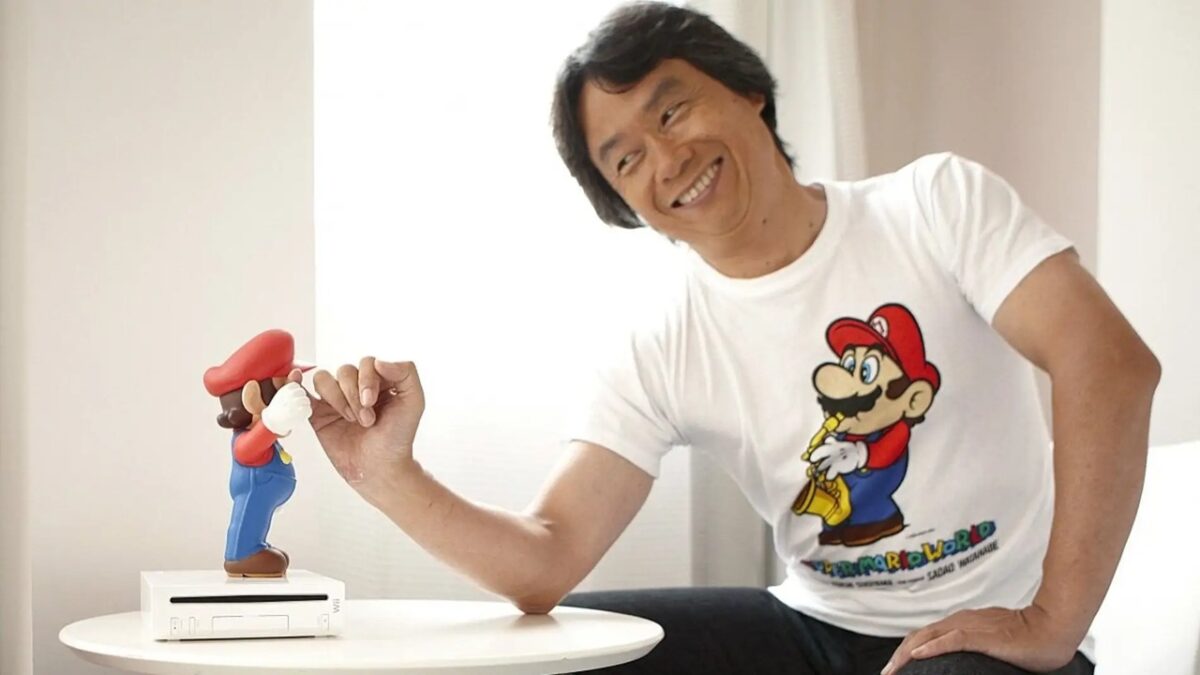
Iconic figures like Shigeru Miyamoto, creator of legendary series such as Mario and Zelda, currently 72 years old, and Yoshio Sakamoto, known for his work on Metroid and 65 years old, are very close to retirement. The concern is valid: according to Ellis, “there’s a good chance that many of them won’t be with the company for the Switch 3, or whatever comes next”. This generational shift leaves uncertainty about who will take on those crucial roles in the future.
Although it is mentioned that the departure of these developers does not necessarily mean a decrease in the quality of video games, the reality is that their absence could leave an irreplaceable void. “It is natural for there to be some kind of change with the arrival of new people,” says Ellis, suggesting that the new talents, who are learning under the tutelage of these legendary creators, could bring different perspectives and styles of thinking.
However, this change also evokes a melancholy in fans who grew up with these characters and their games. “You can’t replace them as humans. It will just feel different,” concludes Yang, leaving many in the community reflecting on the inevitable departure of the pillars of the video game industry.