
Should you add a cashless payment app to your child’s phone?

Adults use cashless apps all the time, but are we ready to let kids use them?

Family credit card

In January, TechCrunch posted an article on Step, the cashless app targeting kids and their parents. The app is the latest in a long line of cashless apps that aim to usher the youngest generations into an increasingly cashless society.

Step’s founders say that today’s teens are still largely burdened by cash transactions. They say that their goal is to be a teen’s first bank account and spending card.

The benefit of this solution is that Step doesn’t charge overdraft fees. Also, parents can put in controls against unauthorized spending.

Step is competing against a handful of apps targeting teens. All of them aim to teach financial responsibility and give kids access to digital payments.

Here, we’ll look at whether cashless apps for kids are a logical solution for allowance and summer job earnings. However, there still may be value in doing things the analog way.

Step - Mobile Banking built for Teens Download now ►
7

Are cashless accounts a good teaching tool?
Paying by phone

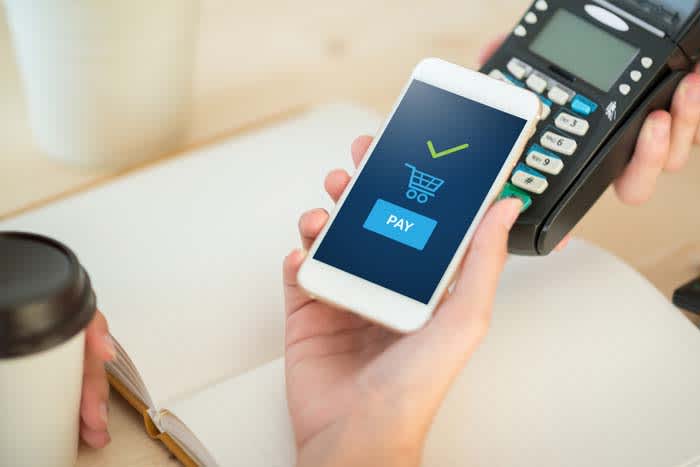
Cashless apps for kids and teens are becoming popular enough that the New York Times ran a piece highlighting the trend.

Parents themselves aren’t dealing in physical cash for the most part. Who wants to mess around with cash and coins, anyway? The parents profiled in the NYT said that using apps made it easy to transfer money to kids — for allowance or unexpected emergencies. Additionally, apps can present savings in a visual way, whereas with cash, it can feel like an abstract concept.
greenlight app cashless

Phys.org interviewed parents about their reasons for using cashless apps to send cash to kids. One parent said that they turned to the app Gohenry, another competitor, to help them “understand the value of money.”

However, a Prudential survey found that the opposite was true. The findings showed that contactless payments didn’t help kids develop the mental math skills associated with handling cash.

On the other hand, financial apps may be a good tool for teaching kids how they’ll likely use their own cash when they grow up. Our concept of money has changed dramatically in the past decade or so. It’s to the point that one wonders whether we’ll see physical cash at all in the coming decades.

In other parts of the world, there’s been a greater push toward a cashless society. For example, in France, it is now illegal to pay for anything over €1,000 in cash. Singapore and India are moving toward cashless societies, too. There’s also China’s mass adoption of tools like WePay and AliPay.

7

Are cashless accounts safe for kids?

The whole point of apps targeting kids and teens is that they are supposed to help them navigate the financial landscape. At the same time, they’re meant to allow parents to set limits.
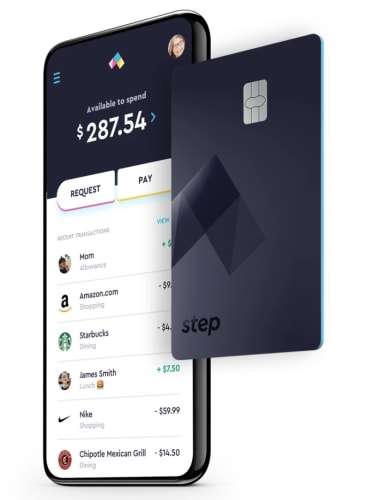
step available spending

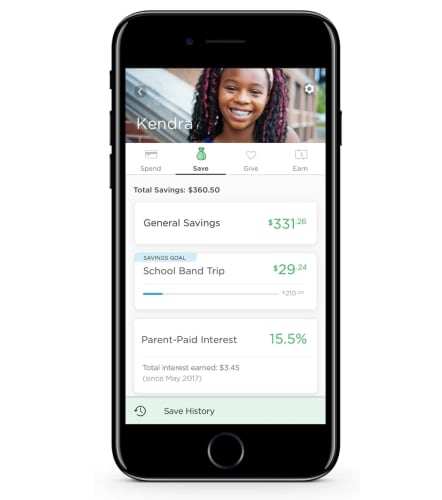
Greenlight and Current, are teen-centered debit cards that parents to set chores, transfer money, and keep a watchful eye on their kids’ spending habits.

Parents also have the ability to block certain types of transactions or limit the amount of money their teen can pull out of an ATM. Basically, parents could block teens from buying airfare or bus tickets without their permission.

Assuming the parents are involved, kids are protected from things like overspending or unauthorized charges. Still, one parent from the NYT article mentioned that their child racked up a number of unexpected autopayments by signing up for free trial subscriptions. This is a lesson we’ve all learned at one point or another.

However, with the rise in digital transactions, parents also need to teach kids how to protect their accounts.

Greenlight Download now ►
7

We can’t ignore that even kids have digital payment needs

Kid with money

According to a survey from TD Bank, 68% of parent participants said that their kids were just as comfortable or more handling digital transactions than cash. However, 80% of respondents said they did have some concerns about their children navigating a digital payment landscape.

Ultimately, these apps appear to present more advantages than negatives. Concerns like bad credit, impulse purchases, and poor savings habits are completely valid. However, establishing financial savvy comes down to educating kids about these things they’ll soon be dealing with in the “real world.”

There’s also the idea that it’s getting harder to ignore that kids do need access to digital payments. Sticking to cash alone is as unrealistic as trying to prevent them from using YouTube or Instagram.

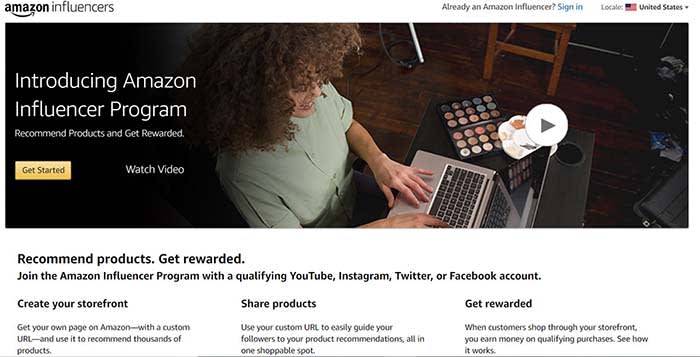
A look at Amazon’s influencer program

Amazon’s Influencer Program hasn’t made much of a splash yet, but the potential for growth is there.

Amazon influencers

Back in 2017, Amazon quietly debuted its Influencer Program as an experiment of sorts. Big influencers like Jillian Michaels and Mark Cuban were invited to promote curated product collections.

Over the past few months, it came out that Amazon is amping up the program. This includes opening access to the more “engagement-friendly” micro-influencer set. The program also offers big commissions to influencers.

As customers grow increasingly wary of big brands, micro-influencers have been huge for brands. They have proven to be a cost-effective way to establish trust with consumers. So naturally, Amazon wants a piece of the action.

Here’s a look at the program and how it works:

What is Amazon’s Influencer Program?

Influencer

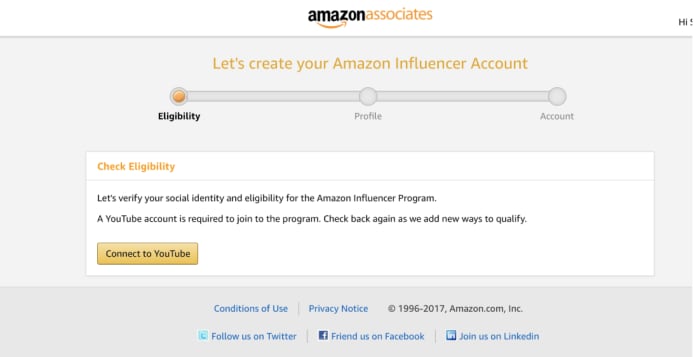
Amazon’s Influencer Program is a platform designed for digital content creators from YouTube and Instagram. It also includes less “influence-y” socials like Twitter and Facebook. Influencers receive a commission on Amazon items purchased by their followers.

If you’re thinking, oh, wow, that sounds an awful lot like their Associate Program, you’re definitely not wrong. Amazon says that this program is “an extension” of the Associate Program.

To qualify, you’ll need to submit your social media accounts and Amazon will look closely at your number of followers. They will also look at other engagement metrics before extending an invitation.

Still, the only real difference between the two programs is that influencers get to create custom shops and their own vanity URL.

Here is a look at Mark Cuban’s shop, which is basically a compilation of nut butters, his books, and energy bars.

Mark Cuban influencer page


Associates, by contrast, don’t get their own shops on Amazon. Instead, they’d feature their recommendations as trackable links on social channels or a personal blog.

How much do Amazon influencers make?

Like Amazon Associates, Amazon’s influencers earn based on how many sales are made through their custom storefront.

The commission structure is similar to the Associate Program as well. Amazon’s private label clothing will net influencers 10% of the sale, while video games will yield only one percent per referral.

What makes Amazon’s program different than other arrangements is the payout is coupled with the value influencers give back to the brand.

For example, every time someone purchases a belt hanger (that’s a thing???) from WhatsUpMoms’ shop, they earn a percentage of that sale.

Amazon influencer vanity URL

By contrast, if you want an Instagram model to promote the latest FitTea-type product or Fashion Nova outfit, you’d pay a fixed fee. The fee is based on the influencer’s past performance. It’s more like paying a blogger for a project vs. affiliate commissions.

What’s also interesting is that this commission-based payout is something just about any brand can leverage. It also might be an effective way to work with micro-influencers. Now, advertisers can spend less time and money on reaching out to individual influencers and invite them to apply to their program.

That said, Amazon has a massive catalog. Facebook and Instagram can’t offer that same direct line to making a purchase, nor can most other retailers.

So, how do I become an Amazon influencer?

Amazon has been reaching out to micro-influencers, inviting them to join.

Potential influencers can apply to the program. However, they’ll need to prove that they’ve got the numbers and the engagement deserving of their very own vanity URL.

Amazon associate influencer program

In order to qualify as an official Influencer, you’ll need to submit your social media accounts.  Amazon will look closely at the number of followers, as well as other engagement metrics before opening access.

What we think is kind of cool about the program, as well as Amazon’s Affiliate Program is you can sell through multiple platforms. The custom URL makes it easier to promote a link where it might not be possible.

Influencers can easily add items to their shop as easily as they could create an Amazon wishlist or a registry. They can choose to promote an individual item or direct followers to check out their recommendations.

Could Amazon shake up the influencer model?

Make-up influencer

Amazon’s Influencer Program hasn’t made many waves in the two years it’s been around.

However, change could be on the horizon. The affiliate structure payout only rewards those sellers who actually make a sale. This presents a potential solution for brands who pay upfront without an easy way to measure their return on investment.

On the influencer side, Amazon offers some creative freedom in exchange for adopting the new payout model. Amazon just asks that you stick to the ad disclosure rules and that’s about it.

5 best investment apps

Do you want to get in the investment game, but you don’t know where to start? We’ve got the apps for you.

Investing on mobile

You used to actually have to know about the stock market to become an investor. Or, you’d have to employ an in-person financial manager to do the work for you.

Today, you can download an app on your phone and start making moves. Mobile trading is appealing in several ways. The most obvious is the convenience factor.

The other key benefit is that many of the apps out there don’t require a ton of personal capital to get started. Many popular investing apps allow you to open an account for $5, so investing is accessible even if you’re on a budget.

The downside is, you’re more or less on your own when it comes to making decisions. That means it’s easy to get caught up in a risky decision or enrolling in an account that doesn’t make sense for your financial goals.

If jumping into the investing game interests you, we picked some of our favorite apps to get you started.

5 best mobile investment apps

TD Ameritrade

TD Ameritrade mobile trading app

TD Ameritrade is one of the biggest names in the financial sector. They’ve got name recognition even among those who have no clue what a brokerage account does.

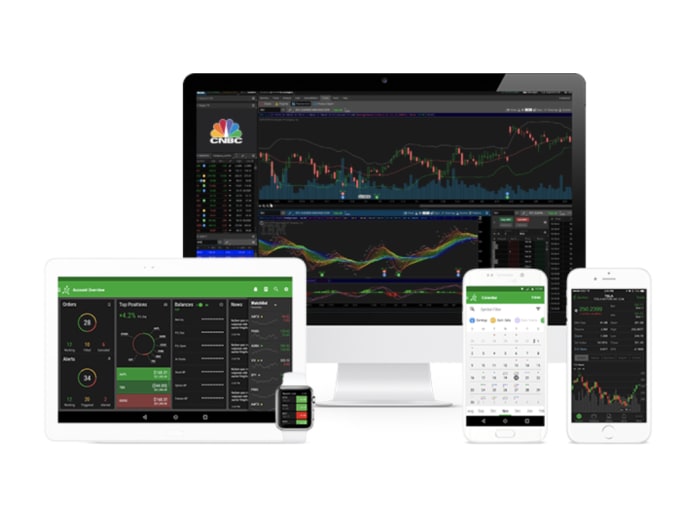
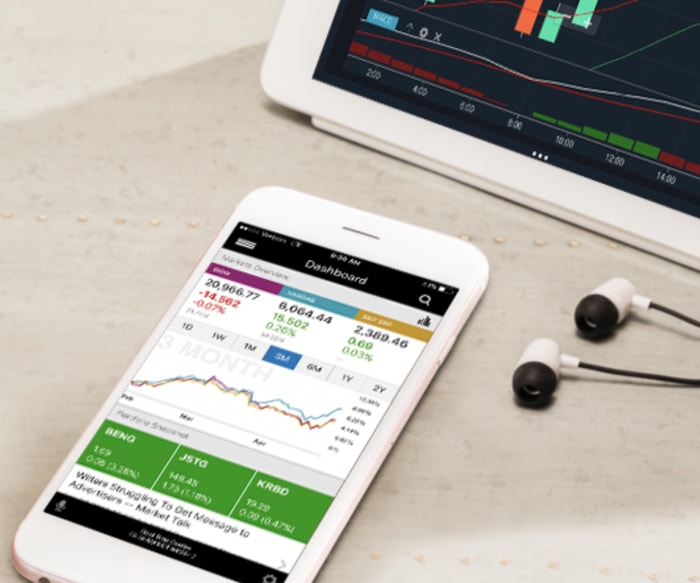
The TD Ameritrade app is free to download, and there’s no account minimum needed to get started.  This app is unique in that it’s easy for beginners to get started, yet still brings the options and features that advanced traders have come to need.

Where TD Ameritrade falls short is, it doesn’t necessarily offer the lowest trading costs. You’ll pay a $6.95 flat rate commission on all equity trades.

However, you do get a lot of bang for your buck — access to third-party market research that allows you to plan your trading strategy. You’ll also get access to 24/7 phone support and access to a wide range of investment options.

TD Ameritrade Download Free ►
7

E-Trade

etrade mobile investing app

E-Trade is another popular option in the digital investing game. The platform works across all devices from iPhones to Androids, to your desktop computer. What’s nice is they offer a ton of educational materials. You can arm yourself with the knowledge needed to customize your investment portfolio.

For the set-it-and-forget-it types, you can go ahead and sign up for an E-Trade Core Portfolio. It is managed by a robot-advisor at a 0.30% rate. To enroll in this program, you’ll need to invest $5,000 — which of course, may be a barrier for some would-be investors.

Some of the rates seem a little high, especially for infrequent traders. Fidelity and Charles Schwab provide a similar service and portfolio lineup. They only charge $4.95 commissions, while E-Trade charges $6.95.

8

Acorns

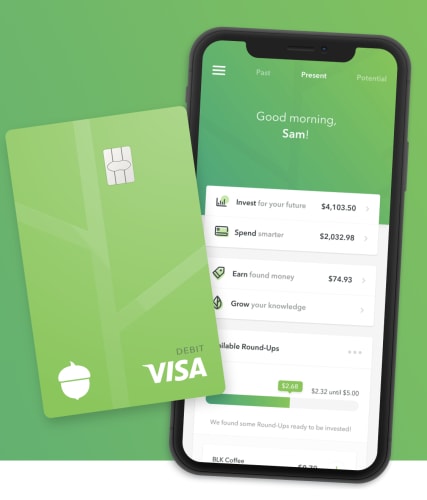
acorns easy investing appAcorns is an investment app perfect for beginners. To get started, you’ll need to transfer just $5 and select a portfolio type. Portfolios range from conservative to aggressive, and the account management fees are a whopping $1 a month.
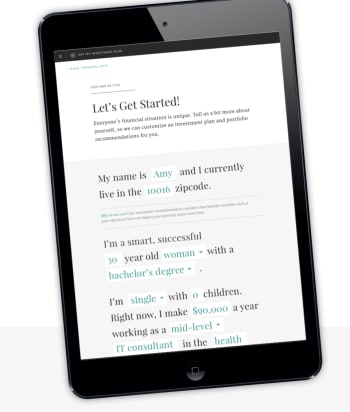
Where Acorns really shines is in its ability to help you save money without thinking about it. Hook up your debit and credit cards to your account and the roundups will round purchases up to the nearest dollar. You can add a multiplier to increase the automated transfer amount. Additionally, you can make lump sum transfers on a weekly, monthly, whatever basis.

Acorns isn’t necessarily the best app for those looking to make the most out of their money. Its hands-off approach works for saving some spare change outside of an account where you might otherwise be tempted to spend that money. We should also mention that the portfolio is quite small, made up of low-cost Vanguard and iShare exchange-traded funds.

Ellevest

ellevest getting started

Ellevest operates on an interesting concept. Founded by veteran finance leader Sallie Krawchek, Ellevest is an investing app that targets women. The idea is that traditional investing tools have long left women out of the equation. They use sports terminology and other types of gendered language to talk about financial products.

Ellevest is easy to use, and you don’t have to be a woman to invest. What we like about it is their fiduciaries, meaning, the advice offered in the app is legally obligated to have your best interests at heart. It forecasts even for things like taxes and downturns. You’ll have a realistic picture of what’s in store for your money.

Inside the app, you can easily set goals and plan for the long-term. Set up recurring deposits or make one-time contributions as you work toward your investment goal. You can update your deposits, timeline, recurring contributions, and targets. There are no minimum balance or withdrawal penalties.

Ellevest: Invest Like a Woman Download now ►
7

Robinhood

Robinhood app

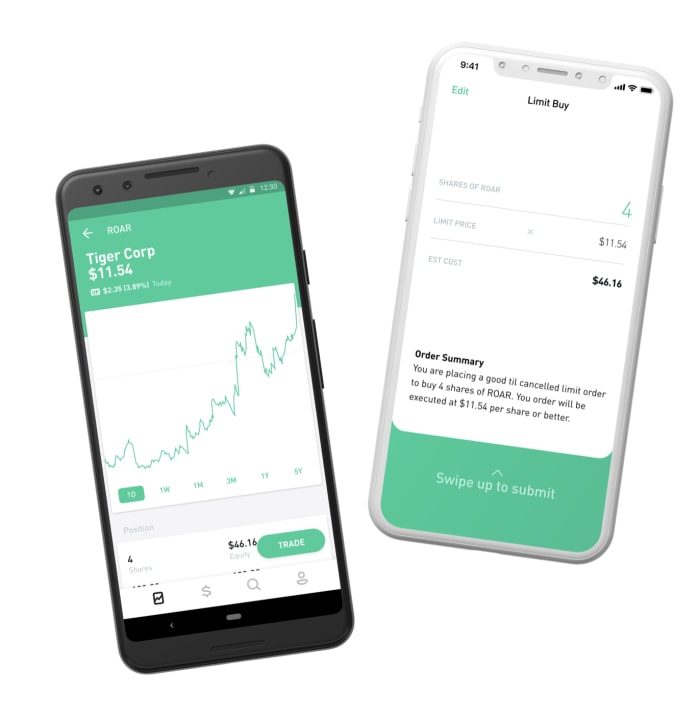
Named after the famed character known for stealing from the rich and giving to the poor, Robinhood is a favorite among Robotraders. Robinhood is a web app that aims to make playing the stock market accessible for people from all income levels and experience.

The main selling point with Robinhood is the app is no frills.  By frills, we mean, they’ve done away with a lot of the fees associated with investing. There are no account minimums, stock trading is free, and you’ll have your pick of over 2,000 ETFs. Robinhood presents an opportunity to dabble in crypto-trading without having to deal with the ins and outs of sites like Coinbase.

The downside is that Robinhood does not offer access to mutual funds or bonds. Your only account option is an individual taxable account, also known as a brokerage account.

Robinhood Download Free ►
7

Moving forward

The best advice we can give for getting into investing is to start slow and work your way up. (And, statistically, you’re better off with a low-cost index fund, rather than individual stocks.) You don’t need to invest a large amount of capital in order to enter this field. Also, you should not invest a large amount of capital until you know what you’re doing. 

How to make money selling your personal data

If other companies are making money off your personal data, why can’t you?

Facial recognitionForget the Facebook scandal; consumers are catching onto the fact that countless companies have long been taking their data in exchange for access to a free app. It’s a bum deal.

If you’ve been following any news related to the blockchain space, you’ve maybe come across this concept of selling your personal information to companies, rather than giving it away for free.

When you consider the money made by advertisers and platform companies like Facebook and Amazon, it’s understandable that there has been a recent influx of new apps that aim to put control back in the hands of the people.

The question is, however, is there money to be made by selling personal data? Or will big companies simply say, “Why buy what we can get for free?”

Are there places you can sell data?

Yes, there are a few options out there.

Is it side gig money? Not exactly. We came across a few solutions that allow users to connect various accounts and earn money passively, but it generally amounts to a few cents here and a dollar there.

Digi.me

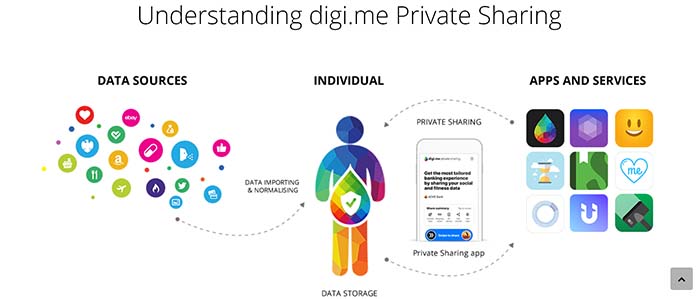
Digi.me appDigi.me is an app that collects your personal data from a cloud-based folder, then organizes your digital footprint in one central hub. This app isn’t actually a means of monetizing your data, but it does help users control who sees what, as well as understand what information is already available.

The site makes it clear that they operate in compliance with GDPR privacy rules, and that the app’s architecture prevents the company from viewing or storing your personal data.

You can watch a video below showing how you can use Digi.me.

10

Datacoup

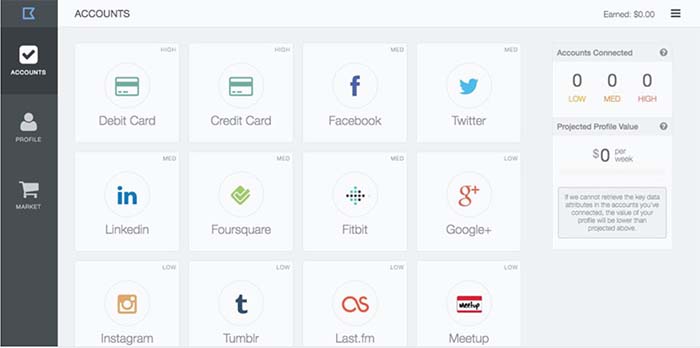
Datacoup siteDatacoup almost reminds us of an app like Acorns or your bank’s “save the change” app. We’ll explain: Datacoup acts as a data broker that allows account holders to control and sell data to companies interested in learning more about your habits.

This subscription-based service allows you to connect your accounts — from debit and credit cards to your LinkedIn page or Meetup account.

Once you’ve connected these accounts, you can view them in your data profile — a dashboard that shows how much money you’ve earned by essentially doing nothing. It’s a few bucks here and there — but it’s very set-it-and-forget-it. Over time, you might amass a little extra cash.

Killi

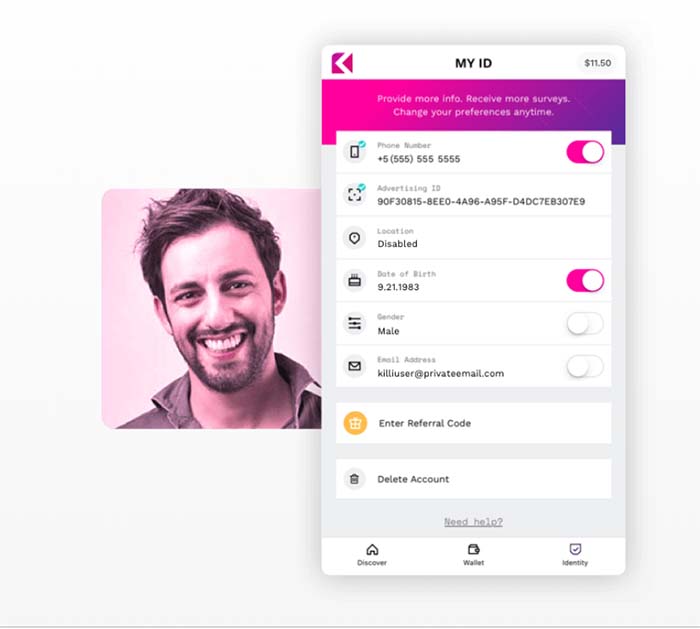
KilliAn app developed by Freckle IoT, Killi is an app that claims to give users the chance to take back control over the use of their personal data.  The Killi site says they believe customer data is worth more than the $30 Facebook suggests.

You’ll create an account and make money based on opting in to share your info with specific brands. The bulk of the activity is answering surveys for between a few cents and a few bucks a pop. Their FAQ section acknowledges that this isn’t much, but points to the first wave of Uber drivers as an example of where things could go in the future.

Google Opinion Rewards

Google Opinion Awards

An app that prompts you to answer questions about businesses you’ve visited based on your location data and demographic information. Answer enough questions and Google will give you credits you can use in the Play store.

Google Opinion Rewards Download Now ►
9

What is your data worth, anyway?

Stacking coins

According to an article from the Financial Times, the average person’s data is worth less than a dollar. But values change based on a variety of factors:

  • You’re gearing up for a significant purchase — an international vacation, a new car, or a house
  • You have a major life event — you’re getting married, expecting a child, or getting a divorce
  • You’re a millionaire
  • You hold loyalty cards
  • You’re interested in fitness, weight loss, travel, finance, or political topics

The FT site offers a calculator, so you can get a sense of how much your data is actually worth.

We tested this with two different people and we were valued in the $1 ballpark on both attempts. It isn’t exactly the downpayment on a Lamborghini we were hoping for, but we’ll take it.

An article from Investopedia looked at how much Facebook stands to make from personal data. Interestingly, those with poor health have more valuable data than their healthy counterparts.

Same goes for the “recently divorced” who — on average, are 10-20% more valuable than those who are single or married.

It’s hard to pin down an accurate number. But Statista reports Facebook had 230 million U.S. users in 2018. Even if everyone has data worth 50 cents or so, that’s still a crazy amount of money.

Economies of scale limit the ability to profit from personal data

Ultimately, the reason our data is such big business for brands and not the other way around boils down to the economy of scale.

Think about it, billions of people use Facebook every day. So, if one person’s search history and online activity are worth a couple of cents, the platform still rakes in serious cash.

The motivation behind these startups is admirable. We should be able to control who has access to our data — and sell it as the valuable resource it is.

For change to happen, people will need to demand transparency in greater numbers. We’ve long taken free tools like Google and Facebook for granted, never second-guessing the permissions we allow them.

Opting out of these platforms means skipping out on convenience and social norms, too. Short of an all-out, global boycott of the big tech companies, it’s hard to envision what it will take for change to happen.

Renting your Facebook account is a bad idea: here’s what to know

Easy money, huge danger.

facebook

Did you know you can rent out your Facebook account to make some quick cash, no work required?

We’ve recently started to see more mentions of the practice, which, let’s admit, sounds a little shady.

 The concept has been around for a few years at this point, allowing blocked companies to run illegitimate campaigns through legitimate accounts.

These rental accounts let advertisers create new pages through user accounts and quickly put up ads.

The process is sometimes referred to as ad laundering, as there are two degrees of separation between the advertiser and the person posting the ads.

The companies behind these marketing schemes typically sell scammy products, too — think face cream subscriptions, male enhancement products, and online casinos.

What’s the rub?

So, it looks like this practice has been around at least since 2016. We did a little digging, and the origins of this scheme can be traced back to a 2016 Craigslist ad.

The idea is, brands who have lost advertising privileges have come up with a workaround of sorts.

The Facebook rental market is the new “black hat” link-building scheme. It’s an attempt for brands to increase website traffic and sell products quickly.

Brands sign up for a service with these middle man companies, who incentivize civilian Facebook users with the promise of up to $500 a month and a free laptop.

While some users on Reddit and Quora have mentioned that yes, they do get paid, the process is not as safe as these companies promise — big surprise, right?

For one, giving anyone — especially some company with no contact information — access to your account is a major security risk. Second, if Facebook catches you participating in one of these ad schemes, they will suspend or remove your account.

The rental service then just moves on to the next user, no big deal.

Facebook Download Now ►
8

Free laptops and Raspberry Pis: with a catch

According to a security researcher from Novetta, users who rent their accounts out can make up to $500 a month and sometimes receive a laptop or Raspberry Pi upon signing up.

Unfortunately, the free computers come with a catch. Ad launderers preinstall software that gives them access to user Facebook accounts so that they can run ads remotely.

laptops for ad laundering

While these rented accounts are being used for what Facebook calls “inauthentic” activity, the companies responsible for the ads slip through the radar. Facebook’s recent ads crackdown is supposed to cover the full spectrum of scam content, but it seems they have their hands full with political or issues-based ads.

What companies are behind ad laundering?

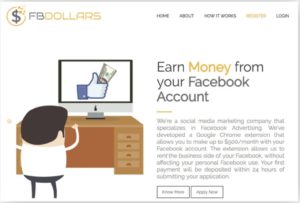
FBDollars sign up

Run a quick Google search, and you’ll see a list of several companies advertising “opportunities” to rent out your Facebook account.

There’s Ads Magnet, Rent Us Your FB, Mirra Technologies, fbdollars, fbrenters, and countless carbon copies.

All of the sites we found offer the same rundown: “applicants” fill out an application. “Rent Us Your FB” says the process is simple: Sign up, and you’ll be asked a few questions — “How old is your account?” “How many friends do you have?”

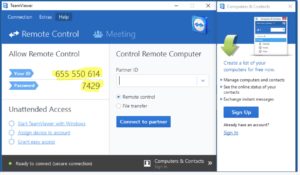
Once you’re “in,” the company will request access through TeamViewer, a web app that provides remote access without a password.

rent my facebook

Then they can go into your account, create fan pages on behalf of the brand, and make changes without bothering you. Payments are processed through PayPal, and that’s it — you get paid.

Is renting out your account legal?

This is a scam in the sense that these companies and those advertisers who pay them are sidestepping Facebook’s advertiser guidelines.

You won’t go to jail for signing up with one of these shady services, but there could be consequences.

Like other “black hat” marketing practices, the real punishment lies in getting banned from Facebook. That’s why brands work with an intermediary — to avoid detection.

These companies treat real profiles as though they’re disposable. There are billions of users, so there’s always a new person willing to put their data at risk in the name of a few bucks.

We get it; sometimes you’ll do just about anything for a free computer. But if you have an active Facebook you’ve been using for a few years, you probably don’t want to get kicked off the platform. It’s probably smarter to stay away from the scheme altogether.

What you need to know about passive income online

Can you sit back and get paid for doing nothing?

Passive income, by way of the web, often seems too good to be true.

There’s no shortage of spam comments, weird pop-ups and affiliate blogs claiming that if someone’s mother-in-law or step-cousin can make six figures with minimal effort, you too, can make things happen.

Now let’s be clear, passive income is not the same thing as “making your money work for you” through smart investments.

Instead, we’ll take a look at the reality of affiliate incomes, drop shipping, and other money-making schemes that promise comfortable living.

Guide to popular passive income options

passive income

What is passive income?

Traditionally, passive income includes things like a limited partnership in a company, real estate ownership, or dividends from investments. Online, however, other passive income opportunities promise a way to game the system.

Admittedly, it’s hard to find any information on passive income tips and tricks that don’t feel like junk. Much of the online content consists of ebooks and courses and yes, mom blogs that rake in the residuals.

So, how do you separate the fakers from the legit opportunities — and is it even possible?

Affiliate sites

Digital entrepreneurship and affiliate links are a fact of life on the web. A good chunk of your favorite sites engage in some affiliate partnership; they’re embedded in articles, YouTube videos, and online games.

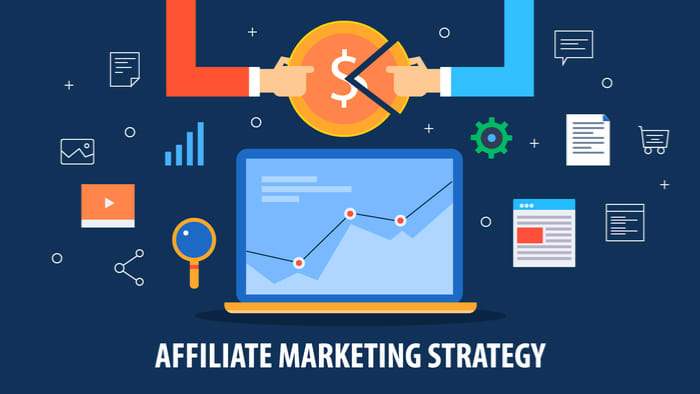
A quick refresher: affiliate links are a type of advertising that pays sites a commission based on clicks and sales. Online content creators can sign up with Amazon or other eCommerce programs and promote links within their blog posts and videos.

It’s not just Amazon, either. Uber has an affiliate program, as does iTunes, and others.

affiliate marketing

The issue with affiliate marketing isn’t that it’s a scam. You can make some money this way, but it’s not something that you can set up, forget about and get rich overnight.

For one, you need to have a website that generates enough traffic to result in income. You’ll need to have a blog or popular website to do this — and, of course, that takes time and its skillset.

Affiliate programs also need to match your content. If you write a food blog then adding affiliate links for fishing gear and motorcycle parts isn’t going to work. For one, customers will think that you’ll shill anything, thus compromising your authenticity.

Second, those visitors likely are on your website because they want to learn how to make a chocolate cake that doesn’t stick to the pan. They’re not going to see a link and think — hey, I do need a new fishing pole.

In addition to creating content, maintaining a website, and finding affiliate links that fit, you also need to have some marketing savvy to make this work. You’ll have to start an email list and create landing pages that you promote to encourage new sign-ups.

There’s more to affiliate marketing than what we’ve listed here, but the point is, it’s hard. If you’re considering this path, you should want to create a blog/site anyway.

Drop Shipping or Retail Arbitrage

Drop shipping, and its cousin, retail arbitrage, are something of a shortcut to establishing an online store. Instead of selling your products, you sell products from other companies. Customers submit an order through your website, but the company who makes the product ships it. The benefit is, you don’t have to buy inventory and maintain stock levels. As such, drop shipping is often promoted as easy money.

That said, you need to find a way to promote your store in a crowded space. Cosmetics and vitamins are popular products in the drop shipping space, for example. You might run into a lot of competitors with the same products.

With retail arbitrage, you buy up items on discount or clearance at your local brick-and-mortar store and flip them online for retail prices. In this case, you do the shopping, the packaging, and the shipping. Not super passive.

With either method, you will need to field customer service inquiries, which involves answering questions about other peoples’ products and order statuses that may be out of your control. But customer service dealings may only take up a couple of hours here and there.

We should note, drop shipping needs to be approached with some caution. For example, many drop shippers are scammy. You also need to look for products that are trending and that you know enough about your audience to market effectively.

This article from Shopify is a good source for someone looking for a primer on drop shipping. For retail arbitrage, check out these videos.

Sell a digital resource

Digital resources include things like memberships, e-books, online events, and so on. These items are known as information products, and there’s no shortage of bloggers promoting their own set of paid content.

The benefit of digital resources is, you’re making almost 100% profit margin — you create a product once, and sell it over and over.

The only thing is, to make any money, people need to know who you are and you need to make something people want. Do you have knowledge that other people can’t find with a simple online search?

Sell courses

If you have an online audience and a skill that people want to learn, you could earn some passive cash by offering digital courses. Skills like photography, video editing, SEO best practices, e-commerce basics, and so on could all potentially net you some money here and there.

Creating courses that add value to your audience is not remotely passive. Up front, it’s an investment that requires time and some cash. Thankfully, it gets easier after the initial push.

To do this, you’ll need to create an email list as a means to promote your course to readers.

Wrapping up

It’s important to realize that there’s no such thing as a truly passive income. Affiliate marketing, selling products, and monetizing digital resources all depend on your ability to drive traffic and create something that people want.

It’s not simple, and it isn’t passive. Instead, you need to be able to handle web hosting, copywriting, content creation and have a firm grasp of digital analytics.

And, those skills are just the starting point. It’s a whole other skill set to find and promote affiliate links that make sense for your audience. Developing online resources that have professional polish is a separate skill, too.

5 best apps to sell your clothes

Inspired by Marie Kondo to clean out your closet? Try these great apps.

selling clothes

We’re in the golden age of the so-called “side hustle.” Or, maybe we’re just hearing that buzzword a lot as of late.

In any case, between delivering meals to delivering people, we were curious if people were side hustling by selling their clothes online.

It seems that we’re out of the era of striking it rich on eBay a la Nasty Gal, but there are a few apps that keep getting major mentions both online and off.

There’s ThredUP, Poshmark, Depop, and others — presenting a broad user base ready to shop your closet.

So, what’s the deal—can you make any cash?

Like any other seemingly easy money-making schemes, there are several articles from questionable sites that tell you how a student or a stay-at-home mom made six figures selling clothes on Poshmark or Depop.

We came across a UK sneaker seller who made his living flipping shoes, as well as several sellers who made a decent chunk of change through these platforms, but you likely won’t be able to quit your day job.

You’ve got to know what sells

One thing that’s always a challenge with reselling clothing, shoes, and bags is knowing whether anyone will want your old stuff.

Think back to anytime you’ve ever dropped a few bags off at your local Crossroads or Buffalo Exchange.

You probably went in thinking you had some real gems in those old grocery bags but walked out with a measly $10.

Online, there are more chances to impress the buyer. But, clothes need to be in good shape.

You’ll also need to have some knowledge of the trends, the seasons, and how much items are supposed to cost.

Picking the right app for your wares is also a big part of whether you’ll make any money.

Some apps specialize in high-end items, while others cater to a trend-driven crowd or bargain hunters.

Here’s the quick rub on some of the more popular apps.

Top apps to sell your clothes

Depop

Depop is a social selling app that allows you to list your old clothes for free and build a personal store. The app is formatted a lot like Instagram, making it a natural fit for sellers that use the social media site on the regular.

Depop makes you do a bit more work than competing apps, but the benefit is, they only take a 10 percent commission, plus PayPal fees.

Sell anything from vintage wares to gently used mall brands, as well as things like records, accessories, and more. The main thing to remember is that looks matter a ton.

According to the company’s CEO, Maria Raga, the secret to successful selling lies in a combination of top-notch photography and an accurate description.

Poshmark

Poshmark has become super popular over the past couple of years. The platform is stuffed with millions of users, who put together virtual closets by uploading photos and descriptions.

Selling your clothing on Poshmark means taking some pics, and enhancing them with one of eight provided filters. Then you’ll add a description, as well as category, size, and price. Poshmark determines your fee — it’s a flat fee of $2.95 for items $15 and under or 20 percent on anything over that $15 threshold.

It’s worth pointing out that Poshmark has a distinctively social aspect to it. To drum up attention on the app, you need to like comment and follow other users. The more you engage, the more you’ll sell. So, this isn’t the best option for people who don’t enjoy participating in social media.

High-end labels and designer clothes do well on the platform, as do trendier brands like Anthropologie, Madewell, and Lululemon.

Poshmark: Buy & Sell Fashion Download Free ►
7

Tradesy

Tradesy is similar to Poshmark, but they have a different commission structure. The site also only takes women’s clothing, no kids stuff or menswear, allowed. Tradesy is the best place to sell your old handbags, as well as wedding attire you’ll never use again.

This app allows shoppers to browse by brand or category, and the site guarantees that all items are authentic and in good condition.

Selling on the app is relatively easy, too. Simply download the app and snap a few shots of your items — from there, Tradesy will enhance your images by removing distractions. Add your details, and you’re good to go.

Sellers can request a free shipping kit from the app or use their materials, and send items on their way. The app does take a 19.8% commission—which may seem pretty hefty. However, what we did like about this app was, you don’t need to do a ton of socializing as you do on Depop or Poshmark.

The RealReal

The RealReal is your destination for offloading the high-end stuff that just didn’t work for you. While you won’t be able to ditch your whole wardrobe here, if you’ve got a decent amount of designer duds, this is a great hands-off option.

To start selling, you’ll need to make an appointment with The RealReal’s luxury managers, who come to your home. Or, you’ll have the option to mail items to the warehouse for free.

Sellers earn 70 percent of the selling price, which seems like you lose a big cut, but you don’t need to do anything other than provide the items.

The RealReal handles the sales, photography, and advertising, so the higher commission may well be worth the time saved, especially if you’re not a confident photographer.

The RealReal Download Free
7

ThredUP

ThredUP is an interesting one, here. It’s not necessarily a reliable source of cash. Rather, it’s a nice way to earn a few bucks when your closet needs a good purge.

ThredUP does everything for you; you’ll order a clean-out kit and pack up your clothes. Then, they’ll sort through your clothes and pay you according to the selling price of each item they accept.

The benefit of working with these guys is, even if they choose not to use your clothes, you don’t have to take back the rejects. They’ll go ahead and donate your old stuff for you.

thredUP - Buy + Sell Clothing Download Free
8

Wrapping up

In the end, you kind of need an endless well of nice inventory that’s on the pulse of what’s cool. As a side hustle, selling clothes online seems like you’ll need to invest a lot of time and energy into selling — from the photography, the keywords, and understanding the market.

It seems that most people earn enough to exchange their old clothes for new ones, meaning, it’s a solid way to get a fresh wardrobe without breaking the bank.

All of those “six-figure sellers” likely treat their digital stores like the online business it is, which requires a full-time commitment, much like other types of online hustles.

Where eBay resellers once did alright by scouring the local Goodwills and Salvation Army for carelessly discarded gems, it seems too many people got in on the secret.

Now, the local thrift store is loaded up with discarded Target and H&M options that don’t quite hold up the second time around.

As such, app-based resellers will need to get savvy about finding their stock. Whether that’s through sample sales, discounts, or an online shopping habit, it’s more work than it may initially appear.

Credit scores matter — best ways to improve yours

Need to improve your credit score? Here’s how.

credit score

Discover defines credit scoring as a means of distilling your relationship with debt down to a number. That three-digit score allows lenders to quickly size up the risk of doing business with you, which can have major implications on your day-to-day life. 

Credit scores come into play if you want to apply for a credit card, rent an apartment, buy a car, or switch phone providers. Pretty important elements of existing in the modern world, right?

Credit scores range from 350-850, and most lenders look for scores above 650, with preferences given to those with scores in the 700s and higher.

A low score, on the other hand, means you may be denied access to some resources, or forced to pay higher deposits and interest rates.

If you don’t know your credit score or you know it’s bad, here are some tips for improving your score.

How to improve your credit score

credit score

Get a baseline first

First things first, you can’t improve upon what you don’t know.

Get started by running a credit report. There are three credit reporting agencies that provide this information, Experian, Equifax, and Transunion. All three offer one free report per year, we recommend staggering these throughout the year, so you can monitor your credit on a regular basis.

For ongoing tracking, most credit card companies provide a free credit tracker, which reports on a weekly basis. If you don’t have a credit card, Credit Karma allows you to check your status for free, too.

The only downside is, the app does promote financial products alongside the tool, which some users might not like.

Set up payment reminders or autopay

Making payments on time accounts for a high percentage of your credit score. Which makes sense, this metric demonstrates to lenders that they can count on you to make payments on time.

Late or missed payments hurt your credit, and after a month of nonpayment, the three credit reporting agencies will be notified of your delinquency. 

The best way to keep track of payments is to sign up for auto payments — so you can set it and forget it. 

We do also understand that autopay can be a big source of anxiety for those dealing with debt on a limited income. If you feel uneasy about automatic payments, request that your creditors send you a reminder about upcoming bills—most companies do this now. 

Dispute any errors on your reports

credit score

Check all of your credit reports — Transunion, Equifax, and Experian — for any errors. These might include hard inquiries (applications for auto loans or credit cards) or an unpaid bill you don’t recognize.

Incorrect information can cause your scores to drop, so if you see anything that doesn’t add up, make sure you dispute that information and clear things up ASAP. For more information on how to dispute an item on your report, we’ll refer you to the FTC’s official guide.

Limit hard inquiries

Hard inquiries usually occur when you apply for credit or try to rent an apartment or get a loan. Unfortunately, when you apply for these resources, they can slightly lower your credit rating.

A lot of hard inquiries at once might signal desperation — you need a loan, say, and you’ve applied for several different options. That raises a red flag with the credit reporting agencies, as it looks like you’re trying to get a lot of credit or you keep getting declined. 

While you can’t get around hard inquiries if you’re trying to rent an apartment or sign up with a new utility company, we recommend checking the criteria for loans and such before submitting the actual application. We also don’t recommend applying for say, financing multiple cars at a time.

Don’t max out your cards

Card utilization is one of the biggest parts go your credit score. What this means is, the lower the percentage of your credit you’ve used, the better. 

Ideally, you should aim to carry a balance of no more than 30 percent of your available credit.

If you have multiple card balances, consider consolidating them to one credit card or a personal loan. This allows you to take a more strategic approach to lowering debt — and reduces the amount of interest paid each month.

Another thing to think about: even if you’re paying off your credit card balances in full each month, your credit utilization ratio might not look as good as you think.

Credit card companies typically report your current balance to the credit bureaus—so it has more to do with the snapshot of your account at any given time, not so much your record of on-time payments. 

One way to combat this is making multiple payments per month, so the balance stays below that 30% threshold.

If you’re looking for an easier way to juggle multiple credit cards, sign up for a service like Tally. The service allows people to lump multiple payments together into a single monthly payment. 

Watch out for fraud

credit card

Data breaches are no joke these days. Between the Equifax breach and the Facebook leak, you need to be careful about the information you share online. 

Use strong passwords and PINs—if you can’t remember, use a password manager. Options like 1Password or LastPass are perennial faves, as they allow you to forget your passwords and stay safe. No more forgetting those annoying special character codes or storing everything on a low-tech post-it note.

Check your bank statements and credit scores on a regular basis — make sure there are no unauthorized charges.

Additionally, investing in a system like Lifelock or IdentityForce is a smart idea. If someone gets a hold of your social security number and birthdate they can steal from accounts, open credit cards, and file tax returns — all of which can have a dramatic impact on your credit score years down the line. You can click here for a 10% Lifelock discount for Softonic readers.

Don’t close old accounts after you pay them off

It sounds like a smart thing to do. You’ve knocked out your credit card debt, and the next thing on the agenda is closing the account. 

While that seems like a good plan for keeping your finances in check, closing an account can count against you on your credit report.

It’s better to keep your account open and paid off — which shows future creditors that you are low risk. 

Have patience: your score won’t change overnight

Raising your credit score isn’t an overnight fix. Instead, it’s a process that requires patience and a few new habits. In the meantime, make sure you’re paying your bills and using credit responsibly. 

Eventually, your score will rise.

3 apps to help you budget and track your spending

Be smarter about your money with these 3 great apps.

budget apps

Groceries. Coffee. Movies. Whatever you spend your money on, sometimes it can be difficult to keep track. But with the help of a budgeting app, it’s easy to see where the majority of your spending money is going. If you want to get better at creating a budget and sticking with it, check out these three apps below.

3 apps to help you budget and track your spending

Mint Personal Finance Download Free ►
7
Mint is a tried-and-true budgeting app. In fact, it is one of the best-known finance apps on the market. With Mint, you can track your spending through your credit cards. Mint will sort every transaction you've made into different categories such as food, bills, and rent. Then you will be able to create a custom budget and see how your actual monthly spending compares with your set budget. This is a great way to organize your purchases and see what categories you spend the most on.
Fudget: Budget and expense tracking app Download Free ►
7
Fudget is great for anyone who wants a simple way to keep track of their spending. This app is extremely simple to use and can help you plan short-term budgets. For example, if you want to save up for a vacation in six months, Fudget can help you set a budget to ensure you will have enough money saved up for the trip of a lifetime. The best part of the app? It's free! That means that you can create a budget without any added cost.
PocketGuard Download Free ►
7
Do you ever find yourself wondering how much money you can afford to spend each day? With PocketGuard, you can set a custom budget, and it will create a goal for how much to spend every day so you can stay on track. Because you connect PocketGuard to your credit cards and bank account, it can calculate your monthly expense and set a goal for how much you can afford to spend without going over your budget.

There’s no need to manage your money alone. If you need help staying on track with your spending or creating a budget, these apps are here to help you save money.

Google Maps: Look out for this scam targeting your bank

Hackers are changing the contact details of banks on Google Maps to try and catch you out

Scammers targeting banks on google maps

We recently learned exciting news about a Google Maps update that makes it easier for you to contact the businesses you need to use from inside the Google Maps app. Messages is a brand new feature that opens up a whole new world of functionality to Google Maps and pits it against other big apps like Facebook Messenger and the fairly new WhatsApp Business. Now we have to bring you news of new way that scammers are targeting banks on Google Maps

Google Maps Download Google Maps
7

Hackers are changing the contact details of banks on Google Maps to try and trip you up

Google Maps allows users to submit changes and corrections to listings on the navigation app. This allows fraudsters to change the contact details of financial institutions like banks so that when customers try to call or message their banks the fraudsters can intercept the correspondence. With the first interactions with financial institutions always being confirming security details on the account, this leaves customers very vulnerable to having their accounts compromised.

This scam was first reported in India and picked by local newspaper The Hindu. After receiving more than three complaints from the Bank of India, Police in the state of Maharashtra notified Google and put out a local warning relating to the scam. There is nothing stopping scammers in other parts of the world from trying the scam in their area.

In the story reported by The Hindu, Google acknowledged the problem but didn’t mention any specific fix. A Google spokesperson said, “Overall, allowing users to suggest edits provides comprehensive and up-to-date info, but we recognise there may be occasional inaccuracies or bad edits suggested by them. When this happens, we do our best to address the issue as quickly as possible. The Google Safety Center outlines tips to help consumers stay safe online.”

There doesn’t seem to be any sort of automatic defense against this problem in development, but Google will act quickly whenever an incident comes to its attention.

How to stay safe

This all means then that we need to be extra careful when we’re searching online for contact details to financial institutions like banks. If you do find yourself looking for a phone number online, don’t trust it unless the number is also listed on the bank’s official website. Should you come across the number through Google Maps or some other third-party website, a simple Google search including the number and the name of the financial institution in question should yield the contact page on the official website. If it doesn’t, you should suspect the number in question and think about reporting it.

For more tips on consumer safety online, check out the Google Safety Center here.