There have been numerous rumors in the past weeks about a possible remake of The Legend of Zelda: Ocarina of Time, and Nintendo confirmed it in the last Nintendo Direct. Exclusive to Nintendo Switch 2 and with a generic date of 2026, although without a specific date for it, it will be a remake of the classic Nintendo 64 game that promises to update the game. While we still lack many details about it. A remake about which we still know nothing because the problem is that, although they presented us with a teaser, it was extremely brief. Presenting us with a modernized graphic style and […]
There have been numerous rumors in the past weeks about a possible remake of The Legend of Zelda: Ocarina of Time, and Nintendo confirmed it in the last Nintendo Direct.
Exclusive to Nintendo Switch 2 and with a generic date of 2026, although without a specific date, it will be a remake of the classic Nintendo 64 game that promises to update the game. While we still have many details to learn about it.
A remake we still know nothing about
Because the problem is that, although we were presented with a teaser, it was extremely brief. Presenting us with a modernized and much more realistic graphic style, like the versions of classic games that people make on social media in Unreal Engine 5, we have barely seen Link sleeping and nothing more. Without having seen any gameplay or the graphics in motion, we also cannot assure how the game will look in action.
The Legend of Zelda: Ocarina of Time was originally released in late 1998 for Nintendo 64 as the first 3D game in the franchise. Being an absolute critical and public success, considered one of the best games in historyand accumulating numerous awards for Game of the Year, it is one of the highest-rated games of all time.
Yoshiaki Koizumi, who presented the Direct, has confirmed that we will learn more about the game in the coming weeks. This makes sense considering it is coming out this year and we are already in June. Therefore, we can expect that at any moment they will hold a Nintendo Direct specifically dedicated to The Legend of Zelda: Ocarina of Time. Although we do not know when or how. Exactly the same as with the game itself.
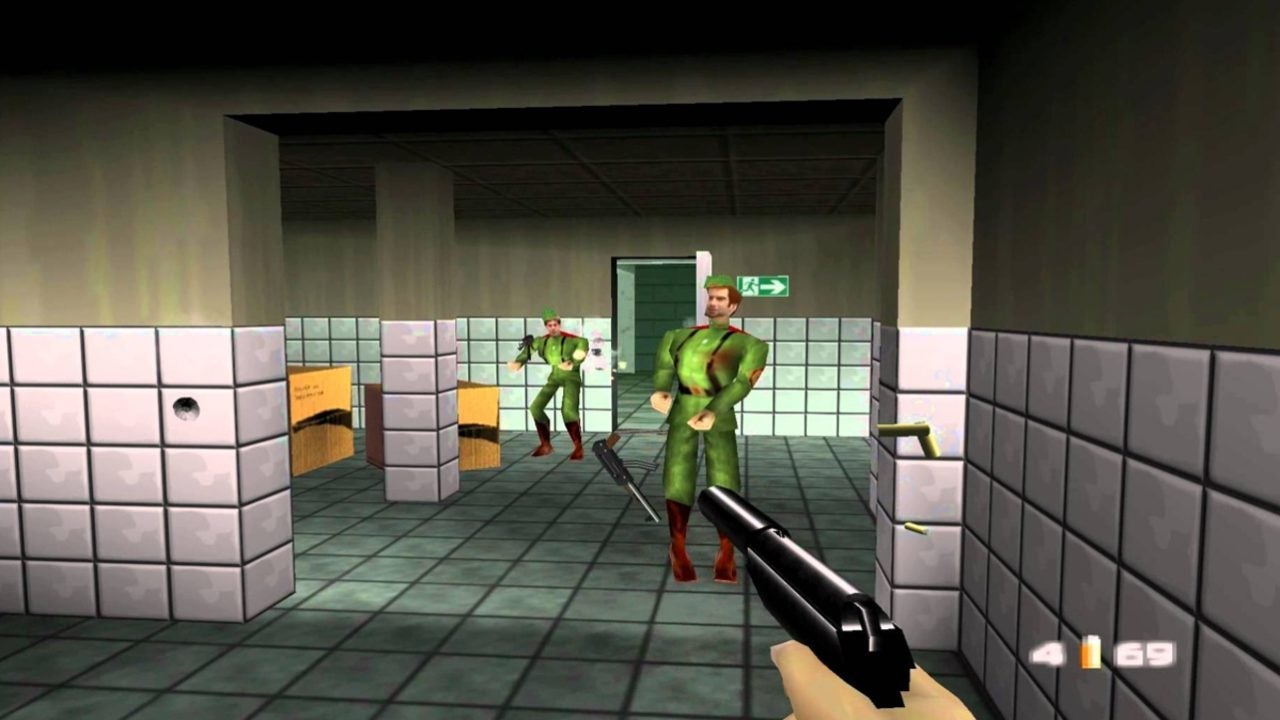
Since the first official James Bond game in 1984 (there were earlier ones but without rights, like a pirate), the saga had something in common for a decade: with a controller in hand, no one seemed to get the most out of agent 007. It didn’t help, of course, that the games still had to fight to be seen in 8 bits, with titles like A View to a Kill, Goldfinger, or The Living Daylights, which adapted a completely original story and even had audio tapes that explained the story in the voice of the very actor who played Q, Desmond Llewelyn. And then, GoldenEye arrived
Since the first official game of James Bond in 1984 (there were earlier ones but without rights, pirate-style), the saga had something in common for a decade: with a controller in hand, no one seemed to fully exploit agent 007.
It didn’t help, of course, that the games still had to fight to be seen in 8 bits, with titles like Panorama to Kill, Goldfinger, or The Living Daylights, which adapted a completely original story and even had audio tapes explaining the story from the mouth of the very actor who played Q, Desmond Llewelyn. And then, GoldenEye arrived.
Agitated, mixed, improved
In 1992, the franchise didn’t know where to turn with consoles, and a final game was released for Mega Drive titled James Bond 007: The Duel, in which the agent had to overcome 5 levels, face Jaws, and escape. The problem was that, at that time, Timothy Dalton had made his last appearance as the agent in License to Kill, and they had not yet found someone to replace him.
In doubt, they used his image on the cover and pixelated it within the game, although it didn’t matter much to anyone: despite receiving decent reviews, James Bond was part of the past, and there was little that could be done to revive the interest of the youth.
This impasse only lasted until, in 1994, they announced that Pierce Brosnan would take the helm of the saga in a new spectacular film: GoldenEye. And of course, with the relaunch, they had to have their corresponding video game: immediately, Rare and Nintendo began working on a possible game based on the movie, especially after the success of Donkey Kong Country.
Moreover, from Nintendo, having little faith in the producer, they proposed making a 2D platformer for Super Nintendo, which at that time was still selling non-stop and showed no signs of stopping. A perfect plan. Or not?
Back then, no matter how well they sold, movie adaptations were worth nothing: 2D platforms of Robocop or Batman that only slightly resembled the original title and that, in reality, would only go down in history for the most dedicated fans. Fortunately, Martin Hollis raised his voice in that meeting and insisted that the game should be made in 3D and developed for Nintendo’s new console, the Ultra 64 (which would eventually be, of course, the Nintendo 64).
What was the problem? By the time the console hit the market, the movie would have already left theaters and even the VHS market. At Rare, they were convinced it didn’t matter: the essential thing was to make a good game. The license was secondary.
They were right, of course: the game was released more than a year and a half after the movie, on August 25, 1997, but by then Pierce Brosnan was already starting the promotion for Tomorrow Never Dies, which would come out four months later, and the hand game ended up benefiting them.
It cost an absolute fortune for the time and they took much longer than usual, yes, but the result was incredible. No one cared that GoldenEye was a 1995 movie: the graphics, the extended story, the mapping, and the levels made the risk worth it. After all, masterpieces are not created every day.
It has been almost 30 years since the release of GoldenEye 007 and those who played it at the time still remember it as a canonical moment when they discovered that FPS games were not just for computers. And now, with the new 007 First Light about to be released, it’s time to ask ourselves if perhaps, none of this would have been possible without a brave person saying “I don’t see this for the SNES”. Hero.
Takaya Imamura, the original creator of Star Fox, has stated that he prefers the designs of Fox in the Super Mario Galaxy movie over those in the new video game of the franchise. An opinion that has caused controversy and has been supported by many people, who believe that the new designs are quite ugly and questionable, not capturing the charm of the original designs. A man of fluctuating or complex opinions. That does not prevent him from declaring that he is tremendously proud that they are making a remake of his game, even thanking Miyamoto himself for it. But in what […]
Takaya Imamura, the original creator of Star Fox, has stated that he prefers the designs of Fox in the Super Mario Galaxy movie over the new video game in the franchise.An opinion that has caused controversy and has been supported by many people, who believe that the new designs are quite ugly and questionable. Not capturing the charm of the original designs.
A man of fluctuating or complex opinions
This does not prevent him from declaring that he is tremendously proud that they are making a remake of his game, even thanking Miyamoto himself for it. But regarding the designs, it seems he is among those who think they are not as good as they could be. Stating that “I guess this is what happens when I’m not supervising… or something along those lines. I think the concept is fine”, he does not fall into the category of those who hate the designs, but he has not shown much enthusiasm about them either.
Or so we thought. After his statements became news over the weekend, Imamura himself has come out to assert that “the character design of Star Fox on Switch 2 is exactly as I imagined it in my head in Star Fox 64”. This seems to contradict his previous statements.
From this point on, there are several possible interpretations of why this change in tone occurred. It is possible that someone at Nintendo scolded him and he had to come out to defend the designs, that nuances were lost in translation or in his expression of what he wanted to say, or simply that he finds the version of the movie cuter and they should have used that instead of the one he had in mind during the development of the original game.
What is clear is that the game is not leaving fans indifferent. Not even its original designer. But to know if the designs are good or not, we will still have to wait until next June 25, which is when Star Fox is released exclusively for Nintendo Switch 2.
Nintendo, known for its focus on creating clever and family-friendly titles, has recently revitalized its Donkey Kong franchise with the release of Donkey Kong: Bananza, a game that has captured the attention of both children and adults. This new title has been highlighted at The Game Awards 2025, where it has received the award for Best Family Game and is competing for Game of the Year, reflecting its success and popularity in the gaming community. Weapons in Nintendo is not something you can do Shigeru Miyamoto, the renowned creator of […]
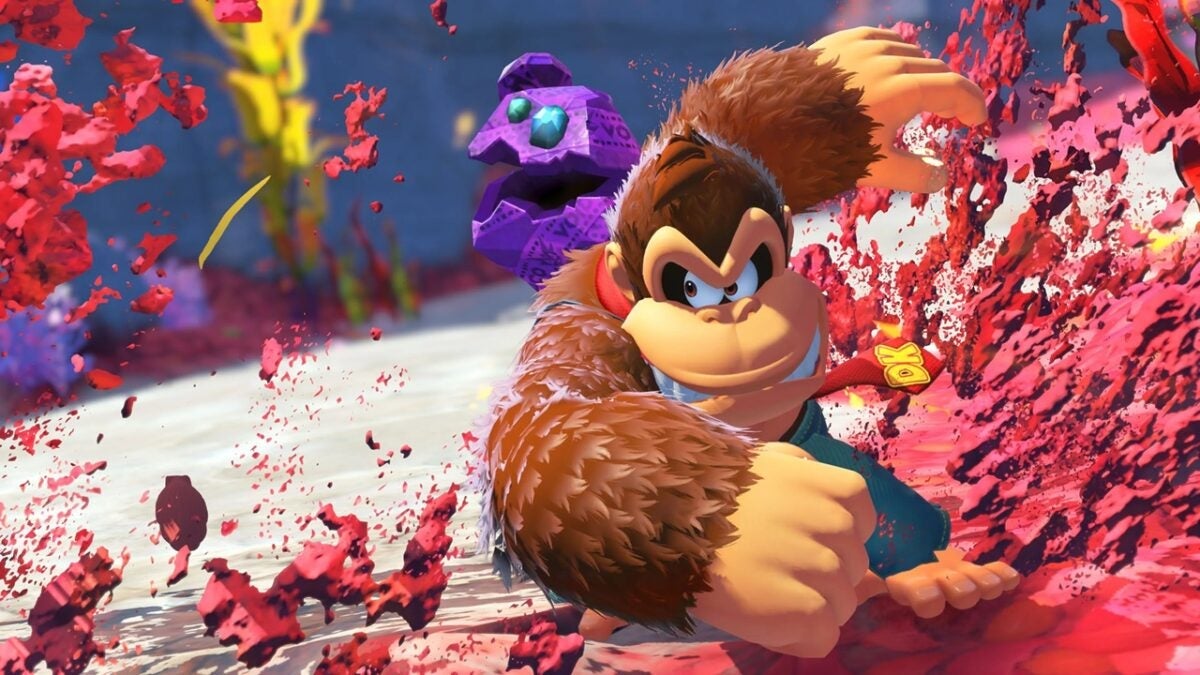
Nintendo, known for its focus on creating clever and family-friendly titles, has recently revitalized its Donkey Kong franchise with the release of Donkey Kong: Bananza, a game that has captured the attention of both children and adults. This new title has been highlighted at The Game Awards 2025, where it has received the award for Best Family Game and is competing for Game of the Year, reflecting its success and popularity in the gaming community.
Weapons in Nintendo is not something you can do
Shigeru Miyamoto, the renowned creator of Super Mario and project supervisor at Nintendo, has been instrumental in the development of the company’s major franchises. A notable anecdote from his career dates back to the development of Donkey Kong 64, where he was surprised to discover a realistic firearm in the game. In response to this situation, Miyamoto did not hesitate to redesign it, resulting in the iconic ‘Coconut Gun’, a weapon that shoots coconuts, thus aligning with the light-hearted and friendly tone that characterizes the series. This intervention is a testament to Miyamoto’s ingenuity and his commitment to maintaining the family-friendly essence in Nintendo games.
The link between Donkey Kong and family games has remained strong over the years, and the latest installment is no exception. Donkey Kong: Bananza offers colorful settings, destructible platforms, and entertaining challenges, with a narrative featuring DK and Pauline as humorous protagonists. The combination of these elements has not only proven appealing to new generations but has also resonated with long-time fans of the franchise, securing its place as a standout title in the world of video games.
The Bio Sensor, a device launched by Nintendo in Japan in late 1998, marked a milestone at the intersection of technology and video games by allowing the player’s heart rate to modify the difficulty of the famous Tetris 64. This innovative peripheral, designed to connect to the Nintendo 64 controller, included a clip that was placed on the player’s ear, analyzing their heart rate in real time and adjusting the gaming experience in a mode called Bio Tetris. Although it was a bold attempt to integrate the player’s physiology into gameplay, the device never made it out of […]
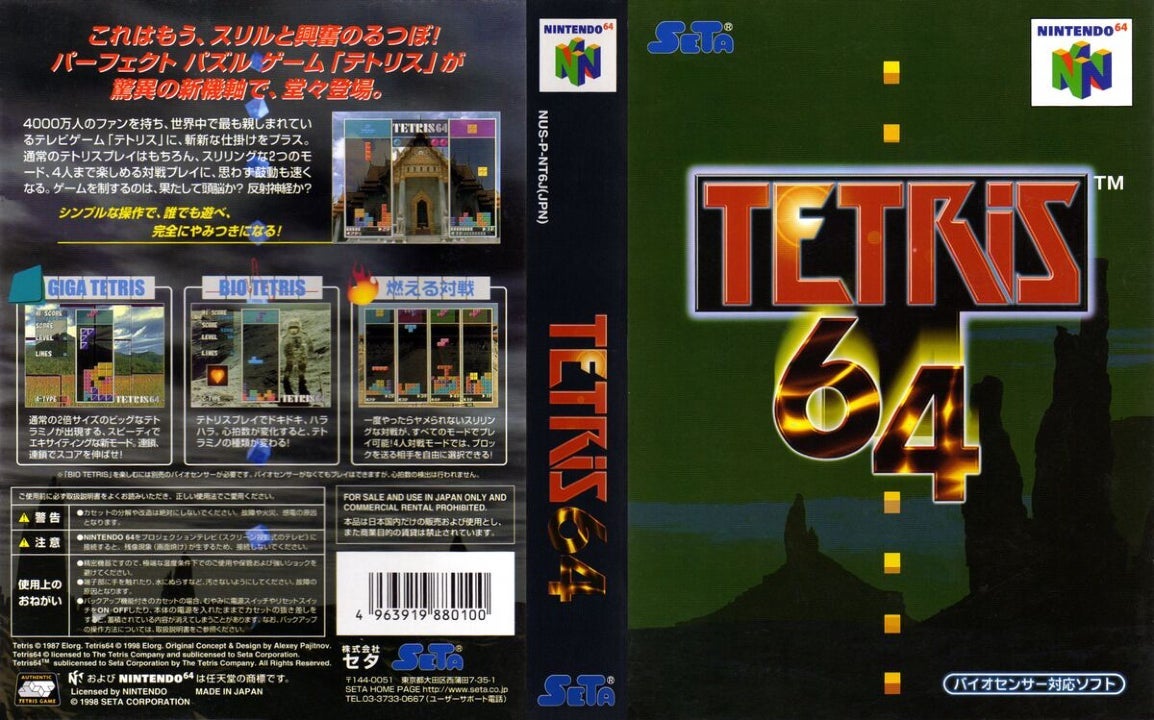
The Bio Sensor, a device launched by Nintendo in Japan in late 1998, marked a milestone at the intersection of technology and video games, allowing the player’s heart rate to modify the difficulty of the renowned Tetris 64. This innovative peripheral, designed to connect to the Nintendo 64 controller, included a clip that was placed on the player’s ear, analyzing their heart rate in real time and adjusting the gaming experience in a mode called Bio Tetris. Although it was a bold attempt to integrate the player’s physiology into gameplay, the device never left Japan and was only applied to this particular title.
A useless device that only serves to play Tetris
The Bio Sensor was offered both independently and in a package alongside Tetris 64. Its unique functionality allowed for two game modes, contributing to a more immersive experience, especially in its multiplayer version. However, despite its originality, the Bio Sensor is part of an extensive culture of unusual peripherals that spans the history of video games, where innovative ideas have been both acclaimed and considered complete failures.
Almost a decade later, Nintendo introduced the Wii Vitality Sensor, a similar device intended to capture heartbeats during the gaming experience in various Wii titles. However, the company eventually abandoned the product, although it did not give up on the idea of using players’ emotions and reactions as an integral part of the game dynamics.
Meanwhile, Tetris has continued to evolve over time, presenting new variants that have expanded the boundaries of the classic game. Titles like Tetris Effect, which offers stunning sensory experiences, especially in virtual reality, demonstrate that the franchise continues to explore new ways to connect with its players, highlighting the lasting relevance of the series within digital entertainment culture.
The gaming community is on edge ahead of the imminent arrival of the Nintendo Switch 2. Expectations are high, particularly regarding new exclusive games and the technical capabilities of the console. However, one aspect that has gone unnoticed is the crucial role that the subscription service, Nintendo Switch Online, will play alongside its Expansion Pack. Significantly improved emulation, although only on Switch 2 Recently, Nintendo announced significant improvements for classic Nintendo 64 games, accessible exclusively to subscribers of Switch Online + Expansion Pack. One of these features is the […]
The gaming community is on edge with the imminent arrival of the Nintendo Switch 2. Expectations are high, particularly regarding the new exclusive games and the technical capabilities of the console. However, one aspect that has gone unnoticed is the crucial role that the subscription service, Nintendo Switch Online, will play alongside its Expansion Pack.
Greatly improved emulation, but only on Switch 2
Recently, Nintendo announced significant improvements for classic Nintendo 64 games, available exclusively to Switch Online + Expansion Pack subscribers. One of these features is control customization, which will allow players to reassign buttons at will, making it easier to adapt to modern controllers. This adjustment is especially relevant for those seeking a more comfortable and personalized control during their gaming sessions.
Additionally, a CRT filter will be introduced that recreates the appearance of old tube televisions, evoking the nostalgia of the 90s. This filter can be activated at any time, adding a retro touch to the gaming experience. Another exclusive improvement of the Switch 2 will be the rewind function, which will allow players to rewind a few seconds in the game to correct mistakes, an invaluable tool in those moments of difficulty.
The Expansion Pack already includes titles from Game Boy Advance and Sega Genesis, but as part of its evolution, classic Gamecube games are expected to be added starting June 5. More than a dozen iconic titles such as F-Zero GX and The Legend of Zelda: The Wind Waker will be available at the launch of the Switch 2, which enhances the appeal of this platform.
With more content on the way and improved features, players are eager to explore what the next generation of Nintendo consoles has to offer.
Reiko Nagase has confirmed the return of Ridge Racer 64 for Nintendo Switch Online subscribers and its Expansion Pack. This title, released in the year 2000, marked the debut of the renowned franchise on Nintendo consoles and has remained in collective memory thanks to its innovative gameplay and impressive use of the Nintendo 64 hardware. Ridge Racer 64 stood out for combining arcade sensations with a smooth game design, offering players a unique racing experience. It featured eight tracks and 32 vehicles, each designed to maximize the […]
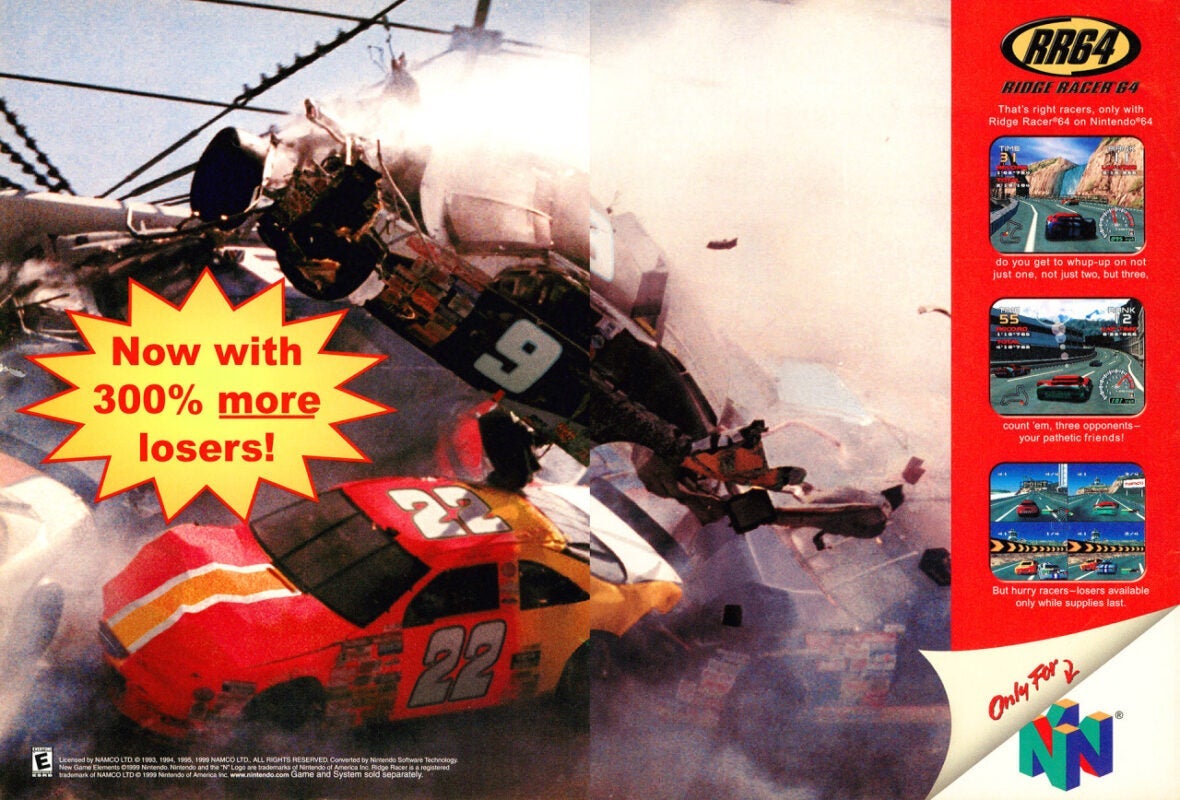
Reiko Nagase has confirmed the return of Ridge Racer 64 for Nintendo Switch Online subscribers and its Expansion Pack. This title, released in the year 2000, marked the debut of the famous franchise on Nintendo consoles and has remained in the collective memory thanks to its innovative gameplay and impressive use of the Nintendo 64 hardware.
Ridge Racer 64 stood out for combining arcade sensations with a smooth game design, offering players a unique racing experience. It featured eight tracks and 32 vehicles, each designed to maximize enjoyment on the asphalt and circuits. Among its game modes are Quick Play, Grand Prix, Car Attack, and Time Attack, in addition to a multiplayer mode that allowed up to four players to compete at the same time, an appeal that remains in its adaptation to Switch.
The reason for its triumph: the incredible atmosphere
However, what truly elevated Ridge Racer 64 were its visual aspects and its soundtrack, composed by Keith Arem, which added to the techno atmosphere characteristic of the turn of the millennium. The music not only complemented the gameplay but also enhanced the sense of speed, a distinctive hallmark that has remained in the franchise.
With the franchise currently under the wing of Bandai Namco, there are hopes within the community that a new Ridge Racer will be developed to compete with the iconic Mario Kart on future consoles. However, to offer an innovative and enticing experience that attracts both new players and veterans, they will need to demonstrate the power of the new hardware. The return of Ridge Racer 64 is an exciting gift for driving enthusiasts, reaffirming its legacy in the history of video games.
Nintendo 64 has always been the ugly duckling of Nintendo consoles. Unjustly so. It is a console with some titles that defined how 3D video games would be made, with authentic classics from the company, but also with excellent third-party games. It may not have the infinite catalog of the first PlayStation or the incredible catalog of cult classics to discover from the Sega Saturn, but it is a great console to reclaim. As demonstrated by Nintendo with the announcement of its two new games for Nintendo Switch Online. Nintendo has confirmed that the next two games that […]
Nintendo 64 has always been the ugly duckling of Nintendo consoles. Unjustly so. It is a console with some titles that defined how 3D video games would be made, with authentic classics from the company, but also with excellent third-party games. It may not have the endless catalog of the first PlayStation or the incredible catalog of cult classics to discover from Sega Saturn, but it is a great console to be vindicated. As demonstrated by Nintendo with the announcement of its two new games for Nintendo Switch Online.
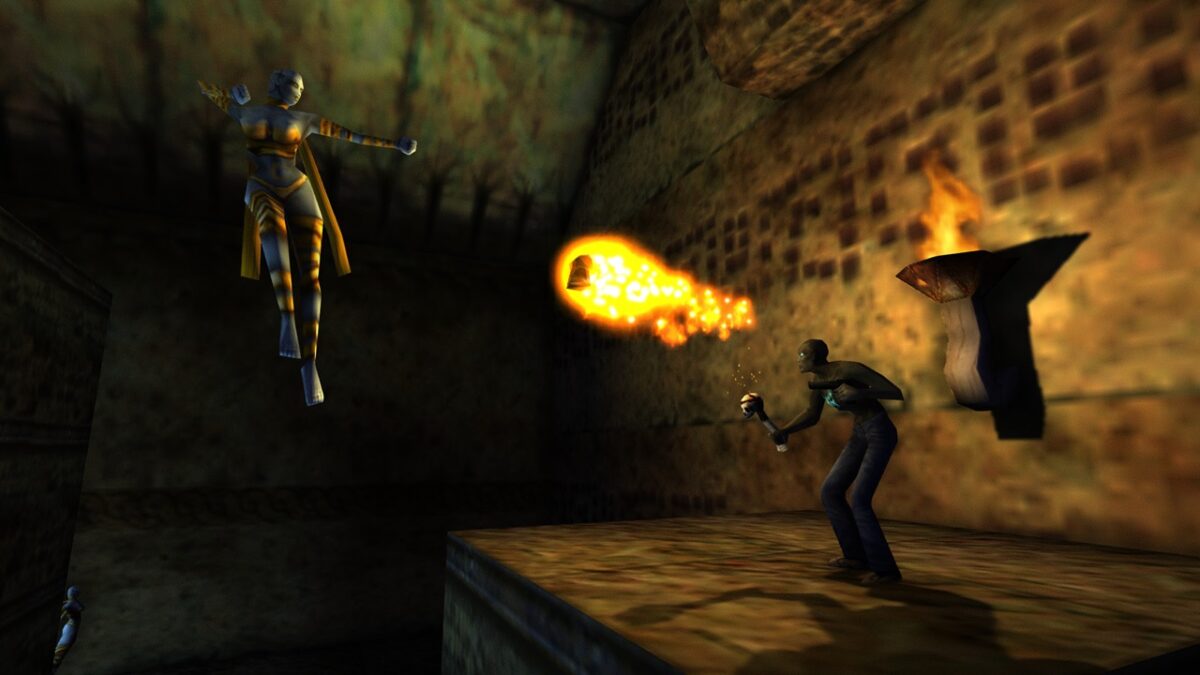
Nintendo has confirmed that the next two games coming to the service are two of the most acclaimed games from Akklaim’s catalog. Because Shadow Man and Turok 2: Seeds of Evil are coming to the service.
Shadow Man is the adaptation of a comic of the same name, from Valiant Comics, that puts us in the shoes of a man who lives between the world of the living and the dead and has to use this peculiarity to maintain peace between both realms. This becomes necessary when a group of serial killers, led by Jack the Ripper, are trying to break the separation between both worlds. Turok 2: Seeds of Evil, on the other hand, is the sequel to Turok that improves practically everything from the original, where, in a first-person shooter, we will have to face dinosaurs and aliens in a wild environment in the only possible way: with shotguns.
Both games are an excellent showcase of the diversity of the Nintendo 64’s game catalog, which was far from being the exclusively family-friendly console that is sometimes portrayed. That said, it’s a peculiar selection of titles when both can currently be played in remastered versions by Nightdive Studios that are not only tremendously faithful to the original but also improve them in many aspects. This should not prevent us, in any case, from enjoying their original versions for what they are.
That’s why, whether it’s nostalgia or because they pique your interest, you can play these two Nintendo 64 titles right now on your Switch. As long as you have an active Nintendo Switch online subscription and, even more importantly, the spirit to defeat the dangerous threats they represent.
Nintendo Switch Online is an essential app if you want to fully enjoy Nintendo Switch multiplayer games like Splatoon 2, Mario Kart 8 Deluxe, ARMS, or Pokkén Tournament DX. Its main advantage: it helps you coordinate strategies with your friends through its voice chat.
Although the Nintendo 64 has never been the most popular console, that might change thanks to this project that will allow its games to be played on PC.
Despite being almost 30 years old, the emulation of the Nintendo 64 is still not perfect. It is a console with a very particular structure and, due to its relatively low popularity, progress has been slow. In addition, many people have trouble adjusting everything to achieve the best possible emulation experience. This makes it a less remembered console than it should be.
But that may change soon. A developer named Wiseguy has created a tool called N64: Recompiled, which allows recompiling Nintendo 64 binaries into C code. This means that it would be possible to convert a Nintendo 64 ROM into a piece of software that can run on any computer, without the need for any technical knowledge.
What is the advantage of doing recompilations instead of using an emulator? It allows all the things that, through emulation, would be much more expensive. For example, this way, it would be possible to improve the frame rate, play in 4K or higher resolutions, add ray tracing to games, or include support for different screen resolutions.
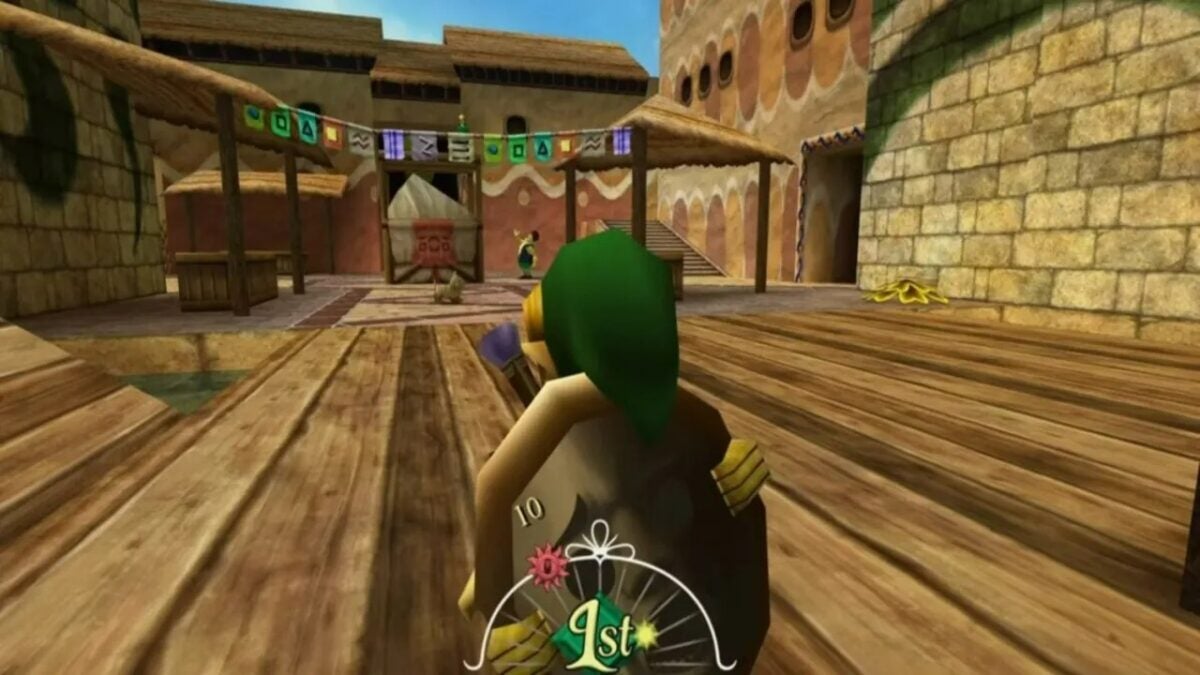
Although this is hypothetically possible with all Nintendo 64 games, at the moment only one game has been made available: The Legend of Zelda: Majora’s Mask. This version of the game allows us to play it natively on the computer, with all the improvements we mentioned before. In addition, Wiseguy has already managed to make ports of three other Nintendo 64 games: Banjo-Kazooie, Rocket: Robot on Wheels, and Superman 64. This opens up the possibility that, in the future, we will have versions of all the games in the catalog on PC.
This would allow rediscovering a machine that has been somewhat forgotten. With great games, including some of the best in Nintendo and Rare’s history, this is news that has the potential to revolutionize the world of retro gaming. Something we can’t wait to see how it evolves.
A priori everything is fine, everyone spends their time as they want and can, but the studio has prohibited him from continuing in a kind of “If it’s not because of us, really, we’re already doing well, but the others…”.
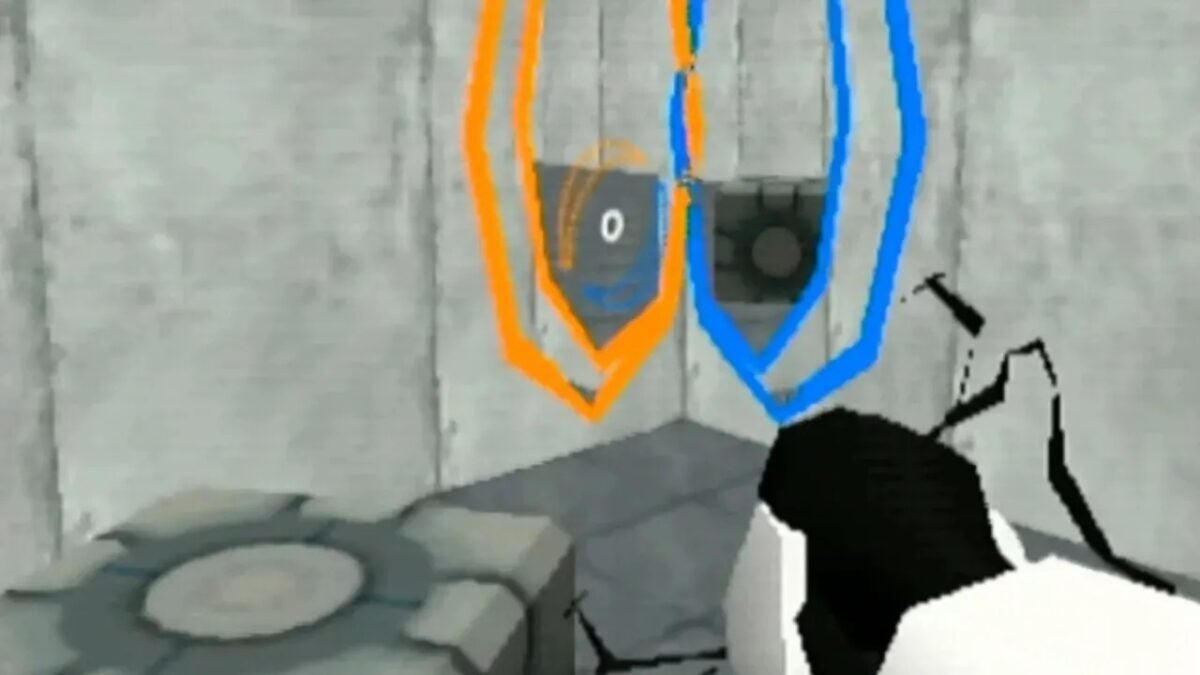
Okay, I have to be honest before we start: ‘Portal’ is my favorite video game series of all time. The dark humor, the strategy, the perfectly designed puzzles, a unique and irreplaceable style… It’s Valve at its best. And, of course, it has spawned as many fan games as you can imagine. At least until Nintendo got involved, the devourer of fan projects.
It all starts on James Lambert’s computer, the developer of ‘Portal 64’. And what is this? Well, it’s a version of the famous Valve game but developed for Nintendo 64. At first glance, everything is fine, everyone spends their time on what they want and can, but the studio has forbidden him to continue in a kind of “If it weren’t for us, really, if we’re already doing well, but the others…“
And the thing is that ‘Portal 64’ used development libraries owned by Nintendothat, although any developer can easily have, the company has not officially made them public. Yes, after so many years. You know how Nintendo is. Faced with rejection, the boy decided to remake the game with open source alternatives, but Valve, unable to take a look, has stuck to its guns.
So Lambert, with what he has learned, has decided to make another fan game on Nintendo 64, which has nothing to do with ‘Portal’: a kind of action platformer with magic, runes and spells. In other words, and according to YouTube commentators, like ‘Magicka’, that video game from 2011 that Arrowhead came up with before the success of ‘Helldivers 2’.
At least we have the consolation that ‘Portal 64’ hasn’t died in vain. Now we just need Valve not to close it again for good.