Google Hangouts is officially on the way out

The Google Hangouts shutdown will begin October 2019.

google hangouts to be shutdown

Google Hangouts is Google’s most popular messaging app. On mobile, Hangouts has seen over 1 billion downloads on Android and for desktop, it has enjoyed its privileged position as the main chat facility for Gmail’s 1.5 billion users. It has been around for over 13 years when it started its life as Google Talk. Google has now released details of how it will shut down Google Hangouts and move users to its new app: Hangouts Chat.

Hangouts Chat Download now
6

The Google Hangouts shutdown will begin October 2019

In a blog post announcing the Hangouts shutdown, Google described how it will be enterprise Gsuite customers who will be the first to see the app go. The post mentions a piece from 2017 in which Google talked about the next generation of Hangouts focusing on team communication and it seems that the new timetable shows how this move will be implemented.

According to the recent blog post from Google, these are the key dates to be aware of in the lead up to Hangouts retirement:

“…timeline of changes

  • April 16, 2019 – Several changes that may require administrator action.
  • Between April and September 2019 – Features from classic Hangouts will come to Chat.
  • October 2019 – Start retiring classic Hangouts for G Suite customers.”

G Suite users will start to lose access to Hangouts in October with regular consumers being switched off sometime in 2020.

For those who like Hangouts, the good news is that from April, Google will begin work on migrating some of the key Hangouts features to Hangouts Chat. With Hangouts being Google’s most popular messaging app ever, it would be an own goal for the search giant to not include most, if not all, of the features Hangouts users have enjoyed in this migration.

The key thing to understand here is that essentially Hangouts is now three apps, but that the two newest apps mark different key features from the original Hangouts app. Hangouts Chat is the Slack-like app that will deal with messaging, while Hangouts Meet is a video-conferencing app. To avoid confusion around this issue, Google is now calling the original Hangouts app Hangouts Classic. Google HQ is now committed to taking the best of Hangout Classic’s features and moving them across to the two newer Hangout apps before decommissioning it.

The funny thing about all this is that Google is doing it to simplify its messaging app output. Google is currently carrying out plans that will remove Hangouts and Google Allo from its roster. Once they’re gone, that’ll leave Google with five messaging apps available, which is the same number of apps it had before it introduced Hangouts Chat and Hangouts Meet.

This new direction doesn’t appear to make too much sense and hinges on the successful migration of users from Hangouts Classic to Hangouts Chat and Hangouts Meet. Maybe all will become clear further down the line, but it is clear that the next few months will be crucial for Google’s messaging strategy.

Big big changes coming to Twitter

Twitter is getting an even darker mode and a brand-new web layout

twitter

Over the last month or so Twitter has been rolling out one of its most requested features. The chronological timeline arrived for iOS users just before Christmas and Android users have recently received the new feature, too. It looks like Twitter is pushing ahead with even more changes. Some of which are quite significant.

Twitter is getting an even darker mode and a brand-new web layout

In a recent Twitter exchange, Jack Dorsey, CEO of the micro-blogging site, recently agreed to fix Twitter’s dark mode. If you didn’t know it was broken, the pledge relates to Twitter’s dark blue background whenever dark mode is activated. Responding to an article by The Wall Street Journal calling for more apps to implement dark modes, Dorsey responded to a tweet by a Twitter user requesting a black dark mode.

Dorsey’s response of, “Will fix” has since been followed up by one of Twitter’s designers to say that Twitter’s design team is already working on the issue. To see what a big difference this will make to your phone’s battery life check out this report we wrote on dark modes and battery life back in November.

The other big news coming from Twitter HQ is the follow up to an announcement Twitter made back in September. The word then was that Twitter was testing a few mobile features for the desktop version of its site. In particular, the Explore tab and bookmarks would be coming to the desktop version of the site, via a redesign.

This redesign is now rolling out and it is bringing with it a few more features than we were promised back in September. Twitter’s traditional three-column design is being stripped down to two. When the update arrives, the Trends for you section will be combined with the Who to follow section on the right-hand column.

Other new features include a new emoji button, keyboard shortcuts to help you get around the website easier, an improved search function, and a much better trending section. All-in-all this represents quite the update to the desktop version of Twitter with the site getting a new, fresh look and some tasty new features to go with it.

For now, these new features are only available to a small number of users who have been given the opportunity to opt-in. If you haven’t been given the chance to try them out yet, don’t worry, you’ll get one soon. There is no official word about when the new redesign will be available for all users, but we can expect that we won’t have wait too long.


How social media is changing the way our world looks

You may not have noticed, but the world around you is changing because of social media. Here’s how.

selfies

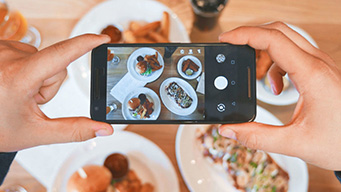
Flawless skin against pastel backdrops, beautiful food in abundance, and travel shots to die for. The rise of image-based social media means we’re constantly scrolling through a digital catalog of how life is supposed to look.

But, it’s worth pointing out how spending time online has changed the way things look in the offline world. Our perception of beauty is changing on the whole. Sure, trends come and go, dictated by what’s going on in the world.

But, on the broad scale, we’re looking at something new. The way we take in life’s aesthetic experiences is changing. Just the fact that we call everything from eating to looking at clothes “an experience” is a relatively new development.

From museums to filtered beauty and how we think about food—here are some ways that social media aesthetics have changed our perception of the real world.

How social media is changing the way our world looks

Social and our cultural institutions

A 2017 La Placa-Cohen report says our definition of culture is changing. We’d rather be entertained than educated, it says.

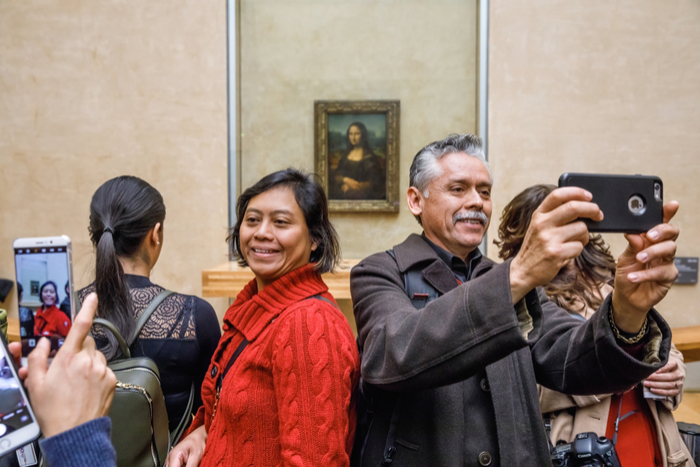
Look at the museum culture now. Hot exhibits have people standing in line to take selfies.

There’s been an influx in several social media-centric galleries, museums, and popups like the Color Factory, the Museum of Ice Cream, and the Museum of Selfies.

For traditional museums, once photo-free zones, norms are changing. Exhibits that photograph well are becoming a source of revenue for these institutions, so museums are increasingly forced to get on board with Instagram.

On the one hand, it’s cool that there’s a renewed interest in the museum. There’s also the question of how we’ll judge the real-life version of a painting. Or, whether those pieces that don’t photograph well still have merit — will they be passed over for those with the right color schemes?

Makeup industry has exploded


View this post on Instagram


Did you get your brand new #Kylighters yet? ✨ Which shades are you loving? @annybeeutee

A post shared by Kylie Cosmetics (@kyliecosmetics) on Jan 23, 2019 at 7:26am PST

Makeup is undeniably having a moment. From Glossier to Kylie Cosmetics to all things Korean beauty and face masks — it’s safe to say, social has had a major hand in our collective obsession.

The why is pretty obvious: cosmetic brands have a huge advantage on visual platforms. They can now show how products look, instead of rattling off a list of benefits. There’s also something soothing about watching people draw swatches on their arms or explain how to use a product.

Self-made makeup gurus have created a culture that thrives on the internet, offering tutorials on how to create these elaborate, full-faced looks. Or, what influencer Patrick Starr calls, the Full Beat Face. You’ve seen it, even if you don’t know the name, filled in eyebrows, contoured cheeks, elaborate eye makeup, fake lashes, the whole shebang.

This look is seen in selfies across the globe — and has perhaps contributed to a changing standard of beauty. Look at the rising demand for plastic surgery or the massive numbers of women attempting to recreate the Kardashian face.

On a more hopeful note, social media has broadened our idea of what’s beautiful — it’s a democratic platform that allows more diversity than traditional advertising.

Interestingly, this ability to share favorite looks so easily has contributed to a new, somewhat cringeworthy phenomenon, fake #sponcon. It’s a response to the fact that brand deals are a hot commodity–but it also shows how much power tops brands wield over a young audience.

Design trends are merging

Restaurants participate a ton on Instagram and Pinterest. It makes sense, you need to play the social game if you want to attract diners, critics, and food bloggers into your establishment.

Neon lights, murals, open spaces, and succulents. Restaurants decorate with social media in mind — some replace countertops with white surfaces that better highlight the food. Others add elaborate accent walls. These things come together to create an experience.

On the home decor front, there’s this fast-paced cycling of trends happening. Journalist Kyle Chayka says design trends get overexposed instantly — and they almost become meme-like as a result. It makes sense — scroll through Instagram, then consider the trendy boutiques and cafes in your neighborhood.

Chances are, you’ll see a similar blend of industrial chic, pastel-hued walls, and minimalism. Life has become a catalog that really stays on brand.

Eating has changed

And, speaking of restaurants, it’s not just the decor that social media is changing — it’s also the food itself.

You’re not even going to see certain foods anymore. Brown foods like meatloaf, hearty stews, and casseroles aren’t exactly hot these days — they look bad in photographs.

In some cases, chefs are developing dishes exclusively for the benefit of being extremely photogenic. Foods with bright colors and contrasting hues take precedence over taste in some cases — which of course, impacts what we order or consider “good.”

Final thoughts

Whether we want to admit it or not, many of our IRL decisions are influenced by influencers. Our desire to create a certain look on social media does have an impact on how we conduct ourselves in the real world—playing a role in the restaurants we select, the clothing, makeup, and decor we purchase, and the places we go.

Trends like fake branded content may be seen as uncomfortable to the outside observer, but it could also be seen as a way into the influencing game. Our museums might now be defined by the long lines of selfie-takers, but it also means more people visit these institutions.

On the whole, it is hard to say whether these changes are positive or negative.

But, it is worth questioning — what do we gain from documenting everything? And how does the “pics or it didn’t happen” mentality shape our expectations for analog experiences?

Netflix wants your Instagram followers to know what you’re binging

How to add what you’re watching on Netflix to your Instagram Stories.

netflix

If you’re a big Instagram user, you might have noticed over the last couple of days that some of your friends’ Instagram Stories have included something new. In the last couple of days Netflix has added a new feature for iOS users, which makes it easy to share what you’re watching via Instagram Stories.

Netflix Download Now
8

As well as adding the new Share feature, Netflix has even started rolling out dedicated artwork for some of its best shows and movies. Furthermore, the Netflix update also allows for plenty of customizations to add on top of the Netflix artwork including standard Instagram Stories features like stickers and polls.

Instagram Download Instagram
7

How to add what you’re watching on Netflix to your Instagram Stories

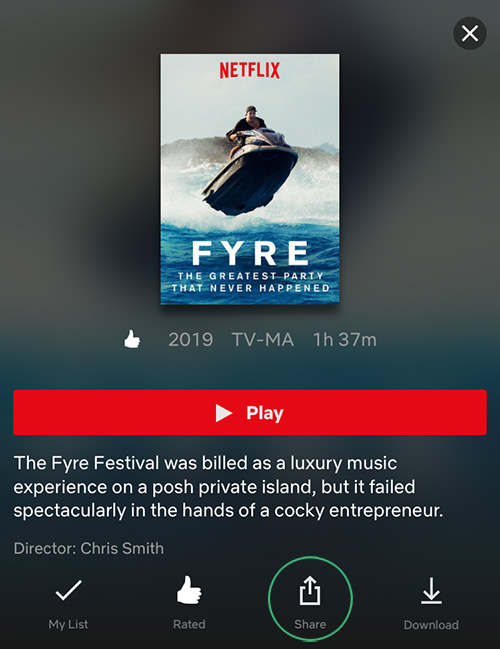
To share what you’re watching on Netflix via Instagram click on what you’re going to watch. Then, before you hit the play or resume button you want to hit the share button next to the like icon. This will open up the sharing options Netflix offers, which includes Messages, Messenger, Copy Link, and now Instagram Stories.

Hitting Instagram Stories will take you over to the Instagram app and line you up with a new story, complete with artwork for the Netflix show or movie you want to share. You can then add all the extras you like, just like you would with a regular Instagram Story. The other cool thing is that all of your Netflix themed Instagram Stories will link back to the show’s page on Netflix, making it easier than ever for your friends to get caught up on what you’re watching. This will, of course, also give Netflix a bit of a traffic boost, which is likely one of the main reasons for the change.

This latest tweak to Instagram’s sharing feature comes on the back of the largest price hike in Netflix’s history. Most subscribers will see their monthly Netflix bill jump $2, although those subscribers on Netflix’s bottom tier will only have to pay an extra $1 a month. The Instagram Stories sharing feature should take the focus off the price and square it solely on the content.

This is, of course, the conversation Netflix wants us to be having as it moves forward into 2019. The recent price hike, which will come into effect for current subscribers over the next three months, will go some way to pay for the supposed $19 billion Netflix has set aside for new content this year. As that new content starts to bolster Netflix’s roster, it makes sense for the company to be giving us as many opportunities as possible to talk about it in as engaging a manner as possible.  That is, as long as it new content is good content.

Privacy-invading software scans your babysitter’s social history

Before you let someone babysit your kids, should you get a full picture of their social media history?

predictim service for babysitters

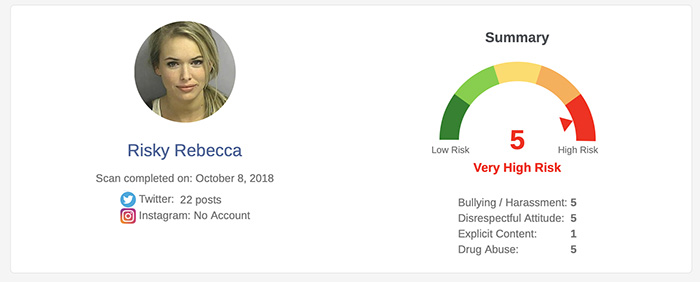
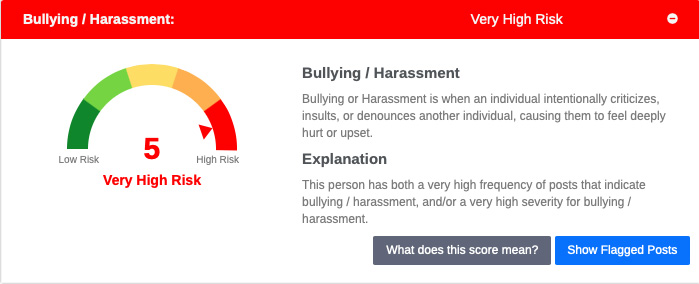
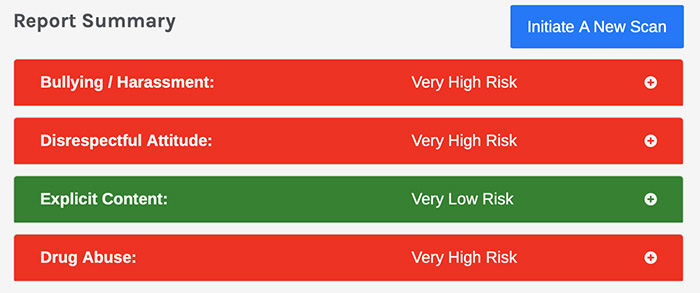
So, a few weeks back, the Washington Post ran a story that had a disturbing tinge running through it. The article centered on a software called Predictim. It’s a service that scans potential babysitters’ Twitter feeds, Facebook pages, and Instagram stories to provide concerned parents automated risk ratings for things like drug use and bullying.

Less objective measures like a bad attitude or disrespectfulness were also included in the report — which, really?

It’s certainly understandable that parents want to check out the person watching their child. But this technology presents some new issues that go beyond general workplace spying.

Here’s a little background on Predictim, and a look at what’s looming over the horizon when it comes to new ways to invade peoples’ space.

How does Predictim work? What’s the deal?

predictim

Predictim scans the digital footprint of a prospective babysitter to determine their risk to parents. The app was created by Sal Parsa and Joel Simonoff who set out to develop an AI solution that can generate personality assessments based on the candidate’s digital footprint.

The app used natural language processing (NLP) to sort through social media platforms, scanning photos, tweets, and captions for risk factors — Parsa and Simonoff say that traditional background checks or interviews don’t paint the full picture of who a person might be.

With Predictim, the algorithm considers billions of data points and can scan them within a matter of minutes — spitting out a report with predicted traits, behavior, and a brief summary of their digital history.

Reports cost $24.99 a pop and come with a risk assessment score — green being not risky to red, very risky. A small price to pay for identifying potential bullies and abusers who might otherwise slip through the cracks.

What are some of the issues?

predictim

Critics of the tool say that technologies like the solution that Predictim has presented present some clear dangers, especially given that these tools are being used to make decisions about someone’s ability to find work.

The first problem that comes to mind, of course, is bias. Often AI tools don’t show bias until they’ve been deployed and someone starts to pick up on this unfortunate pattern.

Gizmodo’s Brian Merchant decided to experiment with Predictim and his post-mortem highlights some major problems. Merchant says he tested the app using his actual babysitter, an African American woman, and a white male friend. The friend got a better rating than the babysitter, despite the fact that he shares a lot of vulgar content on Twitter. Merchant’s babysitter was flagged for being disrespectful.

Joel Simonoff, the CTO, says that they don’t look at things like race or ethnicity, but we’ve seen other tools develop biases, too. Amazon’s recruitment AI didn’t especially like women and software used by many of the nation’s prisons routinely rates black inmates as more likely to commit a crime in the future.

predictim

Another issue is this tool turns up a lot of personal data. Predictim pulls up addresses, phone numbers, email addresses, and names of relatives — to, you know, ensure that the person running the scan knows, just for sure, that they’ve got the right person.

Finally, these recruitment apps are classist. Increasingly, we’re developing tools that disproportionally subject low wage workers to robot-based scrutiny. While Predictim does need to obtain the babysitter’s consent before processing the report, if the sitter opts out—surprise, they’re not going to get the job.

Other tools like HireVue and Fama work with companies—reporting back on things like attitude and demeanor.

Fama scans social media channels for toxic behavior and alerts the bosses, while HireVue analyzes tone and demeanor to predict on the job performance — candidates are encouraged to smile at the bot for best results.

Facebook and Instagram blocked the tool

Facebook pulled most of Predictim’s access to users, as the company was found to be in violation of the platform’s privacy policy on how personal data can be used. Predictim is still scraping public data for their reports, but Facebook may end up pulling them completely.

Twitter says, when they became aware of the platform, they blocked it as well. A spokesperson for the company said that Twitter prohibits the use of their data and APIs for surveillance purposes.

Still, Predictim isn’t giving up. The founders are currently in talks with shared economy companies to provide vetting services for rideshare services or accommodation hosting. We’re sure there are some big names involved.

While it’s heartening that the social media giants have shut this tool out — there are so many of these vetting platforms that keep cropping up. And, you’re looking at things like a bad attitude or evaluating personalities with algorithms, there’s going to be a problem in the power dynamic between employers and those vying for opportunities from the babysitting gig down the street to gig economy sites and the traditional 9-5.

What’s next?

It looks like the media scrutiny offered more blowback than Predictim, uh, predicted. Visit the site now and you’ll see a statement at the top:

“We have been overwhelmed by the interest, press coverage, and input regarding our project. To be honest, this attention came earlier than we expected, and certainly before we had fully launched our contemplated services. We received some very helpful feedback on ways we could make Predictim even better. Clearly, people are hungry for better ways to make decisions in marketplaces where character, reputation, and trustworthiness are important. As a result, we have decided to pause our full launch and put our heads down to focus on evaluating how we offer our service and making changes to address some of the suggestions we received. While we are not offering any services at this time, please stay tuned and check back often for updates: we will be back!”

Ultimately, it doesn’t seem like Predictim and similar apps are going away anytime soon. Even if Facebook and Twitter keep blocking the platform from scraping private data, there’s always the chance the companies reach a compromise if there’s enough money on the table.

The fact that enough people are willing to use this service to spy on the neighborhood teen is a bit troubling, and it’s a sure sign that we need to start fighting for our privacy before it’s too late.

Twitter for Android finally gets the feature everybody wants

Twitter for Android finally has a chronological timeline button.

twitter

Twitter truly is an enigma. It has opened up a direct line to journalists, allowing users to get their news quicker and direct from the source. It has also, however, enabled peddlers of fake news to bring their lies to a wider, global audience. Accordingly, both dictatorships and democracies are rocking thanks to the Twitter effect. Twitter is a controversial beast.

Like with many of the new big tech goliaths, however, one of the most controversial Twitter issues is an internal matter rather than an external effect. The infernal Twitter algorithm has caused plenty of angst among its user base and one matter in particular reigns supreme as the most annoying. Twitter’s timeline serves up tweets the network thinks you might find are important or that you’ve missed rather than the Tweets people have just posted. Why? Why? WHY!?!

Fortunately, this has finally changed.

Twitter for Android now has a chronological timeline button

You can now have the most recent tweets from the people you follow show first on your Twitter timeline. Infuriatingly for Android users, the iOS version of the app has had a chronological timeline button since before Christmas. The feature dropped over there on December 18, but we’re very happy to tell you that now Android users have the button, too. This means that, unless you’re a part of the rare breed that still uses a Windows phone, you’ll now have access to the Chronological timeline button.

This move sets Twitter apart from other social networks, which force users to see the posts they think they’ll like the most. This has been possible for a while on Twitter but, until now, users had to delve into the often-confusing Twitter Settings menus to make it happen. Now it is easier than ever to see Tweets as they’re being posted.

latest tweets

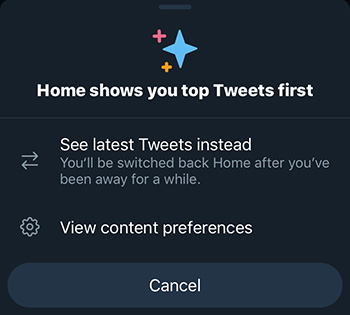
Now all Android and iPhone users have to do to have the latest Tweets show first on their timeline is click on the star button found in the top-right corner of the app. If you can’t see the button when you open the app, simply scroll up towards the top of the feed and the button will appear. Tapping it will give you the option to See latest Tweets instead and hitting that option will change your timeline to chronological view. You might find once you’ve selected it, that you’re a couple of days down your timeline but hitting the Home button will take you to the top of your feed.

This feature still isn’t available on desktop, but according to the Tweets sent out announcing the new feature, there is no reason to believe the change won’t be across all of Twitter rather than simply on the mobile apps.

Multi-gram! Instagram’s new update is great news for anyone with multiple accounts

Instagram’s “self regram” feature allows to publish your posts across multiple accounts.

self regram

Instagram is one of the hippest social networks. A new change from the Facebook-owned social network, however, might indicate the days of it being the most original social network are numbered. Obviously, we’ll still get beautifully filtered and edited photos popping up on our Instagram feeds, the only difference will be that they also might be popping up elsewhere too.

Instagram Download Instagram
7

Instagram’s “self regram” feature allows to publish your posts across multiple accounts

For most of us, this won’t make much of a difference to our day-to-day Instagram experience. Most of us only have one account. The only way this change could affect us is if we start to see the same post appearing on our timeline multiple times. This will happen if we follow more than one account that is managed by the same person or team.

Social media managers and marketers will get the most from this change. The move will help businesses and influencers publish the same content across multiple accounts, making it easier for them to reach multiple audiences. They could do this in the past, of course, but the whole process was manual as they would have to post to each account individually.

This move could be designed to bolster Instagram in the eyes of businesses looking to promote themselves over social media. The last few months has seen a number of social networks and messaging apps bolstering the toolkits they provide businesses to do that very task. Messenger has been doing it for years, WhatsApp has just launched a brand-new business facing app, and even Google Maps has started muscling in on the action.

For a long time, Instagram has been a natural home for business and product promotion. A lot of care goes into Instagram posts, and hashtags have always meant that if you can make your product look Insta-worthy, your customers will do the promoting for you. As more competitors move into the social business market, perhaps Instagram sees promoters having less time to customize posts for different Instagram accounts as they’ll likely be customizing posts across multiple social networks.

It is worth pointing out, however, that more posts doesn’t necessarily mean more hits. The copy-and-pasting of posts and then sending them out to different audiences could end up taking away from the overall quality of post published across Instagram as a whole.

The new regram feature will roll-out to iOS users soon but, as yet, there is no news about whether or not this feature will come to Android.

4 best apps for managing your social media posts

Feeling overwhelmed with too many posts? Try these apps to promote your brand.

If you manage a social media profile, you know how busy you can get. You’re probably frequently responding to comments, scheduling posts, analyzing your audience and engagement statistics, and maintaining a consistent profile or brand message. At times, it can seem like your page requires constant attention.

Thankfully, several companies have released apps with tools that help you reduce the time you spend crafting and honing your social media presence. The best apps offer various options that cater to single influencers, big companies, and everything in between. Take a look at some of these affordable suite-style options and free integration apps below.

4 best apps for managing your social media posts

1. Agorapulse

Agorapulse is widely used by companies that want members of their marketing teams to have access to multiple social media accounts at a time. However, the app also serves a number of influencers and individual social media users with several platforms to manage.

Users can choose between monthly and annually-billed plans, ranging from $49-$299/month and $39-$239/month respectively. The different plans are meant to benefit a range of individuals, small businesses, agencies, and large organizations.

The app allows users to integrate up to 40 profiles and up to 12 individuals at a time, depending on the given plan. Thanks to the dashboard, content queue, detailed calendar, and real-time syncing on both smartphones and computer formats, you’ll have all you need to keep track of every detail of your profiles.

2. Social Report 

Like Agorapulse, Social Report is useful for both individual influencers and bigger companies alike. The app offers integration capabilities for platforms including Instagram, Facebook, Twitter, Google Analytics, Yelp, and TripAdvisor, to name a few.

The app also offers suite features for basic users without significantly upping the price, which comes in at just $49/month. These include direct scheduling, PDF analytic reports, inbox management, and the ability to reuse your best content and bring in more views. There is also an Advanced plan ($99/month) that allows for 50 social media profiles and 10 users, and a Pro plan ($199/month) with over 200 profiles and an unlimited amount of users.

3. Hootsuite

Individual influencers and personal social media managers have often referenced Hootsuite as the No. 1 free integration app available to users worldwide. The app allows users to sync dozens of platforms at once. Functions include monitoring conversations by keyword, hashtag, and location, in addition to scheduling posts, maintaining pre-approved content, and tracking ROI.

The Hootsuite app is available in both desktop and mobile formats, making it perfect for social media users who are often traveling or moving around the office. Plans range from $29-$599/month, with an additional, customizable plan, but you’ll need to request a price for that.

HootSuite Download Free ►
8

4. IFTTT

IFTTT is a wonderful free service that’s a bit different from the others in format. Short for “If This Then That,” the service allows users to create their own conditional statements, called “Applets,” that dictate what exactly they want the app to do for them across multiple social media platforms. The service includes a list of curated collections to find “Applets” for things like moving content between two different social media apps or saving photos, captions, or videos to DropBox folders.

IFTTT Try IFTTT
7

IFTTT also includes a suite of newer apps, such as the Do Button, Do Camera, and Do Note. These three tools are for even readier-made task automation.

Tired of spending too much time managing your social media posts? With one (or more) of these smart apps, syncing and controlling your social media accounts can be easy and within your budget.

Social media adds 24/7 emotional burdens

Feeling exhausted? Here’s how social media is affecting you.

With 2 billion monthly active users and counting, there’s no doubt that Facebook has changed a lot about how we connect with others… for better and for worse.

Keeping up with all of these sites, followers, and random relatives is a lot—especially if you’re already working full-time.

Guilt sets in when you fail to wish that high school friend a happy birthday. Maintaining a polished professional appearance is more than doing your job — you need to connect with people on LinkedIn — and be active and relevant enough that you show up on peoples’ feeds.

That’s a lot of “work” that in most cases, no one is paying you for. In other words, emotional labor.

Facing the fallout of emotional labor on social media

emotional labor and social media

What is emotional labor?

The term emotional labor has actually been around since the 1980s. Coined by sociologist Arlie Russell Hochschild in her book, “The Managed Heart: Commercialization of Human Feeling,” the author looks at the difference between someone working with their hands all day in a factory with a flight attendant, who sure, walks the aisles and pushes drink carts, but the bulk of their job is about making people feel taken care of.

These days, we hear the term in relation to the workplace and the extra workload often placed on women. It usually refers to all of the unpaid work that someone might perform behind the scenes. Or the person who plans the office party or cleans up or does the scheduling for the family. You get the idea.

While social media has made some parts of our emotional workload more convenient, it’s brought on some new ways to drain our empathy reserves.

Here are a few ways that “always on” connectivity can leave us feeling depleted:

The expectation of the personal brand

social media stress

These days, it feels like everyone is trying to stake a claim on LinkedIn since there’s now this idea that we need a consistent, professional personal brand.

There’s nothing wrong with this idea, but developing content outside of your regular job is overwhelming to be sure.

Spending time curating your “brand” is stressful. Unless you’re paid to write online content or “influence” for a living, these efforts are largely unpaid. And, when people turn themselves into brands, there’s an added pressure to put more thought into every tweet, making sure they stay on message 24/7.

If you’re looking for a career change or more visibility in your field, developing your online presence is essential. But, if you’re happy in your current position, we recommend keeping your online activity clean (no party pics) and updated.

You can always revisit your brand down the road when the time comes.

Superficial relationships are a time suck

Another reason we feel burnt out may have to do with a greater emphasis on quantity than quality. The average Facebook user has about 338 friends, but studies have shown that the more connections you have, the more likely you are to be stressed.

There’s also the perfectionism factor. Appearances are everything on social media, and with that comes significant pressure to present this curated life. So, rather than share authentic feelings — it’s all just a competition.

Studies have shown that young people who spend more than two hours a day on social channels are more likely to report feelings of despair. While most of the coverage has looked at the effects of social media on teens, we’re all susceptible to feelings of inadequacy.

A constant parade of promotions, vacations, and delicious, healthy meals can promote those same feelings you’d get talking to a frenemy at a party — social comparisons on steroids.

And then there’s the issue of social media angst. Psychology Today wrote a piece that looked at the effects of inadvertent slights or failing to follow someone back.

While wondering who your friends “really are” doesn’t equate to any actual work on your end, it certainly stirs up unnecessary negative feelings.

Social media fatigue is a thing now, too

According to this article in the Chicago Tribune, Instagram, Facebook, and Twitter are making us tired. The Tribune interviewed one doctor who said they’ve noticed that several patients complaining about tiredness spent a great deal of time on social media.

Social media can make some people feel anxious and overwhelmed at everything happening in the world — or their smaller world filled with personal politics, complaints, and comparisons to others.

This Guardian article highlights some of the “millennials who don’t use social media,” and quotes a social worker who found that using social media on top of her demands at work was just too draining.

Like the old-school definition of emotional labor, sometimes watching emotional reactions play out online can wear us out. And it makes sense. Before social media came along we only had to deal with our friends’ feelings and opinions when we saw them in person.

However, social media makes some things easier

Where we might be spreading ourselves thin over personal branding attempts and toxic feeds, social media has done us a lot of good in terms of cutting back on some of our “personal admin tasks.”

We don’t have to knock on doors to invite people to a party or send out invitations and wait for the RSVPs to come back to us like a formal boomerang.

Now, wishing someone a happy birthday is a click away — no postage required. If you want to host an event, plug in the details and boom— all your friends have the info.

Wrapping Up

If you’re feeling burnt out, taking some time to pare down your digital activities might just do you some good. We recommend taking a look at this article from TEDx speaker and entrepreneur, Dr. Pragya Agarwal. She’s put together some tips for managing the dread and anxiety associated with social media marketing — but they’re applicable to your personal life, too.

It’s also worth acknowledging that we’re currently in the middle of a massive social undertaking — a transitional phase in etiquette if you will.

Social rituals have always been a lot of work, the difference now is, there’s an expectation to engage 24/7. But, as new norms sort of “gel” into place, chances are, we’ll be able to define a clear sense of boundaries moving forward. For now, though, we’ll have to establish them for ourselves.
New Facebook update brings a new way to mark your life’s most important events

Facebook Life Events are all about commemorating your big moments

New Facebook moments feature

Facebook is in the grip of an existential crisis. The big blue network seems to be stumbling from crisis to crisis. Facebook’s reputation has been dragged through the dirt from crises ranging from personal privacy to democracy-defeating mass data misuse. Whenever the social giant responds to one crisis, another rears its head.


The reasons for these continuous crises will be long and complicated, but at the heart of all of them will be Facebook’s efforts to move beyond what it is. For years now, Facebook has neglected its core purpose of bringing friends and family together via the internet, in favor of finding new digital markets it can then try to dominate and even manipulate. Whatever your opinions on all of that, it could be seen as a little heartwarming at least to see Facebook introducing a new feature that harks back to those innocent old days when Facebook was just a social network.

Facebook Access Facebook
7

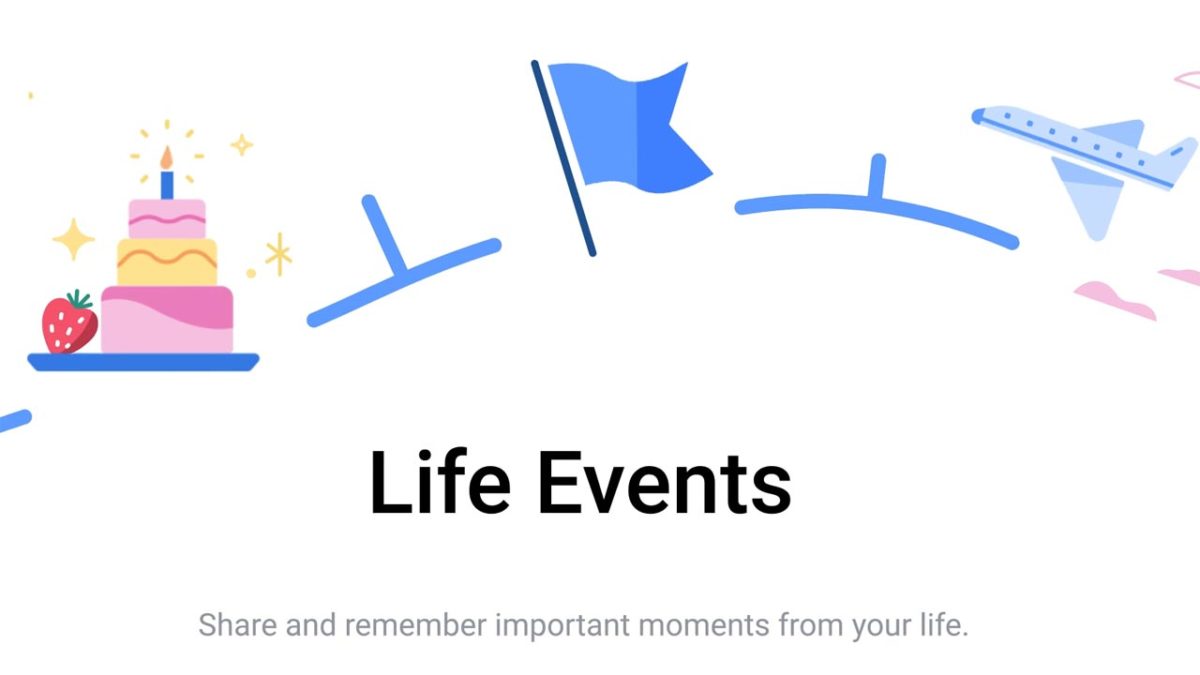
Facebook Life Events are all about commemorating your big moments

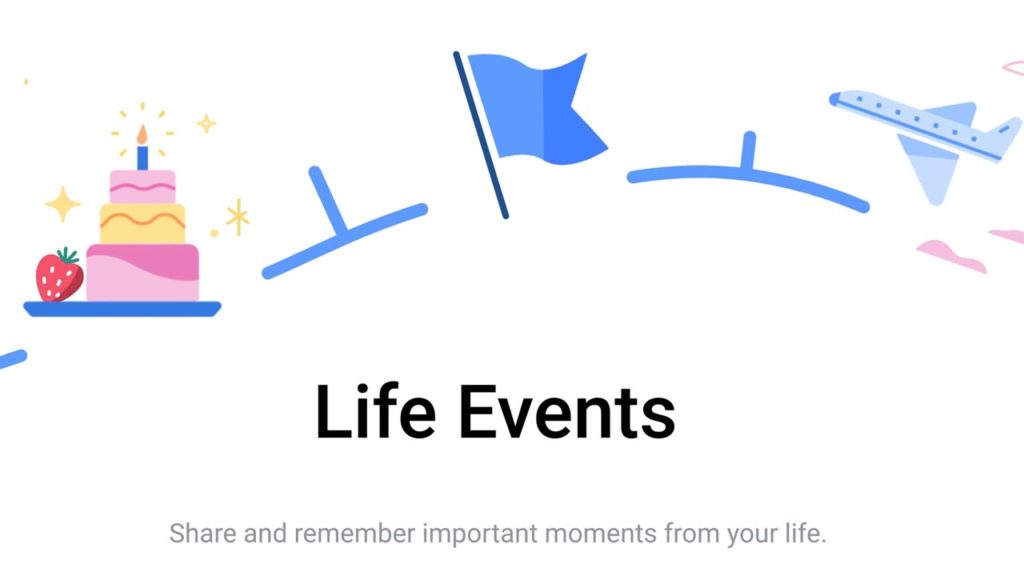
According to the blog post that announced Life Events, they are all about the core mission that Facebook has spent so long neglecting. Life Events are a way of announcing to your friends and family all the biggest moments of your life. These can include all of life’s positive events like engagements and new jobs but, maybe surprisingly, Facebook is also giving us the option to include what it calls more solemn events too. Facebook lists a number of certain life changes, achievements, and milestones that can be shared as Life Events including, “changes in your current city, work, education, and relationship status.”

Facebook Life Events

Posted by Facebook on Tuesday, December 11, 2018

Life Events will come through to your friends and family as notifications and will give you a number of customization options to ensure you can tailor your Facebook Life Event as you wish. These customization options are quite extensive and include “animated photos and videos.”

Facebook will also offer help should you be unsure about what to include. “If you don’t have your own images, you can now choose from a wide range of art from Facebook. You can also include photos from the people or Pages you’ve tagged in the post, like your partner in a relationship or a new school or workplace. The photos and videos in your post also include subtle animations, like slowly zooming in.” You’ll also be able to select a special icon to represent your event when it shows up in people’s feeds.

As well as helping you create your Life Events, Facebook has also included animated reactions. Whenever somebody reacts to your event, they’ll see a short animation of how other people have reacted, too. Your Life Events will also be kept in a dedicated section on your timeline, but you’ll be able to hide specific Life Events should you wish.

Life Events are already available on Facebook for desktop and iOS and Android, so you can try them out now. We’d love to hear what you think of them, and the non-stop Facebook crises that just keep coming in the comments below.