The 5 best YouTube tech channels

YouTube is one of the best sources of high quality, independent reviews and opinion on the latest tech trends. Whether it’s a 3-minute unboxing of a new smartphone, or an hour-long review of a gaming chair, you’ll find all the detail you need at a time that suits you. 

An easy way to stay up-to-date is to subscribe to YouTube tech channels. As these are a mix of professional and amateur videographers, the quality of the videos and content does vary a bit. So, in an effort to separate the great from the not-so-great, we’d like to recommend our favorite Youtube technology channels for you to enjoy.

1. MKBHD

Run by the charismatic Marques Brownlee, this channel is famous for both the quality of its reviews, and for the videos themselves. 

MKBHD mainly focuses on phone and desktop reviews, but he also fights for the social good by exposing things like the truth about Beats by Dre headphones, and the five most overpriced pieces of tech.

Marques’ technique is very professional, with great camera work and super-slick editing. Plus, you never leave one of his videos without having learned something new – the hallmark of a great channel.

2. Unbox Therapy

Ah, life’s simple pleasures. Warm spring days, birds singing in the trees, and peeling screen protectors off your new phone. This channel, as the name suggests, is related to the unboxing and unpacking of brand new consumer electronics, and the first impressions of these shiny new toys.

Again, the camera work is fantastic, the host is charismatic, and there’s always something interesting to watch, like unboxing the most expensive mechanical keyboard in the world.

3. Android Authority

If you’re looking to know everything, and we mean everything, about Google’s mobile operating system, this is the channel for you. They don’t call themselves the authority for nothing.

The channel has a review of just about every Android phone ever, plus a plethora of other useful and interesting videos such as how to install a tablet in your car, visits to Android factories, and a huge number of panic-inducing drop tests.

4. Austin Evans

This channel has a bit of everything: best / worst lists, unboxing, talks about Bitcoin and tech in general, and a huge number of reviews including various phones, tablets, laptops, and even cars. 

Where this channel really shines is the sheer depth of information Austin gives on building your own Gaming PCs. Ranaging from the super budget ($50), through to mid-range ($750), and right up to the ultra-high end ($4,000).

Austin seems like a good guy, and his hair is always perfect. Oh, and he tried a $700 vacuum cleaner once so… there’s that.

5. Softonic

Well, no list would be complete without a bit of self-glorification, would it? Our own channel covers a whole host of the best and most useful information we have on our website, but in easy-to-digest video form. We review the latest apps, provide advice and tutorials, and answer such burning questions as “How can I kill Pou?“

That completes our round-up of the best YouTube tech channels. Subscribe to them all and you’ll always have something fun and interesting to watch!
4 of the most affordable IoT devices

The Internet of Things (IoT) has long promised to bridge the gap between the internet and the physical world. The estimated number of internet-enabled devices increased 31% from 2016 to 8.4 billion in 2017, and experts predict that there will be 30 billion of them by 2020. With an estimated global market value of $7.1 trillion by 2020, IoT looks set to become a big part of our future lives.

While not every device is as useful as it claims to be, manufacturers are scrabbling to release an ever-increasing number of products. You may have noticed one common trend among them all: they’re expensive. This kind of makes sense – we’re not just talking about a normal hairbrush; we’re talking about a smart hairbrush, with Wi-Fi, a microphone, and a gyroscope. No, really.

Fortunately, with the sheer number of devices available, you can find IoT devices that don’t break the bank. Here are four of them.

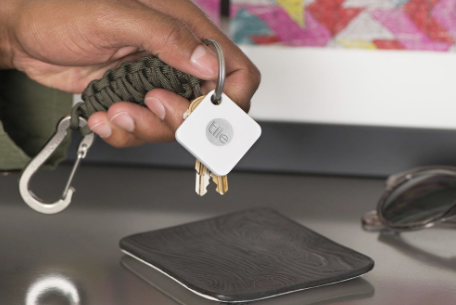
Tile – $26.99


First up is this handy little gadget. The Tile is a tiny Bluetooth tracker that attaches to just about anything. Keys, bags, wallets, or whatever else you can think of. The device is simple and easy to use – just pair it with your phone, open the app, and as long as you’re within 100 feet of the Tile, it’ll play a loud tune until you find it.

It works the other way too. Just click Tile, and it’ll make your phone ring. There are also “Sport” and “Style” versions with waterproofing and double the range of the standard model.

Awair Glow – $99g

The Awair helps you monitor air quality in your home, giving you the temperature, humidity, and CO2 levels and chemical composition. The LED on the top shows you at-a-glance – red, yellow, or green – what the overall quality of air in a room is, and the associated app lets you track exact levels down to the PPM (parts per million) while also logging past data so you can see improvements over time.

Cleverly, the Awair can also trigger non-smart devices such as dehumidifiers or air filters at specific times, or when certain criteria are met within the measured parameters.

Wemo Mini-Smart Plug – $29.99

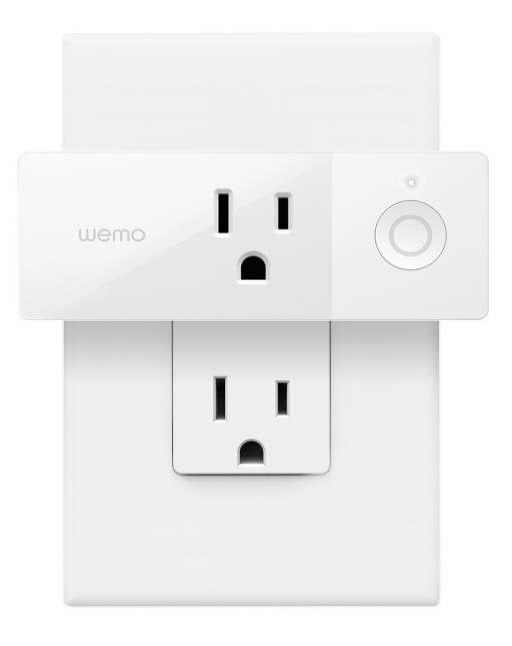
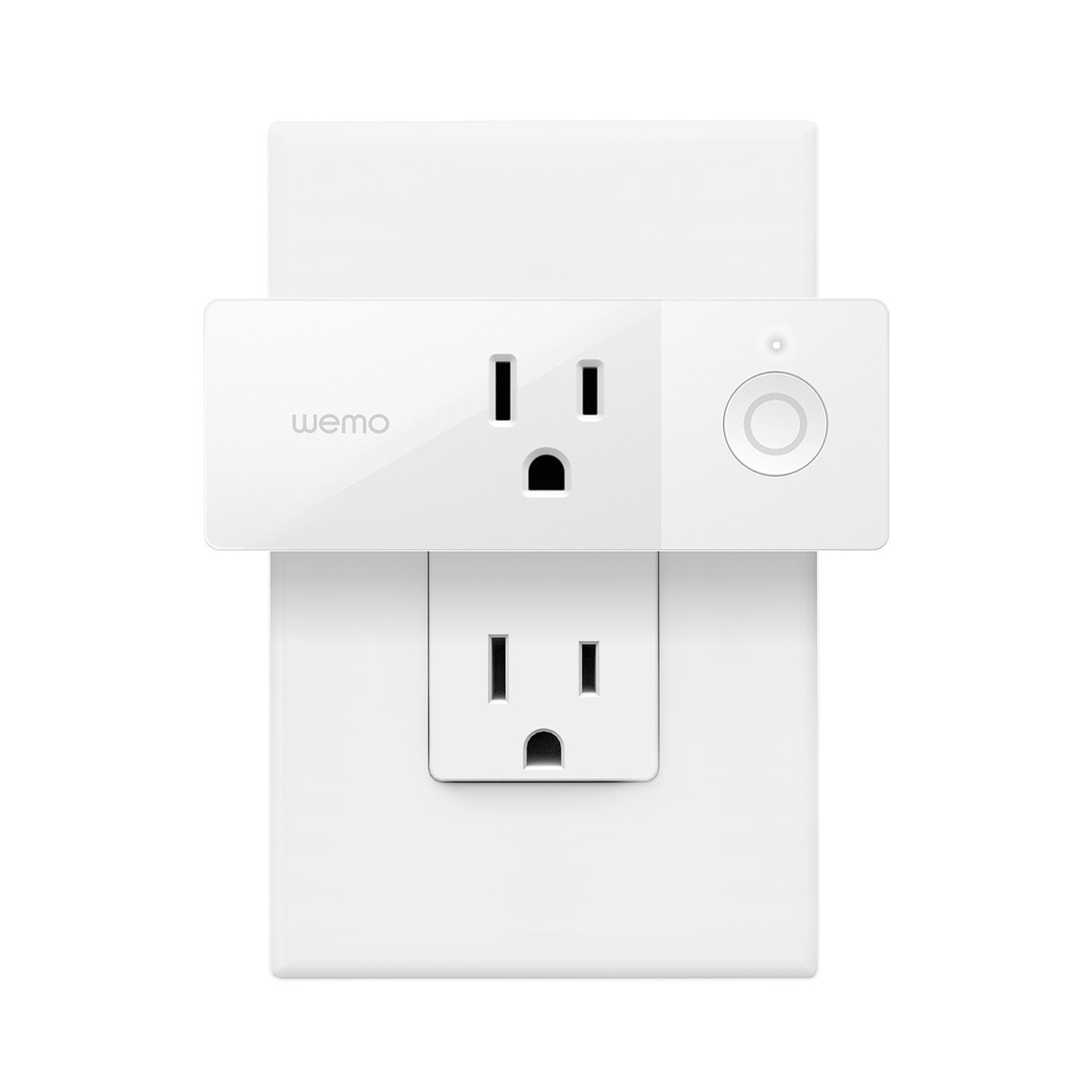
This handy plug lets you turn any pluggable device into a smart one. Using your existing home Wi-Fi, you can wirelessly control TV’s, lamps, heaters, fans, and anything else you can plug in, all from the Wemo app. You can also set schedules for devices and control them via your phone, giving you control over your devices even when you’re not at home.

Kas Smart LED Light Bulb – $39.98

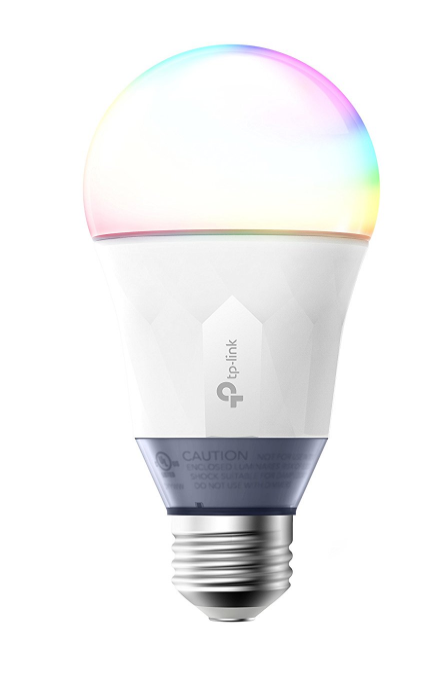
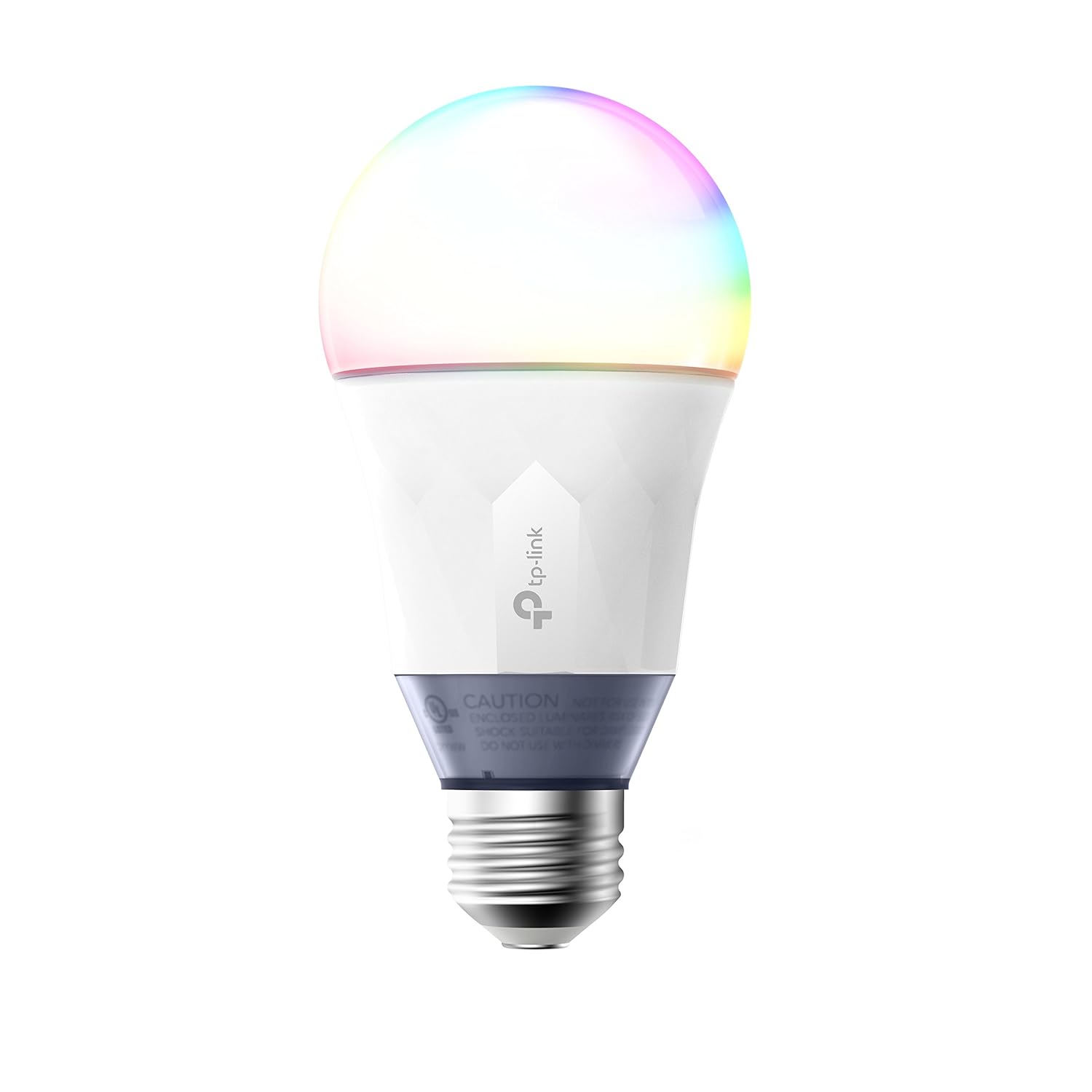
Control your lighting from a smartphone with this smart bulb from Kas. Connecting via your home Wi-Fi, you can use the free Kasa app to set colors, brightness, and track energy usage from your smartphone or tablet. The app lets you create schedules or “scenes” that let you set the mood with a swipe. Or just ask Alexa or Google Assistant to dim the lights for you.

So, remember, it doesn’t cost the earth to add a bit of IoT convenience to your home. Hopefully, some of the devices above will fit your budget!

WhatsApp payments should make your life easier

Back in August of last year, WhatsApp added a mobile payment system to the beta version of the app. The beta WhatsApp payments used a UPI-based money transfer system that allowed users to make peer-to-peer bank transfers across the messaging platform. Now, according to Bloomberg, WhatsApp will roll out the payments system to users across the regular version of the app within a week or so. If you owe anybody money, now is the time to block them on WhatsApp!

WhatsApp has partnered with a number of banks to make its new payments system possible. Bloomberg reports that WhatsApp wouldn’t launch the service until it had at least four major banks backing it up. With HDFC Bank, ICICI Bank, Axis Bank and SBI all behind it, WhatsApp feels free to push on with the wider roll-out of the project.

WhatsApp Messenger Download WhatsApp
8

Digital payments have become big business over the last few years, so it makes sense for WhatsApp to try and break into the market. If the messaging giant can produce a seamless experience that doesn’t take away from its core purpose, then digital wallet and payment apps like Paytm, Google Tez, etc. will have to start looking over their shoulders.

Have you already started sending digital payments using your phone? Would you be happy sending money over WhatsApp? Let us know in the comments below.

Spare change or credit cards

London is a city that leads the world in many ways. A global destination and financial powerhouse, the English capital really is a city to be reckoned with. Others might say that the concentration of the world’s wealth in a single municipal area has created a city so expensive that ordinary people are being hounded out by bloodthirsty developers with money on their mind. In such an environment the humble busker can help soothe the worries of the overworked population, yet they too have extortionate rents to pay. What can they do, how can they live? In another world first for London, cockney buskers have come up with a rather novel, if not a little cheeky way of making ends meet.

Source: BBC

“Now, more Londoners will be able to show their support to the capital’s brilliant, talented street performers,” London Mayor, Sadiq Khan

This new initiative, that has sparked celebration in London Town Hall, is contactless payments for buskers. You know that the main reason you never give money to buskers is because you never have any change ?. Never again will you be plagued by such misfortune. A simple tap will hand over a pre-determined amount of your hard earned cash to the plucky busker playing Wonderwall.

Buskers in London have started asking for 2 pounds a tap and it seems the new system has really helped boost their takings. One busker reported it having, “a significant impact on contributions.”

This new initiative is powered by iZettle, a Swedish tech that was recently bought by PayPal. They’ve provided London organization Busk with card readers, which plug into smartphones. After a successful trial, Busk says the card readers distributed all over the British capital.

Is it time to dig out your old guitar and hit the streets?

Daenarys takes stock…

Playing Daenarys Targaeryan in Game of Thrones, Sarah Connor in Terminator, and most recently starring in the Star Wars universe has cemented Emilia Clarke a place in pop culture history forever. Why stop there, however, when there are so many more mountains to climb and challenges to conquer. That seems to be the attitude Clarke is taking as she has recently risen straight to the top of another media world that is vying for our attention. Yes, the Queen of dragons is now also the queen of stock photography.

You might need an image for a blog post, a presentation, or to make an essay pop. Whatever you need, this new career defining moment for the young queen of dragons is there for you. With classics like it is all going round and it is going to be ok now a part of Clarke’s repertoire you’ll never need to use a stock image without a global superstar in it ever again.

How to use Facebook Marketplace to sell what you no longer use

When Facebook implemented its own system for buying and selling, many wondered if it would actually be successful. And although it has a long way to go before overthrowing Craigslist, Facebook Marketplace is making a dent. At Softonic, we want to tell you about this option, so we’ll show you how to use Facebook Marketplace to sell what you no longer use.

How to access it

The first thing you should know is that Facebook Marketplace isn’t an extra app or hidden site. This buying and selling hub is available from the main Facebook app or browser. You can access the marketplace from PCs or smartphones, and the only requirement is to have a Facebook account.

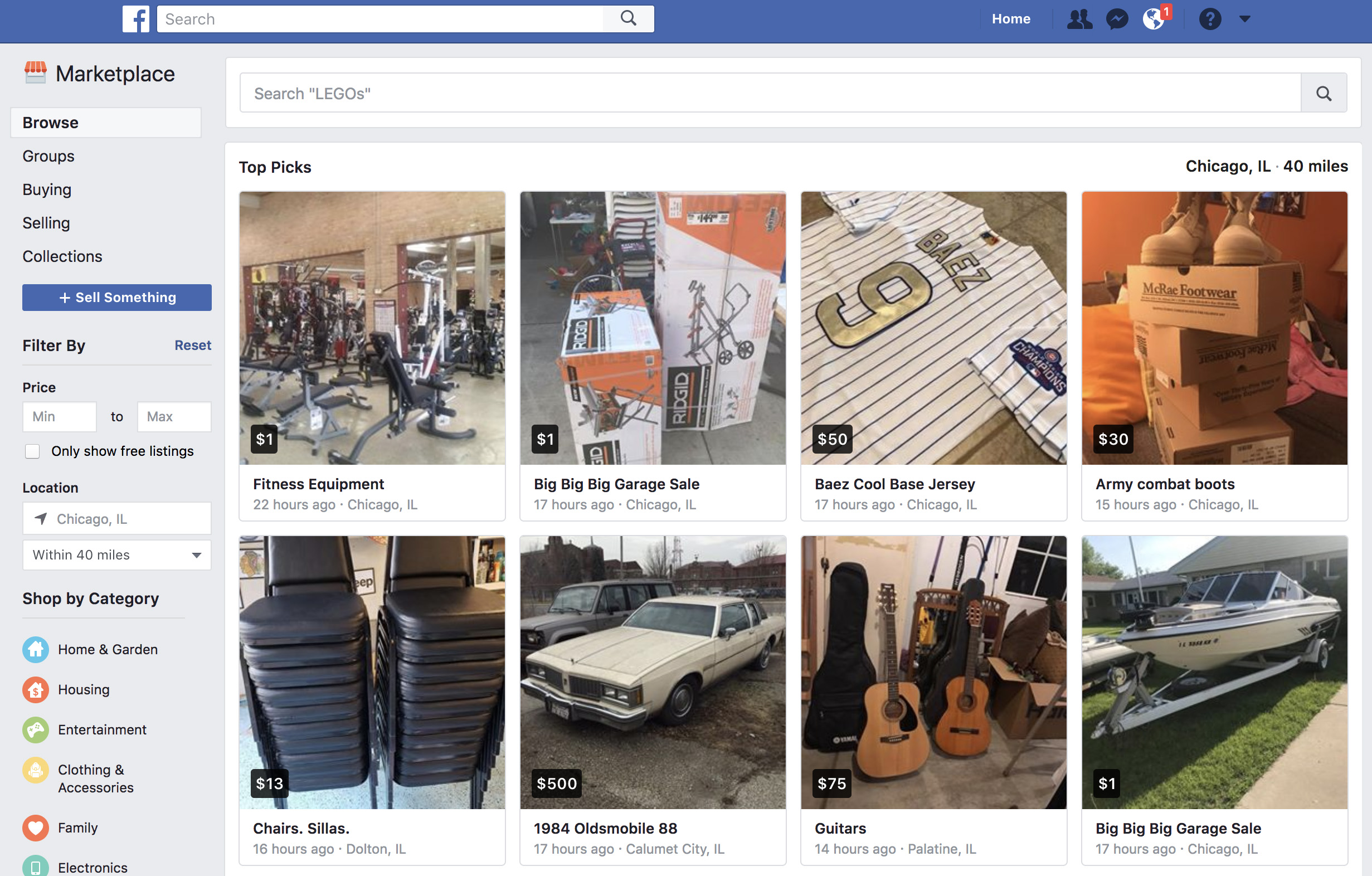
In the case of PC, the option appears on the left, fourth from the top. As for Android or iOS devices, the Marketplace can be found in the drop-down menu that appears next to “Notifications.”

How to use it

The first thing to clarify is that the Marketplace isn’t a place where you can make financial transactions like Ebay or Paypal, for example. On Facebook Marketplace, you can put a product for sale, but the money needs to be sent with another method, whether that’s Venmo or Zelle or whatever.

Once you enter Facebook Marketplace, you should check out the categories that appear on the top left: “Browse,” “Buying,” and “Selling.” “Browse” is self-explanatory: it’s where you can search for products. Enter the name of the item you’re searching for and look carefully at the settings that appear on the left, where you can narrow the price and the location. Once you’re interested in the product, click on it and get in touch with the seller. 

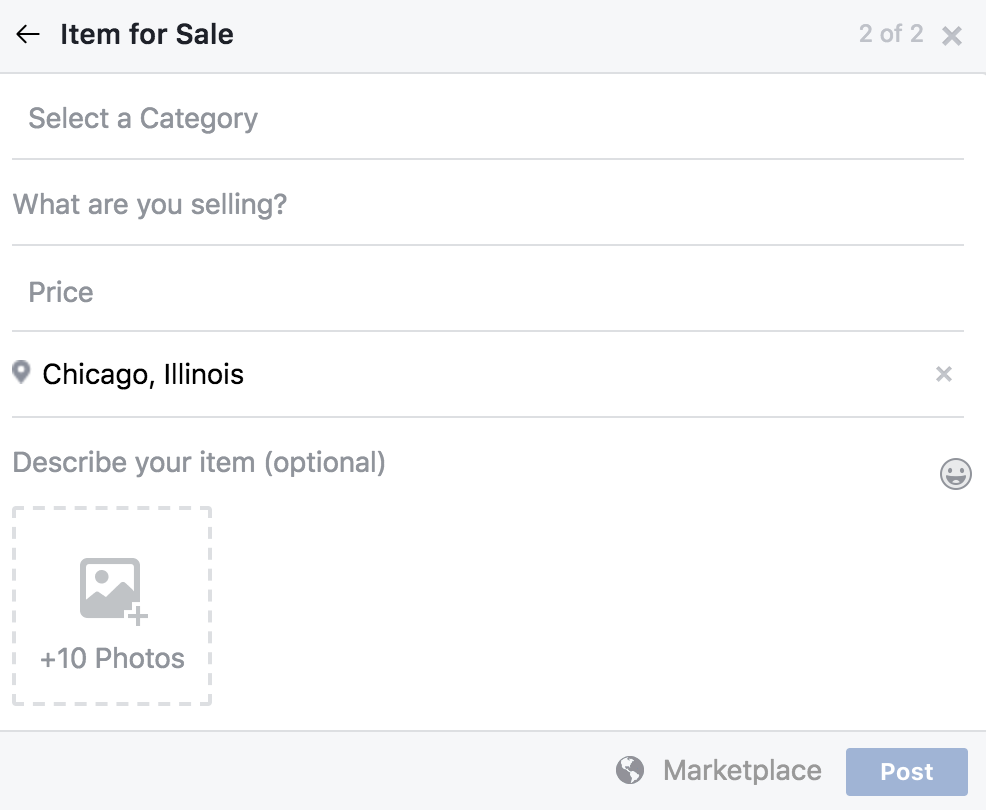
As for the other option (“Selling”), this is for everything you want to get rid of, once somebody has contacted you. However, you just have to click on “Sell something” to create a corresponding ad. Just fill in the “What are you selling?” field, add a price, a location, select a category and upload the photos that best highlight the item. Once you’ve got everything, click on “Publish” so it appears on the Marketplace. Then sit back and let the money roll in!

How to learn about Bitcoin without actually investing in it

Depending on who you ask, Bitcoin is either a worthless passing fancy or an existential threat to the Federal Reserve and the rest of the banking industry.

One thing’s for certain: There’s a learning curve attached to this exciting new form of doing business. And before you start investing “real” money in the Bitcoin craze, you’ll want to find out everything you can about how it works and what to expect from your experience.

Here are five ways you can begin your self-education on the promise and the perils of investing in Bitcoin without actually investing in Bitcoin.

1. Take an Online Course

People spend many years at university learning how to handle money and invest in the business practices that make global finance possible. So? Don’t expect to understand Bitcoin overnight either.

Short of taking a university class, versions of which are proliferating faster than you probably expect, there are online courses available that can teach you about Bitcoin and help you make informed investment decisions.

One such course, called “10 Days of Bitcoin,” is a ten-day-long, email-based training series intended to introduce users to, in their words, “the most exciting technological advancement and financial instrument in recent memory.”

If you seek out a course like this one, be mindful of the course author’s list of credentials — or lack of them. “10 Days of Bitcoin” was written by a software engineer, app developer and founder of a startup that was purchased by a Fortune 500 company.

2. Read a Book

Contrary to the rumors, the print industry is alive and well. Even so, books might not have been your go-to source of knowledge when Wikipedia is so handy. But Wiki won’t help you become a smart investor.

Books are some of your best allies if you want to really understand the implications of decentralized currencies and comprehend, on an intuitive level, why they’re so simultaneously promising and volatile.

Books like “Mastering Bitcoin,” “Cryptoassets” and several others explain in great detail the historical relevance of Bitcoin, explore in layman’s terms the technology that powers it and generally helps fill in some of the knowledge gaps that upstart Bitcoin investors should probably know before they dive in head-first.

3. Listen to a Bitcoin Podcast

Unlike an online course or a book, which can take some effort to update as new developments warrant, podcasts frequently arrive in weekly or possibly fortnightly installments.

This process puts you closer to the “action,” as it were, and gets you closer to some of the thought leaders who are emerging in this space.

Crypto is changing practically by the day. Look for a cryptocurrency or Bitcoin-focused podcast from, once again, somebody with real-world experience and meaningful credentials.

Just as importantly, find a podcast that’s frequently updated and thorough about providing citations and attributions for the information they provide.

Photo by Andre Francois on Unsplash

4. Try a Bitcoin Simulator

We’ve all taken our turn playing god or goddess in “Sim City” and “Farming Tycoon” — but did you know there are Bitcoin simulators out there too?

Using them is maybe one of the best ways to really dig into this subject and find out how much of a “virtual” virtual currency mogul you can become before playing for keeps.

It works like this: Using a web or mobile app, simulators like “Bitcoin Hero” and “CoinMarketGame” let you buy and sell cryptocurrencies like Bitcoin, Dash, Ethereum and Litecoin without any real-world consequences.

It might fall short of replicating some of the strong emotions associated with true investing, but this is still a great way to, among other things, train yourself to recognize the ideal times to buy and sell. You’ll find out pretty quickly whether or not you have the instincts for it.

Bitcoin Hero Download free
7

5. Take a College Course

It was probably inevitable: Bitcoin is being taught on college campuses alongside other forms of economic and fiscal theory.

At New York University, a new cryptocurrency class drew so many registrants that the professor had to retain a larger auditorium for the more than 200 students who turned out.

To name just a small handful of schools who’ve implemented, or plan to implement, classes about Bitcoin and crypto, Cornell, Duke and Carnegie Mellon have all put together graduate-level courses designed to educate students on the theory and practice of trading in digital currencies.

Here’s the ultimate point of talking about all of this: Like anything to do with money, there’s a huge amount of information and misinformation swirling around crypto right now.

Whether you’re picking up a book, enrolling in a college course or following a podcast from an authority on the subject, you owe it to yourself to do high-quality research before investing your hard-earned money in Bitcoin or another digital currency.

It could absolutely be worth it in the long run — but you have to know what you’re doing.

Curious what apps our Solutions community favors to learn and track cryptocurrencies? See what they recommend here!

This is how to make money using Google Rewards

Want to make money with Google quickly and easily? This may seem like a scam, but it’s possible. Google gives you the chance to make money through its Rewards program. If you want to know a little more about this, we’ll explain how you can make money using Google Rewards, the Android app.

Google Opinion Rewards Download Now
7

Google Rewards is an app that you can download for free. Once you’ve downloaded it, open it up. The first screen is self-explanatory: Google requests info about you. They’re basic questions that are easy to answer. The idea is for the search engine to get more info about you, the user.

Once you answer these questions, the app will open and you can start using it. How do you make money? By responding to surveys that Google sends you periodically. In general, you’ll get one survey per week, though the frequency can sometimes be higher (or lower). The price of each survey depends on the importance Google assigns it, though the most you can get is $1 in Google Play credits. That’s right. A whole dollar.

These surveys look to get feedback on general Google issues. For example: which logo you like better; if this ad looks interesting; where you want to travel; if you use Google products regularly; etc.

It’s an easy way to get a few bucks that you can then redeem for some apps. Also, the surveys can be answered in one or two minutes, so it’s worth trying out!


Is your phone making money for somebody else? The rise of the mobile crypto-miners

Everybody is talking about crypto-coins. Bitcoin and Ethereum have seen their values reach such astronomical highs that people have made and lost life-changing fortunes in the blink of an eye. Cryptocurrency has caught everybody’s attention, including hackers and cyber-criminals.

The torrent site Pirate Bay was the first site to run code that would secretly use the computers of all who logged on the site to mine crypto-coins for the Pirate Bay developers. Since then, this type of malicious code has been found on lots of websites, and unfortunate users visiting these sites have seen their PC performance fall through the floor as it focuses on crypto-mining rather than running the applications and programs the user wants it to run.

Moving to mobile

Although mobiles might not be as powerful crypto-mining tools as desktop pcs, a quantity not quality approach still makes them useful tools for cybercriminals.

Unfortunately, according to Kaspersky Labs, crypto-miners have now made the jump to mobile, mostly Android, so the phone in your pocket is now vulnerable to being hijacked. Mobile devices are a lot less efficient at crypto-mining than desktop PCs, but there are a few factors that make them attractive to hackers looking to cash in.

Kaspersky Anti-Virus Download Kaspersky
8

Kaspersky reported that there are a number of simple frameworks available that make creating a mobile app that can mine cryptocurrency on mobiles relatively easy. These apps can then be distributed in a number of ways. It’s quite common for users to share apps directly via apk files, bypassing the official app stores and the security systems they have in place. Even those security systems have gaps in them, however, that malicious apps can sneak through. Kaspersky noted that the various forms of infected apps were downloaded over 150,000 times from the Google Play Store itself before Google removed them.

Things to look out for

All this means that your cell phone is now a target for criminals who are looking to cash in on cryptocurrency boom. This means you’ll have to be vigilant and keep your eye out for a number of signs that things aren’t right.

1. Primitive counterfeit apps

Kaspersky reported that some primitive versions of famous apps like Instagram and Netflix are being passed around by cybercriminals and various forms of crypto mining software are being added to them. These apps are then shared via download link. To avoid these types of apps only download apps from official app catalogs like Softonic or the Google Play Store.

2. Increased battery use

Mining crypto coins is an intensive operation, so if your phone has been infected with crypto-mining software, you’ll notice your battery dying a lot faster than usual.

3. Your phone heating up

Again, this is due to how hard your device will have to work to mine crypto coins. If your phone is working overtime computing all of the calculations required to add a new coin to the blockchain, it’ll start to become noticeably hotter. Kaspersky even reported instances where its test phones were incinerated by the heat generated by the crypto mining process. On a side note to this, however, it seems that some cybercriminals are aware of this and are including malware that monitors the device battery and temperature in an attempt to mine cryptocurrency safely. This doesn’t mean it won’t still become hotter.

Kaspersky Anti-Virus Download Kaspersky
8

What to do

If you detect any malicious apps, it is important that you remove them immediately. Kaspersky reported that a number of the apps will show scary messages about losing your data, but the important thing is to remove them completely from your mobile device. It can’t be stressed enough, however, that prevention is the key defense tactic here. Only download apps from official sources and even then keep an eye on things like the spelling of the app name and the developer’s name who is publishing it. Another thing to keep an eye on is the permissions the app asks for when you download it. For more tips on mobile security check out our 5 tips to prevent security issues with your phone.

Black Mirror in China Part 2: The car vending machine

Source: The Verge / YouTube (Alibaba)

Last week we told you about the very real restrictions that Chinese citizens with low social credit scores face. Anybody who has a low social credit score, which comes from social and financial behavior faces travel restrictions that’ll last for up to a year. This week we’re bringing you the flip side of this dystopian nightmare. The perks of having a high social credit score.

As we head into a fully automated future, the idea of arbitrary responses from virtual machines seems all the more terrifying if you have a low social credit score. The flip side is that a positive score, like 700 points, could get you access all sorts of goodies. 700 is 150 more points than you start out with before you’ve made any transactions that affect your social credit score. One such example, in Guangzhou, is a cat-themed vending machine that spits out Fords for free test drives.

The vending machine is the result of a partnership between online retailing giant Alibaba and American car manufacturer Ford. All Alibaba customers need to do is select the model of car they want to test drive on their Tmall app, snap a selfie of themselves, and then turn up at the selected time. They’ll get a 3-day test drive for free, citizens with lower scores will have to pay, and they’ll even be able to then buy the car directly through the app.