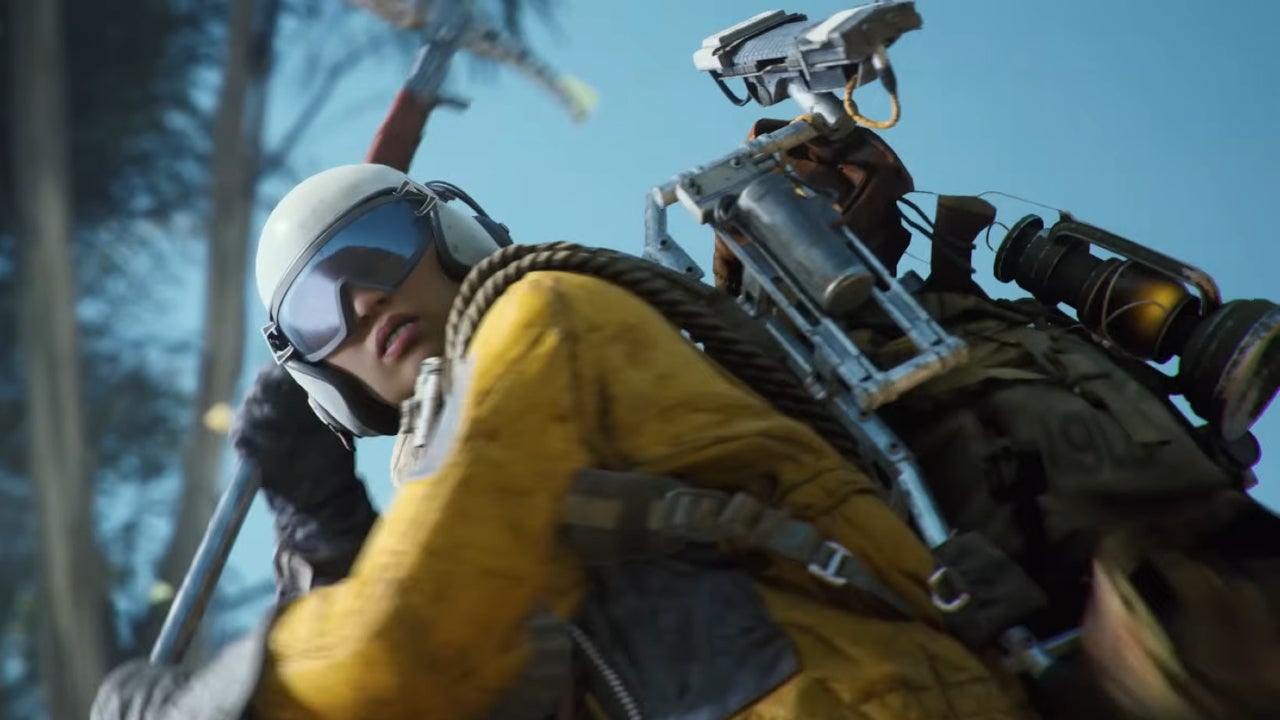
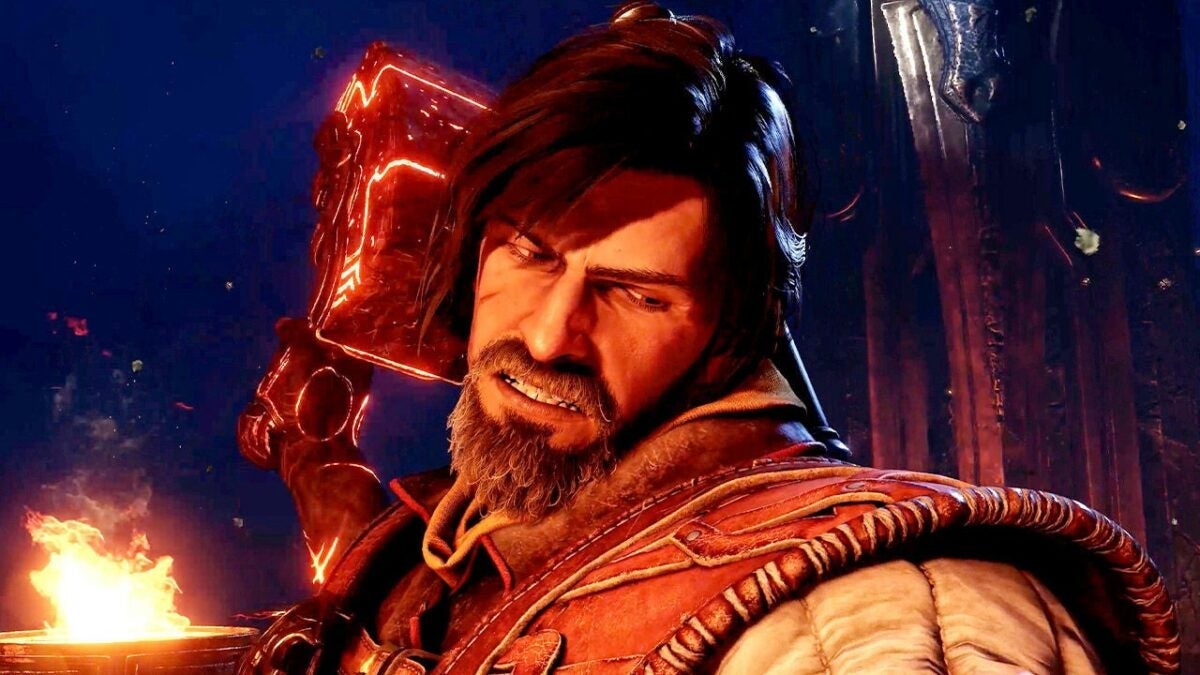
A new action-adventure title inspired by the Zelda saga has been recently revealed, combining battle royale elements to offer a unique experience. Named Scramble Knights Royale, the game was announced in a showcase and is scheduled for release at the end of this year, generating excitement among genre lovers. A mix of Link’s Awakening and Fortnite Players will have the opportunity to participate in a playtest that will take place from January 9 to 11, although registrations are limited to North America through the page of […]
A new action-adventure title inspired by the Zelda saga has been recently revealed, combining battle royale elements to offer a unique experience.Named Scramble Knights Royale, the game was announced in a showcase and is scheduled for release later this year, generating excitement among genre enthusiasts.
A mix of Link’s Awakening and Fortnite
Players will have the opportunity to participate in a playtest that will take place from January 9 to 11, although registrations are limited to North America through the game’s Steam page. This event will allow users to get a first look at the gameplay and style of the title before its official release.
Scramble Knights Royale stands out for its striking artistic direction, evoking memories of the Link’s Awakening remake, featuring characters in a clay style that appear to be hand-crafted. This visual approach not only grabs attention but also adds an element of freshness to the already familiar battle royale format.
In the matches, up to 32 players will start on an island and explore in search of treasures while facing monsters in various dungeons. The goal is to strengthen your character and eventually be the last “knight” standing. This combination of exploration and combat promises an entertaining and challenging experience.
However, launching a multiplayer game in an environment where a large number of players is expected can be complicated. Still, Scramble Knights Royale aims to stand out in a market flooded with similar titles, offering a unique blend of adventure and competition. The developers hope that the interest generated by the test will be a positive indicator for the future of the game.
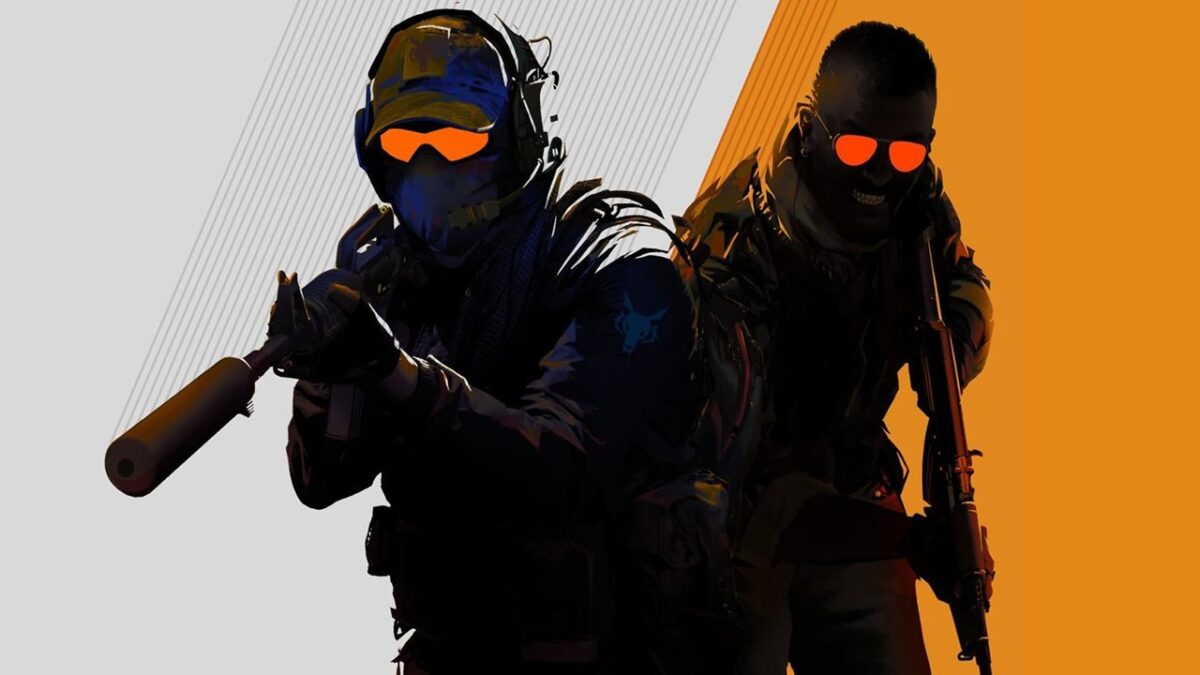
This year marks more than 25 years since the launch of Counter-Strike, a work that began as a mod for Half-Life in 1999 and has evolved into one of the most iconic and successful multiplayer video game franchises in the industry. Originally, this title was created by Minh Le and Jesse Cliffe, who were later brought on by Valve to develop the first official release. Valve is not always your friendly company Despite its influence on the growth of Counter-Strike, Minh Le decided to leave Valve in 2006, partly due to creative differences. According to Le, […]
This year marks more than 25 years since the release of Counter-Strike, a work that began as a mod for Half-Life in 1999 and has evolved into one of the most iconic and successful multiplayer video game franchises in the industry. Originally, this title was created by Minh Le and Jesse Cliffe, who were later brought on by Valve to develop the first official release.
Valve is not always your friendly company
Despite his influence on the growth of Counter-Strike, Minh Le decided to leave Valve in 2006, partly due to creative differences. According to Le, the company was focused on improving the game’s graphics, while he aspired to more ambitious challenges. This decision was not made lightly; however, Le has stated in interviews that he does not regret his choice, even if it meant stepping away from a franchise that achieved monumental success.
After leaving Valve, Minh Le directed his energy to new projects, creating Tactical Intervention, a title that was in development from 2013 to 2019, although its reception was less enthusiastic compared to Counter-Strike. Despite these challenges, Le continued his career in the video game industry, participating in the development of Rust and currently working on Alpha Response, a project that has been in early access for over a year.
Despite not having reached the same level of notoriety as with Counter-Strike, Minh Le’s journey reflects the evolution and passion of a creator who, although he distanced himself from the franchise that catapulted him to fame, continues to contribute to the dynamic world of video games with new concepts and creative explorations.
In a recent discussion, Tim Sweeney, CEO of Epic Games, and Junghun Lee, CEO of Nexon, addressed the growing integration of artificial intelligence (AI) in video game development. Sweeney argued that most companies in the sector are using AI in some way, and proposed the removal of the label “Made with AI” in stores like Steam and Epic Games Store, arguing that this technology will be an integral part of almost all future developments in gaming. A tremendously reactionary stance Sweeney’s position has sparked mixed reactions. While he defends that the […]
In a recent discussion, Tim Sweeney, CEO of Epic Games, and Junghun Lee, CEO of Nexon, addressed the growing integration of artificial intelligence (AI) in video game development. Sweeney argued that most companies in the sector are using AI in some way, and proposed the removal of the label “Made with AI” in stores like Steam and Epic Games Store, arguing that this technology will be an integral part of almost all future developments in gaming.
A tremendously reactionary stance
Sweeney’s stance has sparked mixed reactions. While he argues that the use of AI is becoming a standard, many developers and players express their discontent. There is a strong preference among these groups for art and content created by humans, highlighting a notable disparity in the perception of the use of AI within the community. This situation is further complicated by concerns about transparency and copyright, as AI can reuse art and text without clear permissions, leading companies to better protect their intellectual properties (IPs).
On the other hand, Steam, the most well-known PC gaming platform, has made information about AI-generated content more visible, which contrasts with Epic’s position. In a recent example, the game “Arc Raiders” has been at the center of this discussion, using AI-generated voices, which has led developers to clarify that the final content reflects their own creativity and expression.
Despite a Microsoft study suggesting that 79% of gamers might be open to the help of AI, it is crucial to consider the sample size and the context of these claims. A significant number of consumers and video game creators demand clarity on the use of AI in the products they consume or develop, indicating that the debate over technology and its implementation is far from resolved.
Accessibility in video games has evolved significantly, offering options that allow players to invert the camera control both vertically and horizontally. This feature not only focuses on improving gameplay but also influences how each title is experienced, adapting to the individual preferences of players. It’s not just with driving games that control styles vary considerably among players, and their early experiences with video games are often decisive in the type of control they prefer. While some feel comfortable with conventional control, others opt for the system […]
Accessibility in video games has evolved significantly, offering options that allow players to invert the camera control both vertically and horizontally. This feature not only focuses on improving gameplay but also influences how each title is experienced, adapting to the individual preferences of players.
It’s not just with piloting games
Control styles vary considerably among players, and their early experiences with video games are often decisive in the type of control they prefer. While some feel comfortable with conventional control, others opt for the inverted system, especially in specific genres like flight simulators. This is where camera control can radically change the perception of the game and its mechanics.
The difficulty in adapting to the change in control type lies in the way the brain associates movements with previous experiences. For example, many players may feel disoriented when switching from one system to another, especially if their early experiences dealt with a particular setup. Both systems, the conventional and the inverted, have their logic, depending on the context of the movement and the player’s preference.
An interesting phenomenon occurs in the realm of flight simulators, where camera control is different and requires adjustments in the way of playing. The experience in these games is based on understanding how controls work in real life, such as the movement of the elevator in an airplane. This demonstrates that the way to control the camera can be equally intuitive, depending on how a player has learned to interact with their virtual environment.
Ultimately, the choice between conventional or inverted control is a matter of personal preference. What matters is that players find comfort in the system that allows them to fully enjoy their gaming experiences.
A recent report published by Xbox, prepared by Edelman Data & Intelligence and commissioned by Microsoft, reveals that a notable 79% of respondents are open to receiving help from artificial intelligence (AI) in the realm of video games. This figure, less emphasized in Xbox’s official communication, suggests a significant interest among players in integrating AI into their gaming experiences. However, the exact definition of what is meant by “AI help” remains unclear, and Microsoft has been contacted to clarify the terms. There is a possibility that […]
A recent report published by Xbox, prepared by Edelman Data & Intelligence and commissioned by Microsoft, reveals that a notable 79% of respondents are open to receiving help from artificial intelligence (AI) in the realm of video games. This figure, less highlighted in Xbox’s official communication, suggests a significant interest among players in integrating AI into their gaming experiences. However, the exact definition of what is meant by “AI assistance” remains unclear, and Microsoft has been contacted to clarify the terms. There is a possibility that this ranges from AI companions offering helpful tips to more advanced applications that could play on behalf of the user.
A survey without a reliable basis
The survey, which included 1,500 adult players in the U.S. and was conducted between June 25 and July 2, 2025, also reveals that 68% of participants believe that video games are more emotionally rewarding than other hobbies. Three out of four players feel that they are doing something meaningful while playing, highlighting the importance of video games as a means of social and emotional connection. Additionally, 60% of respondents stated that they have forged lasting friendships through gaming.
Among the different groups analyzed, 87% of Xbox owners stated that gaming is one of their main hobbies and an integral part of their identity. This data contrasts with the recent 29% drop in Xbox hardware revenue, while revenue from content and services, such as Game Pass, showed only a 1% growth. This stagnation in growth could be related to a decrease in first-party content offered by the platform.
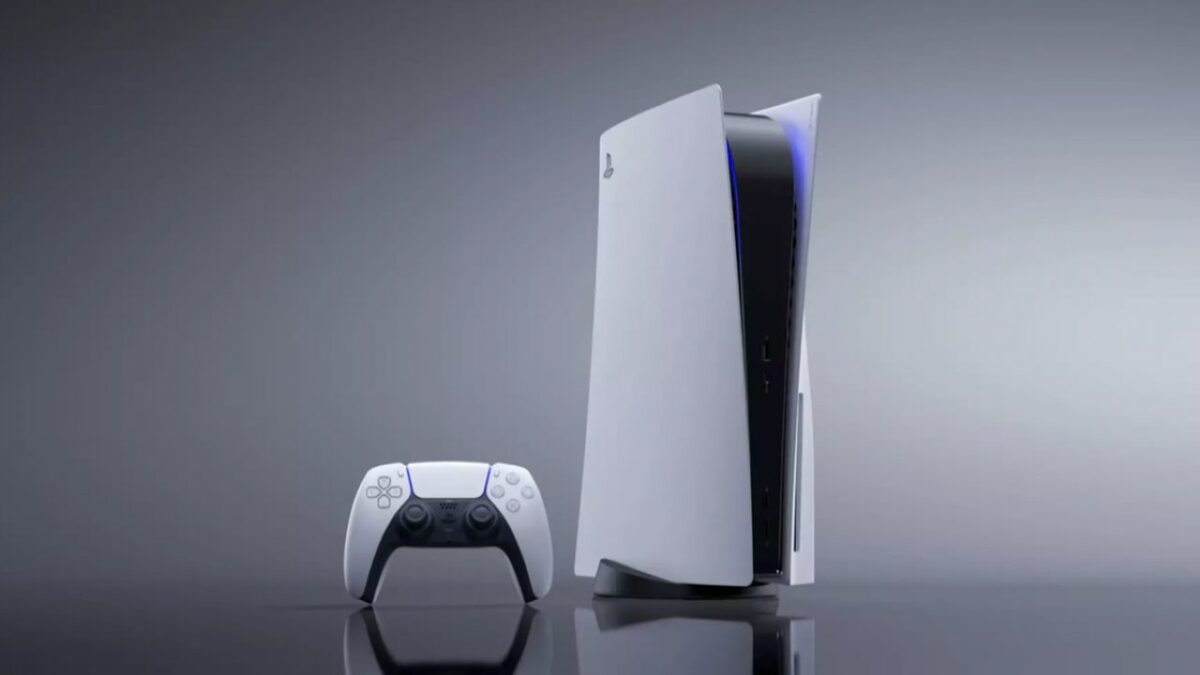
Sony has recently announced a PS5 Digital Japanese Only with a price of 55,000 yen, which represents a 40% discount compared to the price in Europe. This move comes in a complicated economic context in Japan, where the recession has diminished consumers’ purchasing power. The new console will be available starting November 21 and can only be used with accounts set up in Japanese and Japan, thus restricting the possibility of international resale. A console for exclusive use in Japan Sony’s decision to offer this exclusive version for Japan recalls […]
Sony has recently announced a PS5 Digital Japanese Only priced at 55,000 yen, which represents a 40% discount compared to the price in Europe. This move comes in a complicated economic context in Japan, where the recession has diminished consumers’ purchasing power. The new console will be available starting November 21 and can only be used with accounts set up in Japanese and Japan, thus restricting the possibility of international resale.
A console exclusively for Japan
Sony’s decision to offer this exclusive version for Japan recalls Nintendo’s strategy with its Switch 2, which also prioritized the local market. Although the specifications of the PS5 Digital Japanese Only are similar to those of its international version, the access restriction aligns with a broader nationalist approach in the current context. This action can be seen as a response to the increasing competition and pressure from its rivals in an unsuspecting market.
However, it is crucial to highlight that the price of the new PS5 Digital, while appearing competitive, is higher than the launch price of 44,000 yen of the original version. This reflects not only the devaluation of the Japanese currency in recent years but also the widespread increase in console prices in the market, with recent hikes in the United States and Europe. These increases have been justified by the company in terms of a challenging global economic environment, which adds a mix of contrasts for international PlayStation fans who now face higher prices in their regions.
This move could cause some friction with consumers outside of Japan. International fans have seen how their consoles have increased in price, which creates a clear discrepancy between markets and highlights the divergent economic circumstances faced by players in different parts of the world.
MercurySteam, one of the most well-known studios in the video game industry in Spain, is going through a significant labor crisis following the implementation of the Irregular Work Schedule (DIJ) in January 2025. This measure has allowed the company to establish workdays of up to 10 hours a day, which has generated discontent
MercurySteam, one of the most well-known studios in the Spanish video game industry, is going through a significant labor crisis following the implementation of the Irregular Work Schedule (DIJ) in January 2025. This measure has allowed the company to establish workdays of up to 10 hours, which has generated growing discontent among employees due to the lack of communication and the pressure to perform mandatory overtime.
MercurySteam is a terrible place to work
Workers have reported a toxic work environment, characterized by a lack of transparency, unjustified dismissals, and the imposition of precarious working conditions. The situation has led several employees to organize into a union, the CSVI, in order to fight for their rights and improve conditions within the studio.
Since the introduction of the DIJ, employees have reported long hours, little administrative support, and a climate of fear that affects their emotional well-being. The company has not officially communicated these changes, which has caused confusion and uncertainty among the staff. Many workers have been dismissed, often after expressing opposition to these new working conditions, raising concerns about the legitimacy of such dismissals.
The management’s response to the growing distrust has been to restrict internal communication, eliminating informal channels and announcing audits on employee communications. This policy has intensified the climate of fear and has left workers feeling like mere cogs in a machine, with no recognition or appreciation for their efforts.
As layoffs continue and labor practices become stricter, the future of MercurySteam looks uncertain. The lack of attention to the well-being of its employees could impact not only its organizational culture, but also its ability to attract and retain talent in an increasingly competitive sector.
“Hello, do you have the game Battletoads?” In 1991, this was a perfectly normal question. Rare had just made a visually stunning game for NES (which they dreamed would become a franchise) and fans of the time were eager to get their hands on it. The problem is that GameStop employees received this question not in the early ’90s, but in the fateful 2007, more than 16 years later. It was one of the first massive trolling incidents on the Internet at a time when no one intended to hurt anyone: simply to annoy. To be funny. The result was so epic […]
“Hello, do you have the game Battletoads?” In 1991, this was a perfectly normal question. Rare had just made a visually stunning game for the NES (which they dreamed would become a franchise) and fans of the time were eager to get their hands on it. The problem is that GameStop employees received this question not in the early ’90s, but in the fateful year of 2007, more than 16 years later. It was one of the first massive trolling incidents on the Internet at a time when no one intended to hurt anyone: just to annoy. To be funny. The result was as epic as it was unprecedented: a joke that has endured over the years, and is worth remembering to understand what “the Internet used to be like.”
Battletoads, tell me?
Over the years, Battletoads has earned a more than fair legacy: that of the hardest video game in history. Its three protagonists, Rash, Zitz, and Pimple, have remained in the collective imagination as true gamer nightmares since their release in 1991. In fact, although the reviews were positive, many reviews had to lower their scores precisely because there were few who could get past certain levels. Who said that the debate about introducing an “Easy Level” in all games was just a thing of the present?
Years went by and the world forgot about Battletoads… until, on September 12, 2007, 4Chan users, en masse and without knowing who started the movement, called 40 different GameStop stores continuously asking about the pre-order for Battletoads in all its formats: Battletoads 2, Battletoads for Wii, the Battletoads remake.
The mass attack lasted three days and drove its employees absolutely crazy: some decided to introduce the real game into their database and allow reservations. Others bought a unit and put it up for sale at $999.99 to troll the trolls (not only did no one buy it, but GameStop could not allow its sale). But most either kept the phone off the hook (at the risk of receiving a complaint from the higher-ups) or responded in imaginative yet routine ways. It was a nightmare for a few, but a delight for the Internet at a moment that, inevitably, has become nostalgia and 2.0 history.
In fact, many were forced to change their greeting when answering the phone by adding the phrase “we don’t have Battletoads.” Obviously, trolls reacted quickly and started saying they were calling for other reasons, keeping them on the line before asking them, of course, about the game in question. Now trolls send people to your house or reveal your secret identity to the world; before, we were content to annoy employees during their workday by asking them about games from 1991. The course of history, I suppose.
The thing was forgotten (more or less, because it resurfaced throughout the following year) until 2015, when someone must have remembered that game and announced its arrival in the compilation Rare Replay, which fixed the difficulty of level 11, which until that moment no one had been able to complete due to a treacherous bug. The story of Battletoads is, really, that of a failed franchise: it had several games in the 90s and a television series in the works that never aired a single episode, but it has gone down in history as a mere running gag. Who knows if in 34 years we will be talking about a little joke that someone made at the expense of Concord.
En el mundo de los videojuegos, los desafíos creativos no tienen límites. Un ejemplo reciente y sorprendente proviene de HandowShandowed, un creador de contenido en YouTube que ha logrado sincronizar la jugabilidad de Hollow Knight y Hollow Knight: Silksong usando un solo controlador, pero tocando los tambores de Rock Band con los pies. Este enfoque … Continúa leyendo “”
In the world of video games, creative challenges know no bounds. A recent and surprising example comes from HandowShandowed, a content creator on YouTube who has managed to synchronize the gameplay of Hollow Knight and Hollow Knight: Silksong using a single controller, but playing the Rock Band drums with his feet. This challenging approach has generated great interest in the gaming community, who eagerly follows his feats.
Difficult for some, trivial for others
Since his first video on September 17, HandowShandowed showcased his skill by facing the initial bosses of each game: The Moss Mother from Silksong and the False Knight from Hollow Knight. The ability to quickly switch between the two characters demonstrates impressive dexterity, although the gameplay can feel somewhat awkward at times. HandowShandowed claims that “this is how video games should be played,” emphasizing that, despite the complexity, he hopes to continue perfecting this incredible feat.
His additional videos have seen HandowShandowed facing more challenging enemies, such as Relics and the feared final boss Radiance from Hollow Knight. However, the creator acknowledges that these attempts are becoming increasingly difficult. In the description of his latest video, he states that “it is likely to only get more complicated from now on.”
The community is attentive to their upcoming feats, and fans of Hollow Knight and Silksong can subscribe to their channel to not miss their innovative strategies. With evident dedication and a sense of challenge that inspires admiration, HandowShandowed is paving a bold path in the world of video games.
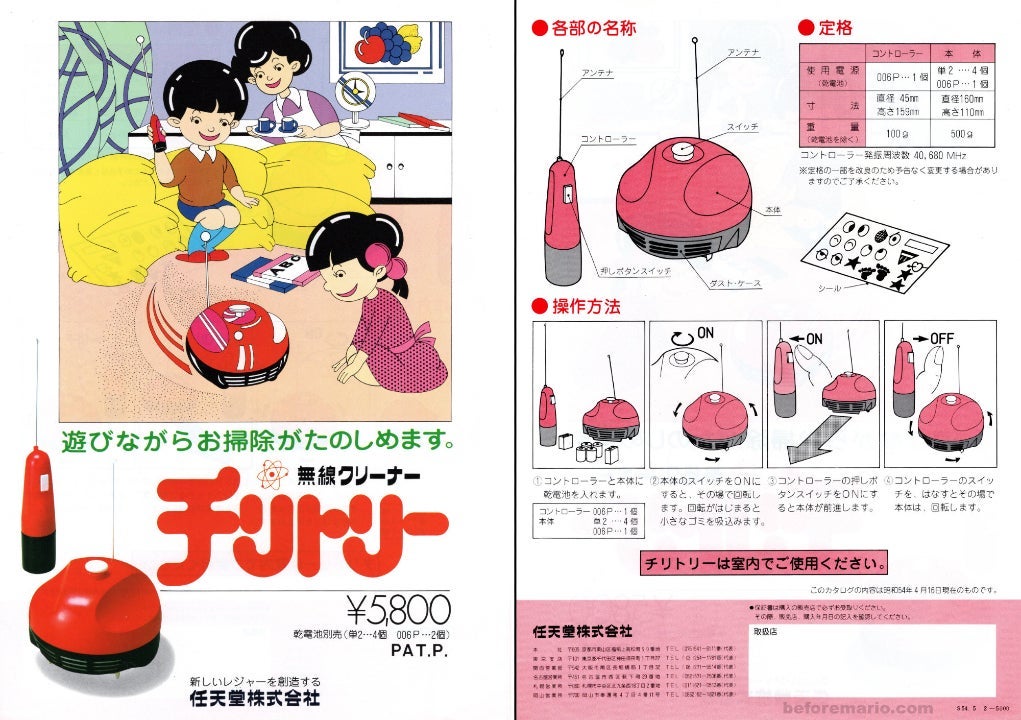
In the fascinating world of video games and technology, a historical curiosity resurfaces: the Musen Cleaner Chiritori, a vacuum robot designed by Gunpei Yokoi, the emblematic figure behind the Game Boy. This innovative product from Nintendo, launched in the late 1980s, stood out for merging cleaning and play, turning a daily chore into a fun and entertaining experience for the youngest. A gadget that parents appreciated The Chiritori not only eliminated dust and dirt but also made children interact and play while doing household chores, promoting reflexes […]
In the fascinating world of video games and technology, a historical curiosity resurfaces: the Musen Cleaner Chiritori, a vacuum robot designed by Gunpei Yokoi, the iconic figure behind the Game Boy. This innovative product from Nintendo, launched in the late 1980s, stood out for merging cleaning and play, turning a daily chore into a fun and entertaining experience for the younger ones.
A gadget that parents appreciated
The Chiritori not only eliminated dust and dirt, but also encouraged children to interact and play while doing household chores, promoting reflexes and the development of motor skills. With a remote control system that limited their movement, these devices allowed little ones to guide the vacuum cleaner as they pleased, an idea that anticipates the design of modern vacuum robots like Roomba.
Nintendo, which at that time alternated between the manufacturing of playing cards, toys, and instant rice, was looking beyond its gaming legacy. With the Chiritori, the company established a new way to bring technology closer to families, inviting children to participate in household chores in a fun way. This could be interpreted as a clever trick by parents to get their children to help with cleaning. However, the creation reflects a broader vision of the time, where dreaming of machines that performed routine tasks was a common idea, influenced by Japanese popular culture.
To increase the product’s appeal, Nintendo included customizable stickers, allowing children to unleash their creativity. In this way, the Chiritori not only represented a novelty in the field of appliances, but also solidified the principle that even the most mundane tasks could be transformed into games, an approach that continues to resonate in Nintendo’s design philosophy to this day.