Microsoft’s Clippy briefly reemerges before being banished to the nether-realm

Microsoft briefly brought Clippy back and then sent him packing again

Nostalgia is a funny thing. It pops up in the strangest of places and has us pining after the strangest of things. Microsoft Clippy, Office’s chirpy paperclip assistant, last seen around the turn of the millennium, is one such strange exercise in longing. Why we pine after a shape-shifting paperclip with basic ask-and-response skills is something that sits outside of common logic and reason. There are plenty of us who do though, and yesterday, for a brief moment at least, it looked as though an old friend was on the comeback trail.

Microsoft briefly brought Clippy back and then sent him packing again

Clippy featured image

You have to feel for poor old Clippy. He was quite popular back in the day and it must have looked like he was due another day in the sun when Microsoft was searching for a character to front its AI assistant project. The poor fella’s hopes were dashed though, when Microsoft instead went with Cortana, the Master Chief’s ever-present AI friend and assistant from the hugely popular Halo series. Clippy still holds hard feelings against whoever leaked the project’s Cortana code name to the press, thus setting the wheels in motion for Cortana to front the project permanently.

Last week will have been a new low for the 90s era “AI” assistant because, as they say, it is the hope that kills you.

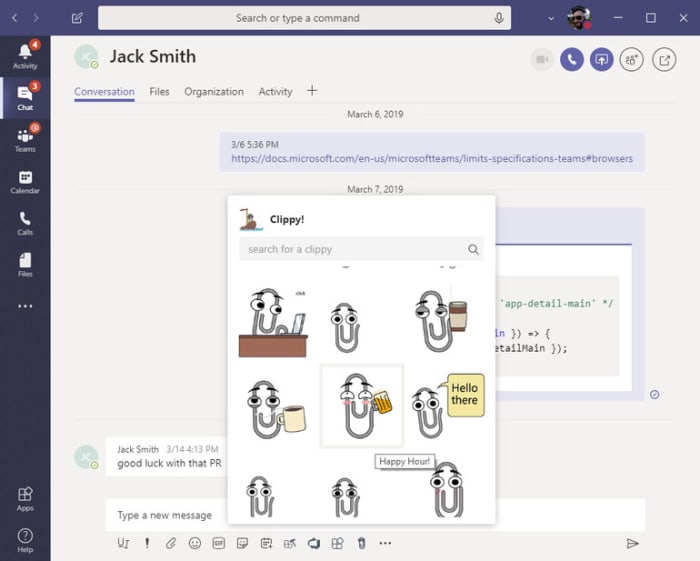
A screenshot of Clippy on Microsoft Teams
Image via: Microsoft Teams

Last week, a Clippy sticker pack appeared for Microsoft Teams on Microsoft’s Office GitHub page. The stickers were available to Teams users who could download and import them, then add pictures of Clippy to their chats and conversations. It looked as if these sticker packs could have been the beginning of a new era for Clippy. It really did look like we would finally be seeing the Clippy we always wanted to see.

As the guys at Ars Technica so keenly pointed out about the platform where the Clippy stickers appeared, “Teams, an interface that’s conversational and text heavy, is the perfect venue for a new Clippy.” He wouldn’t have needed the headline slot that belongs to Cortana, just a small corner of the Microsoft ecosystem to do his thing and respond to our questions and turn himself into an envelope or whatever. Teams was the perfect place for Clippy and that was where he appeared. It all fit together nicely.

Then it all came crashing down. According to a Microsoft statement released to The Verge, “Clippy has been trying to get his job back since 2001, and his brief appearance on GitHub was another attempt… While we appreciate the effort, we have no plans to bring Clippy to Teams.” Before Clippy had even had a chance to make a name for himself, Microsoft’s “Brand Police” had taken down the GitHub page offering the Clippy sticker packs. His chance was taken away in the blink of an eye.

People liked having Clippy back

That brief moment of light, however, could be the dawn of a new day for the little guy. Back when he lost out on the Cortana gig, it was a press leak that set off a wave of public support and petitions, which eventually led to Microsoft sticking with Cortana for the AI assistant position. There is a chance yesterday’s brief appearance on Teams could have a similar effect for Clippy.

Bring back Clippy

Teams users aren’t happy that Clippy has been taken away from them. They’ve even started a petition asking for Clippy to be brought back. If you stand with them and if you stand with Clippy, you can sign the petition to bring him back here.

Google releases Lookout, a useful new app for the visually impaired

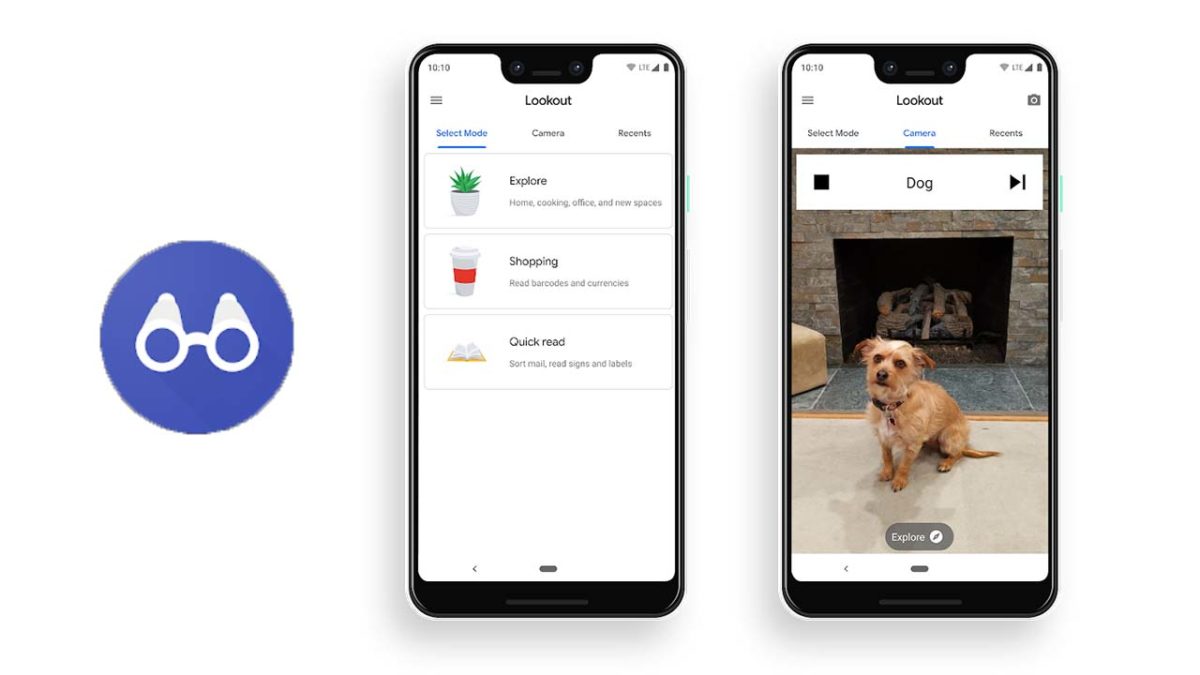
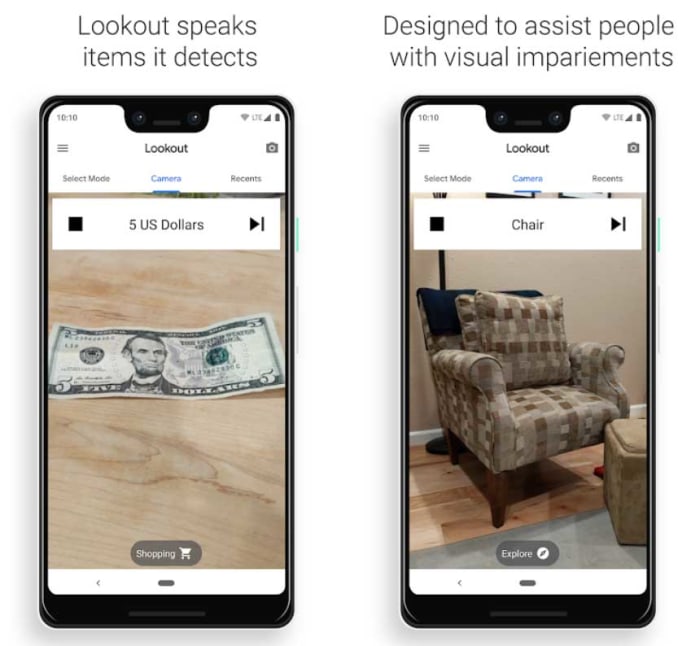
Lookout can recognize objects and say what they are.

Google’s big I/O conference back in May had a theme running through almost all the cool innovations the company was cooking up. AI was the buzzword and Google was talking about all sorts of ways its AI was going to make the world a better place. From simple things like improved predictive text in Gmail to grander schemes like assisting people with reduced mobility, Google said its AI was going to do it all.

One of the grander schemes Google mentioned was Lookout, an app Google was working on with visually impaired people in mind. Now, in March 2019 Google has finally started rolling out the Lookout app. If you’re a Pixel owner in the U.S., you can download it right now.

Lookout can recognize objects and say what they are

The Lookout app is very cool for a number of reasons, not least because it turns the smartphone into a wearable device. Google suggests users wear their phone around their neck in a lanyard or in a chest pocket, so that it can have an unobstructed view of all that is going on in the user’s eye line. This is because, “Lookout helps those who are blind or have low vision identify information about their surroundings. It draws upon similar underlying technology as Google Lens, which lets you search and take action on the objects around you, simply by pointing your phone.” Just like Lens searches the internet based on what it sees, Lookout will provide audible cues to the user based on what it sees.

Google Lookout Screenshots

Google Lookout Download Free ►
8

In the blog post announcing Lookout’s release, Google went on to explain that it has been designed to help visually impaired users in situations when they might normally have to ask for help. Things like, “learning about a new space for the first time, reading text and documents, and completing daily routines such as cooking, cleaning and shopping.” All users have to do is open the Lookout app and point in the right direction and the app will then work at recognizing what is in the scene before the user and reporting it back to them. Lookout can also read out any text it sees thanks to its Quick Read mode.

The search giant says that it has taken so long for Lookout to come to market as it has been honing and testing the app ever since it was first announced. Google also realizes that Lookout is still far from perfect and is asking users to help the app learn quicker. Early users of the Lookout app can provide vital feedback to Google via its Disability Support Team.

two screenshots of Google Lookout

If you are a Pixel owner in the U.S., you can download Google Lookout now. now. For everybody else, we’ll just have to wait and see when the app will receive a wider roll-out. Google has said that it hopes to bring Lookout to more devices, countries, and platforms but for now, is offering no information about when that will happen.

How humans and AI are currently working together

Will AI take your job, make your life better, or both?

humans and robots

Artificial intelligence has become good at so many things we once believed were the domain of humans and humans alone. From providing top-notch customer service to diagnosing cancer, bots are beating us in all kinds of industries from logistics to medicine.

We talk about collaboration a lot, but generally, it’s between humans working together toward a common goal. With robots, we’re dealing with a new class of coworkers, those with contrasting strengths and perhaps, less capacity for humor.

Companies like Tesla, Apple, and Facebook lead the charge on technological advances, but artificial intelligence has made its way into businesses of all sizes. Only about 41% of adults support advancing AI, and those folks tend to be wealthy, tech-savvy males.

Those who stand to see an influx of these new coworkers likely won’t fit the description of your average AI enthusiast.

Here are some examples of how humans and bots are already working together:

Chatbots — retailers across the board

Chatbots are the most obvious example of automation in the workplace — or at least the most visible sign of change.

Chatbots offer 24-hour support and the ability to take on tedious customer service tasks and free up support staff. According to a report from Juniper research, chatbots will bring roughly $11 billion in cost savings by 2023 across healthcare, retail, and financial services sectors.

Today’s customers care most about receiving top-notch service at their convenience, so the industry-wide investment in chat makes total sense. Gartner predicts that AI will take over more customer service tasks, which allow companies to better manage the customer experience.

Dealing with more automation is changing the role of the customer service rep, to be sure. On the human side, this role is more strategy-based — focused on improving the customer experience at every touch point.

Tech-enhanced brick and mortar staff

Marty

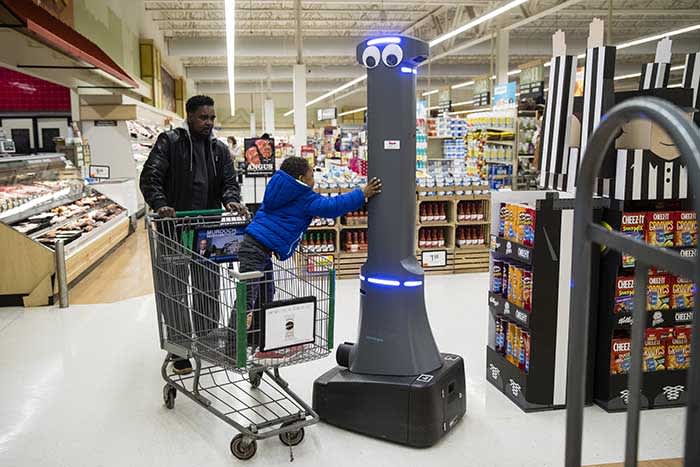
Marty is a tall gray robot that can navigate grocery store aisles on its own, using a collection of cameras and sensors to find and report safety issues like spills. Giant Food Stores have plans to add Marty robots to all of the chain’s 172 locations. Marty’s main purpose is to spot hazards, but other robots offer shoppers and stores a variety of benefits.

There’s the LoweBot, an autonomous service robot there to help customers find items and answer basic questions. The bot has been around for a couple of years now, and helps users figure out what type of tool they need and can process requests in multiple languages. Additionally, the LoweBot can help workers keep track of inventory.

Walmart’s autonomous scanners reduce issues caused by frequent stock shortages. The big box chain says that unavailable items are a major pain point for customers, and it can be a time-consuming task for employees to scan for items that customers can’t find.

Robot janitors

Walmart is about to unleash an army of robotic janitors in their stores. The company put out a call for bids and recently announced a partnership with a company called Brain Corp. Walmart will employ 360 cleaning machines, equipped with a platform called BrainOS.

The goal is to keep the stores sparkling clean with no human oversight required. The existing scrubbers require a human operator to guide them down the store’s aisles each time the store needs to be cleaned. The initial onboarding phase requires someone to ride each robot around the entire store, so it memorizes the layout. After that first ride, the robot is ready to work without a human on its back.

Walmart says that the aim of this new initiative is to allow employees to focus on helping customers, rather than performing tedious cleaning tasks.

Because the stores are currently in the midst of training the robot janitors, we don’t know how this will impact employees. As it stands, Walmart employs more workers than any other U.S. company, so it could have a negative impact on the economy.

Robots in the medical sector

medical robot

Given the startling statistics regarding patient infections in hospitals, medical staff need all the help they can get when it comes to keeping things germ-free. A study by the CDC found that using germ-killing robots can reduce the rate of hospital infections by 30 percent.

Vanderbilt University Medical Center has started using robots to do follow up job after humans perform normal sterilizations. The robots use ultraviolet radiation to kill germs, which allows hospitals to catch germs that human cleaners leave behind.

There’s also robotic surgery. The concept isn’t exactly new, but technology has improved dramatically in recent years.

The Senhance System is a surgical robot that was just cleared by the FDA for use in minimally invasive procedures. How it works is, surgeons use software to control surgical instruments, performing surgery remotely using three separate robotic arms. Senhance-based surgery stands to improve patient outcomes

Wrapping up

Resistant as we may be to tech entering the workplace, we won’t be able to avoid it for long. It’ll be interesting to see how human job descriptions and duties shift in roles like customer service and medicine.

Customer service is becoming a more skilled job than it has been in the past. The role is now more strategic than being on hand to answer calls and assist customers. Medicine stands to change in the way that doctors might increasingly work with software, rather than directly performing surgery.

It seems robots are fitting in okay, though they’re still relatively new at this whole workplace thing. In the end, we will have to rethink the human scope of work — and find roles that align with every skill set.

Google Assistant just got better at talking back

Google’s Continued Conversation update make sit easier to talk to on Smart Display devices.

Nobody is saying that AI assistants aren’t impressive. It is just that they can be a little annoying and frustrating to use. They’re rigid so to speak, particularly when you’re talking to them. Let’s just say they’re not kidding anybody. When you’re speaking to an AI Assistant, like Google’s Assistant or Amazon’s Alexa, you know you are talking to a machine. This in an issue that needs attention, and it is an issue that Google is trying to address.

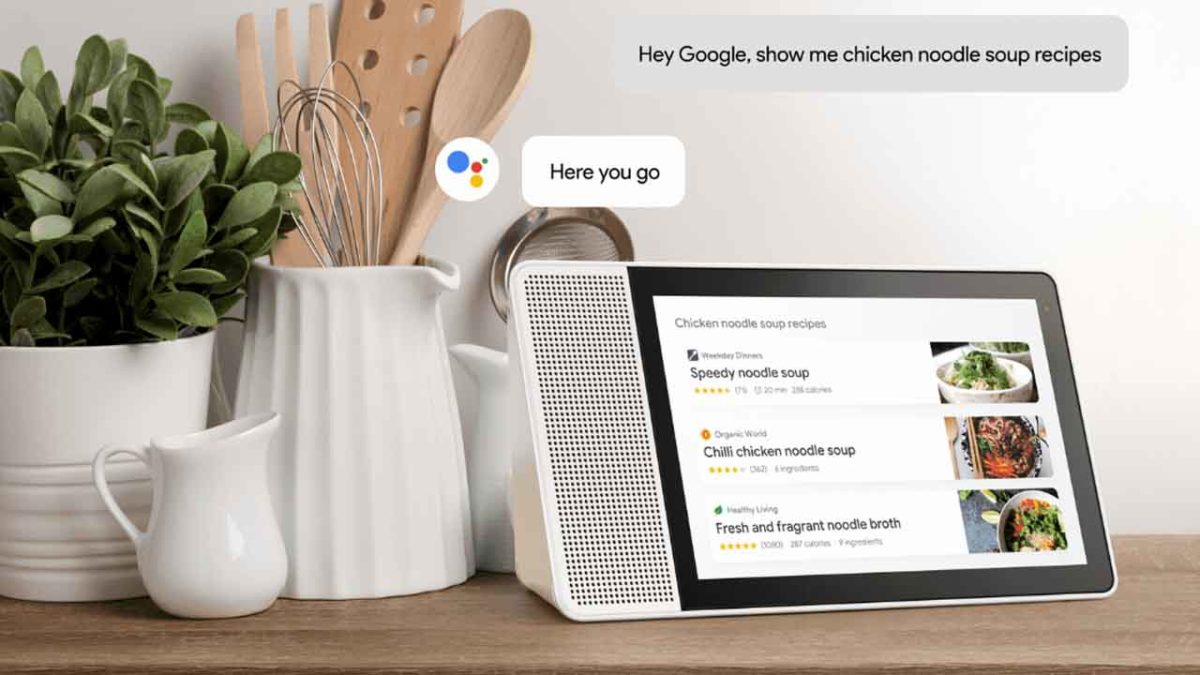
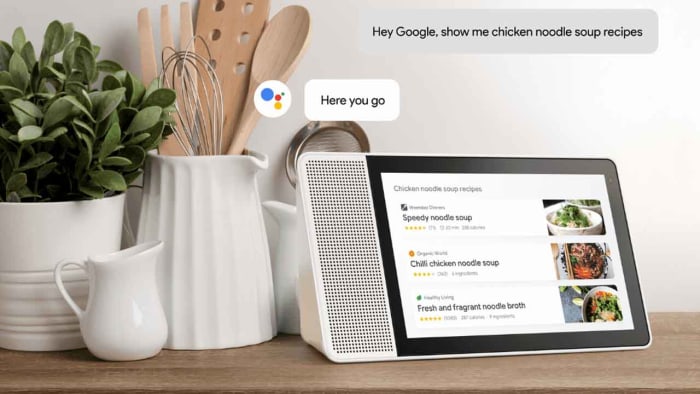
Google’s Continued Conversation update makes it easier to talk to on Smart Display devices

Continued Conversation on Google Assistant Smart Display

The big issue with AI assistants is the “wake word” phrases. The constant need to say things like “Alexa…” or “Hey Google…” before every single request breaks up the flow of the conversation. What could be a chat ends up a series of commands. This is what Google is trying to address with the Continued Conversation on Smart Displays update.

The update is a simple one and works like this. Whenever you speak to Google Assistant, using the “Hey Google…” or “OK Google…” wake words, it will remain active long enough after the original command has been made so that you can continue with more requests. This means that you can ask Google to turn the lights on and then ask Google to tell you what the weather will be like in the morning, without having to say “Hey Google…” a second time. It is a simple change, but one that could make your exchanges with Google Assistant feel a little more natural or, dare we say it, human.

How to enable Continued Conversation on Smart Displays for Google Assistant

This new feature is an optional extra and so won’t be enabled by default. To enable Continued Conversation on Smart Displays you need to go to Settings, then Preferences, and then finally Continued Conversation. Once here, click the toggle button to on to enable the feature.

The new feature is now available on Smart Display devices including the Google Home Hub, Lenovo Smart Display, JBL Link View, and the LG XBOOM AI ThinQWK9.

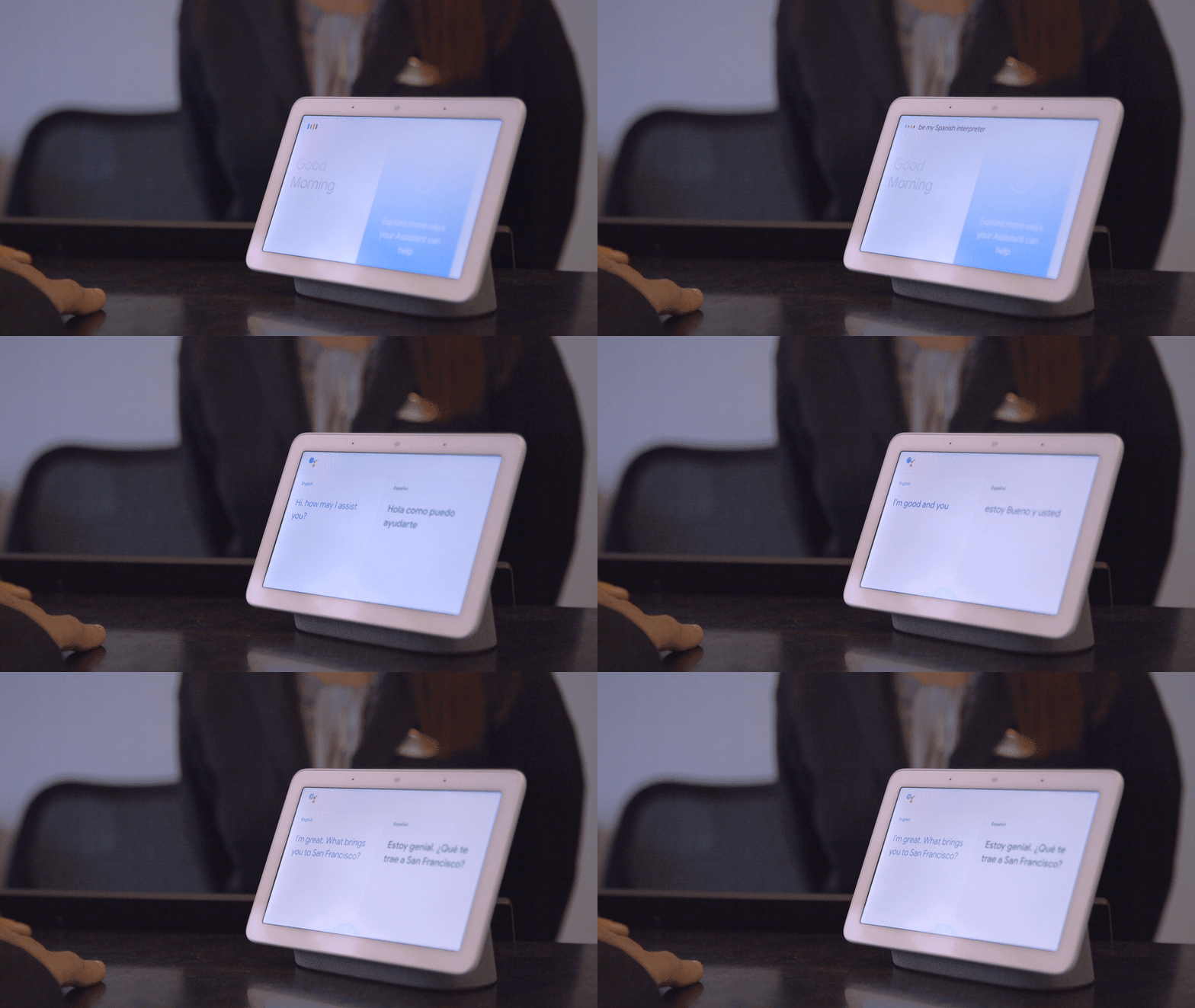
This is just the latest in a string of new features that Google has added to Smart Display devices. Other features include Interpreter mode, home appliance and smart device control, multi-room audio, and Live Photo albums that automatically update when photos of certain people or animals are taken on linked Google cameras.

The new interpreter mode will work well in the service industry

If you’re a Google Assistant user, however, who doesn’t have a Smart Display device you might want to check out one of our other Google Assistant articles like our essential guide to Google Assistant, Google Assistant’s uncanny ability to predict whether your flights will take off on time, and our look at the surprisingly complicated backstory that went into Google Assistant’s character development.

Google Assistant Download now
8

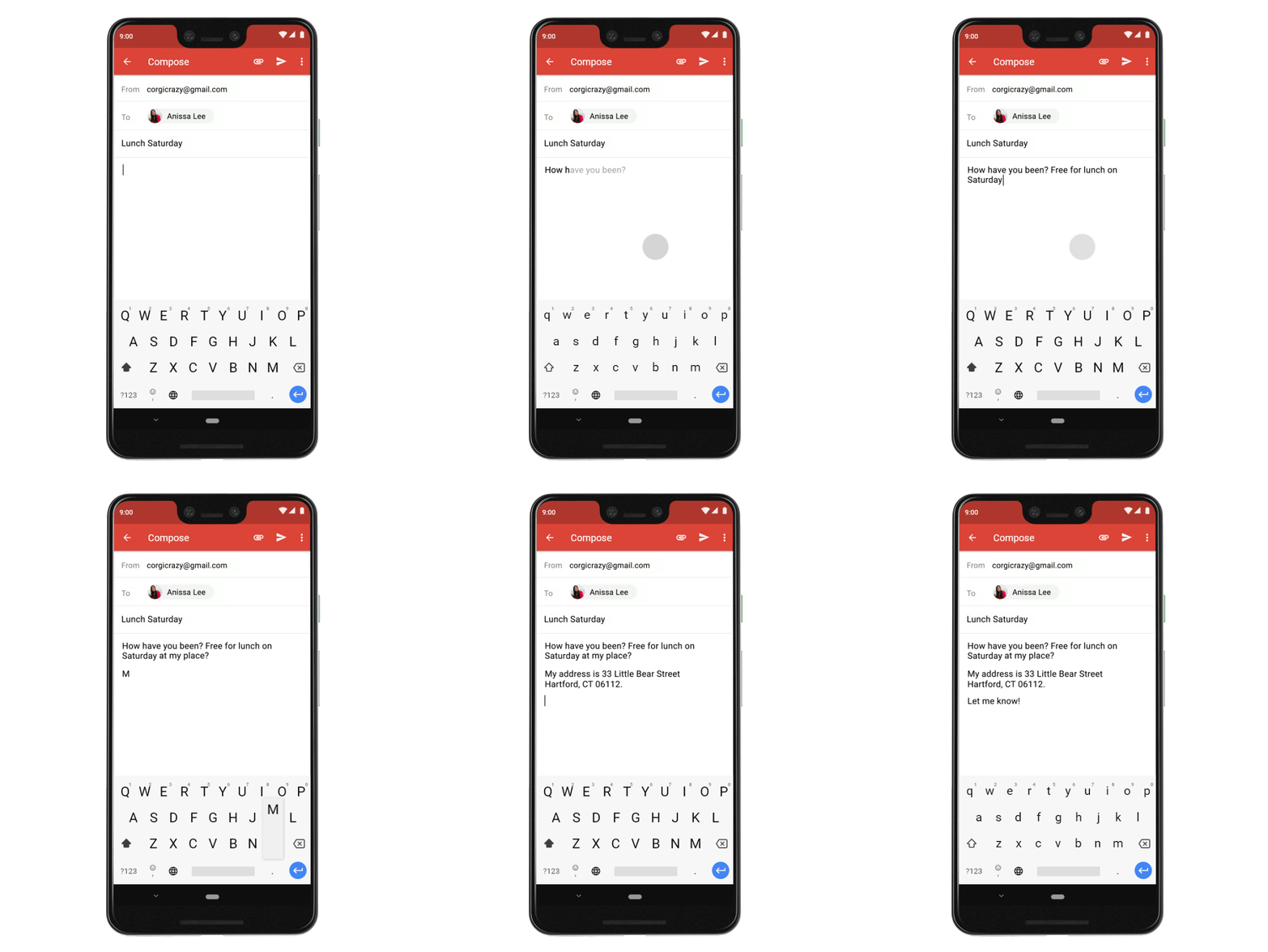
Gmail on Android can now write your emails for you

Gmail Smart Compose is now available on all Android devices.

Google is constantly trying to save us time. The internet giant does this by trying to shave seconds off the common tasks we perform every day. With over 1.5 billion Gmail users, the email client offers Google a great way to do this.

We first brought you news of Gmail’s Smart Replies way back in July 2017. Now almost two years old, Smart Replies have been helping Gmail users write simple email responses by offering three possible answers based on the text in the email they’ve just received.

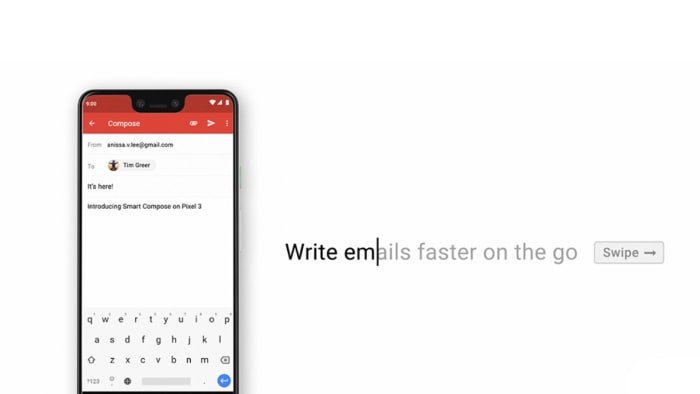
Then, back in May, Google first introduced Smart Compose to Gmail on desktop. Smart Compose is a much more contextually rich feature as it is there to help you write all your emails rather than simply offering possible responses. As you write your emails, Gmail is constantly trying to predict what you might be typing to offer you suggestions based on your email writing habits. This handy feature came to Google’s flagship Pixel 3 phone in October and now, the mobile roll-out of the Smart Compose feature has gone one step further.

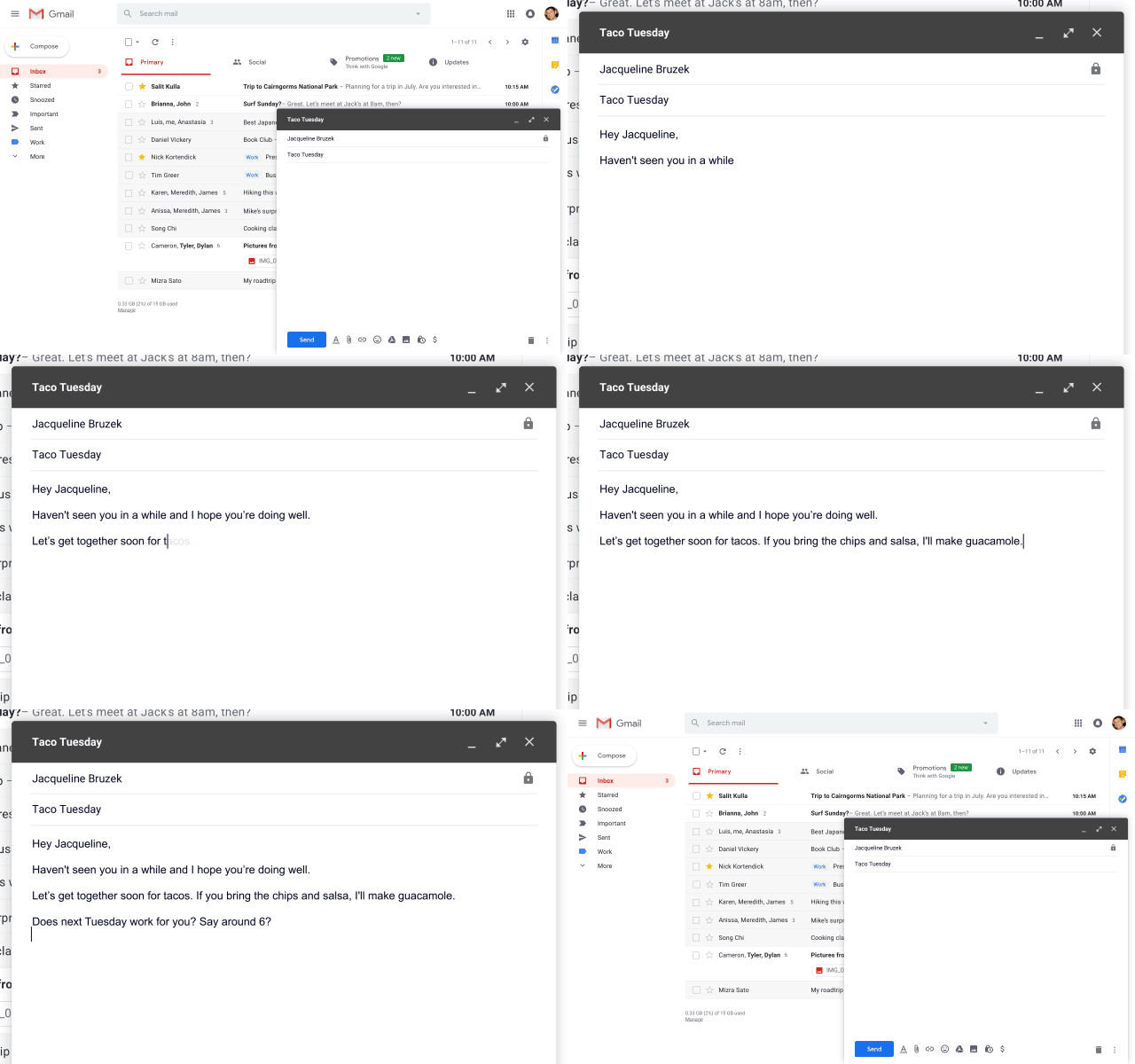
Gmail smart control on Android devices

Gmail Smart Compose is now available on all Android devices

Smart Compose arrived on a select group of Android handsets; including the Pixel 2, OnePlus 6T, and Galaxy S9+, but the roll-out has now spread to all Android devices. If you have the Gmail app on your Android device, you should receive a message inside the app telling you that the feature is now active and showing you how to use it.

On desktop, the feature works by showing you the proposed text to complete your sentence and then gives you the option to press the Tab key or the right cursor key to fill in the words based on Gmail’s suggestion. On mobile, the principle is the same, it is just the execution that works a little differently. Whenever Gmail Smart Compose makes a suggestion you can accept it and include it in your email by swiping your finger right across the email you’re writing.

Features like Smart Replies and Smart Compose are two of the ways that Google is trying to leverage its huge AI advantage to boost its core products. AI, however, is not without its problems and Smart Replies has already seen its fair share of issues. It was only in November when Google had to pull gendered pronouns from Smart Compose as Gmail was making biased assumptions about which genders did which jobs.

How to disable Gmail Smart Reply and Smart Compose

If the above problems put you off these new AI-based features or if you simply don’t want to use them, you can disable them. To do so all you have to do is open the Settings menu and then uncheck the boxes next to both features.

AI and the media — what’s next for news of the future

Will AI help the news or destroy it?

News organizations have lost the power to define what is and isn’t news. Instead, social media channels and aggregators have called the shots, capitalizing on algorithms that directly impact the content that users see, as well as the type of content that gets created.

Marketing and advertising have been capitalizing on AI innovations for years, to the detriment of reliable news.

By contrast, few media outlets have harnessed the burgeoning technology successfully. Yet, AI offers a ton of promise for the media industry.

What stands in the way of AI adoption on a mass scale? Here’s a look at some of the challenges and emerging trends within the space.

Where are we at with AI and the news?

ai news

China rolled out their artificial intelligence news anchor a few months back. The Washington Post has been using their robot reporter for a couple years at this point. Other news organizations are using AI to help journalists analyze datasets that inform their reporting.

Then there’s the question of whether AI can write articles. The answer is, they can. However, writing is best done by a human, as it requires art, creativity, and empathy. Otherwise, you get something like this.

The best application is using robots as a resource for finding plagiarized content and errors and analyzing statistics. Or, perhaps, running a media bias fact check.

These elements come together for more accurate reporting — and let writers cover more ground in less time.

We’ve found that there actually are a lot of places where the media is taking advantage of the new technology. The problem is, like the artificial intelligence news anchor and the reporter bot, the news media has been using AI in these novelty applications.

Unfortunately, they haven’t been able to use it in the same ways that advertisers have — and are struggling to monetize.

Why is that?

One thing slowing down mass AI adoption — at least on the distribution side is the business model. TV news is funded by advertising shown during commercial breaks.

Companies that use AI for advertising or content distribution make money by selling products or through ad revenue. So, content that’s interesting gets top billing over balanced, unbiased reporting on unsexy topics like local news coverage or regulatory issues.

Some online news organizations now make money through digital subscriptions. Which, of course, is an alternative to the aggregator model which depends on behavioral targeting, clickbait, and promoting video content over the written word (customers see more ads, so more money).

News by virtual assistant

Smart speakers like Alexa, Google Home, and Cortana are giving people an easy way to get their daily updates from news organizations.

As such, several media outlets are beginning to experiment with how these digital assistants can help them deliver the news more effectively. According to Trushar Barot, of Harvard’s Nieman Lab, newsrooms predict that AI-driven interfaces could have a greater impact on how we consume information than the iPhone.

That same article then mentions that these organizations say, “they’re not technology companies.” Yet, automatically generated voice content is the next great threat to journalism.

That said, not every news organization is sitting around ignoring innovation. NPR has been working on voice AI. NPR product manager Ha-Hoa Hamano says the broadcaster’s hourly newscast is a gateway to the rest of NPR’s content, allowing them to reach the 32% of 18-34 year-olds who don’t have a radio.

Lack of industry standards for AI practices

The media have been reporting on AI since day one. Yet, using the black box algorithms responsible for promoting fake news hasn’t been part of the strategy. Responsible journalists can comment on these changes and continue to publish articles — and they should. But, it’s going to be hard to enact change if things keep going as is.

While newsrooms understand content and the process of creating quality content in a short amount of time, the next step is joining forces with sophisticated tech teams to reach a larger audience.

The robot hiring manager — impartial recruiter or totally biased bot?

Changing up the interview process to improve diversity in the workforce is one of the top priorities amongst large tech companies looking to bulk up their staff.

Unfortunately, depending on the human mind to make impartial hiring decisions means dealing with the hidden biases we hope don’t see the light of day.

The idea of adding the robots to the decision making process is to screen applicants based on logic — finding the right person for the job, regardless of race, gender, background, and so on.

So, it kind of makes sense right? After all, artificial intelligence stands to be this beacon of equality, hiding demographics and matching candidates based on skill, before the humans get to them, equipped with harmful biases.

The future of an AI HR department

Robo-hiring

How is the technology being used today?

These days, robots are part of the hiring process, but generally relegated to the initial screening process. For example, you might get a phone interview with a company, but rather than talk to a person through the phone or video conferencing app. You’ll answer a series of questions for a robot, who later applies an algorithm to your answers to gauge compatibility.

Companies like HireVue are supplying technology to companies like Goldman Sachs, Under Armour, and Unilever, among others. The platform gives all applicants the same set of questions, which HireVue says helps eliminate biases.

Proponents of AI-based hiring say it’s a means of streamlining the hiring process. And, it’s easy to understand the appeal. The process saves companies time and allows them to sort through more candidates than ever.

interview

Unilever has been using artificial intelligence to screen entry-level employees for nearly two years now. Their process screens candidates by asking them to play neuroscience-based games to measure traits like risk management or the ability to read contextual clues.

If applicants make it through the games phase, they’ll then continue onto the interview process — where they’ll record their answers to a series of interview questions. Interviews are not live. Instead, the AI analyzes each of the answers, scanning for keywords, body language, and intonation.

A company called Pymetrics is the name behind the games and advertises their service as a way of “matching talent to opportunity, bias-free.”

How it works is, participating companies have existing employees play the game. Pymetrics analyzes the data to pick out specific trends, then builds algorithms that scan for likelihood to succeed. Prospective candidates, like in the Unilever example, play the games and match to opportunities.

What are the advantages?

On the employer side, there’s the element of convenience, of course. For Unilever, the company found that the AI enabled them to hire more nonwhite employees, as well as entry-level staff from a wider range of colleges than they did before adding the technology to their recruiting strategy.

Employers are also hoping that the process can reveal the smaller things that humans miss during the interview process.

According to a CNN Tech article, companies are looking toward pre-employment lie detector tools that help companies see when an interviewee is embellishing their qualifications. While honesty is typically the best policy, we have to say the facial scanning is a bit creepy.

The advantages on the employer side are clear — obviously, the streamlined method benefits recruiters and companies more than the person who needs a job.

But, there’s some evidence an AI-guided experience could have some positives for the job seeker, as well. For example, chatbots can help candidates navigate complex application instructions — and the potential to reduce bias promises greater ethnic and economic diversity in the workplace.

But, there’s always a dark side

Many AI technologies are still in their early stages. So, the main risk for employers is that they’re looking at a solution that isn’t yet proven.

And, when you’re considering AI options that analyze candidates’ word choice, tone, and body language, you might be missing out on some awesome candidates that are — say, fidgety or uncomfortable while recording responses.

Cornell professor Solon Barocas spoke with the Washington Post and warned job hunters to be wary of any company who is using an algorithm in place of an actual hiring manager.

The professor highlighted Amazon’s failed experiment using an algorithm to evaluate job applications. In it, Barocas suggests companies should err on the side of caution when applying AI to these decisions that do, have significant effects on peoples’ lives.

algorithm

Algorithms, of course, come with their own biases, as engineers bring their own baggage to the table during development.

So, last month, Amazon scrapped its AI recruiting tool, after it was revealed to have some sexist inclinations.

The reason for this is, U.S. tech companies are still struggling to close the gender gap among developers and other technical positions.

Amazon’s AI engine primarily trained by male developers, and had started penalizing women’s resumes. In fact, even the word, “women’s,” prompted the AI to downgrade resumes from applicants who attended women’s colleges or listed accomplishments like “captain of the women’s basketball team.”

That issue might be a relatively easy fix for the company, but there’s also the issue of masculine language and job applications. Meaning, there’s a chance that applications like HireVue hold some biases themselves, in spite of their efforts to eliminate the ugly side of recruiting.

For example, the technology was found to place higher value on “aggressive” words like captured or executed, more common on male engineers’ resumes.

The tool’s inherent gender bias wasn’t the only problem. Another major issue came in the form of data problems, with the AI firing off recommendations at random. Researchers found the tool was matching under-qualified candidates to positions that were far outside their pay grade.

Of course, that’s just one example. But, the fact that algorithms are scanning for job qualities based on existing top performers, it’s hard not to wonder if they’re scanning for the same old masculine power words and mannerisms—rather than aiming for diversity in a more subtle sense.

The Washington Post article points out that an algorithm trained to match candidates to top performers based on performance reviews is already set up to reinforce biases.

They give the example of a female leader given low marks on a performance review for being too assertive while being an aggressive seller might be seen as an asset in a different context.

The point is, artificial intelligence doesn’t replace the recruiter’s job. There will always be the need for the human hand in the decision-making process.


Face-generating website is a catfisher’s dream

None of the faces you’ll see here are real.

If you’ve ever watched the MTV show “Catfish,” you know that sometimes, online identities don’t match up with the real thing. The series follows people who fall in love online, only to discover that the face they came to love didn’t belong to the person who sent them online messages.

Usually, the fake identities were discovered with the help of Google’s reverse image search. Upload an image and Google will show you where else it may appear online.

But you could more easily disguise your identity if the photo in your profile picture exists nowhere else on the web. That’s where ThisPersonDoesNotExist.com comes in. Every time you load the page, you’ll get an AI-generated face that doesn’t belong to a real person. Some of them are quite good.

AI-generated face

AI-generated face

AI-generated face

Some of them… are not as good.

AI-generated face
If Donald Trump had a baby with Ruth Gordon from “Harold & Maude”
AI-generated face
Eye contact was always a problem for Brad.
AI-generated face
A beautiful woman and her terrifyingly deformed friend.
AI-generated face
You will never sleep again.

So, yeah, not every AI-generated face will be a winner, but every time you refresh the site, you’ll get a new face.

Despite the occasional monster face, the technology is impressive. And you have to imagine a future where all of this gets much, much more sophisticated. Thanks to deepfake technology, we can map faces on videos of other people’s bodies. In the future, we may be able to project entirely different faces on top of our own, like those goofy “Mission: Impossible” masks, but holographic and on-demand. The future is simultaneously bright and terrifying. Stay vigilant out there, and if you see the creature in that last picture, run.

Trump signs executive order on artificial intelligence

Can the U.S. compete with China?

Trump

President Trump recently revealed the “American AI Initiative,” an executive order that outlines the American plan to develop AI technology. The executive order did not allocate any new funds towards developing AI technology. It instead encourages federal agencies to allocate some of their own money towards AI focused research and projects.

This executive order came as a response to repeated warnings from AI experts and security officials that the U.S. would soon fall behind China’s AI programs if they didn’t make significant changes. Former Secretary of Defense John Mattis sent a memo to the Trump administration last spring that warned the country would fall hopelessly behind without a concrete national AI strategy.

As AI technology rapidly evolves, we become more and more dependent on it. AI is used in important ways across several industries, from consumer products like the Amazon Echo to lifesaving medical technology, all the way to national security.

In America, AI technology is improving primarily within the private sector and not within federal agencies. Companies like Google have some of the world’s best AI experts working for them, and some of these companies are none too keen on sharing their technology with the U.S. government. Just last year, Google severed its involvement with the Pentagon’s Project Maven, an AI project that aimed to make drone strikes more accurate through video analysis, over inner-company backlash towards the technology’s lethal implications. However, other companies, like Amazon and Microsoft, have aggressively pursued contracts with the Pentagon over AI technology. These contracts are not extremely lucrative, however, as America’s $1.1 billion AI federal budget pales in comparison to Chinese plans, which has had individual cities pledge to donate $15 billion to AI research by themselves.

Traditionally, one of America’s main technological advantages over other countries has been its ability to attract and retain some of the brightest students and researchers from across the world. The Trump administration is rapidly and aggressively cutting programs that allow foreign students and researchers to come to the U.S., encouraging them to take their talents elsewhere. If the U.S. truly wants to become the world leader in the field of AI, the Trump administration needs to loosen its immigration stance as soon as possible. While the Trump administration justifies these cuts by saying that they protect the jobs of domestic programming students, there are more than enough programming jobs to go around. Code.org states that there are around 500,000 available programming jobs in the U.S., while only around 40,000 programming students graduate each year.

By not actually allocating any funds and refusing entry to top foreign talent, Trump’s new executive order on AI is little more than a bluff. Only by gaining significant funding from Congress and allowing foreign students and researchers to enter the country can the U.S. stay competitive in AI, much less lead the world in its development.

What is Web 3.0?

Take a look at how the future internet will leave today’s tech in the dust.

web 3.0

Web 3.0 is one of those buzzy terms that have become shorthand for “the future.”

It’s long been sweeping the web, but not many people understand what it actually means.

A look at the future: What is Web 3.0?

A little background: to understand Web 3.0, you’ll need to have a working understanding of the Webs 1.0 and 2.0 that came before.

Web 1.0 hearkens back to the early days of the internet. You know, the dial-up days of old, where AOL CDs were dumped on the U.S. en masse.

2.0 is the current state of the web — where streaming and social media reign supreme and dial-up is a thing of distant memory. Broadband connections and reliable Wi-Fi replaced shrieking modems and Google became the go-to search engine.

Techopedia defines Web 3.0 as the “new paradigm in web interactions.” It marks the next phase in web development and will shake up how people create and interact with websites.

No, Web 3.0 doesn’t come with a specific definition, as we’re not quite there yet. But, what’s notable about this next internet is it’s predicted to be a total reinvention of the web, not an upgrade like 2.0 was.

The term was coined by New York Times reporter John Markoff back in 2006, and it represents this idea that the internet would continue to evolve in ways that we certainly couldn’t imagine back in 2006.

When is Web 3.0 supposed to happen?

What is web 3.0?

So, some people believe that Web 3.0 is already here. At least in some small ways.

Given that the transition from Web 1.0 to Web 2.0 didn’t happen overnight, we can expect the same for Web 3.0.

Additionally, Web 3.0 is likely to be a bigger, more dramatic change than its predecessor — and change, on this scale, takes time.

Given the latest applications of AI, the long list of blockchain projects, and advances in natural language processing, it seems we really are in the midst of a transition.

So what is this great new web supposed to look like?

It’s hard to say. But, most likely, it will be at least partially decentralized.

A lot of the Web 3.0 talk is tinged with shades of blockchain buzz. For example, a huge part of this conversation looks at the idea of a decentralized internet, a place where we stand to regain control over our data and security breaches become a thing of the past.

Proponents of the blockchain web say we’ll never deal with data interruptions again. Or, that we’ll finally be free from centralized, corporate ISP control.

One of the biggest flaws of Web 2.0 is the fact that our data is owned by a handful of private companies. Facebook data breaches and a long list of famous hacks have made headlines in recent years, proving that we can’t exactly trust these media giants to keep us safe.

As such, a blockchain-based web presents an attractive solution. Decentralizing protects against potential breaches, as data is distributed across several databases, rather than one central hub, as it is today.

web 3.0 blockchain

Beyond these predictions, here are a few concepts we’ve seen linked to Web 3.0 time and time again:

The Semantic Web

The semantic web seeks to improve how computers understand humans. The concept has been around for quite some time, Scientific American covered this in 2001 and the core idea is, that we’re looking at a version of the internet that pulls meaning from interactions.

The semantic web is a version of the internet that provides software programs with metadata that machines can easily interpret. For example, your browser might collect data based on your activity, which will inform future searches. Basically, your computer will start making contextual decisions when it comes to presenting information — much like a human might.

In short, this shift could transform the search process, looking at the meaning instead of pinging the right keywords.

AI will be front and center

Many people are looking toward artificial intelligence to usher in the new digital era. Web 3.0 is bound to see an increase in AI usage, allowing for the technology to start making decisions for us — whether that’s a tool that helps you at work or when you’re driving.

A lot of the speculation surrounding Web 3.0 is about how it might function as a personal assistant.

As you search the web, the browser will start to learn more about you, your interests, and eventually, you’ll need to be less specific with your search queries. For example, if you look up concepts related to digital marketing frequently, the browser may start presenting content that speaks to this niche versus promoting certain keywords that don’t relate to your request.

Cross-platform connectivity

With Web 3.0, some experts predict greater connectivity than ever. Up until now, data has been stored in a wide range of formats, making communication between those datasets something of a challenge.

When internet-connected devices are everywhere, from your kitchen to your car, to your workplace, they’ll serve you better when they can all talk with one another. While you can already say, work across devices when they’re all nearby, the next phase will be ordering items for your smart fridge from the device in your car.

Outside of the digital assistant context, this also means you can expect a seamless content experience — you can start reading a long-form article on your computer and finish it off from your phone if you decide to grab a mid-day coffee.

Parting Thoughts

Ultimately, Web 3.0 presents a secure, connected experience that eliminates a lot of the friction involved with many online processes today. Still, it’s hard to point at the place where the fantasy diverges with the reality of the future internet—and by extension, how it will impact our lives.

There’s no doubt that the internet is changing. However, like concepts like the blockchain and artificial intelligence, there’s a lot of buzz you’ll need to sift through before you can uncover the reality of the next phase.