The Bluetooth tracker Rolling Square AirCard Pro, which is the size of a credit card, is positioning itself as a standout option in the field of tracking devices. This device allows users to track items such as wallets, phones, pets, and luggage through an app, offering a practical solution for those who often misplace their belongings. A Bluetooth tracker with which you will never lose anything again One of the most notable features of the AirCard Pro is its rechargeable 220 mAh battery, which promises to last up to 12 months with wireless charging. This represents a […]
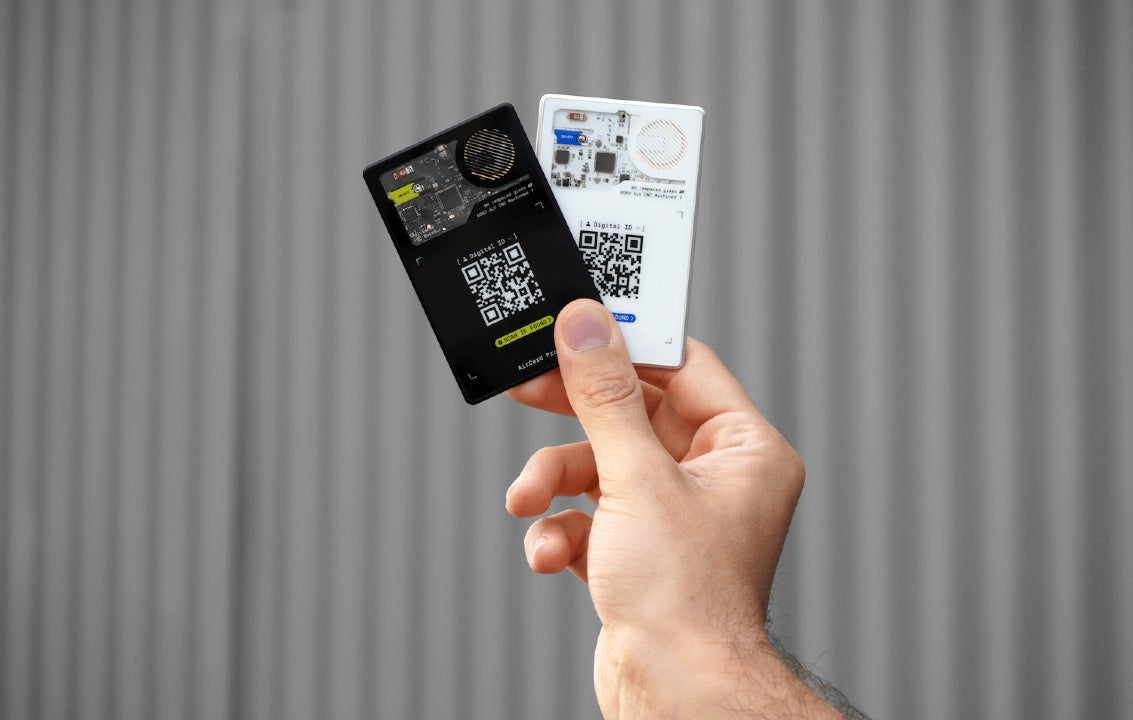
The Rolling Square AirCard Pro Bluetooth tracker, which is the size of a credit card, is positioning itself as a standout option in the field of tracking devices. This device allows users to track items such as wallets, phones, pets, and luggage through an app, providing a practical solution for those who often misplace their belongings.
A Bluetooth tracker that will help you never lose anything again
One of the most notable features of the AirCard Pro is its rechargeable 220 mAh battery, which promises to last up to 12 months with wireless charging. This represents a significant improvement compared to trackers that rely on disposable batteries, eliminating the need for frequent battery changes and providing a more convenient experience.
There are two versions of the AirCard Pro, one specifically designed for the Android Find Hub network and another for Apple’s Find My service. Both versions allow users to track their devices and activate lost mode, ensuring that their important items are not lost.
In terms of design, the AirCard Pro features a CNC-machined aluminum frame and epoxy resin, providing a robust quality and a transparent finish. Additionally, it includes a speaker that emits sounds to help locate lost items. A QR code on the outside functions as a business card, allowing users to share selective information such as their email and phone number.
With a slim design that barely doubles the thickness of a standard credit card, the AirCard Pro can easily fit into any wallet. Its compact structure makes it a versatile solution for those who need to keep constant track of their belongings. Priced at $40, Rolling Square is presenting this device as an attractive option in the personal tracker market.
Cybersecurity researchers have discovered a new remote access trojan for Android devices called PlayPraetor that has infected over 11,000 devices in several countries, with a special focus on Europe and Latin America. This malware has shown explosive growth, with over 2,000 new infections per week, primarily targeting Spanish and French speakers, suggesting a strategic shift in its victim base. Fraud and data theft PlayPraetor stands out from other trojans by leveraging Android’s accessibility services to gain full remote control over the infected devices. The operators […]
Cybersecurity researchers have discovered a new remote access trojan for Android devices called PlayPraetor that has infected over 11,000 devices in several countries, with a special focus on Europe and Latin America. This malware has shown explosive growth, with more than 2,000 new infections per week, primarily targeting Spanish and French speakers, suggesting a strategic shift in its victim base.
Fraud and data theft
PlayPraetor stands out from other trojans by leveraging the accessibility services of Android to gain complete remote control over infected devices. The malware operators use this feature to display fraudulent login screens in over 200 banking and cryptocurrency applications, allowing for the theft of sensitive user data.
The trojan is part of a coordinated global operation and uses a malware-as-a-service (MaaS) model. PlayPraetor comes in various variants, each designed to execute different types of fraud. Its distribution methods include misleading advertising through ads on social media platforms and SMS sent to unsuspecting users, leading them to fake domains that host malicious applications.
In addition, PlayPraetor has the ability to monitor clipboard activity and log keystrokes, which allows attackers to carry out fraudulent actions without the victim noticing. The operation has been attributed to Chinese-speaking threat actors, and their campaigns resemble other recent criminal activities, such as those perpetrated by the ToxicPanda Trojan.
Researchers’ analyses highlight that the command and control panel of PlayPraetor not only facilitates real-time interaction with infected devices, but also allows the creation of counterfeit Google Play Store pages, amplifying its reach. With the sustained growth of this malware, the cybersecurity community remains vigilant against the evolution of these threatening fraud techniques.
Gmail has launched a new feature called Manage Subscriptions, which promises to make it easier for users to unsubscribe from multiple senders simultaneously. This feature is in the process of being implemented in the apps for Android, iOS, and its desktop version, although it is not yet available to all users. The new tool allows users to view a list of active subscriptions along with the number of recent emails received from each sender, information that can be crucial for those looking to clean up their inboxes. Unexpected results Despite the introduction […]
Gmail has launched a new feature called Manage subscriptions, which promises to make it easier for users to unsubscribe from multiple senders simultaneously. This feature is in the process of being rolled out in the apps for Android, iOS, and its desktop version, although it is not yet available to all users. The new tool allows users to view a list of their active subscriptions along with the number of recent emails received from each sender, information that can be crucial for those looking to clean up their inboxes.
Unexpected Results
Despite the introduction of this feature, reports from various agencies suggest that there has not been a significant increase in subscription cancellation rates among customers. This could indicate that users who already manage their emails effectively are not as affected by the new feature. According to observations, the impact on Gmail accounts could be minimal, especially for those whose sends are well-segmented and tailored to user engagement levels.
The design of the new option prioritizes the volume of emails, reinforcing the need for brands to adjust their sending frequency based on subscriber engagement. Effective strategies include sending fewer emails to those who show low engagement and increasing frequency for more active users. This aligns with what many specialists have advocated for years: smart segmentation is essential to maintain a good level of engagement and minimize cancellations.
In this context, the new Gmail feature can be seen as a opportunity for marketers to refine their strategies and maintain their focus on real interaction with their audiences. It is expected that, in the end, most users who adopt this feature will do so occasionally rather than constantly, which could influence their list management habits in the future.
Wit Studio, known for its successful productions like Attack on Titan and Spy x Family, has taken a new step in its trajectory by launching a series of shorts in collaboration with Google Play. Titled Google Play De Cho Muso?! Tensei Shitara Android User datta, the series delves into the popular isekai genre, exploring the reincarnation of a gamer in a digital world designed by the app platform. Will the enemy be Apple Store? The protagonist of this story is Ando, a gamer who accidentally finds himself reincarnated in Google Play World, a universe where the skills of […]
Wit Studio, known for its successful productions like Attack on Titan and Spy x Family, has taken a new step in its journey by launching a series of shorts in collaboration with Google Play. Titled Google Play De Cho Muso?! Tensei Shitara Android User datta, the series delves into the popular isekai genre, exploring the reincarnation of a gamer in a digital world designed by the application platform.
Will the enemy be Apple Store?
The protagonist of this story is Ando, a gamer who accidentally finds himself reincarnated in Google Play World, a universe where video game skills are essential for survival and prosperity. Equipped with an Android smartphone and an arsenal of applications, Ando must face various challenges while navigating this new paradise for gamers. The series offers an innovative way to integrate gamer culture with the Google Play ecosystem, emphasizing the use of technological resources to advance the plot.
The first episode premiered on June 16 on Google Play’s YouTube channel and is available for free, with weekly updates culminating in the final episode scheduled for July 21. Daiki Yamashita, known for his role as Izuku Midoriya in Boku no Hero Academia, voices Ando. Under the direction of Yasuhiro Akamatsu, recognized for his work on Shingeki no Kyojin and Vampire in the Garden, the series also features the prominent Masaki Yuasa in visual development, promising a high-quality production.
Despite the short duration of the series, the collaboration between Google and Wit Studio forms a dream team that seeks to make the most of this blend of digital entertainment and gaming, thus consolidating a fresh and exciting proposal for anime fans.
Google Play is set to end support for Instant Apps in December 2025, marking the final chapter for this much-touted feature introduced at Google I/O 2016.
The announcement was reflected in the latest Canary build of Android Studio, signifying that both the publication and all related APIs will cease to function as of the specified date.
Google Shifts Focus as Instant Apps Face Final Curtain Call
One of the most significant setbacks was the stringent 15 MB size limit imposed on these applications, which proved to be a substantial obstacle for developers striving to create succinct versions of their apps. This restriction stifled creativity and viability, leading to a lack of widespread adoption.
Vimeo and other notable companies attempted to integrate Instant Apps into their services, but the results were disappointing. The initial allure of using apps without installation—offering storage savings and performance improvements—did not translate into real-world utility.
Instead, as mobile devices evolved to provide increased internal storage and more generous data plans, the practical advantages of Instant Apps diminished.
⏩Google is killing Android Instant Apps, but you probably won't miss them
Instant Apps let you launch Android apps and games without installing them, but almost nobody supported it, so Google is killing it off later this year
Feedback from users also highlighted a disconnect; beyond the initial excitement, many found Instant Apps did not significantly improve their experience. They either did not provide enough functionality or created a cumbersome user experience, ultimately failing to capture long-term interest.
As the countdown to their demise begins, this development serves as a reminder of the challenges that come with innovation in the tech landscape. The end of Instant Apps signifies a clear shift in user preferences and the evolving needs of mobile app ecosystems.
Google’s decision marks a significant change in strategy, as the company recalibrates its focus toward solutions that better meet the demands of modern mobile users.
Dante Alighieri’s The Divine Comedy, one of the most famous poems in all of literary history, continues to resonate in contemporary culture, almost seven centuries after its publication. However, troubling news is coming from Japan about a significant shortage of copies of the text, which has sparked the interest of eager readers and students wanting to access its content. Kawade Shobo Shinsha, one of the country’s most prominent publishers, has faced difficulties in supplying copies of the classic, largely due to the unexpectedly high demand for this literary material. A character from Fate/Grand Order has long […]
Dante Alighieri’s Divine Comedy, one of the most famous poems in the entire literary history, continues to resonate in contemporary culture, almost seven centuries after its publication. However, news from Japan brings concerning reports of a significant shortage of copies of the text, which has sparked the interest of eager readers and students wanting to access its content. Kawade Shobo Shinsha, one of the country’s most prominent publishing houses, has faced difficulties in supplying copies of the classic, largely due to the unexpectedly high demand for this literary material.
A character from Fate/Grand Order makes Dante’s character much more interesting
The phenomenon that has led to this renewed interest in The Divine Comedy is found in the world of mobile video games. Fate/Grand Order, a popular free gacha available on iOS and Android, has recently introduced the character of Dante Alighieri into its narrative. The new storyline, titled Ordeal Call IV: Tribunal of Humanity – Trinity Metatronius, is filled with references to the famous poem, which has prompted thousands of players to seek out the original text to deepen their understanding of the story within the game.
This rise demonstrates the influence that video games have on literary culture and the thirst for knowledge among enthusiasts. The interaction between classic literature and digital media not only revitalizes interest in timeless works but also raises a critical question about access to literature in the modern world. As publishers struggle to meet demand, it is worth asking how today’s consumers can more easily access the material that has shaped our culture while also celebrating the unique connection between literary history and current pop culture.
The arrival of Call of Duty on mobile devices in 2019 surprised many, marking the expansion of historic console and PC franchises to iOS and Android. However, not all of Activision’s initiatives have had the same success. While Call of Duty Mobile establishes itself as a titan in the market, Warzone Mobile faces its closure after a brief and mediocre stint on mobile platforms. A single Call of Duty for mobile Warzone Mobile was officially removed from Google Play and the App Store on May 18, 2024, after Activision acknowledged […]
The arrival of Call of Duty on mobile devices in 2019 surprised many, marking the expansion of historic franchises from consoles and PC to iOS and Android. However, not all of Activision’s initiatives have had the same success. While Call of Duty Mobile establishes itself as a titan in the market, Warzone Mobile faces its closure after a brief and mediocre stint on mobile platforms.
A single Call of Duty for mobile
Warzone Mobile was officially removed from Google Play and the App Store on May 18, 2024, after Activision acknowledged that the game “did not meet our expectations for mobile players.” Despite having accumulated over 45 million pre-registrations before its launch, the game’s performance was disappointing, generating approximately 17 million dollars since its release, a figure that pales in comparison to the more than 3 billion dollars that CoD Mobile had accumulated by mid-2023.
Call of Duty Mobile, launched in 2019, has been a winning bet for Activision, reaching over one billion downloads by November 2024. This success is largely due to its varied offering of game modes, its frantic pace, and regular updates that have kept an active and engaged player base.
Despite the failure of Warzone Mobile, Microsoft’s ambitions in the mobile market, following the acquisition of Activision Blizzard, remain strong. The company believes that this sector is key to expanding its franchises in areas where the dominance of PC and consoles is limited. Meanwhile, Call of Duty Mobile continues to lead the mobile gaming market, setting the course and showing who really rules in this competitive landscape.
Huawei has established itself as the undisputed leader in technological development in China, boosting both chip manufacturing and the advancement of its operating system, HarmonyOS. Following the sanctions imposed by the United States, other Chinese brands like Xiaomi, Oppo, and Realme are considering the possibility of creating their own operating system, emulating Huawei’s trajectory. Despite being fierce rivals, these manufacturers are being pushed by geopolitical pressure to explore alternatives to the Android Open Source Project (AOSP). Huawei is leading China’s technological revolution amid U.S. sanctions. In the […]
Huawei has established itself as the undisputed leader in technological development in China, boosting both chip manufacturing and the advancement of its operating system, HarmonyOS.
As a result of the sanctions imposed by the United States, other Chinese brands like Xiaomi, Oppo, and Realme are considering the possibility of creating their own operating system, emulating Huawei’s trajectory.
Despite being fierce rivals, these manufacturers are being pushed by geopolitical pressure to explore alternatives to the Android Open Source Project (AOSP).
Rumor: Xiaomi and BBK (Vivo, Oppo, OnePlus) are reportedly collaborating with Huawei to develop an alternative to Android without Google.https://t.co/Dcw5fwYUJO
Huawei leads China’s technological revolution amid U.S. sanctions.
In the Chinese market, brands like Xiaomi and Oppo already operate without relying on Google services, using AOSP as the basis for their customizations.
However, at an international level, its success depends on offering the complete Android experience, which includes Google and the Play Store, crucial elements for acceptance in markets outside of China.
Huawei’s experience has shown how complicated it is to sell devices without Google services abroad, which influences the strategy of other manufacturers.
Recent rumors suggest that alliances are being formed between brands like Xiaomi, Oppo, Vivo, and Realme for the development of an alternative operating system, similar to an Android without Google. However, the lack of official announcements and concrete evidence indicates that, for now, these plans seem more speculative than concrete.
The motivation behind these movements is clear; the growing friction between the U.S. and China could force these brands to develop a more independent ecosystem.
Despite the fact that these companies are strengthening their own ecosystems through IoT, cloud services, and app stores, they still have not resorted to a coordinated plan towards a definitive “Chinese Android.”
Huawei has learned from the difficulty of operating without Google and the time and resources required to develop an alternative system, which will have significant implications for any future attempts at large-scale change.
Infinity Nikki, the latest title in the gacha genre, has arrived on Steam after months of success on its own launch platform. However, its debut has been met with mixed reviews, achieving only 53% positive ratings among users at the current time. This lukewarm reception is largely due to the issues caused by patch 1.5, which players have described as problematic. One user commented that “the patch has more bugs than a triple-A on launch day,” while another stated that their computer, capable of running demanding games like Baldur’s Gate […]
Infinity Nikki, the latest title in the gacha genre, has arrived on Steam after months of success on its own launch platform. However, its debut has been met with mixed reviews, achieving only 53% positive feedback from users at the current time. This lukewarm reception is largely due to the issues caused by patch 1.5, which players have described as problematic. One user commented that “the patch has more bugs than a triple-A on launch day,” while another stated that their computer, capable of running demanding games like Baldur’s Gate 3 or Cyberpunk 2077, is “unplayable” with this update.
An update that has made the game much more unstable
Reports about the game indicate the presence of multiple bugs and unstable gameplay, which have affected its overall reception. The issues are not exclusive to the Steam version, as they have also been documented on iOS, Android, and other launch platforms. Additionally, difficulties in starting the game on Linux operating systems have been reported, which could be related to the anti-cheat system implemented by the developer, Infold Games. Players have experienced freezes across all platforms, which has increased discontent among the community.
Despite these difficulties, Infinity Nikki has managed to attract a segment of players who value its relaxing tone and focus on fashion. However, the division in the community is evident, as many are frustrated not only by the technical issues but also by the game’s aggressive monetization system, which allows special outfits to be purchased at prices that can reach hundreds of euros. With these concerns, the developers have urged players to use the bug reporting tool, although some have not even been able to access the game menu.
There are excellent mobile games, but sometimes it’s the platform where you least feel like playing. Even though it’s convenient to play anywhere, without being tied to a fixed screen in a physical location, that doesn’t mean it’s the best place to play for many people. Where we have a big screen and a controller, or a proper keyboard and mouse, all mobile devices can take a back seat. That’s why we’ve chosen eight excellent mobile games that you can find on Steam and that you shouldn’t miss just because you don’t want to play them on your phone. […]
There are excellent mobile games, but sometimes it’s the platform that feels the least appealing to play on. Even though it’s convenient to play anywhere, without being tied to a fixed screen in a physical location, that doesn’t mean it’s the best place to play for many people. Where we have a large screen and a controller, or a proper keyboard and mouse, all mobile devices can take a back seat. That’s why we’ve chosen eight excellent mobile games that you can find on Steam and that you shouldn’t miss just because you don’t want to play them on your phone.
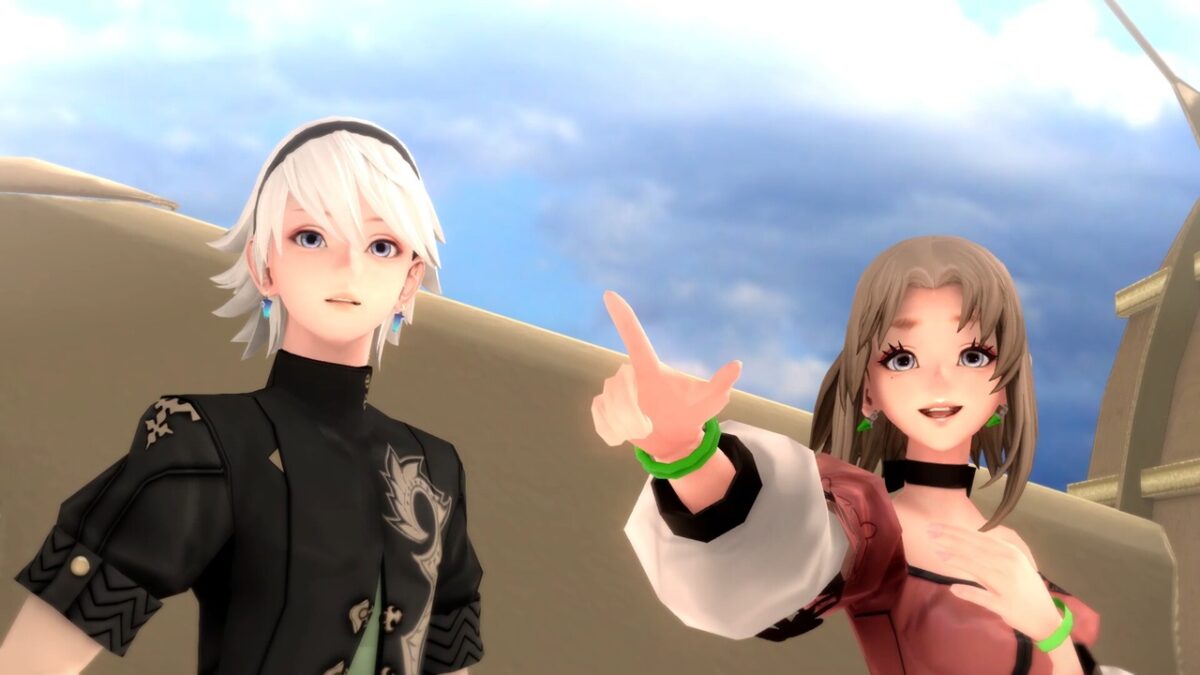
Having arrived on Steam literally yesterday, April 28, this is one of the big surprises of last year. Behind its sweet aesthetic clearly aimed at a female audience, there is an excellent open-world adventure game with a captivating narrative and more than interesting puzzle and exploration mechanics. A game that deserves a chance if you are a fan of the last two The Legend of Zelda or Genshin Impact.
The grandfather of all modern RPGs is Wizardry, but it hasn’t had a game worthy of its name for many years. At least until they released this gacha last year where you don’t need to invest a single euro to play. Now playable on PC, it’s the perfect time to discover one of the Wizardry games that has best captured the old-school essence of the franchise while adapting to a modern sensibility, all without abandoning what makes Wizardry the franchise it is.
Created by Ustwo Games, this trilogy of games was born for iOS but has made its way to PC, collecting numerous awards and critical acclaim along the way. And it’s no wonder. It is a puzzle game with absolutely exceptional artistic design, featuring fascinating puzzles that continue to grow with each new sequel, feeling more than just a mobile game due to its tremendous finish. One of those must-have games for puzzle lovers. Or for lovers of good games.
Another game that is on its third installment and, justly, started its journey simultaneously on PC and mobile. Being a 2D Action RPG in the style of the classic The Legend of Zelda, its two greatest achievements are being tremendously beautiful and adorable and having a fascinating open world. Improving tremendously with each new sequel, it is a franchise that has managed to find its own personality and whose fans eagerly await each new installment for good reasons.
The great Disney game of recent years is taking the mobile world by storm, but you don’t have to play it outside of your PC if you don’t want to. Available since its launch on both consoles and computers, this life and adventure simulator invites us to dive into the Disney worlds and discover what it is like to be a Disney princess, or at least, an inhabitant of their worlds. All of this while Donald gets angry non-stop for reasons we don’t quite understand.
If there is an absolutely hilarious game that many more people should play, it is What the Golf? A game that originally came out for iOS and just a month later for PC, and that you shouldn’t miss. Why? Because it is a golf game where absolutely nothing works like in real golf. Sometimes you have stealth missions. Sometimes you are the ball. Sometimes the rules are those of soccer. What are you doing reading instead of running to play it?
The latest game from the creator of Final Fantasy was locked on Apple mobiles for years, causing many fans to miss out. Now Fantasian Neon Dimension is available for PC and consoles to prove that its creator still knows how to make tremendously memorable and unique games in the form of some of the best JRPGs in the world.
World of Goo was one of the first indies to stand out. How can a sequel be 15 years later? A metanarrative madness about the very existence of the sequel to World of Goo that is, moreover, an excellent sequel in its own right. Because World of Goo 2 is also World of Goo 3. And World of Goo 4. And we could keep going like this for quite a while, but if you like World of Goo, it’s better to experience it for yourself rather than stopping to explain it to you.