Obsidian and Bethesda have faced legal issues for the inclusion of the Rorschach Test in Fallout: New Vegas without obtaining the corresponding rights. This psychological test, which invites participants to interpret inkblots, is used within the game to determine character skills, a nod to character creation in previous titles like Fallout 3 and The Elder Scrolls: Arena. However, a recent interview with Chris Avellone, former creative director of Obsidian, revealed that the studio and Bethesda mistakenly assumed that the test was in the public domain, as its creator passed away in 1922. Rights […]
This psychological test, which invites participants to interpret inkblots, is used within the game to determine character skills, a nod to character creation in previous titles like Fallout 3 and The Elder Scrolls: Arena.
The situation highlights the complexity of copyright and trademark rights in the video game industry, as trademark rights can be renewed indefinitely, unlike copyright rights which have a specific duration.
In this case a Swiss publisher has maintained its claim over the Rorschach Test for decades, leading developers to face legal actions for its unauthorized use. Avellone mentioned that the inclusion of humorous elements and cultural references, such as the Rorschach Test and the “Wild Wasteland” trait, contributed to the uniqueness of New Vegas, although this also brought unexpected legal complications.
Additionally, the popularity of a joke called “Two Bears High-Fiving” has generated a mod and several references within Fallout: New Vegas, as well as in later titles. This gag, which has endured in the gaming community, has been integrated into the game through an NPC in the “Honest Hearts” DLC and has left its mark even on Obsidian’s upcoming project, Avowed.
These anecdotes underscore the importance of proper management of usage rights and the influence of popular culture on the narrative and gameplay of video games.
In the video game industry, there are many legendary franchises, but not so many that have managed to establish themselves over the decades. Many have a couple of decades at most, and the longest-lasting ones tend to be Japanese. This is logical considering that the Japanese market has never faced the cataclysmic problems that the American market has and has managed to have much greater prominence than the much more fragmented European market. That doesn’t mean there aren’t great franchises in the West. And one of them has become the latest big sensation in pop culture. Thanks […]
In the video game industry, there are many legendary franchises, but not so many that have managed to establish themselves over the decades. Many have a couple of decades at most, and the longest-lasting ones tend to be Japanese. This is logical considering that the Japanese market has never faced the catastrophic problems that the American market has and has managed to have much greater prominence than the European market, which is much more fragmented.
This does not mean that there are no great franchises in the West. And one of them has become the latest big sensation in pop culture. Thanks to an excellent first season of its series, Fallout is now on everyone’s lips. Something that does not seem to be changing with its second season.
The Fallout series places us in the year 2296 after the Great War of 2077 led to a massive nuclear exchange between the US and China. After two hundred years in bunkers, the survivors of the catastrophe began to emerge from their Vaults little by little after several generations living there. Some by their own choice, others because they had no other option. In the case of Lucy MacLean, a young inhabitant of Vault 33, her situation is the latter. After raiders from the Wasteland kidnap her father, she will have to leave the safety of the Vault to venture into the inhospitable thermonuclear desert of the future.
Only to discover that it is less inhospitable than I expected. In the more than 200 years since the war, a new society has been created in the desert, many humans have mutated into scavengers and literal mutants, and the retrofuturistic technology of this alternative world continues, to some extent, to function. With The Wasteland having its own technology and factions fighting against each other, Lucy soon discovers that it will not be easy to find her father not because everything there is empty and full of dangers, but because it is full of people and full of dangers.
That is its premise and why its first season worked well. It is plausible, it is funny, and moreover, it has no problem subverting our expectations. The people who join Lucy, the peculiar squire Maximus, and the even more peculiar bounty hunter Cooper, are authentic characters, and besides, it is exactly what Fallout has always been: a franchise about the absurdity of humanity.
Some video games that have always been about the same thing
Fallout was created by Tim Cain and Leonard Boyarski in 1997 at Interplay. Being an immediate success, particularly in Europe, it presented us with a USA devastated by nuclear war, obsessed with its own past, and with an incomprehensible retro futurism. Thanks to its success, just a year later, they released Fallout 2, and in 2001, a spinoff, the underrated Fallout Tactics.
Unfortunately, the studio did not survive the ups and downs of the market. With RPGs becoming less popular in an era that prioritized elaborate graphics over the quality and depth of stories, they watched as the franchise fell into oblivion. Although not for very long. A company called Bethesda bought the rights to the franchise in 2004 for $1,175,000. A deal that, to this day, seems like a very wise purchase.
In 2008, the studio released Fallout 3 for PlayStation 3, Xbox 360, and PC. It wasn’t as deep and systemic as the original games and no longer had the same dark and depressing sense of humor, but it was much more agile, easy to play, and above all, it had spectacular graphics for the time. It is also true that it had an obscene amount of bugs, but that didn’t stop the public from acclaiming it: it was great. At least, until a studio formed by former Interplay employees decided to make their own version. And to show that Bethesda had barely scratched the surface.
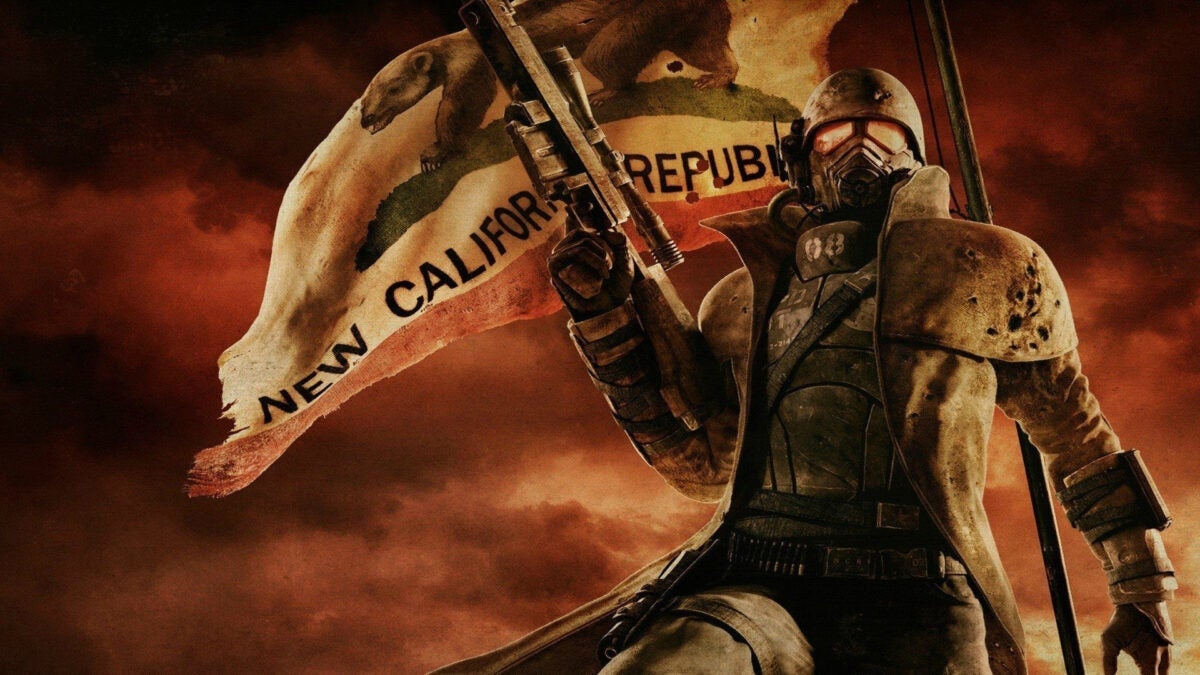
In 2010, and publishing for the same platforms, Obsidian Entertainment released Fallout: New Vegas. Considered by most fans to be the best Fallout to date, it has the gameplay simplicity of Fallout 3 and its spectacular graphics, but recaptures the humor and depth of the original games. Its only problem being that it is one of the most broken games in video game history. Released to the market filled with bugs, it received harsh criticism because, at times, it could be unplayable. Even if, over time, it has proven to be one of the greatest cult games in video game history.
Fallout has never reached the levels of respect and celebration that New Vegas achieved. Something that has never sat well with Bethesda and particularly with its head, Todd Howard. That is why Obsidian has never had the opportunity to work on another installment of the franchise.
More Fallout for everyone (and the series in New Vegas)
After the success of New Vegas, it would take them 5 years to return to the franchise, but they would do so with a tremendously divisive game: Fallout 4. Visually spectacular, but with a marked division of opinions between those who think it is the weakest entry in the franchise and those who believe it simply does not have as strong writing as previous entries, it would integrate many more systemic elements in the style of Bethesda’s other flagship series, The Elder Scrolls. Allowing players to build houses and inhabit The Wasteland, that would be its main selling point. Making you feel like you were truly living in the post-apocalypse.
Something they would take even further with their latest release to date. Fallout 76, released in 2018 for PlayStation 4, Xbox One, and PC, was an absolute disaster at launch. Broken everywhere, nonsensical in its design, and with nothing to do, it was universally hated by critics and fans alike. But at Bethesda, they took the task of fixing it seriously. So much so that, over the years, it has become a highly regarded and beloved MMORPG, continuously expanding, celebrated as an excellent gateway into the Fallout universe.
Meanwhile, the series continues to draw inspiration particularly from the main installments of the franchise. While the first season seems to generally draw from the tone of Fallout 3 and Fallout New Vegas, rather than the originals or the more recent ones, this second season explicitly takes place in New Vegas, the setting of Fallout New Vegas. Demonstrating that they know exactly what the franchise’s strong point is.
In any case, Todd Howard has already said that this is just a stop along the way. His wish for the Fallout series is that it focuses on the future in the events of Fallout 76, even if it chronologically does not fit with the series as Fallout 76 takes place in 2102 and the series in 2296, 15 and 9 years after Fallout New Vegas and Fallout 4 respectively.
In any case, it seems that we have Fallout for a while longer. And whatever the series and the franchise have in store for us, what is clear is that Bethesda knows that what they have in hand has reached a broader audience. And they don’t want to let it slip away.
The long-awaited sequel from Obsidian Entertainment, The Outer Worlds 2, promises a deeper and darker narrative approach compared to its predecessor. The narrative of the first game, described as a “diverted critique of a solar system dominated by brutal corporations,” will transform to reflect more serious contemporary issues. Brandon Adler, the game’s director, admitted in an interview that the first title sometimes felt monotonous and aimed to provide players with a richer and more varied experience in its content. In a world dominated by capitalism, we couldn’t expect anything else One of the changes […]
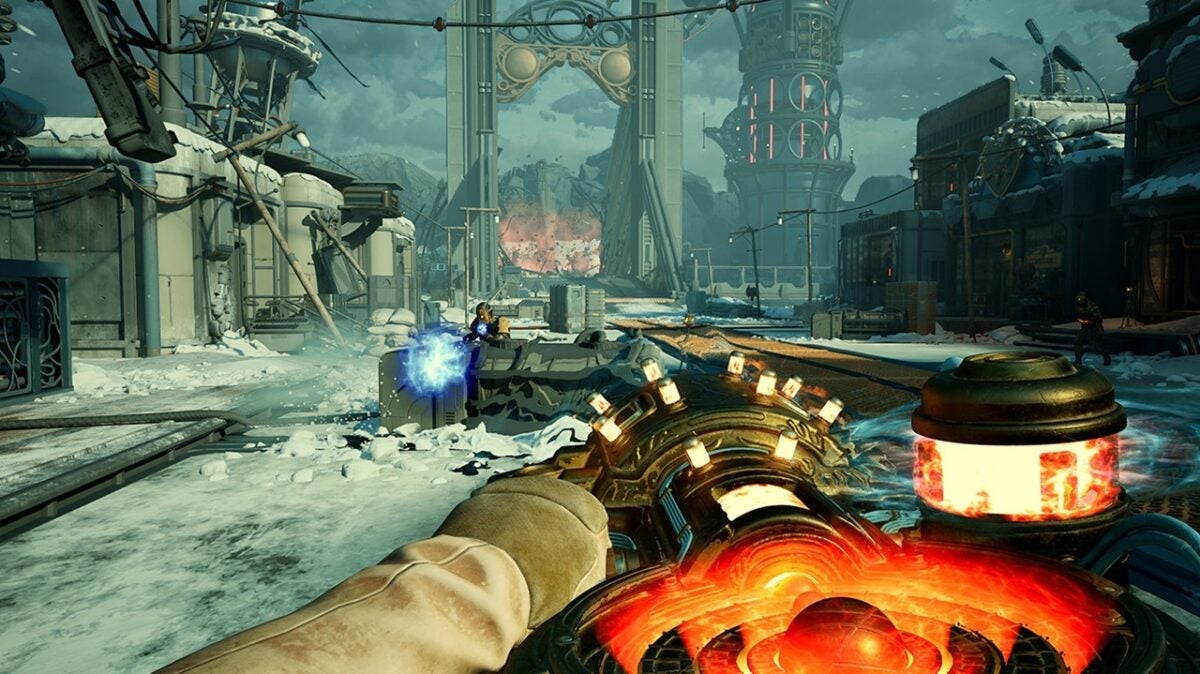
The highly anticipated sequel from Obsidian Entertainment, The Outer Worlds 2, promises a deeper and darker narrative approach compared to its predecessor. The narrative of the first game, described as a “diverted critique of a solar system dominated by brutal corporations,” will transform to reflect more serious contemporary issues. Brandon Adler, the game director, admitted in an interview that the first title sometimes felt monotonous and aimed to provide players with a richer and more varied experience in its content.
In a world dominated by capitalism, we couldn’t expect anything else
One of the most significant changes lies in the representation of factions within the game. Instead of being simple caricatures, factions in The Outer Worlds 2, such as the authoritarian Protectorate and Auntie’s Choice, are expected to display a more threatening and competitive character. The complexity of these interactions promises to add a “grittiness” to the narrative, reflecting the current struggle between security and freedom, a theme more than relevant in contemporary reality.
Leonard Boyarsky takes on the role of unique creative director in this sequel, while Tim Cain, known for his work on the Fallout saga, acts as a creative consultant in his semi-retirement. This change in leadership has influenced the tone of the game, providing a darker and more mature perspective in the development of the story. However, Adler assures that the absurd humor, a cherished feature of the first game, will still be present, albeit with a less “silly” approach.
The Outer Worlds 2 is scheduled for release on October 29, 2025. With these changes in tone and narrative, the developers hope to not only maintain the essence that made the first game famous but also to offer something innovative that resonates with the current concerns of players.
The highly anticipated Xbox Games Showcase event will return on June 8 with news about a variety of games, both from internal studios and external partners. This year, the event will take on a double presentation format, similar to the showcases of 2023 and 2024, starting with the general Showcase and continuing with a live segment dedicated to The Outer Worlds 2. The stream is scheduled for 10 am PT and will be available on platforms like Twitch, YouTube, and Facebook. The focus will be on the upcoming game from Obsidian, The Outer Worlds 2, a sequel to the acclaimed sci-fi RPG developed […]
The highly anticipated Xbox Games Showcase event will return on June 8 with news about a variety of games, both from internal studios and external partners. This year, the event will take on a double presentation format, similar to the showcases of 2023 and 2024, starting with the general Showcase and continuing with a live segment dedicated to The Outer Worlds 2. The broadcast is scheduled for 10 am PT and will be available on platforms like Twitch, YouTube, and Facebook.
The focus will be on Obsidian’s next game
The Outer Worlds 2, sequel to the acclaimed sci-fi RPG developed by Obsidian Entertainment, promises to be one of the highlights of the presentation. The sequel, which is set to be released in 2025, is expected to offer an expanded and improved gaming experience while staying true to the formula that made the original a success. In this special event called The Outer Worlds 2 Direct, the developers will share news about gameplay, additional details, and insights directly from the team behind the game.
In addition to The Outer Worlds 2, announcements about other important Microsoft titles are anticipated, including Clockwork Revolution, Gears of War: E-Day, and the reboot of Perfect Dark. Although no revelations about The Elder Scrolls 6 are expected, some optimists might fuel hope that something about this title or even a remaster of Oblivion will be shared, although these are still just rumors.
The gaming community is eager to discover what surprises will be unveiled at this event, which has transcended beyond the simple presentation of games, becoming a crucial meeting point for fans of the video game industry. The transition to a bright future in 2025 is closer than ever.
Obsidian Entertainment has marked the tenth anniversary of its acclaimed isometric RPG, Pillars of Eternity, with exciting news that promises to change the combat experience in the game. The developer announced that, after ten years of waiting, a new turn-based combat system will be introduced that players will be able to try later this year. Fans will be able to participate in tests of this new feature, allowing them to influence its development and provide feedback to the developers. An age-old debate about what is better This news has generated a lot of buzz among both fans and […]
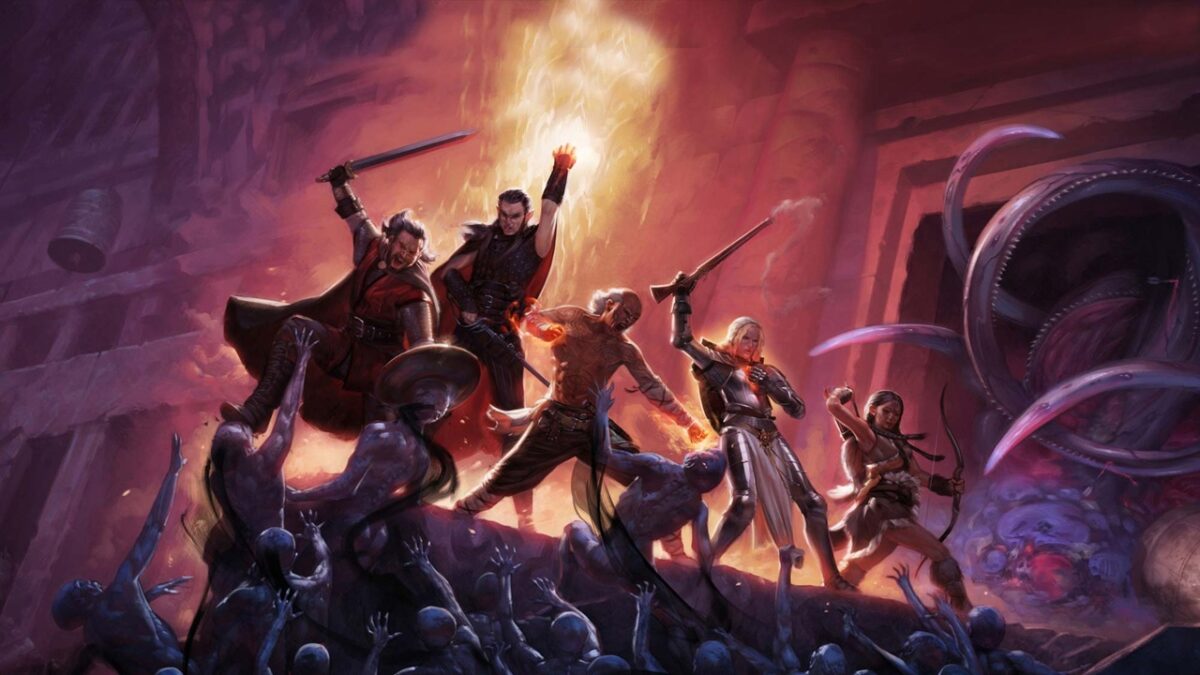
Obsidian Entertainment has marked the tenth anniversary of its acclaimed isometric RPG, Pillars of Eternity, with exciting news that promises to change the combat experience in the game. The developer announced that, after ten years of waiting, a new turn-based combat system will be introduced that players will be able to try later this year. Fans will be able to participate in tests of this new feature, allowing them to influence its development and provide feedback to the developers.
An ancient debate about what is better
This news has generated a great stir among both fans and video game journalists, igniting intense debates about combat mechanics. While some celebrate the arrival of turn-based combat, others defend the real-time combat system with pause, which has been fundamental in the series since its original release and was also used in Pillars of Eternity 2: Deadfire.
Before the arrival of this new mechanic, Obsidian has released an update that improves and fixes various aspects of the game, suggesting a continued commitment to quality and player experience. Moreover, although the community is divided, many believe that this dual option—between real-time combat and the new turn-based combat—offers an interesting flexibility that could attract both traditional fans and new players.
The reactions have been diverse and heated. Influencers and industry analysts have commented that the addition of a turn-based combat system could revitalize an experience that many considered perfect. While some skeptics wonder about the reasons behind this change, the public seems increasingly eager to see how this new option will develop. Therefore, more details about participation in the tests and future updates are expected to be shared through Obsidian’s social platforms and their Discord.
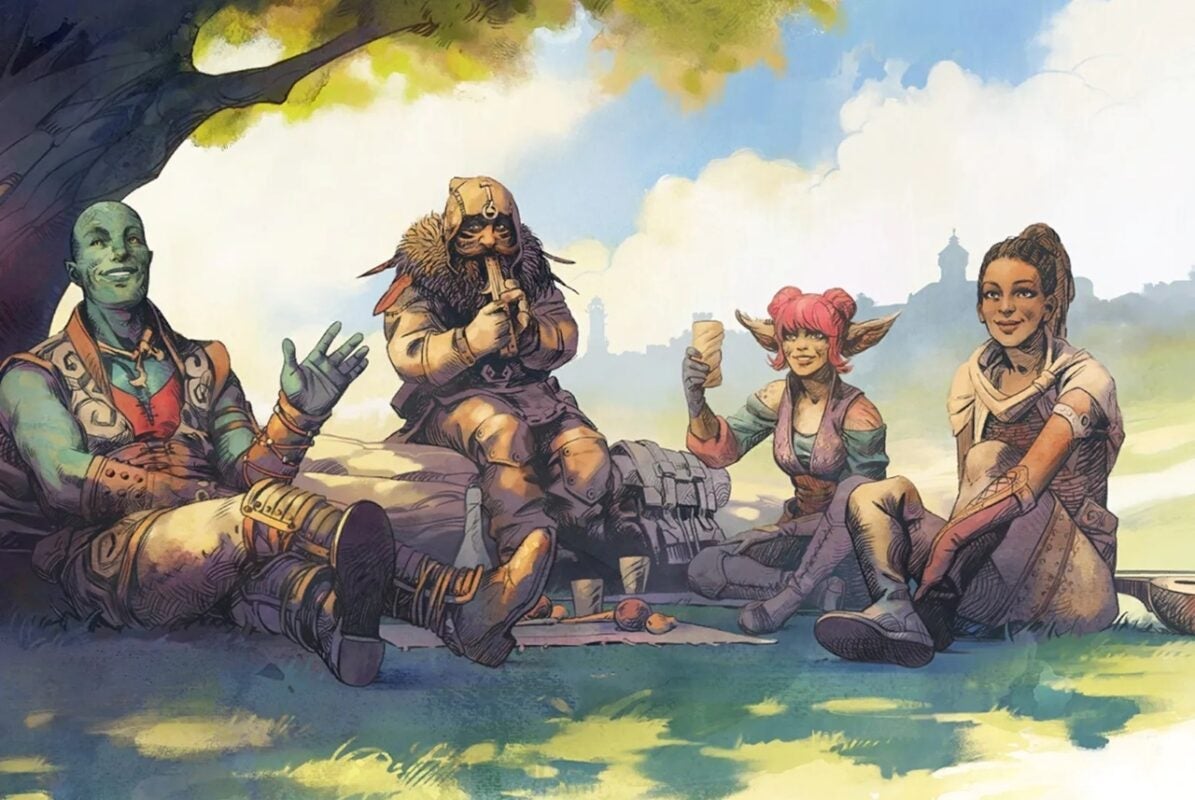
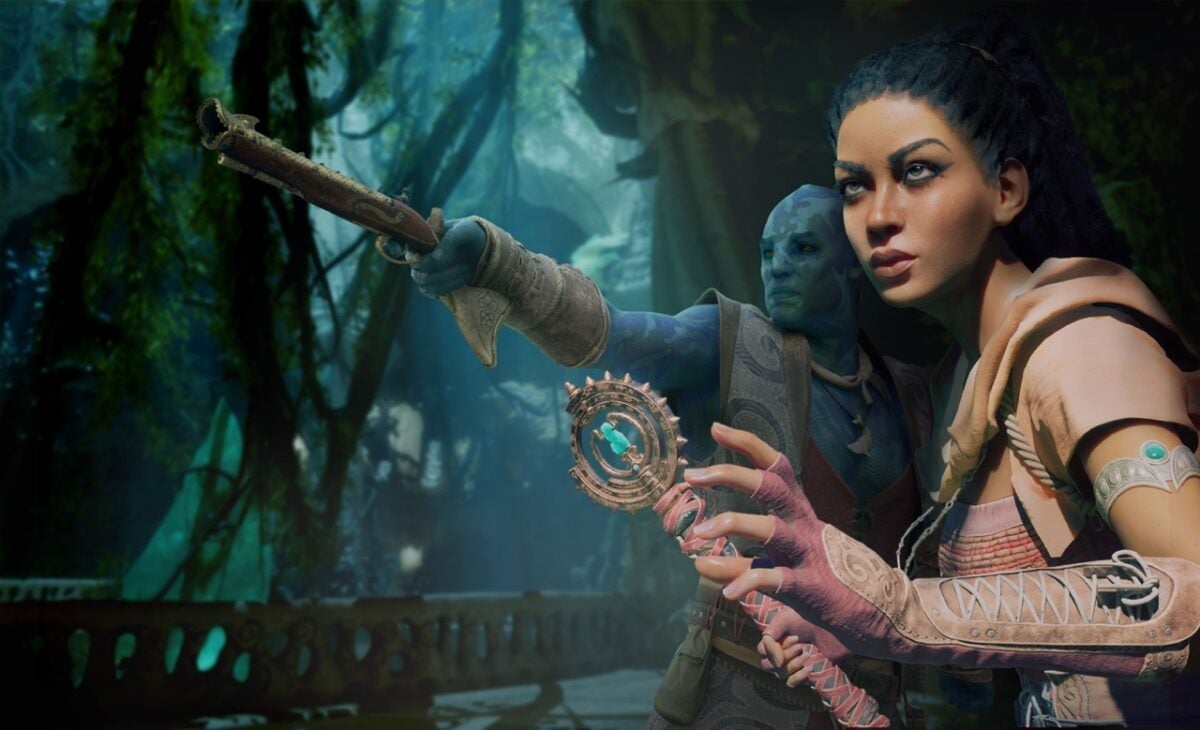
Taking advantage of the fact that they belong to the same parent company, Avowed, the new RPG from Obsidian Entertainment, pays homage to one of the most iconic characters from Skyrim: Lydia. This character, who has become a meme phenomenon due to her famous line, “I am sworn to carry your burdens,” is known for being the first companion that many players recruit in Bethesda’s classic title. A character that is as hated as she is remembered for her clumsiness, Lydia has been the subject of numerous criticisms and mockery not only for her repetitive dialogues but also for her awkwardness, especially in situations […]
Taking advantage of being part of the same parent company, Avowed, the new RPG from Obsidian Entertainment, pays homage to one of the most iconic characters from Skyrim: Lydia. This character, who has become a meme phenomenon due to her famous line, “I am committed to carrying your burdens,” is known for being the first companion that many players recruit in Bethesda’s classic title.
A character that is as hated as he is remembered for his clumsiness
Lydia has been the subject of numerous criticisms and mockery not only for her repetitive dialogues but also for her clumsiness, especially in stealth situations, which has led to the creation of a mod that improves her interactions in the game. However, despite these flaws, Lydia’s loyalty to players has kept her as a beloved character in the collective memory of the gaming community.
In Avowed, the developers have decided to pay a clever tribute to Lydia through the Packmule’s Burden Unique, a ring that tells the story of a squire “committed to carrying the burdens” of his knight. According to the ring’s description, the squire, overwhelmed by his oath, saved every coin he could until he obtained a spell that helped him lighten his load. However, the squire’s fate becomes ironic when he realizes that his new ability to carry more weight only brings him more work, thus reflecting Lydia’s situation in Skyrim.
Interactions between companions in Avowed, as highlighted in the community, are an element that significantly enhances the RPG experience, especially when it comes to dialogues outside of combat. The inclusion of this Easter egg not only adds a layer of humor to the game but also connects players with a character that has left a lasting mark on video game culture.
The latest release from Obsidian and Microsoft in the RPG genre, Avowed, has received a less enthusiastic reception than both fans and developers expected. Despite this, the team is determined to improve the gaming experience and attract more players to this new intellectual property. The most recent patch for Avowed aims to address its biggest issues. A recent update for the title, which is approximately 66GB in size, has been released with the goal of fixing various inconsistencies that have affected the game’s stability. This patch includes over 80 fixes, […]
The latest release from Obsidian and Microsoft in the RPG genre, Avowed has received a less enthusiastic reception than both fans and developers expected. Despite this, the team is determined to improve the gaming experience and attract more players to this new intellectual property.
The latest patch for Avowed aims to fix its biggest issues
Aside from stability, the update has implemented slight rebalancing adjustments and modifications to some character abilities, which will allow for a smoother and more refined gaming experience. Visual improvements have also been made to enhance the presentation of the title; however, players must lament the absence of support for advanced technologies such as AMD FSR 3.0 or Intel XeSS, features that are still expected in future updates.
It is evident that Obsidian is committed to polishing Avowed, despite its initial flaws. The effectiveness of these updates will soon be reflected in the user experience. While there are no concrete rumors about new content or expansions, the developers’ intention to continue improving the game is clear. Fans remain hopeful that, over time, they will be able to enjoy a more robust and satisfying title.
The highly anticipated launch of Avowed, the new RPG from Obsidian Entertainment, is scheduled for February 18, 2025, exclusively for Xbox. Known for its iconic works like Fallout: New Vegas, Pillars of Eternity, and The Outer Worlds, Obsidian has built a solid reputation in the gaming world, raising expectations around this new title. If you want to play Avowed before anyone else, you still have time. As part of its sales strategy, Microsoft will offer an early access period through the Premium Upgrade Edition, which will allow […]
The highly anticipated launch of Avowed, the new RPG from Obsidian Entertainment, is scheduled for February 18, 2025, exclusively for Xbox. Known for its iconic works such as Fallout: New Vegas, Pillars of Eternity, and The Outer Worlds, Obsidian has built a solid reputation in the gaming world, raising expectations around this new title.
If you want to play Avowed before anyone else, you still have time
As part of its sales strategy, Microsoft will offer an early access period through the Premium Upgrade Edition, which will allow players to experience the game five days before its official release. This early access is available for an additional cost of 24.99 euros. For those who are already Xbox Game Pass subscribers, Avowed will be playable for free with the standard edition, which is priced at 79.99 euros.
Among the benefits provided by the Premium Upgrade Edition are two additional aspects for the characters, an interactive book with illustrations and concept art, as well as the original soundtrack of the game. This sales model, which combines early access with extra content, has already been used by Microsoft in previous releases, such as the recent title Indiana Jones and the Great Circle.
This strategy from Microsoft reinforces its commitment to making video games more accessible to Xbox Game Pass subscribers, without a significant increase in subscription price. The early sale of Avowed could be an indicator that the company seeks to maximize interest in its releases and maintain player loyalty.
With the arrival of Avowed, fans of RPGs and the Xbox console are expected to have an unforgettable gaming experience, while the Obsidian studio continues to establish itself as a benchmark in the industry.
Obsidian Entertainment has announced the release of its anticipated RPG, Avowed, which will arrive on platforms on February 18, 2024. This title marks the studio’s return following the release of Pentiment in 2022. Avowed promises to immerse players in a world rich in narratives and exploration, traditional features of Obsidian games. For those interested in accessing the game before its official release, there is the option to purchase the Premium edition, which costs €90. This edition not only offers five days of early access but also includes two skin packs, as well as […]
Obsidian Entertainment has announced the release of its highly anticipated RPG, Avowed, which will arrive on platforms on February 18, 2024. This title marks the studio’s return following the release of Pentiment in 2022.Avowed promises to immerse players in a world rich in narratives and exploration, traditional features of Obsidian games.
For those interested in accessing the game before its official release, there is the option to purchase the Premium edition, which costs €90. This edition not only offers five days of early access but also includes two skin packs, as well as a digital art book and a soundtrack. However, it is important to note that the option to upgrade to the Premium edition is only available to Game Pass Ultimate and PC Game Pass subscribers. Members of these services can obtain the upgrade for €22.50, applying a discount on the standard price.
With Game Pass, much cheaper than on any other platform
Microsoft has also launched an attractive promotion for new users, offering a 14-day PC Game Pass trial for just 1€. This offer allows players to enjoy Avowed for a fraction of its cost. However, there is no 1€ trial for Game Pass Ultimate. It is relevant to note that, although other Xbox releases have offered similar upgrade options, the one for Avowed is presented as a crucial option for fans looking to maximize their experience before the game’s arrival.
Additionally, fans of Obsidian can anticipate more news, as the studio is also working on The Outer Worlds 2, which is expected to be released this year. With these projects, Obsidian continues to establish itself as a leader in the development of RPGs recognized for their narrative and depth.
Avowed, the highly anticipated fantasy RPG from Obsidian Entertainment, set to release on February 18th, promises to offer players a rich and immersive experience within the Pillars of Eternity universe. The creators of Fallout: New Vegas are designing a world that focuses on meaningful decisions that will influence the game’s narrative, an aspect that fans have been eagerly awaiting. The reason for not having an open world: the narrative component In a recent interview with Xbox Wire, Obsidian explained that Avowed will not be an open-world game. Instead, the map will […]
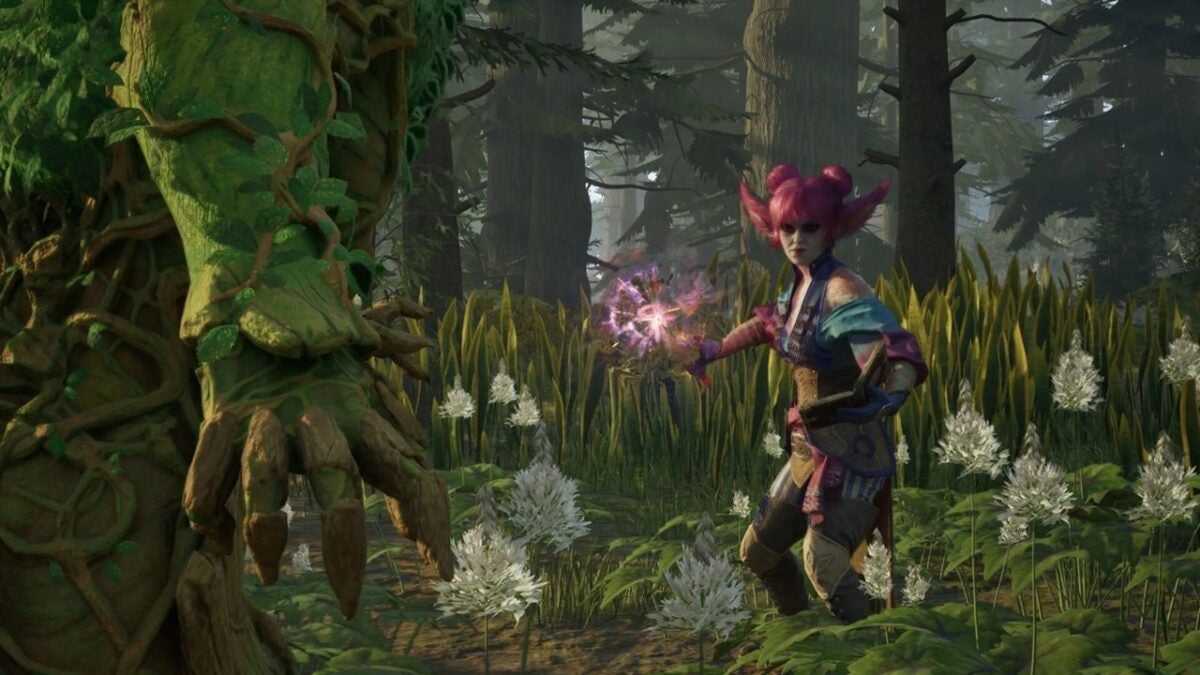
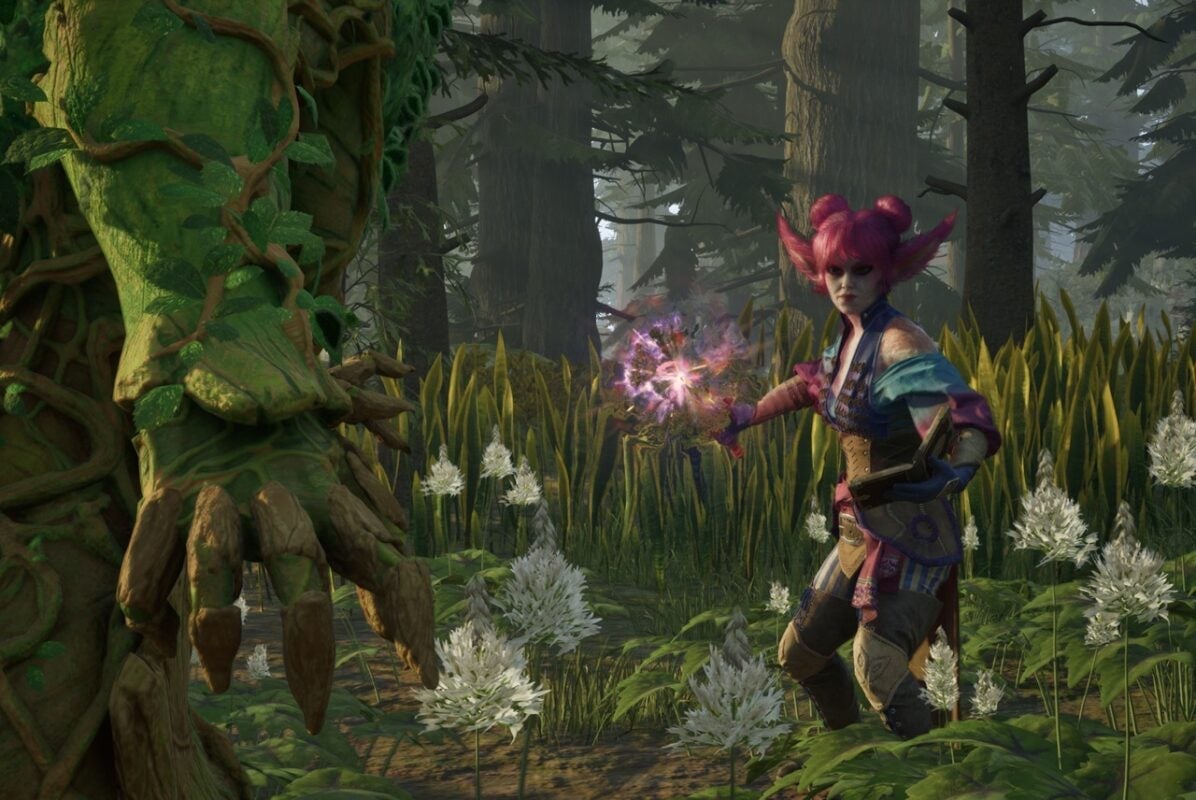
Avowed, the highly anticipated fantasy RPG from Obsidian Entertainment releasing on February 18th, promises to offer players a rich and immersive experience within the Pillars of Eternity universe. The creators of Fallout: New Vegas are designing a world that focuses on meaningful decisions that will influence the game’s narrative, an aspect that fans have been eagerly awaiting.
The reason for no open world: the narrative component
In a recent interview with Xbox Wire, Obsidian explained that Avowed will not be an open-world game. Instead, the map will be divided into zones densely populated with content, similar to the model used in The Outer Worlds. Kate Dollarhye, the narrative designer, emphasized that this structure aims to improve the pacing of the story, allowing developers more detailed control over mission progression. “Pacing is really complicated in open-world games, as it’s difficult to know where the player is at any given time,” commented Dollarhye.
Berto Ritger, director of regions of Avowed, also emphasized that this organization in sequential zones helps maintain the game’s pace, ensuring that the protagonists always know which side missions they have completed before advancing in the main narrative. Although the areas are extensive and allow freedom in exploration, they do not extend as a continuous world, which could hinder narrative cohesion.
Even more, Obsidian ensures that the combat in Avowed is deep and complex, incorporating elements that will keep players on their toes. According to recent statements, “there are unknown elements… and a little bit of danger,” hinting that the promised experience will be more than just a simple journey through a fantasy landscape. Without a doubt, Avowed is shaping up to be a solid alternative to iconic titles like The Elder Scrolls V: Skyrim, offering a narrative supported by meaningful decisions and an engaging combat system.