Steven Spielberg, one of the most influential filmmakers in the history of cinema, has revealed his regret for not having directed The Silence of the Lambs, a film that became a classic of the 90s and won five Academy Awards. This masterpiece, directed by Jonathan Demme, has left an indelible mark on cinematic culture, and Spielberg has realized the mistake he made by not taking on the direction. Spielberg turned down one of the biggest films of the 90s In a recent interview, the director of Jurassic Park shared that his own team considered […]
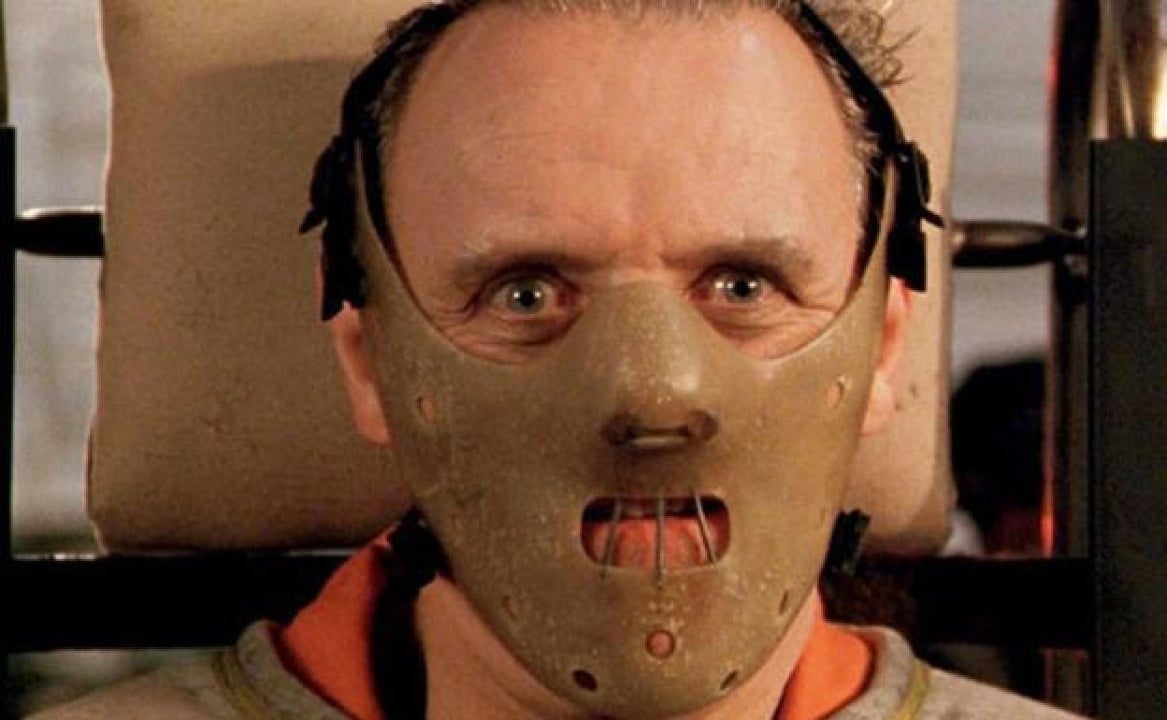
Steven Spielberg, one of the most influential filmmakers in the history of cinema, has revealed his regret for not having directed The Silence of the Lambs, a film that became a classic of the 90s and won five Academy Awards. This masterpiece, directed by Jonathan Demme, has left an indelible mark on cinematic culture, and Spielberg has realized the mistake he made by not taking on the direction.
Spielberg rejected one of the biggest movies of the 90s
In a recent interview, the director of Jurassic Park shared that his own team considered the script of The Silence of the Lambs to be inappropriate for him, which led to the choice of Demme. This announcement has reignited the debate about the movies that could have been, but which, due to creative decisions, never materialized under Spielberg’s vision. The filmmaker indicates that, after watching the film, he understood Demme’s success and regrets not having been behind the camera.
Interestingly, the same year that The Silence of the Lambs was released, Spielberg launched Hook, a film that, despite its commercial success of grossing 300 million dollars, did not satisfy the director. Spielberg has been outspoken about his dissatisfaction with the film, admitting that “he had no idea what he was doing” and that, in fact, he feels embarrassed by the final result.
Spielberg’s story reflects the dilemma faced by many directors: the balance between commercial success and personal satisfaction with art. Projects like The Silence of the Lambs highlight the brilliance of cinematography and the fate of films that, due to unexpected circumstances, do not end up in the hands of those who could have given them a distinctive touch.
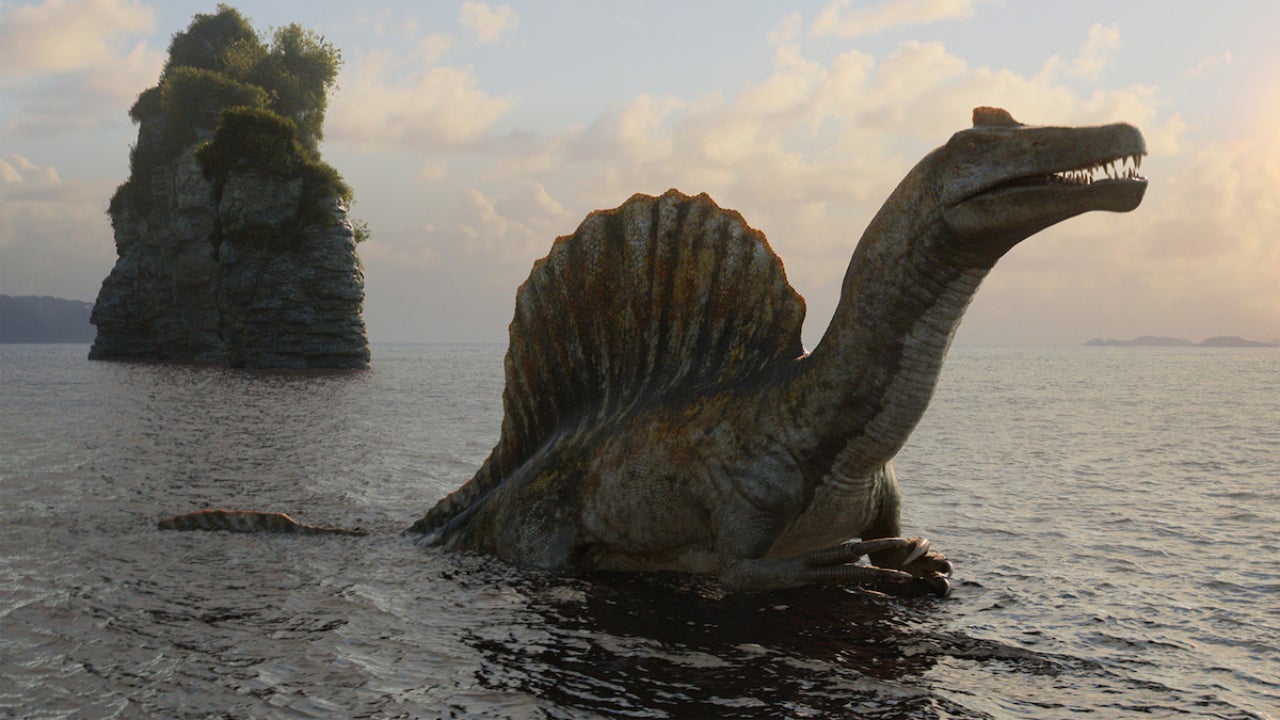
The new Netflix docuseries, The Dinosaurs, has achieved monumental success since its premiere on March 6, becoming number 1 in 57 countries just hours after its launch. With a perfect score of 100% on Rotten Tomatoes, the series has made clear the great interest of the public, which had already shown enthusiasm after the trailer’s release. A series with documentary purposes Created by Dan Tapster and with Steven Spielberg as producer, The Dinosaurs not only capitalizes on the nostalgia generated by its famous Jurassic Park, but also benefits from […]
With a perfect score of 100% on Rotten Tomatoes, the series has made it clear the great interest of the public, which had already shown enthusiasm after the trailer was released.
A series with documentary purposes
Created by Dan Tapster and with Steven Spielberg as producer, The Dinosaurs not only capitalizes on the nostalgia generated by his famous Jurassic Park, but also benefits from the influence and recognition of the filmmaker.
Although Spielberg is not the director of the series, his involvement has been crucial in attracting viewers’ attention, highlighting the connection between his work in the world of dinosaurs and this new proposal.
The docuseries is divided into four episodes that cover the history of dinosaurs from their appearance in the Triassic period to their abrupt extinction during the Cretaceous-Paleogene event, which occurred about 66 million years ago. This narrative offers a unique opportunity for viewers to discuss the fascinating evolution of these prehistoric creatures.
The renowned narrator Morgan Freeman adds a distinctive touch to the production, guiding the audience through the episodes with his unmistakable voice.This combination of educational content and Freeman’s masterful narrative style has undoubtedly contributed to the series’ appeal, which promises to maintain its popularity while continuing to captivate lovers of natural history and entertainment.
Universal Pictures has surprised movie fans during the Super Bowl by releasing a new trailer for the highly anticipated film by Steven Spielberg, titled Disclosure Day. This science fiction film has generated great excitement, given the director’s prestige and his history of successful works that push the boundaries of imagination. What if we are not alone in the universe? Disclosure Day poses an intriguing mystery related to the existence of extraterrestrials, touching on a vital theme of human curiosity: what would happen if we discovered that we are not alone in the universe? This premise provokes a myriad of […]
Universal Pictures has surprised movie fans during the Super Bowl by releasing a new trailer for the highly anticipated film by Steven Spielberg, titled Disclosure Day. This science fiction film has generated great excitement, given the director’s prestige and his track record of successful works that push the boundaries of imagination.
What if we are not alone in the universe?
Disclosure Day presents an intriguing mystery related to the existence of extraterrestrials, touching on a vital theme of human curiosity: what would happen if we discovered that we are not alone in the universe? This premise raises countless questions about the nature of life and our place in the cosmos.
The cast of the film features an impressive array of talents, highlighting Emily Blunt, Josh O’Connor, and the award-winning Colin Firth, who bring their acting skills to a narrative that promises to be both visually stunning and emotionally resonant. Also participating are Eve Hewson, Colman Domingo, Wyatt Russell, and Henry Lloyd-Hughes, which bodes well for a palpable collaborative atmosphere on set.
The logline of the movie reiterates the basic premise: “If you discovered that we were not alone, if someone showed you and proved it to you…”. This provocative question hints that the story could lead viewers to explore not only the possibility of extraterrestrial life, but also the ethical and philosophical implications of such a revelation.
The rumors about the film suggest that Spielberg will address not only aspects of suspense and mystery but also existential questions that could resonate widely with contemporary audiences. As the release date approaches, Disclosure Day is expected to be one of the most prominent releases of the year in the cinematic field.
The science fiction cinema is preparing for an exciting 2025, with notable productions including Steven Spielberg’s The Day of Revelation, scheduled for June 12, and Denis Villeneuve’s The Messiah of Dune, which is expected to premiere on December 18, unless its release is affected by Avengers: Doomsday. However, one of the most anticipated films is Project Salvation, based on Andy Weir’s novel Project Hail Mary, which will be released on March 20, offering viewers a runtime of two hours and 36 minutes. A very […]
Science fiction cinema is gearing up for an exciting 2025, with notable productions including The Day of Revelation by Steven Spielberg, scheduled for June 12, and The Messiah of Dune by Denis Villeneuve, which is expected to premiere on December 18, unless its release is affected by Avengers: Doomsday. However, one of the most anticipated films is Project Salvation, based on the novel Project Hail Mary by Andy Weir, which will be released on March 20, offering viewers a runtime of two hours and 36 minutes.
A Very Long Movie
This adaptation tells the story of science teacher Ryland Grace, played by Ryan Gosling, who wakes up on a spaceship with amnesia and the mission to solve the mystery that could lead to the extinction of the sun. As he regains his memory, the plot delves into the use of scientific knowledge and unexpected relationships, which could provide a deep and thought-provoking narrative, similar to other works like Interstellar and Arrival. However, opinions on the trailer have been mixed; some fans of the novel have high expectations, while others hope the film lives up to the promise of a deeper and more moving story.
The directors, Phil Lord and Christopher Miller, have confirmed that there will be no drastic cuts in the final edit, suggesting that the original material by Weir, which spans over 500 pages in its Spanish version, will be honored. In this sense, Proyecto Salvación could be one of the films that lives up to its title and brings something new to the science fiction genre.
Although neither Proyecto Salvación nor El mesías de Dune have made it to the screen, the anticipation is high. Ryan Gosling, by the way, will return to science fiction in Star Wars: Starfighter, scheduled for May 2027, marking an exciting path for the actor and fans of the cinematic space.
The music from Jaws, composed by the renowned John Williams, is considered one of the most iconic in film history and was fundamental to the success of the movie directed by Steven Spielberg in 1975. However, curiously, Spielberg did not understand the musical proposal at first and thought Williams was joking. This simple yet terrifying two-note pulse has not only become an instantly recognizable melody but has also been one of the pillars that supported the transformation of Jaws into the first modern blockbuster. A soundtrack that bites […]
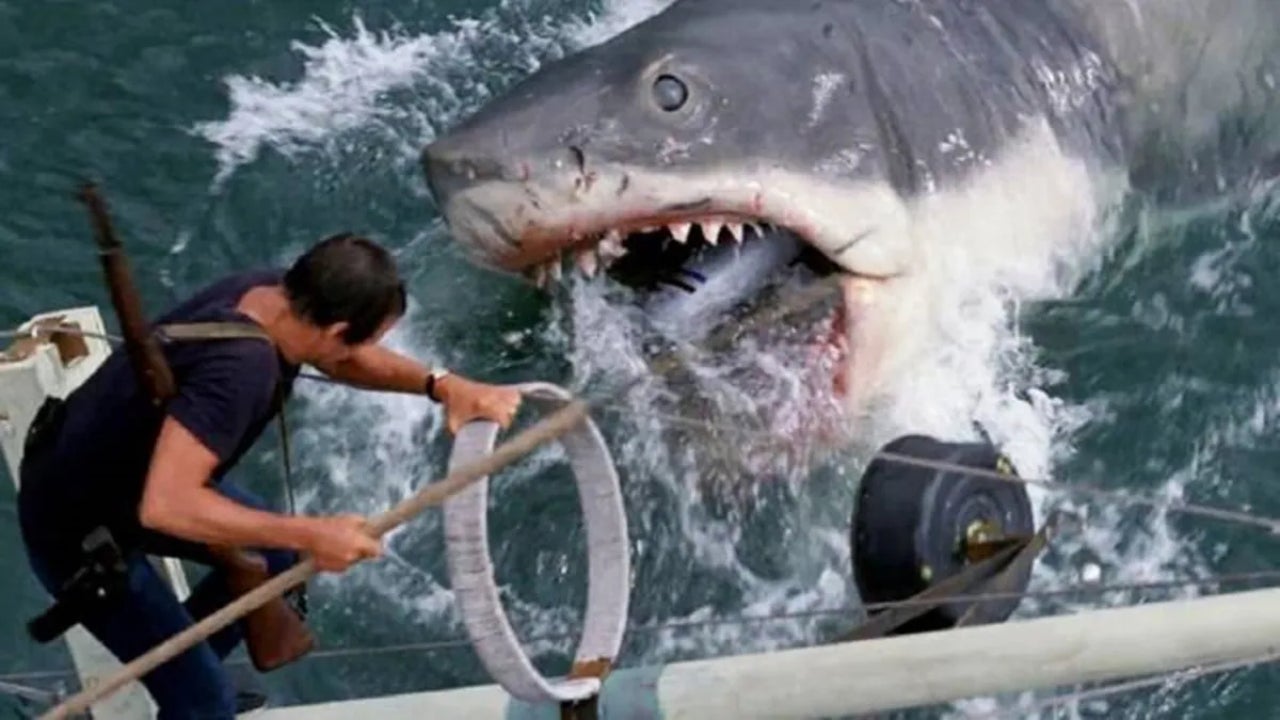
The music from Jaws, composed by the renowned John Williams, is considered one of the most iconic in film history and was fundamental to the success of the movie directed by Steven Spielberg in 1975. However, curiously, Spielberg did not understand the musical proposal at first and thought that Williams was joking. This simple yet terrifying two-note pulse has not only become an instantly recognizable melody but has also been one of the pillars that supported the transformation of Jaws into the first modern blockbuster.
A soundtrack that bites
In a recent interview with Stephen Colbert, Spielberg reflected on his initial doubts regarding the score and how he decided to trust Williams’ talent. Despite his skepticism, the director came to understand that the simplicity of the music, combined with the string orchestration, created an atmosphere of threat that intensified the viewer’s experience. “The music replaced the absent animal”, Spielberg commented, referring to the mechanical issues the shark faced during filming. Without the effective musical composition, the film would not have had the same impact on the audience.
Williams’ score not only helped to elevate the tension of the narrative, but also compensated for the shortcomings in the special effects. Spielberg defended his collaborator, acknowledging that Williams’ relentless sound “saved the movie” and brought a level of terror and suspense that would have been difficult to achieve otherwise. Jaws not only set new rules in the film industry but also became a cultural phenomenon that resonated throughout the decades.
Interstellar, released eleven years ago, is considered one of the most outstanding works of Christopher Nolan. However, its production story reveals an intriguing path, as the project was initially conceived by producer Lynda Obst and physicist Kip Thorne, with Steven Spielberg directing. Spielberg left the project in 2008 when he established a new deal with Reliance, which left the film without a director until Nolan joined in 2012. It is a film that resonates a lot with Spielberg. With his arrival, Nolan rewrote the script to focus on themes of fatherhood, a […]
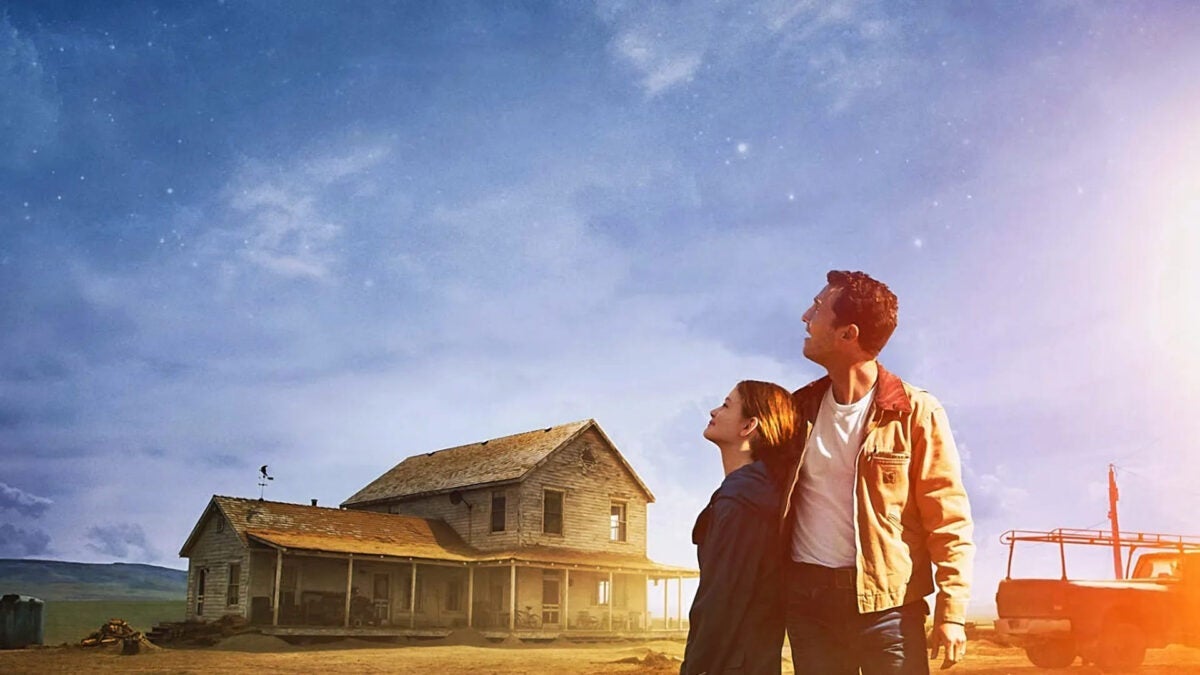
Interstellar, released eleven years ago, is considered one of the most outstanding works of Christopher Nolan. However, its production story reveals an intriguing path, as the project was initially conceived by producer Lynda Obst and physicist Kip Thorne, with Steven Spielberg directing. Spielberg left the project in 2008 after establishing a new deal with Reliance, which left the film without a director until Nolan joined in 2012.
It’s a movie that hits Spielberg very hard
With his arrival, Nolan rewrote the script to focus on themes of fatherhood, one of the most significant changes was changing the gender of the protagonist’s child. In his version, Murph became a daughter, which allowed the director to explore more deeply the emotional dynamics between father and daughter, played by Matthew McConaughey and several actresses throughout the film.
The changes made by Nolan were profound: the presence of China, which in Spielberg’s version had a leading role in the conquest of space, was almost eliminated. Likewise, he discarded a romantic subplot between Cooper and Amelia, played by Anne Hathaway, which allowed the story to focus more on exploration and family bonds. Other narrative elements, such as the scene where the protagonist wakes up on a desolate planet, were transformed to provide a more prominent impact on the approach to space as an opportunity for humanity.
The final version of Interstellar diverged significantly from Spielberg’s initial vision, not only in terms of narrative but also in its emotional content and themes. With these changes, Nolan established Interstellar as a milestone in contemporary science fiction, capturing both the imagination of the public and the critical appreciation that endures to this day.
The music from Jaws, composed by the renowned John Williams, has become synonymous with fear and tension in cinema, establishing itself as one of the most iconic pieces in the history of the seventh art. With just a simple sequence of notes — Duh-duh… duh-duh… — Williams managed to make viewers cling to their seats, anticipating the imminent threat lurking in the water. This unsettling effect did not arise without controversy, as initially, director Steven Spielberg did not take the composition seriously. Spielberg did not understand Jaws at first In an anecdote that has endured in […]
The music from Jaws, composed by the renowned John Williams, has become synonymous with fear and tension in cinema, establishing itself as one of the most iconic pieces in the history of the seventh art. With just a simple sequence of notes — Duh-duh… duh-duh… — Williams managed to make viewers cling to their seats, anticipating the imminent threat lurking in the water. This unsettling effect did not arise without controversy, as initially, director Steven Spielberg did not take the composition seriously.
Spielberg did not understand Jaws at first
In an anecdote that has endured over time, Spielberg revealed that when he first heard the theme, he did not feel panic, but instead laughed, believing that Williams was playing a joke on him. In an appearance on The Late Show with Stephen Colbert, the director shared how Williams convinced him that the piece really had potential, adding zeal and orchestral basses to intensify the sense of danger.
This successful collaboration between Spielberg and Williams not only brought Jaws to life but also laid the groundwork for a prolific partnership that has resulted in cult classics such as E.T. The Extra-Terrestrial, Indiana Jones, and Jurassic Park. The music of Jaws has endured for 50 years and continues to be recognized, testifying to Williams’ exceptional talent. The composer’s ability to blend tension and emotion with so few elements has left an indelible mark on the film industry.
In a world where music can make the difference between an unforgettable scene and a forgettable experience, John Williams’ legacy rises, positioning him as one of the greatest composers of all time. Undoubtedly, his work on Jaws continues to resonate in the collective memory of movie lovers around the globe.
The Star Wars universe receives a new chapter with the announcement of the feature film titled The Mandalorian and Grogu. However, this new project is not what fans were expecting, as it follows the narrative of the successful Disney+ series, instead of continuing with the central plots of the saga. This announcement comes six years after the release of The Rise of Skywalker, the last cinematic installment that closed the most recent trilogy. A continuation of the series with no connection to the saga In a recent interview, filmmaker Ron Howard shared anecdotes about the creation of […]
The Star Wars universe receives a new chapter with the announcement of the feature film titled The Mandalorian and Grogu. However, this new project is not what fans were expecting, as it follows the narrative of the successful Disney+ series, rather than continuing with the central plots of the saga. This announcement comes six years after the release of The Rise of Skywalker, the last cinematic installment that concluded the most recent trilogy.
A continuation of the series disconnected from the saga
In a recent interview, filmmaker Ron Howard shared anecdotes about the creation of the Star Wars prequels, revealing that George Lucas considered him his third choice to direct them, after rejections from Steven Spielberg and Robert Zemeckis. Howard commented that, despite the possible honor, the challenge of continuing the saga was overwhelming: “No one wanted to follow it at that time”, mentioning his experience on Willow, where he felt limited by Lucas’s vision.
George Lucas, the creator of the franchise, has been the subject of discussion for his controversial opinions. In a recent interview, he mentioned that Jar Jar Binks is his favorite character, which has generated negative reactions among many fans. Additionally, Lucas explained why he decided to hand over the direction of the new films to J.J. Abrams, citing the pressure of criticism and the lack of creative freedom as reasons to step away from the project.
One of Lucas’s most criticized decisions was the controversial modification of the scene between Han Solo and Greedo, arguing that he wanted to portray Solo as a hero who doesn’t shoot first. Finally, he revealed that he has not used social media or emails since the year 2000, reaffirming his preference for privacy in the digital age.
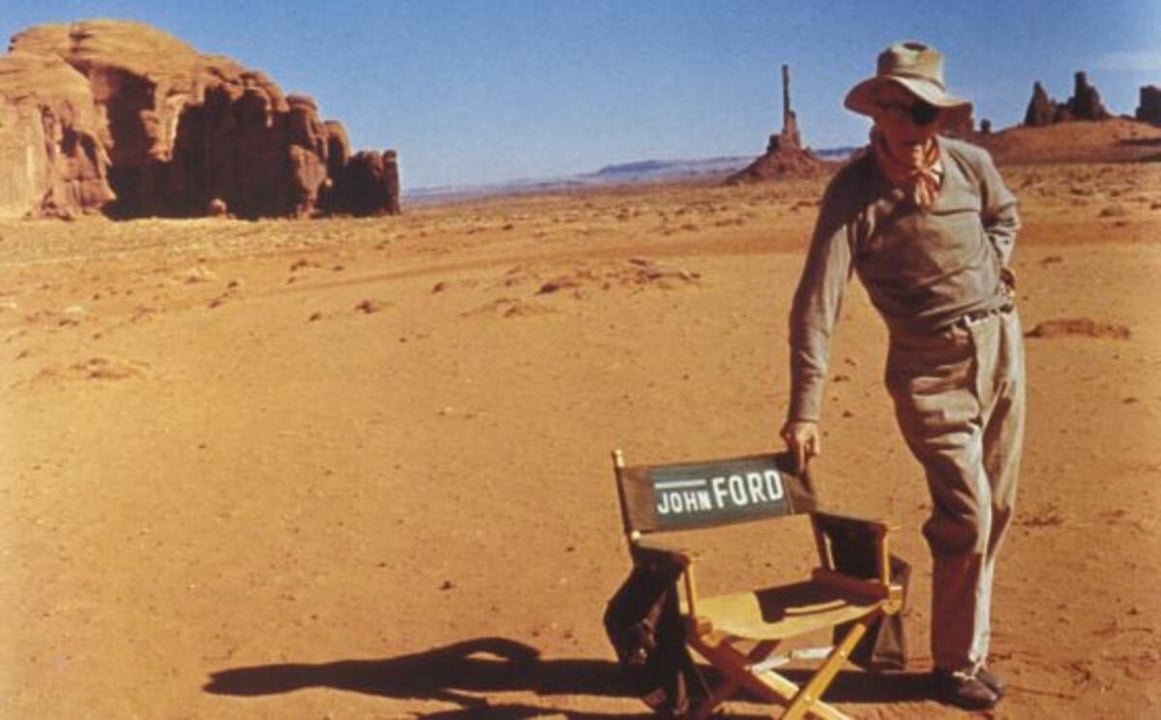
The influence of John Ford on contemporary cinema remains a topic of discussion among renowned filmmakers, such as Steven Spielberg and Martin Scorsese, who have highlighted his importance, especially through his acclaimed film Centaurs in the Desert. This western, released in 1965, tells the story of a war veteran, played by John Wayne, who vows revenge after a family loss at the hands of the Comanches. The Fabelmans pays tribute to the greatest In his film The Fabelmans, Spielberg pays homage to Ford through a meeting between Sammy, a character inspired by his youth, and the […]
The influence of John Ford on contemporary cinema remains a topic of discussion among renowned filmmakers, such as Steven Spielberg and Martin Scorsese, who have highlighted his importance, especially through his acclaimed film The Searchers. This western, released in 1965, tells the story of a war veteran, played by John Wayne, who vows revenge after a family loss at the hands of the Comanches.
The Fabelmans pays tribute to the greatest
In his film The Fabelmans, Spielberg pays tribute to Ford through a meeting between Sammy, a character inspired by his youth, and Ford himself. In this scene, which features the performance of David Lynch, Ford gives Sammy a life-changing piece of advice, thus demonstrating the impact the director had on his career. Spielberg has mentioned that he watches ‘Stagecoach’ before every shoot, as he believes that Ford’s technique, particularly his ability to keep the camera static while creating the illusion of movement, has been a cornerstone of his own cinematic style.
The admiration for Ford’s cinema is not universal. Quentin Tarantino has expressed his disagreement with the level of appreciation that other directors, such as Spielberg and Scorsese, have for Centaurs in the Desert, describing its portrayal of the Comanches as dehumanized. Despite this controversy, Scorsese still considers Ford’s works to be fundamental, appreciating not only Wayne’s performances but also Ford’s bold direction on difficult themes.
The reverence for figures like Ford reveals how even the great masters of cinema are influenced by their predecessors, creating a legacy that transcends generations and genres.
The cinema of the 80s is remembered with a lot of affection, and it’s no wonder. Some of the most iconic adventure and action movies in film history are from that era. The level of creativity that was present at the time and the directors and screenwriters involved were enviable, leading to unique gems that are still remembered today. And in many cases, they were overwhelming box office successes. That was the success of one of the most remembered trilogies in history, which is still celebrated today: Back to the Future. Conceived by Robert Zemeckis […]
The cinema of the 80s is remembered with great affection, and for good reason. Some of the most iconic adventure and action movies in film history are from that era. The level of creativity that was present at the time, along with the directors and screenwriters involved, was enviable, leading to unique gems that are still remembered today. And in many cases, they were overwhelming box office successes. That was the success of one of the most memorable trilogies in history, which is still celebrated today: Back to the Future.
Conceived by Robert Zemeckis and Bob Gale and produced by Steven Spielberg, this is a franchise that started from a very simple premise. What would happen if a young person traveled to the past and met their parents at the moment they met and fell in love? What kind of disasters could it cause if they made the slightest mistake?
A movie that invented what is now a cliché
While today this story is a cliché for all kinds of series, books, and movies, it is so because of the first installment of this film franchise. Marty McFly was the original rebellious and impulsive teenager who travels through time in a retrofuturistic car driven by the eccentric ideas of a mad scientist friend of his, leading him to a wildly crazy adventure. That will only become more and more outrageous with each new installment of the franchise. But now we will get to that.
The first of the movies, Back to the Future, kept it simple. Set in 1985, the protagonist Marty McFly travels 30 years into the past, to 1955, testing the time machine that his friend and somewhat eccentric scientist Doc has built in a DeLorean. The result disrupts his parents’ relationship, almost causing him to never be born, and ultimately, he manages to return to his time without compromising either his relationship or that of his parents or the space-time continuum.
Tremendously clever and wacky for its time, heavily inspired by the television series The Twilight Zone and Superman’s time travel comics, the film was a tremendous success among critics and audiences. With a budget of 20 million dollars, it managed to make almost 390 million at the box office, not counting everything it has made on television and home formats, being surprisingly praised by most critics of the time as a clever, intelligent youth film that represents a very smart twist on science fiction stories thanks to its humor and narrative, even if its beginning is too slow and overly expository.
Winning numerous awards and being nominated for five Oscars, although it wouldn’t win any, it was the big surprise of 1985. And to no one’s surprise, the sequels arrived.
The Aftermath of the Great Success
It took four years to make their second installment, but they did it. Bringing back all the people involved in the original movie except Crispin Glover, who played Marty McFly’s father but was considered too problematic to work with, the movie promised the same, but with a different twist. This time they wouldn’t travel to the past, but to the future. But Marty, who apparently learned nothing from the first movie, gets into trouble and brings back an object from the future that completely changes the future. Because, what is the present if not the past of the future?
With trips to the future, to the past, and a direct confrontation against his great nemesis since the first movie, the bully Biff, the film is built on the premise of its predecessor, making it bigger, with more consequences, and in a way, visionary. After all, it’s about a millionaire seizing power in the US and ruining everything. But his vision is only half-true: in 1989, the year the movie was released, Donald Trump was already a very important figure in American society and had declared his intention to run for president of the US. And if this movie serves as president, the idea was not exciting even then.
On the other hand, the movie was a success again. With a budget of 40 million, it grossed just over 332 million dollars and the critics expressed a healthy enthusiasm once more. Although some critics saw the film as entertaining escapism that lacked the imagination of the previous one and the awards did not shine in the same way as in the previous one.
A beloved third movie
Just a year later and following the final scene of this second film, the third and final movie of the franchise was released: Back to the Future III. With Doc self-exiling to the past, specifically to the year 1885, Marty will have to go to his rescue when he receives a message that something is very wrong and his old friend needs his help. This is resolved in a film with all the tropes of the western, tremendously clever, and which serves as a perfect conclusion to the emotional core of this outstanding trilogy of films.
Costing another 40 million dollars, this time they raised only 245 million, if we can say only when talking about those figures. And the criticism was, surprisingly, much more positive than regarding the second one. Although the ambition of the second installment was much greater, with a more convoluted plot and trying to embellish everything with many superficially deep themes, the much purer and more direct intentions of this sequel to make a fun movie, focusing on the characters and their relationships and how it uses western tropes, captivated the critics. And not without very good reasons.
After the trilogy, the franchise was closed without any further attempts to revive it. Not in the cinema. It has had television series, video games, pinball, biographies of its actors, and everything imaginable in terms of merchandising, but no one has ever proposed a fourth movie. And it’s better this way. Because now you can watch this excellent trilogy on Netflix that, moreover, doesn’t need to become a tetralogy for us to remember how good it is.