
How social media is changing the way our world looks

You may not have noticed, but the world around you is changing because of social media. Here’s how.

selfies

Flawless skin against pastel backdrops, beautiful food in abundance, and travel shots to die for. The rise of image-based social media means we’re constantly scrolling through a digital catalog of how life is supposed to look.

But, it’s worth pointing out how spending time online has changed the way things look in the offline world. Our perception of beauty is changing on the whole. Sure, trends come and go, dictated by what’s going on in the world.

But, on the broad scale, we’re looking at something new. The way we take in life’s aesthetic experiences is changing. Just the fact that we call everything from eating to looking at clothes “an experience” is a relatively new development.

From museums to filtered beauty and how we think about food—here are some ways that social media aesthetics have changed our perception of the real world.

How social media is changing the way our world looks

Social and our cultural institutions

A 2017 La Placa-Cohen report says our definition of culture is changing. We’d rather be entertained than educated, it says.

Look at the museum culture now. Hot exhibits have people standing in line to take selfies.

There’s been an influx in several social media-centric galleries, museums, and popups like the Color Factory, the Museum of Ice Cream, and the Museum of Selfies.

For traditional museums, once photo-free zones, norms are changing. Exhibits that photograph well are becoming a source of revenue for these institutions, so museums are increasingly forced to get on board with Instagram.

On the one hand, it’s cool that there’s a renewed interest in the museum. There’s also the question of how we’ll judge the real-life version of a painting. Or, whether those pieces that don’t photograph well still have merit — will they be passed over for those with the right color schemes?

Makeup industry has exploded


View this post on Instagram


Did you get your brand new #Kylighters yet? ✨ Which shades are you loving? @annybeeutee

A post shared by Kylie Cosmetics (@kyliecosmetics) on Jan 23, 2019 at 7:26am PST

Makeup is undeniably having a moment. From Glossier to Kylie Cosmetics to all things Korean beauty and face masks — it’s safe to say, social has had a major hand in our collective obsession.

The why is pretty obvious: cosmetic brands have a huge advantage on visual platforms. They can now show how products look, instead of rattling off a list of benefits. There’s also something soothing about watching people draw swatches on their arms or explain how to use a product.

Self-made makeup gurus have created a culture that thrives on the internet, offering tutorials on how to create these elaborate, full-faced looks. Or, what influencer Patrick Starr calls, the Full Beat Face. You’ve seen it, even if you don’t know the name, filled in eyebrows, contoured cheeks, elaborate eye makeup, fake lashes, the whole shebang.

This look is seen in selfies across the globe — and has perhaps contributed to a changing standard of beauty. Look at the rising demand for plastic surgery or the massive numbers of women attempting to recreate the Kardashian face.

On a more hopeful note, social media has broadened our idea of what’s beautiful — it’s a democratic platform that allows more diversity than traditional advertising.

Interestingly, this ability to share favorite looks so easily has contributed to a new, somewhat cringeworthy phenomenon, fake #sponcon. It’s a response to the fact that brand deals are a hot commodity–but it also shows how much power tops brands wield over a young audience.

Design trends are merging

Restaurants participate a ton on Instagram and Pinterest. It makes sense, you need to play the social game if you want to attract diners, critics, and food bloggers into your establishment.

Neon lights, murals, open spaces, and succulents. Restaurants decorate with social media in mind — some replace countertops with white surfaces that better highlight the food. Others add elaborate accent walls. These things come together to create an experience.

On the home decor front, there’s this fast-paced cycling of trends happening. Journalist Kyle Chayka says design trends get overexposed instantly — and they almost become meme-like as a result. It makes sense — scroll through Instagram, then consider the trendy boutiques and cafes in your neighborhood.

Chances are, you’ll see a similar blend of industrial chic, pastel-hued walls, and minimalism. Life has become a catalog that really stays on brand.

Eating has changed

And, speaking of restaurants, it’s not just the decor that social media is changing — it’s also the food itself.

You’re not even going to see certain foods anymore. Brown foods like meatloaf, hearty stews, and casseroles aren’t exactly hot these days — they look bad in photographs.

In some cases, chefs are developing dishes exclusively for the benefit of being extremely photogenic. Foods with bright colors and contrasting hues take precedence over taste in some cases — which of course, impacts what we order or consider “good.”

Final thoughts

Whether we want to admit it or not, many of our IRL decisions are influenced by influencers. Our desire to create a certain look on social media does have an impact on how we conduct ourselves in the real world—playing a role in the restaurants we select, the clothing, makeup, and decor we purchase, and the places we go.

Trends like fake branded content may be seen as uncomfortable to the outside observer, but it could also be seen as a way into the influencing game. Our museums might now be defined by the long lines of selfie-takers, but it also means more people visit these institutions.

On the whole, it is hard to say whether these changes are positive or negative.

But, it is worth questioning — what do we gain from documenting everything? And how does the “pics or it didn’t happen” mentality shape our expectations for analog experiences?
Should we teach robots to analyze body language?

If a robot can scan your body language, what will that mean for your future?

robots

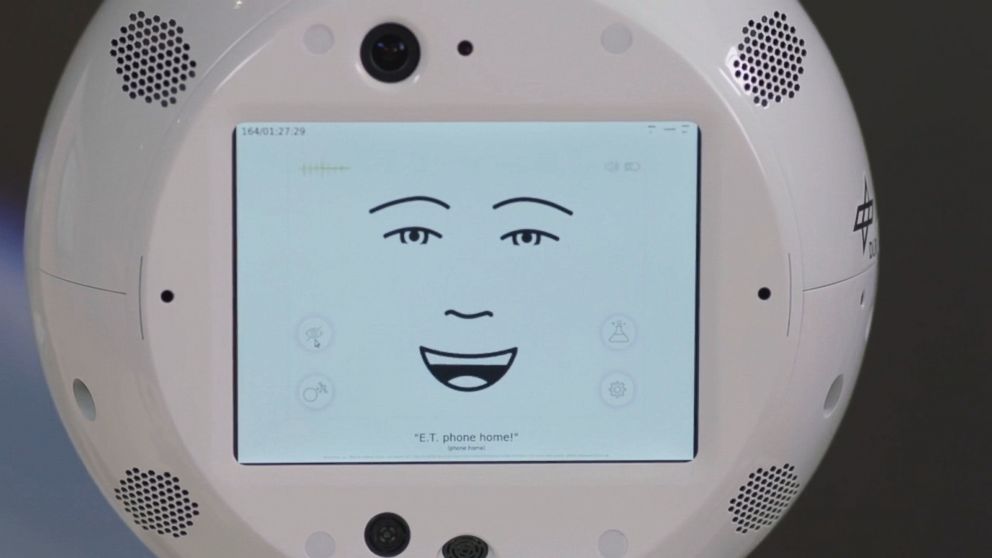
The idea of robots learning body language is at once terrifying and potentially very cool.

On the one hand, the idea that there are these public-facing machines that can analyze subtle cues at work or in a social setting is unsettling.

We’ve all been subject to the amateur body language expert who likes to tell people how they feel. The worst, right?

Now, robots are increasingly learning more about our subtle facial expressions and closed-off stance. But it’s not all bad. See, this next step in understanding could make it easier to work with our future colleagues.

Here’s a little more about where we’re at with robots and body language.

The next phase in natural language processing

Natural Language Processing (NLP) is gaining a lot of traction these days. The market is expected to grow to over $16 billion by the year 2021, as more businesses get wise to the benefits of NLP.

Much of this growth can be chalked up to marketing efforts — where companies who can afford it are incorporating customer service chatbots, mining reviews for sentiment, and collecting as much data as they can — faster than ever.

But, increasingly, researchers have started paying attention to body language, too. Humans communicate with more than the written word, and robots stand to help us more if they fully understand our language.

Better collaboration is on the horizon

robot coworker

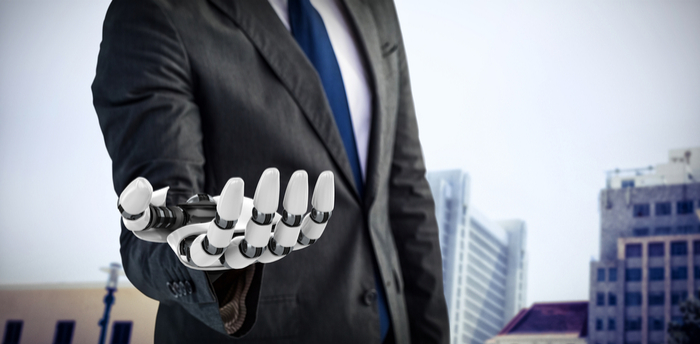
Robots are already in the mix. But, they’ve long been confined to performing pre-programmed functions. As Cornell engineering professor, Guy Hoffman told MIT’s Sloan Review, researchers are increasingly exploring how machines can work with us.

Hoffman says that subtle changes (like programming robots to nod when receiving instructions) can have a positive impact on the humans working with the machine. Whether we’re conscious of it or not, robots have the ability to affect our behavior.

So, programming some human-like behaviors into bots could give us more positive feelings about the changes associated with integrating AI into our lives.

Artist Madeline Gannon has echoed this same idea, albeit in a different way. Gannon is an installation artist interested in how we interact with machines — which she refers to as “animals.” Through these interactive art projects, Gannon explores how humans and bots relate to one another, as well as how programming body language can help us become more comfortable with robots.

Essentially, Gannon programs robots to respond to human behavior—and while she admits it’s something of a one-sided relationship, that little tweak makes them more accessible — not necessarily a cold and mechanical job-stealing machine.

It’s essential that robot body language is used for good

This piece from Carnegie Mellon University looks at the process of training robots to recognize hand signals and other nonverbal cues. This technology can help machines detect the nuances that exist in nonverbal communications.

One key benefit is the potential use in group settings, allowing robots to detect peoples’ moods or determine whether it’s appropriate to interrupt someone.

There’s also the potential to help people with dyslexia or autism quickly analyze others’ behavior — picking up on cues they otherwise might not notice.

The article mentions that this technology could be used to enable new approaches to treating behavioral issues or conditions such as depression, as well.

Ultimately, this concept initially made us bristle, as algorithmic analyses have made their way into the job hunting process in some dark ways. If robots are scanning us — they better be friendly, right?

In any case, the idea of a friendly coworker is better than the one who doesn’t quite understand context or stares blankly when you say something. Whether we deal with humans or robots, we feel better when our conversation partner “hits the ball back.” Because we’re inevitably going to deal with machines in a more personal way, pre-programmed cues may be able to help us cope with the changes.

Boost your creativity with slow thinking

Want to be more creative? Slow down.

creativity

The prevailing theory in today’s world is that creativity is a collaborative effort. We value extroversion, spit-balling, and 24/7 connectivity. We’re expected to be good at Slack and to speak up at meetings. What’s more is, there’s also the expectation that our best and brightest thinkers broadcast a never-ending wellspring of fresh ideas.

But when it comes to creativity, the best ideas don’t always come from brainstorming aloud. We need some time to let our thoughts grow back, after all.

Research suggests that slowing the old brain down can lead to more original ideas than trying to find the fastest path from point A to point B.

And with that in mind, it might be worth circling back to this idea of slow thinking.

Here’s a little more about the term, as well as its potential effects on creativity

What is slow thinking?

Behavioral scientist Daniel Kahneman popularized this idea of slow thinking a few years back.

In his book, “Thinking, Fast & Slow,” he describes fast thinking as the quick judgments we make. While slow thinking, by contrast, takes more time and effort.

Slow thinking isn’t what it sounds like. The term doesn’t refer to someone who isn’t cognitively, well, fast. Instead, slow thinking is a deliberate act of processing information.

It kicks in when you need to focus on a solution to a complex problem or when you’re given some time to think away from smartphones, notifications, and the rest.

In short, slow thinking comes with this pressure-free, unhurried approach to solving problems or exploring our own thoughts. Without building some “thinking time” into the day, we may miss out on our best ideas.

So, it’s wise to take some time to doodle, free write, or even daydream at least a few minutes each hour to come up with some new ideas.

We need time to idle

creativity

LinkedIn CEO Jeff Weiner is a proponent of this idea. Weiner schedules periods of “nothing” into his workday, time purposely spent outside of meetings, alone, for processing ideas.

The idea is that building in some quiet time to think allows you to take off some of the pressure, and let your ideas just flow freely. Research has found that time pressure can squash creative thinking, as you don’t allow for the best ideas to develop naturally.

It’s also worth pointing out that workers stop developing new skills when they’re in “go mode” all the time. According to LinkedIn’s 2018 Workplace Learning report, ongoing learning leads to more success on the individual and organization level.

But expecting a constant wave of tasks and communications means that employees don’t have the bandwidth to take on all of these challenges at once.

People who continually learn are more productive, engaged, and creative than those who don’t. The thing is,  learning new skills must also come with the time to synthesize new information.

Where does creativity come from?

art creativity

There are a lot of myths about creativity. Some people believe they are more creative when they’re placed under time-pressure. However, studies have found that constant pressure can create this creative hangover of sorts.

Meaning, you might bang out some great ideas under pressure one day, but you’re exhausted the next day or two afterward.

Others think of creativity is innate, or a marker of intelligence.

Science suggests that the parts of the brain associated with creative thinking are made up of these tiny, winding paths. Creative thought stems from using those parts of the brain that sometimes get neglected.

A study from the Proceedings of the National Academy of Sciences looked at distinct patterns of brain activity in the most and least creative people. The more creative people in the group showed a strong connectivity from networks in the brain.

One is called the default network — an area known for spontaneous thinking and mind wandering. The second is the control network, where people focus in on a thought.

These two systems are often at odds with one another — much like the slow vs. fast dichotomy that Kahneman refers to. System one works to “feed” new information to system two, which processes unwieldy thoughts into a viable idea.

In a study cited by Scientific American, participants were asked to perform a simple task, that would allow the mind to wander as they worked through the mind-numbing activity. Think “busy work” like stuffing envelopes or basic data entry.

Researchers measured the results against those engaged in a period of quiet rest and participants engaged in a cognitively demanding task. Individuals who were given the easy, mind-wandering task showed a 40% improvement in creative performance, compared to their initial baseline.

The study found that the “inability to suppress” unnecessary cognitive activity might actually allow participants to come up with new ideas.

So it seems that system one was given the space to explore the various pathways in the brain, while system two kept that participants grounded in a reality of sorts.

Getting used to slowing down

creative thinking

The benefits of taking time to think are clear. You’ll make fewer mistakes when thinking through each logical step and likely will generate some more novel ideas sure to impress your colleagues.

Still, there may be an adjustment period for people used to thinking in the fast lane. For one, it’s tempting to check your phone or email, or to knock out multiple tasks with your spare time.

If it’s hard for you to “idle,” we recommend setting a timer, try spending just 10 minutes doing nothing or journaling. From there, you can work up to 20 minutes, 30 minutes, or an hour.

Another issue is feeling like you haven’t accomplished anything. Because we’ve grown used to multi-tasking, focusing on one task or none at all feels like a waste of time. For that, we recommend creating a “done list.”

Unlike a to-do list, a done list focuses on things accomplished both big and small. This list serves as a counterbalance to your fast-thinking inclinations by proving that, yes, you really are making progress.

Think about it like a set of personal, analog analytics that you can use to inform future decisions.

And while you’re at it, maybe write down some of those new ideas, too. It always pays to keep some concepts in the pipeline.

Is the blockchain buzz dying down?

Does blockchain have a future or was it a flash in the pan?

Over the past few years, the blockchain has been receiving a whole lot of buzz. Just yesterday, the technology was on the verge of disrupting everything from banking to supply chains, as well as solving transparency issues and serving unbanked populations.

And then came the ICO explosion and the ridiculous coins that came with them. Every company wanted to ICO, but that turned out to be a poor strategy for long-term growth.

Excitement turned to hype, and now, this great vision for the future seems to have fewer cheerleaders.

As Axios reports, the blockchain buzz has largely turned out to be well, buzz.

So, post-crypto fever dream, what’s next for the chain? Here’s what experts are saying.

What is the future of blockchain?

blockchain

Some say it’s just baby technology — it’ll grow up

Blockchain expert and co-author of the book, “The Blockchain Revolution: How The Technology Behind Bitcoin is Changing Money,” Don Tapscott says the community is still in early days. Tapscott believes that the technology can change our world down the road, but we’re not quite there yet.

Eventually, with greater understanding of how the technology works and clear-cut regulations governing its use, we may see a shift. But for now, not enough people actually “get” how it works or how to regulate the technology.

This piece in the Harvard Business Review brings up a similar sentiment — stating that in order for blockchain to change the world, the world needs to change first.

However, as it stands, we don’t have the framework to support the infrastructure needed to bring the decentralized platform into the mainstream.

Blockchain is an expensive, complex project that must be carried out on a global scale. As it stands, the companies leading the blockchain charge are facing something of an energy crisis.

So, it’s no surprise that some changes need to take place before it becomes a reality for regular folks.

We’ve also hinged a lot of hopes and dreams on the blockchain

Controversial Bitcoin developer Jimmy Song says we’ve been holding up blockchain as this beacon of hope. And wrongly so.

Song’s beef with blockchain stems from the idea that the technology has been touted as the answer to all of our technological problems, where in many cases, those problems may well be better addressed with a different approach.

Martha Bennett, an analyst at Forrester, echoes a similar sentiment. Bennett says there’s a real risk that we’ll experience a “blockchain winter,” in the absence of “miracles” and tech-related investments will start to dry up.

And, yeah. We get it.

Some of blockchain’s most vocal proponents have thrown around claims that the technology can fix everything from inequality to inefficiencies.

According to Marie Wieck, general manager for blockchain at IBM, blockchain is as “transformative” as the internet was for communication. And while IBM has been one of the loudest voices pushing this message of change, they’ve put the technology to work in a number of practical applications. However, IBM actually is leveraging the technology in a way that helps businesses like Maersk and Walmart gain more insights into their supply chains.

The idea of “no middleman” can get complicated

The absence of the middleman is the main selling point, as transactions have the potential to be done faster and cheaper than ever.

But when the record-keeper of highly sensitive data and large sums of digital cash is no one, there leaves the question of — should there be a caretaker? While adding a caretaker kind of defeats the purpose, existing blockchain users sometimes have trouble accessing permissions.

Blockchain technology has only been around for about a decade. As such, there are many vulnerabilities that we don’t yet understand.

Ultimately, the blockchain likely isn’t going away anytime soon. We’ll be interested in seeing how it evolves, and what innovations will have a lasting impact after the novelty coins go away and talk of change begins to shift into something more practical.

For now, it’s safe to say, most of us won’t be using blockchain to its fullest potential for a long time. However, let’s hope that blockchain winter isn’t on the horizon and innovators stay in the game.

How does the YouTube algorithm actually work?

Why does YouTube serve up the videos you see? Can you game the system?

youtube

YouTube users watch a billion hours of video each day — from branded content and tons of music videos to cats and conspiracy theories.

But one thing that has long plagued content creators is the mysterious algorithm. Like other platforms, YouTube aims to show users what they want to see, using an automated system that sorts through the massive selection of content uploaded every second.

According to YouTube, their search and discovery system has two goals in mind. One is to help viewers find videos that they want to watch. Two is to maximize viewer engagement and satisfaction in the long term.

But it seems that there’s more at play here, from how the platform makes recommendations to who gets access to ad revenue.

Here’s a little more about what’s going on behind the scenes.

How the YouTube algorithm works

The algorithm has gone through a few iterations

Initially, YouTube cared about clicks and clicks alone. Which, of course, was a flawed metric. Counting each time viewers clicked “play” did not indicate quality, and creators started to take advantage of the system by adding click bait descriptions to drum up higher rankings.

Then, in 2012, YouTube changed it up. Instead of relying on clicks, they opted to measure engagement — or how long people spent on a video. Which, of course, is a more accurate measure of whether videos meet viewer expectations.

In 2016, YouTube released a paper discussing how the algorithm worked. It’s geared toward a more technical audience, but long story short, the algorithm looks at how the audience interacts with video content, using AI that analyzes 80 billion pieces of audience feedback.

Among those billions, audience feedback covers likes, dislikes, watch time, how many videos someone watches, and what they do or don’t watch.

These days, they’re playing around with the order videos appear in an attempt to boost viewer satisfaction. However, the inner workings are still a big mystery to content creators and viewers alike.

Pew finds that popularity and length play a major role

youtuber

Pew Research found that 64 percent of recommendations went to videos with more than a million views. And the top 50 most recommended videos were viewed on average, 456M times a pop.

As such, the research concluded that when YouTube doesn’t know much about your preferences, they’ll go ahead and recommend what’s popular. And, the more you watch, the suggested videos start to get longer and longer.

See, each researcher took a “walk” through the platform, each starting from a different point of entry.

On average, those initial videos were about 9 minutes. Videos at the end of the session were, on average 14 minutes and 50 seconds — and had a much higher view count.

It seems that YouTube assumed that if a user watches multiple videos, they’re likely to hang around for a while.

Additionally, the research found that only about five percent of the recommendations offered went to videos with fewer than 50,000 views.

That said, the Pew Research was performed by anonymous users who did not have an existing user history. YouTube makes recommendations based on a user’s habits, more or less getting to know them over time.

So, when the algorithm is working with a clean slate, it’s going to lump you in with the masses until you start offering up preferences — likes, dislikes, specific searches, and so on.

Lack of transparency has been a problem for content creators

Last year, several YouTube creators criticized the platform for experimenting with the video delivery system. YouTube stars have had issues with videos failing to display for subscribers or the platform pulling ads from the videos people do see.

The company started testing an algorithm that changed the order that videos appeared in users’ feeds. Where videos used to display in a subscribers’ feed in chronological order, YouTube said it was testing an approach aimed at delivering content that users actually wanted to watch.

The other major change came in the form of an ad disabling effort, where YouTube’s AI started flagging offensive content.

The so-called ad-pocalypse was a response to advertiser complaints about their products shown alongside videos containing hate speech, violence, and other offensive content.

The problem, however, is many YouTubers found themselves demonetized, ads pulled due to colorful language — not hate speech or violence. While some of these creators may have violated specific rules, the platform failed to explain how creators can protect themselves or fix the situation.

While the published paper we mentioned above represented an act of transparency, content creators have long been frustrated with a lack of insight into how the platform works.

In response to the ad issues and surprise display changes, YouTubers have increasingly started posting longer videos to squeeze in more ads per video. The idea is, the algorithm will give preference to longer videos, as they make more money in ad dollars.

The algorithm can send viewers on a dark path

conspiracy theory

Take, for example, this article in The Atlantic that poses the question, “does YouTube unwittingly radicalize its viewers?” In it, they cite the scholar, Zeynep Tufekci, who studies sociology in the age of the internet. She found that after watching Donald Trump rallies on the platform that autoplay started recommending videos that took a sharp turn away from mainstream political content — think Holocaust denials and conspiracy theories.

Then, she tried watching videos of Bernie Sanders and Hilary Clinton. And again, found that autoplay began recommending conspiracy videos, this time with a leftist bent.

The same thing happened with apolitical content — looking up videos about jogging eventually led viewers to a selection of videos about running ultramarathons.

Tufekci’s theory is the algorithm is exploiting a natural human desire to dig deeper, to uncover secrets — sending viewers toward an extremist menu of content.

Okay, time for yet another pivot. YouTube said today that it will try to show fewer fringe videos. It won’t remove the clips, but the algorithm will try to serve them up less frequently as “watch next” options.

The Pew Report we mentioned above also mentions that half of YouTube users they surveyed use YouTube to understand the world around them. Which, when you consider the fact that 68% of Americans get at least some news from social media, that may be a real problem.

Chances are YouTube doesn’t fully understand the algorithm, either

At a certain point, algorithms start taking on a life of their own, taking what they’ve learned in the programming stage and from user behavior and kind of, well, running with it. We doubt the platform is actively trying to instill extremist behavior in its users or prevent creators from appearing in the suggested results.

But, it is a problem when you consider that some ads may have been pulled unfairly. It’s also a problem that some people believe the platform is a reliable source of information.

You might be able to learn how to grill salmon in a pan or DIY a new coffee table, but it’s maybe not the best place to learn about global events or your choice of political candidates.

7 healthy habits for remote workers

Working from home? Here’s how to stay happy and productive.

remote worker

For some, working remotely means staking a claim at a local coffee shop. For others, it’s staying home in sweats, rarely emerging during daylight hours.

And then there are the lucky ones, the digital nomads — who somehow fit working in with hitting the beach.

In any case, working from home means you’ll develop your own habits — some good and others bad.

And worst case scenario, you’re looking at a day marred by procrastination, isolation, and our favorite — digital loafing.

Here are some ways to strike a balance. Even if it sounds miserable right now, you’ll thank us down the road.

7 healthy habits for remote workers

1. Don’t forget about your friends

friends

One of the hardest parts of remote work is revealed within the name — it’s isolating at times. We lack the camaraderie of a traditional office plan, occasionally pining for idle chatter about that new lunch spot down the street or how Bob from accounting spent the weekend.

Without the built-in interaction, you’ll find in a traditional office; solo workers must “make their own fun,” so to speak.

While it can be challenging to close the laptop from time to time, giving yourself the space to do something leisurely like grab lunch with a friend, go to a happy hour, or have some people over for a meal can do you a lot of good.

There’s always going to be something you could be doing — whether that’s fine-tuning your website or digging around for new leads.

But, when you start skipping too many events, the invitations may eventually dry up. Friends assume you can’t do anything or feel rejected after too many “nos.”

On the flip side, remote work is a relatively new way of life, and for that reason, many people don’t “get” why you’re not always available.

Explain (nicely) to friends and family that you will not be available during specific working hours, and stick to them. Over time, those people will begin to get the message that your flexibility doesn’t mean you can shirk your responsibilities at any given moment.

2. Invest in good nutrition

Eating well is hands down one of the best things you can do to stay sane, energized, and focused. It’s well documented at this point that nutrition plays a significant role in making sure our brains are operating smoothly.

Additionally, you’ll want to make sure you stock the kitchen with healthy options. Even the most productive workers among us wander into the kitchen out of boredom, especially if you know that it’s packed with sweet and salty treats.

Save the junk food for the odd occasion and don’t keep in the house. Instead, load up on fruits, veggies, and some quick protein sources.

3. Find a productive workspace

It’s critical that you carve out a designated workspace in your home. Now, many people have some constraints—there might not be enough space for a full-on home office. Still, you can always create a workspace in the corner of a room — dedicated just to work.

What we’re getting at is, you need to create a physical distance between your work and your life outside of work.

The reason for this is, having a designated workspace kicks your brain into gear — going into your office each day provides a trigger that says, “get to work” and will, ideally, help you fight distractions.

The second part of this is building in environmental changes. If you work from a home office, spending a few hours working from a coffee shop or the local library can give your creativity a bit of a boost.

4. Stop multitasking. Seriously.

multitasking

Look around in any working environment — the coffee shop, the coworking space, and so on — and chances are you’ll see several folks looking at phones while emailing, writing, or working on some presentation slides.

We like to think we’re skilled at multitasking — it makes us feel like we’re checking off to-do list items like a badass.

But, multitasking also means we remember less and make more mistakes. And, if you’re trying to promote a greater sense of well-being, these little mistakes can be sources of stress and shame down the road.

Think about it, when a client gets back to you with a laundry list of mistakes, it sucks, right?

Practice doing one thing at a time. Set a timer — for say, 20 or 30 minutes at a time. Initially, it may be difficult to do just one thing at a time, but practice makes perfect. Over time, you’ll find that you’ve improved your turnaround time and accuracy.

5. Learn to leverage your mental capacity

When you’re working from home, failing to be productive means that you’re leaving money on the table.

It’s not like the days at the office where, despite those post-lunch slumps, you can still count on money coming in at a predictable interval.

So, when there’s a disconnect between your work and your mental state—focusing becomes this uphill battle. As such, you’ll want to adapt your work habits to your energy levels.

Many people are more detail-oriented in the morning or more creative during the evening.

At first, you might want to start tracking these things. You probably already know whether you’re a morning person or a night owl, but diving deeper into your natural rhythms can help you tap into a productive routine.

6. Take some time to tidy up

clutter

It’s hard not to develop a case of “it’s my office, I’ll do what I want.”

However…

A messy desk or a poorly equipped office will hinder productivity — and clutter the mind. Studies have shown that clutter can contribute to stress, procrastination, and a lack of focus — all killers for an effective day spent working from home.

If your desk is in a state of disrepair, spend just 15 minutes throwing out the La Croix cans, coffee cups, and energy bar wrappers. We promise it will make a world of difference.

Invest in things like calendars, planners, and the pens you like most, but keep the office supplies to a minimum.

7. Take action against Imposter Syndrome

Imposter Syndrome, a term that’s been around since the 1970s, has gotten a lot of play in the media over the past few years. The term refers to a phenomenon, primarily in high achieving women that feel as though they are intellectual phonies.

We bring this up because imposter syndrome can do a number on your motivation. Because you don’t witness colleagues’ activities, you might find yourself comparing yourself to others in similar positions — better credentials, a style you like better than your own, the list goes on.

When you’re off on your own, managing your time with little oversight, you’re also spending a lot of time alone without any feedback—and in some cases, may feel like a fraud.

Keep tabs of your achievements and positive feedback you receive — and check in with your remote connections from time to time.

Wrapping up

Healthy habits mean a lot more than simply eating more vegetables. From a productivity standpoint, your job is to create routines that work for you and stick to them.

Get dressed every day and ditch the Doritos. Make your home office a personalized productivity center — and for God’s sake, drink water.

How you deal with the challenges associated with working from home will set the tone for your success down the road — a productive life with the space for friends, family, and a little alone time, too.

5 best apps to sell your clothes

Inspired by Marie Kondo to clean out your closet? Try these great apps.

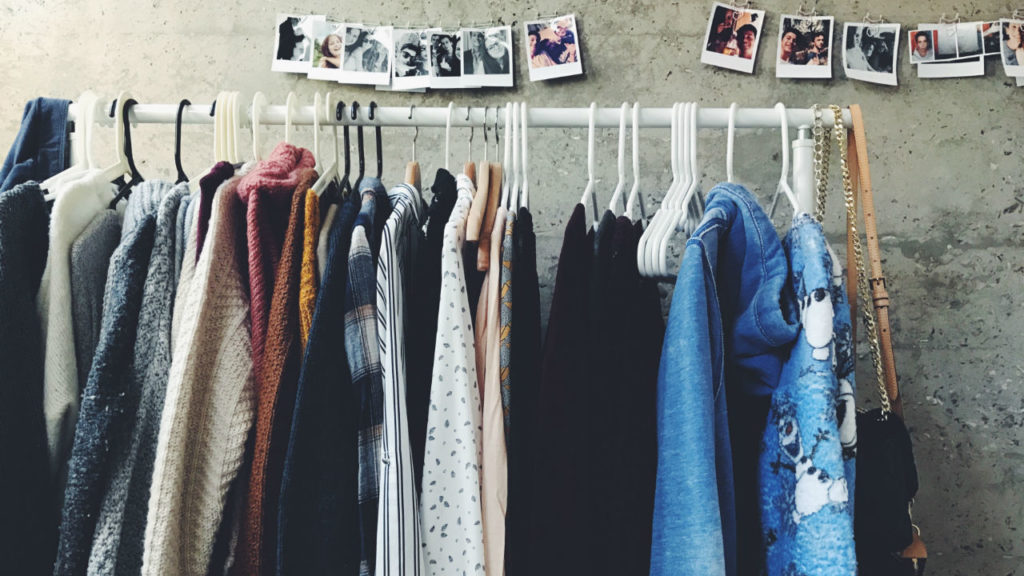
selling clothes

We’re in the golden age of the so-called “side hustle.” Or, maybe we’re just hearing that buzzword a lot as of late.

In any case, between delivering meals to delivering people, we were curious if people were side hustling by selling their clothes online.

It seems that we’re out of the era of striking it rich on eBay a la Nasty Gal, but there are a few apps that keep getting major mentions both online and off.

There’s ThredUP, Poshmark, Depop, and others — presenting a broad user base ready to shop your closet.

So, what’s the deal—can you make any cash?

Like any other seemingly easy money-making schemes, there are several articles from questionable sites that tell you how a student or a stay-at-home mom made six figures selling clothes on Poshmark or Depop.

We came across a UK sneaker seller who made his living flipping shoes, as well as several sellers who made a decent chunk of change through these platforms, but you likely won’t be able to quit your day job.

You’ve got to know what sells

One thing that’s always a challenge with reselling clothing, shoes, and bags is knowing whether anyone will want your old stuff.

Think back to anytime you’ve ever dropped a few bags off at your local Crossroads or Buffalo Exchange.

You probably went in thinking you had some real gems in those old grocery bags but walked out with a measly $10.

Online, there are more chances to impress the buyer. But, clothes need to be in good shape.

You’ll also need to have some knowledge of the trends, the seasons, and how much items are supposed to cost.

Picking the right app for your wares is also a big part of whether you’ll make any money.

Some apps specialize in high-end items, while others cater to a trend-driven crowd or bargain hunters.

Here’s the quick rub on some of the more popular apps.

Top apps to sell your clothes

Depop

Depop is a social selling app that allows you to list your old clothes for free and build a personal store. The app is formatted a lot like Instagram, making it a natural fit for sellers that use the social media site on the regular.

Depop makes you do a bit more work than competing apps, but the benefit is, they only take a 10 percent commission, plus PayPal fees.

Sell anything from vintage wares to gently used mall brands, as well as things like records, accessories, and more. The main thing to remember is that looks matter a ton.

According to the company’s CEO, Maria Raga, the secret to successful selling lies in a combination of top-notch photography and an accurate description.

Poshmark

Poshmark has become super popular over the past couple of years. The platform is stuffed with millions of users, who put together virtual closets by uploading photos and descriptions.

Selling your clothing on Poshmark means taking some pics, and enhancing them with one of eight provided filters. Then you’ll add a description, as well as category, size, and price. Poshmark determines your fee — it’s a flat fee of $2.95 for items $15 and under or 20 percent on anything over that $15 threshold.

It’s worth pointing out that Poshmark has a distinctively social aspect to it. To drum up attention on the app, you need to like comment and follow other users. The more you engage, the more you’ll sell. So, this isn’t the best option for people who don’t enjoy participating in social media.

High-end labels and designer clothes do well on the platform, as do trendier brands like Anthropologie, Madewell, and Lululemon.

Poshmark: Buy & Sell Fashion Download Free ►
7

Tradesy

Tradesy is similar to Poshmark, but they have a different commission structure. The site also only takes women’s clothing, no kids stuff or menswear, allowed. Tradesy is the best place to sell your old handbags, as well as wedding attire you’ll never use again.

This app allows shoppers to browse by brand or category, and the site guarantees that all items are authentic and in good condition.

Selling on the app is relatively easy, too. Simply download the app and snap a few shots of your items — from there, Tradesy will enhance your images by removing distractions. Add your details, and you’re good to go.

Sellers can request a free shipping kit from the app or use their materials, and send items on their way. The app does take a 19.8% commission—which may seem pretty hefty. However, what we did like about this app was, you don’t need to do a ton of socializing as you do on Depop or Poshmark.

The RealReal

The RealReal is your destination for offloading the high-end stuff that just didn’t work for you. While you won’t be able to ditch your whole wardrobe here, if you’ve got a decent amount of designer duds, this is a great hands-off option.

To start selling, you’ll need to make an appointment with The RealReal’s luxury managers, who come to your home. Or, you’ll have the option to mail items to the warehouse for free.

Sellers earn 70 percent of the selling price, which seems like you lose a big cut, but you don’t need to do anything other than provide the items.

The RealReal handles the sales, photography, and advertising, so the higher commission may well be worth the time saved, especially if you’re not a confident photographer.

The RealReal Download Free
7

ThredUP

ThredUP is an interesting one, here. It’s not necessarily a reliable source of cash. Rather, it’s a nice way to earn a few bucks when your closet needs a good purge.

ThredUP does everything for you; you’ll order a clean-out kit and pack up your clothes. Then, they’ll sort through your clothes and pay you according to the selling price of each item they accept.

The benefit of working with these guys is, even if they choose not to use your clothes, you don’t have to take back the rejects. They’ll go ahead and donate your old stuff for you.

thredUP - Buy + Sell Clothing Download Free
8

Wrapping up

In the end, you kind of need an endless well of nice inventory that’s on the pulse of what’s cool. As a side hustle, selling clothes online seems like you’ll need to invest a lot of time and energy into selling — from the photography, the keywords, and understanding the market.

It seems that most people earn enough to exchange their old clothes for new ones, meaning, it’s a solid way to get a fresh wardrobe without breaking the bank.

All of those “six-figure sellers” likely treat their digital stores like the online business it is, which requires a full-time commitment, much like other types of online hustles.

Where eBay resellers once did alright by scouring the local Goodwills and Salvation Army for carelessly discarded gems, it seems too many people got in on the secret.

Now, the local thrift store is loaded up with discarded Target and H&M options that don’t quite hold up the second time around.

As such, app-based resellers will need to get savvy about finding their stock. Whether that’s through sample sales, discounts, or an online shopping habit, it’s more work than it may initially appear.

Credit scores matter — best ways to improve yours

Need to improve your credit score? Here’s how.

credit score

Discover defines credit scoring as a means of distilling your relationship with debt down to a number. That three-digit score allows lenders to quickly size up the risk of doing business with you, which can have major implications on your day-to-day life. 

Credit scores come into play if you want to apply for a credit card, rent an apartment, buy a car, or switch phone providers. Pretty important elements of existing in the modern world, right?

Credit scores range from 350-850, and most lenders look for scores above 650, with preferences given to those with scores in the 700s and higher.

A low score, on the other hand, means you may be denied access to some resources, or forced to pay higher deposits and interest rates.

If you don’t know your credit score or you know it’s bad, here are some tips for improving your score.

How to improve your credit score

credit score

Get a baseline first

First things first, you can’t improve upon what you don’t know.

Get started by running a credit report. There are three credit reporting agencies that provide this information, Experian, Equifax, and Transunion. All three offer one free report per year, we recommend staggering these throughout the year, so you can monitor your credit on a regular basis.

For ongoing tracking, most credit card companies provide a free credit tracker, which reports on a weekly basis. If you don’t have a credit card, Credit Karma allows you to check your status for free, too.

The only downside is, the app does promote financial products alongside the tool, which some users might not like.

Set up payment reminders or autopay

Making payments on time accounts for a high percentage of your credit score. Which makes sense, this metric demonstrates to lenders that they can count on you to make payments on time.

Late or missed payments hurt your credit, and after a month of nonpayment, the three credit reporting agencies will be notified of your delinquency. 

The best way to keep track of payments is to sign up for auto payments — so you can set it and forget it. 

We do also understand that autopay can be a big source of anxiety for those dealing with debt on a limited income. If you feel uneasy about automatic payments, request that your creditors send you a reminder about upcoming bills—most companies do this now. 

Dispute any errors on your reports

credit score

Check all of your credit reports — Transunion, Equifax, and Experian — for any errors. These might include hard inquiries (applications for auto loans or credit cards) or an unpaid bill you don’t recognize.

Incorrect information can cause your scores to drop, so if you see anything that doesn’t add up, make sure you dispute that information and clear things up ASAP. For more information on how to dispute an item on your report, we’ll refer you to the FTC’s official guide.

Limit hard inquiries

Hard inquiries usually occur when you apply for credit or try to rent an apartment or get a loan. Unfortunately, when you apply for these resources, they can slightly lower your credit rating.

A lot of hard inquiries at once might signal desperation — you need a loan, say, and you’ve applied for several different options. That raises a red flag with the credit reporting agencies, as it looks like you’re trying to get a lot of credit or you keep getting declined. 

While you can’t get around hard inquiries if you’re trying to rent an apartment or sign up with a new utility company, we recommend checking the criteria for loans and such before submitting the actual application. We also don’t recommend applying for say, financing multiple cars at a time.

Don’t max out your cards

Card utilization is one of the biggest parts go your credit score. What this means is, the lower the percentage of your credit you’ve used, the better. 

Ideally, you should aim to carry a balance of no more than 30 percent of your available credit.

If you have multiple card balances, consider consolidating them to one credit card or a personal loan. This allows you to take a more strategic approach to lowering debt — and reduces the amount of interest paid each month.

Another thing to think about: even if you’re paying off your credit card balances in full each month, your credit utilization ratio might not look as good as you think.

Credit card companies typically report your current balance to the credit bureaus—so it has more to do with the snapshot of your account at any given time, not so much your record of on-time payments. 

One way to combat this is making multiple payments per month, so the balance stays below that 30% threshold.

If you’re looking for an easier way to juggle multiple credit cards, sign up for a service like Tally. The service allows people to lump multiple payments together into a single monthly payment. 

Watch out for fraud

credit card

Data breaches are no joke these days. Between the Equifax breach and the Facebook leak, you need to be careful about the information you share online. 

Use strong passwords and PINs—if you can’t remember, use a password manager. Options like 1Password or LastPass are perennial faves, as they allow you to forget your passwords and stay safe. No more forgetting those annoying special character codes or storing everything on a low-tech post-it note.

Check your bank statements and credit scores on a regular basis — make sure there are no unauthorized charges.

Additionally, investing in a system like Lifelock or IdentityForce is a smart idea. If someone gets a hold of your social security number and birthdate they can steal from accounts, open credit cards, and file tax returns — all of which can have a dramatic impact on your credit score years down the line. You can click here for a 10% Lifelock discount for Softonic readers.

Don’t close old accounts after you pay them off

It sounds like a smart thing to do. You’ve knocked out your credit card debt, and the next thing on the agenda is closing the account. 

While that seems like a good plan for keeping your finances in check, closing an account can count against you on your credit report.

It’s better to keep your account open and paid off — which shows future creditors that you are low risk. 

Have patience: your score won’t change overnight

Raising your credit score isn’t an overnight fix. Instead, it’s a process that requires patience and a few new habits. In the meantime, make sure you’re paying your bills and using credit responsibly. 

Eventually, your score will rise.

5 scientifically-backed ways to boost memory retention

Wish you could remember more? Here are five ways to make that happen.

memoryWhether you’re frustrated by your own forgetfulness or just want to be able to recall facts and faces, nothing is worse than dealing with mental fog.

Declining brain function is, of course, one of the biggest fears people have as they get older. But, there are several ways to keep your brain sharp, flexible, and ready to take on more information.

Memory isn’t a fixed state. It’s better to think of it in the same way you might view muscle strength; the more you exercise it, the stronger it becomes. It’s a real “use it or lose it” game, here.

That said, the secret doesn’t necessarily lie in brain training apps (sorry, Lumosity). While you might feel like you’re improving as you make your way through a series of games, brain teasers really just make you better at solving a specific kind of puzzle.

Instead, the best ways to boost your memory retention is to one — take care of yourself — and two, push that brain to new limits.

With that in mind, here are our top five ways (backed by science) to boost your memory.

5 scientifically-backed ways to improve memory

1. Learn a new skill

learning guitar

One piece of the memory-boosting puzzle is neuroplasticity. This term refers to this idea that challenging your brain in new ways allows you to improve your memory retention and general cognition. Basically, there’s hope that you can change your brain — which is heartening, we think.

So, if you really want to stay sharp and remember all of those new names next time you go to an event, there’s a compelling case for learning, well after graduation.

Learning something new can mean anything from a run-of-the-mill hobby — think ceramics or cooking classes or learning a martial art. Or, leveling up some skills that can help you in the workplace.

According to Dr. Denise Park of the University of Texas at Dallas, learning a new skill, as a novice, is mentally challenging. Dr. Park conducted a study, assigning 200 older people to learn either quilting or digital photography. The results revealed that even something like quilting could be complicated to someone without any experience.

Our advice? Check out your local college to see if there’s anything you’re interested in. If you don’t have a ton of time on your hands, then consider downloading the Lynda app — which will teach you new skills from video editing to coding from your phone or laptop.

2. Get organized

A little physical clarity can do wonders for the old brain. According to Psychology Today, thinking can become incoherent if ideas and information are located across multiple spaces. So, when your desk is a mess, and you can’t find your keys or important documents, your ability to think clearly will suffer.

Take some time to develop a system — both online and off. For example, you may want to add a project management tool to your digital lineup — Trello, Asana, and Basecamp are good options for those with sprawling to-do lists.

Spend a day getting your inbox in order and choose one calendar app where you’ll store all of your upcoming tasks and engagements.

On the physical side — clean out your desk. Keep a few favorite pens, a place to take notes, and ditch anything you don’t need. You may also choose to keep your work materials in a backpack or bag that you use every day and store keys and wallets in a designated area.

While this might sound basic, the point is to know where everything is. This way, you don’t spend extra time trying to find what you need to get through the day–whether it’s a physical thing or a digital file.

3. Don’t try to cram new information

learning

Whether you’re currently in school or staring down a milestone reunion, you probably assume you already know how to study.

But, your approach to learning new information might not be so good for memory retention. Research has found that cramming is one of the worst ways to boost memory retention. Instead, space out your reading or study sessions so you have some time to process that new information.

Researchers aren’t entirely sure why spacing your study sessions is vital to your success, but one possible reason is, the new study session jogs your memory from that initial session, you’re forgetting some information, and retrieving it when you revisit the task. And that process may well help you cement that knowledge in place.

4. Are you getting enough sleep?

Sleep is so important. Obvious, sure. But, scrambling to get things done or trying to get more out of a measly 24 hours, can eat away at our requisite eight hours.

Sleep triggers a change within the brain, which solidifies memories by strengthening the connections between cells. Brain cells transfer information from one part of the brain to another, where they’ll settle for the long term.

Additionally, sleep is also thought to help us synthesize new ideas — while you’re sleeping, the brain pulls pieces of information together from various experiences. Meaning, there’s a reason that “sleeping on it” is a good idea — it’s those aha moments that happen as you sleep that can help you solve difficult problems or understand a new concept.

Some people like using sleep trackers, though the only real benefit of using these tools is creating a routine.

It’s hard to determine the time between when your head hits the pillow and when you enter REM. Or, how many sleep cycles you complete each night.

It’s better to stick to a regular schedule — because your body likes predictability. Make time to power down each night, and try waking up at the same time every day, weekend or not.

5. Reduce your stress

relaxing

Not to add any more stress to your plate, but all that fretting is bad for your noggin. According to Harvard Medical School, stress is linked to cognitive problems, as well as Alzheimer’s disease and dementia.

Researchers found that stress affects thinking and memory because worrying engages one part of your brain. Which, of course, takes energy away from other areas of your brain.

The brain kicks into survival mode and puts memory on the back burner which is a potential explanation for why you suddenly start making mistakes or forgetting things when you’re totally stressed.

Getting your stress under control means relating back to a couple of the tips listed above. Sleeping, for example, can reduce stress. When you’re running low on sleep, the parts of the brain built for high-level handling tasks are running on empty — so your coping mechanisms aren’t there.

And getting organized allows you to manage your workload in a way that makes things feel less overwhelming.

Final thoughts

In the end, our memories do have something to do with our genetics. But, that’s not to say genes paint the entire picture of our mental fate. By taking care of yourself — reducing stress, getting a good night’s sleep, and enriching your brain with new information, you’re creating an optimal environment for your mind to absorb and store new memories and connect them to old ones.

Privacy-invading software scans your babysitter’s social history

Before you let someone babysit your kids, should you get a full picture of their social media history?

predictim service for babysitters

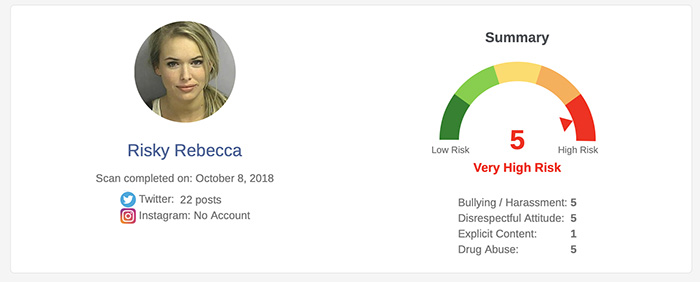
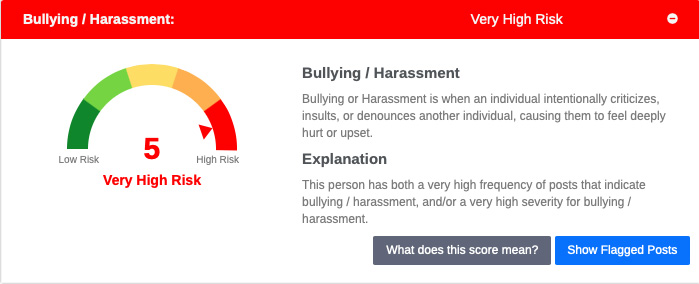
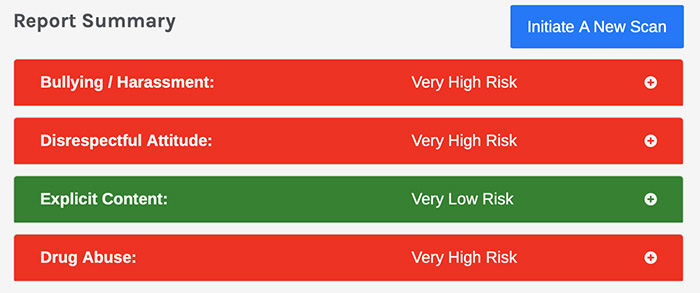
So, a few weeks back, the Washington Post ran a story that had a disturbing tinge running through it. The article centered on a software called Predictim. It’s a service that scans potential babysitters’ Twitter feeds, Facebook pages, and Instagram stories to provide concerned parents automated risk ratings for things like drug use and bullying.

Less objective measures like a bad attitude or disrespectfulness were also included in the report — which, really?

It’s certainly understandable that parents want to check out the person watching their child. But this technology presents some new issues that go beyond general workplace spying.

Here’s a little background on Predictim, and a look at what’s looming over the horizon when it comes to new ways to invade peoples’ space.

How does Predictim work? What’s the deal?

predictim

Predictim scans the digital footprint of a prospective babysitter to determine their risk to parents. The app was created by Sal Parsa and Joel Simonoff who set out to develop an AI solution that can generate personality assessments based on the candidate’s digital footprint.

The app used natural language processing (NLP) to sort through social media platforms, scanning photos, tweets, and captions for risk factors — Parsa and Simonoff say that traditional background checks or interviews don’t paint the full picture of who a person might be.

With Predictim, the algorithm considers billions of data points and can scan them within a matter of minutes — spitting out a report with predicted traits, behavior, and a brief summary of their digital history.

Reports cost $24.99 a pop and come with a risk assessment score — green being not risky to red, very risky. A small price to pay for identifying potential bullies and abusers who might otherwise slip through the cracks.

What are some of the issues?

predictim

Critics of the tool say that technologies like the solution that Predictim has presented present some clear dangers, especially given that these tools are being used to make decisions about someone’s ability to find work.

The first problem that comes to mind, of course, is bias. Often AI tools don’t show bias until they’ve been deployed and someone starts to pick up on this unfortunate pattern.

Gizmodo’s Brian Merchant decided to experiment with Predictim and his post-mortem highlights some major problems. Merchant says he tested the app using his actual babysitter, an African American woman, and a white male friend. The friend got a better rating than the babysitter, despite the fact that he shares a lot of vulgar content on Twitter. Merchant’s babysitter was flagged for being disrespectful.

Joel Simonoff, the CTO, says that they don’t look at things like race or ethnicity, but we’ve seen other tools develop biases, too. Amazon’s recruitment AI didn’t especially like women and software used by many of the nation’s prisons routinely rates black inmates as more likely to commit a crime in the future.

predictim

Another issue is this tool turns up a lot of personal data. Predictim pulls up addresses, phone numbers, email addresses, and names of relatives — to, you know, ensure that the person running the scan knows, just for sure, that they’ve got the right person.

Finally, these recruitment apps are classist. Increasingly, we’re developing tools that disproportionally subject low wage workers to robot-based scrutiny. While Predictim does need to obtain the babysitter’s consent before processing the report, if the sitter opts out—surprise, they’re not going to get the job.

Other tools like HireVue and Fama work with companies—reporting back on things like attitude and demeanor.

Fama scans social media channels for toxic behavior and alerts the bosses, while HireVue analyzes tone and demeanor to predict on the job performance — candidates are encouraged to smile at the bot for best results.

Facebook and Instagram blocked the tool

Facebook pulled most of Predictim’s access to users, as the company was found to be in violation of the platform’s privacy policy on how personal data can be used. Predictim is still scraping public data for their reports, but Facebook may end up pulling them completely.

Twitter says, when they became aware of the platform, they blocked it as well. A spokesperson for the company said that Twitter prohibits the use of their data and APIs for surveillance purposes.

Still, Predictim isn’t giving up. The founders are currently in talks with shared economy companies to provide vetting services for rideshare services or accommodation hosting. We’re sure there are some big names involved.

While it’s heartening that the social media giants have shut this tool out — there are so many of these vetting platforms that keep cropping up. And, you’re looking at things like a bad attitude or evaluating personalities with algorithms, there’s going to be a problem in the power dynamic between employers and those vying for opportunities from the babysitting gig down the street to gig economy sites and the traditional 9-5.

What’s next?

It looks like the media scrutiny offered more blowback than Predictim, uh, predicted. Visit the site now and you’ll see a statement at the top:

“We have been overwhelmed by the interest, press coverage, and input regarding our project. To be honest, this attention came earlier than we expected, and certainly before we had fully launched our contemplated services. We received some very helpful feedback on ways we could make Predictim even better. Clearly, people are hungry for better ways to make decisions in marketplaces where character, reputation, and trustworthiness are important. As a result, we have decided to pause our full launch and put our heads down to focus on evaluating how we offer our service and making changes to address some of the suggestions we received. While we are not offering any services at this time, please stay tuned and check back often for updates: we will be back!”

Ultimately, it doesn’t seem like Predictim and similar apps are going away anytime soon. Even if Facebook and Twitter keep blocking the platform from scraping private data, there’s always the chance the companies reach a compromise if there’s enough money on the table.

The fact that enough people are willing to use this service to spy on the neighborhood teen is a bit troubling, and it’s a sure sign that we need to start fighting for our privacy before it’s too late.